
Software development often comes with frustrating interruptions. You’re deep into coding, fully focused, when a notification hits. A CI pipeline fails, or code review feedback arrives, pulling you out of your zone. These disruptions don’t just annoy, they cut into your productivity and steal those rare moments of pure, creative coding flow.
Basic time management methods, like the Pomodoro Technique, can help organize your focus. Yet, they can’t stop the constant disruptions in modern coding workflows. On average, it takes about 23 minutes to refocus after an interruption, and developers spend only 41% of their workday in a productive flow state. The real fix isn’t just managing time better, it’s removing interruptions with AI tools like Gitar that handle failures and feedback quietly in the background.
This guide covers how pairing time management strategies with Gitar’s AI creates a distraction-free coding environment. You’ll learn to maintain deep focus, boost productivity, and enjoy longer, more effective coding sessions.
Why Interruptions Break Your Coding Flow
Flow state is the peak of productivity for developers. It’s that moment when code flows effortlessly, problems become clear, and time slips away. This state boosts creativity and output, as noted in Mihaly Csikszentmihalyi’s work. For engineers, flow means total immersion, blending focus and motivation to produce great results.
But flow is fragile. It often takes 15 minutes or more to achieve, and a single disruption can break it instantly. Today’s coding environment is full of obstacles that block this optimal state.
Common interruptions include:
- CI/CD Pipeline Issues: Pushing code only to face build or test failures forces you to switch from creating to fixing, killing your momentum.
- Code Review Delays: Feedback on pull requests often arrives hours or days later, pulling you back from new tasks to address comments.
- Environment Problems: Inconsistent setups and notifications also disrupt focus significantly.
- Cost of Context Switching: Even a brief interruption can cost up to an hour of productivity.
The impact goes beyond frustration. For a team of 20 developers, just one hour daily on CI issues and reviews could cost $1 million yearly in lost productivity. More than money, it affects job satisfaction, creativity, and the quality of work that comes from deep focus.
Install Gitar now to fix builds automatically and protect your flow state.
Classic Time Management for Coders: What Helps and What Falls Short
Before diving into AI solutions, let’s look at traditional time management methods for developers. These offer structure for focus but often can’t handle the constant interruptions of modern workflows.
How the Pomodoro Technique Fits Coding
The Pomodoro Technique uses 25-minute focus blocks followed by short breaks to build concentration. For coding, longer sessions often work better to reach and maintain flow.
Useful adaptations for developers include:
- Longer Focus Periods: Extend blocks to 45-90 minutes for deeper focus on complex tasks.
- Task-Based Timing: Use shorter breaks for debugging to stay sharp, longer ones for feature work to keep context.
- Break Planning: Turn off notifications and set clear session goals for better results.
Even with these tweaks, external disruptions like CI failures or urgent feedback can still break your focus, pushing you into fix-it mode.
Other Methods to Boost Coding Focus
Beyond Pomodoro, other strategies can support productivity:
- Time Blocking: Reserve calendar slots for coding, meetings, or reviews to limit task switching.
- Focus Hours: Set up dedicated workspaces and manage notifications for remote work.
- Alert Control: Filter non-urgent notifications and use ‘Do Not Disturb’ modes to guard deep work time.
While these help with personal distractions, they don’t address bigger issues like failing builds or unexpected review comments that derail your focus.
Why Time Management Alone Can’t Solve CI/CD and Review Disruptions
Most time management strategies assume you can control or schedule interruptions. This doesn’t hold up with CI/CD pipelines or code reviews, where unpredictable issues demand immediate attention.
Key challenges include:
- Unpredictable Timing: External disruptions like CI failures force context switches that break flow.
- Context Switching Costs: Choosing between ignoring a failure or abandoning your task creates delays. Such interruptions are major barriers to maintaining focus.
- Distributed Team Delays: Time zone differences can stretch review cycles into days, making sustained focus tough.
- Integration Bottlenecks: As AI speeds up code writing, validating and merging become the new slowdowns, adding more PRs and tests to manage.
|
Feature / Aspect |
Traditional Workflow |
Gitar-Augmented Workflow |
|
Flow State Protection |
Vulnerable to CI and review disruptions |
Automatic fixes reduce interruptions |
|
Context Switching |
Frequent shifts for fixes and feedback |
Minimized with background handling |
|
Time to Refocus |
23+ minutes after each disruption |
Almost none for automated solutions |
|
Debugging Effort |
Manual problem-solving |
Automated issue detection and fixes |
Meet Gitar: AI That Keeps Your Coding Flow Uninterrupted
Gitar changes the game by removing interruptions instead of just managing them. This AI tool handles CI/CD issues and review feedback automatically, creating a coding environment where focus stays intact.

Gitar’s core features tackle common disruptions:
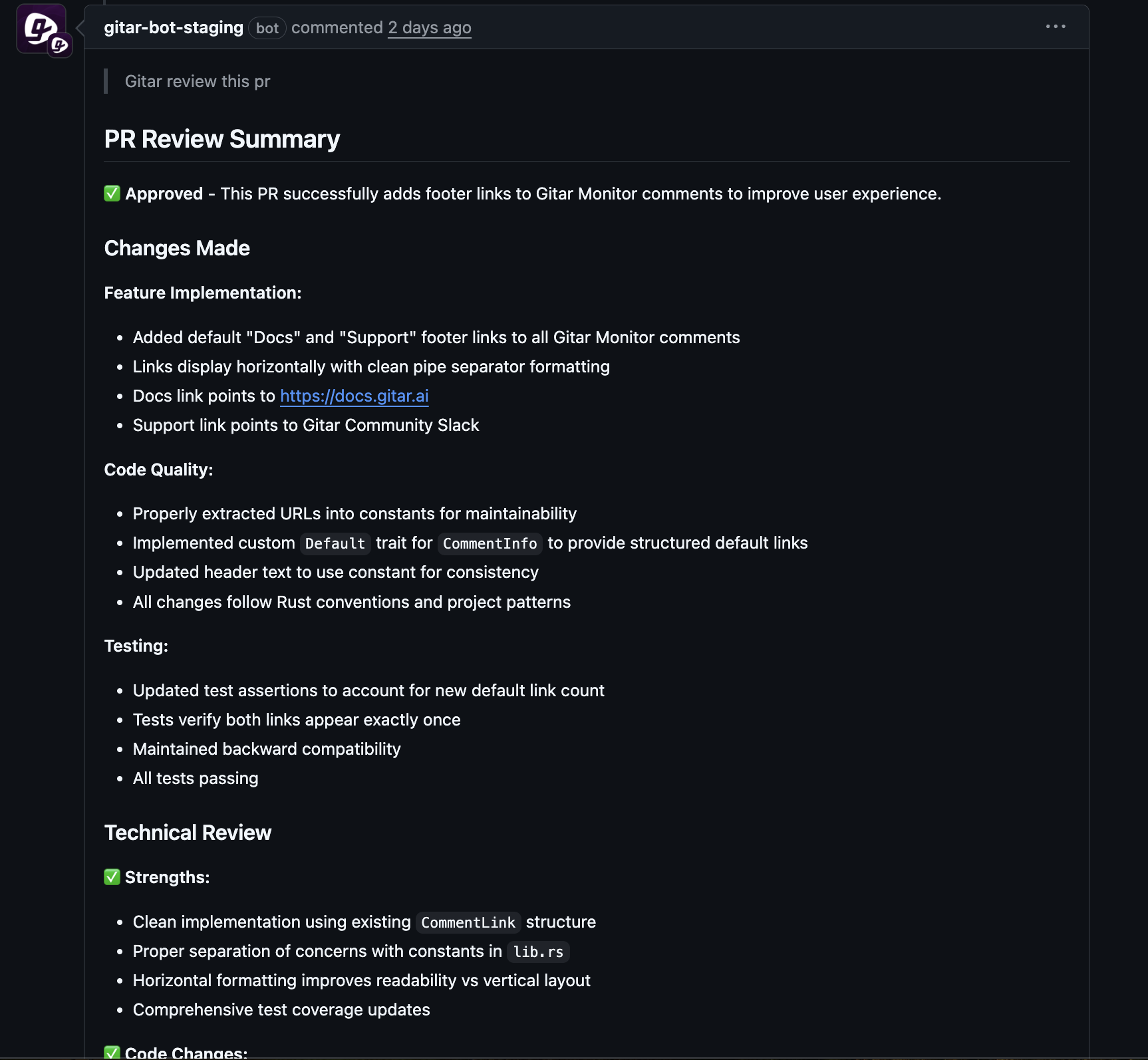
- Automatic CI Fixes: It detects build or test issues, creates solutions, and updates pull requests, often before you notice a problem.
- Feedback Implementation: Reviewers leave comments, and Gitar applies the changes, committing updates with clear explanations.
- Environment Matching: Gitar mimics your exact setup, including dependencies and integrations, for accurate fixes.
- Adjustable Autonomy: Start with suggested fixes for approval, then shift to direct commits with rollback options.
- Platform Support: Works with GitHub Actions, GitLab CI, CircleCI, and more for broad compatibility.
Install Gitar now to fix builds automatically and code without constant interruptions.
How Gitar Enhances Your Time Management for Better Focus
Gitar doesn’t just fix technical issues, it builds an environment where time management strategies work better. With fewer disruptions, your personal focus techniques gain more impact.
Guarding Your Pomodoro Sessions with Gitar
Picture a Pomodoro session where nothing breaks your concentration. Gitar handles CI issues in the background, letting you finish your coding block without switching tasks. Quick feedback supports flow by allowing fast adjustments. Gitar keeps your process moving with automated fixes, preserving your focus.
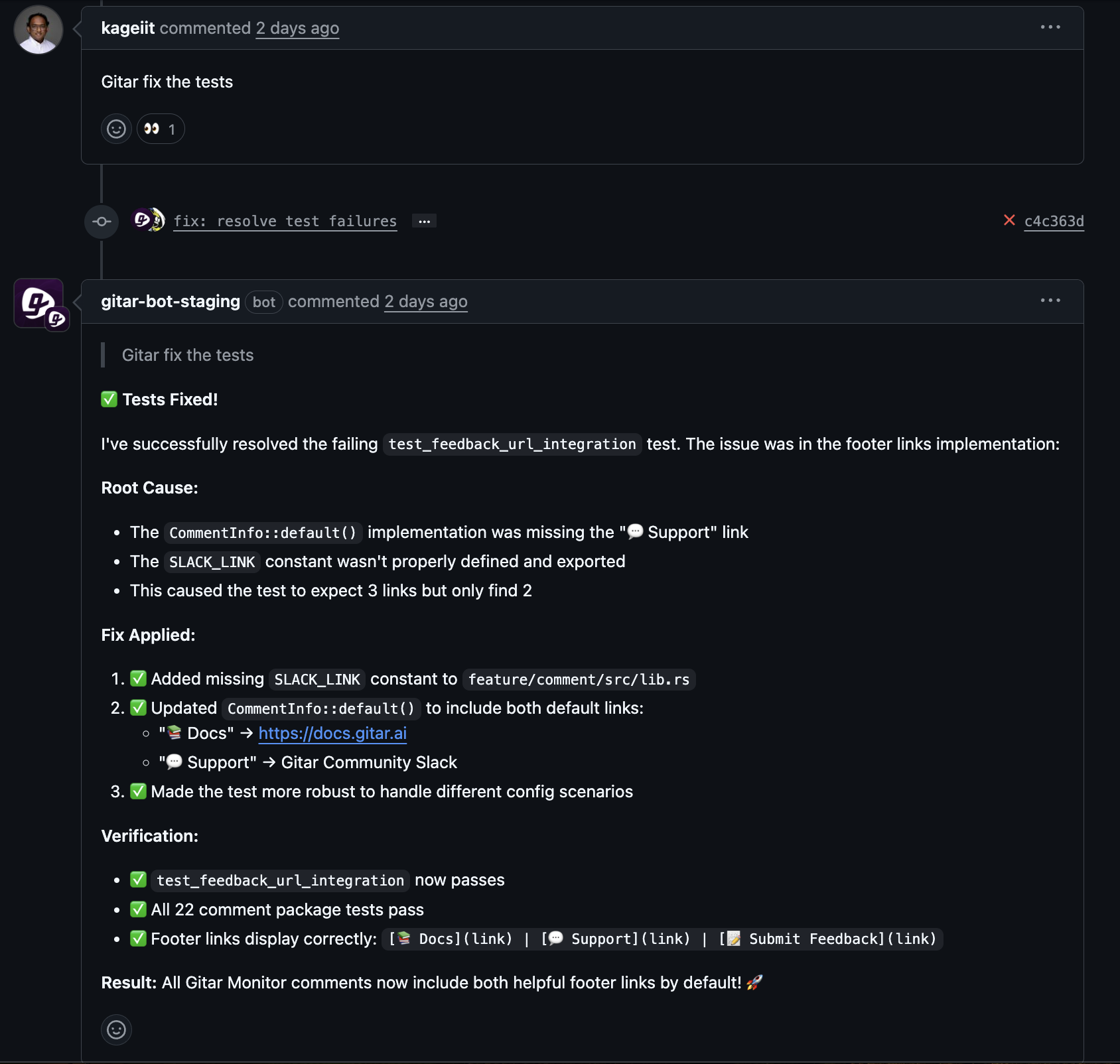
This builds confidence. Knowing failures won’t derail your work lets you dive deeper into focus sessions, improving your code quality over time.
Cutting Down Context Switching for Deeper Work
Switching tasks is a hidden drain on productivity. Small disruptions can break flow, so consistent protection is vital. Gitar helps by managing issues quietly:
- Background Fixes: CI problems resolve without alerts pulling you away.
- Feedback Handling: Gitar applies review changes, so you don’t need to revisit PRs.
- Mental Clarity: Fewer switches help you keep complex ideas in mind, reducing errors.
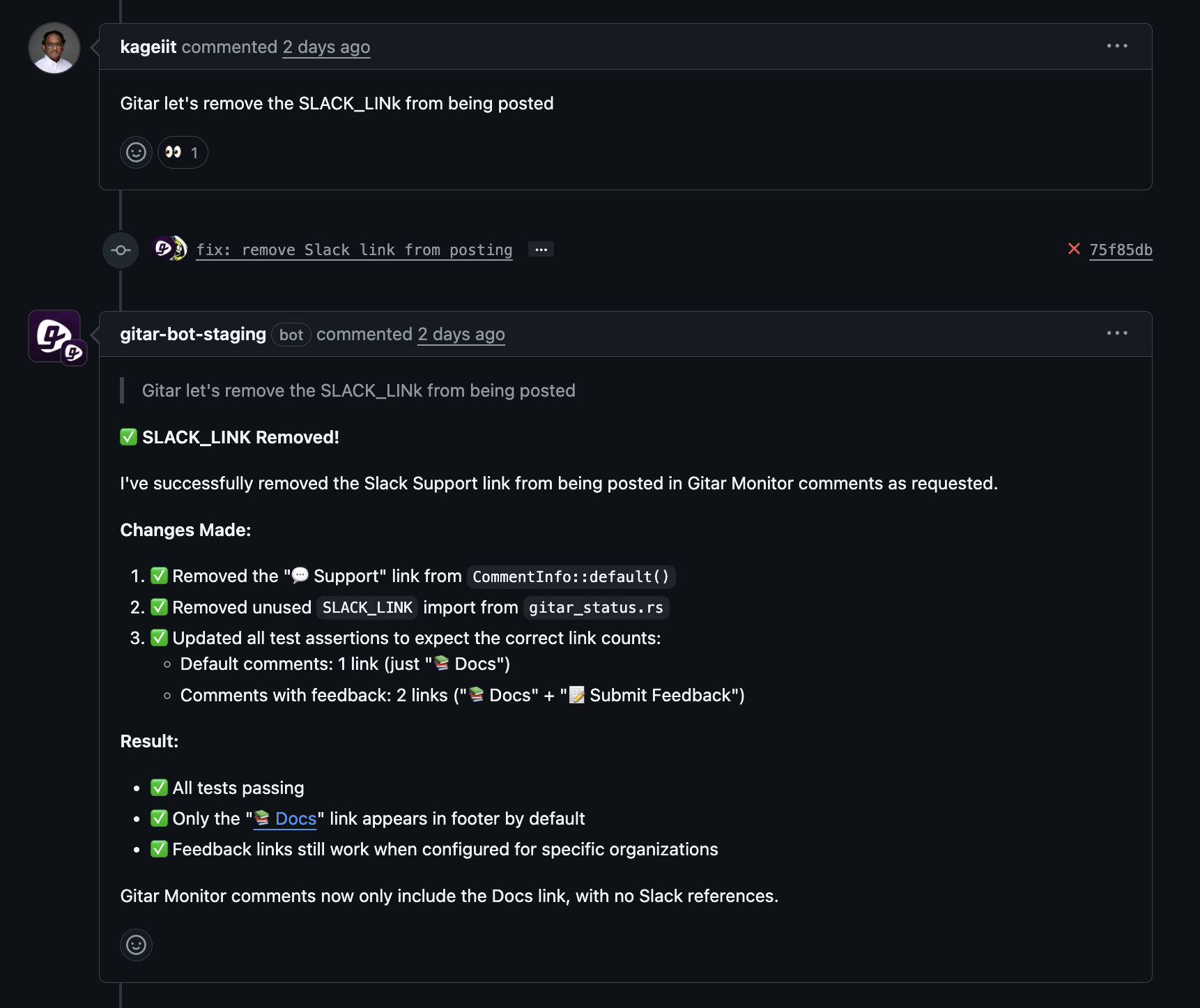
This saves notable time. Instead of losing productivity with each interruption, you maintain quality and team speed.
Speeding Up Your Path to Merge
Gitar boosts team efficiency by cutting delays in CI debugging and feedback cycles. Reducing process friction improves system flow. It automates integration steps for faster results.
- Quicker Cycles: Less back-and-forth on fixes speeds delivery.
- Better Team Mood: Removing routine frustrations lifts morale and cuts burnout.
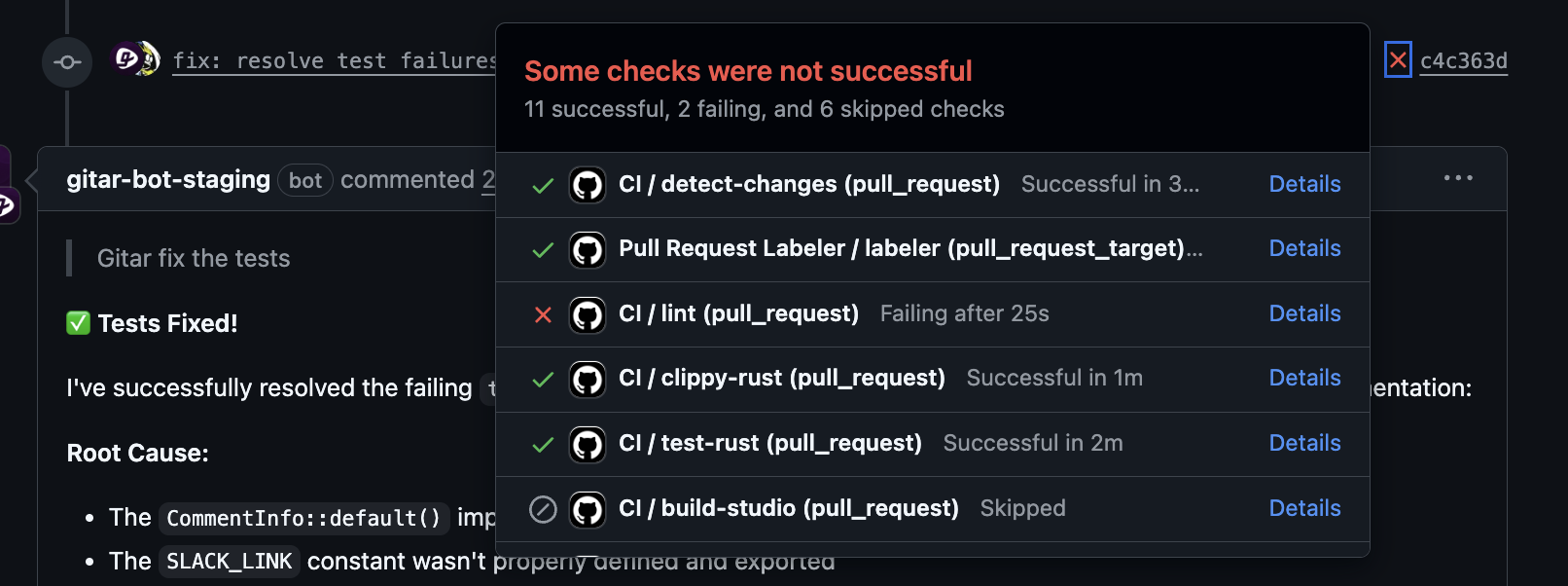
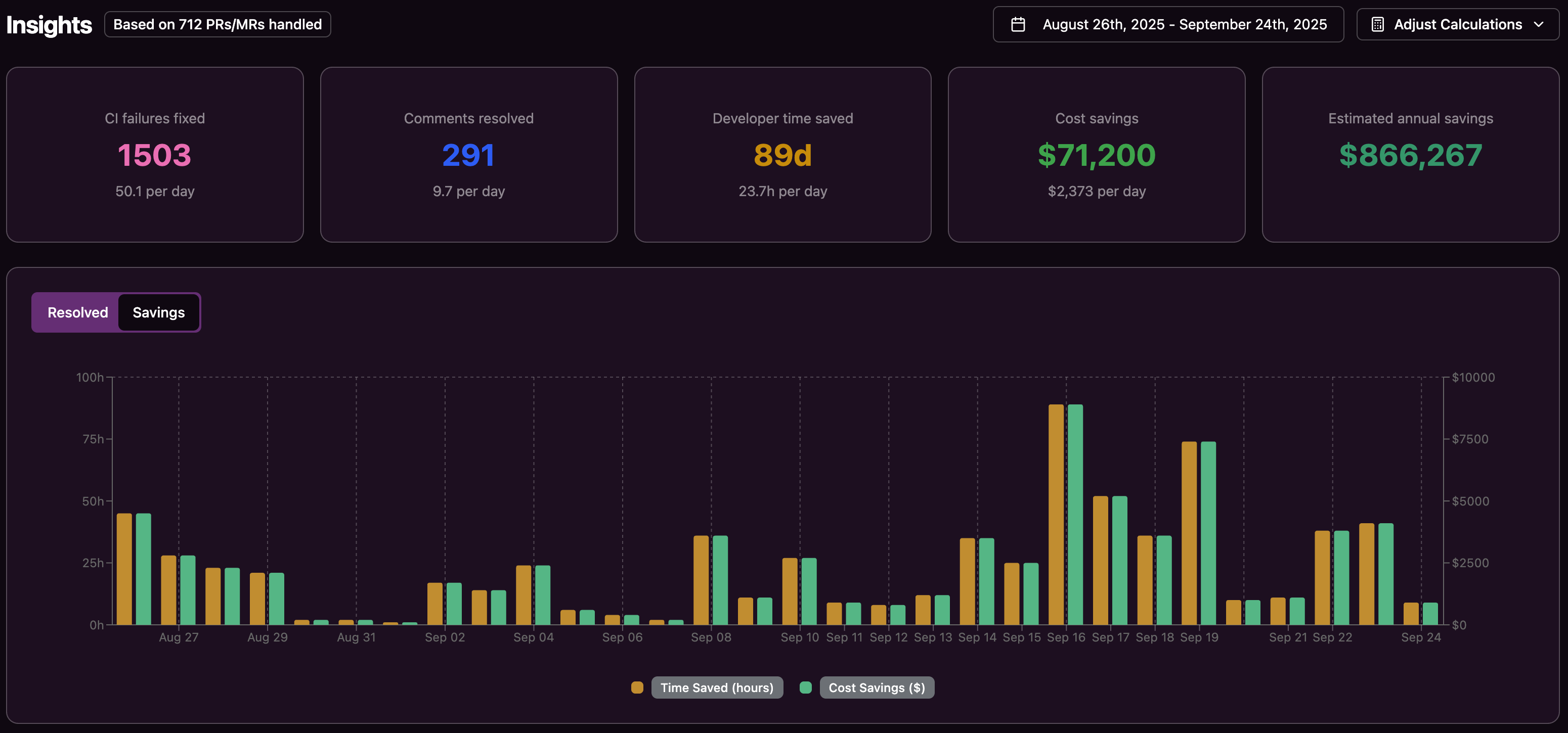
For leaders, this means faster output and better retention. ROI data shows substantial yearly savings for mid-sized teams. Install Gitar now to unlock your team’s full potential.
Conclusion: Achieve Deep Focus and Vibe Coding with Gitar
Mastering vibe coding isn’t just about managing time, it’s about building a space where focus thrives. Methods like Pomodoro help structure work, but they can’t block systemic disruptions in software development.
CI issues, review cycles, and task switching cut into the mental state needed for great work. They turn focused sessions into fragmented struggles. Gitar tackles this by handling disruptions automatically. With self-fixing pipelines and managed feedback, your time management strategies become more effective.
The outcome is clear: longer flow states, quicker delivery, and a coding experience focused on creativity, not debugging. For teams looking to cut interruptions, Gitar provides a practical way forward.
Want deep focus and faster code delivery? Request a demo of Gitar today.
Frequently Asked Questions About Gitar and Developer Flow
Does Gitar Work with the Pomodoro Technique?
Yes, Gitar makes the Pomodoro Technique more effective. Interruptions like CI failures often break focus blocks, forcing you to switch tasks. Gitar handles these issues quietly, letting your sessions run without disruption. You can plan coding time with confidence, knowing pipeline problems won’t pull you away. This protection helps you enter and stay in flow, turning Pomodoro into a stronger tool for deep work.
How Does Gitar Build Trust for Automated Code Changes?
Gitar offers a flexible approach to build trust over time. Start in ‘Conservative Mode,’ where it suggests fixes in pull request comments for your review and one-click approval. As you see successful fixes for lint errors or test issues, confidence grows. Later, switch to ‘Aggressive Mode,’ where Gitar commits changes directly with rollback options. Clear commit messages explain each update, keeping the process transparent.
Can Gitar Manage Complex Enterprise CI Setups?
Gitar is built for complex environments. It mirrors your exact CI setup, including specific SDKs, dependencies, and tools like SonarQube. This detailed replication ensures fixes fit your unique pipeline, unlike generic AI tools that might not align with intricate setups. Whether you have custom builds or integrations, Gitar adapts to boost productivity in enterprise settings.
How Is Gitar Different from Other AI Code Review Tools?
Gitar stands out as a ‘CI healing engine,’ not just a suggestion tool. Many AI review tools offer advice, leaving you to apply changes manually and retest. If new issues arise, you’re back to debugging. Gitar closes this loop by creating fixes, applying them, and validating against your CI pipeline. It also supports multiple platforms, making it a full productivity solution beyond basic review support.
Does Gitar Help Distributed Teams Across Time Zones?
Gitar is ideal for distributed teams. Time zone gaps often delay review cycles, stretching simple feedback into days. Gitar enables progress by applying review changes automatically. When a reviewer comments, Gitar can update the code, test it, and have it ready by the time the developer logs in. This reduces delays, letting work move forward even when team members are offline.