
Every developer knows that moment when you’re fully immersed in solving a complex problem, only to be pulled away by a failing CI pipeline, a code review comment, or a quick question from a teammate. That deep focus, where your best work happens, slips away instantly. This guide dives into ‘vibe coding,’ a method of using sound to enhance your focus, paired with Gitar, a tool that shields your workflow from interruptions. Install Gitar now to fix broken builds automatically and ship quality software faster.
What ‘Vibe Coding’ Means for Developer Focus
‘Vibe coding’ is about curating the right sound environment to support deep work. It goes beyond just playing music, focusing on selecting sounds like instrumental tracks, ambient noise, or white noise to boost concentration and creativity. Sound impacts your mental state, influencing stress levels and problem-solving ability. The aim is to create an auditory setting that keeps distractions at bay and helps you stay in the zone.
How Sound Affects Your Brain During Coding
Sound has a direct effect on brain function, engaging areas tied to memory, emotion, and motivation. Music can shape your psychological and physical responses by activating multiple brain regions. Finding the right balance is key. Moderate background music can improve cognitive performance and creative thinking by maintaining an ideal level of mental alertness. Too little or too much stimulation, however, can hinder your work, so choosing a soundscape that matches the complexity of your task is essential.
Entering Flow State with ‘Vibe Coding’
Flow state, where time fades and tasks feel effortless, is a developer’s peak productivity zone. ‘Vibe coding’ helps you reach this state by using consistent sound cues that signal your brain to focus. Relaxing genres like jazz or lo-fi can enhance attention and reduce stress, supporting mental clarity for coding. Over time, pairing specific sounds with work sessions trains your mind to enter focus mode faster, making deep work more accessible.
Why Context Switching Disrupts Your Workflow
Switching tasks, like addressing a CI failure or responding to feedback, takes a heavy toll on productivity. Beyond the time spent on interruptions, it can take 15 to 30 minutes to regain focus on your original task. For a developer facing five disruptions daily, this adds up to 2.5 hours of lost productivity from mental overhead alone. Combining ‘vibe coding’ with tools that minimize these interruptions can make a significant difference.
Protect Your Focus with Gitar’s Autonomous Features
While ‘vibe coding’ fine-tunes your mental environment, external disruptions can still break your focus. Gitar steps in as an autonomous solution, handling CI failures and code review tasks to keep your workflow smooth. Discover how Gitar preserves your focus.

Keep Deep Work Uninterrupted with Self-Healing CI
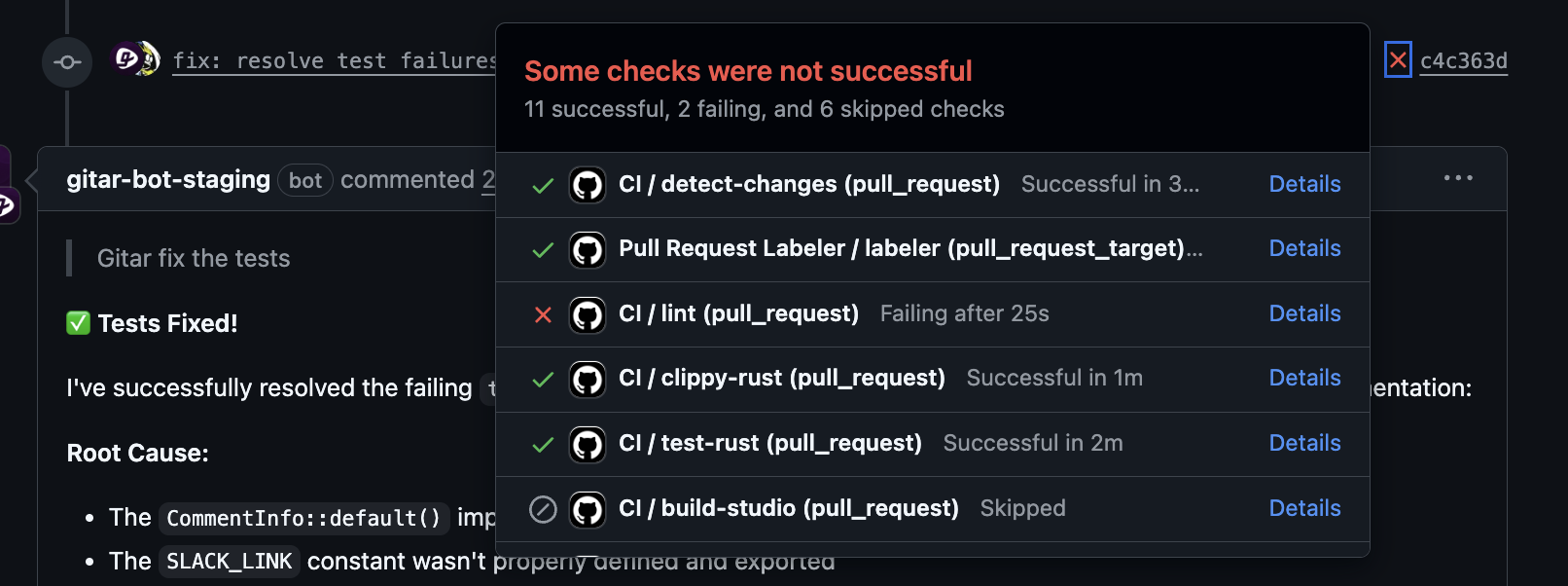
CI pipeline failures often pull you out of focus, forcing you to debug issues when you’d rather keep coding. Gitar changes this by automatically analyzing errors, identifying causes, generating fixes, and committing them to your branch. You stay in your sound-curated zone, unaware of the issue, preserving your mental focus for more critical tasks.
Streamline Code Reviews without Breaking Focus
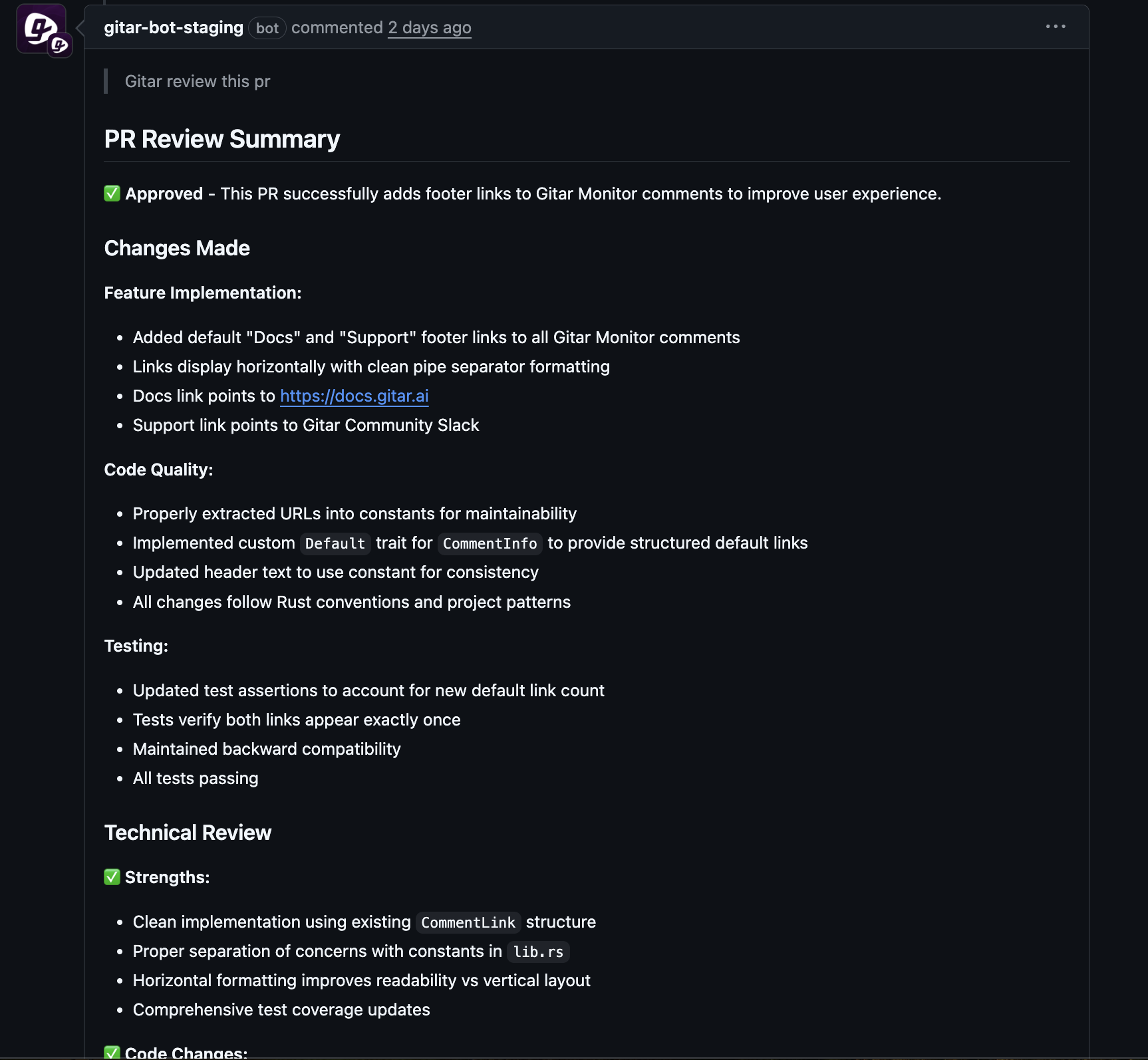
Code reviews can disrupt your day, especially with distributed teams across time zones. Gitar handles feedback autonomously. Reviewers can leave actionable comments, and Gitar implements the changes, posting explanations afterward. This keeps you immersed in your sound environment, focusing on bigger challenges instead of routine adjustments.
Gitar’s Healing Engine Versus Suggestion Tools
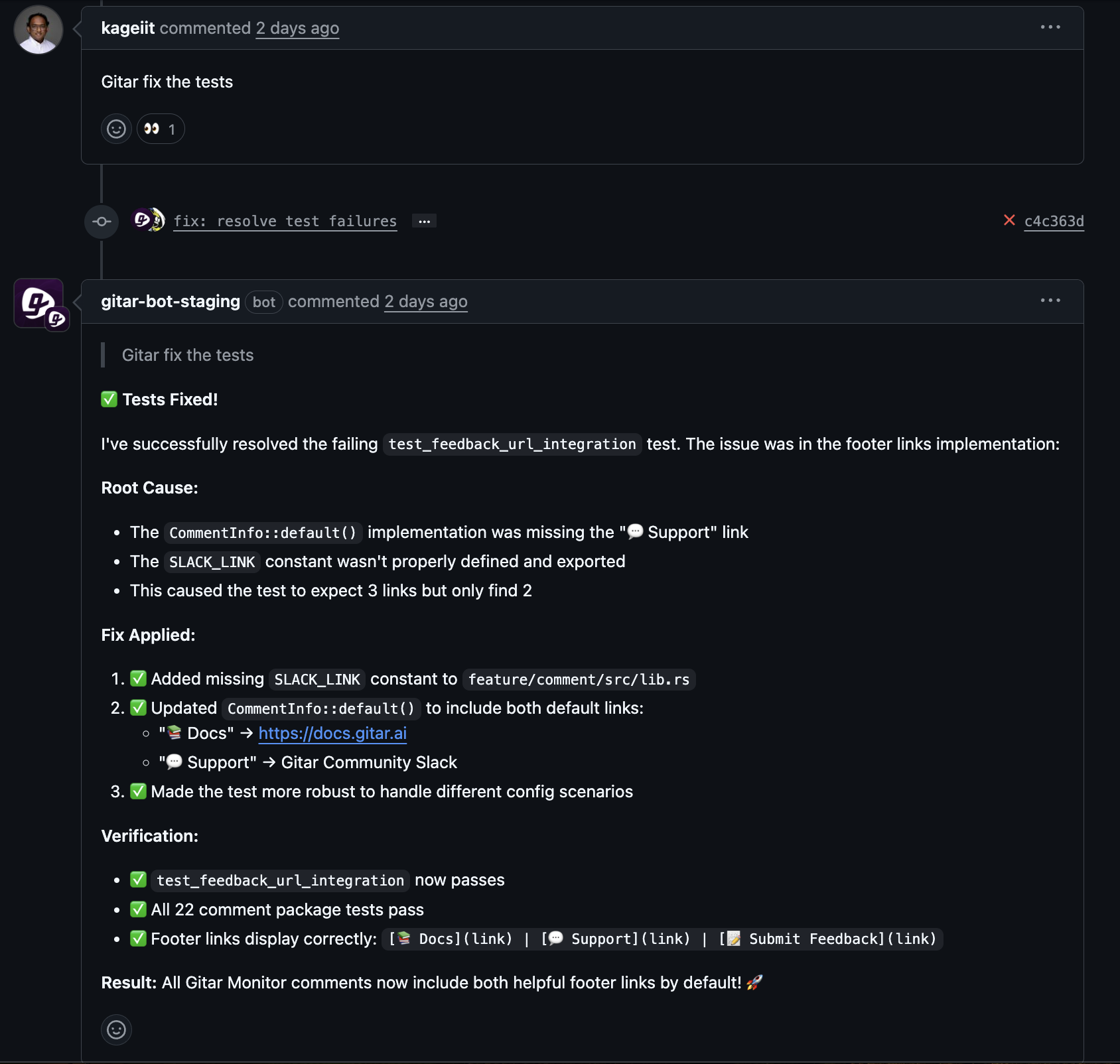
Unlike tools that only suggest fixes, requiring your input to implement them, Gitar’s healing engine goes further. It applies solutions, validates them through your CI process, and ensures everything passes before finalizing. This full automation means no interruptions to your coding session, letting your soundscape sustain your focus on creative work.
Speed Up Development Cycles with Gitar
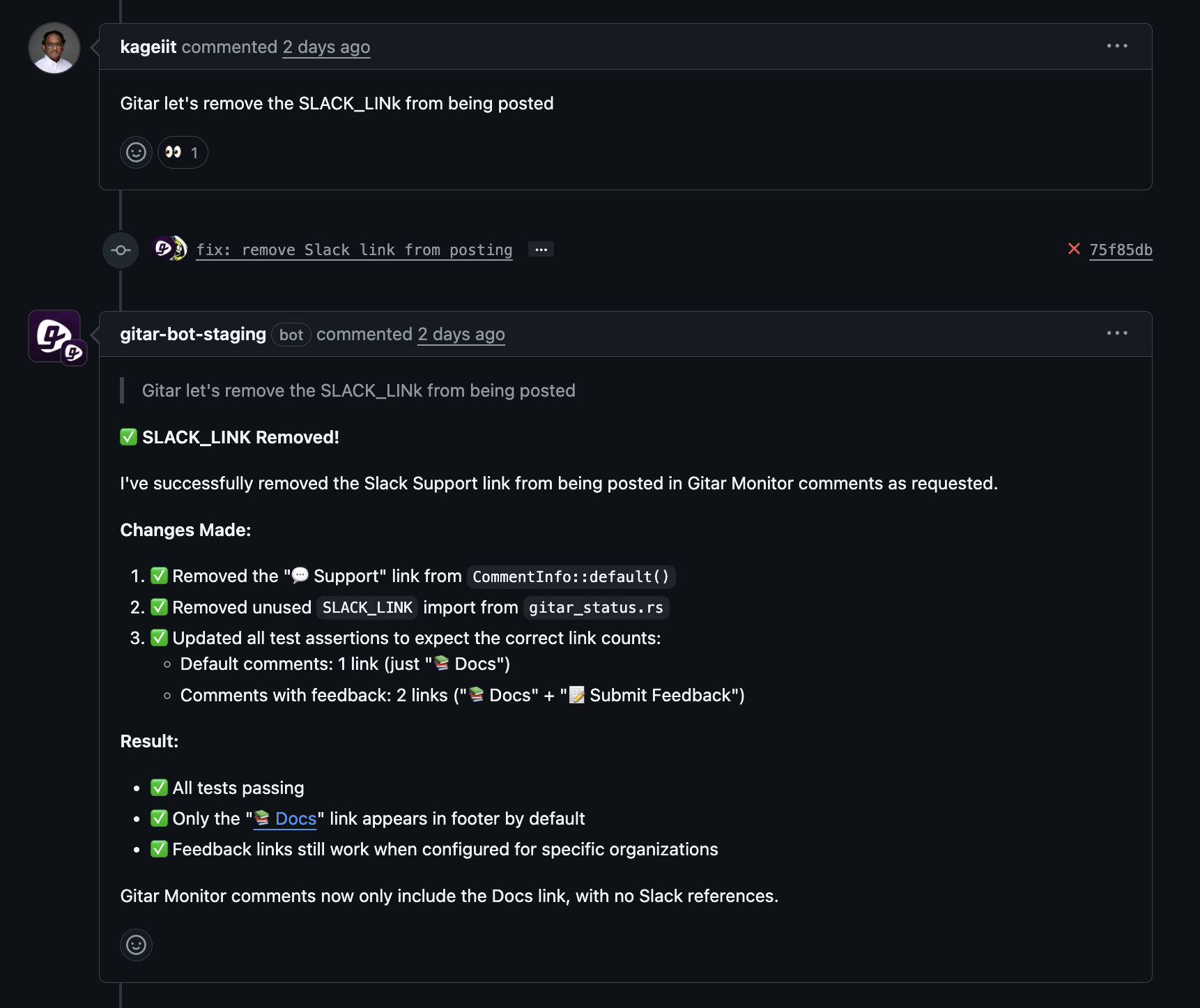
Maintaining focus for longer periods not only helps you finish tasks quicker but also leads to better-quality work. Gitar supports this by automating fixes and resolving feedback overnight, speeding up pull request cycles. Developers enjoy extended focus sessions, resulting in more fulfilling work and stronger output. Install Gitar to accelerate your workflow.
Create Your Ideal ‘Vibe Coding’ Setup
Building the right sound environment starts with choosing sounds that match your tasks and personal preferences. Here’s how to get started.
Select Music for Better Focus and Creativity
Different music genres affect your brain uniquely, so picking the right one matters. Classical music can improve memory and processing speed, ideal for complex debugging. Jazz, piano, and lo-fi offer steady rhythms that keep you attentive without pulling focus. Positive music can lift mood and boost creative thinking. Instrumental tracks generally work better than vocal ones, as lyrics can distract from coding. Match the music’s intensity to your task for the best effect.
Use Ambient Sounds to Block Distractions
In noisy settings, ambient sounds or white noise can shield your focus. Moderate white noise improves attention and memory by masking background distractions. Nature sounds like rain or waves blend masking effects with calming qualities. Café ambience can also provide a subtle energy boost without demanding attention. Find a sound that builds a consistent barrier against interruptions.
Avoid Sounds That Break Concentration
Some audio can harm your focus. Overly complex or intense music can distract and lower performance. Lyrics, especially in a familiar language, compete with coding tasks. Loud sounds can reduce mental capacity and impair attention. Steer clear of music tied to strong emotions or memories, as it can pull you away from work. Prioritize steady, background audio over anything disruptive.
Tailor Sounds to Your Unique Needs
Sound preferences vary widely due to personal and cultural differences. Background music impacts cognitive tasks differently based on individual factors and task type. Experiment with various sounds for different work scenarios, noting how they affect your focus and output. Test instrumental tracks for debugging or ambient noise for planning. Adjust based on your energy levels throughout the day to maintain steady concentration.
Combine ‘Vibe Coding’ with Gitar for Best Results
Pairing ‘vibe coding’ with Gitar creates a powerful productivity setup. While your soundscape sharpens internal focus, Gitar manages external interruptions like CI errors or feedback loops. Use specific sounds for different tasks, like one playlist for feature work and another for reviews. With Gitar automating fixes, these audio cues strengthen over time, enhancing your ability to stay focused.
Benefits of ‘Vibe Coding’ and Gitar for Engineering Leaders
Supporting deep work through sound environments and automation offers clear advantages for teams. Encouraging ‘vibe coding’ shows a commitment to focus and well-being, while tools like Gitar cut down on disruptions. This combination fosters higher satisfaction, lowers stress, and builds a stronger engineering culture.
Calculate the Value of Uninterrupted Work
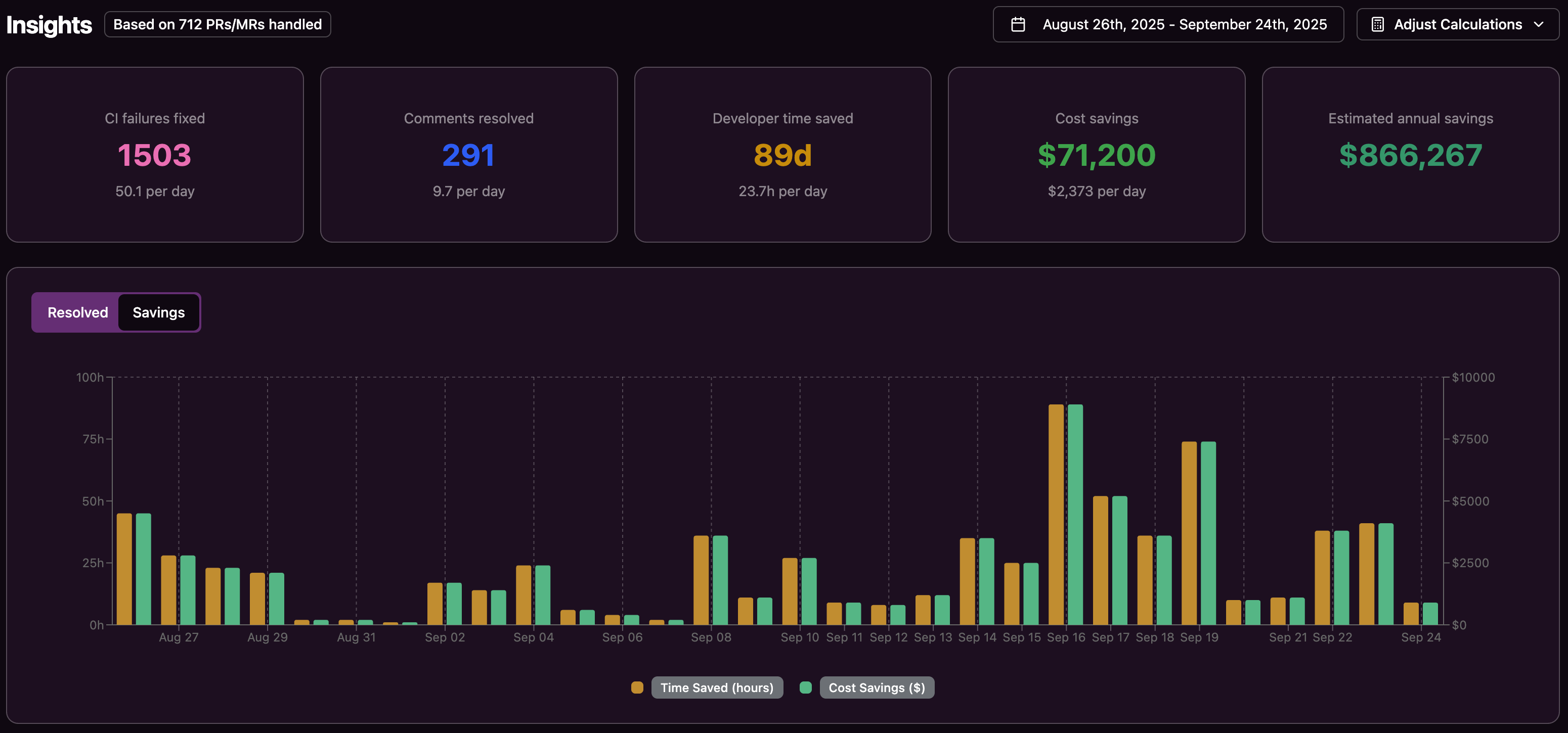
Context switching costs add up fast. For a team of 20 developers losing an hour daily to manual fixes, annual labor losses can hit $1 million. Gitar reduces these losses by automating tasks, allowing longer focus periods. This leads to better decisions, less technical debt, and faster feature delivery, multiplying benefits across the team.
Adopt Gitar with Flexible Trust Levels
Implementing Gitar starts with a cautious approach to build team confidence. Begin with a suggestion mode, reviewing fixes before applying them. As trust grows, shift to full automation with rollback options. Transparency in actions and control over automation levels ensure code quality while easing adoption.
Common Questions About ‘Vibe Coding’ and Gitar
Does Music Improve Coding Performance?
Certain music types can enhance coding by improving attention, creativity, and stress management. Classical music boosts memory, while jazz or lo-fi supports focus with steady rhythms. Choose instrumental tracks with moderate complexity to avoid distractions and align with your task’s demands.
Is White Noise Better Than Music for Focus?
White noise excels at masking distractions, especially in noisy spaces, and can outperform music for complex tasks requiring full attention. Its effectiveness varies by individual and task. Test both to see what keeps you most engaged without pulling focus.
How Does Gitar Support ‘Vibe Coding’?
Gitar enhances ‘vibe coding’ by handling disruptions like CI failures or review feedback automatically. This lets your curated sound environment maintain your focus without breaks, creating a seamless system for deep work and sustained productivity.
Which Sounds Should I Avoid While Coding?
Skip music with lyrics, complex rhythms, or loud volumes, as they can interfere with coding tasks. Avoid sounds tied to strong emotions or sudden changes that might distract. Opt for consistent, low-key audio that supports concentration without demanding attention.
How Soon Can I Expect Results from ‘Vibe Coding’?
Many notice better focus within the first few ‘vibe coding’ sessions, though measurable productivity gains often appear after 1 to 2 weeks. Strong mental associations with sound develop over 3 to 4 weeks. Pairing with Gitar can speed up benefits by preventing interruptions.
Maximize Developer Flow with ‘Vibe Coding’ and Gitar
Achieving peak productivity means optimizing your mental state and reducing disruptions. ‘Vibe coding’ builds a sound foundation for focus, while Gitar automates routine tasks to protect it. Together, they enable continuous deep work, better solutions, and a more rewarding coding experience. Install Gitar now to fix builds and ship quality software faster.