
Written by: Ali-Reza Adl-Tabatabai, Founder and CEO, Gitar
Key Takeaways for Swarmia Alternatives in 2026
- AI coding tools have increased pull request volume by 20% YoY, turning code review into the main development bottleneck in 2026.
- Suggestion-only tools ($15-30/developer) flag AI-generated CI failures and review issues but still rely on manual fixes.
- Gitar’s auto-fixing platform resolves CI failures, implements reviewer feedback automatically, and delivers consistently green builds.
- Competitors like CodeRabbit, LinearB, and Jellyfish provide insights and suggestions but do not match Gitar’s automated healing capabilities.
- Teams can save $1M+ annually in productivity costs; try Gitar’s Team Plan with a 14-day trial to experience automated code healing.
Gitar: Auto-Fixing Platform That Moves Beyond Suggestions
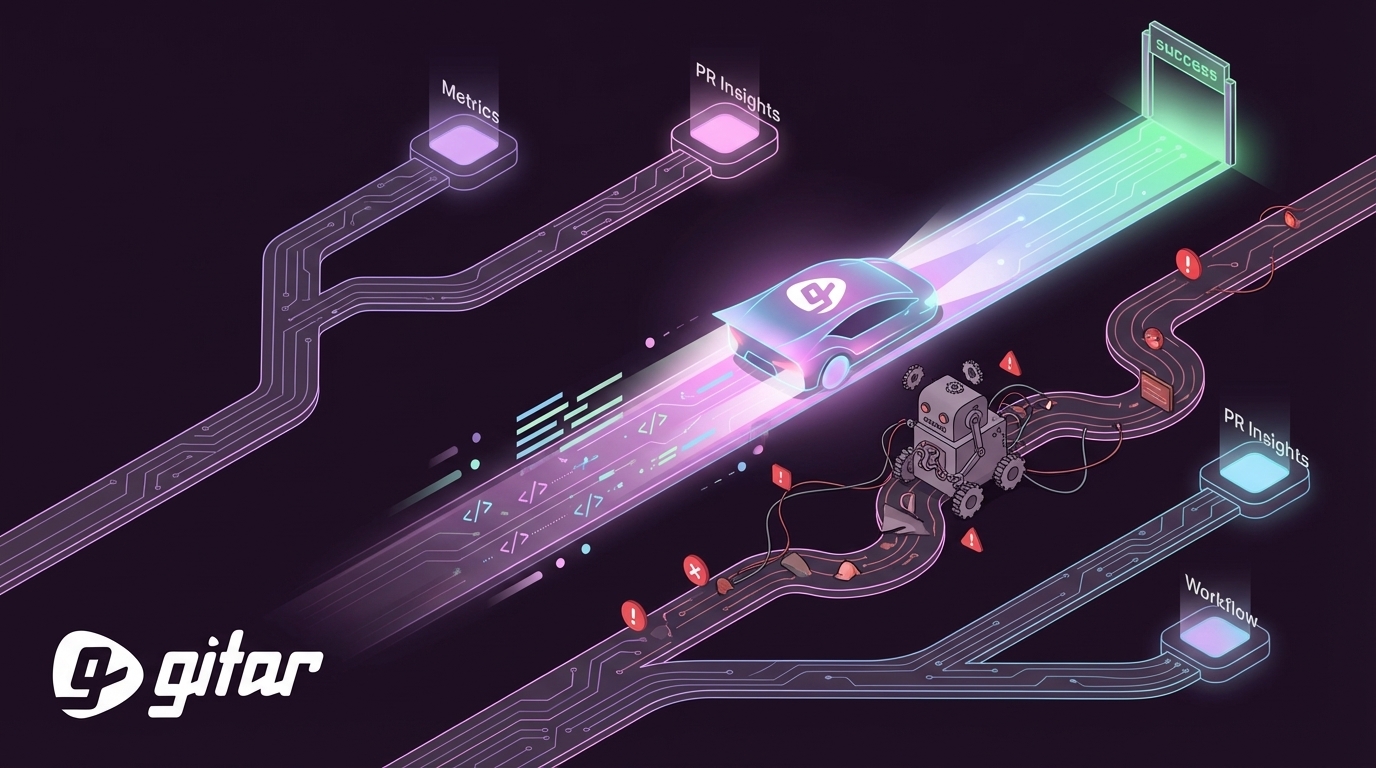
Gitar shifts code review from suggestion-based comments to autonomous fixing. Competitors charge premium per-developer fees for comments that still require manual implementation, while Gitar’s healing engine resolves CI failures and applies review feedback automatically. For details on these capabilities, see the Gitar documentation.
Key Features:
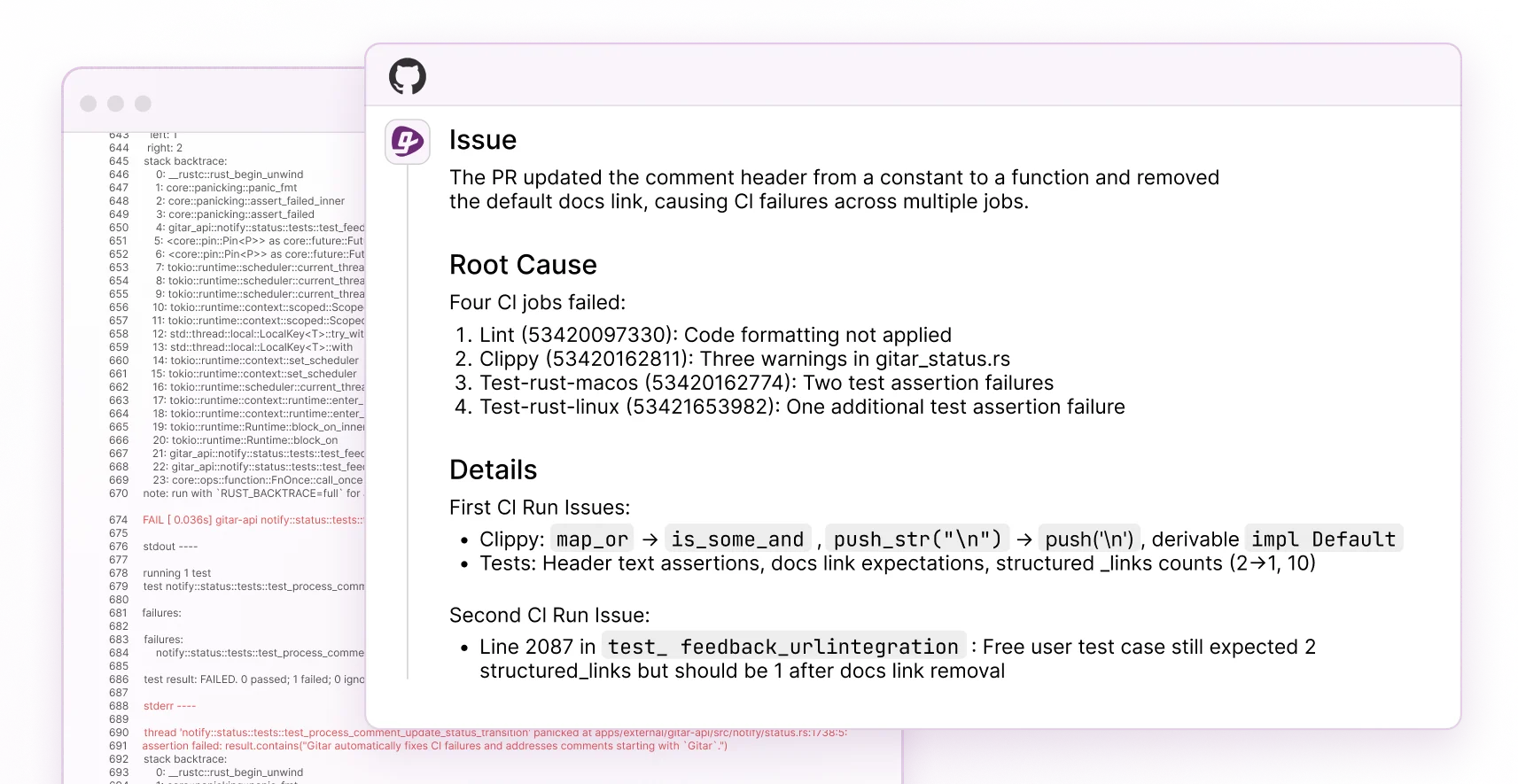
- CI Auto-Fix: Analyzes failure logs, generates validated fixes, and commits solutions automatically.
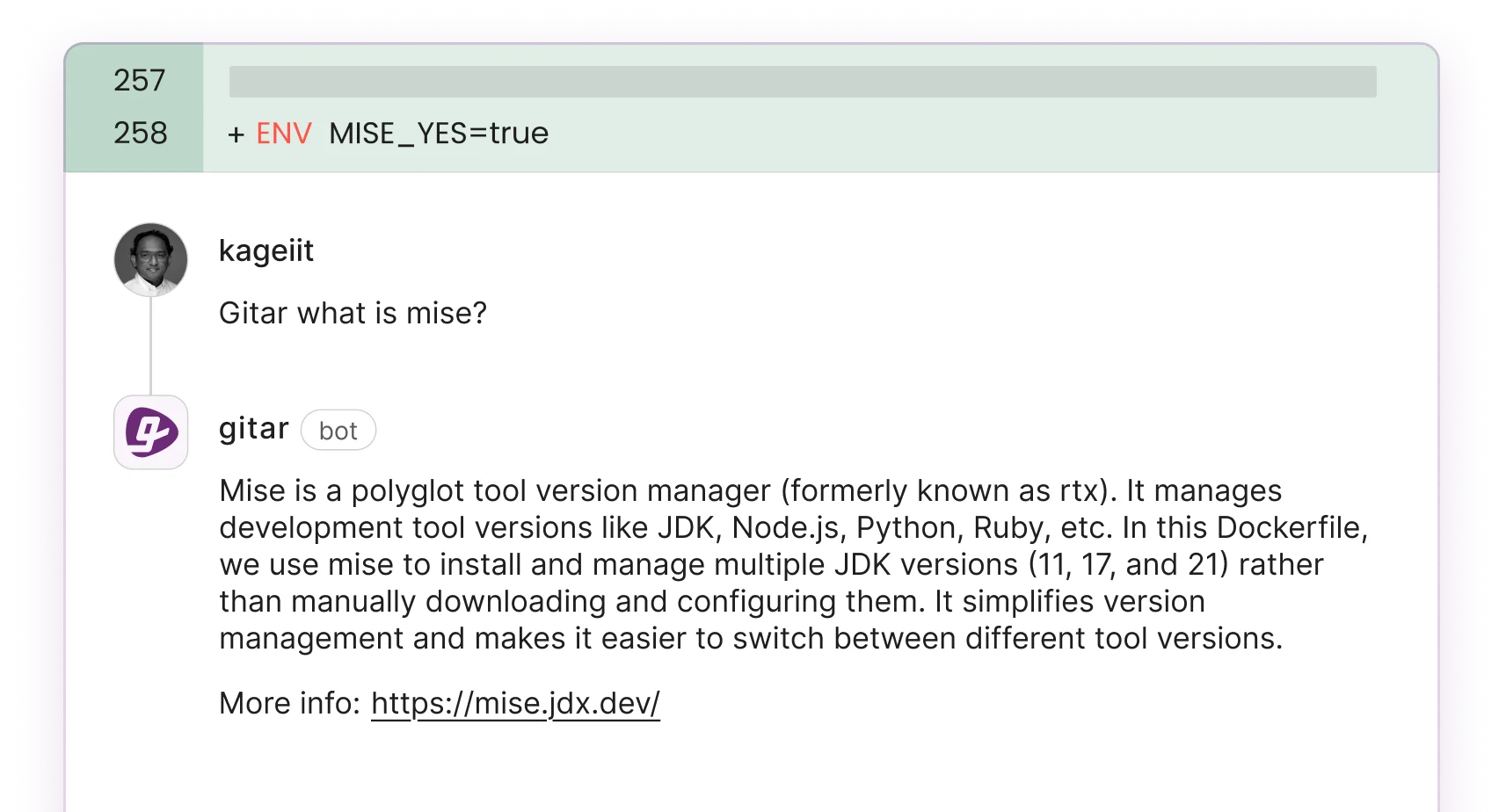
- Review Feedback Implementation: Reviewers comment “@gitar refactor this to use async/await” and Gitar applies the change directly.
- Single Dashboard Comment: Keeps all important information in one living “Dashboard” comment that stays up to date.
- Natural Language Rules: Automates workflows using plain English in .gitar/rules/*.md files.
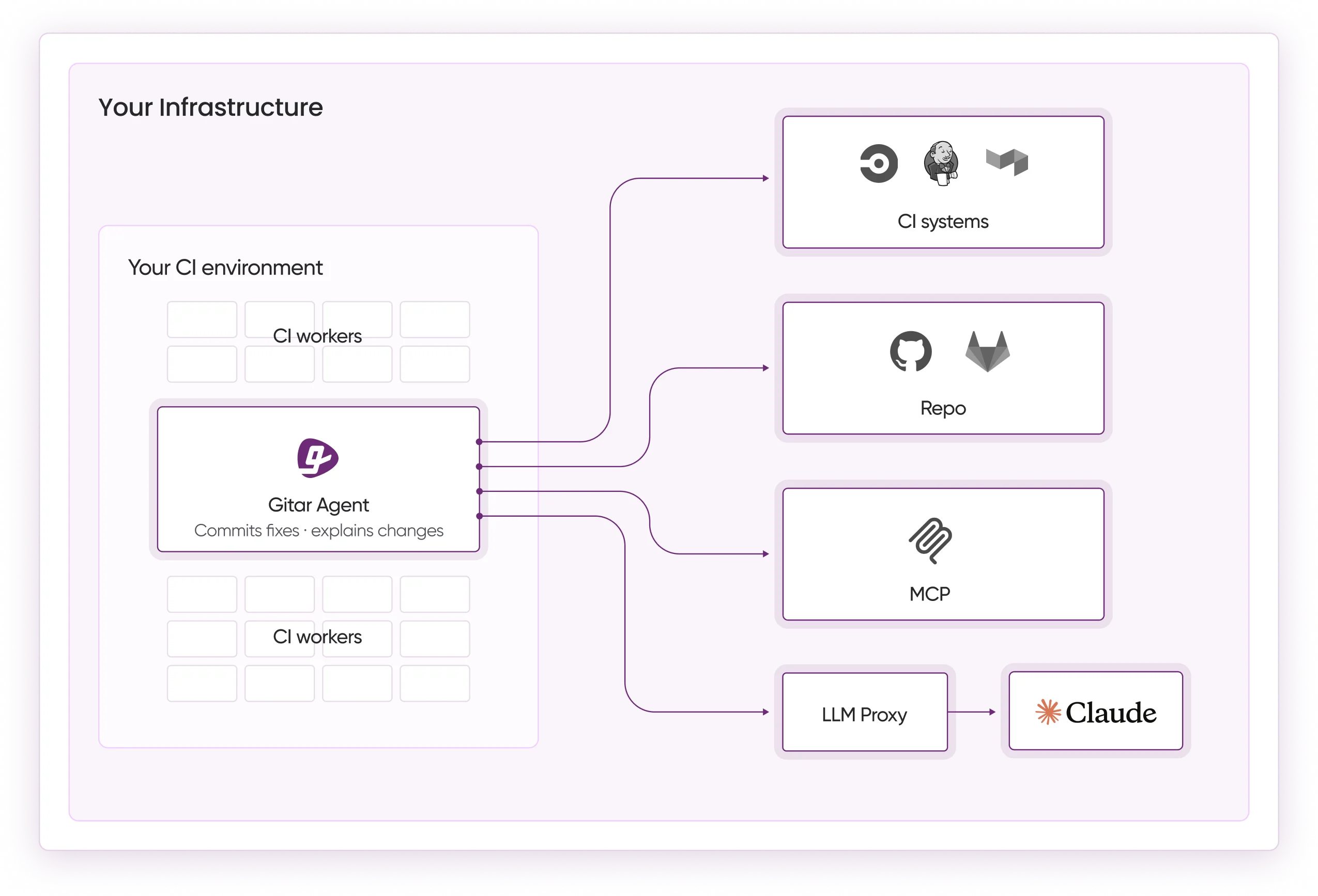
- Cross-Platform Support: Integrates with GitHub, GitLab, CircleCI, and Buildkite.
Pricing: 14-day Team Plan trial with no seat limits, including full auto-fix capabilities, custom rules, and all integrations.
Strengths: Guarantees green builds and delivers ROI that often pays for itself within the trial period. Recent updates add configurable PR merge blocking based on review verdict severity and inline comments directly on relevant code lines.
Limitations: No major gaps for teams that want automated code review and CI resolution.
Install Gitar, auto-fix broken builds, and start shipping higher quality software faster.
Top Workflow and Automation Swarmia Alternatives
The following three platforms focus on improving development workflows with automation and metrics, although each one emphasizes a different part of the delivery pipeline.
LinearB provides DORA and SPACE metrics alongside workflow automation features. LinearB offers PR automation, AI-powered summaries, and code-review assistance to reduce friction in delivery pipelines. The platform integrates with GitHub, GitLab, Bitbucket, Jira, and Slack. Pricing starts at $49/month with a trial tier. Strengths include bottleneck detection and gitStream automation. Limitations: suggestion-only approach without auto-fix capabilities.
Haystack focuses on individual contributor analytics and team optimization. Haystack provides granular visibility into individual contributor patterns including productivity patterns, cycle times, and contribution quality. The platform offers deeper IC-level analytics than many traditional tools. Strengths include detailed productivity insights and cycle time analysis. Limitations: no automated fixing capabilities or CI failure resolution.
Sleuth specializes in deployment analytics and change management. Sleuth tracks deployment frequency, change failure rate, MTTR, and release impact. Strengths include comprehensive deployment visibility and DORA metrics tracking. Limitations: focuses on post-deployment metrics instead of preventing issues during review.
Compare Gitar’s automated fixing with these workflow-only tools in a 14-day trial.
Top Strategic and Executive Swarmia Alternatives
These platforms serve engineering leaders who need portfolio-level visibility, budget alignment, and executive-ready reporting rather than hands-on code fixes.
Jellyfish provides executive-level engineering intelligence and resource allocation insights. Jellyfish consumes data from Jira, GitHub, and Bitbucket to translate activity into productivity metrics for dev teams, including an “AI Impact” measurement. Rated 4.7 out of 5 on Gartner Peer Insights, Jellyfish excels at executive reporting and resource planning. Limitations: per-seat pricing model and no CI auto-fix capabilities.
Waydev offers comprehensive DORA metrics with management-focused dashboards. Waydev’s Pull Requests Insights feature delivers dynamic, intuitive information on pull requests to help engineering leaders analyze PR cycles. The platform includes developer experience surveys and team health indicators. Strengths include formal reporting frameworks and cycle time analysis. Limitations: suggestion-based insights without automated resolution.
Allstacks provides value stream visibility and delivery intelligence across the software development lifecycle. The platform offers customizable metrics and end-to-end delivery insights. Strengths include comprehensive delivery tracking and predictive analytics. Limitations: no hands-on code fixing or CI failure resolution.
Top AI and Code Quality Swarmia Alternatives
These tools focus on AI-assisted code review, static analysis, and code quality insights, but they generally stop at suggestions instead of applying fixes.
Typo delivers AI-powered code reviews and productivity analytics. Typo’s CodeIQ scans pull requests for code coverage, security issues, duplications, dependencies, and other risks. Rated 4.7 out of 5 on Gartner Peer Insights, Typo’s Pro plan costs $28 per developer monthly. Strengths include comprehensive code analysis and AI adoption tracking. Limitations: suggestion-only approach without auto-implementation.
CodeRabbit offers AI-powered PR summaries and inline code suggestions. CodeRabbit reports 46% bug detection accuracy across more than 1 million repositories. Pricing ranges from $15-30 per seat monthly. Strengths include broad repository support and detailed code analysis. Limitations: suggestions require manual implementation and do not resolve CI failures.
CodeScene uses behavioral code analysis to identify refactoring opportunities. CodeScene highlights code hotspots based on change frequency and complexity for targeted refactoring that reduces defects. Pricing starts at €18 with trial options available. Strengths include a unique behavioral analysis approach. Limitations: focuses on technical debt instead of immediate CI resolution.
Codacy provides automated code quality analysis with security scanning. The platform offers comprehensive static analysis across multiple programming languages. Strengths include security vulnerability detection and quality gates. Limitations: primarily analysis-focused with limited auto-fix compared to full healing platforms.
Gitar vs. Top Swarmia Alternatives: Comparison Table
The following comparison highlights how Gitar’s auto-fixing model differs from suggestion-only tools across four critical capabilities.
|
Capability |
Gitar |
CodeRabbit |
LinearB |
Jellyfish |
|
Auto-apply fixes |
Yes (14-day trial) |
No |
No |
No |
|
CI failure analysis |
Yes |
No |
Partial |
No |
|
Pricing |
14-day trial |
$15-30/seat |
$49+/month |
Per-seat |
|
Integrations |
GitHub/GitLab/CI full |
GitHub |
GitHub/Jira |
Jira/Git |
Faros AI analysis found that code generation increased by 2 to 5x, review time increased by 91%, and PR size grew by 154%. These shifts highlight the need for platforms that actually resolve issues instead of only identifying them.
2026 ROI: Savings Potential for 20-Developer Teams Using Gitar
For a 20-developer team spending 1 hour daily on CI and review issues, the annual productivity cost reaches $1 million. This baseline shows the opportunity cost that auto-fixing platforms can address.
ROI simulation for a team of 10 developers automating 25% of routine code review checks with AI shows 644% ROI, with net monthly savings of PLN 13,525. The break-even point occurs at approximately 14 hours of saved team time monthly, so teams see positive returns quickly.
Teams using suggestion-only tools like CodeRabbit continue paying the per-seat fees mentioned earlier while still performing manual implementation work. Gitar’s approach removes most of that manual labor and delivers compound savings that can justify the platform investment within the trial period.
Key Buying Considerations and Trial-Ready Options
Teams evaluating Swarmia alternatives should first decide whether they want suggestions or actual implemented solutions. Ninety-five percent of developers spend at least some effort reviewing, testing, and correcting AI output, and 59% rate that effort as moderate or substantial. Tools that only suggest fixes keep this manual overhead in place.
Developer forums frequently mention burnout from notification spam and review backlogs. Gitar addresses these pain points with consolidated dashboard comments and automated resolution, which reduces cognitive load while improving outcomes.
Teams that want immediate value should prioritize platforms with full-featured trials instead of limited tiers that restrict core functionality.
Frequently Asked Questions About Swarmia Alternatives
Best Trial Alternative to Swarmia for Automated Code Review
Gitar offers a comprehensive 14-day Team Plan trial with full auto-fix capabilities, CI failure resolution, and unlimited seat access. Competing tools often charge per developer for suggestion-only features, while Gitar’s trial includes the complete healing engine that applies fixes and delivers green builds.
How LinearB Compares to Swarmia for PR Insights
LinearB provides strong workflow automation and DORA metrics compared to Swarmia, along with AI-powered PR summaries and gitStream automation. However, LinearB focuses on insights and suggestions instead of automated fixing. Teams that need CI failures and review feedback resolved automatically should consider platforms with auto-implementation capabilities.
How Jellyfish Differs from Swarmia for Executive Metrics
Jellyfish excels at executive-level reporting with AI impact measurement and resource allocation insights that Swarmia does not match. The platform translates engineering data into business metrics effectively. However, Jellyfish operates at the strategic level and does not provide hands-on code fixing or CI failure resolution for development teams.
How to Measure ROI from Automated Code Review Platforms
Start by calculating current time spent on CI failures and manual review implementation, often around 1 hour per developer daily. Multiply that figure by the hourly cost and compare it with platform pricing. Platforms with auto-fix capabilities like Gitar can reduce this time by about 75%, while suggestion-only tools usually deliver smaller gains. The break-even point for automation often appears around 14 hours of saved team time monthly.
Gitar’s Approach to Guaranteeing Green Builds
Gitar’s healing engine validates fixes against CI and commits solutions that produce green builds. The platform analyzes failure logs, generates contextual fixes with full codebase context, validates them, and commits directly to your PR. This process ensures that fixes work in practice instead of introducing new issues, which separates Gitar from suggestion-based competitors.
Conclusion: Upgrade Code Review and CI with Gitar
The AI coding surge demands platforms that match rapid code generation with automated resolution. Suggestion-based tools charge premium prices for incremental improvements, while Gitar’s healing engine delivers step-change productivity gains through real problem-solving.
Teams facing AI-driven PR floods need more than insights; they need working solutions. Gitar provides a development intelligence platform that fixes code, automates workflows, and guarantees green builds, while competitors leave the hardest work to developers.