CI/CD dependency conflicts often disrupt software development, turning promising pull requests into frustrating build failures. These issues, including version incompatibilities and transitive dependencies, can delay deployments and cost teams significant time. Such conflicts frequently stem from clashing library versions or overlapping functionalities. Autonomous AI offers a practical way to address these challenges by analyzing and fixing conflicts automatically, helping developers stay focused on creating features instead of debugging pipelines.
Gitar, an AI-driven tool, creates a self-healing CI environment. It goes beyond identifying problems by implementing validated fixes, reducing downtime, and maintaining project momentum. This approach helps teams deliver reliable software more efficiently.
Why CI/CD Dependency Conflicts Hurt Your Bottom Line
Dependency conflicts in CI/CD pipelines create serious obstacles for development teams, draining both time and resources. These issues often arise from mismatched library versions or complex interdependencies, slowing down progress. Common causes include conflicting requirements and indirect dependencies that break when updated.
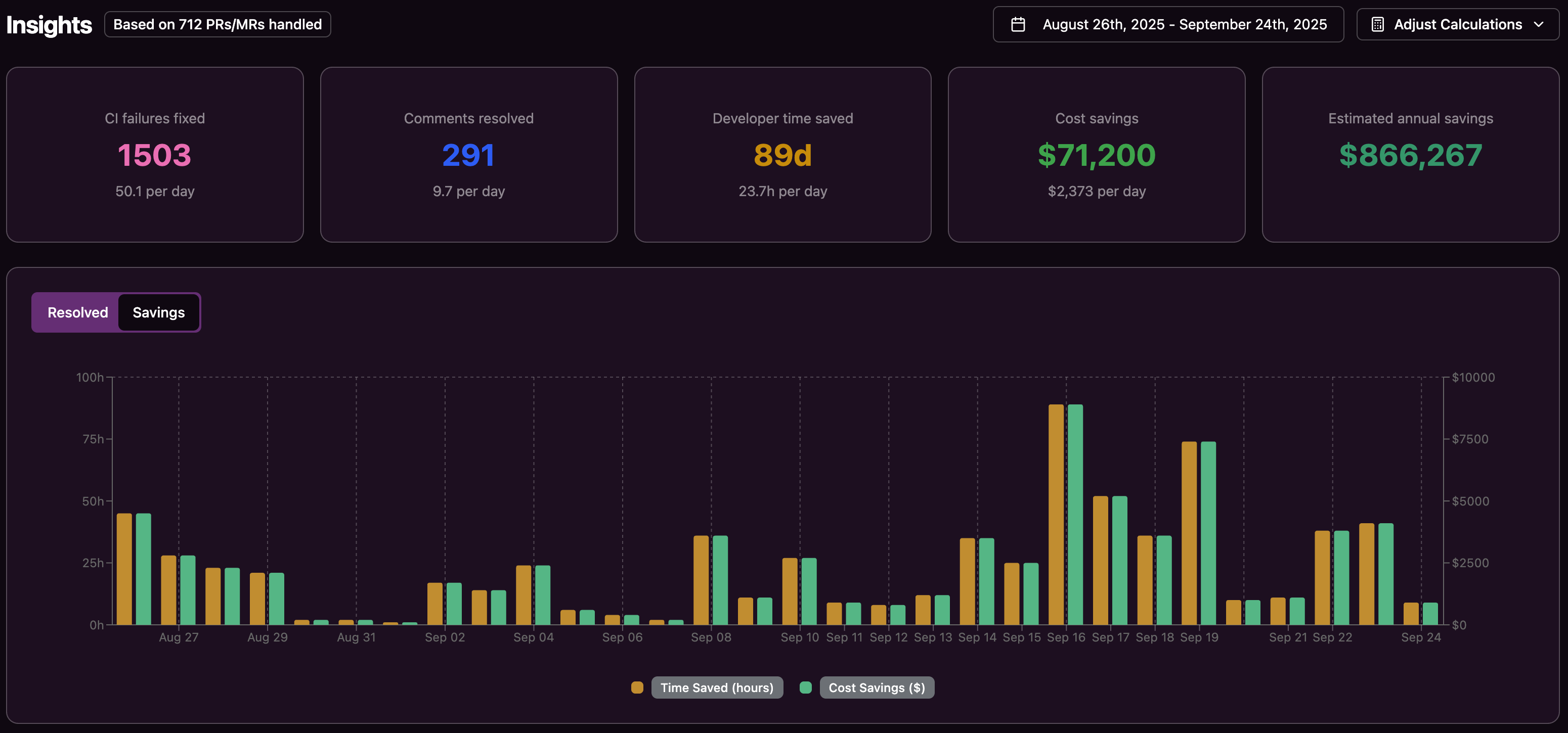
Financially, the impact adds up quickly. For a 20-person team spending an hour daily on conflict resolution, annual productivity losses can reach around $1 million. Costs come from wasted developer hours, repeated failed builds, and delays in deployment cycles. Beyond money, context switching disrupts focus, turning quick fixes into prolonged distractions.
Manual resolution falls short in fast-paced environments. Traditional tools detect issues but rely on developers to fix them, often leading to errors or delayed security updates. Problems like inadequate version control and limited automated testing worsen the situation. For distributed teams, time zone differences and miscommunication stretch simple fixes into days-long ordeals, further impacting timelines.
Meet Gitar: Your AI Agent for Automatic Dependency Fixes
Gitar changes how teams handle dependency conflicts by offering autonomous resolution instead of just flagging issues. It detects, analyzes, and fixes problems within your CI environment, ensuring builds succeed without constant oversight.

Key features that make Gitar effective include:
- Complete Fix Automation: Gitar examines failed builds, applies code changes to resolve conflicts, and verifies solutions against your CI workflow for a successful outcome.
- Environment Matching: It replicates your specific SDK versions and tool integrations, ensuring fixes align with your setup.
- Customizable Trust Levels: Teams can start with a suggestion mode for reviewable fixes or move to automatic commits with rollback options as confidence grows.
- Wide Platform Support: Gitar works across GitHub Actions, GitLab CI, CircleCI, and more, fitting into diverse tech stacks.
- Hands-Off Resolution: It fixes issues before developers notice, preserving focus and reducing manual effort.
Ready to simplify your CI/CD process? Install Gitar now to fix broken builds automatically and ship better software faster.
How Gitar Tackles Dependency Issues Step by Step
Pinpointing Conflicts with AI-Driven Analysis
Gitar starts by analyzing your CI/CD pipeline to uncover the root causes of dependency conflicts. Its AI maps out relationships and solutions tailored to your environment, including specific compiler setups and third-party tools, for accurate results.
Automating Fixes with Full Validation
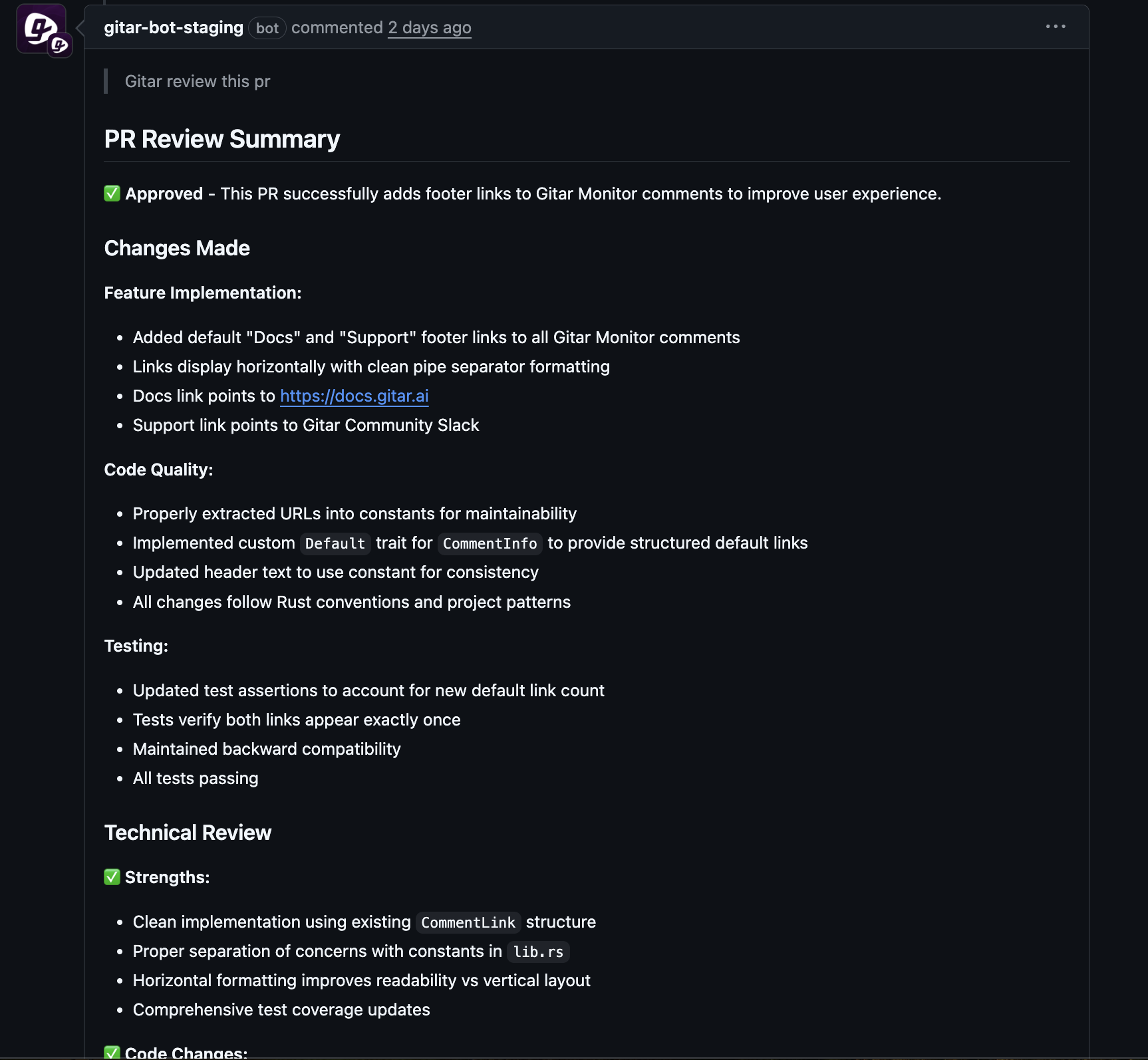
Gitar creates a self-healing CI system by not just suggesting fixes but implementing them. It updates files, adjusts references, and runs your full test suite, linting checks, and security scans to confirm the solution holds up. Developers often find issues resolved before they’re even aware of a problem, with clear commit explanations provided for review.
Why Gitar Outperforms Manual and Traditional Tools
Autonomous AI like Gitar offers clear advantages over manual fixes and basic automation tools. Here’s how it compares:
|
Feature / Aspect |
Manual Resolution |
Automated Suggestion Tools |
Gitar: Autonomous AI Healing |
|
Conflict Detection |
Slow and reactive |
Automated but broad |
Proactive and tailored |
|
Fix Implementation |
Manual and error-prone |
Needs developer input |
Automatic code changes |
|
Validation Cycle |
Manual reruns required |
Developer responsibility |
Full CI workflow checks |
Manual methods demand developers investigate and fix issues, often introducing new errors. Suggestion tools help by flagging problems, but they still require manual effort to apply and verify changes. Gitar handles everything from detection to validation, ensuring successful builds without interrupting developers. Install Gitar now to automate fixes and ship quality software faster.
Common Questions About CI/CD Conflict Resolution with Gitar
How Does Gitar Manage Complex Enterprise CI/CD Setups?
Gitar adapts to enterprise needs by mirroring your exact development environment, including specific SDKs, security tools like SonarQube, and custom processes. This ensures fixes match your unique constraints, easing onboarding for new developers who can merge code confidently without perfect local setups.
Is It Safe to Let Gitar Commit Fixes Automatically?
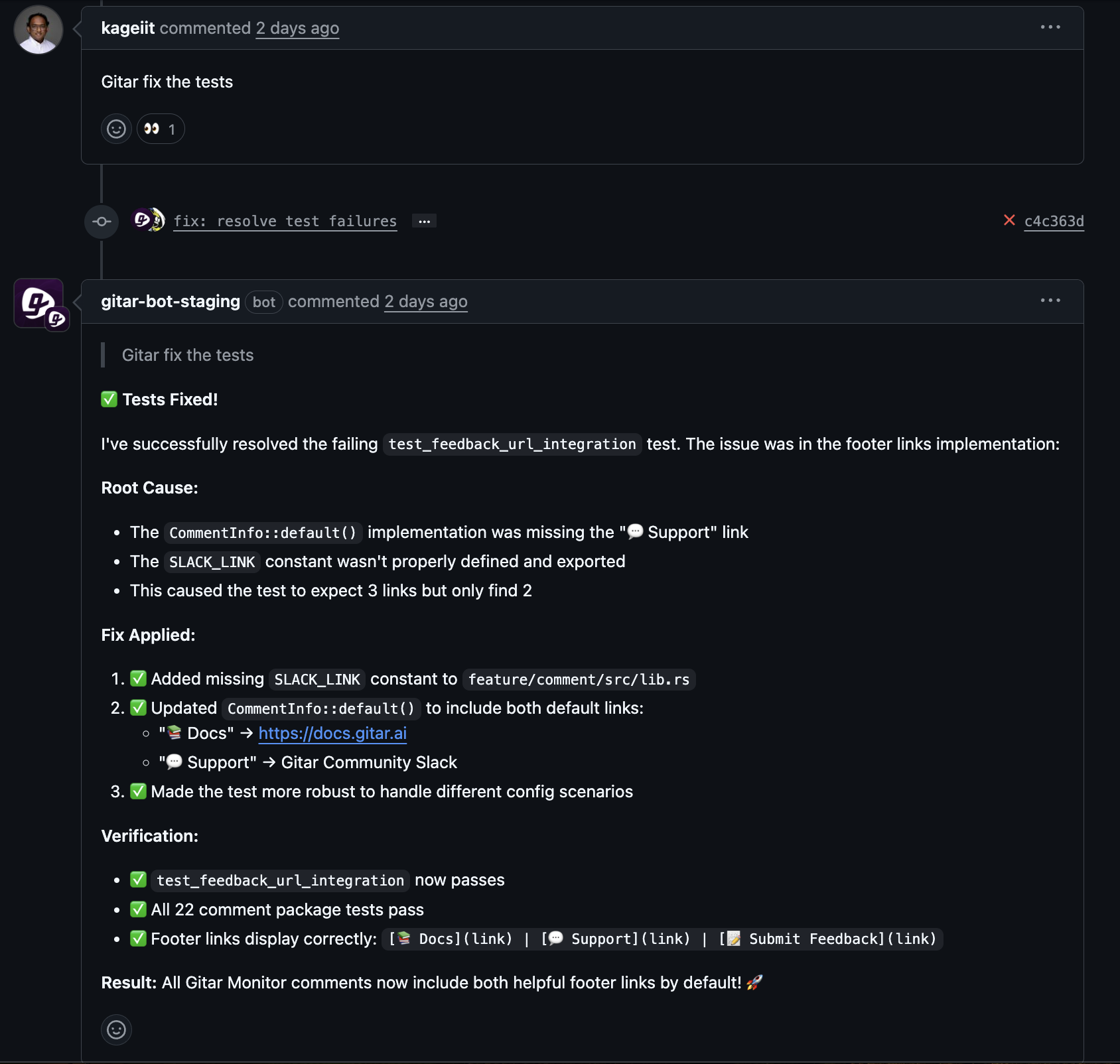
Gitar builds trust with flexible settings. Start in a conservative mode where fixes are suggestions for review, requiring just one click to approve. As you see consistent results, switch to an automatic commit mode for validated fixes, with rollback options and detailed logs always available.
How Does Gitar Differ from Other AI Tools for CI/CD?
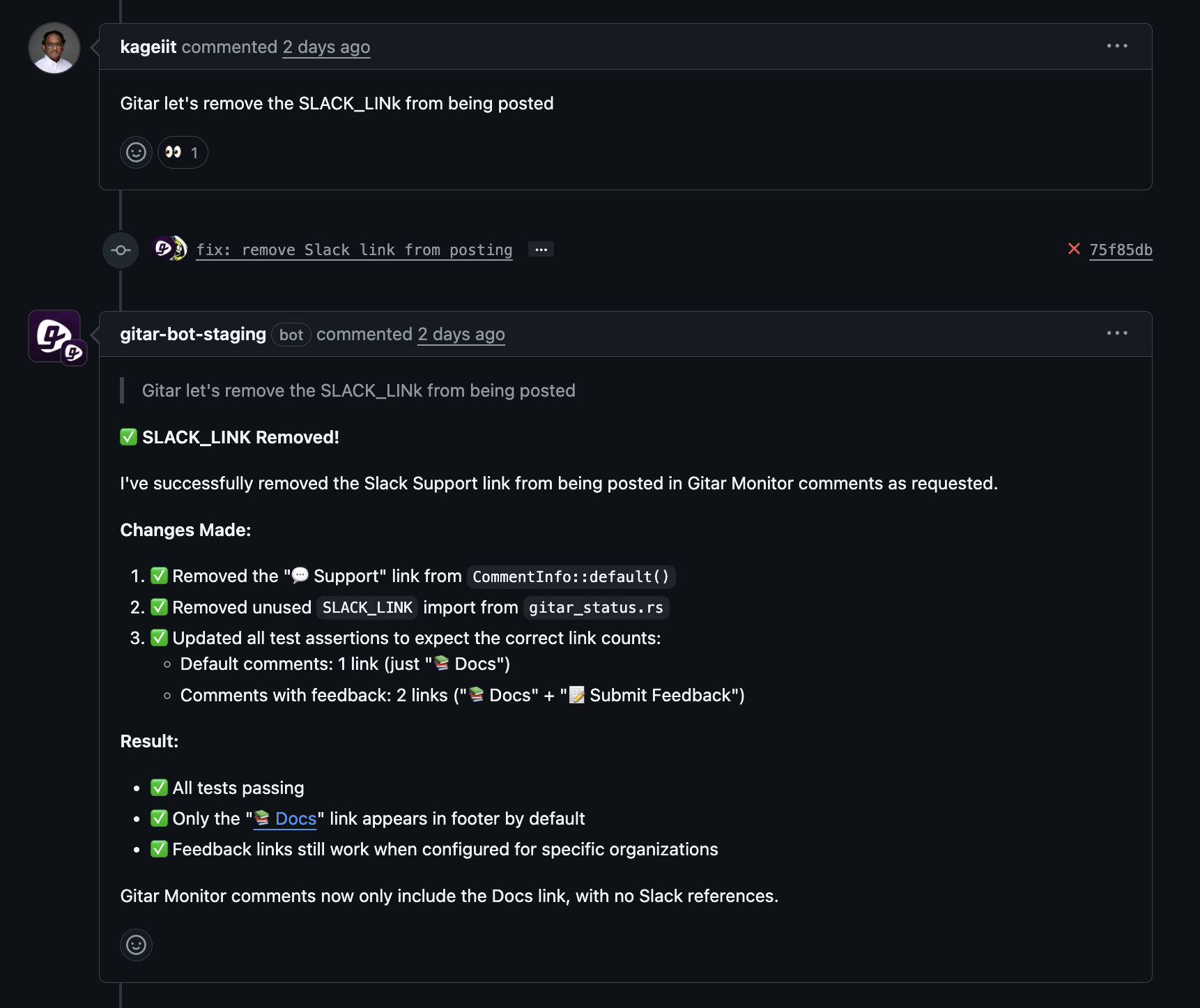
Unlike AI tools that only suggest fixes during code reviews, Gitar provides full resolution. While suggestion-based tools require developers to apply and verify changes, Gitar automates the entire process, from implementing fixes to validating builds, saving time and reducing context switching.
Boost Delivery Speed with Self-Healing CI Systems
Manual conflict resolution no longer suits the pace of modern software development. Autonomous AI tools like Gitar help teams gain efficiency by fixing CI issues proactively. This shift cuts down debugging time, letting developers focus on innovation rather than maintenance.
The benefits reach beyond faster builds. Teams report improved morale, less burnout from repetitive tasks, and quicker feature releases. Leaders see more predictable timelines and can shift resources to strategic priorities. Install Gitar now to fix broken builds automatically and transform your workflow.