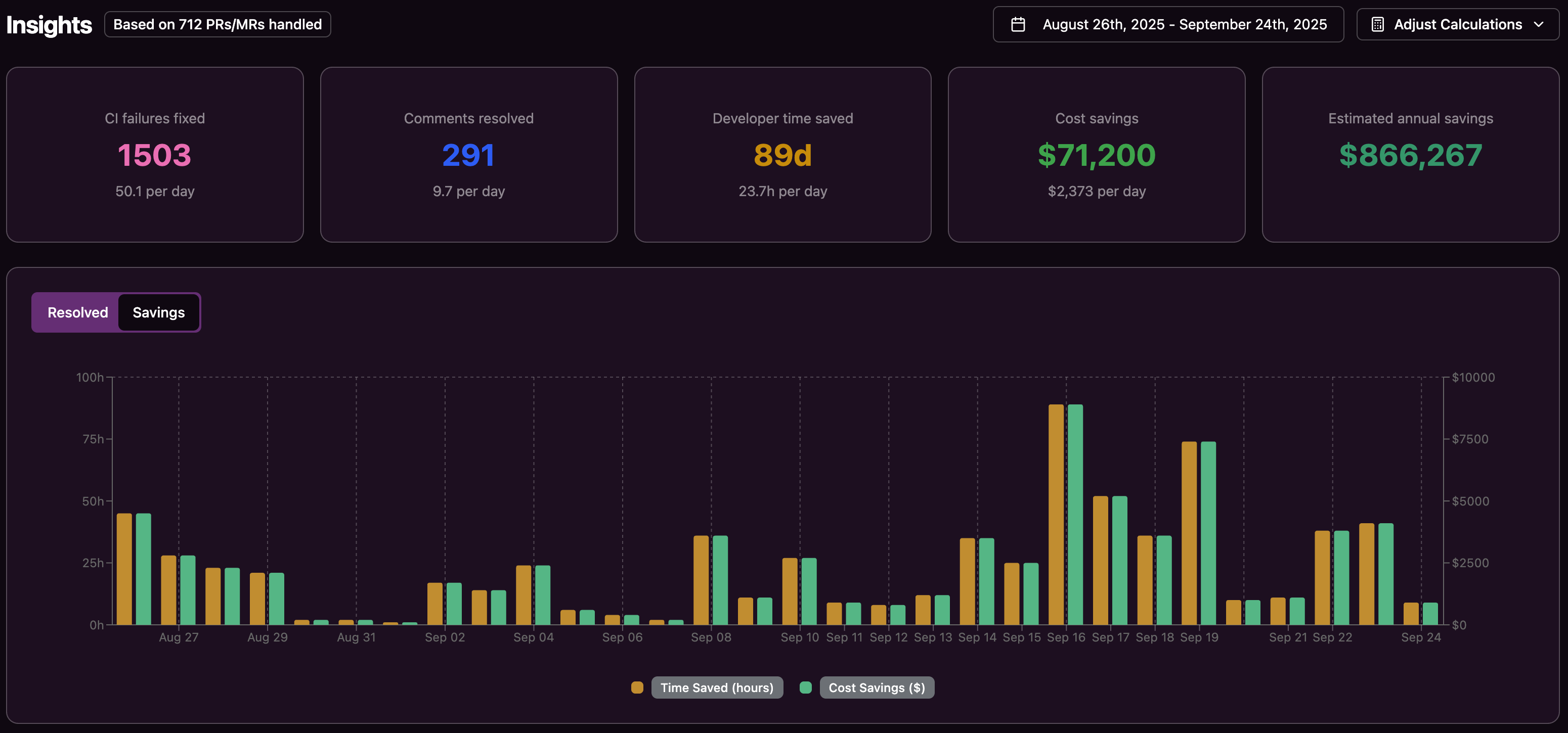
Flow state, often called “vibe coding,” is that incredible moment when code flows effortlessly, problems solve themselves, and time slips away. Most software engineers crave this peak productivity but struggle to maintain it due to constant disruptions like failing CI pipelines, urgent code review feedback, and even basic needs like hydration being overlooked.
Modern development comes with challenges. Many of us skip water breaks or push through fatigue, sacrificing well-being for deadlines. Yet, these interruptions and neglect of personal care can be managed better. By addressing both personal habits and workflow friction, sustaining flow becomes more achievable.
Physical health directly impacts coding performance. Minor dehydration affects brain function and mood, which can hinder the focus needed for programming. At the same time, staying hydrated supports optimal cognitive performance, something many developers undervalue.
Sustained focus requires a balance of personal care and the right tools. While you prioritize hydration and breaks, Gitar’s AI agent works behind the scenes to fix CI issues and handle code feedback, reducing disruptions. Install Gitar today to fix broken builds and ship code faster.
Why Interruptions Hurt Developer Focus and Health
Hydration and Breaks: Essential but Often Ignored
Many developers see hydration and breaks as obstacles to productivity rather than necessities. This mindset leads to a cycle of fatigue and reduced output, even though we think we’re getting more done by pushing through.
Dehydration takes a real toll over time. Lower hydration levels contribute to cognitive decline, yet hours often pass without a water break. We perfect our tools and setups but forget to care for our own mental and physical needs.
Taking breaks feels difficult when stepping away means facing piled-up issues like CI failures or pending reviews. Instead of resting, you’re mentally tied to unresolved tasks, which cancels out the benefits of stopping work.
This creates a downward spiral. Fatigue from dehydration clouds judgment, causing more errors and pipeline issues. Stress builds, sessions lengthen, and the cycle worsens. Dehydration increases brain effort during tasks, turning simple coding problems into major hurdles.
Context Switching: The Hidden Cost of CI Issues
Software development today often feels like a constant battle against interruptions. Each pull request or CI failure pulls you out of focus, costing far more than just the time to fix it.
Imagine working on a tough algorithm, fully immersed, only to get a notification that a PR failed a lint check. A quick fix turns into a long detour as you switch tasks, analyze logs, edit code, commit, and wait for the pipeline. Worse, rebuilding your mental focus afterward can take even longer.
AI tools like GitHub Copilot speed up coding but also increase pull requests and tests, adding complexity to CI management. More code means more chances for failures and delays.
For remote or global teams, delays grow. A PR pushed in one time zone might wait hours or days for feedback from another, multiplying the focus cost with each interaction.
Gitar: Protect Your Flow with Smart Automation
Personal habits like staying hydrated or scheduling breaks help with focus, but they can’t fully counter workflow disruptions. Gitar steps in by automating fixes for CI failures and code review issues, tackling the root causes of lost concentration.
This AI agent independently resolves pipeline errors and feedback, letting you stay focused on coding instead of switching tasks constantly.

How Gitar Keeps You in the Zone
Gitar offers practical ways to reduce interruptions and maintain coding momentum with these features:
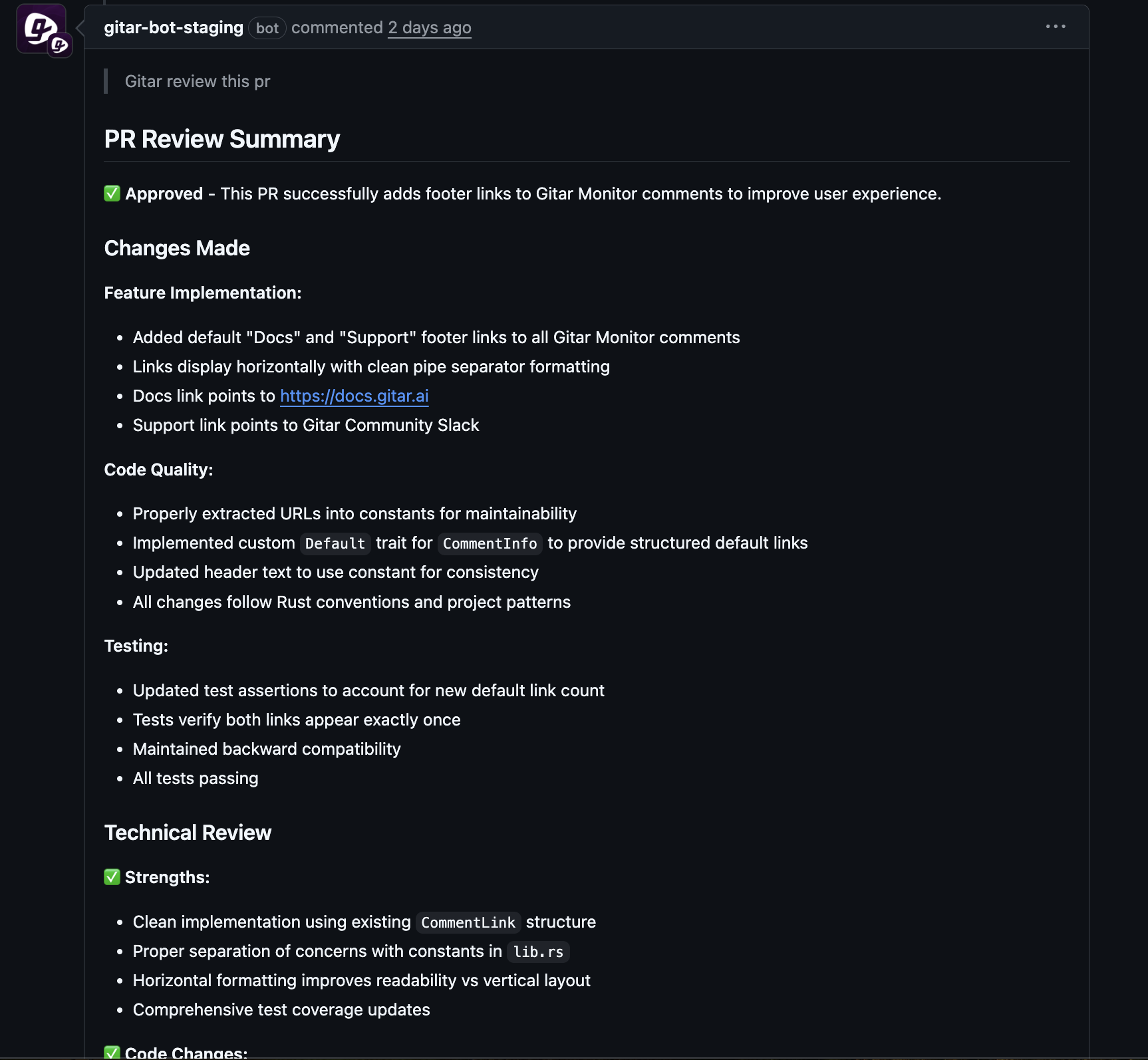
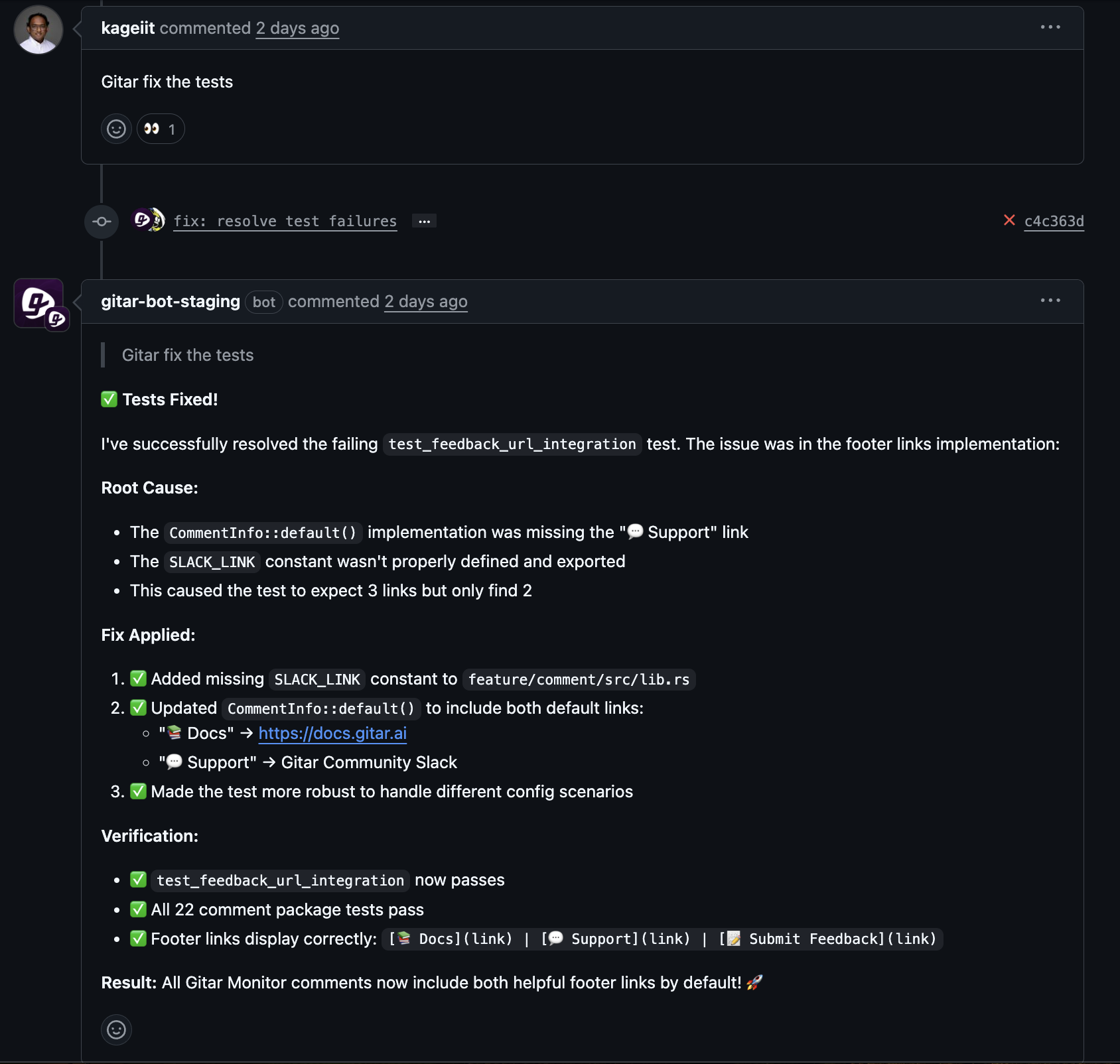
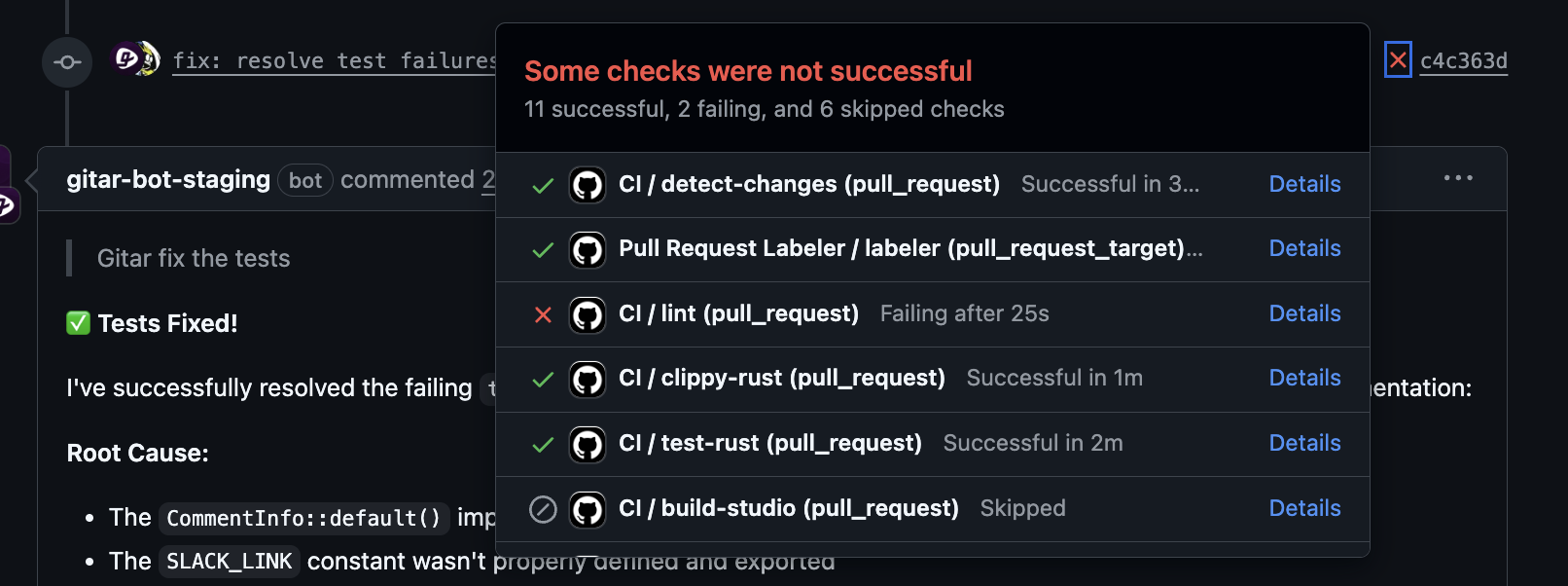
- Automatic CI Fixes: If a pipeline fails, Gitar checks the logs, identifies the issue, creates a solution, and commits it to the PR branch. It handles linting, formatting, simple test errors, and build issues like missing dependencies.
- Code Review Support: Reviewers can request Gitar’s input on PRs or ask for specific changes. The tool applies updates directly, cutting wait times, especially for teams across time zones.
- Less Mental Strain: By automating repetitive fixes and feedback tasks, Gitar frees up your energy for creative problem-solving and deep focus.
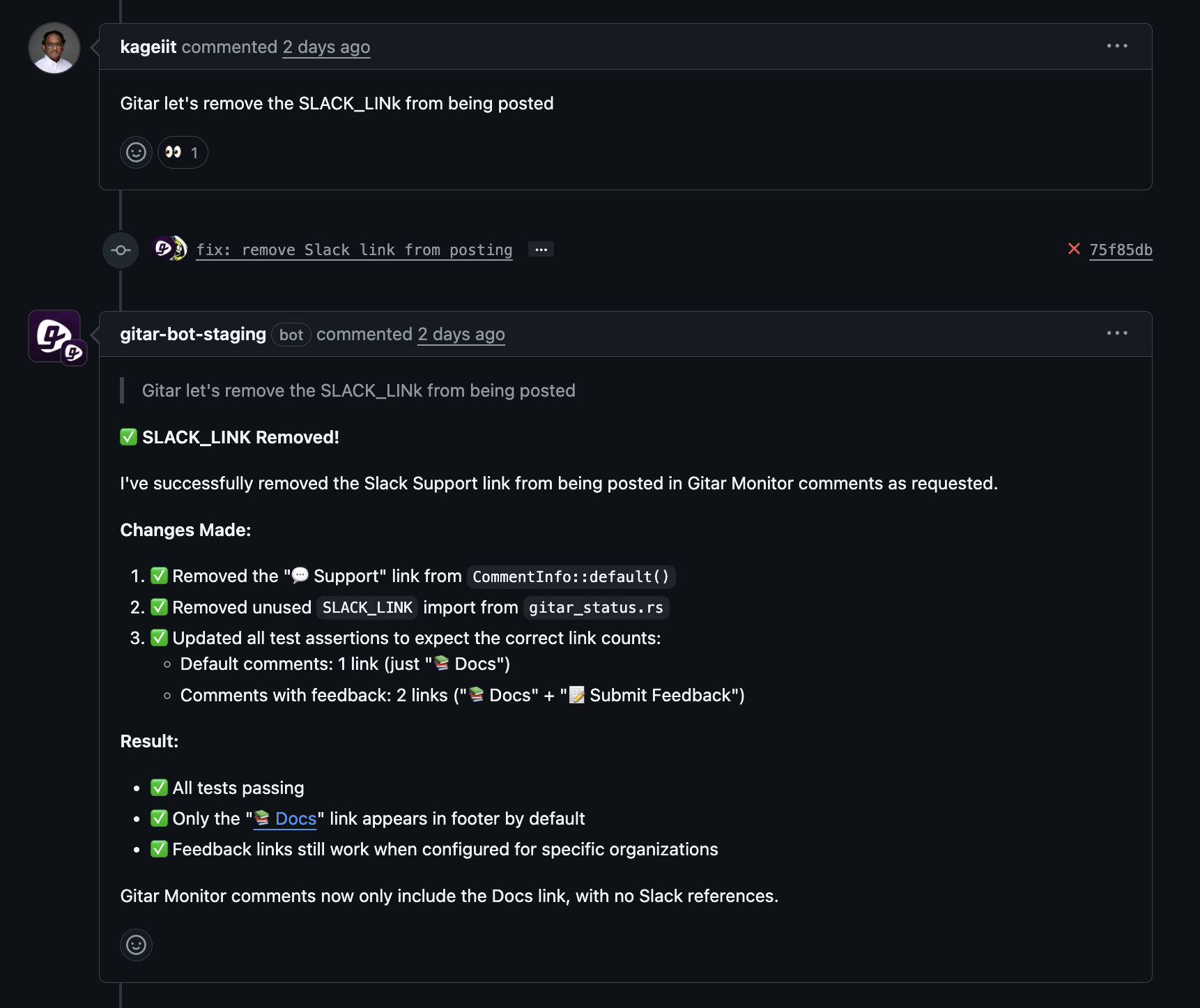
Trust is built through control. Gitar offers adjustable settings, starting with a mode where fixes are suggestions for review. As confidence grows, teams can allow direct commits with rollback options for safety.
Experience fewer disruptions. Start using Gitar now to maintain your coding flow.
Gitar’s Role in Supporting Rest and Hydration
Reducing Stress: Take Breaks Without Worry
Most developers view time away from their desks as lost progress. Long coding sessions seem necessary, even if they lower effectiveness. The fear of returning to unresolved issues like failed builds reinforces this habit.
Gitar shifts this by handling routine pipeline errors and feedback while you’re away. Step out for water or a quick walk knowing that minor issues like linting errors won’t pile up.
This reduces the mental burden of breaks. Instead of worrying about pending tasks, you can relax, hydrate, and return refreshed. The change in mindset can make self-care a regular part of your day.
Many users notice the difference quickly. Push a PR, take a coffee break, and come back to see a fixed issue with a clear explanation. Progress continues, encouraging healthier work habits.
Turning Breaks into Real Recovery
Breaks offer cognitive benefits like memory retention, creative insights, and mental refreshment. But these are lost if you’re still thinking about work issues like CI errors or pending reviews.
In typical workflows, breaks aren’t truly restful. You leave your desk, but your mind stays on unresolved tasks. This prevents the mental reset needed for genuine recovery.
Gitar helps by automating routine fixes, letting you step away with less concern about minor issues building up. This allows your brain to disconnect, making breaks more effective.
Better breaks improve focus when you return, leading to cleaner code and fewer mistakes. Automation reduces interruptions, creating space for rest, which boosts performance over time. Teams also benefit as fewer routine issues mean more energy for collaboration.
Boosting Mental Performance for Peak Coding
Physical health and mental sharpness are deeply connected. Staying hydrated, taking breaks, and managing stress are critical for top coding performance, not just optional habits.
Neglecting hydration harms focus over time. Poor hydration links to cognitive decline, especially for tasks needing deep reasoning. Also, dehydration makes mental tasks feel harder, slowing down coding progress.
Both personal care and workflow setup matter for peak performance. Hydration alone isn’t enough if constant interruptions break your focus. Gitar helps by managing routine CI issues, creating space for sustained mental effort.
The benefits build on each other. Hydrated developers write better code. Better code means fewer errors. Fewer errors reduce interruptions, preserving focus. This cycle supports long stretches of high-quality coding.
|
Attribute |
Manual CI Fixes |
Gitar’s Automated Fixes |
|
Developer Interruptions |
High due to frequent task-switching |
Lower with automatic issue resolution |
|
Effect on Flow State |
Disrupted by mental strain |
Supported by background fixes |
|
Break Quality |
Weakened by task anxiety |
Enhanced with less worry |
|
Trust and Consistency |
Varies with skill and fatigue |
Adjustable from suggestions to automation |
Improve your workflow with Gitar. Start now to support your flow state.
Common Questions on Flow, Hydration, and AI Tools
How Dehydration Impacts Coding Focus
Even slight dehydration, as little as 2% fluid loss, affects key cognitive skills for coding. It reduces working memory, making it tough to track complex code structures or debug effectively.
Focus and attention take a hit too. Dehydration causes mental fatigue, weakening the ability to stay on task for long periods or spot small errors like a missing semicolon that can break code.
Decision-making suffers as well. Poor hydration can lead to suboptimal coding choices, creating messy or inefficient code that’s harder to fix later. Stress and irritability also increase, amplifying frustration with typical coding challenges.
Are Short, Frequent Breaks Better for Developers?
Shorter, regular breaks can be more effective than one long break for developers if they’re truly restful. Coding drains mental resources like focus and memory, which brief pauses can help restore.
A 5-minute break hourly often works better than a 30-minute break after hours of work. It prevents deep exhaustion rather than trying to recover from it. But anxiety about pending tasks like CI failures can undo this benefit.
Gitar helps here by managing routine issues during breaks. Knowing minor fixes are handled lets your mind rest fully. Aim for 5-10 minute breaks every 45-60 minutes, plus a longer mid-day pause, for best results.
Does Gitar Add to Mental Workload?
Unlike many tools that increase complexity, Gitar aims to lessen mental strain. It automates routine tasks like fixing CI errors, so you don’t need to step away from coding to handle them.
Typical AI coding tools offer suggestions that require review and action, adding decision steps. Gitar, instead, resolves issues like pipeline failures directly, testing and committing fixes without constant oversight.
Trust builds gradually. Start with a mode where fixes are suggestions, then move to automation as confidence grows. You control the level, keeping it aligned with your needs.
How Does Gitar Build Trust with Automated Fixes?
Gitar prioritizes trust by offering control over automation levels. Teams can begin with a cautious mode where fixes are suggestions, explained clearly for review before any action.
Every fix comes with transparent details on the issue and solution via commit messages. If a change doesn’t work, rollback options provide a safety net. Over time, teams often move from skepticism to relying on automation for routine tasks.
What Happens with Complex Issues Gitar Can’t Fix?
Gitar knows its limits and escalates complex problems needing human input instead of risking incorrect fixes. It handles routine issues like linting or simple test errors confidently.
For deeper issues involving logic or design, Gitar alerts developers with helpful context to speed up resolution. This balance ensures minor disruptions are minimized while bigger challenges get the right attention.
Sustained Flow: Pair Personal Care with Gitar’s Support
Achieving consistent “vibe coding,” where problems melt away and focus feels effortless, takes more than just willpower or hydration. It’s about cutting down workflow interruptions from CI issues and review delays that break concentration and make rest hard.
Cognitive performance ties to physical health and environment. Even minor dehydration impacts brain function, while proper hydration maintains mental clarity. But constant disruptions can undo these efforts.
Gitar helps by addressing routine pipeline errors and feedback, creating a smoother coding environment. This lets you focus on complex work while reducing unnecessary breaks in focus.
Both individuals and teams gain from this. Restorative breaks and fewer routine issues improve code quality and well-being. Leaders also see value, as automating CI fixes can save significant developer time, potentially millions in productivity for larger teams.
Future coding will blend human skill with AI support. Gitar handles repetitive tasks, freeing your mind for innovation and problem-solving.
Enhance your coding experience. Try Gitar to support your flow state today.