CI build failures slow down secure software development lifecycle (SSDLC) pipelines, frustrate developers, and delay releases. This article explains the real cost of these failures and shows how an AI-driven tool like Gitar can automatically fix them, speeding up your development process. Let’s dive into the challenges and explore a solution that boosts efficiency for engineering teams and leaders.
Why CI Build Failures Hurt Your SSDLC and Budget
Manual Debugging Costs Time and Money
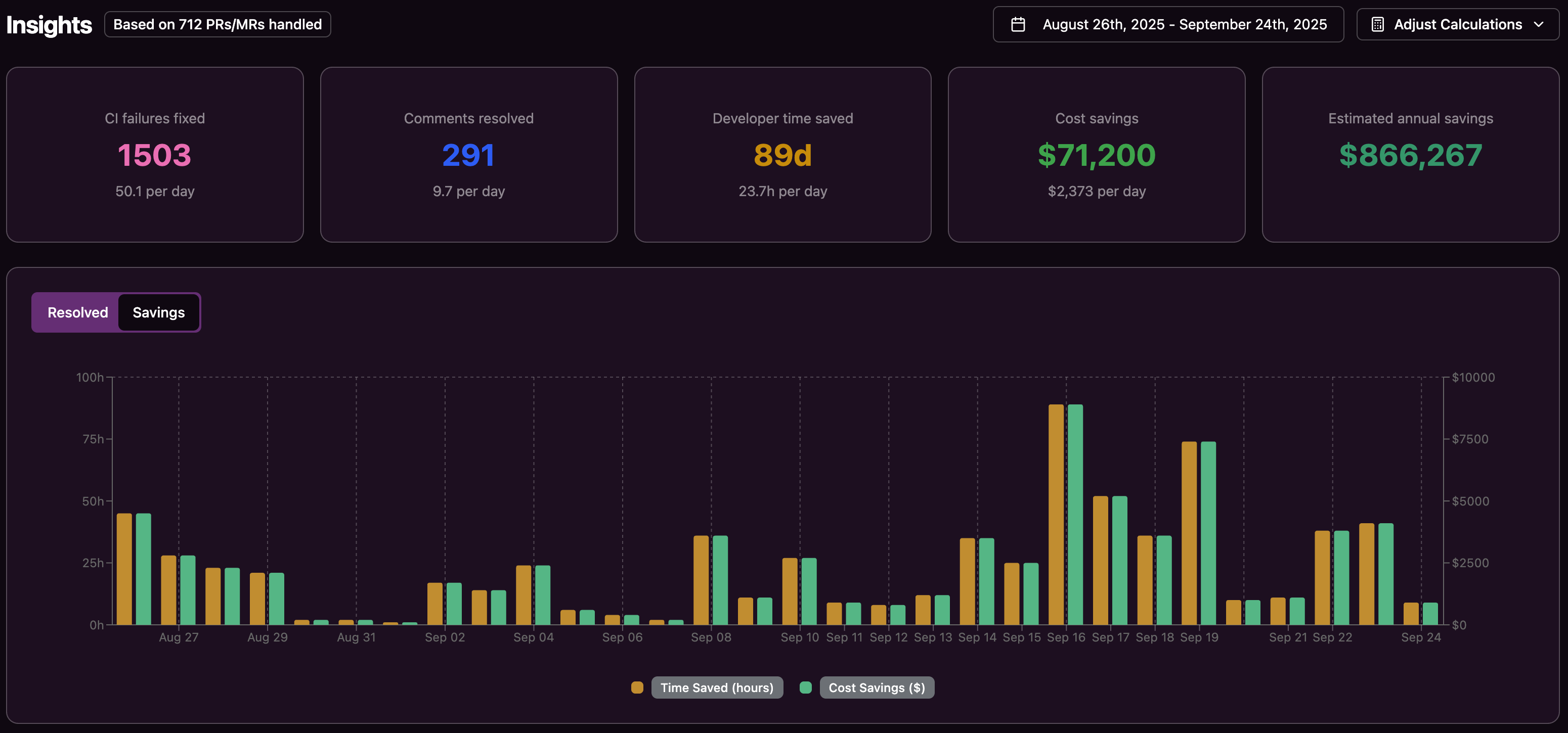
Fixing CI failures by hand slows down development and cuts into productivity. For a team of 20 to 50 developers, automating repetitive CI tasks can save significant time and expenses. Automation directly reduces the hours spent on common errors.
The numbers add up fast. If each developer spends one hour daily on CI issues, a 20-person team loses 5,000 hours yearly. At $200 per hour, that’s $1 million in lost productivity. This doesn’t even cover delayed releases, missed market windows, or frustrated customers.
Context switching is a hidden drain. When a developer submits a pull request and faces CI errors, they stop their current task, revisit past work, and decode error messages. A quick fix can turn into an hour-long distraction, as regaining focus often takes 15 to 20 minutes.
Many CI failures repeat across teams, like linting issues, outdated snapshots, or dependency conflicts. Solving these manually over and over creates a loop of wasted effort that grows with every project.
Want to stop CI failures from slowing you down? Install Gitar to fix broken builds automatically and ship quality software faster.
How Gitar Fixes CI Failures Automatically for SSDLC
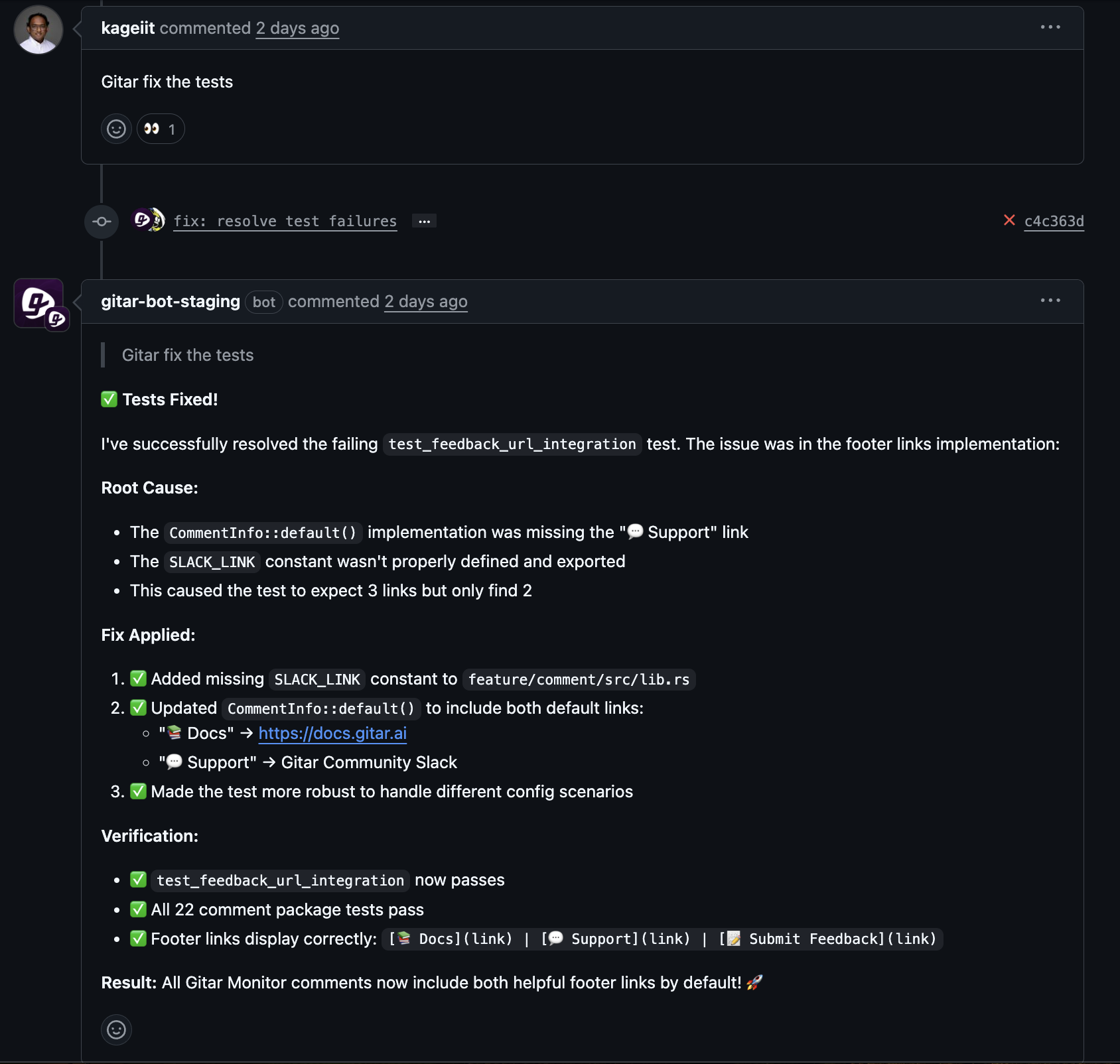
Gitar changes the game by moving from manual debugging to automatic resolution. This AI tool detects, analyzes, and fixes CI build failures in your SSDLC pipeline without developer input. It’s not just about suggestions; Gitar handles the entire process, saving time and effort.
Here’s what Gitar offers:
- Complete Fix Automation: Gitar applies fixes, validates them, and ensures builds pass, turning hours of manual work into a hands-free process.
- Environment Accuracy: It mirrors complex enterprise setups, handling specific dependencies, multi-SDK builds, and tools like SonarQube or Snyk for precise fixes.
- Flexible Trust Settings: Teams can start with suggestions needing approval and move to full auto-fixes with rollback options as confidence builds.
- Wide CI Compatibility: Works with GitHub Actions, GitLab CI, CircleCI, BuildKite, and more, fitting into your existing systems.
- Smart Review Support: Automates fixes based on reviewer feedback, helping distributed teams avoid delays due to time zones.
Unlike tools that only suggest fixes, Gitar completes the cycle from detecting issues to verifying solutions. This cuts out context switching and ensures fixes work in your specific setup.

Ready to speed up your SSDLC with less CI hassle? Book a demo with Gitar today.
Key Gains from Automating CI Fixes in SSDLC
Boost Developer Focus and Productivity
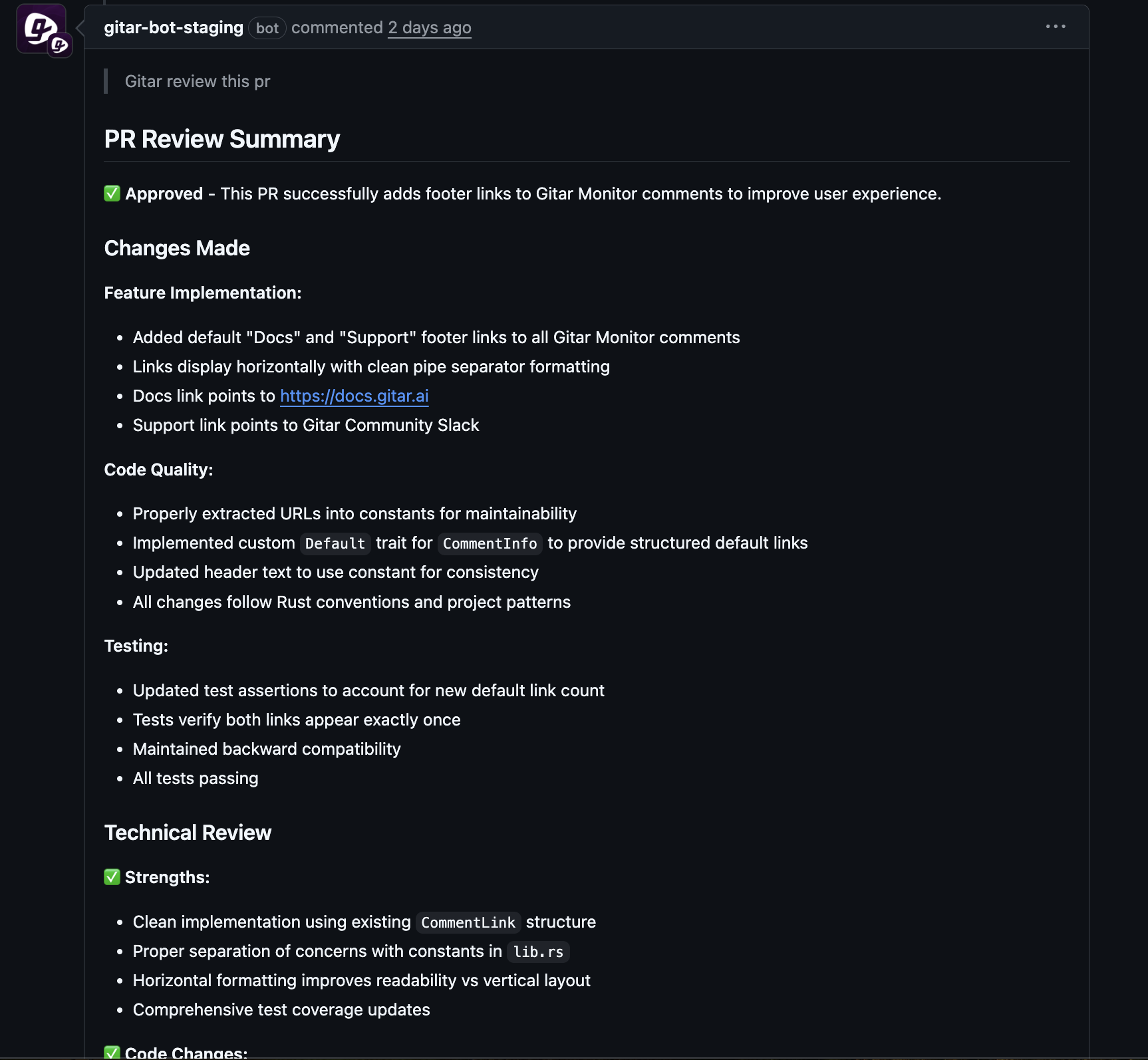
Gitar handles CI failures automatically, letting developers stay focused on coding instead of debugging. When a pull request triggers errors, Gitar resolves them in the background, preventing interruptions.
The savings are real. For a 20-developer team, cutting one hour of daily CI frustration saves about $1 million annually. Add in faster feature delivery and happier developers, and the impact grows even larger.
Flow state, where developers solve problems efficiently, breaks easily with CI issues. Gitar keeps that focus intact by managing fixes, so developers stay productive all day.
Teams also gain predictability. Without random CI delays, project timelines become reliable, helping managers plan better and maintain steady progress as projects scale.
Speed Up Releases and Cut Lead Times
Removing CI roadblocks shortens feedback cycles and gets features merged faster, giving your team a market edge. Gitar’s quick fixes improve overall development speed across projects.
CI failures often cause cascading delays, pushing back features, testing, and releases. Gitar ensures builds pass consistently, keeping schedules on track and meeting tight demands.
For distributed teams, Gitar eliminates time zone delays. A developer in one region can push code, and Gitar fixes issues overnight, so colleagues elsewhere start their day with clean builds.
Why Gitar Beats Manual Fixes and Other Tools
Comparing Gitar to traditional debugging and other AI options highlights its unique value:
|
Feature / Benefit |
Gitar (Autonomous CI Fixing) |
Manual Debugging |
AI Code Reviewers (e.g., CodeRabbit) |
|
Action on CI Failure |
Automatic Fix & Validate |
Manual Work |
Suggests Fixes |
|
Developer Interruption |
Minimal |
High (Context Switch) |
High (Manual Steps) |
|
Environment Context |
Full Enterprise Setup |
Limited View |
Code-Only Focus |
|
Guaranteed Build Success |
Yes (Validated Fixes) |
No (Trial & Error) |
No |
|
Feature / Benefit |
Gitar (Autonomous CI Fixing) |
On-Demand AI Tools (e.g., Claude GitHub Action) |
|
|
Action on CI Failure |
Automatic Fix & Validate |
Code Provided (Manual Use) |
|
|
Developer Interruption |
Minimal |
High (Manual Effort) |
|
|
Across CI Platforms |
Yes (Multiple Platforms) |
Often Limited |
Other AI tools help with suggestions, but they still need manual effort, keeping the interruption problem alive. Manual fixes remain slow and inconsistent. Gitar’s full automation and deep understanding of your environment save time and deliver reliable results.
Upgrade your workflow with automated CI fixes. Install Gitar now to fix builds and ship better software faster.
Common Questions About Gitar
What CI Failures Can Gitar Fix?
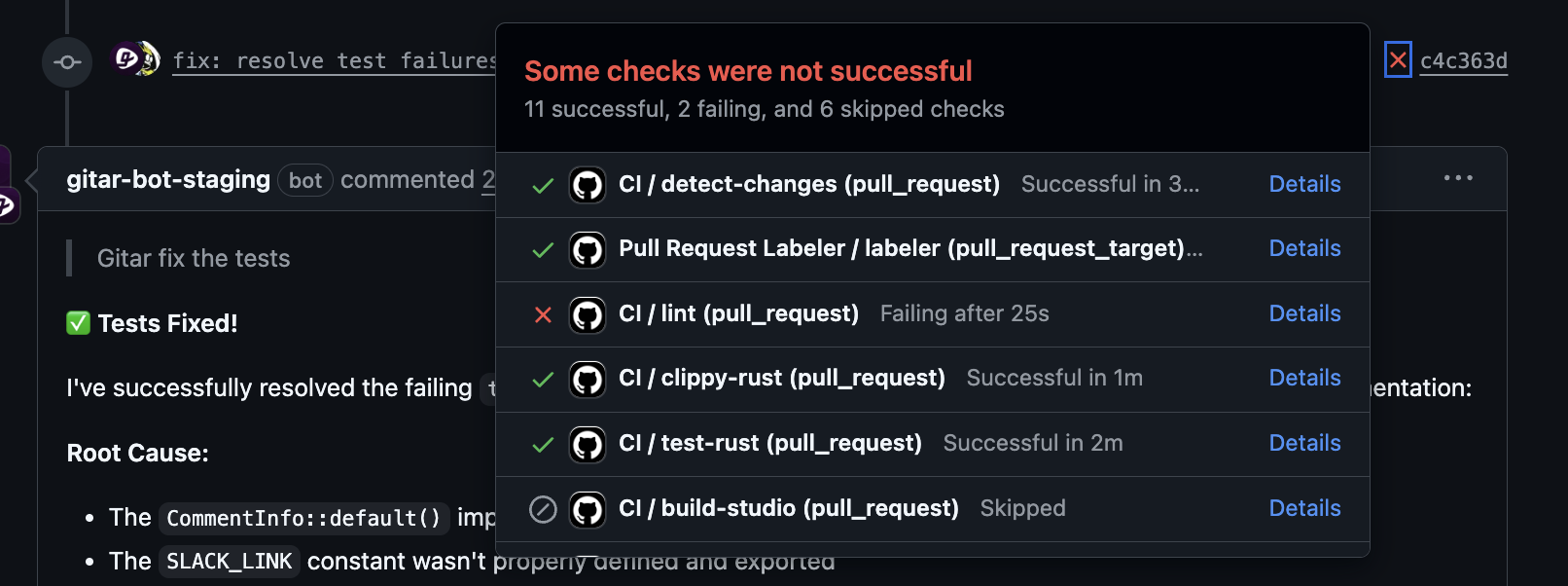
Gitar tackles many common CI issues that waste developer time. It fixes linting errors like incorrect formatting, missing semicolons, or naming issues, following your project’s style rules.
For testing problems, Gitar updates outdated snapshots, fixes broken assertions from small code changes, and adjusts test data. It also resolves build errors like dependency conflicts or configuration issues.
Gitar shines with repetitive failures, such as dependency updates or third-party tool mismatches, using a full view of your setup to ensure accurate fixes.
Does Gitar Work in Complex Enterprise Setups?
Yes, Gitar is built for complex enterprise CI/CD environments. It matches your exact setup, including specific JDK versions, custom scripts, and integrations with tools like SonarQube or Snyk.
Unlike generic AI tools with limited context, Gitar understands your dependencies, configurations, and systems. It handles intricate cases like multi-language repos or microservices with interconnected parts.
How Does Gitar Differ from Other AI Coding Tools?
Gitar focuses on fixing CI failures after code is committed, unlike AI tools that assist during coding or reviews. While tools like GitHub Copilot or CodeRabbit offer suggestions, Gitar automates the entire fix process and confirms results.
Other tools often require manual steps, creating interruptions. Gitar works with your full CI environment, ensuring fixes succeed where others fall short.
Can Gitar Support Distributed Teams?
Gitar helps distributed teams by removing delays from time zone differences. Reviewers can request fixes via comments, and Gitar applies them instantly, no matter where team members are.
This creates non-stop development cycles, keeping code moving forward without waiting for anyone to log in. Feedback gets actioned right away, speeding up projects while maintaining quality.
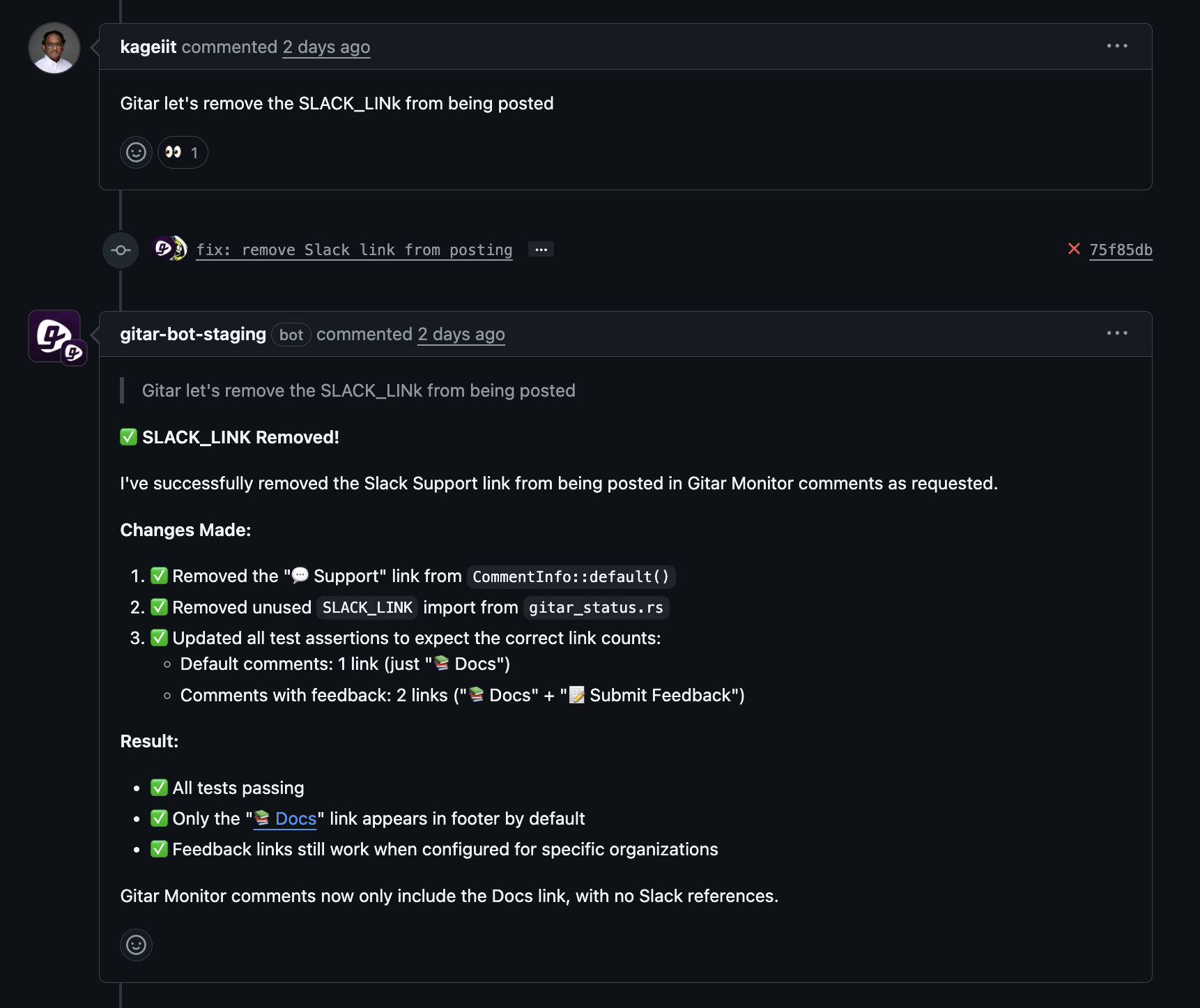
Final Thoughts: Speed Up SSDLC with Gitar
CI build failures drag down SSDLC productivity with manual fixes and delays. Many AI tools help with coding but don’t fully automate CI resolution.
Gitar offers a new approach with automatic fixes that adapt to your environment. This can save organizations considerable productivity losses and get products to market sooner. Its flexibility lets teams adopt automation gradually while staying in control.
As coding speeds up, the challenge shifts to merging and validating efficiently. Gitar addresses this bottleneck, giving teams a clear edge with faster cycles and better developer experiences.
Ready to tackle CI build failures with AI? Request a demo with Gitar today.