
Scaling CI/CD pipelines often brings rising costs, complex setups, and frustrated developers. Conventional methods struggle to keep up, resulting in slow builds and delayed releases. This article dives into how an AI-driven, autonomous approach with Gitar can improve your CI/CD performance, supporting speed and reliability at scale.
Why Traditional CI/CD Scaling Falls Short for Teams
High Costs: The Financial Strain of Scaling Pipelines
Scaling CI/CD pipelines can hit budgets hard. Expenses stack up from job duration, instance types, network usage, storage, and artifact retention, especially as concurrency and resource demands grow. What begins as a small investment can balloon into a major expense as teams expand and commits increase.
Failed builds add to the problem. Each retry after a failure, like a minor linting issue, uses extra resources and extends pipeline time. For a growing team with hundreds of daily commits, these costs multiply quickly.
Many teams over-provision resources or use persistent runners to manage peak loads. This leads to wasted capacity during idle periods and poses security risks. For a team of 20 developers, inefficiencies can lead to roughly $1 million in annual losses when combining infrastructure expenses and lost productivity.
Want to cut CI/CD cost overruns? Install Gitar to fix broken builds and streamline delivery.
Overwhelming Complexity: Handling Enterprise CI/CD at Scale
Enterprise CI/CD setups face scalability hurdles that standard tools can’t easily solve. Dependency chains, multi-SDK builds, and security scanning tools create numerous failure points. Each added tool raises the risk of issues that demand specialized troubleshooting.
New engineers often struggle to adapt. They need to learn not just the codebase but also intricate build configurations and tool quirks. This slows onboarding as senior team members spend time guiding newcomers through CI failures instead of coding.
Managing multiple SDKs, linting rules, and testing environments adds to the burden. A failed security scan or broken test from a dependency update can require deep expertise to fix. For microservices with separate pipelines, coordinating deployments and testing across repositories becomes even more challenging.
Productivity Loss: How Slow Pipelines Disrupt Developer Focus
Inefficient CI/CD scaling impacts more than costs; it affects developer morale and output. Delays from long build cycles, large batch commits, and poor resource allocation slow down progress. Developers may batch changes to avoid frequent failures, making issues harder to debug.
Switching tasks after a CI failure wastes time. Returning to fix a problem, even a small one, can turn a quick edit into a major disruption. This constant interruption prevents developers from staying focused and delivering quality code.
Distributed teams face extra hurdles. A CI failure at the end of one developer’s day can delay a teammate in a different time zone, stretching simple fixes across days. This slows down the entire team’s progress.
Meet Gitar: Autonomous Support for CI/CD Challenges
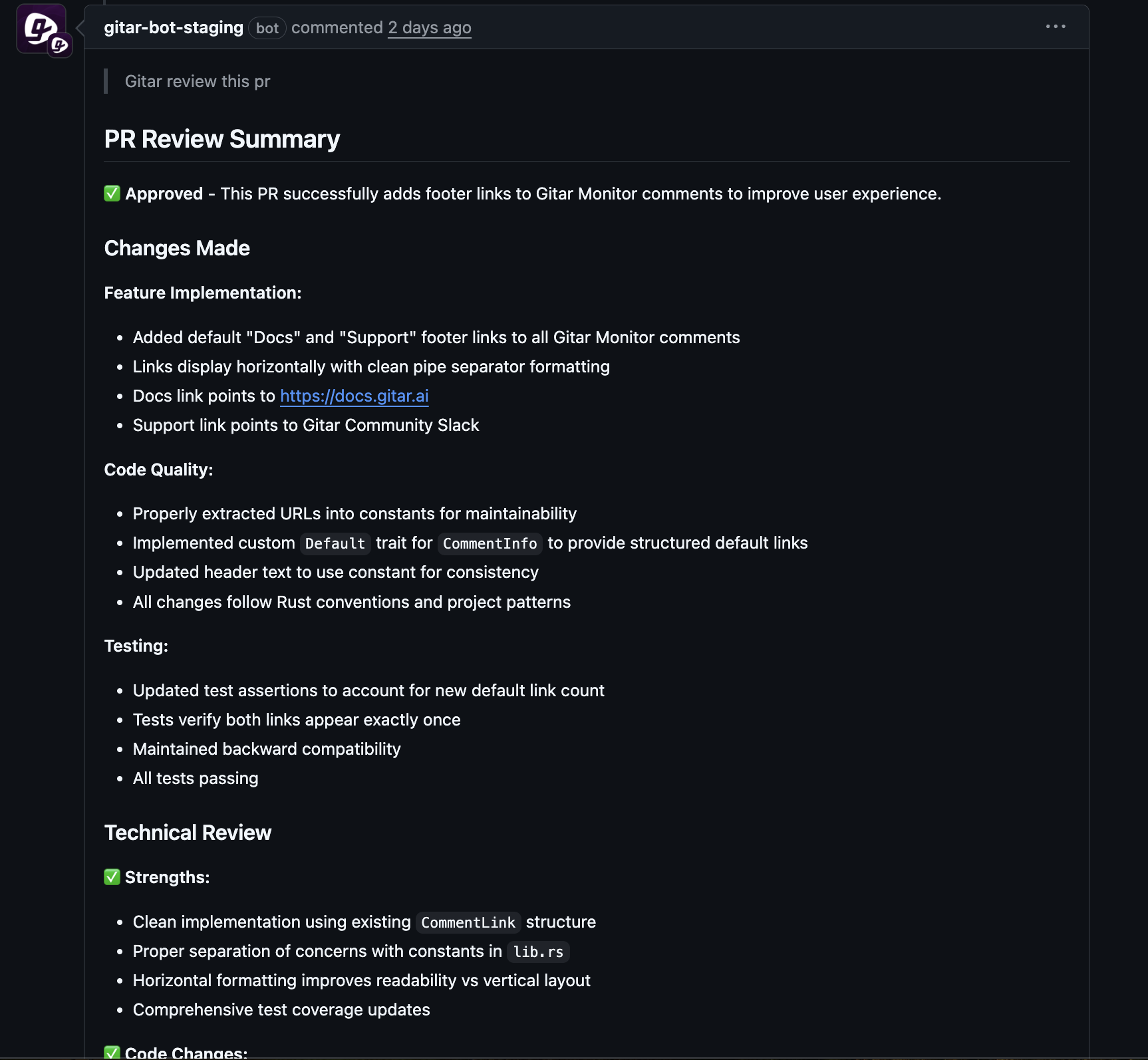
Gitar brings intelligent automation to CI/CD, fixing issues before they stall developers. Unlike traditional scaling that adds more resources, Gitar targets the manual effort needed to handle failures and feedback, keeping pipelines smooth.

Key Features for Stronger CI/CD Performance
Gitar offers practical tools to tackle common pipeline issues. Here’s how it supports your team:
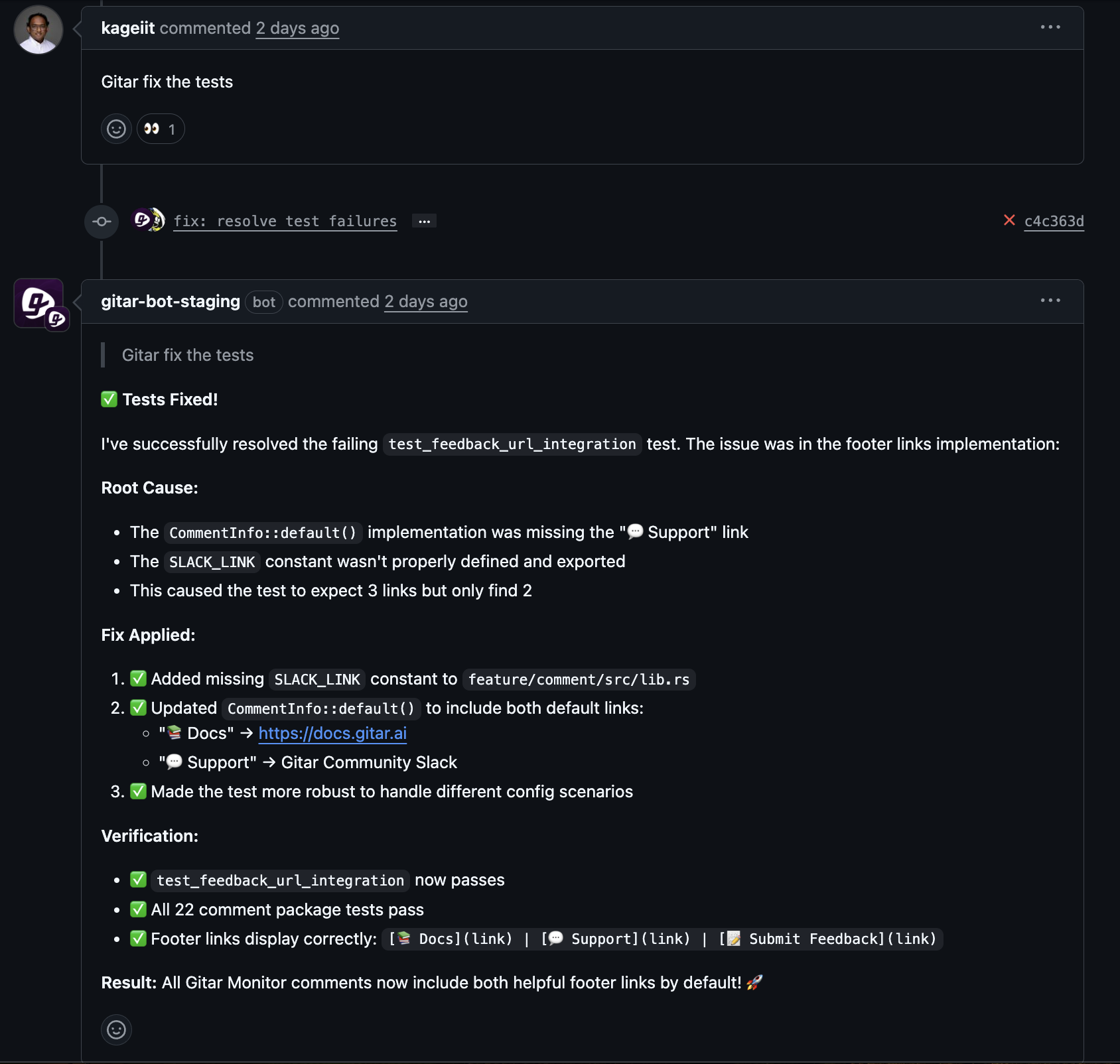
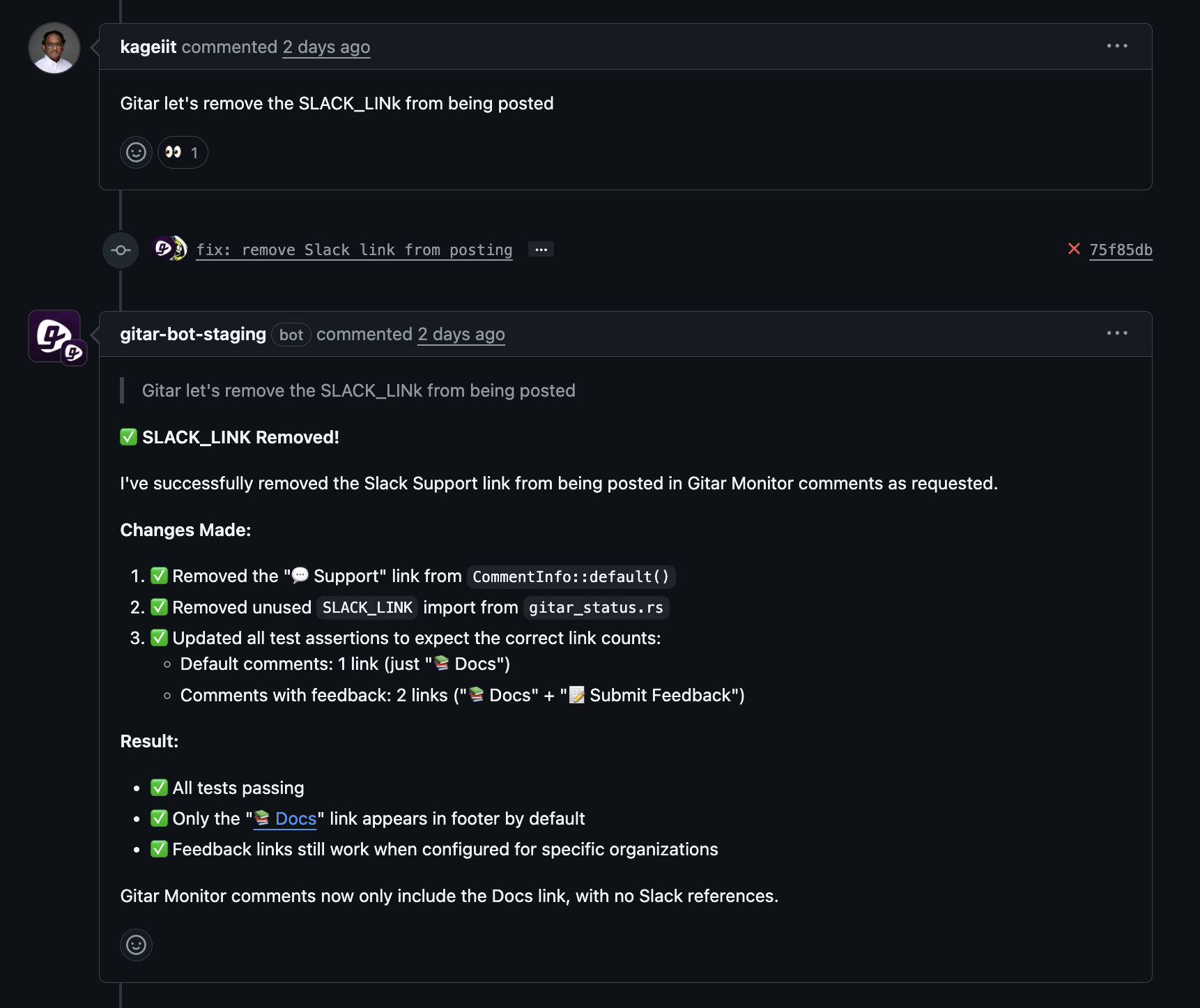
- Complete Issue Resolution: Gitar doesn’t just suggest fixes. It identifies CI failures like linting errors or broken tests, creates solutions, validates them, and commits changes, minimizing developer involvement.
- Accurate Environment Matching: Gitar mirrors your enterprise setup, including specific JDK versions and tools like SonarQube. Fixes align with your workflow and quality standards.
- Adjustable Automation Levels: Start with manual approval for fixes and move to full automation as confidence grows. This keeps you in control while adapting to automation.
- Wide Platform Compatibility: Gitar supports GitHub Actions, GitLab CI, CircleCI, BuildKite, and more, giving flexibility as your tools evolve.
Ready to improve your CI/CD flow? Install Gitar to automate fixes and speed up delivery.
How Gitar Enhances CI/CD Beyond Basic Scaling
Optimizing Resources with Self-Fixing Pipelines
Traditional CI/CD scaling often wastes resources on over-provisioning. Ephemeral runners and automated scaling can help, but they need advanced setup. Gitar reduces waste by fixing CI failures that lead to extra compute cycles.
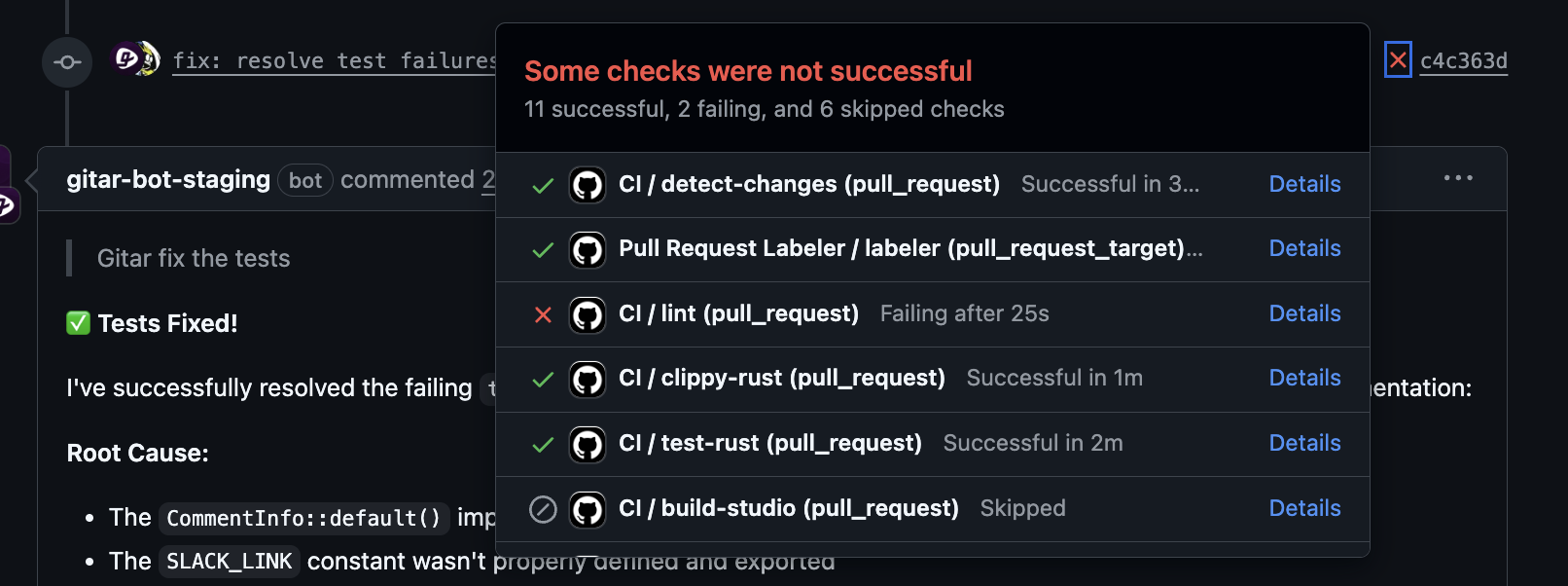
Pipeline retries after failures drive up costs. Gitar cuts this cycle by resolving issues automatically, lowering the compute time needed for successful merges. It also reduces manual retries by developers, easing resource strain and delays for the team.
Boosting Developer Speed and Focus
Automation speed matters for productivity. Fast feedback loops cut risks and support consistent releases. Gitar shortens delays by handling failures directly, letting developers focus on coding instead of fixing.
When CI issues resolve without manual effort, developers stay in their workflow. For distributed teams, Gitar ensures feedback and fixes align across time zones, preventing delays in collaboration.
Ensuring Stability in Enterprise Settings
Scalable pipelines need modular design for easier troubleshooting. Independent jobs and stages allow targeted fixes. Gitar supports this by addressing failures at any stage, from linting to deployment.
Fixes are validated against security checks and compliance rules, ensuring they don’t introduce risks. This approach maintains pipeline health over time, preventing small issues from growing.
Looking for better CI/CD stability? Install Gitar to automate fixes and improve reliability.
Comparing CI/CD Tools: Gitar vs. Alternatives
|
Feature / Tool |
Gitar (Healing Engine) |
AI Code Reviewers (e.g., CodeRabbit) |
Manual Fixing (Standard Approach) |
|
Core Functionality |
Autonomous fix, validate, commit |
Suggest fixes, provide feedback |
Manual issue resolution |
|
CI Integration |
Replicates full CI setup for validation |
Focuses on PR reviews, code quality |
Relies on developer testing |
|
Scalability Impact |
Cuts bottlenecks, speeds up merges |
Improves quality, may need extra steps |
Slows down at scale, costly |
|
Developer Interaction |
Minimal, mostly autonomous |
Often requires manual action |
High effort, frequent interruptions |
Gitar stands out by automating the entire fix process, unlike suggestion-based tools that may still need developer input. Its focus on enterprise CI/CD environments ensures fixes meet specific security and compliance needs.
Common Questions About CI/CD Scalability with Gitar
How Does Gitar Help Reduce CI/CD Costs?
Gitar targets cost inefficiencies by cutting down on failed runs and manual retries that waste resources. Automated fixes lower compute time per merge, while validated solutions reduce unnecessary rebuilds.
Can Gitar Manage Complex Pipeline Dependencies?
Yes, Gitar handles intricate enterprise setups. It mirrors your workflow, including specific SDKs and security tools, ensuring fixes fit your quality standards and support growth across teams.
How Does Gitar Build Trust for Automated Fixes?
Gitar offers adjustable automation. Start with manual approval for fixes, then shift to full automation as you gain confidence. Rollback options and validation against CI checks add safety.
How Does Gitar Support Distributed Teams?
Gitar bridges time zone gaps. Reviewers leave comments for immediate fixes, so solutions are ready when developers log in. This keeps global teams moving without delays.
What If a Gitar Fix Doesn’t Work?
Gitar validates fixes against your CI setup before committing. If issues arise, rollback options and detailed change logs provide clarity. Notifications keep you informed of all actions.
Wrap-Up: Strengthen CI/CD with Gitar
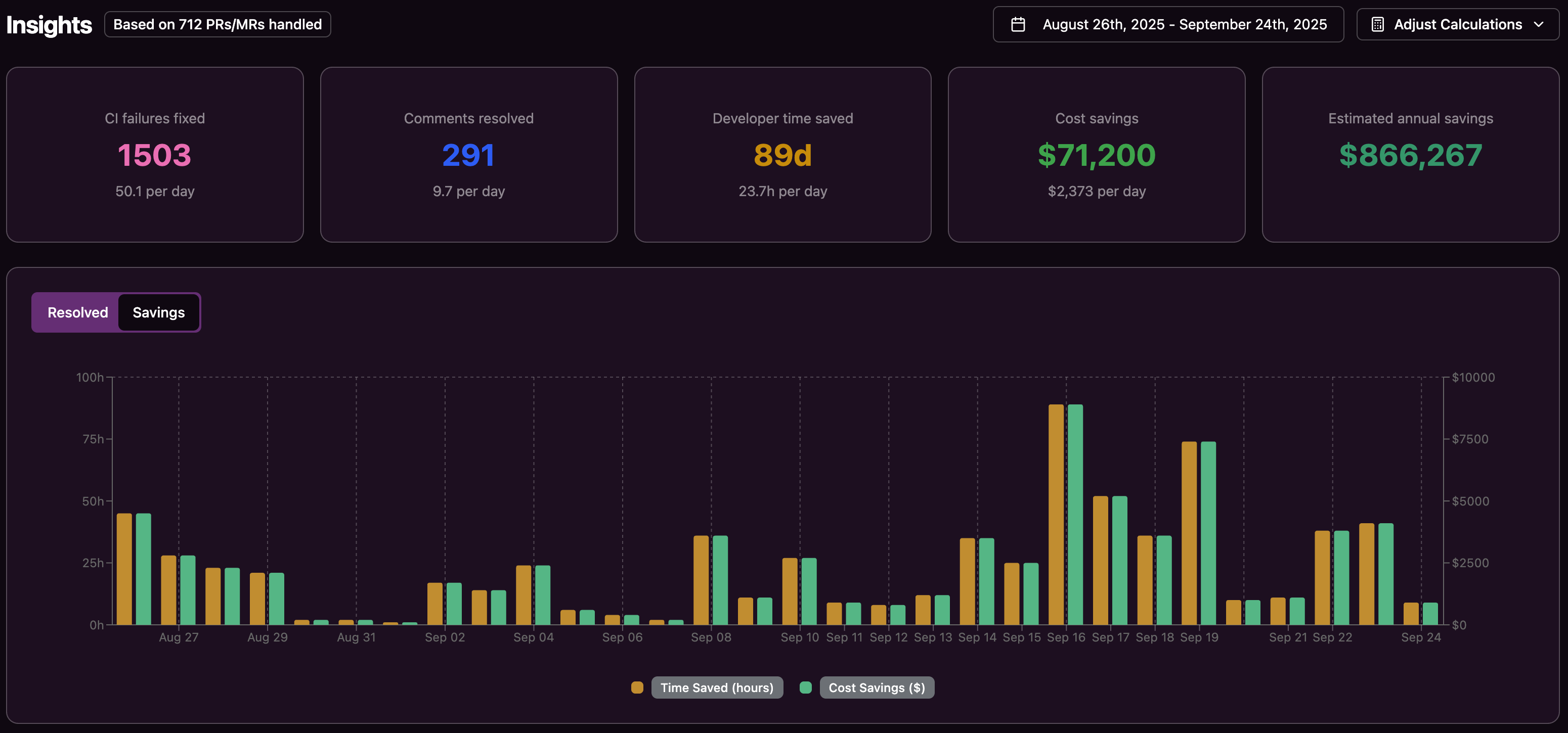
Building efficient CI/CD pipelines means using smart automation to tackle bottlenecks. Gitar handles failures like linting errors and test issues directly, freeing developers for core work.
Unlike traditional scaling, Gitar reduces manual effort, potentially lowering costs and speeding up merges. For leaders rethinking CI/CD, it offers proactive solutions. Ready to upgrade your pipelines? Install Gitar to automate fixes and boost delivery.