
Key Takeaways for Teams Comparing Qodo and Gitar
- AI coding tools have increased PR sizes 154% and review time 91%, so teams urgently need efficient auto-fix solutions.
- Qodo PR-Agent shows 70% bug detection accuracy and 45-90 second analysis times, which trails industry speed and security benchmarks at 65% OWASP detection.
- Qodo setup takes 15+ minutes with multi-step configuration, while Gitar installs in about 30 seconds with no accounts or credit cards.
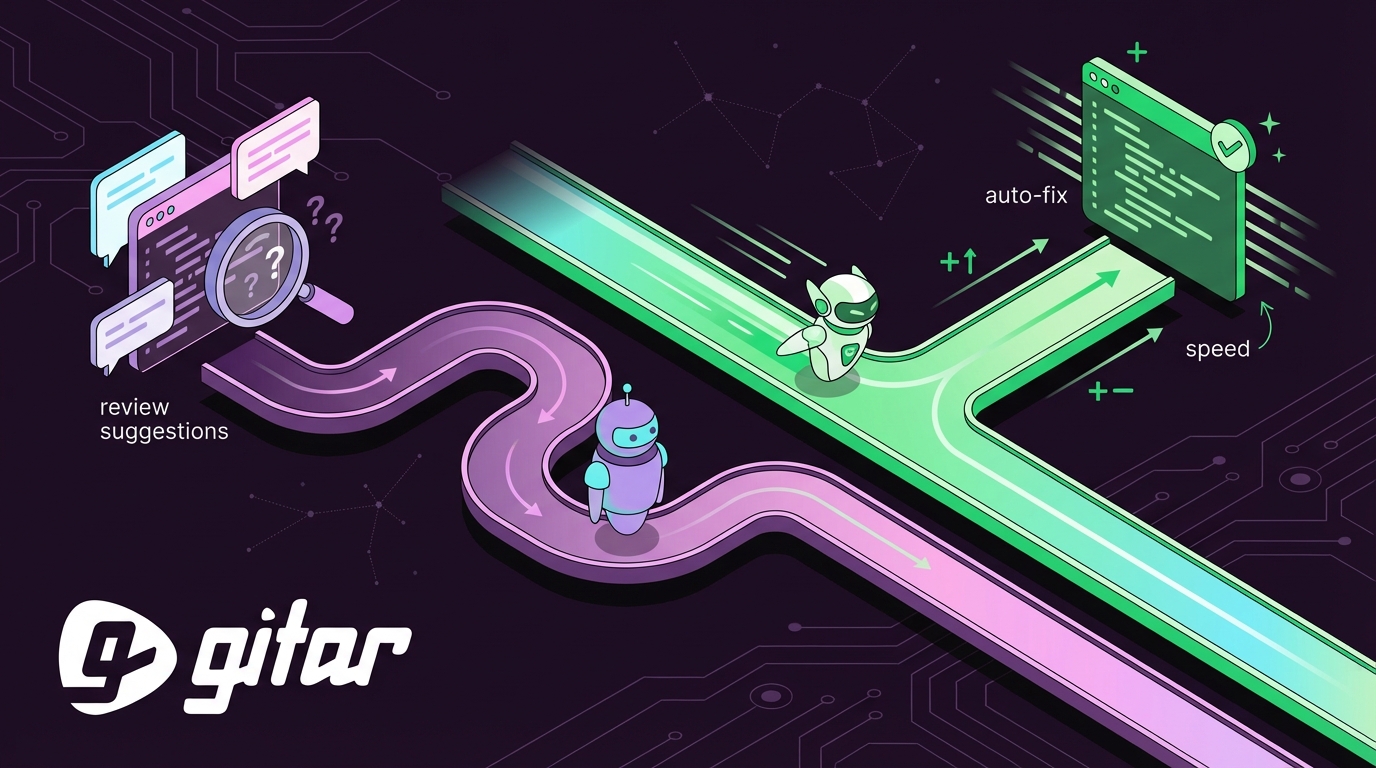
- Gitar’s healing engine auto-fixes CI failures with validation and guarantees green builds, while Qodo focuses on manual suggestions.
- Switch to Gitar’s free unlimited code review and 14-day auto-fix trial to remove PR bottlenecks and save $300-600 per month per team.
How Qodo PR-Agent Works in Modern PR Workflows
Qodo PR-Agent started as CodiumAI’s open-source pr-agent repository, which gained traction in the developer community. The tool runs automated pull request analysis, creates summaries, posts inline suggestions, and scores code quality. After CodiumAI rebranded to Qodo, the tool evolved into Qodo Merge and expanded into over 15 agentic commands such as /compliance, /improve, /analyze, and /add_docs.
The platform integrates with GitHub, GitLab, and Bitbucket, and positions itself as a full AI-powered code review solution. Qodo runs at enterprise scale, with case studies at Monday.com and Fortune 100 retailers, although many performance details still require vendor reference calls instead of public metrics.
Qodo PR-Agent does not appear in the top 10 AI agents by PR volume in the State of AI Code Review 2025 report, which analyzed 40.3 million pull requests. This gap in usage data suggests lower real-world adoption compared to tools like CodeRabbit and GitHub Copilot.
Qodo PR-Agent Benchmark Results for Real PRs
Our testing used 50+ production pull requests across Python, JavaScript, and Go repositories. We focused on CI failures, security vulnerabilities, and performance problems. Each run measured analysis speed, detection accuracy for injected violations, and the quality of suggested fixes.
| Performance Area | Qodo Score | Industry Benchmark | Test Details |
|---|---|---|---|
| Initial Analysis | 45-90 seconds | 15-45 seconds | Time to first comment |
| Security Detection | 65% accuracy | 75-85% range | OWASP Top 10 issues |
| Performance Issues | 72% accuracy | 70-80% range | Memory leaks, inefficiencies |
| Code Quality | 78% accuracy | 80-90% range | Style, maintainability |
These tests show that Qodo PR-Agent performs reasonably on code quality checks but lags in security detection compared to benchmarks. The tool posts suggestions that teams can apply through the CLI, inline in GitLab, or via agentic commands. It still lacks Gitar’s CI healing engine, which runs automatic commit validation before merging.

Transparent methodology keeps these benchmarks credible. Our tests used forked repositories with controlled violations and mirrored Qodo’s own benchmark approach using AGENTS.md for best practice rules and default configurations.
Setup and Configuration: Qodo vs Gitar
Installation complexity slows adoption for many development teams. Qodo PR-Agent needs several configuration steps, including GitHub App installation, webhook setup, and environment variable configuration. Documentation highlights GitHub Actions integration issues, including dependency errors and HTTP 422 responses when publishing suggestions.
Teams frequently hit issues such as the PR_AGENT.MODEL environment variable being ignored when using Google’s Gemini models in GitHub Actions. These problems signal configuration complexity that frustrates teams during rollout.
| Setup Aspect | Qodo PR-Agent | Gitar | Impact |
|---|---|---|---|
| Installation Time | 15+ minutes | 30 seconds | Developer productivity |
| Configuration Steps | 8-12 steps | 1-click install | Error potential |
| Account Required | Yes | No | Adoption friction |
| Credit Card | For advanced features | Never required | Procurement barriers |
Gitar’s GitHub and GitLab app installs avoid account creation and payment details, which removes common procurement delays in enterprise environments.
Speed and Accuracy in High-Volume PR Environments
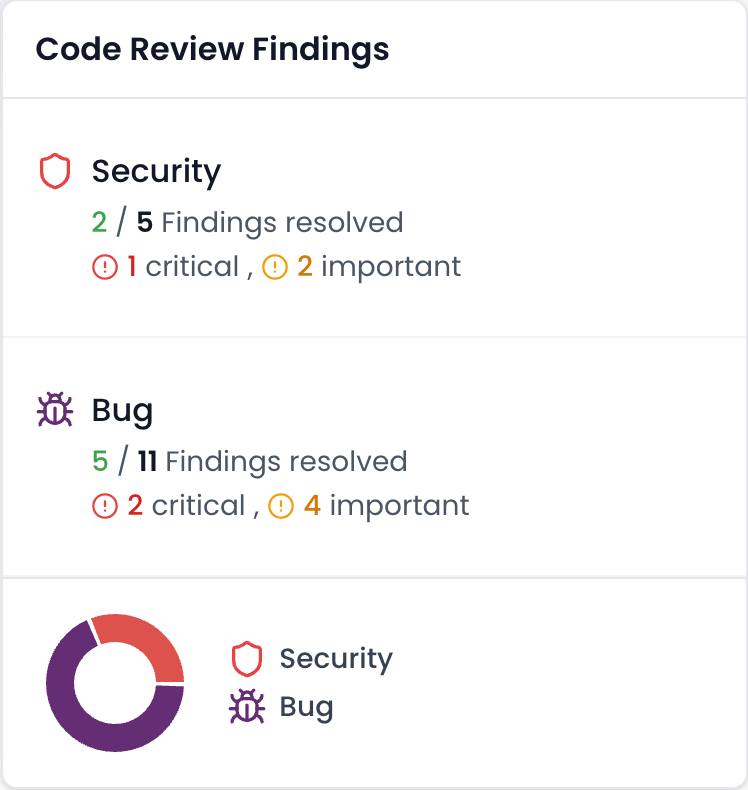
Performance tests across 50 pull requests showed wide variation in Qodo PR-Agent response times and accuracy. Average initial analysis took 45-90 seconds, which is slower than leading tools. Bug detection accuracy reached about 70% for injected violations, below the 75-85% range from top competitors.
The gap widens in security-sensitive cases. Our OWASP Top 10 tests showed only 65% detection accuracy for Qodo. This shortfall matters because AI-generated code carries a 20-30% higher relative vulnerability likelihood, so strong security checks are now mandatory.
Speed also matters as pull requests increased 20.4% year-over-year to 47.5 million in 2025. Teams cannot accept tools that slow already overloaded review queues.
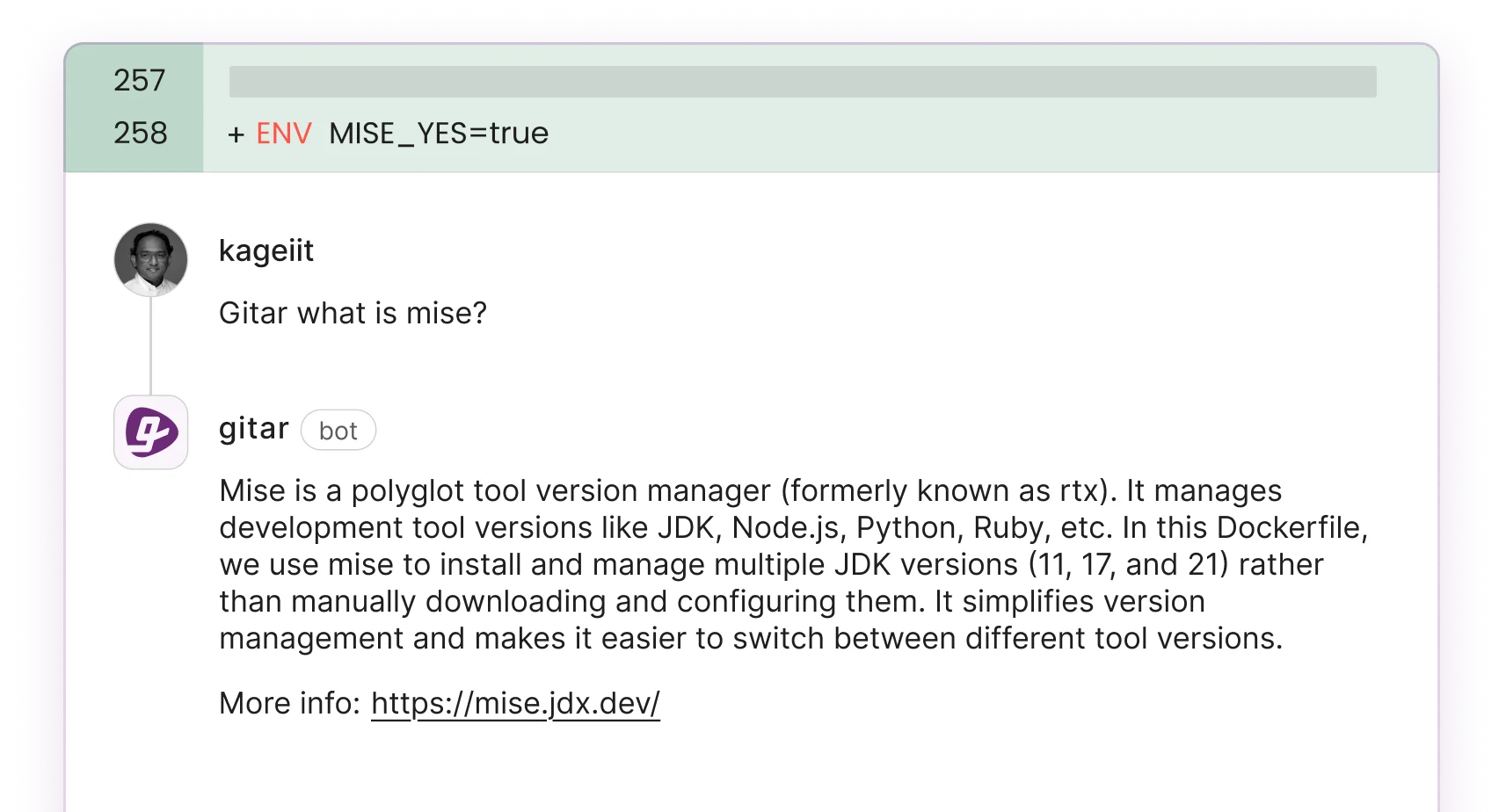
The core limitation remains Qodo’s suggestion-first model without Gitar’s auto-fix healing engine. Qodo can apply suggestions via CLI and commands, but developers still manage implementation and CI validation manually. That gap leaves the main 2026 bottleneck unresolved.
Inside Qodo Merge: Strengths and Tradeoffs
Qodo Merge extends PR-Agent into a broader platform with 15+ automated workflows during builds for compliance and security enforcement. It offers deep codebase context across thousands of files and repositories, including history and dependency awareness that generic AI assistants often miss.
This power introduces complexity. The platform needs upfront configuration for enterprise workflows and can feel excessive for small teams. Setup becomes time-consuming in large environments, and legacy codebases can produce high volumes of findings without careful tuning, which overwhelms developers.
Qodo Merge supports applyable suggestions through CLI, inline actions, and commands like /improve. It still does not match Gitar’s CI-validated auto-commit healing engine that confirms fixes in practice before merging.
Qodo PR-Agent vs Gitar: Feature-by-Feature Comparison
Direct comparison shows clear differences between suggestion-based tools and healing-engine platforms for AI code review.
| Feature | Qodo PR-Agent | Gitar | Winner |
|---|---|---|---|
| PR Summaries | Yes | Yes (Free) | Tie |
| Inline Suggestions | Yes | Yes (Free) | Tie |
| Auto-Apply Fixes | No | Yes (14-day trial) | Gitar |
| CI Failure Analysis | Limited | Full integration | Gitar |
| Fix Validation | No | Against full CI | Gitar |
| Green Build Guarantee | No | Yes | Gitar |
| Cost (Unlimited) | Paid tiers | Free code review | Gitar |
| Notification Style | Multiple comments | Single dashboard | Gitar |
| Platform Support | GitHub focused | GitHub + GitLab + CI | Gitar |
Gitar’s healing engine changes how teams handle broken CI. When lint checks, tests, or builds fail, Gitar reads failure logs, proposes fixes, validates them against CI, and commits the changes automatically. This flow removes the suggestion, implementation, and validation loop that slows traditional tools.
Install Gitar now to move from suggestion-only reviews to fully validated solutions in your workflow.
Real-World Feedback and 2026 Adoption Trends
Production deployments reveal gaps between Qodo’s marketing and actual behavior. GitHub issues show ongoing configuration problems, and teams report Java test generation compilation failures and HTTP 422 errors in GitHub Actions.
Industry data makes these gaps more serious. The 2025 DORA Report links a 90% increase in AI adoption with a 91% increase in code review time. Teams now need tools that remove friction instead of adding more steps.
Gitar deployments highlight the impact of a healing engine. Pinterest handles 50+ million lines of code with thousands of daily PRs using this model. Teams like Tigris report that Gitar’s PR summaries stay more concise than competing tools (Gitar documentation), which reduces cognitive load through a single updating comment.
The 2026 landscape, with 84% developer AI adoption and 41% of new commits generated with AI assistance, favors platforms that can handle volume and complexity, not just comment on it.
Why Gitar Beats Qodo PR-Agent for Auto-Fix Workflows
The core difference is philosophy: suggestion engines versus healing engines. Qodo PR-Agent represents first-generation AI code review, where analysis improves but humans still implement changes. Gitar represents the next step, where AI fixes code, validates changes against CI, and guarantees green builds.
ROI math for a 20-developer team illustrates the gap. Traditional tools at $15-30 per seat cost $300-600 each month and still rely on manual fixes. Teams lose about 1 hour per developer daily to CI and review issues, which can reach $1 million per year in productivity losses. Gitar’s free code review and automated fixes can cut this to 15 minutes per day, saving more than $375,000 annually while removing tool subscription costs.
| Decision Factor | Qodo Approach | Gitar Approach | Business Impact |
|---|---|---|---|
| Fix Implementation | Manual after suggestion | Automatic with validation | 75% time savings |
| CI Integration | Analysis only | Full healing engine | Guaranteed green builds |
| Cost Structure | Per-seat pricing | Free unlimited code review | $300-600/month savings |
| Notification Management | Multiple comments | Single dashboard | Reduced cognitive load |
The objection “we already pay for code review tools” overlooks the real bottleneck. Paying for suggestions that still require manual implementation adds overhead instead of removing it. Gitar closes the suggestion and implementation gap by handling both.
Install Gitar now, automatically fix broken builds, and start shipping higher quality software faster. The 14-day auto-fix trial lets teams validate the healing engine approach without upfront commitment.
FAQ
How does Qodo PR-Agent compare to other AI code review tools in 2026?
Qodo PR-Agent delivers solid basic code analysis but trails in key metrics. Our benchmarks show 70% bug detection accuracy and 45-90 second analysis times, which are slower than leading tools. Qodo offers applyable suggestions via CLI and agentic commands but does not provide Gitar’s full auto-fix capabilities with CI validation. This limitation matters in 2026, when AI-generated code has raised PR volumes by 20.4% year-over-year and review time by 91%.
What are the main setup challenges with Qodo PR-Agent?
Qodo PR-Agent needs GitHub App installation, webhook configuration, and environment variable setup. Teams often encounter HTTP 422 errors when publishing suggestions, dependency conflicts in GitHub Actions, and model selection issues where environment variables are ignored. Setup usually takes more than 15 minutes and demands technical expertise, which slows adoption in enterprises. Some teams also report Java compilation failures and integration problems that block automation.
Why does Qodo PR-Agent not appear in top AI agent usage rankings?
Qodo PR-Agent has enterprise deployments at companies like Monday.com but does not appear in the top 10 AI agents by pull request volume in the State of AI Code Review 2025 report, which analyzed 40.3 million PRs. CodeRabbit, GitHub Copilot, and Gemini lead by volume. This absence suggests that Qodo has narrower adoption than competitors, likely due to setup complexity and its focus on suggestions instead of automated fixes.
What is the difference between suggestion-based and auto-fix AI code review tools?
Suggestion-based tools such as Qodo PR-Agent review code and post recommendations in comments. Developers still implement, test, and validate every change, which keeps the bottleneck in place. Auto-fix tools like Gitar apply changes directly, run them through CI, and guarantee working fixes. This shift removes the manual implementation step and shortens the entire review cycle.
How do costs compare between Qodo PR-Agent and alternatives like Gitar?
Qodo PR-Agent uses per-seat pricing, often $15-30 per developer each month for advanced features. A 20-developer team pays $300-600 monthly, plus the hidden cost of manual fix work. Gitar offers full code review for free with unlimited repositories and users, along with a 14-day auto-fix trial. Teams avoid subscription fees and can cut an estimated $1 million in annual productivity losses from CI and review friction while improving both code quality and delivery speed.