
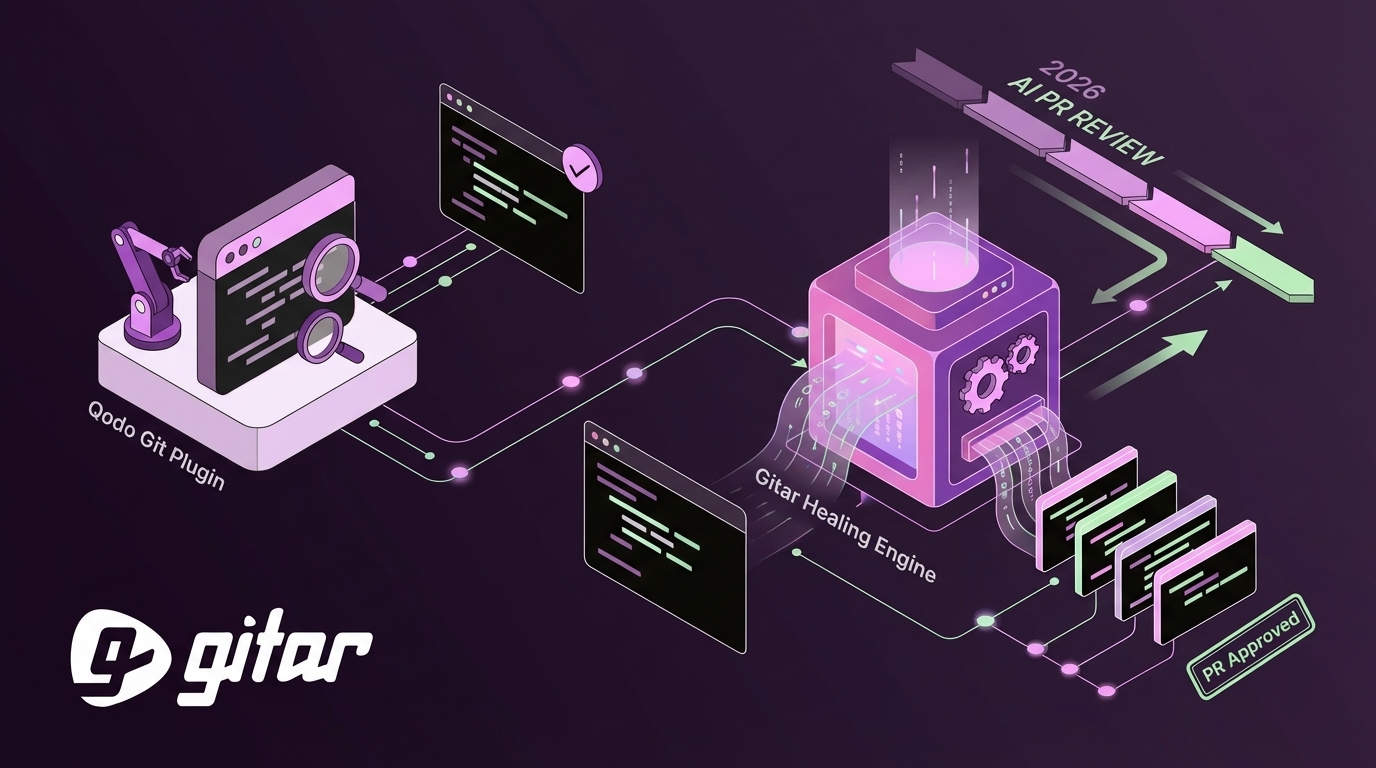
Key Takeaways for AI PR Review in 2026
- AI coding tools have increased PR volume by 113%, creating a review bottleneck with 91% longer review times and 1.7x more issues in AI-generated code.
- Qodo Git plugin delivers fast automated PR reviews, inline suggestions, 1-click fixes, and multi-repo analysis, and installs in about 5 minutes on GitHub or GitLab.
- Qodo excels at analysis and suggestions but does not fully automate CI fixes or complex workflows, so developers still handle many changes manually.
- Gitar’s healing engine surpasses Qodo by automatically applying fixes, resolving CI failures across multiple platforms, and guaranteeing green builds.
- Teams facing PR bottlenecks can try Gitar’s 14-day Team Plan trial at gitar.ai for complete AI-driven code review automation.
The AI PR Review Bottleneck in 2026
Engineering teams now face a severe review capacity crunch from AI-generated code. Almost half of companies now have at least 50% AI-generated code, up from 20% at the start of 2025. This rapid shift has overwhelmed traditional review processes.
The data highlights the impact. AI-generated PRs contain 1.7x more issues than human-written code, with 10.83 issues per PR compared with 6.45 for human-only PRs. For a 20-developer team, that gap can translate to roughly $1 million per year in productivity losses from manual review cycles and repeated CI failures.
Traditional code review workflows cannot keep pace with this volume. Teams now need automated systems that move beyond suggestions and actually fix problems. The Gitar documentation explains how its healing capabilities automatically repair broken builds.
Qodo Git Plugin Overview for Modern PR Reviews
Qodo (formerly Mergify) is an AI-powered code review tool that delivers automated PR analysis and suggestions. The platform focuses on code quality and test coverage, generating comprehensive test suites and catching real bugs through Qodo Merge.
Core Qodo features include:
- PR summaries and inline code suggestions
- Context-aware analysis across multiple repositories
- GitHub and GitLab app integration
- Free tier for open-source projects
- Support for Python, JavaScript, and TypeScript
Qodo mainly works as a suggestion engine with 1-click fix support. It identifies issues, recommends changes, and lets developers apply fixes directly in IDE or PR interfaces. However, it often stops short of fully automating complex workflows. The official documentation confirms this model. Teams that need deeper automation can review the Gitar documentation for details on its healing engine that automatically commits fixes and guarantees green builds.
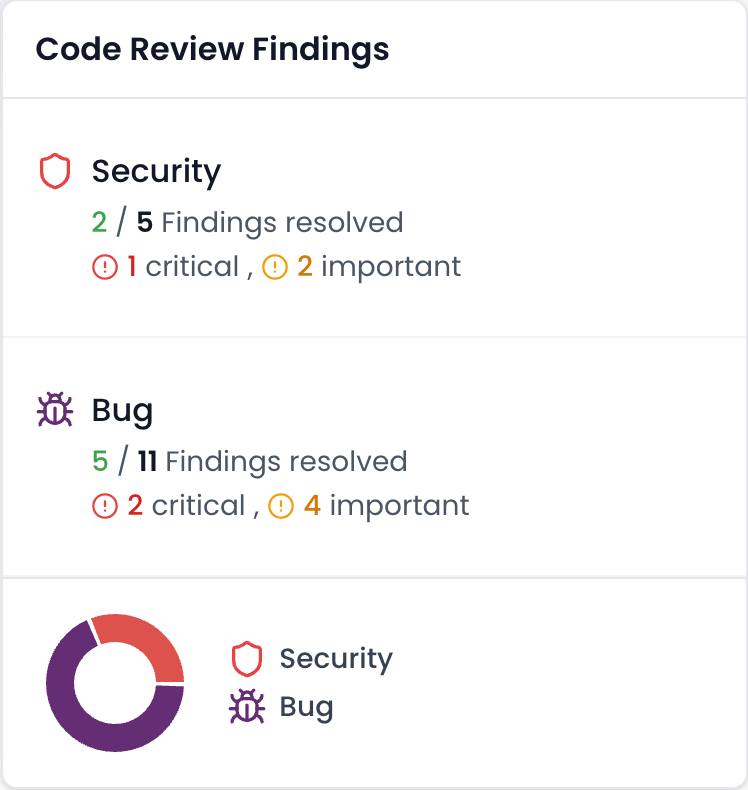
Qodo Git Plugin Installation in 5 Minutes
Teams can install Qodo on GitHub in a few simple steps.
- Create Account: Sign up at the Qodo Portal and log into your account.
- Access GitHub App: Open the Qodo GitHub App page and click the “Configure” button in the top-right corner.
- Select Organization: Choose the organization where you want to install Qodo.
- Configure Repositories: Select specific repositories or grant access to all repositories.
- Confirm Installation: Return to your settings page and verify the banner that confirms successful installation.
The setup process usually takes only a few minutes, and Qodo then starts analyzing pull requests automatically. GitLab users follow a similar flow through the GitLab marketplace.
Qodo installs quickly and offers 1-click fixes, but many teams still want fully automated fixes. Those teams can review the Gitar documentation for complete CI healing and auto-applied review feedback.
Qodo Features in Practice and Real-World Workflows
Qodo delivers very fast and detailed PR reviews with suggestions categorized by severity, finishing full codebase scans in under two minutes. The platform performs well at identifying security vulnerabilities, performance issues, and code quality problems.
Here is a simple workflow comparison.
| Metric | Qodo | Manual Review |
|---|---|---|
| Analysis Speed | <2 minutes | Hours |
| Context Depth | Multi-repo aware | Limited scope |
| Fix Implementation | 1-click fixes and suggestions | Full but slow |
| Annual Cost (20 devs) | $3,600+ (Pro tier) | $1M+ in productivity loss |
Qodo’s suggestion-based model with 1-click fixes still leaves room for bottlenecks on complex changes. Developers often need to validate changes against CI, resolve merge conflicts, and repeat the cycle. Gitar’s auto-fix capabilities remove that manual implementation step. The Gitar documentation covers these workflows in detail.
Why Qodo Falls Short and How Gitar’s Healing Engine Fills the Gap
Qodo delivers strong analysis and 1-click fixes but often stops before full end-to-end automation for complex workflows. The platform flags problems and supports direct application, yet advanced implementation usually remains with developers. Many teams experience this pattern as a “suggestion trap” where work shifts but does not disappear.
Gitar addresses this gap with a comprehensive 14-day free trial of its Team Plan for AI code review. The platform automatically fixes CI failures, implements review feedback, and guarantees green builds. It integrates with GitHub, GitLab, CircleCI, Buildkite, Jira, Slack, and Linear. Setup details appear in the Gitar documentation.
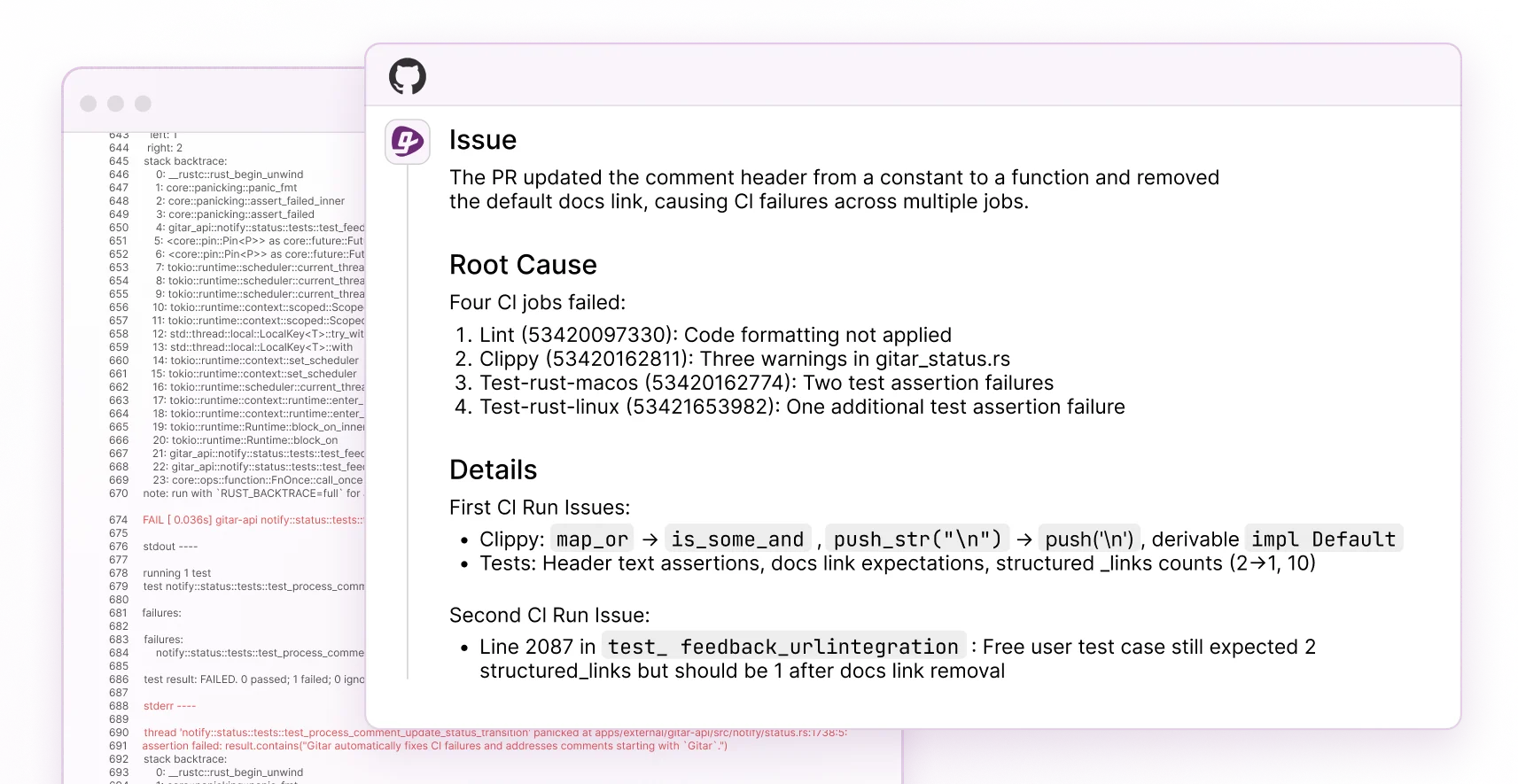
| Capability | Qodo | Gitar |
|---|---|---|
| PR Summaries | Yes | Yes (Trial/Team) |
| Inline Suggestions | Yes | Yes (Trial/Team) |
| Auto-Apply Fixes | 1-click/IDE | Yes (Trial/Team) |
| CI Failure Auto-Fix | No | Yes |
| Green Build Guarantee | No | Yes |
| Cross-CI Support | Limited | Full (GitHub Actions, GitLab CI, CircleCI, Buildkite) |
Teams using Gitar report faster merge cycles and large productivity gains. The healing engine validates fixes against real CI environments, so changes ship with confidence. You can explore these capabilities in the Gitar documentation.
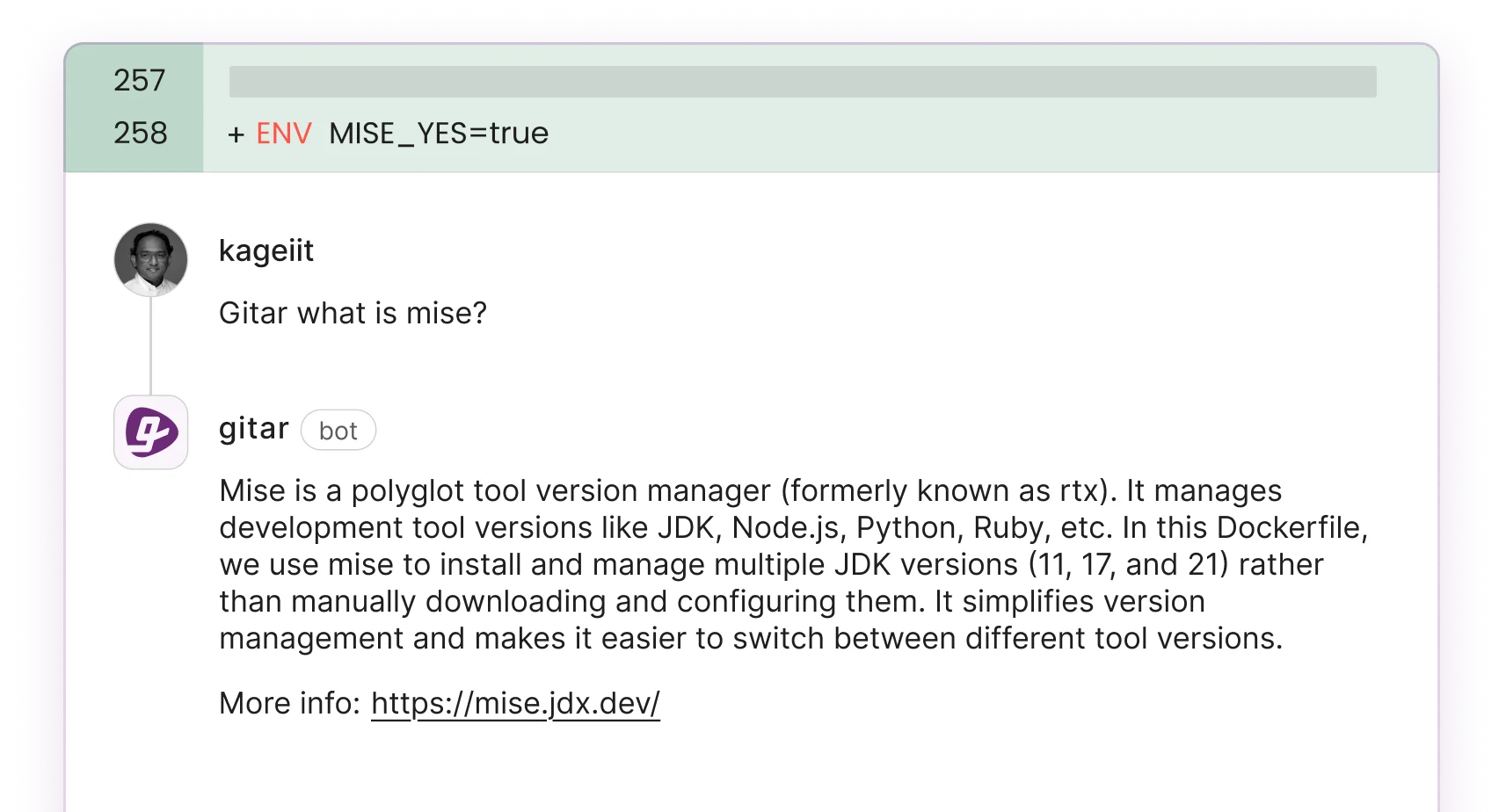
Qodo vs GitHub Copilot vs Gitar for PR Reviews
Teams comparing AI PR review tools should focus on how each product handles analysis, generation, and automation.
- Qodo: Comprehensive PR analysis with detailed suggestions and 1-click fixes that support direct implementation in IDE or PR interfaces.
- GitHub Copilot: Code generation during development with limited PR review features.
- Gitar: Full automation with a healing engine that fixes code and guarantees green builds.
Qodo offers suggestion-based PR reviews with deep multi-repo context and workflow automation, which works well for teams comfortable with 1-click implementation. Teams that require true automation and CI reliability can review the Gitar documentation for details on its healing engine.
Start Gitar’s 14-Day Team Plan Trial
Gitar focuses on fixing code automatically instead of only suggesting improvements, which removes the manual bottleneck that suggestion-based tools often create. Qodo still adds value for analysis, but Gitar shifts teams toward autonomous workflows.
The rollout path stays simple. Install Gitar, run it in suggestion mode to build trust, then enable full automation for fix types that your team has validated. Teams can tune aggression levels and keep control while gaining automated CI healing. The Gitar documentation provides complete setup instructions.
Frequently Asked Questions
Is Qodo AI good for PR reviews?
Qodo performs well for fast, comprehensive PR analysis with detailed suggestions categorized by severity. The platform surfaces valuable insights and catches bugs that manual reviews might miss. It also supports 1-click fixes and direct application in IDE or PR interfaces. Teams that want complete automation can review the Gitar documentation for its healing engine, which automatically applies fixes and guarantees green builds, removing most manual intervention.
How do you automate PR review using AI?
Teams usually start by installing an AI PR review tool like Qodo for automated analysis and suggestions with 1-click fixes. They configure the tool to scan all incoming pull requests and provide categorized feedback. True automation, however, requires tools that move beyond suggestions. The Gitar documentation explains how its healing engine automatically implements fixes, resolves CI failures, and validates changes against your actual CI environment, delivering end-to-end automation instead of analysis alone.
What is the difference between Qodo and GitHub Copilot for PR reviews?
Qodo specializes in comprehensive PR analysis with multi-repository context and detailed suggestions plus 1-click fixes for direct application. GitHub Copilot focuses on code generation during development and offers only limited PR review support. The Gitar documentation describes Gitar’s auto-fix capabilities, which guarantee green builds and remove most manual intervention.
What are Qodo’s free tier limitations?
Qodo provides free access for open-source GitHub projects but applies usage quotas and feature limits for private repositories. The Pro tier starts at $15 or more per month and unlocks advanced features, including 1-click fixes. Teams that need unlimited automation can review the Gitar documentation for its 14-day free trial, which includes full auto-fix capabilities without seat limits during the trial.
Which is the best AI for PR reviews in 2026?
The best AI PR review tool depends on how much automation your team needs. Qodo delivers excellent analysis and suggestions for teams that accept manual implementation. The Gitar documentation outlines a different approach with its healing engine, which currently represents the most complete option for teams that require full automation. Gitar automatically fixes CI failures, implements review feedback, and guarantees green builds, moving beyond suggestions to support truly autonomous development workflows.