
Key Takeaways
- Manual Power Automate code reviews slow teams down, with 65,000+ PRs a year consuming thousands of hours.
- Power CAT Toolkit delivers automated testing and governance for Power Automate flows, including batch testing and quality gates.
- AI Builder supports custom prompt-based analysis of flow JSON, plus 2026 Code Interpreter for advanced Python checks.
- Tools like AutoReview and GitHub PR integrations add analysis but still miss automatic fixes and full CI context.
- Gitar.ai upgrades your workflow with free unlimited AI code review, automatic CI fixes, and validated commits for GitHub and GitLab.
The Solution: Gitar.ai as Your AI Code Review Upgrade
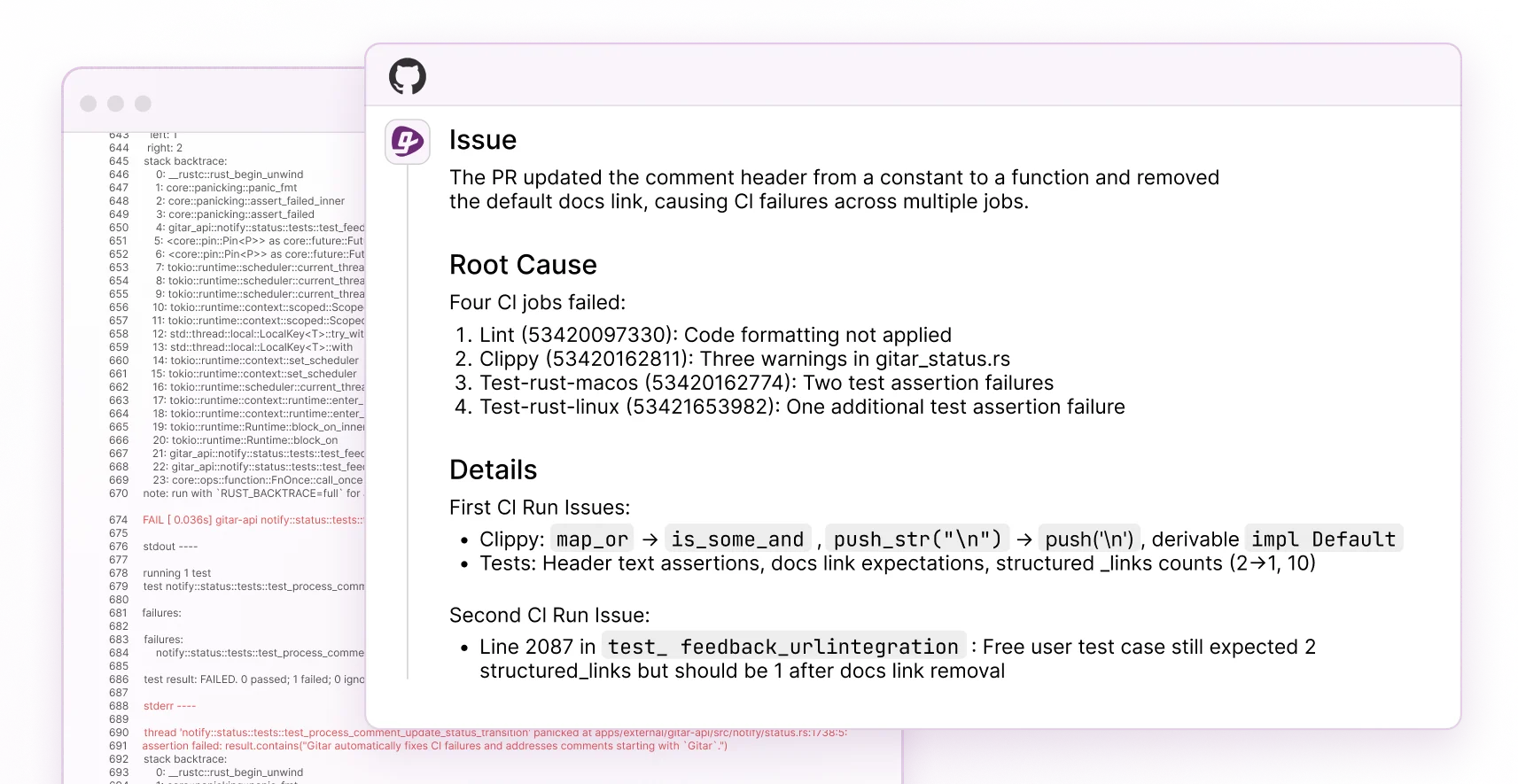
Gitar.ai turns code review into a fully automated workflow, while Power Automate remains focused on suggestions for low-code flows. Gitar.ai fixes CI failures, validates changes, and commits working solutions directly to your repositories.
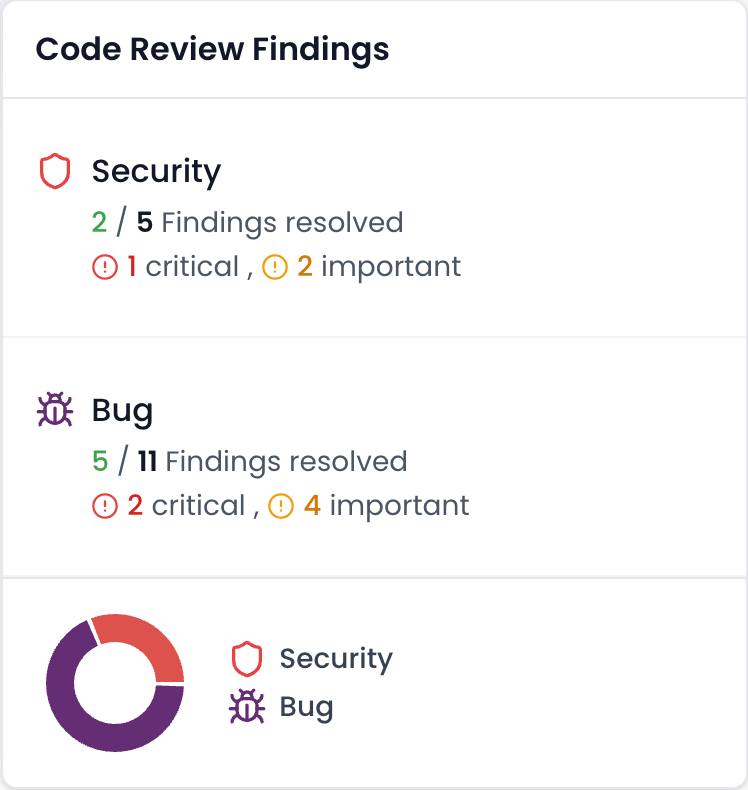
Here is what Gitar.ai adds to your stack:
- Free, unlimited PR analysis across GitHub and GitLab
- Automatic CI failure resolution with validated fixes
- Single dashboard comment that consolidates all findings
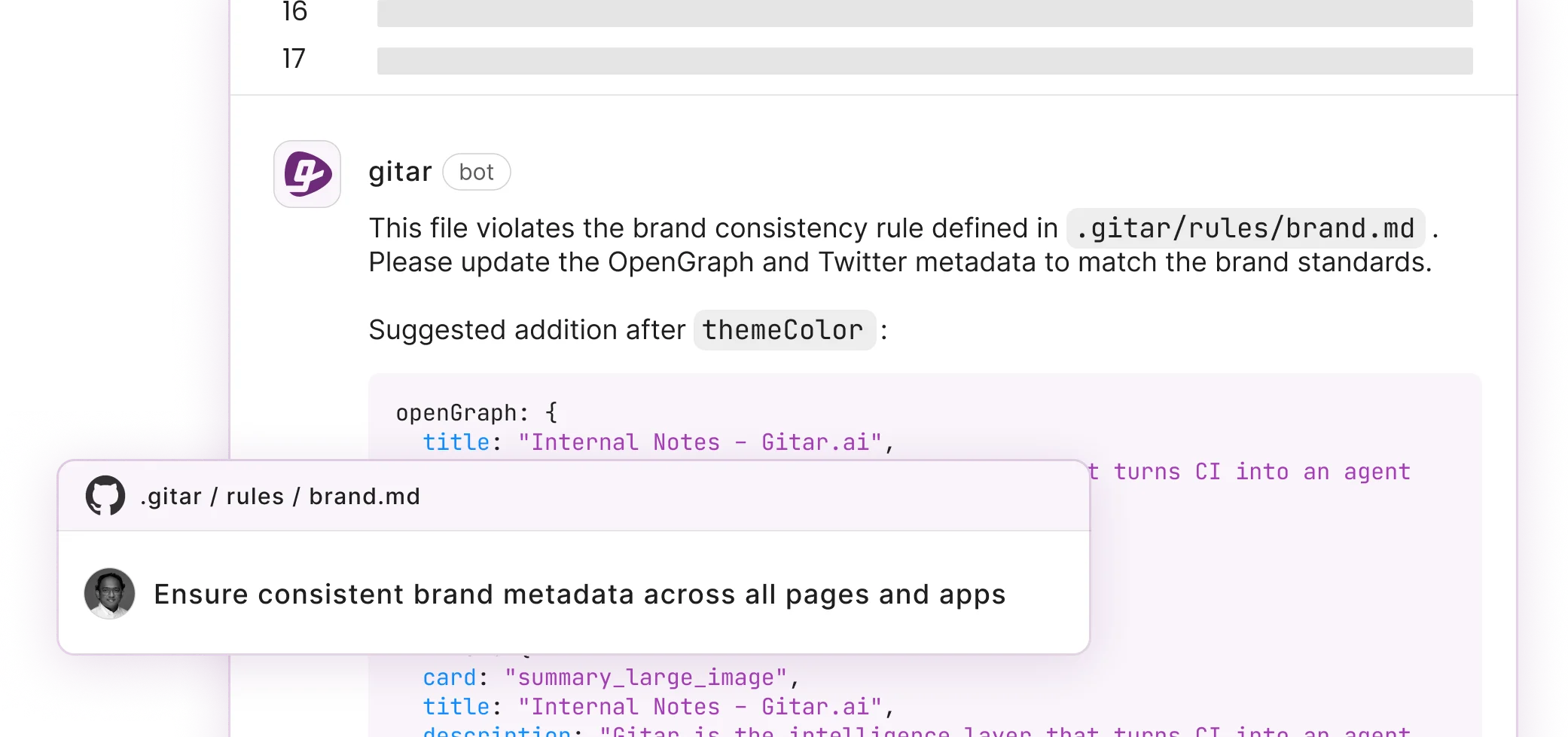
- Natural language workflow rules instead of complex YAML
- 14-day free trial of autofix features
| Capability | Power Automate Hacks | Gitar.ai |
|---|---|---|
| PR Analysis | Limited flows | Free, unlimited |
| Auto-Fixes | No | Yes (14-day trial) |
| CI Integration | Manual gaps | Full, green builds |
| Cost | Time-intensive | Free core |
Teams using Gitar see productivity gains worth about $1M per year for a 20-developer team. They highlight concise summaries and detection of unrelated PR failures that would otherwise demand long debugging sessions.
Install Gitar now and start automatically fixing broken builds. Try free
Power CAT Toolkit for Structured Power Automate Reviews
The Power CAT Copilot Studio Kit delivers a structured way to automate Power Automate flow reviews. Use it to standardize testing, reporting, and governance across environments.
- Install the Power CAT Toolkit: Download from GitHub or access via aka.ms/PowerCAT. The 2026 release adds enhanced multi-turn testing across all supported test types.
- Configure the Setup Wizard: Update connection references and environment variables so authentication and data connections match your environments.
- Create Test Sets: Define scenarios such as response match, attachment match, topic match, and generative answers using AI Builder.
- Run Batch Testing: Execute automated tests and review latency, responses, and performance aggregates to spot issues early.
- Generate Quality Reports: Export findings with KPIs, error categories, and concrete improvement recommendations.
- Integrate with Pipelines: Connect to Power Platform Pipelines to enforce automated quality gates during deployment.
- Establish Governance: Add approval workflows and compliance checks before production releases.
Checklist for Power CAT Implementation:
- Test sets use realistic data scenarios
- AI Builder validation rules configured
- Connection references authenticated and tested
- Batch testing scheduled on a recurring cadence
- Quality gates wired into the deployment pipeline
Consideration: Power CAT covers batch testing and governance for flows. Gitar.ai complements it by fixing CI failures and committing validated changes across your repositories.
AI Builder Prompts for JSON-Based Flow Analysis
AI Builder custom prompts let you analyze flow JSON with natural language instructions. The 2026 Code Interpreter support adds Python-based checks for deeper performance and security analysis.
Use this sequence to wire AI Builder into your review process:
- Export Flow Definition: Export your Power Automate flow as JSON so AI Builder receives full structural context.
- Create Custom Prompt: Go to AI Hub > Prompts > Build your own prompt and define instructions such as “Review this JSON flow definition for performance bottlenecks, security vulnerabilities, and best practice violations.”
- Add “Run a prompt” Action: Insert the prompt action into your review flow and map the JSON definition as input.
- Enable Code Interpreter: Turn on the 2026 Code Interpreter feature to run Python-based analysis and data processing.
- Configure Output Format: Request structured JSON output so downstream flows can parse findings.
- Implement Approval Gates: Route flows with high-severity findings to human reviewers.
Sample Analysis Prompt:
Best Practices Checklist:
- Clear, specific instructions with defined analysis criteria
- JSON output format for easy automation
- Modular prompts reused across multiple flows
- Integration with approval and notification flows
Consideration: AI Builder adds intelligent analysis inside Power Automate. Gitar.ai extends this with full CI context and automatic fixes across your broader development stack.
Using AutoReview Alongside Power Automate
AutoReview focuses on detailed analysis of Power Automate flows and visual representations of logic paths. You can connect it to Power Automate for recurring external reviews.
- Export Flow Package: Download flows as .zip packages from the Power Platform admin center.
- Upload to AutoReview: Send the exported packages to the AutoReview web app for automated checks.
- Import Analysis Results: Build a Power Automate flow that retrieves AutoReview findings and feeds them into your review pipeline.
- Automate Notifications: Trigger alerts and assignments based on severity and category of findings.
Implementation Checklist:
- Scheduled exports for regular AutoReview runs
- Integration flow that ingests and stores results
- Notification rules for critical or blocking issues
- Dashboard that tracks review status and trends
Consideration: AutoReview strengthens flow analysis. Gitar.ai then covers automatic resolution and CI integration for the rest of your codebase.
Power Automate Flows for GitHub PR Review Events
Power Automate can react to GitHub pull request events and trigger workflows, but it runs into file size and authentication limits. These constraints affect large repositories and complex monorepos.
Use this baseline pattern for GitHub integration:
- Configure GitHub Connector: Set up authentication between Power Automate and your GitHub organization or repositories.
- Set PR Event Triggers: Create flows that fire on PR creation, updates, or merges.
- Implement Review Logic: Add conditions for file types, change size, labels, and approval rules.
- Generate Notifications: Send alerts to reviewers based on PR metadata and status.
Known Limitations:
- 17MB limit for single file commits in Azure DevOps integration, as documented in official FAQs
- Authentication complexity for large or nested repository structures
- No automatic code healing or fix application
- Limited awareness of cross-repository or multi-service changes
Limitation: Power Automate GitHub flows help with notifications and routing but stop short of deep code analysis and automatic healing. Gitar.ai covers that gap across GitHub, GitLab, and multiple CI platforms.
Why Teams Upgrade to Gitar for Production Code Review
Production software development needs full-stack code review, not just low-code flow checks. Gitar.ai delivers free, unlimited code review with automatic CI healing and cross-platform integration.
The platform supports enterprise workloads with tens of millions of lines of code and thousands of PRs per day. Core review features remain free, while teams gain ROI from less context switching, faster merges, and removal of manual fix work.
Gitar.ai also provides natural language workflow rules, one consolidated comment per PR, and validated fixes that keep builds green instead of offering untested suggestions.
Install Gitar now to fix broken builds automatically and ship higher quality software faster. Start now
Frequently Asked Questions About Power Automate and Gitar
What is the best code review tool for Power Automate?
For Power Automate flows, the Power CAT Toolkit stands out as the most complete native option. It includes automated testing, governance, and integration with Power Platform Pipelines. For teams that also maintain traditional codebases, Gitar.ai adds free unlimited code review, automatic fixes, and CI integration. Power CAT and AI Builder focus on analysis and suggestions, while Gitar.ai resolves issues and validates fixes across your full environment.
How can teams automate the code review process?
Teams can follow four phases: installation, trust-building, automation, and expansion. Start by installing tools such as Power CAT for flows or Gitar.ai for full code review. Build trust by reviewing suggested fixes before enabling automatic application. Automate specific fix types and workflow rules once they prove reliable. Expand with analytics, cross-platform integrations, and custom workflows. Gitar.ai supports this journey with end-to-end automation from analysis through fix implementation.
Can code review be automated?
Code review can be heavily automated, although coverage differs by platform. Power Automate automates flow checks and quality rules but stops at suggestions. Gitar.ai automates detection, fix generation, CI validation, and commits of working solutions. The practical goal is to use tools that keep builds green instead of only listing problems.
What are the 7 steps to review code?
Seven practical steps are: 1) Automated analysis for syntax, security, and performance, 2) Contextual review against business and architecture, 3) Testing validation to protect existing behavior, 4) Security assessment for vulnerabilities and compliance, 5) Performance evaluation for scalability, 6) Documentation review for maintainability, and 7) Approval and merge with ongoing monitoring. Power Automate teams can pair Power CAT checklists with Gitar.ai’s automatic fixes for broader coverage.
How does Gitar.ai handle Power Automate integration?
Gitar.ai focuses on repositories hosted on GitHub and GitLab and integrates with CI systems such as GitHub Actions, GitLab CI, CircleCI, and Buildkite. It reviews and automatically fixes code that supports your Power Automate solutions, keeping the surrounding services and components healthy.
Conclusion: Move from Manual Flow Checks to Automated Healing
Manual Power Automate flow reviews slow teams that already work in an accelerated automation landscape. Power CAT Toolkit, AI Builder prompts, and external tools improve analysis but still rely on humans to apply fixes. Organizations that want real scale need tools that both detect and resolve issues with validated changes. Gitar.ai delivers that outcome with free comprehensive code review and automatic CI healing, turning suggestion-based workflows into a healing engine that keeps builds green and deployments fast.