
Written by: Ali-Reza Adl-Tabatabai, Founder and CEO, Gitar
Key Takeaways for CI Teams
- AI-generated code boosts PR volume by 60% but introduces 1.7x more issues, so review bottlenecks grow quickly without automation.
- Open source tools like PR-Agent, Semgrep OSS, and SonarQube plug into GitHub Actions, GitLab CI, and CircleCI for automated checks.
- These tools shine at security scanning and linting but still show 25–40% false positives, no reliable auto-fixes, and weak CI failure handling.
- Benchmarks show open source options trail commercial platforms in reliability, especially around validated fixes and green build guarantees.
- Gitar adds automatic issue resolution and CI healing, so you can start your free trial at Gitar today and ship higher quality code faster.
Why Open Source AI Code Review for CI Pipelines Matters in 2026
The PR volume increase mentioned earlier creates unprecedented review bottlenecks that traditional manual code review cannot handle. AI-accelerated development speeds up code creation, yet human reviewers still work at the same pace. Open source tools step in here by automating lint checks, security scans, and basic bug detection without per-seat licensing costs.
Most open source solutions still rely on older models like CodeBERT. Newer embedding models such as Qwen3-Embedding-8B outperform previous generations in code understanding tasks, which widens the performance gap. That gap separates free tools from production-ready platforms like Gitar’s healing engine. The Gitar documentation covers the platform’s full capabilities.
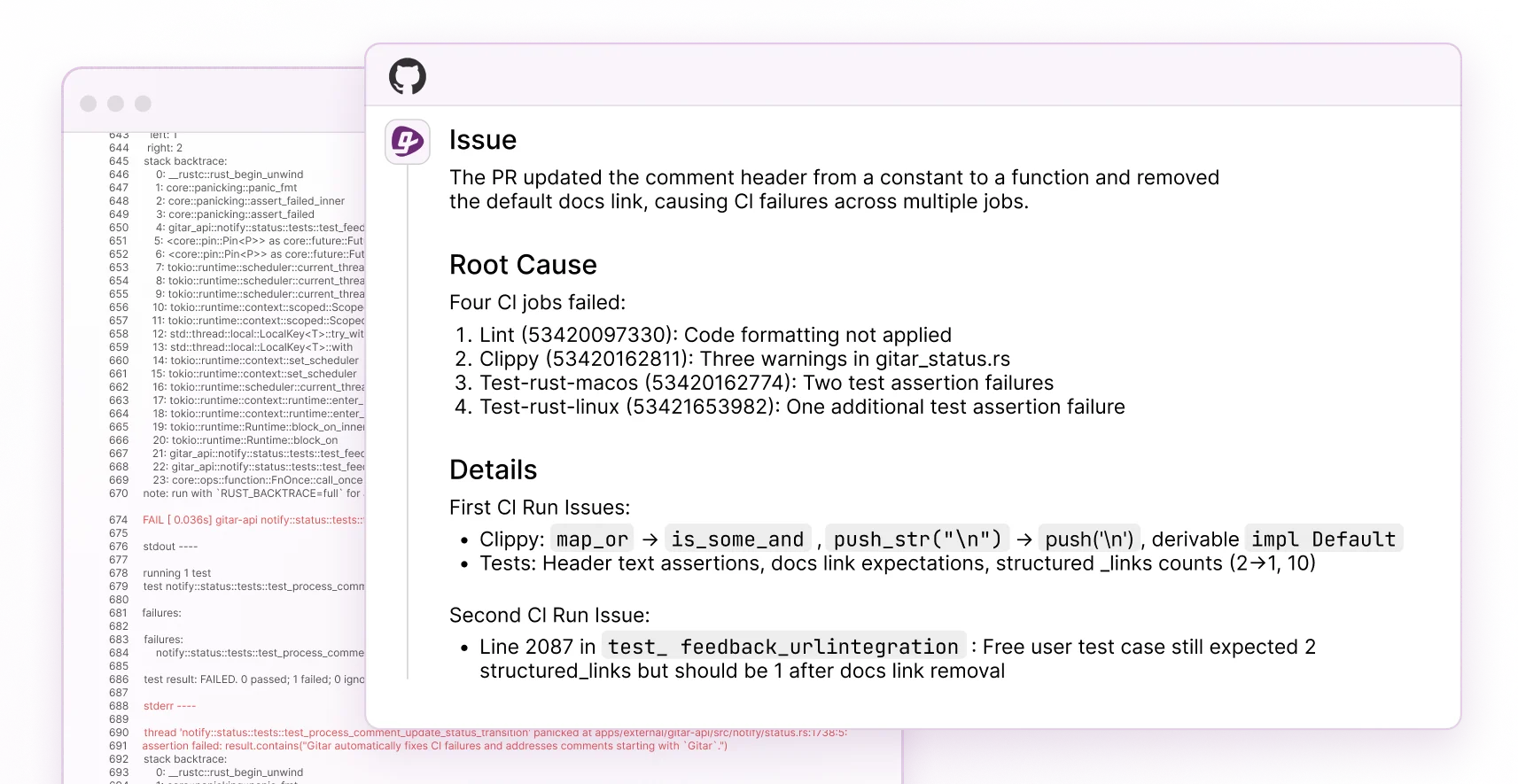
Top 7 Open Source AI Code Review Tools for CI Pipelines
|
Tool |
GitHub Stars |
CI Support |
Key Features/Limitations |
|
SonarQube Community |
~14.6k |
All CIs |
Static analysis and quality gates, no AI-powered reviews |
|
PR-Agent |
~10.5k |
GitHub/GitLab |
Claude and Gemini integration, external API dependency |
|
Semgrep OSS |
>10k |
All CIs |
Rule-based security scanning, limited autofix scope |
|
cubic |
~2k |
GitHub |
Free for public repos, context-aware analysis |
|
Ruff |
~32k |
All CIs |
Ultra-fast Python linting, language-specific |
|
ai-codereviewer |
~500 |
GitHub Actions |
OpenAI integration, stale maintenance (26+ months) |
|
genai-code-review |
~370 |
GitHub only |
Quick setup, no GitLab support and approaching staleness |
Each tool trades off setup complexity, maintenance effort, and feature depth. PR-Agent stays active with recent Claude Opus 4.6 support, while SonarQube Community Edition’s February 2026 release adds new Python async rules that matter for modern backends.
GitHub Actions Quickstart: AI Code Review in 10 Minutes
You can wire open source AI code review into GitHub Actions with a small YAML workflow. The example below uses Semgrep OSS for security scanning and PR-Agent for AI-powered comments.
name: AI Code Review on: pull_request: types: [opened, synchronize] jobs: semgrep-scan: runs-on: ubuntu-latest steps: – uses: actions/checkout@v4 – uses: semgrep/semgrep-action@v1 with: config: auto ai-review: runs-on: ubuntu-latest steps: – uses: actions/checkout@v4 – name: PR Agent Review uses: Codium-ai/pr-agent@main env: OPENAI_KEY: ${{ secrets.OPENAI_API_KEY }} GITHUB_TOKEN: ${{ secrets.GITHUB_TOKEN }}
Add your OpenAI API key to repository secrets, push the workflow, and both tools start analyzing new pull requests. Semgrep reports security rule violations, and PR-Agent posts AI-generated review comments directly on the diff.
GitLab CI Setup: Open Source AI Code Review That Reddit Loves
GitLab CI supports similar automation once you adapt the pipeline syntax. Many developers recommend this pattern for teams that want automated merge request comments without paying for commercial tools.
stages: – review aI-code-review: stage: review image: python:3.11 script: – pip install semgrep – semgrep –config=auto –json –output=semgrep.json . – python scripts/gitlab-ai-review.py artifacts: reports: junit: semgrep.json only: – merge_requests
This pipeline runs Semgrep on merge requests and can call custom Python scripts that post AI-generated comments through the GitLab API. The main tradeoff is the extra scripting work compared to GitHub’s ready-made actions.
CircleCI Pipelines with Free AI Code Review Tools
CircleCI workflows can combine several open source tools to widen coverage. The sample job below runs Ruff for Python linting and Semgrep, then hands results to custom AI review logic.
version: 2.1 jobs: ai-review: docker: – image: python:3.11 steps: – checkout – run: name: Install Tools command: | pip install ruff semgrep – run: name: Run Analysis command: | ruff check –output-format=json . > ruff-results.json semgrep –config=auto –json . > semgrep-results.json – run: name: AI Review command: python scripts/ai-review-processor.py workflows: review: jobs: – ai-review: filters: branches: ignore: main
This multi-tool setup increases coverage but needs custom integration scripts that merge results and turn them into useful feedback for developers. While these setup examples show how to implement open source tools, teams also need to understand how these tools perform in real pipelines.
Benchmarks and Real-World Limits of Open Source AI Code Review
|
Capability |
OSS Average |
Commercial Tools |
Gitar |
|
Auto-fixes |
Limited or manual |
Suggestions only |
Validated and committed |
|
CI Failure Analysis |
None |
Basic |
Root cause plus fix |
|
False Positive Rate |
25–40% |
15–25% |
8–12% |
|
Green Build Guarantee |
No |
No |
Yes |
Open source tools struggle in complex, distributed systems. SonarQube Community Edition suffers from architectural blindness, missing cross-service impacts. At the same time, AI-powered tools like villesau/ai-codereviewer have high validation overhead for false positives. Code duplication has increased 4x with AI-generated code, which raises the bar for analysis quality.
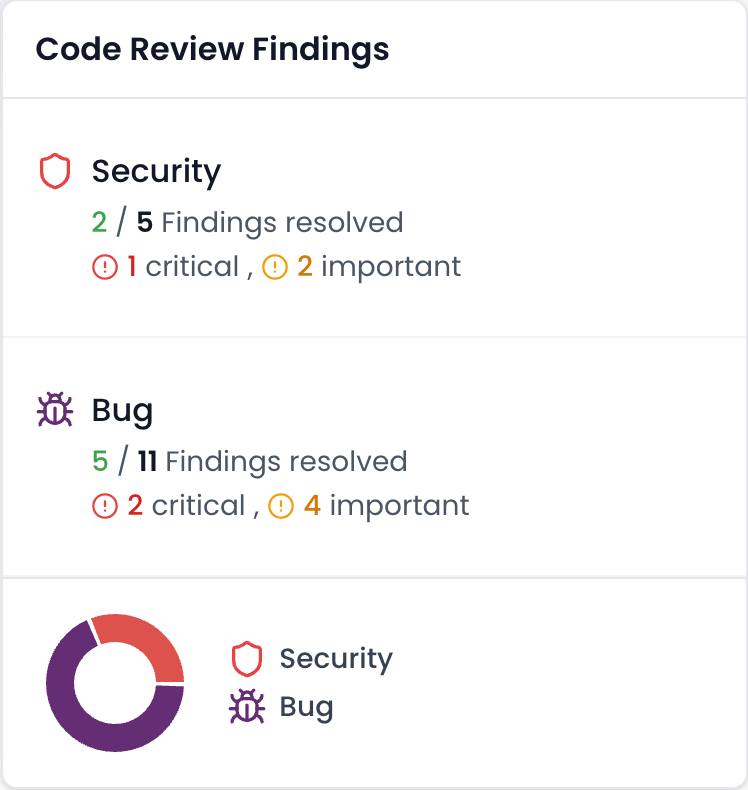
Gitar’s healing engine closes these gaps by identifying issues, generating candidate fixes, validating them, and committing successful changes. Learn more at Gitar’s platform page.
Gitar: Automated Healing Beyond Open Source AI Code Review
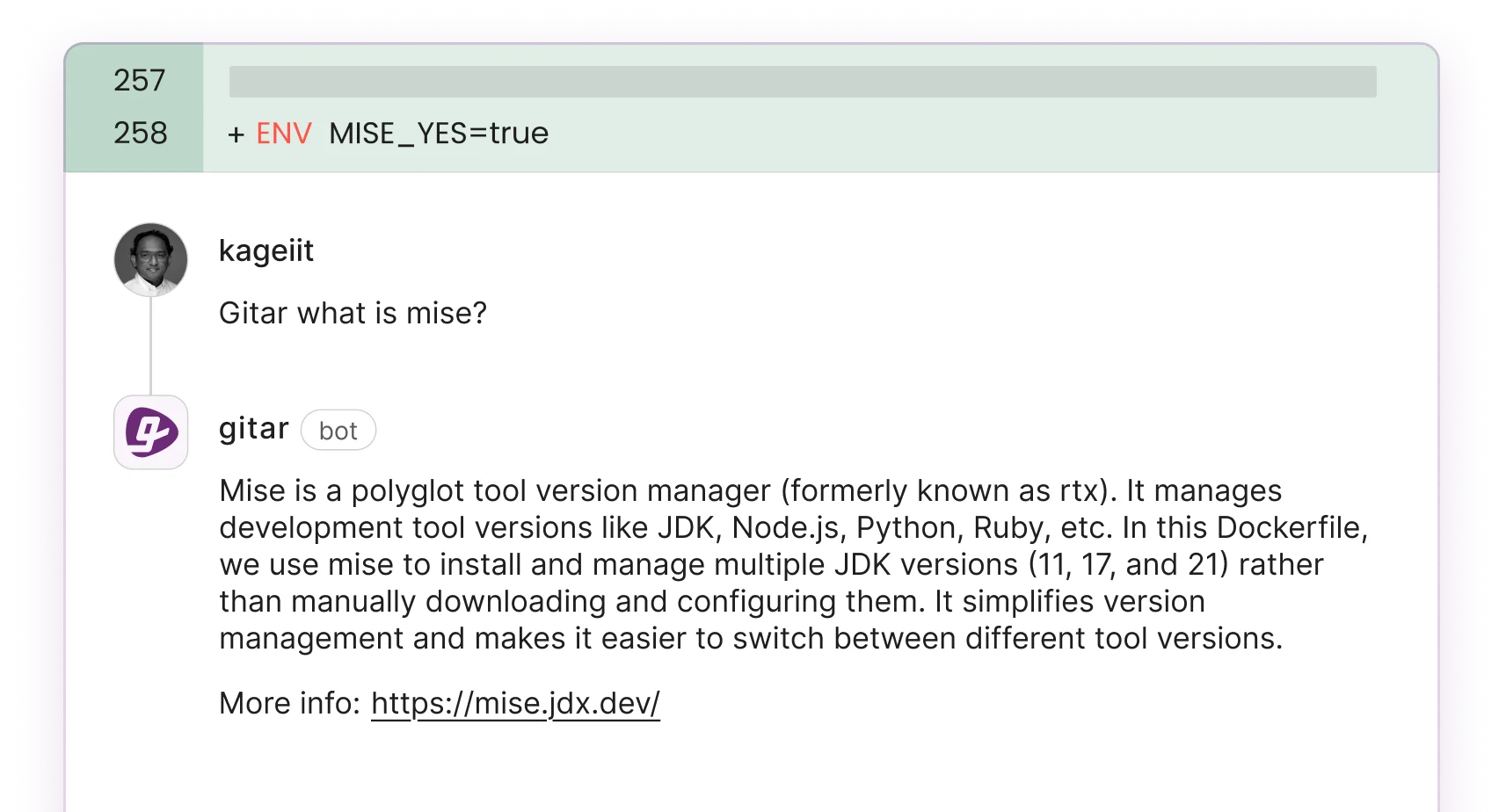
Open source tools cover about 70% of basic review needs through comments and suggestions, while Gitar focuses on full automation by fixing code. The platform cuts CI toil from roughly 1 hour per developer per day to about 15 minutes. It does this through a healing engine that analyzes CI failures, proposes fixes, validates them, and commits only passing changes. Detailed healing engine behavior appears in the Gitar documentation.
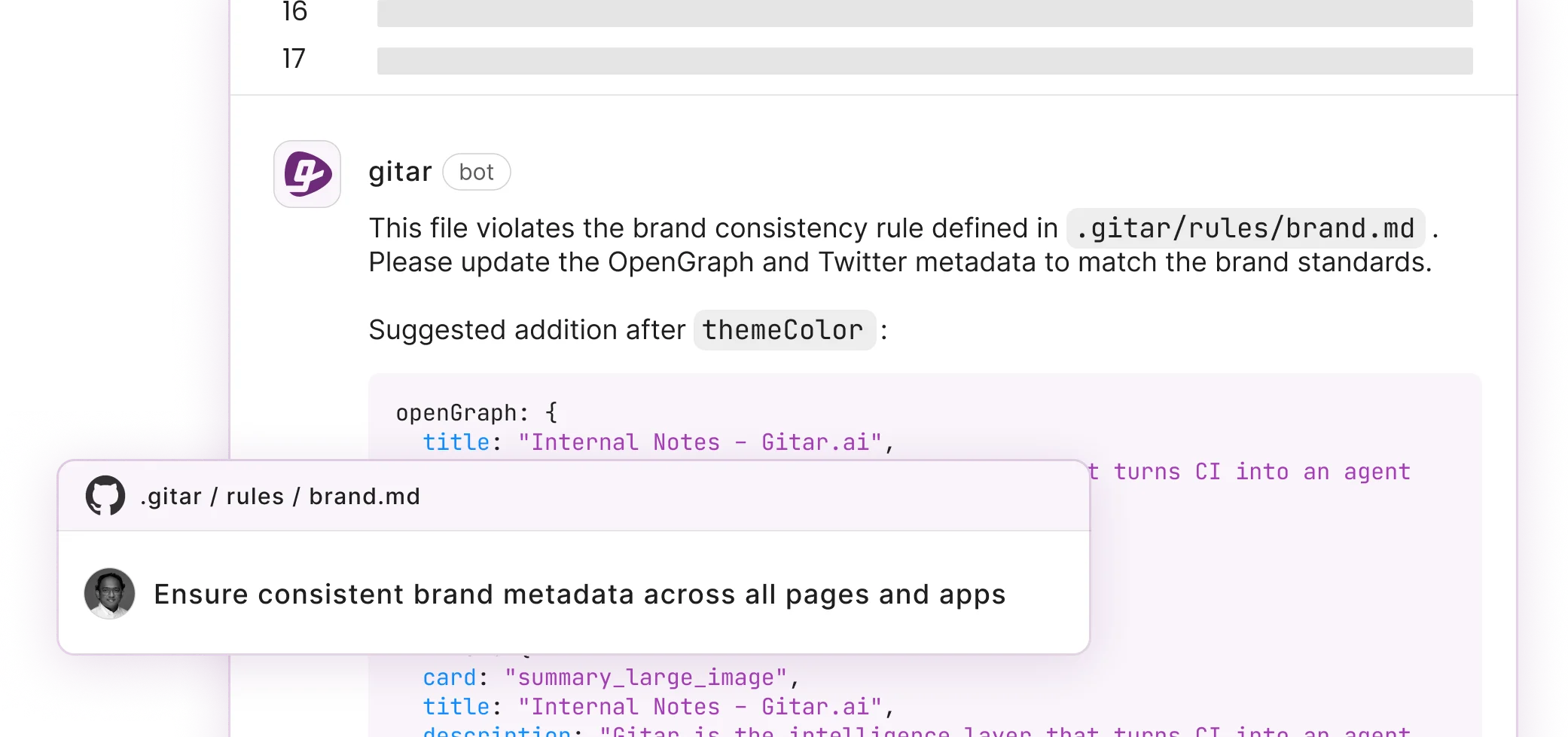
Gitar also introduces a single-comment UI that reduces notification noise, natural language rules that drive workflow automation, and deep Jira and Slack integrations for context-aware reviews. Instead of stopping at suggestions, Gitar validates fixes against your real CI environment and commits only when the pipeline passes, which creates a practical green build guarantee.
For a 20-developer team, these capabilities can unlock about $750K in annual productivity savings compared to manual review and rework. Start your 14-day free Team Plan to see how automated resolution compares to manual suggestion review.
Reddit Roundup: Common Open Source AI Code Review Pitfalls
Community discussions highlight recurring pain points with open source AI code review. Teams report flaky DIY integrations that break when APIs change, limited GitLab support that forces separate toolchains, and setup complexity that demands dedicated DevOps time.
The most common pitfalls include high false positive rates that cause review fatigue, missing fix validation that introduces broken commits, and external API dependencies that raise data sovereignty concerns. Trust in AI tools dropped to 29% among 2025 respondents, largely because of these reliability issues.
Gitar’s configurable auto-commit system helps teams avoid these traps by validating fixes first and letting teams ramp up automation gradually while still gaining immediate value.
Conclusion: Scale AI Code Review in CI Pipelines with Gitar
Open source AI code review tools give teams a strong starting point for automated analysis. Their limits appear at scale, where missing auto-fix features, high false positive rates, and lack of CI context can slow delivery instead of speeding it up.
Teams that want more than advisory comments can combine open source tools for quick wins, then add Gitar to heal their CI pipelines with end-to-end automation. Start your risk-free trial and see how a full execution platform compares to suggestion-only tools.
FAQs
What are the best free AI code review tools for CI pipelines?
Top free options include SonarQube Community Edition for broad static analysis, Semgrep OSS for security-focused rule-based scanning, and PR-Agent for AI-generated review comments. Ruff stands out for ultra-fast Python linting. Teams that need automated fixes rather than comments can try Gitar’s complete automation platform with a 14-day free trial.
How do I set up AI code review in GitHub Actions?
Create a workflow file that uses actions such as semgrep/semgrep-action@v1 for security scanning and Codium-ai/pr-agent@main for AI reviews. Add your API keys to repository secrets and configure triggers on pull_request events. This YAML setup usually takes under 10 minutes and starts providing automated feedback on new PRs immediately.
Can I migrate from open source to professional AI code review tools?
Yes, migration stays straightforward because most professional tools plug into existing CI pipelines. Gitar supports seamless migration through its 14-day free trial, so teams can compare automated fixes with their current suggestion-only tools. The platform keeps existing workflows intact while adding healing capabilities that support consistently green builds.
Are open source AI code review tools secure for enterprise use?
Security depends on the tool and how you deploy it. Self-hosted options like Semgrep OSS keep analysis inside your network, while cloud tools may send code to external APIs. Gitar’s Enterprise Plan lets you run the agent inside your own CI infrastructure so code never leaves your environment. Security implementation options are outlined in the security documentation.
Which open source AI code review tools support GitLab and CircleCI?
SonarQube Community Edition and Semgrep OSS work across major CI platforms, including GitLab CI and CircleCI. PR-Agent supports GitLab merge requests, while tools like cubic and ai-codereviewer focus mainly on GitHub. For broader multi-platform coverage with advanced automation, Gitar integrates with GitHub Actions, GitLab CI, CircleCI, and Buildkite.