
Key Takeaways for Busy Engineering Leaders
- Graphite stacked pull requests cut merge conflicts by about 50% and speed iteration for teams shipping many PRs.
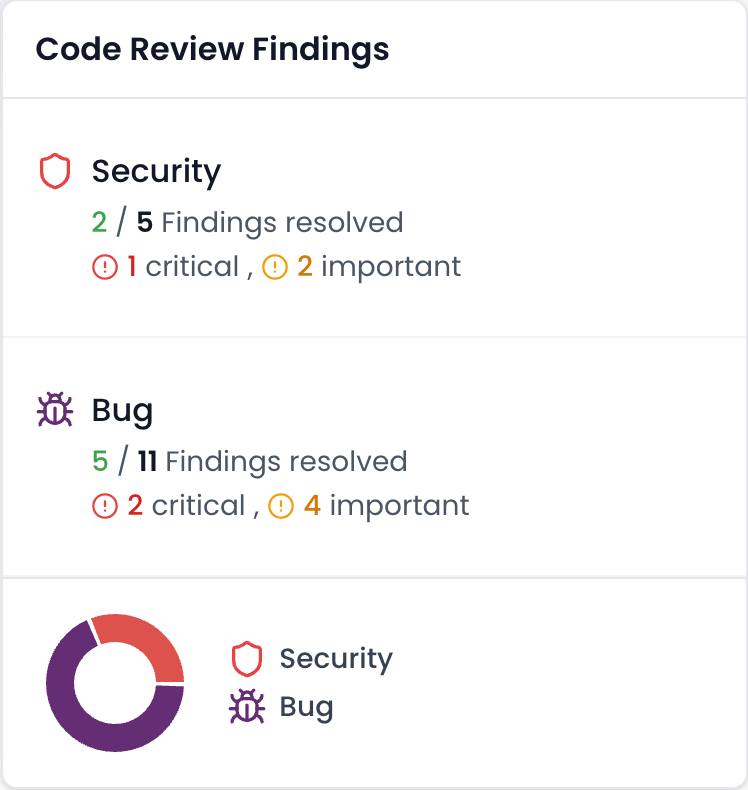
- Diamond AI code review flags bugs and security issues but only suggests fixes, so developers still apply changes manually.
- Productivity dashboards track review cycles and merge times, helping leaders spot workflow bottlenecks across teams.
- Gitar outperforms Graphite with free AI code review, automatic CI fixes, and cross-platform support instead of paid suggestions-only.
- Upgrade your dev workflow with Gitar’s free autofix trial and get guaranteed green builds beyond Graphite.
How Graphite Supports High-Volume Engineering Teams
1. Stacked Pull Requests
Stacked Pull Requests let developers work on dependent changes in a stack, which reduces merge conflicts by about 50% for teams managing complex feature development. Engineering leaders see faster iteration cycles and less developer idle time. Adoption requires CLI usage and workflow training. Teams with 50 or more developers often see immediate velocity gains. Pinterest-scale organizations report roughly 20% velocity improvements from stacked workflows.
2. AI Code Review Agent (Diamond)
Graphite’s AI detects cybersecurity issues, non-functional features, subtle bugs, performance issues, and formatting problems. The Diamond agent gives contextual feedback before human review and helps reviewers focus on higher-level concerns. However, it only suggests fixes instead of applying them automatically. Teams still implement recommendations by hand, which limits ROI for high-volume environments.
3. Developer Productivity Insights
Graphite tracks productivity metrics such as review cycles until merge, publish-to-merge time, and delivery lead time. The insights dashboard visualizes bottlenecks and highlights where reviews stall. Leaders can compare teams, identify slow steps, and measure the impact of process changes. This approach supports data-driven decisions for distributed engineering organizations.
4. Merge Queue and Automation
Automated rebasing and conflict resolution keep the trunk branch green and reduce CI reruns. Developers spend less time context switching between broken branches. The merge queue processes pull requests sequentially and maintains clean integration with minimal manual intervention.
5. Workflow Tools in CLI and VS Code
Graphite automates complex Git operations such as creating branches from the latest code. Commands like gt stack submit and gt branch create reduce manual Git overhead. Developers spend more time on feature work and less time wrestling with version control.
6. Code Quality and Metrics
Diamond measures success through the acceptance rate of comments and reports a 5% reduction in negative rules generated for custom coding standards. These metrics help teams tune rules and reduce noisy feedback. However, the lack of auto-fix capabilities means developers still carry the manual implementation burden.
How Graphite Measures Developer Productivity
Graphite Insights provides dashboards for monitoring review metrics such as time to review, review cycles, and merge rate, similar to LinearB and GitHub Analytics. The platform tracks time to first review (p50 and p90), review completion time, and defect rates. Leaders can correlate these metrics with release quality and team throughput.
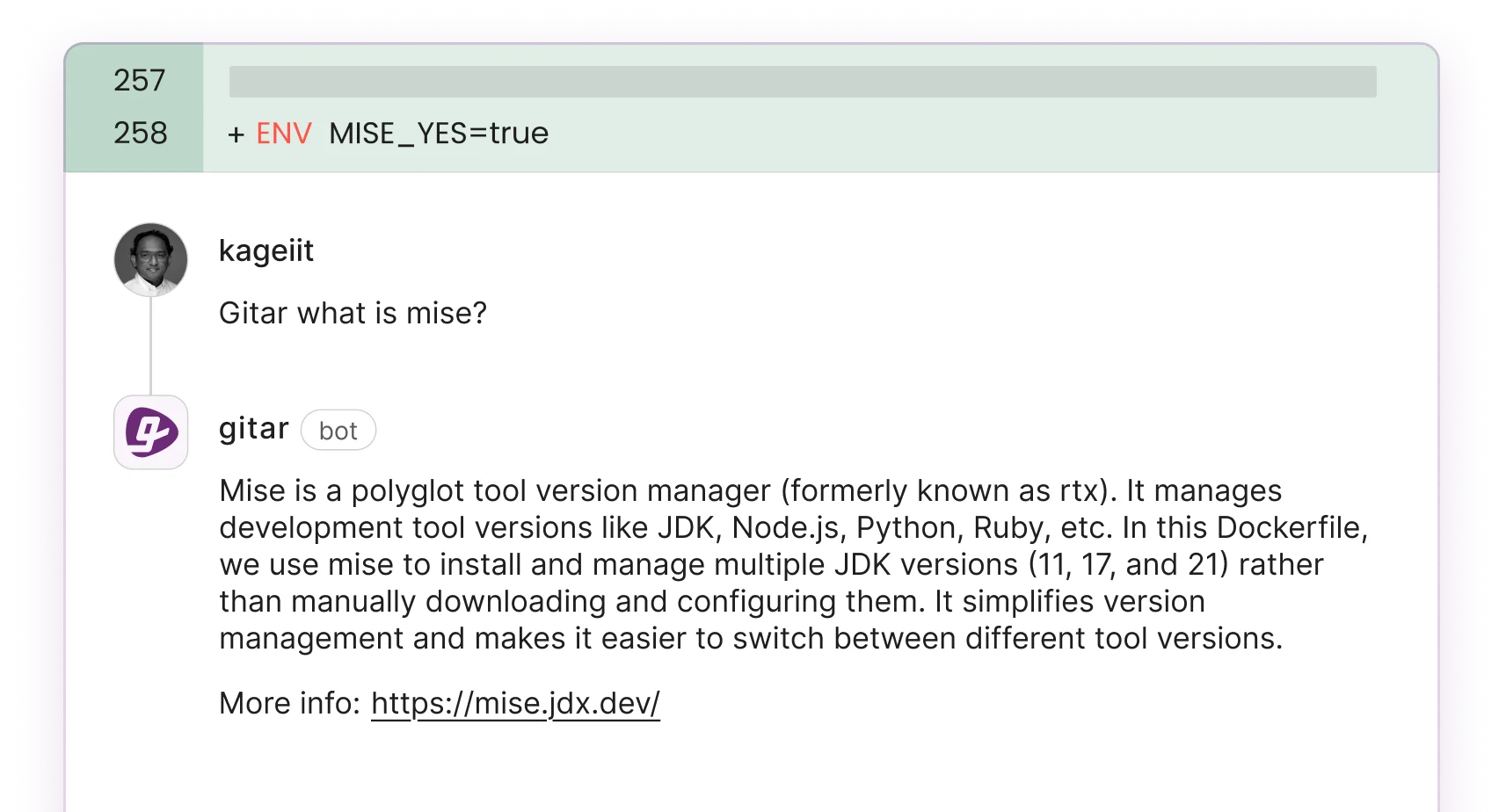
AI-generated code has less than a 44% acceptance rate without modification, and heavy AI users often cause teams to become mired in code review. Productivity measurement becomes critical in this environment. A 20-developer team that loses one hour each day to CI and review issues faces roughly $1 million in annual productivity costs.
| Metric | Graphite Impact | Gitar Improvement |
|---|---|---|
| Time on CI Issues | Tracked, not fixed | Reduced through free AI code review and autofix trial |
| Review Cycles | Measured via dashboard | Reduced through automatic fixes |
| Tool Cost (20 devs) | $300-600/month | $0 for core AI code review |
Try Gitar free for automatic fixes beyond suggestions
Graphite vs. Gitar: Practical Comparison for Engineering Leaders
Graphite helps teams review changes and decide when code is ready to ship, but it stops at recommendations. Gitar delivers free AI code review that fixes code automatically through autofix features. This difference shifts work from developers to the platform.
| Feature | Graphite | Gitar | Winner |
|---|---|---|---|
| Stacked PRs | Yes (GitHub) | No, but supports GitHub and GitLab PR review | – |
| AI Review | Suggestions only | Auto-fixes with 14-day free trial plus validation | Gitar |
| CI Healing | No | Yes | Gitar |
| Pricing | $15-30 per seat | Free code review | Gitar |
Graphite excels at GitHub-native stacked workflows but still relies on manual fix implementation. Teams with 30 developers pay about $450 to $900 each month and still handle CI failures by hand. Graphite’s onboarding process has sharp edges and traditional difficulties, which can slow teams during high-volume pull request management.
Gitar provides free code review with automatic CI failure resolution, single clean comments instead of notification spam, and cross-platform support. The healing engine validates fixes against CI before committing and guarantees green builds instead of leaving teams to hope that suggestions work.
Top Graphite Questions from Engineering Leaders, Answered with Gitar Context
What Graphite Dev Does for Engineering Teams
Graphite streamlines code review through stacked diffs, AI analysis, and productivity tracking. It targets teams that manage high volumes of pull requests with dependent changes. The platform still only suggests fixes and does not implement them automatically, which keeps manual work in the loop.
How Graphite AI Features Work in Practice
The Diamond agent detects security issues, bugs, and compliance violations with customizable coding standards. It provides contextual feedback that helps reviewers understand risk and intent. However, every suggestion still requires manual implementation, which limits efficiency gains for large teams.
How Graphite Handles CI Failures
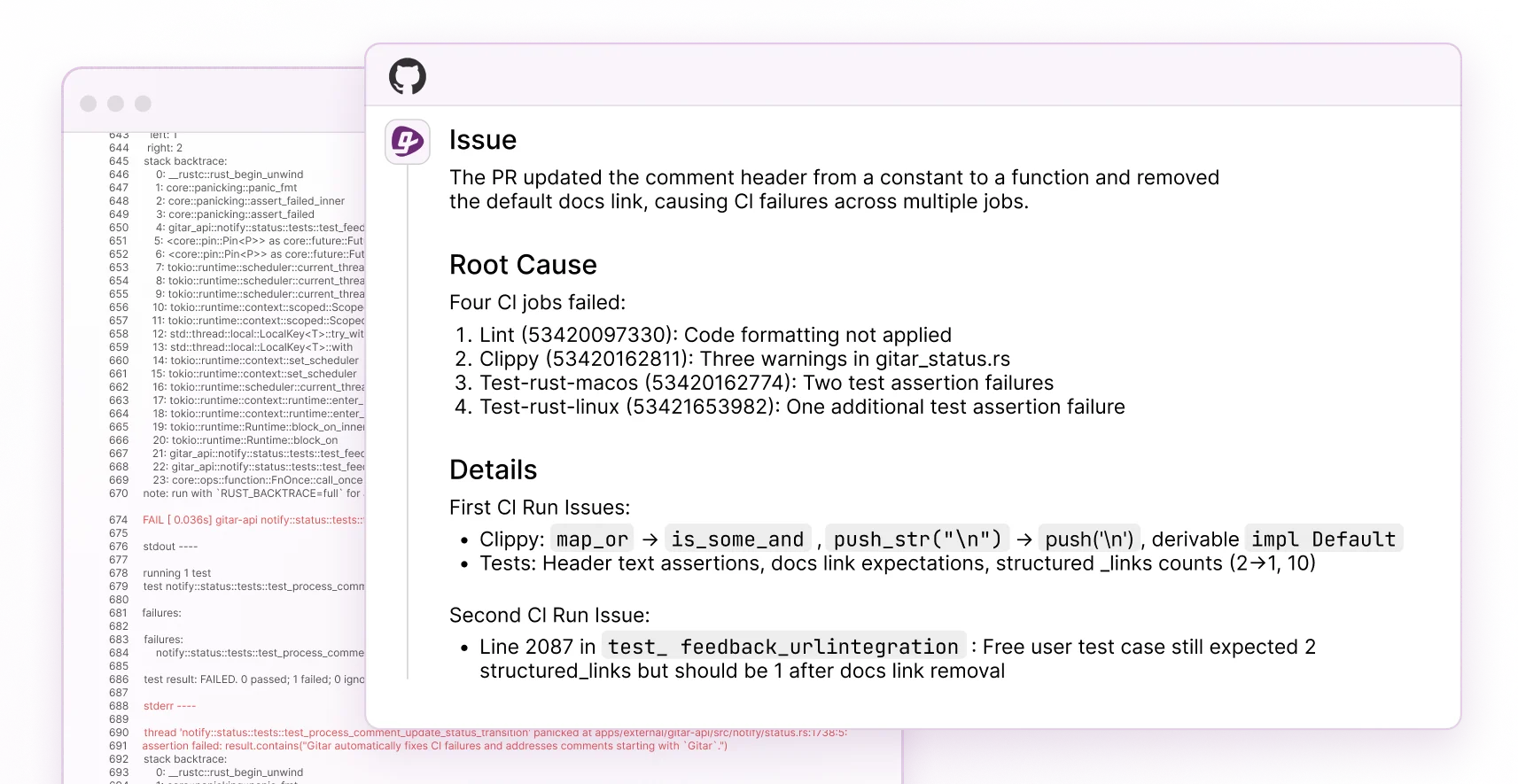
Graphite does not auto-fix CI failures. The platform identifies issues through AI review but does not resolve build breaks or test failures automatically. Teams implement suggested fixes manually and then rerun CI to see whether the changes worked.
How Graphite Scales for Enterprise Teams
Graphite supports enterprise-scale repositories and complex codebases. It often requires significant investment in training and workflow changes, especially for stacked PR adoption. The GitHub-centric architecture reduces flexibility for organizations that also rely on GitLab or other platforms.
Which Free Alternative Competes with Graphite
Gitar provides free AI code review with autofix features on a 14-day free trial, CI healing, and cross-platform support. Unlike Graphite’s suggestion-only approach, Gitar implements fixes automatically and validates them against CI.
Conclusion: Choose Gitar When You Need Real Velocity Beyond Graphite
Graphite stacked PRs and AI insights help address workflow bottlenecks, yet suggestion-only tools leave the hardest problems unsolved. With monthly code pushes exceeding 82 million, teams now need healing engines instead of suggestion engines.
Engineering leaders choosing between platforms should prioritize automatic fixes over manual suggestions, free access over premium pricing, and validated solutions over hopeful recommendations. Gitar delivers time savings through CI auto-healing, while Graphite charges for comments that still require manual work.
Install Gitar in 30 seconds with no card for Graphite-level features plus automatic healing