
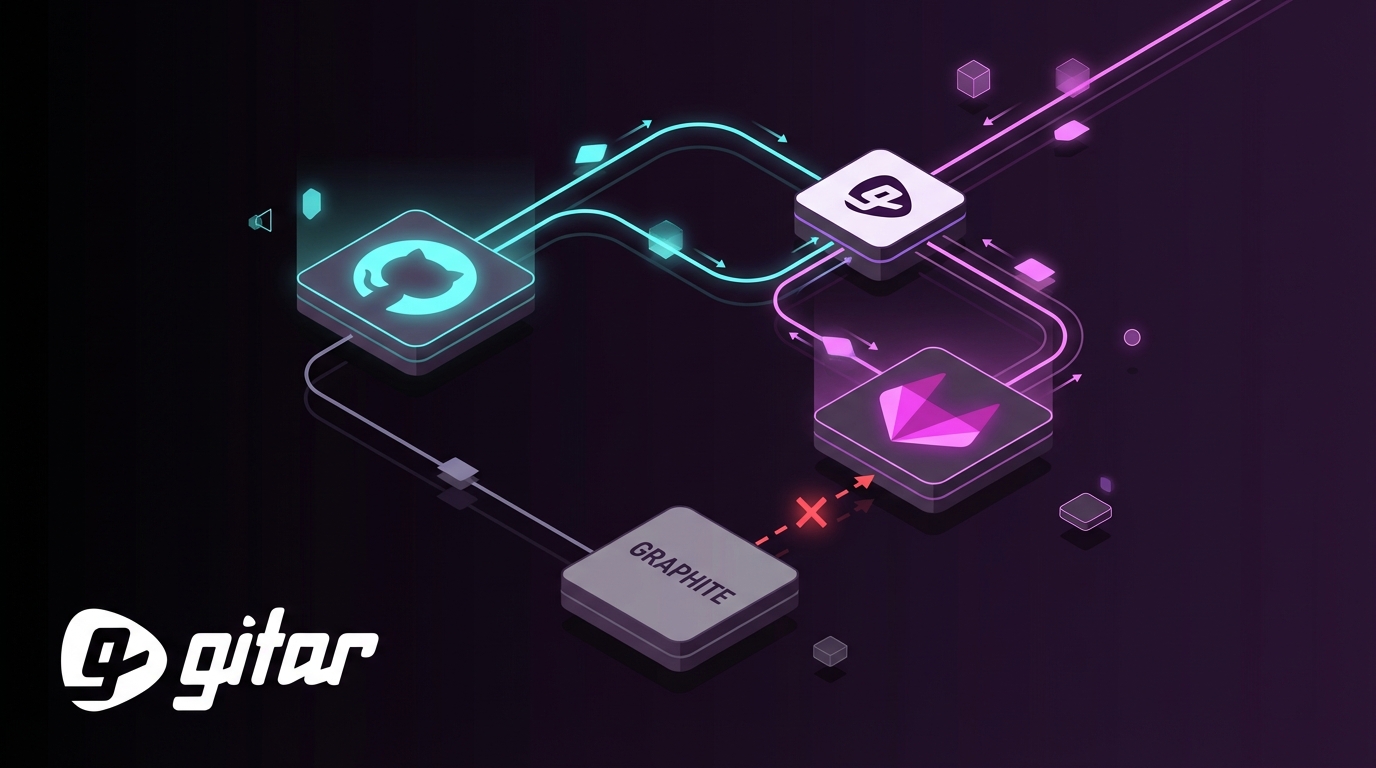
Key Takeaways for Graphite vs. Gitar in 2026
- AI tools generate code 3-5x faster, yet PR review times have surged 91%, creating a major bottleneck for development teams.
- Graphite integrates cleanly with GitHub but offers limited, workaround-heavy support for GitLab, which can cost 20-developer teams up to $1M annually in lost productivity.
- Gitar delivers native AI code review and auto-fixing for both GitHub and GitLab with no seat limits or repository restrictions, completely free.
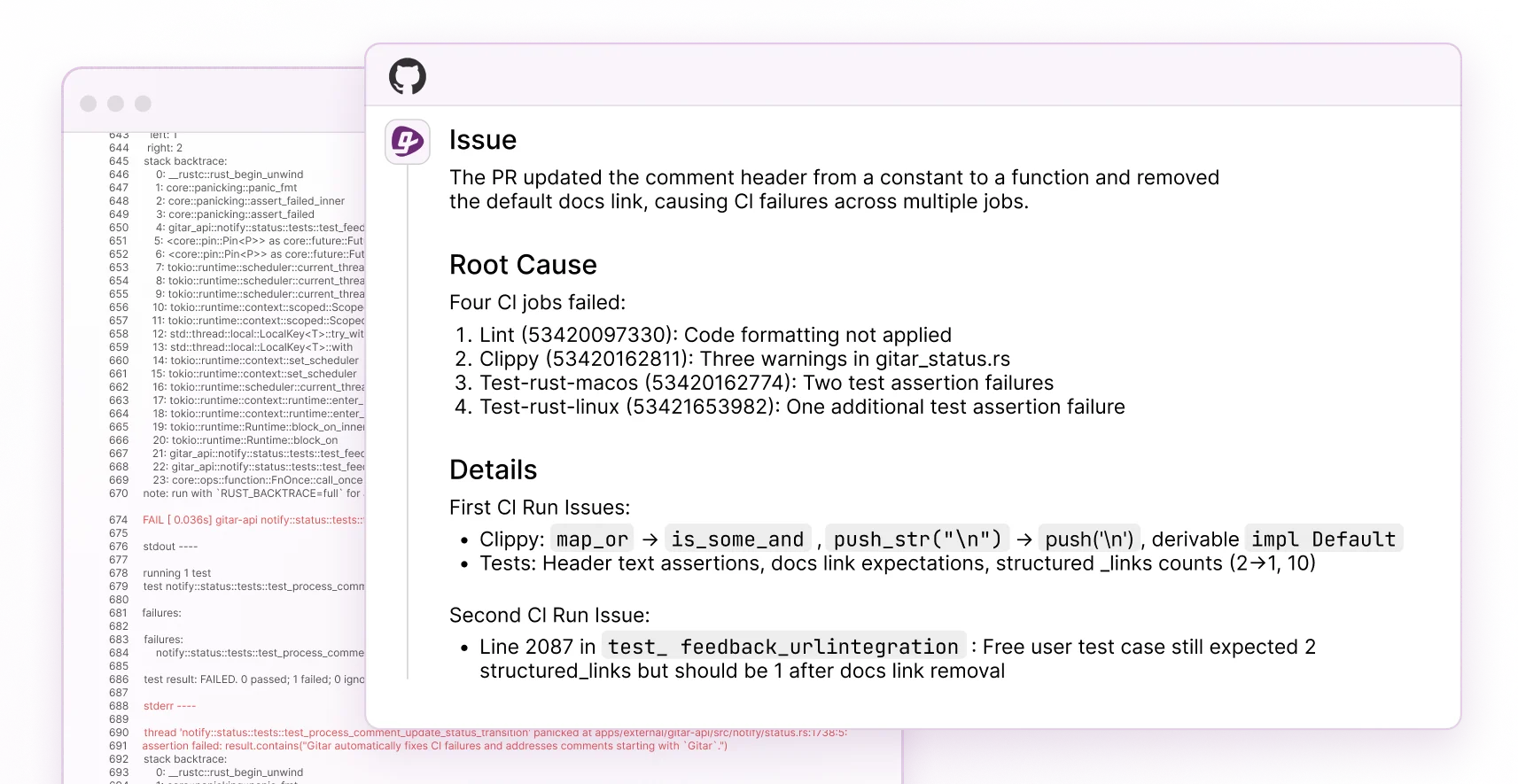
- Gitar’s healing engine automatically resolves CI failures like lint errors and test breaks, cutting review time from 1 hour to 15 minutes per developer daily.
- Teams can switch to Gitar for free cross-platform AI code review that removes Graphite’s GitHub-only limitations and accelerates workflows.
How Graphite Handles Code Review Integrations on GitHub
Graphite provides seamless integration with GitHub via the Graphite GitHub app and Graphite Agent, automatically posting AI reviews to pull requests without YAML configuration or custom webhooks. The setup requires installing the Graphite GitHub app and enabling it for repositories. Teams then receive immediate AI feedback on PRs with bug detection, style analysis, and security vulnerability scanning.
However, Graphite has limited multi-platform support, with the strongest integration on GitHub while GitLab and Bitbucket integrations lag behind. The platform is built to integrate tightly with GitHub and VS Code, which makes it a GitHub-centric solution. GitLab teams often end up searching for alternatives that deliver full cross-platform parity.
|
Feature |
Graphite |
Gitar |
|
GitHub Support |
Native |
Native |
|
GitLab Support |
Limited |
Native |
|
Auto-fix CI Failures |
No |
Yes (14-day free trial) |
|
Pricing |
$20-40/user/month |
Free code review |
Why Graphite Falls Short for GitLab Teams
The evidence shows that Graphite is tuned for GitHub-only workflows and smaller teams, with weaker support outside GitHub. Graphite CLI can work with GitLab repositories as standard Git repos. Platform-specific features like seamless PR integration, however, depend on workarounds such as GitLab webhooks to external API endpoints.
These workarounds often prove unreliable and require significant engineering effort to build and maintain. Graphite operates as a dedicated code review platform that layers on top of GitHub, which makes its GitLab support less smooth than its native GitHub workflows. Teams that run Graphite with GitLab frequently encounter friction, manual steps, and incomplete feature coverage.
Teams that want full coverage benefit from platforms designed from the ground up for cross-platform support. Gitar’s native GitLab App automatically fixes CI failures including lint errors, test failures, and build breaks. Graphite cannot provide this level of seamless CI healing for GitLab users.
Gitar Integration Guide: 5-Step Setup for GitHub and GitLab
Gitar delivers native support for both GitHub and GitLab with identical feature parity, unlike Graphite’s GitHub-centric focus. Teams can follow a simple five-step setup process.
1. Install the App (30 seconds, no credit card required)
Go to gitar.ai and install the GitHub App or GitLab integration. No account creation or payment information is required.
2. Start in Suggestion Mode
Start with Gitar’s suggestion mode to build confidence in the system. Review and approve fixes manually while you evaluate the AI’s accuracy and approach.
3. Enable Auto-fix for CI Healing
Turn on automatic CI failure resolution for lint errors, test failures, and build breaks with a 14-day free trial. Gitar validates fixes against your full CI environment before committing any changes.
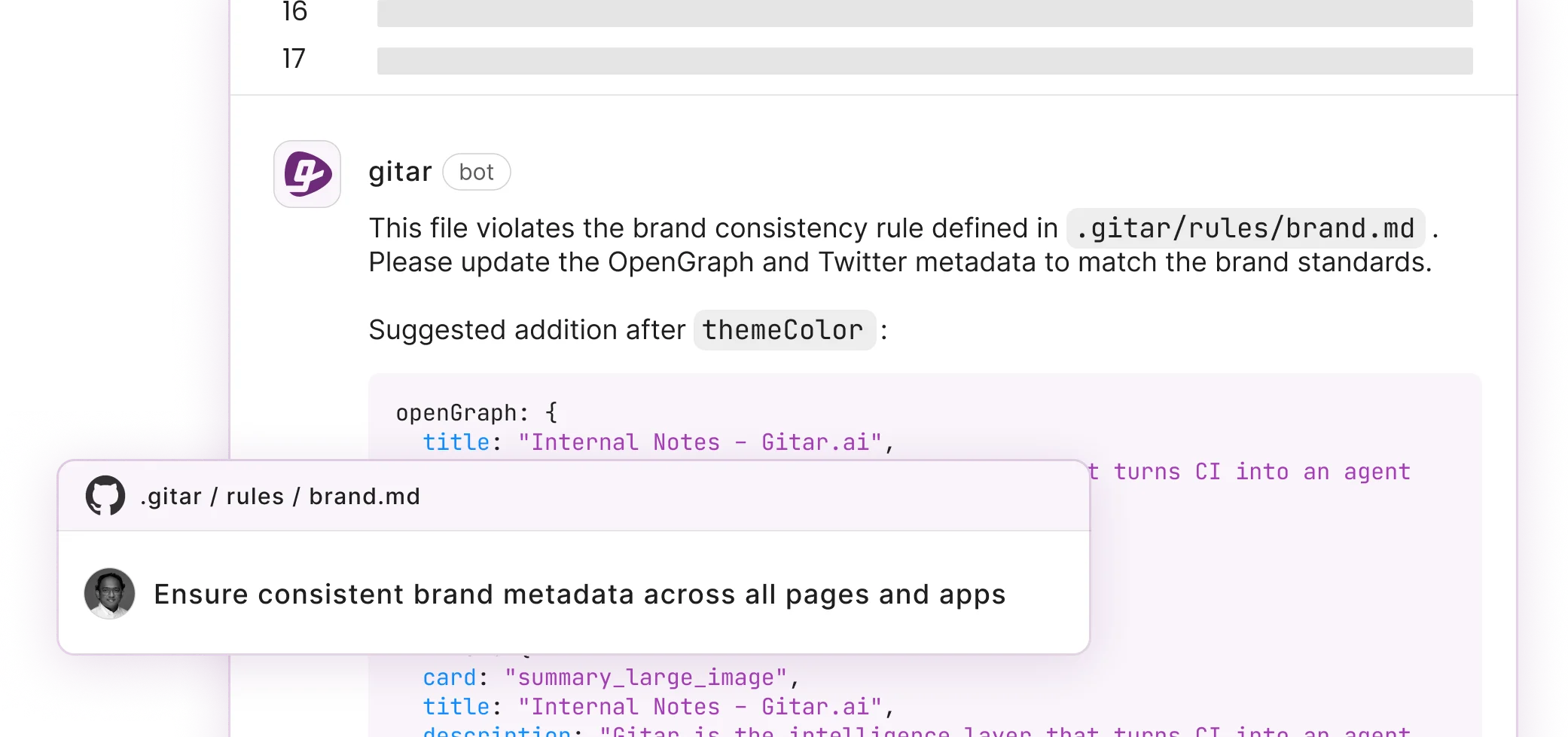
4. Configure Repository Rules
Add natural language rules in .gitar/rules/*.md to automate workflows. This approach removes the need for complex YAML configuration.
5. Connect Integrations
Connect Jira, Slack, and Linear to centralize context and notifications in a single dashboard across platforms.
|
Metric |
Before Gitar |
After Gitar |
|
Time on CI/review issues |
1 hour/day/developer |
15 minutes/day/developer |
|
Annual productivity cost |
$1M (20-dev team) |
$250K |
|
Tool cost |
$450-900/month |
$0 (free code review) |
Graphite Alternatives for GitLab: Gitar vs. Paid AI Review Tools
The AI code review market includes several alternatives to Graphite’s GitHub-only model. CodeRabbit supports GitHub, GitLab, and ADO with strong performance and advanced contextual learning, but pricing is high. CodeRabbit also offers deep code graph analysis with AST-based analysis and supports GitHub and GitLab, yet it charges $15-30 per developer each month.
Greptile supports GitHub and GitLab with advanced full codebase context but higher pricing. Many other alternatives focus mainly on suggestions and do not include a healing engine that actually fixes code.
|
Tool |
GitHub/GitLab |
Auto-fix |
Pricing |
|
Gitar |
Both Native |
Yes |
Free |
|
CodeRabbit |
Both |
No |
$15-30/user |
|
Greptile |
Both |
No |
$30/user |
Enterprise teams such as Pinterest trust Gitar with more than 50 million lines of code and thousands of daily PRs. Gitar still maintains a free tier that remains accessible to teams of any size.
Why Gitar Is the Top Free AI Code Review Choice for GitHub and GitLab
Gitar delivers free AI code review across both GitHub and GitLab, with auto-fixing capabilities available through a 14-day free trial. While competitors charge premium prices for suggestion-only features, Gitar’s healing engine guarantees green builds by automatically resolving CI failures, applying review feedback, and maintaining context across the full development workflow.
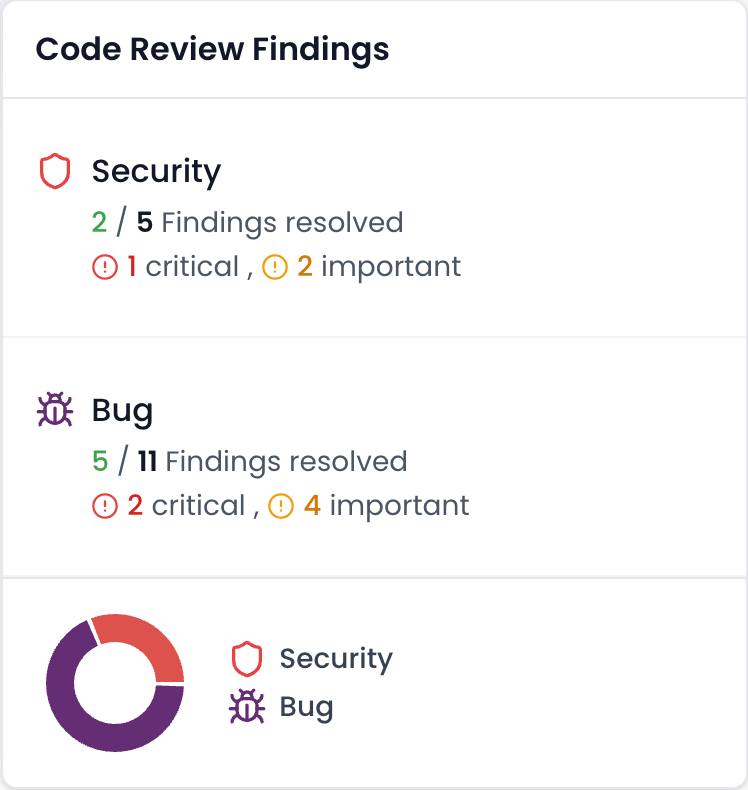
The platform’s natural language rules system removes the need for complex YAML files. Enterprise-grade security ensures production readiness for organizations of any size.
Frequently Asked Questions
Does Graphite work with GitLab?
Graphite CLI works with GitLab repositories as standard Git repos, but it does not provide a native GitLab app integration similar to its GitHub integration. Graphite is designed specifically for GitHub workflows with deeper platform-specific features, which leads to limited multi-platform capabilities on GitLab. Workarounds using webhooks exist, yet they require significant engineering effort and still deliver incomplete functionality compared to native integrations. GitLab teams can use Gitar for full native support with the same features available in its GitHub integration.
What is the ROI difference between Graphite and Gitar?
Gitar delivers stronger ROI through both cost savings and productivity gains. Graphite charges $20-40 per user each month for GitHub-only suggestions. Gitar provides completely free code review with auto-fixing capabilities through a 14-day free trial that reduces time spent on CI issues. For a 20-developer team, this shift creates substantial annual savings in productivity costs and removes tool licensing fees.
Is Gitar secure for enterprise GitLab environments?
Gitar is secure for enterprise environments. The Enterprise Plan includes SOC 2 Type II and ISO 27001 certification, with the agent running in your CI pipeline and having full access to configs, secrets, and caches. No code leaves your infrastructure. On the Free Plan, Gitar runs the agent in a secure, managed cloud with zero data retention. All integrations respect existing GitLab permissions and access controls.
What are the best Graphite alternatives for cross-platform teams?
Teams that require both GitHub and GitLab support get the most comprehensive free alternative from Gitar, which includes auto-fixing capabilities. Paid alternatives such as CodeRabbit and Greptile charge $15-30 per user each month for suggestion-only features. These tools do not include a healing engine that resolves CI failures and applies review feedback automatically.
How does Gitar handle mixed GitHub and GitLab workflows?
Gitar offers identical feature parity across GitHub and GitLab, including native app integrations, auto-fixing capabilities, and workflow automation. Teams can manage repositories across both platforms from a single dashboard with consistent rule application and unified notifications. This unified approach removes the platform fragmentation that forces teams to maintain different tools for different repositories.
Conclusion: Move Beyond Graphite Limits with Gitar’s Cross-Platform Fixes
Modern AI coding workflows require tools that match the scale and speed of current development practices. Graphite’s GitHub-centric design leaves GitLab teams with less seamless support and forces workarounds that do not fully solve the main bottleneck of getting AI-generated code through review and CI validation.
Gitar addresses this gap with free, comprehensive AI code review that actually fixes code across GitHub and GitLab. Competitors often charge premium prices for suggestions that still require manual implementation. Gitar’s healing engine guarantees green builds through automatic CI failure resolution and automated implementation of review feedback.