
Last updated: February 21, 2026
Key Takeaways
- Graphite AI analyzes CI failures in GitHub PRs and returns suggestions in under 90 seconds, but developers must apply fixes manually.
- Gitar’s healing engine generates, validates, and auto-commits CI fixes with full codebase context, which delivers reliable green builds.
- Both tools target common CI issues like lint errors, test failures, and build problems, but Gitar supports GitHub, GitLab, CircleCI, and more, while Graphite works only with GitHub.
- Gitar offers free AI code review with a 14-day autofix trial, which can save teams thousands of dollars compared to Graphite’s $40 per user monthly pricing.
- Teams can switch to Gitar for automatic CI failure fixes that ship working solutions faster and reduce manual debugging on every PR.
How Graphite Handles Automatic CI Failure Fixes
Graphite’s AI agent connects directly to GitHub pull requests, analyzes CI failures, and posts automated suggestions as comments. Here is how the workflow runs from install to fix:
- Install the Graphite GitHub App on your repository.
- Enable the AI agent on pull requests through your team settings.
- When CI fails, Graphite parses build logs within about 90 seconds.
- The agent identifies failure types such as lint errors, test failures, and dependency issues.
- Graphite posts suggested fixes as PR comments that include code snippets.
- Developers review, edit if needed, and manually apply the suggested changes.
- They push new commits and wait for CI to re-run and hopefully pass.
Graphite Agent provides AI-driven feedback directly in the PR page, focusing on high-signal insights with reviews that usually complete in under 90 seconds. Real-world use reveals clear limits, because Graphite runs only on GitHub, offers suggestions without validation, and leaves every fix to manual implementation.
The agent maintains a sub-5% negative feedback rate, which signals strong trust in its comments. That metric does not measure how many suggested fixes actually pass CI once applied. Healing engines validate fixes against CI, while Graphite’s suggestion-only model keeps real success rates uncertain.
CI Failure Types Graphite Tries to Fix
Graphite’s AI agent focuses on the most frequent CI failure patterns that slow development teams in 2026:
- Lint and formatting errors: ESLint violations, Prettier formatting issues, and import statement problems.
- Test failures: Unit test breaks, integration test timeouts, and assertion errors.
- Build configuration issues: Missing dependencies, version conflicts, and compilation errors.
- Security vulnerabilities: Software Supply Chain Failures rank high in the OWASP Top 10 2025 for dependencies.
- Performance bottlenecks: slow builds, resource-heavy tests, and lack of caching.
Build-issue debugging, failure analysis, code quality checks, testing, and pipeline optimization represent common 2025 CI/CD challenges that AI tools now address. The core problem is not spotting failures, but shipping fixes that actually pass CI. Graphite suggests potential solutions, while Gitar validates and commits working changes automatically.
How Gitar’s Healing Engine Fixes CI Failures for Free
Graphite charges around $40 per user monthly for AI suggestions, while Gitar delivers full AI code review for free with a 14-day trial of auto-fix features. Gitar’s healing engine changes the workflow from suggestion-only to validated, auto-committed fixes.
Gitar’s 7-Step Auto-Fix Process:
- Install the Gitar GitHub App or GitLab integration in about 60 seconds with no credit card required.
- Let the AI analyze CI failure logs using full codebase and configuration context.
- Have Gitar generate a targeted fix that respects your specific environment and dependencies.
- Allow Gitar to validate the fix against your CI configuration before any commit lands.
- Receive a working solution committed directly to your PR during the 14-day free trial.
- Review a single dashboard-style comment that Gitar updates with resolution details.
- Rely on continuous monitoring for additional failures or developer feedback.
Gitar’s validation step removes guesswork that suggestion-only tools create. When Pinterest deployed Gitar across more than 50 million lines of code and thousands of daily PRs, the platform preserved production stability while automatically resolving CI failures that previously required manual debugging.
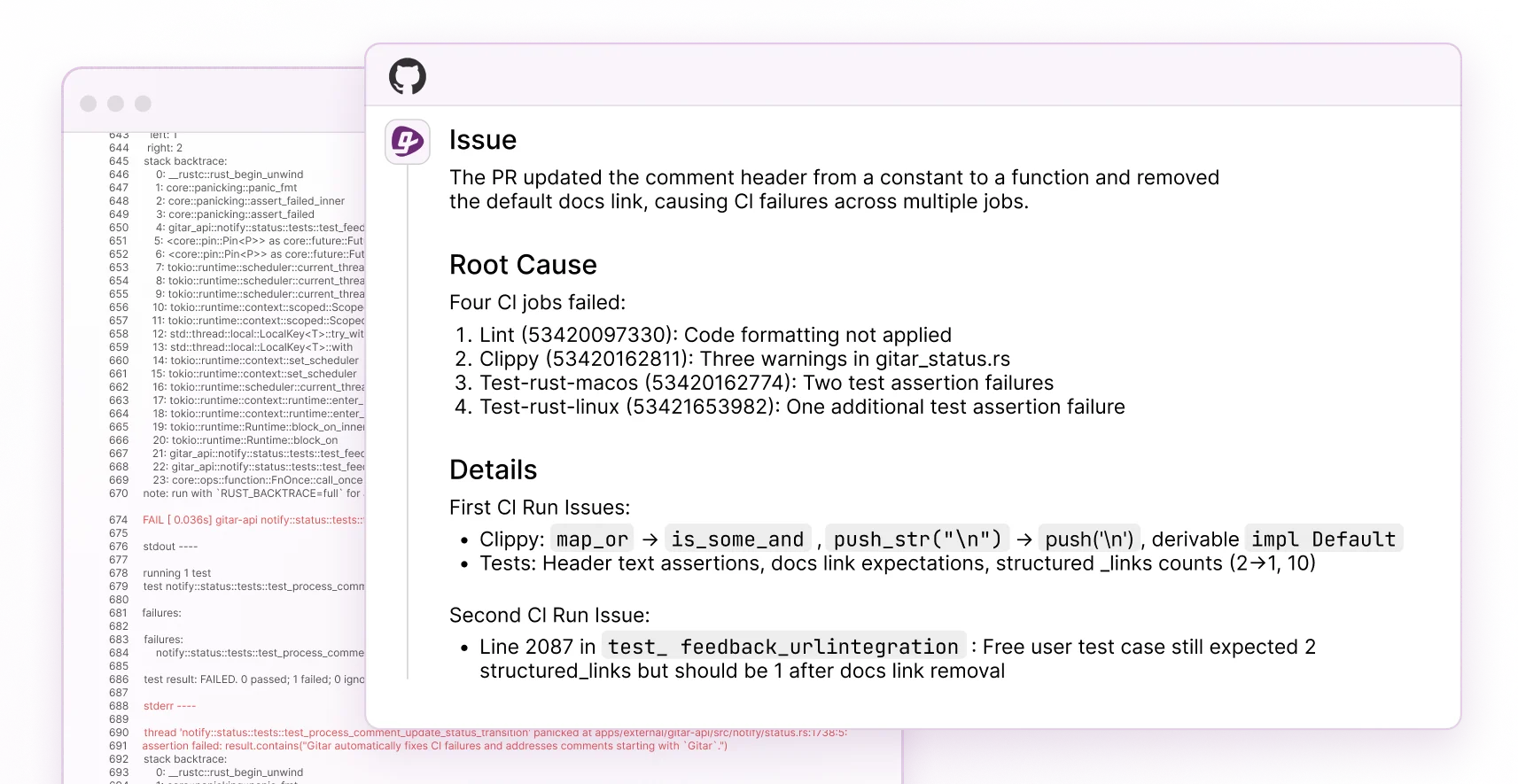
The security impact also matters. Gitar’s code review agent caught a high-severity vulnerability in a Copilot-generated PR that Copilot itself missed, which highlights how different AI architectures produce very different safety outcomes.
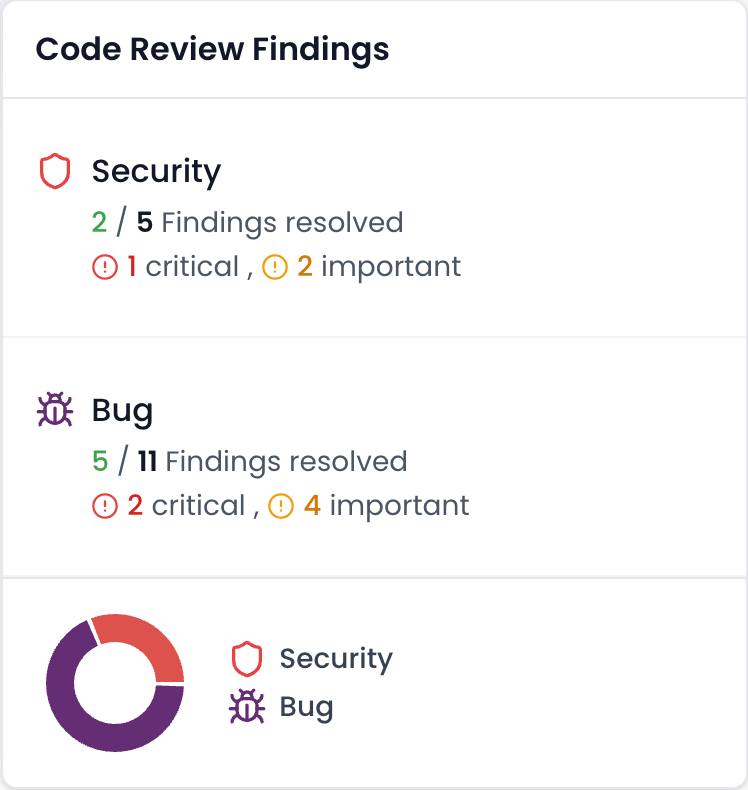
Install Gitar now to automatically fix broken builds and start shipping higher quality software at a faster pace.
Graphite vs Gitar for CI Fixes Inside Pull Requests
Direct comparison shows why many teams move from Graphite’s suggestion engine to Gitar’s healing engine for CI fixes.
|
Feature |
Graphite |
Gitar |
Winner |
|
Auto-Commit Fixes |
No, suggestions only |
Yes, with 14-day free trial |
Gitar |
|
Platform Support |
GitHub only |
GitHub, GitLab, CircleCI, Buildkite |
Gitar |
|
Pricing |
About $40 per user monthly |
Free review plus 14-day trial |
Gitar |
|
Green Build Guarantee |
No validation |
Yes, CI-validated fixes |
Gitar |
Graphite’s agentic capabilities remain limited to the web platform and activate only after PR creation as of January 2026, while Gitar supports workflows across the development lifecycle. Costs scale quickly for larger teams, because a 20-developer team pays $9,600 annually for Graphite’s suggestions and pays nothing for Gitar’s full solution.
The Tigris engineering team reported that Gitar’s PR summaries are more concise than competing tools. Their developers saw less notification fatigue because Gitar uses a single updating comment instead of scattered inline suggestions.
Gitar Workflows for GitHub, GitLab, CircleCI, and More
Graphite’s GitHub-only model creates friction for teams that rely on multiple CI platforms. Gitar supports cross-platform workflows that match how modern engineering teams actually ship code.
GitLab Pipelines Auto-Fix: Gitar analyzes GitLab CI YAML configurations, identifies pipeline failures, and commits fixes that respect GitLab’s runner environments and caching behavior.
CircleCI Integration: CircleCI supports cross-platform builds on Windows, Linux, and macOS with proprietary YAML syntax. Gitar understands these platform-specific rules and generates fixes that preserve CircleCI’s parallel execution advantages.
Multi-CI Team Scenarios: Organizations that use GitHub Actions for frontend, GitLab CI for backend, and CircleCI for mobile can standardize on Gitar’s unified healing engine instead of juggling separate tools for each platform.
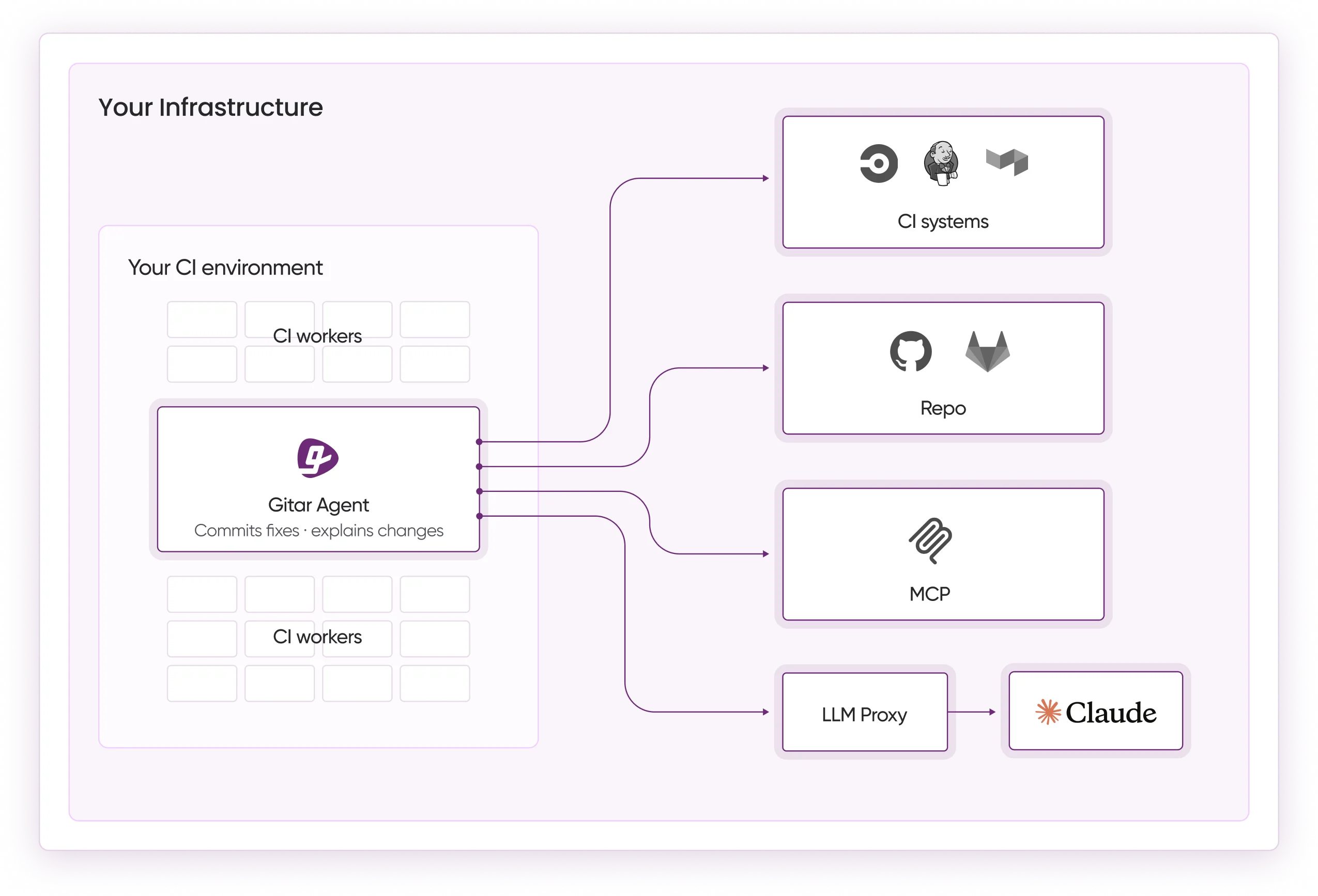
This cross-platform support matches the reality that modern teams require multi-VCS support with Kubernetes deployments across AWS, GCP, and Azure while keeping YAML complexity manageable.
Why 2026 CI Teams Switch from Graphite to Gitar
Productivity math strongly favors Gitar for CI fixes and code review. AI enables merging pull requests up to four times faster and catches three times more bugs than manual reviews when the AI actually implements fixes instead of just suggesting them.
Consider a 20-developer team that spends one hour daily on CI and review issues. Gitar’s 75 percent time reduction translates to roughly $750,000 in annual savings at zero cost, compared to $15 to $30 per seat for suggestion-only tools. The ROI gap remains wide even at lower effectiveness, because at 50 percent impact Gitar still saves about $375,000 annually while competitors charge $450 to $900 monthly for weaker capabilities.
Install Gitar now to automatically fix broken builds and ship higher quality software with less manual effort.
Conclusion: From Suggestions to Guaranteed Green Builds
Graphite’s automatic CI failure detection moves teams forward, but suggestion-only tools still force developers to implement fixes, push commits, and hope that CI passes. Gitar’s healing engine validates fixes inside your actual CI environment and auto-commits working solutions, which delivers reliable green builds at no ongoing cost.
Install Gitar now at https://gitar.ai/ for automatic CI failure fixes that actually work, with faster green builds and a completely free starting point.
Frequently Asked Questions
What does Graphite AI do?
Graphite AI analyzes CI failure logs and posts suggested fixes within about 90 seconds as PR comments. It only suggests solutions, so developers must implement the recommendations manually, push new commits, and wait for CI re-runs. Gitar goes further by analyzing failures, generating fixes with full context, validating them against CI, and auto-committing during the 14-day free trial.
Does Graphite work with GitHub?
Yes, Graphite integrates with GitHub Actions and GitHub pull requests only. This GitHub-only scope creates issues for teams that also use GitLab CI, CircleCI, or Buildkite. Gitar supports comprehensive cross-platform workflows across GitHub, GitLab, CircleCI, and Buildkite with a unified healing engine on every platform.
How much does Graphite cost?
Graphite charges about $40 per user each month for the Team plan that includes AI reviews and suggestions. A 20-developer team pays around $9,600 annually for suggestion-only functionality. Gitar offers free comprehensive code review with a 14-day trial of auto-fix capabilities, which delivers stronger outcomes at zero recurring cost.
Does Gitar work with GitLab?
Yes, Gitar integrates with GitLab for code review and CI failure analysis, and it generates fixes that work with GitLab’s runner environments during the 14-day autofix trial. Unlike GitHub-only tools, Gitar supports GitHub and GitLab Cloud with workflows that cover the full GitLab ecosystem.
How does Gitar guarantee green builds?
Gitar’s healing engine analyzes CI failures, generates fixes with full context, validates them against your CI environment, and commits working solutions during the 14-day free trial. This validation step ensures that fixes match your dependencies, configurations, and test suites instead of relying on untested suggestions. Teams receive guaranteed green builds through CI-validated fixes that ship directly to their pull requests.