
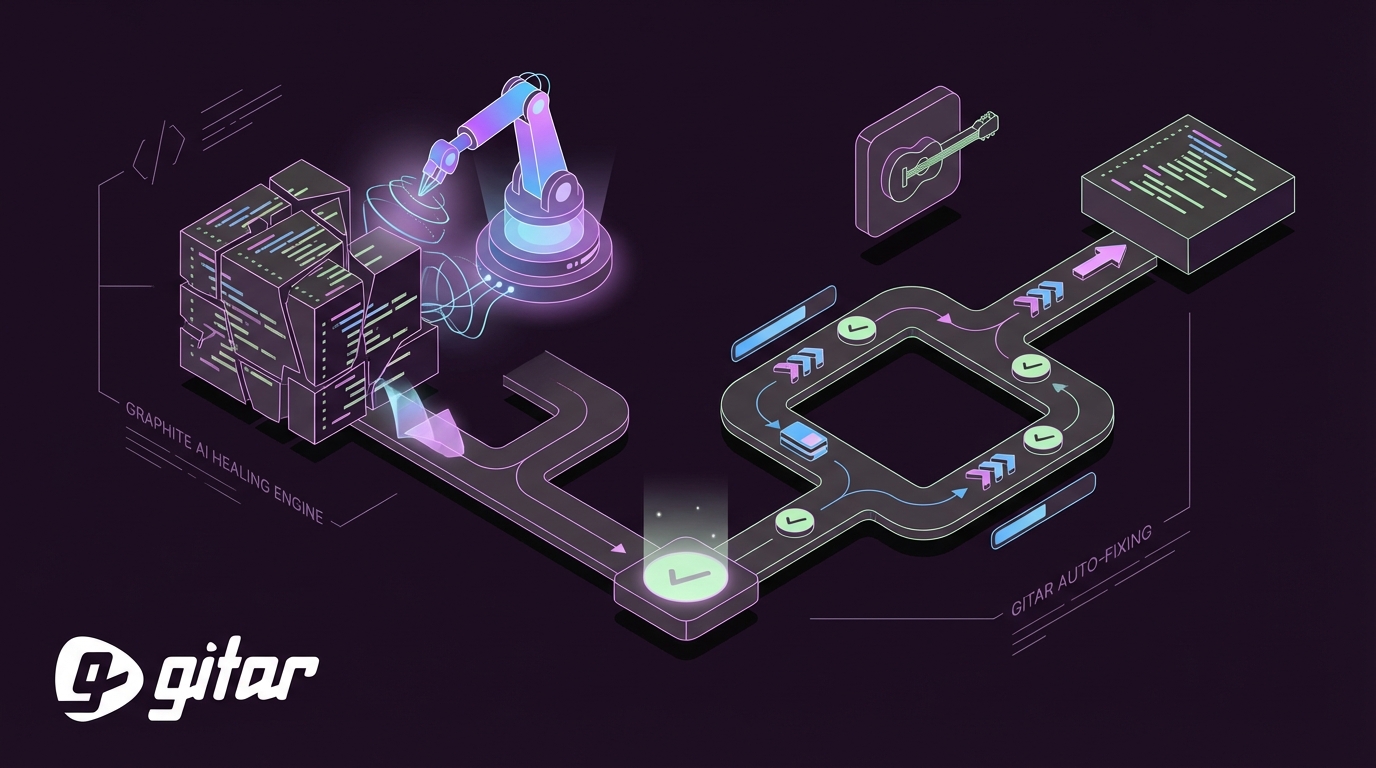
Key Takeaways: Graphite vs Gitar for AI Code Review
- Graphite’s AI Healing Engine automates bug detection, catches 70% of routine issues, and cuts PR cycles by up to 50%.
- Teams see faster PR cycles, 40% lower bug escape rates, and 70% less manual review time on conflicts with Graphite.
- Graphite’s main drawbacks include suggestion-only fixes, notification overload, GitHub-only focus, and per-developer pricing.
- Gitar delivers the same core benefits for free and adds CI-validated auto-fixes, broader platform support, and no seat limits.
- Teams that want faster shipping and consistently green builds often choose Gitar instead of paid tools like Graphite.
How Graphite AI Healing Engine Works
Graphite’s AI Healing Engine (Diamond) acts as an automated code review system that detects issues, suggests fixes, and supports stacked pull requests to shorten development cycles. The platform integrates with GitHub workflows and VS Code, so developers receive real-time code analysis and healing suggestions inside their existing tools. Diamond grew out of Graphite’s focus on speeding up developer workflows, especially when AI-generated code started overwhelming traditional review processes.
7 Practical Benefits of Graphite AI Healing Engine
Graphite’s AI Healing Engine improves several parts of the code review process in measurable ways.
1. Automated Bug Detection and Suggestions
Diamond catches syntax errors, type mismatches, and routine issues, healing about 70% of common problems. The system analyzes code patterns, flags potential defects before they reach production, and reduces the manual workload for human reviewers.
2. Faster PR Cycles
Teams report cycle time dropping from 2 days to about 4 hours with stacked review capabilities. This performance aligns with broader industry data, where organizations that adopt AI tools widely see median PR cycle times fall by 24%.
3. Improved Code Quality
Diamond delivers 40% lower bug escape rates and keeps quality consistent across monorepos. The engine enforces coding standards and highlights quality issues that might slip past manual reviewers, especially in large or fast-moving teams.
4. Reduced Manual Review Load
Reviewers reclaim about 70% of the time they once spent on merge conflicts and routine issues. That time shifts to higher-value work, such as architecture decisions, edge cases, and complex logic instead of syntax and formatting fixes.
5. Scalability for High-Volume PRs
Enterprise customers like Scale AI manage stacked PRs in very large codebases without overwhelming reviewers. Teams maintain shipping velocity even as repositories and contributor counts grow.
6. GitHub-First Workflow Integration
Diamond runs inside existing GitHub workflows and provides real-time healing suggestions where developers already work. Teams can configure rules and behavior so the engine fits their branching strategies and review practices.
7. High Return on Engineering Time
Teams report 50% cycle time reduction and up to 5x faster shipping speed. These gains directly offset the roughly 30% of developer time that often disappears into CI friction, flaky tests, and slow review queues.
Where Graphite Falls Short for Real Teams
Despite strong benefits, many teams run into clear limits with Graphite’s model. The engine acts mainly as a suggestion tool, so developers still need to apply and validate each recommended fix manually. That extra work slows teams that already feel pressure from growing PR queues.
Notification overload also becomes a problem. Multiple inline comments per PR create noise and distract reviewers from the most important issues. The GitHub-only architecture further restricts teams that rely on GitLab, CircleCI, Buildkite, or mixed environments.
About 45% of developers say debugging AI-generated code takes longer than writing it manually. That statistic shows why many teams now look for tools that apply and validate fixes, not just suggest them. Graphite’s per-developer pricing also raises the barrier for organizations that want full AI coverage across every engineer and repository. Install Gitar now, automatically fix broken builds, and start shipping higher quality software faster.
Gitar vs Graphite: Free Auto-Fixing Alternative for AI Code Review
Graphite helped popularize AI healing for code review, while Gitar now offers a free alternative that adds true auto-fixing. The comparison below highlights the most important differences in capabilities and value.
|
Capability |
Graphite Healing Engine |
Gitar |
|
PR Summaries |
Yes |
Yes (Free) |
|
Inline Suggestions |
Yes |
Yes (Free) |
|
Auto-Apply & Validate Fixes |
Suggestions only |
Yes (14-day free trial, full CI integration) |
|
CI Failure Auto-Fix |
No |
Yes |
|
Pricing |
Paid per developer |
Free core, no seat limits |
|
Platform Support |
GitHub-focused |
GitHub, GitLab, CircleCI, Buildkite |
|
Notification Style |
Multiple inline comments |
Single updating comment |
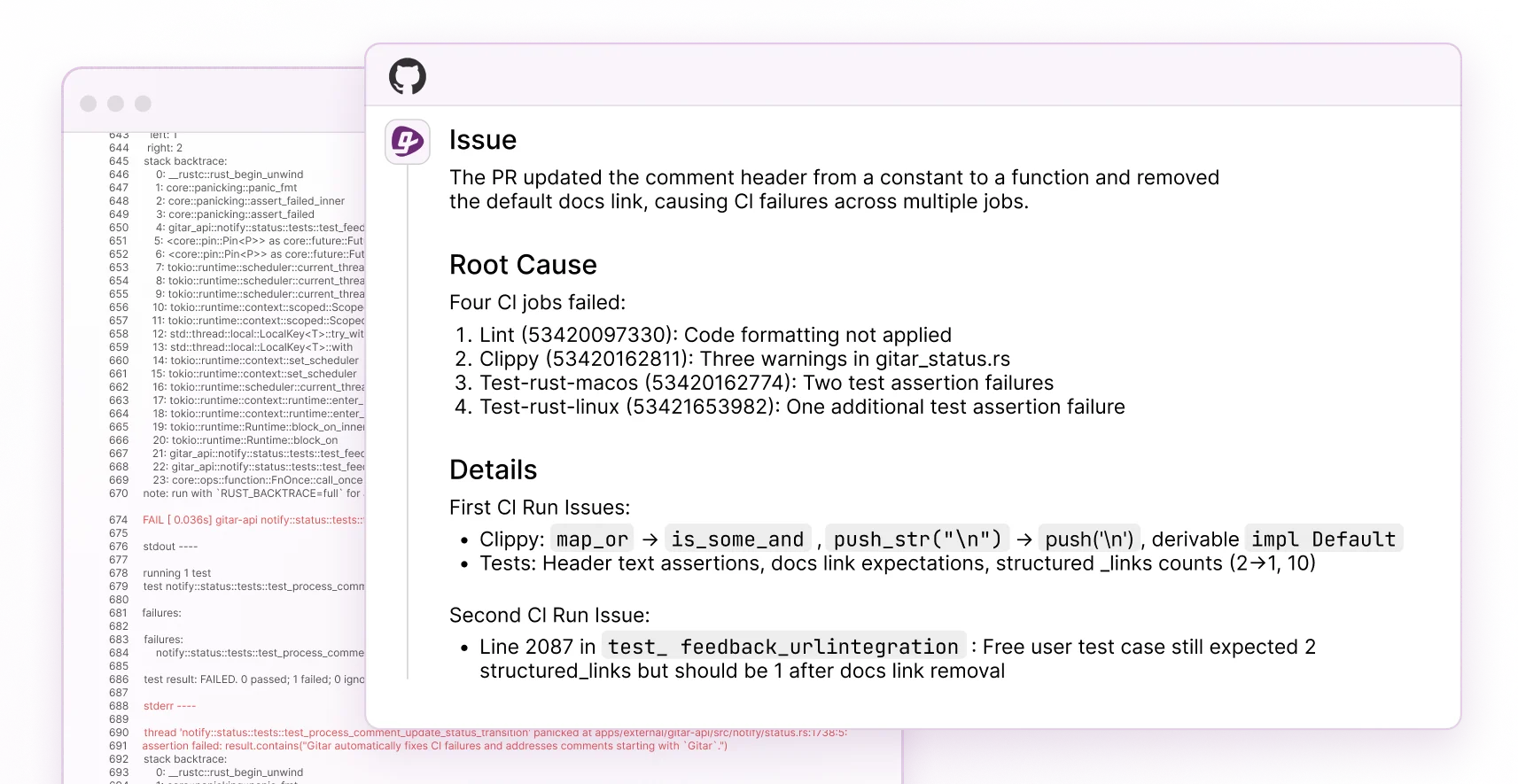
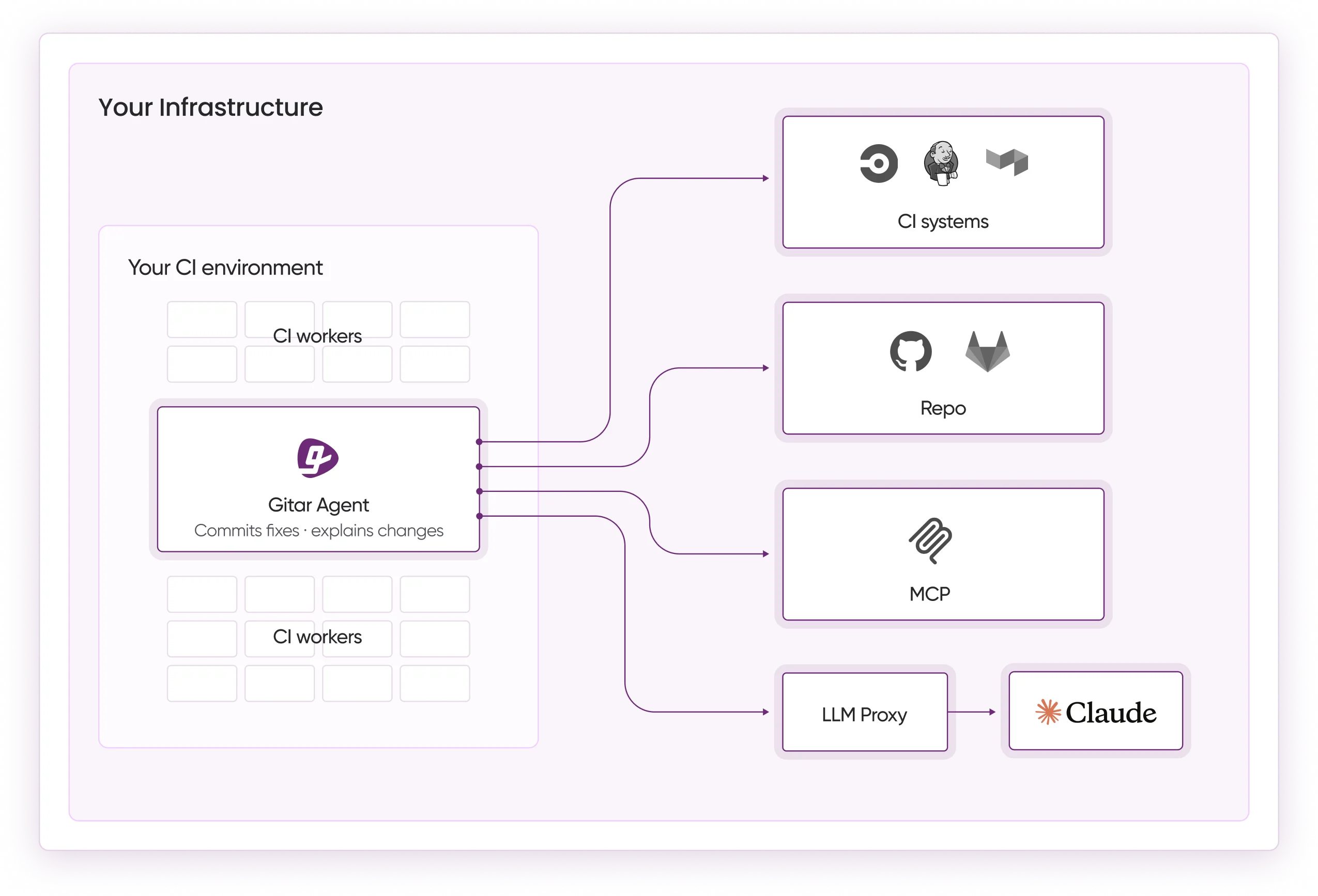
Gitar goes beyond matching Graphite’s feature set. The platform reads CI logs, generates fixes, validates them against your own pipelines, and commits those changes back to the PR. That workflow turns many red builds into green ones without human intervention.
Gitar also scales to very large codebases, including enterprise repositories such as Pinterest’s 50+ million lines of code. Teams say Gitar’s PR summaries feel “more concise” than other tools, because a single updating comment reduces noise and keeps context in one place. Install Gitar now, automatically fix broken builds, and start shipping higher quality software faster.
Who Gets the Most Value from Gitar Over Graphite
Software engineers gain from Gitar’s CI failure auto-fixing, which removes context switching when a build fails. They stay in their editor and let Gitar handle the investigation and patching. That flow keeps focus on feature work instead of firefighting.
Engineering leaders see clear ROI because Gitar removes per-developer fees for core review features. They can roll out AI assistance across every engineer without negotiating seat counts or worrying about partial coverage.
Platform and DevOps engineers benefit from Gitar’s natural language workflow rules and broad platform support. They can standardize behavior across GitHub, GitLab, CircleCI, and Buildkite, which reduces tool sprawl and configuration drift. Any team that wants free, comprehensive AI code review with real healing instead of suggestion-only support should test Gitar’s approach.
Frequently Asked Questions About Graphite and Gitar
What are the main benefits of Graphite AI Healing Engine for code review?
Graphite AI Healing Engine offers seven main benefits. It automates bug detection and resolves about 70% of routine issues. It speeds up PR cycles, often cutting review time from days to hours. It improves code quality with 40% lower bug escape rates and reduces manual review work by about 70% on conflicts.
Graphite also scales to high-volume repositories, fits into GitHub workflows, and delivers strong ROI with roughly 50% cycle reduction. Gitar matches these benefits at no cost and adds stronger auto-fixing that applies and validates changes.
Is there a free alternative to Graphite AI Healing Engine?
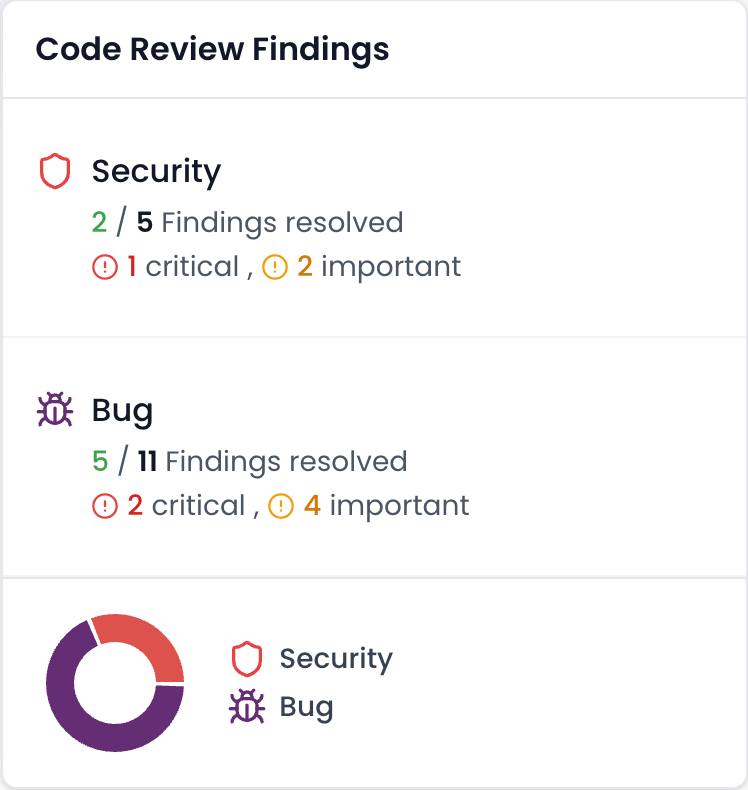
Yes. Gitar offers full AI code review for free, including PR summaries, inline suggestions, security scanning, and bug detection across unlimited repositories with no seat limits. Teams can roll it out across the entire organization without extra licenses.
Unlike Graphite’s suggestion-only model, Gitar includes auto-fix capabilities with a 14-day free trial. The platform automatically resolves CI failures and applies review feedback through validated commits, so teams see working fixes instead of just comments.
How does Gitar automatically fix CI failures?
When CI checks fail, Gitar reads the failure logs and identifies the root cause. It then generates code changes using full codebase context, so fixes align with your patterns and dependencies.
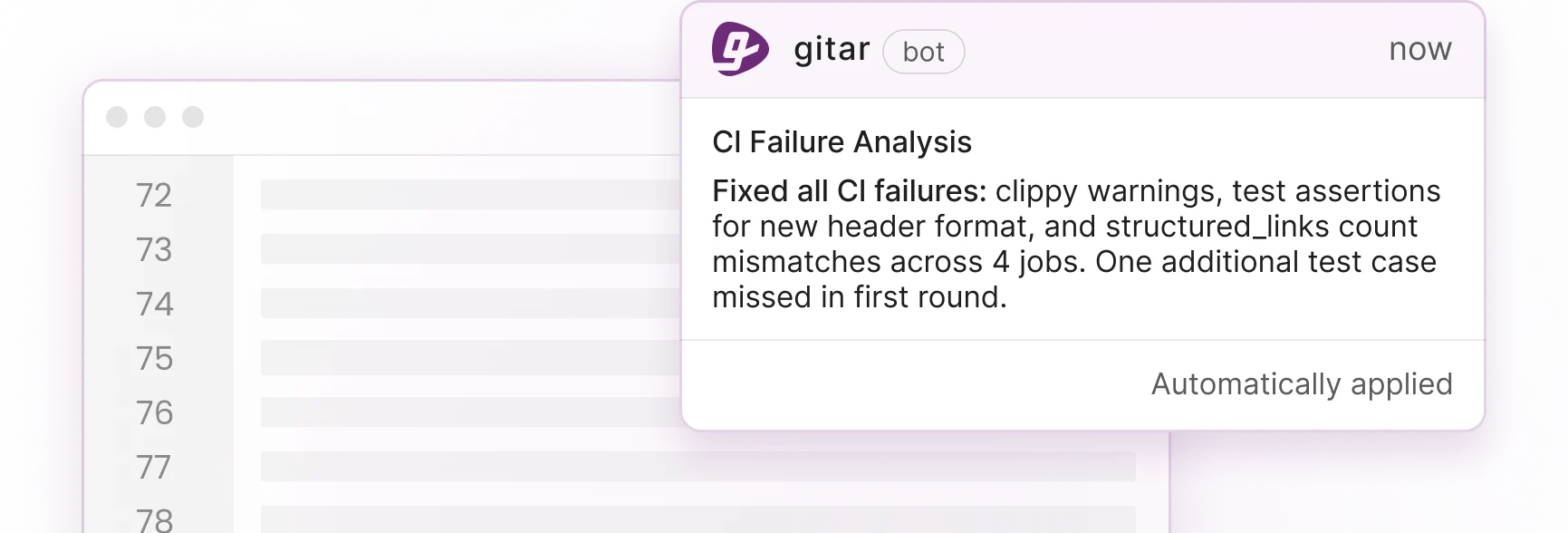
Gitar validates each fix against your CI environment, commits the working change to the PR, and posts a single clean comment with the update. The process runs automatically, which turns many failing builds into passing ones without manual effort.
What is the pricing difference between Graphite and Gitar?
Graphite uses per-developer pricing for its AI Healing Engine features, which increases costs as teams grow. Organizations often need to choose which engineers receive access, which limits coverage.
Gitar’s core code review features are free, with no seat limits and no credit card required. Auto-fix capabilities come with a 14-day free trial, so teams of any size can experience full healing before deciding on paid plans.
What are the key benefits of AI code review tools?
AI code review tools significantly boost productivity. Teams often report around 35% quality improvement and developers save roughly 3.6 hours each week. These tools catch defects earlier in the lifecycle and reduce manual review effort.
They also accelerate PR cycles and keep standards consistent across large or distributed codebases. Gitar amplifies these gains by not only identifying issues but also fixing them and validating the results in CI.
Conclusion: Why Gitar Represents the Next Step After Graphite
Graphite’s AI Healing Engine helped define what automated code review can do, while Gitar pushes that idea further with free, true auto-fixing. Competing tools often charge $15 to $30 per developer for suggestion-only features that still require manual work.
Gitar removes many of those bottlenecks by applying and validating fixes so teams ship with green builds more consistently. Install Gitar in 30 seconds at https://gitar.ai/, no credit card needed.