
Key Takeaways
- AI code generation speeds up development 3-5x but increases PR review times by 91%, creating a serious productivity bottleneck.
- Gitar ranks first as the only free unlimited AI code review tool with real autofix, CI integration, and enterprise-scale support across GitHub, GitLab, and more.
- Most competitors like CodeRabbit, Greptile, and SonarQube restrict free tiers to suggestions, lack full autofix, and generate heavy notification noise.
- Free AI code review tools restore productivity, improve code quality, cut $450-900 per month for 30-person teams, and reduce developer fatigue.
- Teams with high PR volume should install Gitar now for unlimited free reviews and a 14-day autofix trial that automates CI fixes and accelerates shipping.
How We Evaluated Free AI Code Review Tools
We evaluated free AI code review tools using clear criteria. We focused on autofix depth, CI integration, unlimited free tier availability, setup speed, and platform coverage across GitHub, GitLab, and CircleCI. We also checked enterprise scalability and 2026 user feedback from Reddit and GitHub discussions. Our hands-on tests prioritized tools that actually fix code instead of only suggesting changes. We measured ROI through time saved and reduced manual intervention, and we favored tools with real value that avoid seat limits and credit card gates.
Top 10 Free AI Code Review Tools for 2026
1. Gitar: Free Unlimited AI Code Review With Autofix
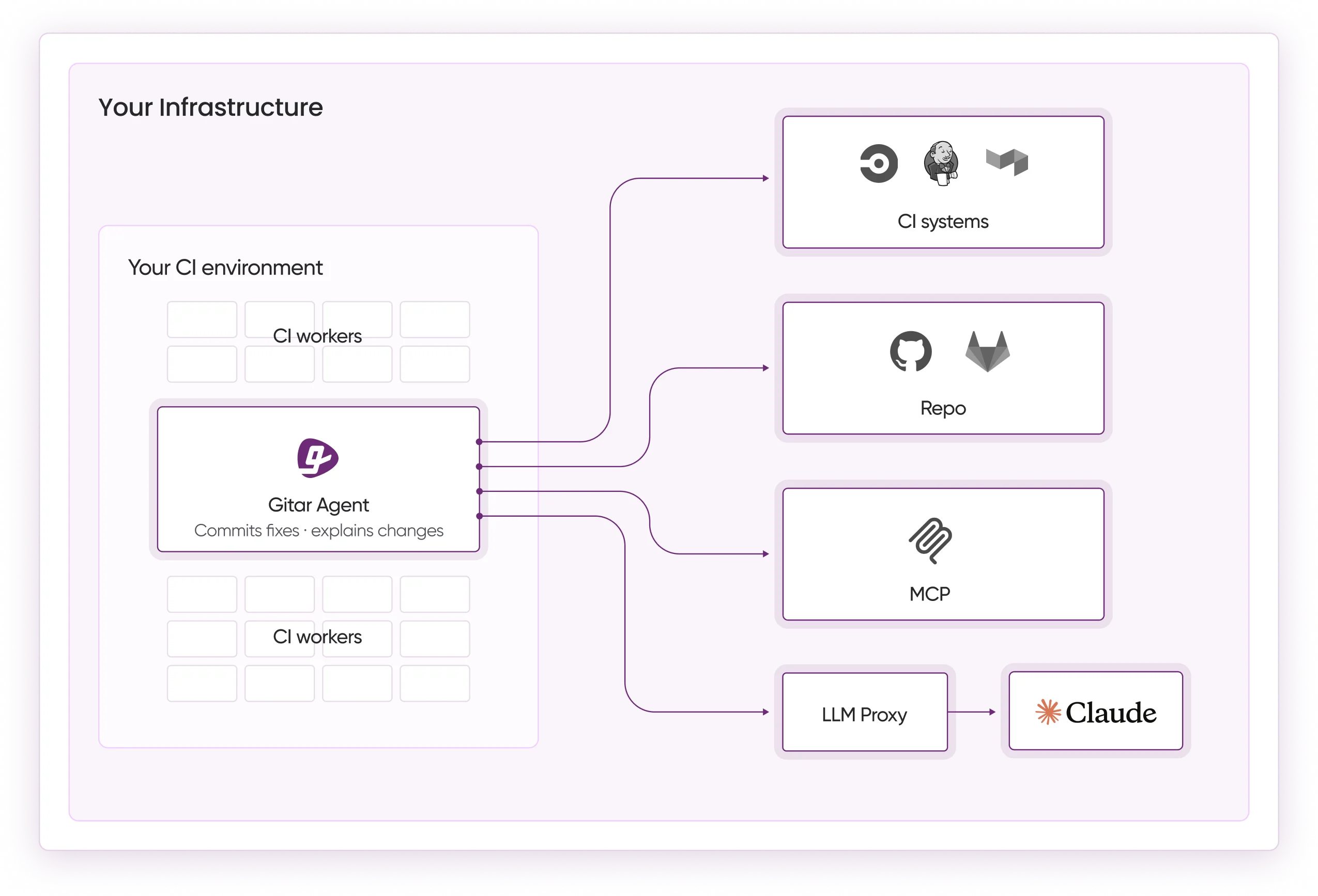
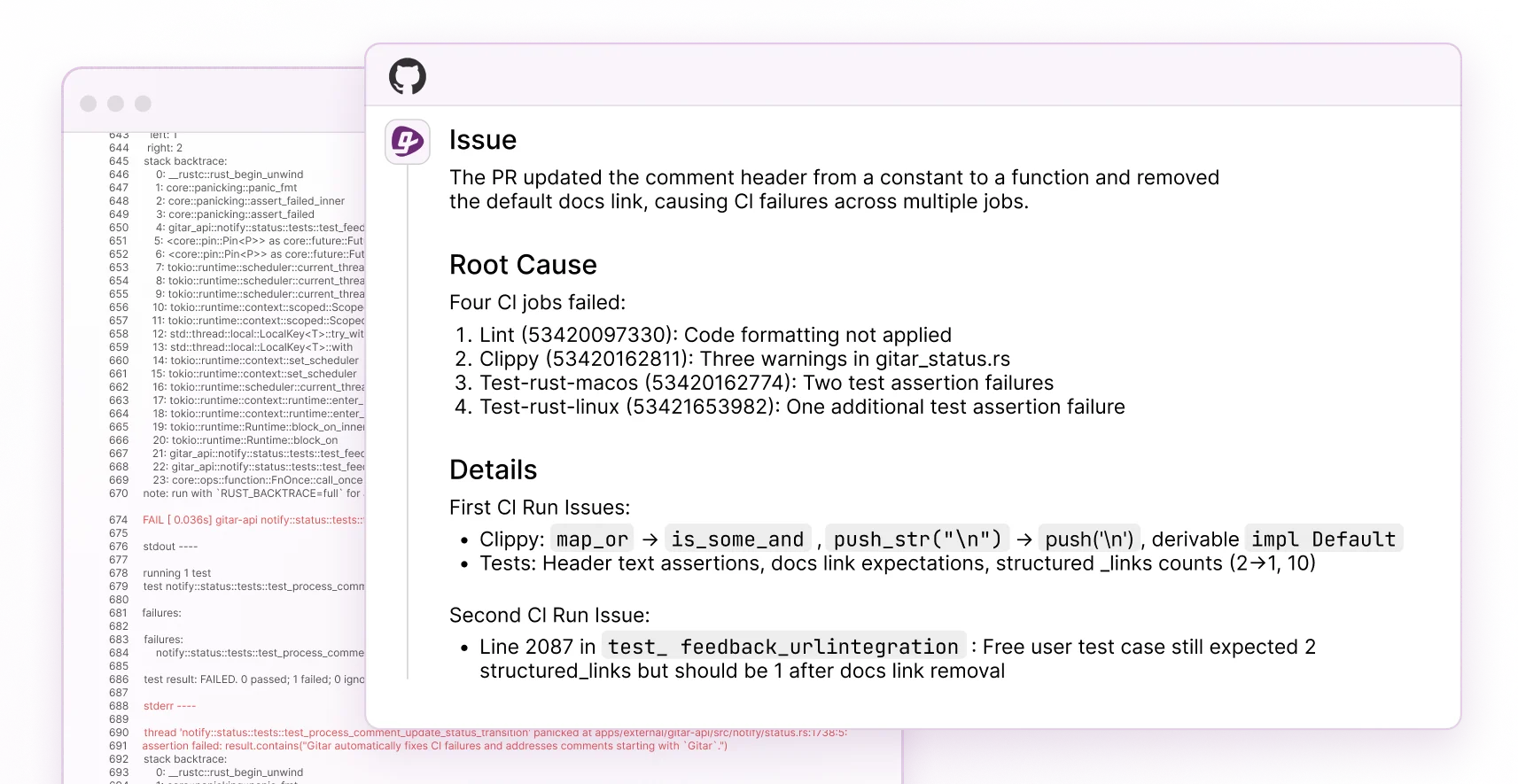
Gitar leads as the free unlimited AI code review platform that actually fixes code. Competing tools often charge $15-30 per developer for suggestions, while Gitar offers free code review for unlimited repositories and users. Teams also receive a 14-day free trial of autofix features that resolve CI failures and implement review feedback automatically. The platform includes a healing engine that analyzes CI failure logs, generates validated fixes, and commits them directly to PRs. It keeps a single dashboard comment updated, which prevents notification spam.
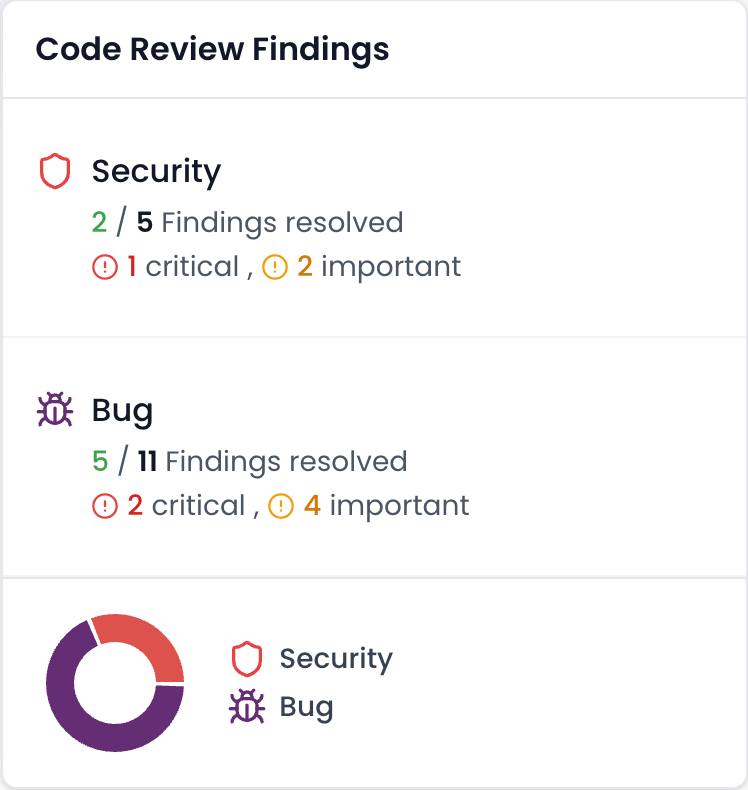
Gitar supports GitHub, GitLab, GitHub Actions, GitLab Pipelines, CircleCI, and Buildkite. Enterprise-scale validation includes deployments at companies like Pinterest with 50M+ lines of code. A hierarchical memory system learns team patterns and keeps context across PRs. Natural language repository rules let teams automate workflows without complex YAML files. Security vulnerabilities that other AI tools miss are often caught by Gitar’s deeper analysis.
Pros: Unlimited free tier, real autofix with CI integration (14-day trial), single clean comment interface, enterprise scalability, cross-platform support
Setup: 30-second GitHub or GitLab app installation
ROI: Up to $1M annual savings for 20-developer teams
2. CodeRabbit: High-Volume Suggestions With Limited Free Tier
CodeRabbit offers a limited free tier that provides line-by-line PR feedback and summaries across GitHub, GitLab, and Bitbucket. The platform includes autofix for smaller issues in VS Code, Cursor, and Windsurf, although the free tier restricts usage. CodeRabbit also generates the highest volume of comments per PR, which often results in notification overload.
Pros: Inline suggestions, IDE integration
Cons: Limited free tier, no full CI integration, heavy notification volume, paid upgrades from $15 per seat
3. Greptile: Deep Codebase Context Without Autofix
Greptile focuses on codebase context with a 14-day free trial, free access for open-source projects, and startup discounts. Paid plans start at $30 per developer each month. The platform offers graph-based full codebase analysis and meets SOC 2 Type II security standards. However, Greptile often produces noisy or irrelevant comments without careful tuning and can struggle with very large repositories.
Pros: Deep codebase context, strong security compliance
Cons: Expensive paid plans, no autofix, resource-intensive on large projects
4. Graphite Agent: PR-Aware Reviews With Suggestion-Only Output
Graphite Agent provides a limited free tier and PR history-aware reviews for GitHub and GitLab. It delivers contextual feedback that considers previous changes. The platform still focuses on suggestions and does not offer full autofix.
Pros: PR-aware reviews, GitHub and GitLab support
Cons: Limited free tier, suggestions only, no CI integration
5. SonarQube Community Edition: Free Static Analysis for Security
SonarQube Community Edition delivers free static analysis with a strong security focus. The platform integrates with major CI and CD systems and supports enterprise security scanning workflows.
Pros: Security-focused checks, broad enterprise integration
Cons: No autofix, complex setup, limited AI-driven features
6. GitHub Copilot Review Features: Integrated Suggestions in GitHub
GitHub Copilot offers free access for open source maintainers and students. It includes code review features such as full project context analysis and fix suggestions, alongside code generation. The platform does not resolve CI failures automatically.
Pros: Free for OSS maintainers and students, deeply integrated with GitHub
Cons: No CI autofix capabilities
7. Sourcery: Python and JavaScript Refactoring Help
Sourcery provides a free tier focused on Python and JavaScript refactoring. It integrates with GitHub, GitLab, VS Code, and supports repository scanning. The platform offers detailed refactoring suggestions but does not provide full CI integration.
Pros: Strong language-specific refactoring, multi-platform integration
Cons: Limited language coverage, no complete CI integration
8. Snyk Code: Security-First AI Scanning
Snyk offers a free tier with AI-powered SAST across more than 12 languages, capped at 100 scans each month, and a restricted Agent Fix feature for autofixes. The platform focuses on security scanning instead of broad code review.
Pros: Security-focused autofix, wide language support
Cons: Security-only scope, limited general code review, strict scan limits
9. Codacy: Quality Metrics With Limited Autofix
Codacy provides a free tier that includes quality checks plus GitHub, GitLab, and Bitbucket integration. Guardrails features offer autofixing for some security and quality issues inside IDEs. The platform focuses on code quality analysis with partial autofix support.
Pros: Multi-platform support, clear quality metrics, IDE autofix options
Cons: Limited free seats, basic AI capabilities
10. Semgrep: Custom Rules and AI-Enhanced Static Analysis
Semgrep delivers rule-based static analysis with AI enhancements for context and a strong security focus, and the core tool remains free. It excels at custom policy enforcement but does not include AI-powered autofix.
Pros: Custom rules, strong security focus, fast performance, AI context enhancements
Cons: No AI autofix, inherent static analysis limits
Install Gitar now to use the only free unlimited AI code review platform with real autofix capabilities.
Side-by-Side Comparison of Top Tools
| Tool | Free Tier Limits | Autofix/CI Integration | Platforms/Notifications |
|---|---|---|---|
| Gitar | Unlimited repos and users | Yes (14-day trial with full CI autofix) | Multi-platform, single comment |
| CodeRabbit | Limited PRs | Suggestions only | GitHub, GitLab, noisy inline comments |
| Greptile | 14-day trial only | No | GitHub, limited |
| Graphite Agent | 100 PRs per month | Suggestions only | GitHub, GitLab, basic |
| SonarQube | Community features | No autofix | Multi-platform, enterprise focus |
Why Free AI Code Review Tools Matter
Free AI code review tools remove the productivity bottleneck created by faster AI-assisted coding. Organizations using AI coding tools cut PR cycle times by 24% when they pair generation with effective review automation. These tools deliver several concrete benefits.
- Productivity restoration: They counter the 91% increase in PR review time caused by AI code generation.
- Quality improvement: They detect AI-generated issues and security vulnerabilities automatically.
- Cost reduction: They remove $450-900 in monthly costs for 30-person teams that would otherwise pay for alternatives.
- Developer satisfaction: They reduce context switching and notification fatigue for reviewers.
What Our 2026 Testing and Users Revealed
Our 2026 benchmarks show large gaps in autofix effectiveness. Gitar consistently resolves CI failures in minutes, while developers on Reddit report spending more than an hour on manual debugging for similar issues. PRs per author increased 20% with AI adoption, and incidents per pull request rose 23.5%. Teams now need tools that fix problems instead of only suggesting edits.
Enterprise-scale tests confirm that Gitar handles Pinterest-sized codebases with more than 50M lines while staying performant. Users repeatedly praise the single-comment design, which lowers cognitive load compared with competitor notification streams. Gitar also detects unrelated PR failures, which helps teams separate infrastructure issues from actual code defects and saves significant debugging time.
Frequently Asked Questions
Best Free AI Code Review Tool for 2026
Gitar stands out as the leading free AI code review tool for 2026. It offers unlimited repositories and users plus comprehensive autofix. Competing platforms often charge $15-30 per developer for basic suggestions, while Gitar provides real CI integration that resolves failures and applies review feedback automatically. The healing engine validates fixes against your live CI environment and delivers reliable green builds instead of untested suggestions.
Whether Free Tools Actually Fix CI Failures
Most free AI code review tools stop at suggestions and leave developers to implement fixes manually. Gitar takes a different approach and offers real autofix with a 14-day free trial. It analyzes CI failure logs, generates validated fixes, and commits changes directly to PRs. This workflow removes the manual loop of reading suggestions, editing code, pushing commits, and waiting to see if CI passes.
How Gitar Compares to CodeRabbit for Free Users
Gitar delivers unlimited free code review plus an autofix trial, while CodeRabbit’s free tier remains limited and suggestion-focused. Gitar uses a single dashboard comment that updates over time, which prevents notification overload. CodeRabbit often produces many inline comments across each PR. Teams that want real productivity gains instead of more alerts get stronger value from Gitar, which avoids seat limits and upgrade pressure.
Security of Free AI Code Review Tools for Enterprises
Security posture varies widely across free tools. Gitar supports enterprise deployment where the agent runs inside your CI pipeline so code never leaves your infrastructure. The free tier runs in a secure managed cloud with zero data retention. Many other free tools lack full enterprise security options or reserve compliance features for paid plans.
Typical Setup Time for Free AI Code Review Tools
Setup time ranges from under a minute to several hours. Gitar installs as a GitHub or GitLab app in about 30 seconds and does not require an account or credit card. SonarQube often needs extensive configuration and infrastructure provisioning. CodeRabbit and similar tools require account creation and repository permissions but still install relatively quickly. The main difference lies in how fast each tool starts delivering value versus how much configuration it demands.
The AI coding wave solved generation speed but created a review bottleneck that now threatens developer productivity. Many competitors charge premium prices for suggestion engines that still rely on manual work. Gitar instead offers free unlimited code review with real autofix that consistently produces green builds. For teams overwhelmed by PR volume and CI failures, tools that actually fix code provide a clear advantage over tools that only comment.
Install Gitar now to ship higher quality software faster with the only free AI code review platform that automatically repairs broken builds.