

Written by: Ali-Reza Adl-Tabatabai, Founder and CEO, Gitar
Key Takeaways
- Most developers now use AI coding tools daily, and no-signup generators help them prototype quickly without account friction.
- Free AI code generators such as Bolt.new, Claude Artifacts, and Qodo work well for quick snippets but often produce lower-quality code that needs debugging.
- Evaluate tools by browser access, language coverage, sub-10-second response time, fizzbuzz accuracy, and practical output limits.
- Gitar delivers 95% accuracy on benchmarks and automatically fixes AI-generated bugs through CI integration so teams can ship production-ready code.
- Pair free generators with Gitar’s 14-day Team Plan trial to handle bug fixing and keep your workflow moving.
How To Evaluate Free No-Signup AI Code Generators
Focus on five criteria when you test browser-based AI code generators. Check that you can start in the browser without registration. Confirm support for at least Python, JavaScript, and Java. Measure generation speed and aim for responses under 10 seconds. Run standard benchmarks such as fizzbuzz functions. Track output length limits so you know when a tool will truncate code.
The inmve/free-ai-coding repository defines pro-grade models as scoring over 60% on SWE-bench Verified, while most no-signup tools rely on lighter models with lower accuracy.
Use a consistent test prompt for each tool: “Write a Python fizzbuzz function that prints numbers 1-100, replacing multiples of 3 with ‘Fizz’, multiples of 5 with ‘Buzz’, and multiples of both with ‘FizzBuzz’.” Compare syntax, logic, and whether the code runs without edits.
Top 10 Free No-Signup AI Code Generators
1. Gitar: Auto-Fix Platform For AI-Generated Code
Gitar is an AI code review and fixing platform that repairs bugs in both human-written and AI-generated code. Other tools stop after generating snippets and leave you to debug. Gitar’s healing engine analyzes CI failures, generates corrections, and commits working fixes. See https://docs.gitar.ai/ for details.
Features: Multi-language support (Python, JavaScript, Java, Go, Rust), automatic CI failure analysis, review feedback implementation, and integration with GitHub, GitLab, CircleCI, and Buildkite.
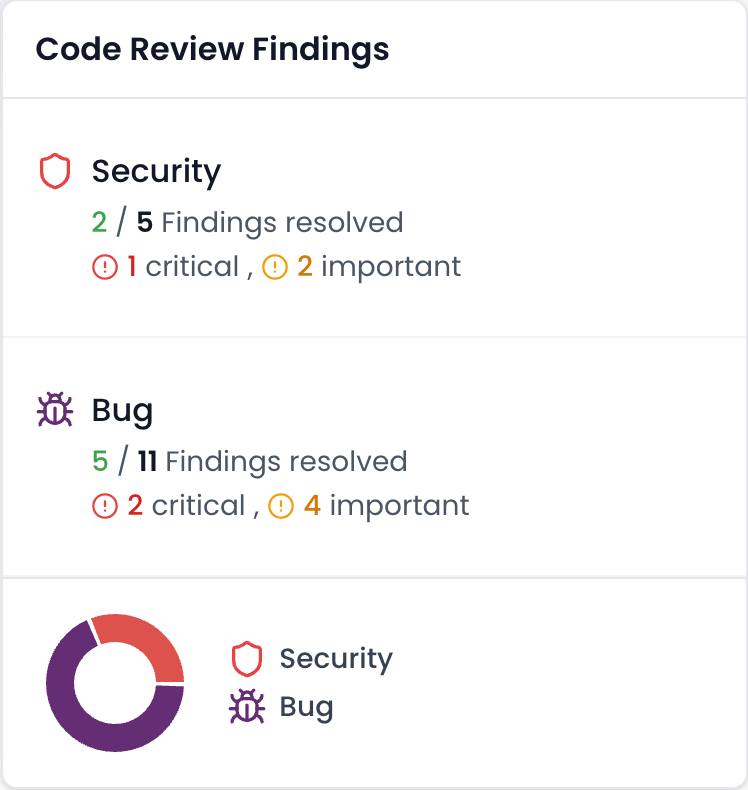
To show Gitar’s code generation quality on a simple benchmark, review its fizzbuzz implementation below. The function uses clear control flow and correct modulo checks for all three conditions.
Fizzbuzz Demo Output:
def fizzbuzz(): for i in range(1, 101): if i % 15 == 0: print("FizzBuzz") elif i % 3 == 0: print("Fizz") elif i % 5 == 0: print("Buzz") else: print(i) fizzbuzz()
Pros: Automatic bug fixes, CI integration, production-ready output, and a 14-day trial with full Team Plan features help Gitar stand apart from simple snippet generators.
Cons: However, it requires GitHub or GitLab integration and does not run as a no-signup browser-only generator.
Ideal for: Given these tradeoffs, Gitar suits developers who need reliable, production-ready code with automated quality assurance instead of quick throwaway snippets.
2026 Results: 95% accuracy on standard coding benchmarks, average 8-second generation time, and unlimited output length during the trial.
2. Bolt.new: Full-Stack JavaScript In The Browser
Bolt.new offers 150,000 tokens per day and 1 million tokens per month in its free tier, using StackBlitz WebContainers for full-stack JavaScript applications. The tool works especially well for scaffolding complete React apps with backend integration.
Features: Full-stack JavaScript generation, React and Node.js focus, one-click deployment, and live preview.
Pros: Complete application generation, instant deployment, and no local setup required.
Cons: JavaScript-only support, context loss after 15 to 20 iterations, and token limits.
Ideal for: Web developers who build React prototypes and full-stack JavaScript applications.
After generating a prototype with Bolt.new, use Gitar’s trial to catch and fix logic or integration bugs before deployment.
3. Claude Artifacts: Interactive Web Components
Claude Artifacts are available across all Claude plans with no API keys required. They create interactive applications using React, HTML, and SVG directly in the chat interface with live previews.
Features: React, HTML, and SVG generation, live preview, rapid iteration, and interactive demos.
Pros: High-quality output, interactive previews, and no explicit usage limits on the free tier.
Cons: Limited to web technologies and requires an Anthropic account for advanced features.
Ideal for: Frontend developers who create interactive prototypes and learning tools.
4. Qodo: Lightweight Browser IDE For Beginners
Qodo is a lightweight, browser-based AI code generator that supports JavaScript, Python, HTML/CSS, and Java. It offers inline code suggestions and natural-language comment processing such as “// create a function to format dates”.
Features: Multi-language support, inline suggestions, AI explanations, and immediate browser testing.
Pros: Beginner-friendly experience, instant testing, and a clean interface.
Cons: Limited to basic functions and shorter outputs.
Ideal for: Beginners who learn programming concepts and need quick prototypes.
5. Replit Ghostwriter: AI Inside A Collaborative IDE
Replit Ghostwriter lives inside the browser-based Replit online IDE with no software installation. It supports Python, JavaScript, HTML/CSS, and Java with inline completions and error explanations through chat.
Features: IDE integration, multi-language support, error explanations, and instant run capability.
Pros: Full IDE environment, instant execution, and collaborative features.
Cons: Requires a Replit account for advanced features and has limited offline access.
Ideal for: Students and educators who need collaborative coding environments.
Pair Ghostwriter’s teaching-friendly IDE with Gitar’s auto-fix capabilities so learners see real bug fixes applied to their projects.
6. Codeium Playground: Broad Language Coverage
Codeium supports over 70 programming languages with context-aware code completion and integrates with VS Code, JetBrains, Sublime Text, and browser environments.
Features: Support for more than 70 languages, context-aware completion, semantic search, and local deployment options.
Pros: Extensive language coverage, privacy-focused local options, and deep IDE integration.
Cons: The free tier offers unlimited completions but with reduced context awareness.
Ideal for: Multi-language developers who need broad compatibility.
7. Tabnine: Local, Privacy-First Completions
Tabnine runs locally without sending data off-device, providing privacy-focused AI code completion that adapts to your coding style across multiple IDEs.
Features: Local processing, privacy focus, IDE integration, and style adaptation.
Pros: Strong privacy, local processing, and no data transmission.
Cons: The free tier provides limited context awareness and basic completions.
Ideal for: Privacy-conscious developers who work with sensitive codebases.
8. CodeGeeX: Open-Source Multi-Language Generator
CodeGeeX is an open-source AI code generator that supports Python, JavaScript, Java, C++, and Go. It focuses on clean starter code and cross-language translation.
Features: Open-source model, multi-language support, code translation, and a VS Code extension.
Pros: Open-source transparency, language translation, and clean output.
Cons: Limited advanced features and a smaller model size.
Ideal for: Open-source enthusiasts and developers who need code translation.
9. Hugging Face Spaces: Experimental Model Playground
Hugging Face Spaces hosts many AI coding models with browser interfaces, so you can try different architectures without signup for basic usage.
Features: Access to multiple models, community-driven projects, and experimental features.
Pros: Cutting-edge models, strong community support, and early access to new ideas.
Cons: Inconsistent availability, varying quality, and limited support.
Ideal for: Researchers and developers who explore the latest AI models.
10. Blackbox.ai: Fast Snippet Generator
Blackbox.ai offers browser-based code generation with multi-language support and real-time suggestions. It focuses on quick snippet generation for common programming tasks.
Features: Browser-based interface, multi-language support, and real-time suggestions.
Pros: Fast generation, simple interface, and no installation required.
Cons: Limited context, basic functionality, and rate limits.
Ideal for: Quick snippet generation and basic coding tasks.
Turn Blackbox snippets into production-ready code by running them through Gitar’s automated testing and fixes.
Key Considerations And Limitations
Free no-signup AI code generators work well for quick snippets but come with real tradeoffs. AI-generated code shows 75% more hallucinations, and rate limits range from 50 to 2,000 requests per day across tools. Most generators lack memory between sessions, produce shorter outputs than paid options, and struggle with complex multi-file projects.
Beyond these technical constraints, the fundamental gap is post-generation quality assurance. These tools generate code quickly but do not verify that it works in your environment or passes your CI pipeline. Developers then spend extra time debugging “almost right” code instead of writing correct solutions.
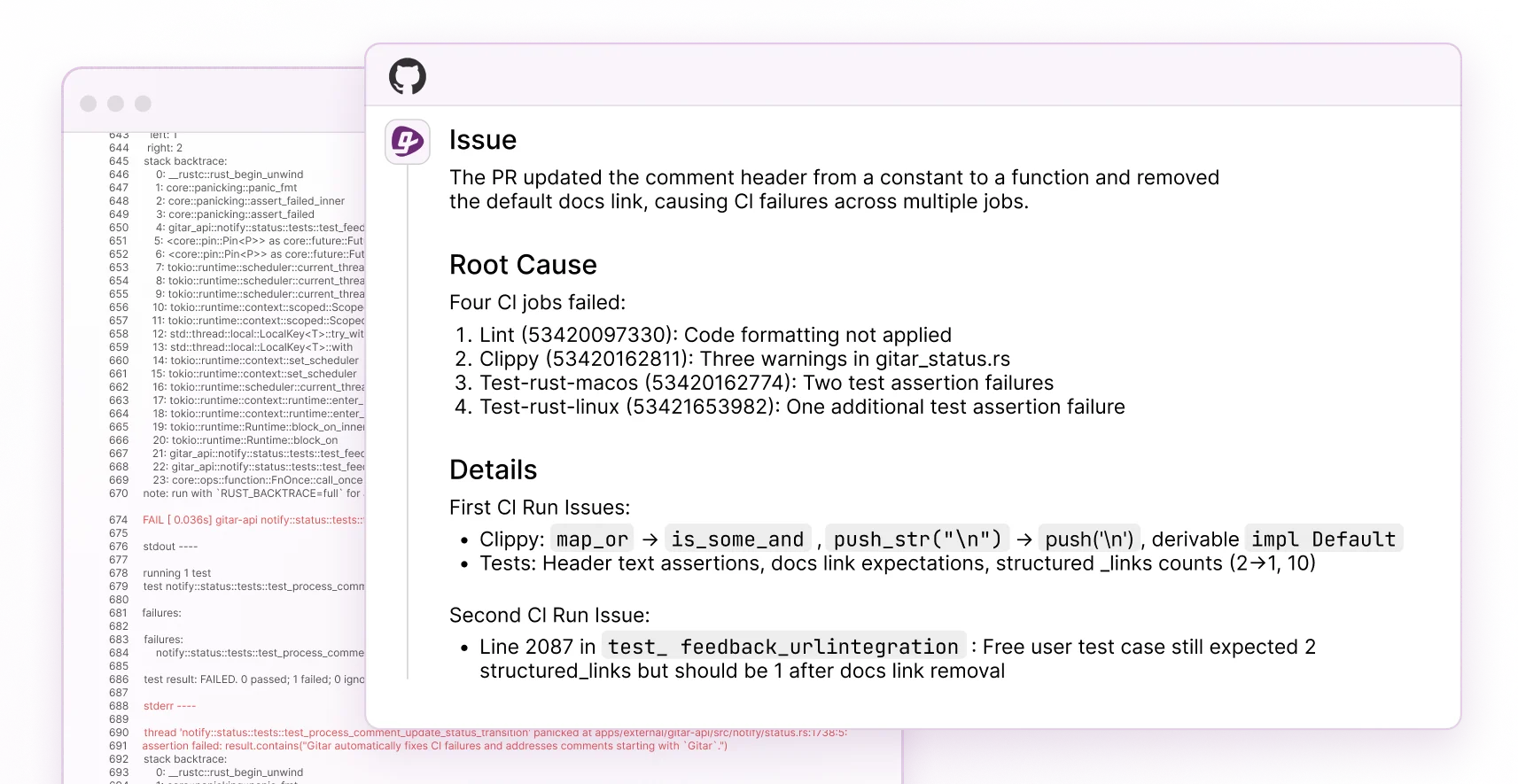
Hobbyists who learn programming concepts get strong value from free generators as starting points. Professional teams that need reliable, production-ready code benefit most when they combine generation with Gitar’s automated fixing capabilities and remove much of the manual debugging work.
Scale Up With A Free-Generator Plus Gitar Auto-Fix Workflow
The most efficient workflow combines free generation with automated fixing. Generate your initial code using any browser-based tool. Then send that code through Gitar’s 14-day Team Plan trial for automatic review and correction. Gitar analyzes the code against your CI environment, flags issues, and commits working fixes.
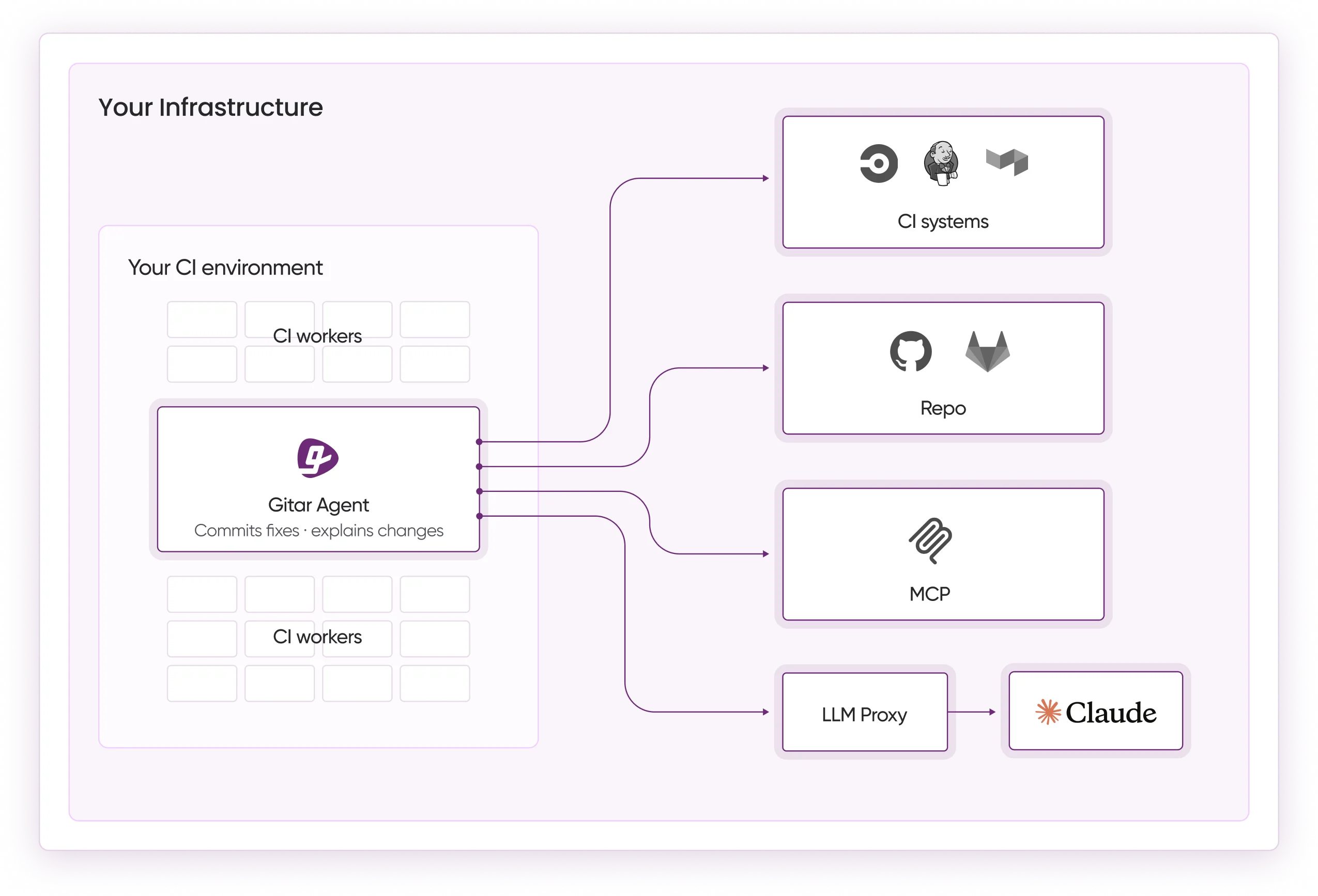
Gitar’s advantages include single-comment feedback consolidation, natural language rule implementation, Jira and Slack integrations, and broad CI platform support. This workflow can save about 45 minutes per developer per day by cutting manual debugging cycles.
Frequently Asked Questions
What Is The Best Free AI Code Generator That Requires No Signup?
The top three options are Bolt.new for full-stack JavaScript applications, Claude Artifacts for interactive web components, and Qodo for beginners. Pair these with Gitar’s 14-day Team Plan trial for automatic fixes that resolve bugs and CI failures so you can ship production-ready output.
Are There Any Free Unlimited AI Code Generators?
Most free tools apply daily limits. Bolt.new offers 150,000 tokens per day, Qwen Code provides 2,000 requests daily, and Gemini CLI allows 100 requests per day. Claude Artifacts has no explicit usage limits on the free tier. Gitar’s 14-day Team Plan trial provides full access to auto-fix features, CI integration, and production validation during the trial period.
Can I Use AI Code Generators Without Creating Accounts?
Several browser-based tools run without registration, including Bolt.new, Claude Artifacts for basic usage, Qodo, and various Hugging Face Spaces. The most powerful features usually require account creation. Gitar requires GitHub or GitLab integration but offers a comprehensive 14-day trial with full Team Plan access.
How Accurate Are Free AI Code Generators In 2026?
Accuracy varies by model and task complexity. Pro-grade models reach 60 to 80% accuracy on SWE-bench Verified benchmarks, while most free tools use lighter models with 40 to 60% accuracy. Common issues include logic errors, security vulnerabilities, and context misunderstandings. You get better results when you pair generation with verification tools such as Gitar’s automated testing and fixing capabilities.
How Can I Fix Bugs In AI-Generated Code Automatically?
Gitar’s healing engine identifies and fixes bugs in AI-generated code by analyzing CI failures, understanding error contexts, generating corrections, and committing working solutions. The 14-day Team Plan trial includes full access to auto-fix features, CI integration, and production-ready code validation across GitHub, GitLab, CircleCI, and Buildkite.
Conclusion And Next Steps
Free no-signup AI code generators provide strong starting points for quick snippets and learning. Bolt.new leads for JavaScript applications, Claude Artifacts excels at interactive components, and Qodo works well for beginners. The largest productivity gains appear when you remove the debugging bottleneck that follows generation.
Test two or three tools from this list for your main use cases. Then experience the impact of automated fixing with Gitar’s platform. Start your 14-day Team Plan trial to automatically fix AI-generated code and ship higher quality software faster.