
Written by: Ali-Reza Adl-Tabatabai, Founder and CEO, Gitar
Key Takeaways
- AI code generation tools like Gemini, Copilot, and Codeium cap free usage between 100 and 2,000 requests, which throttles productivity.
- Google reduced Gemini API quotas by 50–80% in late 2025, with stricter model caps such as 250 RPD for Flash.
- Developers can unlock effectively unlimited usage with local models via Ollama (for example, Qwen3-Coder-Next), multi-tool orchestration, and OpenRouter’s free tier.
- AI acceleration creates PR review bottlenecks with 91% increased time, while traditional tools only suggest fixes instead of implementing them.
- Pair unlimited generation with Gitar’s AI code review to turn failing CI pipelines into green builds without manual rework.
Understanding which tools impose the strictest limits helps you choose the right stack for uninterrupted coding. The next table highlights where each tool’s free tier will slow you down first.
2026 AI Coding Free Tier Limits at a Glance
| Tool | Free Limit (2026) | Best For | Drawbacks |
|---|---|---|---|
| Gemini Code Assist | Model-specific quotas | Complex reasoning tasks | Restrictive after Dec 2025 cuts |
| Codeium | Unlimited IDE autocompletes, 180k API tokens/month | Continuous coding flow | API limits for batch operations |
| GitHub Copilot | 2,000 completions/month, 50 premium requests | Inline suggestions | Quota exhaustion in days |
| Cursor | Free Hobby tier (2,000 completions/month) | Multi-model orchestration | $60–100/month for daily users |
| Amazon Q Developer | 50 agentic requests/month | AWS integration | Limited scope |
| Local Models (Ollama) | Unlimited (hardware-dependent) | Privacy, zero ongoing costs | Hardware requirements |
Verify current quotas through provider dashboards, because Google’s December 2025 reductions show how quickly limits can shrink. Tabnine still offers a free tier with rate-limited basic completions alongside paid plans.
Gemini Code Assist Free Tier Limits in 2026
Gemini Code Assist’s individual free tier provides model-specific quotas that vary significantly by model, with context windows up to 1,000,000 tokens depending on the variant. The consumer GitHub app version supports 33 pull request reviews daily per installation. Rate limits apply at the Google Cloud project level, so separate projects are required for independent quotas. Daily quotas reset at midnight Pacific Time.
Gemini API Model Breakdown
Gemini 2.5 Pro offers 5 RPM, 100 RPD, and 250,000 TPM for complex reasoning tasks, but its tight daily cap makes continuous use difficult. For standard code assistance, Gemini 2.5 Flash provides 10 RPM, 250 RPD, and 250,000 TPM, which suits most day-to-day coding. Gemini 2.5 Flash-Lite increases throughput to 15 RPM with the same daily and token limits, which works well for lighter tasks where speed matters more than deep reasoning. Models support context windows up to 1 million tokens where applicable.
Gemini’s structure rewards careful model selection. Use Pro for tricky reasoning, Flash for balanced workloads, and Flash-Lite when you need rapid responses and can accept shallower analysis.
Codeium Free Limits
Codeium offers unlimited IDE autocompletes and caps API usage at 180,000 tokens per month. This hybrid structure keeps your day-to-day typing flow uninterrupted while placing a ceiling on heavy batch operations. Developers who care most about continuous coding sessions usually treat Codeium as their primary assistant and reserve other tools for specialized tasks.
Ranking Free AI Code Generators for 2026
Rank AI coding tools by testing quota generosity, speed, and accuracy against your own workload. Measure how many requests you can send in a typical day, record completion speed on representative tasks, and compare output quality against known-good solutions. Prioritize Codeium for unlimited autocompletes, Gemini Code Assist for reasoning-heavy problems, and GitHub Copilot for polished inline suggestions.
Local models like Qwen3-Coder-Next remove quotas entirely, but they demand upfront hardware investment. Rate limit risks increase during peak usage periods when shared quotas face higher demand, so plan around busy times if you rely on hosted tools.
Even the highest ranked tools eventually hit walls during intense coding sprints. You can sidestep those limits with a smart mix of hosted and local options.
Unlimited AI Code Generation Workarounds
Developers can bypass most rate limits with strategic tool combinations and local deployment. Try Gitar’s Healing Engine free for 14 days to keep CI green automatically while you experiment with these workarounds.
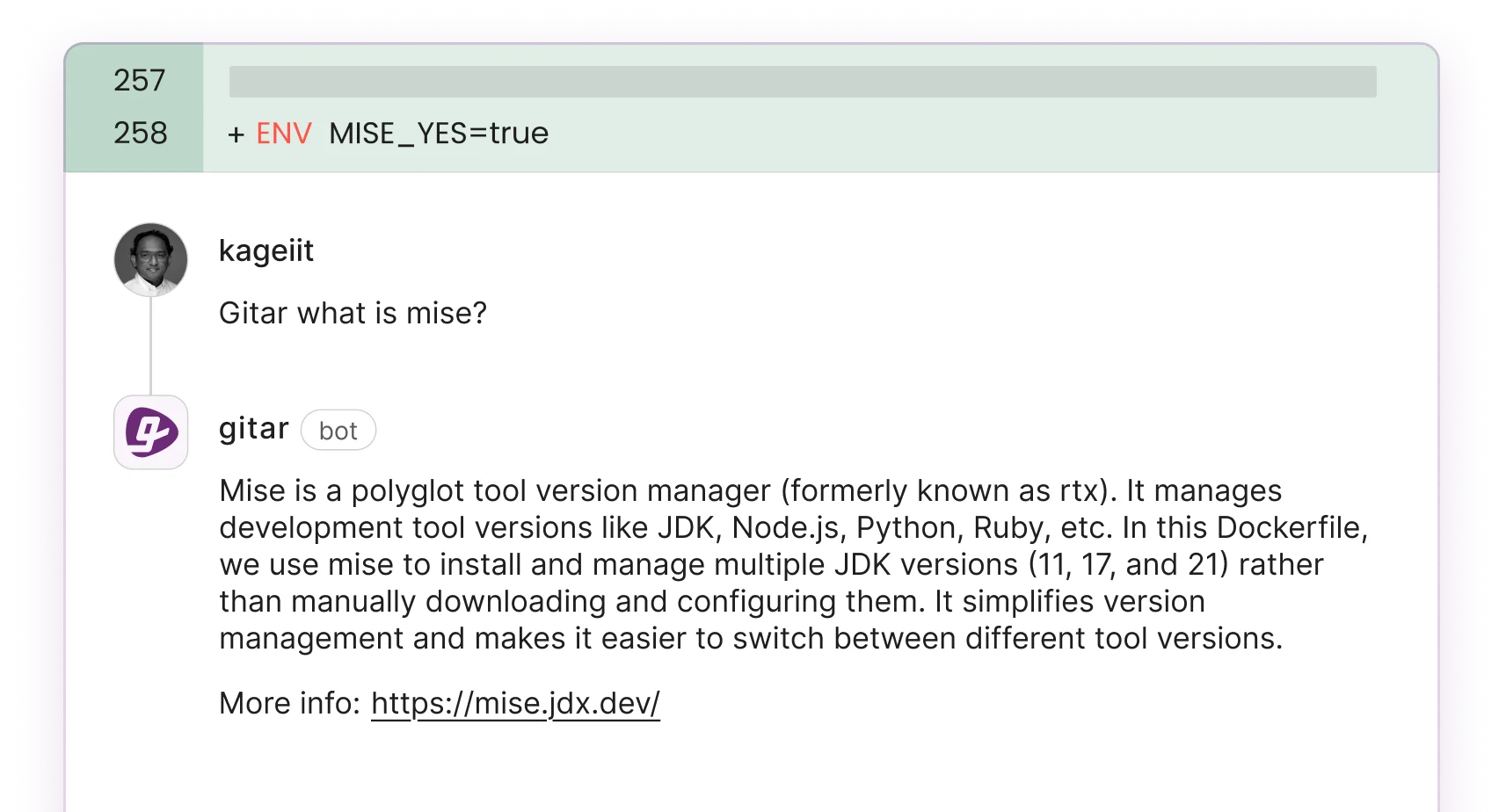
Local Model Setup for Quota-Free Coding
Install Ollama and run ollama run qwen3-coder-next for effectively unlimited usage. Qwen3-Coder-Next uses an 80B MoE architecture with 3B active parameters and needs at least 8 GB of RAM. Integrate with VS Code using the Continue.dev extension to get inline completions without any external API calls.
This setup shifts your main coding assistant onto your own hardware. Cloud tools then become backups instead of single points of failure.
Multi-Tool Orchestration Across Providers
Strong developers use Cursor for daily coding, Claude Code for complex debugging, and GPT-5.3 Codex for large refactors to spread usage across models. Cursor’s Composer-1 serves as a fallback when other tools hit rate limits, providing high output quality for targeted diffs.
This distribution strategy ensures you always have a backup. When one provider throttles you, another tool can take over without breaking your flow.
OpenRouter Free Models for Extra Capacity
OpenRouter provides free API access to 29 AI models, including Mistral’s Devstral 2 and Qwen3-Coder. Create an account without a credit card and append :free to model IDs in API calls. The free tier includes rate limits that still work well for most development workflows.
OpenRouter adds a flexible overflow option. When primary tools slow down, you can route extra requests through its free models instead of waiting for resets.
Unlimited generation solves the input problem, but it creates a new crisis downstream. When you can write code ten times faster, your review process becomes the chokepoint.
The Post-Generation Bottleneck with Gitar
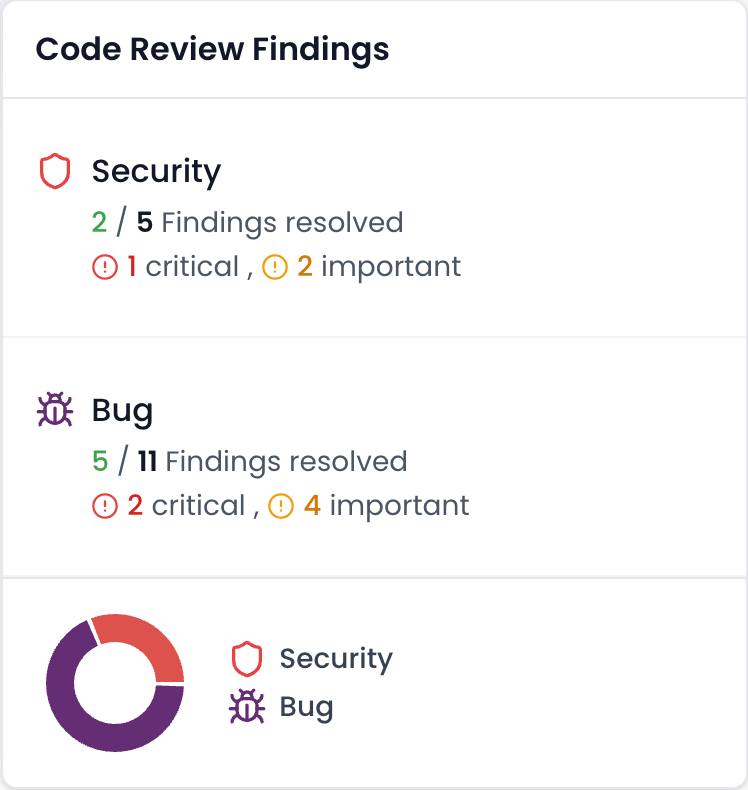
AI generation has already transformed coding speed, with 84% of developers adopting AI tools in 2025. That acceleration created a cascade: teams now receive 30 pull requests per day across 6 reviewers, causing the 91% review time spike mentioned earlier. Traditional code review tools only suggest fixes and leave developers to implement changes manually.
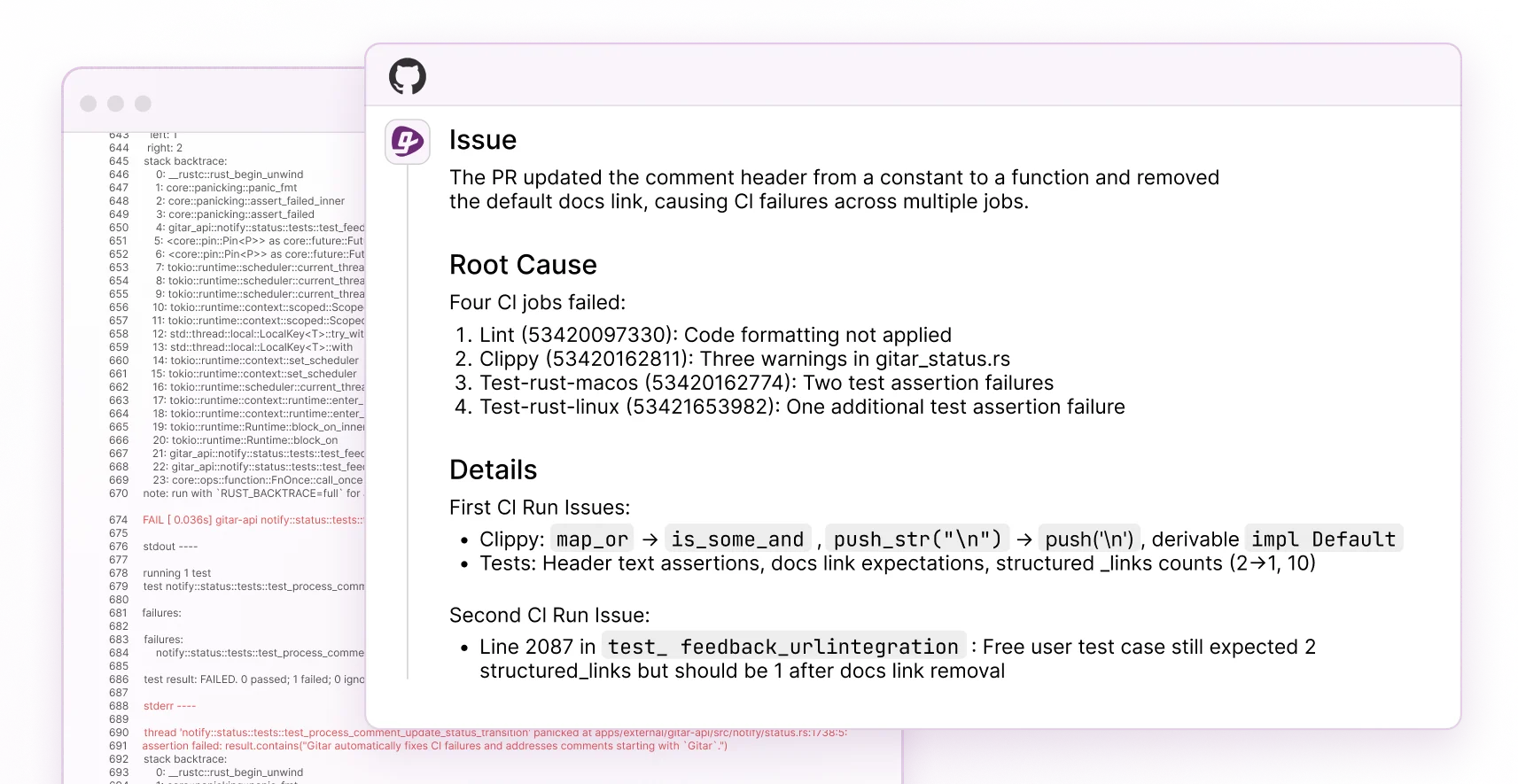
The gap between suggestion and execution is where productivity dies. The next table shows how Gitar closes that gap by handling the work other tools leave behind.
| Capability | Competitors | Gitar |
|---|---|---|
| Auto-fix CI failures | Suggestions only | Automatic resolution |
| Validate fixes | Hope-based | CI-tested guarantees |
| Review implementation | Manual work required | Autonomous execution |
Gitar’s Healing Engine analyzes CI failures, generates validated fixes, and commits working solutions. When reviewers leave feedback, Gitar applies the requested changes directly. This system replaces suggestion-only workflows with autonomous development that consistently delivers green builds.
Experience autonomous CI fixes with a 14-day Team Plan trial and test it across your real pipelines with no seat limits.
FAQ
What are the exact differences between Gemini Code Assist and GitHub Copilot free limits?
Gemini Code Assist provides model-specific daily quotas with up to 1M token context, while GitHub Copilot offers 2,000 monthly completions plus 50 premium requests. Gemini resets daily at midnight PT, while Copilot uses monthly cycles. Gemini excels at complex reasoning tasks, and Copilot focuses on inline suggestions and autocomplete.
How can developers bypass AI code generation limits effectively?
Developers can deploy local models like Qwen3-Coder-Next via Ollama for unlimited usage, orchestrate multiple tools to distribute load across providers, and use OpenRouter’s free tier for additional model access. Combining Codeium’s unlimited autocompletes with Gemini’s reasoning capabilities and local models for batch operations covers most coding scenarios without hitting hard limits.
Which free AI coding tools offer the best value in 2026?
Codeium leads with unlimited IDE autocompletes, followed by local models for zero ongoing costs. Gemini Code Assist delivers strong reasoning within daily limits, and GitHub Copilot offers reliable inline suggestions. Avoid tools that removed free tiers, such as Tabnine, or charge premium prices like Cursor without offering a trial period.
What are the risks of hitting AI code generation limits during development?
Rate limit exhaustion forces context switching between tools, breaks coding flow during critical project phases, and pushes teams toward paid tiers mid-development. Projects stall when quotas reset daily or monthly, especially during intensive coding sessions or tight deadlines.
How does Gitar complement free AI code generation tools?
Gitar solves the post-generation bottleneck by automatically fixing CI failures and implementing review feedback from any AI-generated code. While free tools accelerate code writing, Gitar ensures that increased output does not overwhelm review capacity. The 14-day Team Plan trial provides full access to auto-fix, custom rules, and all integrations with no seat limits during the trial.
Conclusion: Turn Unlimited Generation into Shipped Code
Free AI code generation limits restrict developer productivity, but smart tool combinations and local models give you practical ways around those caps. The real challenge now sits beyond generation, where teams must handle a flood of pull requests and a growing review backlog.
Start your free trial to connect unlimited generation with automated CI fixes and ship higher quality software while keeping your AI usage within free tiers.