
Last updated: February 3, 2026
Key Takeaways for AI Code Fixing in 2026
- AI coding tools increase coding speed 3–5x but extend PR review time by 91%, which can cost teams over $1M in lost productivity each year.
- Gitar leads as the top free AI code fixer, with unlimited code review, CI integration, and automated healing that restores green builds.
- Competitors like CodeGPT, Gemini, and CodeRabbit focus on suggestions only and do not provide true auto-commit or CI healing.
- Tools such as Aider and Semgrep offer some autofix features but lack full CI healing or require significant manual setup.
- Teams can start removing CI bottlenecks today by installing Gitar for free unlimited AI code review and automated fixes.
Gitar: Best Free AI Code Fixing Engine in 2026
#1 Gitar – Complete CI Healing for Broken Builds
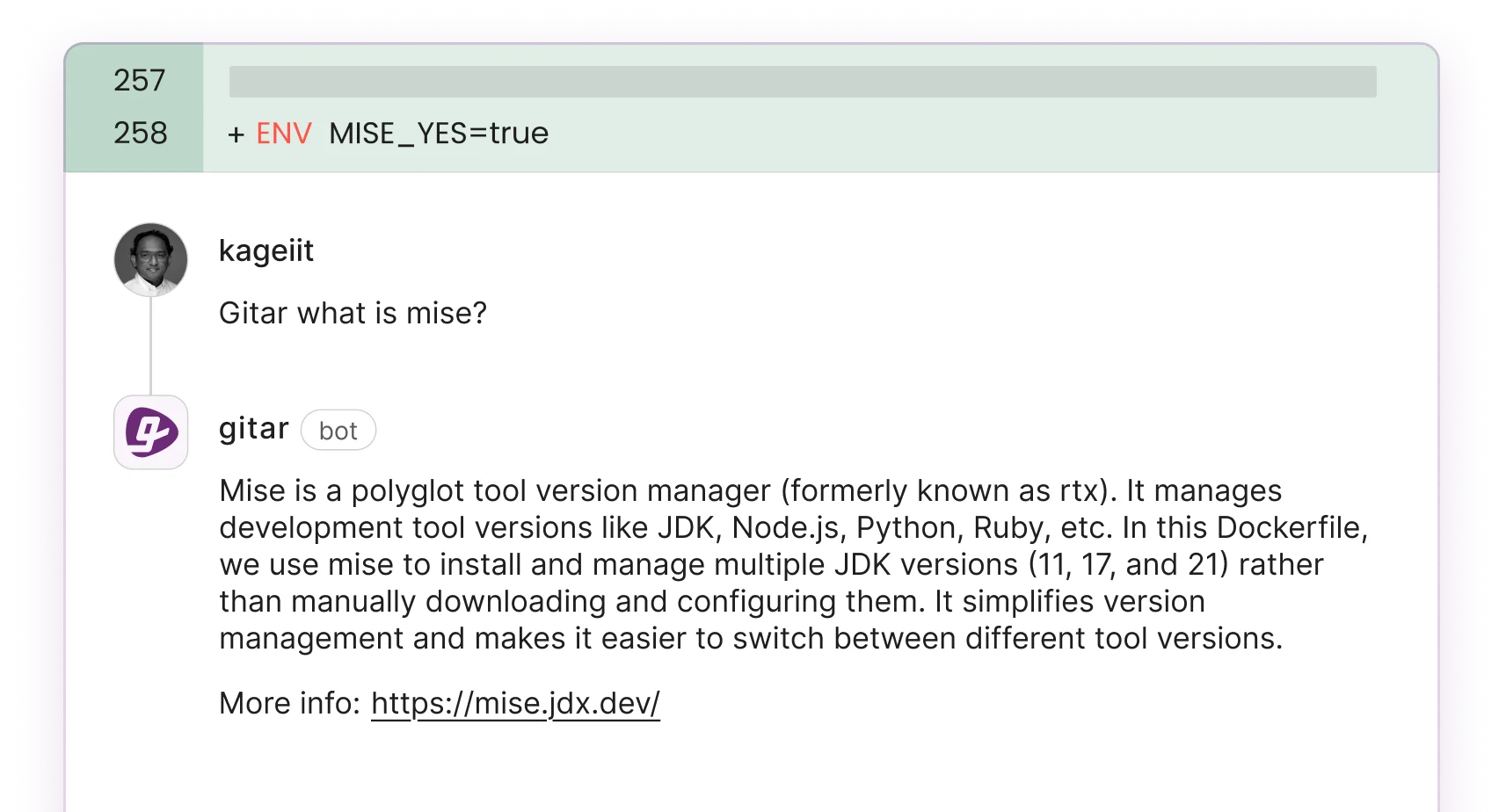
Gitar leads automated free AI code fixing by combining deep code review with autofix, without seat limits or credit card requirements. The platform acts as a healing engine that reads CI failures, generates validated fixes, and commits them automatically so pipelines return to green.
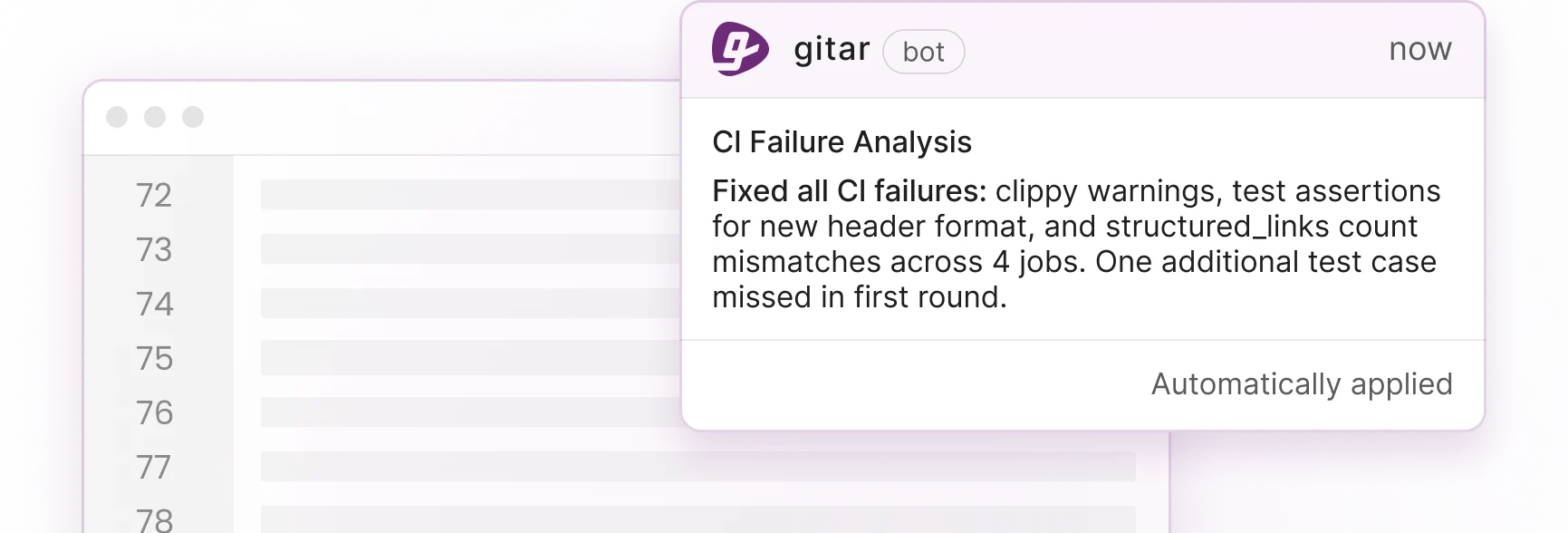
Setup finishes in under 30 seconds through GitHub or GitLab installation, then Gitar starts free unlimited code review across all repositories. When CI failures appear, such as lint errors, test failures, or build breaks, Gitar reads the logs, identifies root causes with full codebase context, proposes fixes, validates them in the CI environment, and commits the changes. Most fixes complete within minutes, often before developers react to the failure.
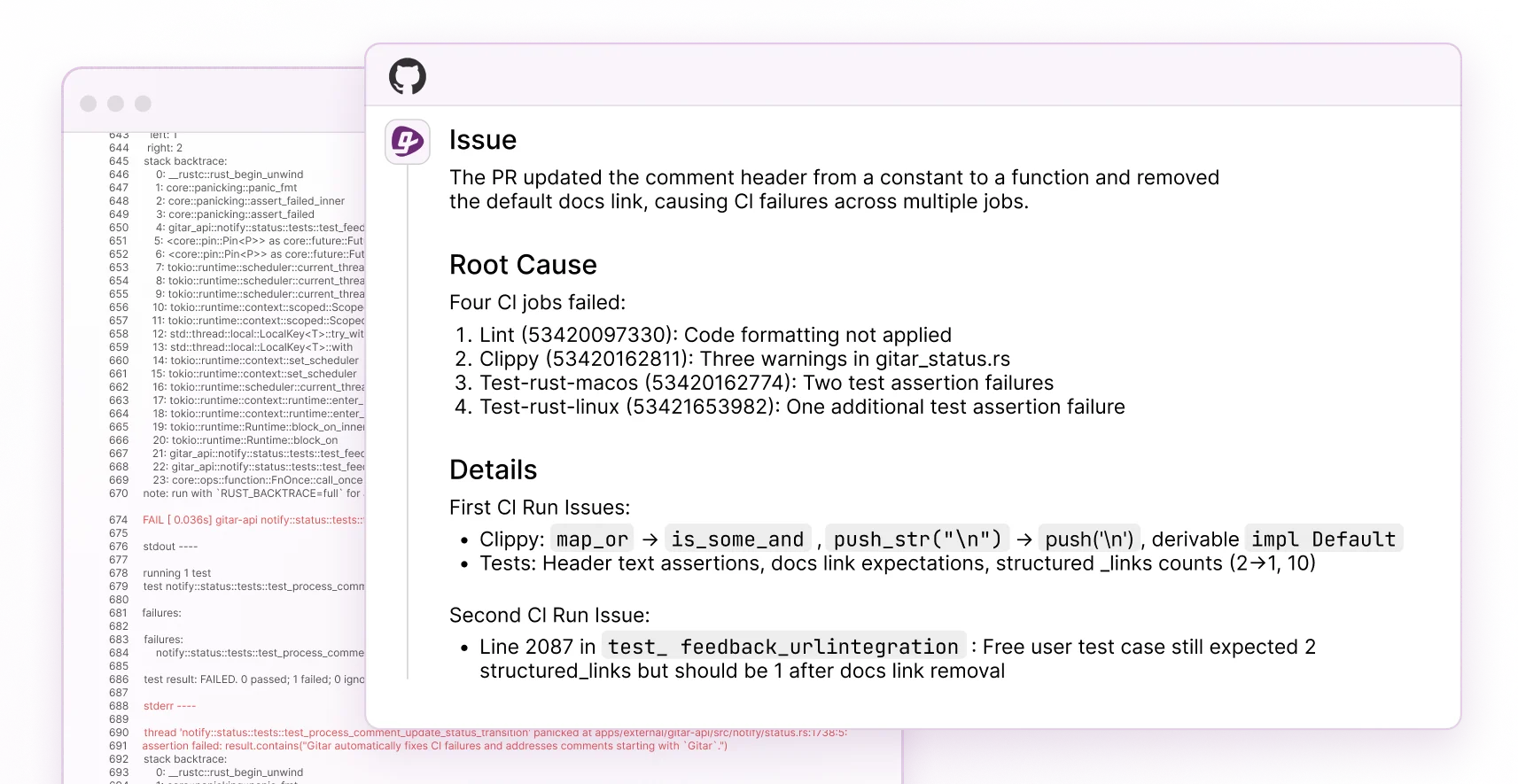
Teams see a single dashboard-style PR comment that summarizes all findings, which replaces scattered inline alerts. Hierarchical memory learns team patterns over time, and Jira and Slack integrations keep context connected across tools. Enterprise validation at Pinterest shows Gitar handling more than 50 million lines of code and thousands of daily PRs.
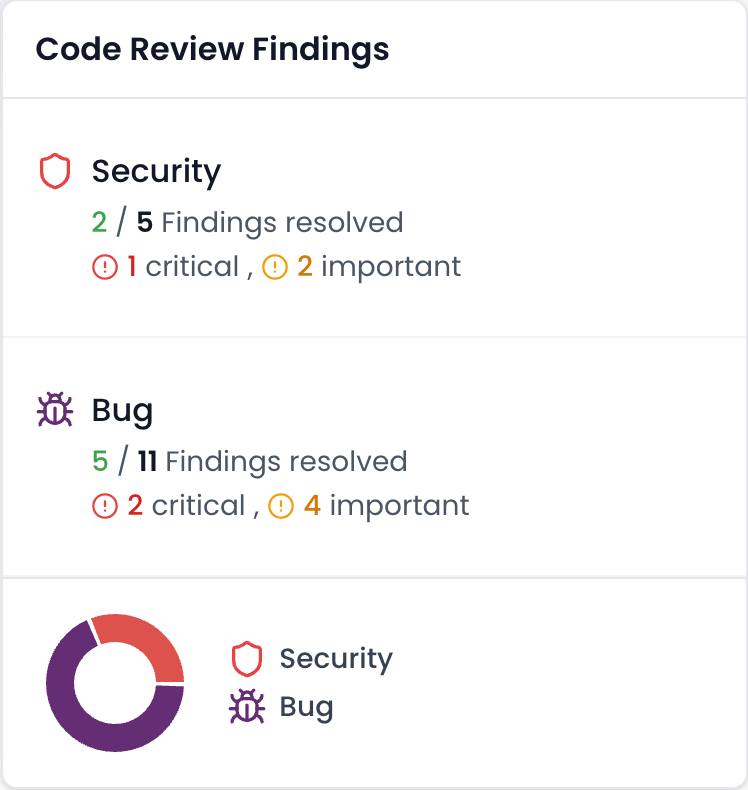
The free tier includes PR summaries, inline suggestions, security checks, and performance reviews with no repository limits. Autofix and auto-commit features run during a 14-day free trial, and teams can upgrade later for ongoing automated healing.
Install Gitar now to automatically fix broken builds with free AI code fixing. https://gitar.ai/
Free AI Code Review Tools That Also Help Fix Code
#2 CodeGPT Free Tier for IDE Assistance
CodeGPT offers low-cost AI help inside VS Code and JetBrains, with optional bring-your-own-key model support. The free tier provides 30 monthly interactions with free models for code suggestions and explanations, while BYOK can unlock higher usage. The tool works well for boilerplate generation and contextual explanations but does not support automated commits or CI workflows, so teams still apply fixes manually.
#3 Gemini Code Assist Free for Large Codebases
Google’s Gemini Code Assist uses an extended context window to analyze large codebases and return detailed suggestions and code generation. The 2 million token context window enables analysis of entire codebases across multi-file projects. Gemini supports suggestion mode and one-click application of generated fixes inside IDEs, but it does not provide full automated commit flows that CI healing requires. Tight integration with Google Cloud benefits teams already working in that ecosystem.
#4 Snyk Code Free Scans for Security Autofix
Snyk Code delivers AI-powered SAST with Agent Fix for autofix patches that are retested, which makes it one of the few free tools with some automated fixing. The product focuses on security vulnerabilities and returns validated patches for common security issues. The free tier limits tests per product and does not cover general CI failures such as lint or unit test errors, so it works best as a focused security solution.
#5 CodeRabbit Free Tier for PR Suggestions
CodeRabbit connects to GitHub, GitLab, and Bitbucket to provide line-by-line PR comments and summaries with contextual learning. The free tier supports light usage for small teams and can generate tests and documentation during reviews. Despite strong contextual understanding, CodeRabbit remains a suggestion engine, without automated commits or CI healing, so developers must implement every recommendation themselves.
GitHub Copilot Alternatives for CI Autofix
#6 Greptile Free Tier for Monorepo Context
Greptile builds a knowledge graph of the full repository for deep PR analysis, which suits large monorepos. The tool forms a detailed understanding of codebases and returns context-aware suggestions. Full features cost $30 per user each month, and the free tier remains limited. Greptile does not apply fixes automatically and operates only in advisory mode.
#7 Semgrep Free OSS for Rule-Based Autofix
Semgrep provides rule-based static analysis for security and quality with custom policies and offers free usage for open-source projects. The platform identifies vulnerabilities and quality issues through configurable rules and supports autofix through rule attributes. It integrates with IDEs, pre-commit hooks, and CI, but teams must configure rules and workflows to achieve automation, and it does not deliver full CI healing on its own.
#8 Aider Open-Source CLI with Auto-Commits
Aider is a free open-source CLI tool that proposes, applies, and commits patches through Git-tracked diffs, which makes it one of the few fully free tools with automated commits. The project is model-agnostic and supports tight review loops directly in the terminal. Aider requires manual setup and command-line familiarity, offers no web interface, and does not integrate with CI for automatic failure detection or healing.
#9 Sourcery Free for Refactoring Autofix
Sourcery provides a generous free tier with GitHub and GitLab integrations and contextual feedback autofix features. The tool focuses on refactoring and code quality improvements and can apply some suggestions automatically. The free tier includes GitHub usage limits, and Sourcery does not perform full CI failure analysis or automated healing.
#10 Aikido Free Trial for Security AutoFix
Aikido Security offers AI code review with developer-first design, instant feedback, and CI/CD integration with AutoFix for SAST and SCA. The platform delivers security-focused automated fixes in IDEs and CI pipelines. A free trial is available, but long-term access to full automated fixing requires paid plans, which limits ongoing free CI healing.
|
Tool |
Auto-Apply Fixes |
CI Integration |
Free Tier |
|
Gitar |
Yes (14-day trial) |
Full CI healing |
Unlimited review |
|
CodeGPT |
No |
No |
30 interactions/month |
|
Gemini Code Assist |
Limited auto-apply |
Limited |
Basic features |
|
Snyk Code |
Security only |
Yes |
Test limits |
|
CodeRabbit |
No |
PR comments |
Limited usage |
|
Greptile |
No |
PR analysis |
Very limited |
|
Semgrep |
Rule-based autofix |
Full (CI/IDE/etc.) |
OSS projects |
|
Aider |
Yes |
No |
Fully free |
|
Sourcery |
Limited |
Basic |
GitHub limits |
|
Aikido |
Security only |
Yes |
Trial only |
Gitar vs Competitors: Performance Benchmarks
Benchmarks show a wide gap between suggestion-only tools and automated healing platforms. Gitar supports enterprise environments such as Pinterest, with more than 50 million lines of code and thousands of PRs each day, while many competitors lack the CI awareness needed to create fixes that succeed in production. Gitar emulates full CI environments, including SDK versions, complex dependency graphs, and third-party integrations, so fixes pass validation before commit.
Install Gitar now to ship higher quality software, faster. https://gitar.ai/
ROI and Rollout Plan for Automated AI Code Fixing
Automated free AI code fixing delivers clear economic gains for engineering teams. A team of 20 developers that spends one hour each day on CI and review issues can lose more than $1 million in annual productivity. Paid suggestion tools such as CodeRabbit and Greptile add $450–900 per month in license costs while still relying on manual fix work.
|
Metric |
Before Automation |
After Gitar |
|
Daily CI/review time per developer |
1 hour |
15 minutes |
|
Annual productivity cost (20 devs) |
$1M |
$250K |
|
Tool cost |
$450-900/month |
$0 |
Teams typically follow three phases when adopting Gitar. First, they install the GitHub or GitLab app, which takes about 30 seconds. Next, they review and approve automated fixes to build trust. Finally, they enable auto-commit for specific fix types and move toward full automation while still keeping control.
Conclusion: Choosing the Right Free AI Code Fixer
The 2026 landscape separates suggestion engines from true healing platforms. Tools like Gemini Code Assist and CodeRabbit provide strong analysis, but only platforms with automated commits and CI integration remove the core bottleneck for AI-accelerated teams.
Gitar stands out by combining free, unlimited code review with optional automated fixing that restores green builds. Zero-cost entry, support for unlimited repositories, and enterprise-grade CI healing make Gitar a central tool for teams that want to remove manual fix loops and recover development velocity.
Install Gitar now and start using free AI code review that fixes, not just suggests. https://gitar.ai/
Frequently Asked Questions
What makes Gitar different from other free AI code fixing tools?
Gitar functions as a healing engine instead of a suggestion engine. Competitors such as CodeRabbit and Greptile provide analysis and recommendations that developers must implement manually, while Gitar analyzes CI failures, generates validated fixes, and commits them to restore green builds. The platform offers unlimited free code review across all repositories with no seat limits, and teams can access autofix features through a 14-day free trial. This approach removes manual fix loops that often consume 40–60% of developer time with suggestion-only tools.
How does automated CI healing work with free AI code fixing tools?
Automated CI healing depends on deep integration with CI environments so the tool can read failure contexts and propose accurate fixes. Gitar parses CI logs, identifies root causes with full codebase context, generates fixes, validates them inside the actual CI environment, and then commits the corrections. Suggestion-only tools lack this CI context and cannot guarantee that their advice will resolve build failures. Validation inside the real environment ensures that fixes work beyond isolated examples.
Are any free AI code fixing tools able to commit changes automatically?
Only a few tools combine free usage with automated commits. Aider is a notable open-source CLI that offers free automated commits through Git-tracked diffs but requires manual setup and does not integrate with CI or web interfaces. Other tools with autofix features, such as Snyk Code and Aikido, limit their free tiers or focus only on security. Gitar delivers the broadest free option, with unlimited code review and a 14-day autofix trial, which makes it the most accessible choice for teams that want automated CI healing without upfront spend.
How do free AI code review tools compare to paid options in 2026?
The gap between free and paid AI code review tools has narrowed in analysis quality. Free tools such as Gemini Code Assist and CodeGPT now provide strong code understanding and suggestions. The main difference lies in automation and CI integration. Paid tools like CodeRabbit, which costs $15–30 per developer each month, still focus on suggestions, while Gitar offers free code review that rivals or exceeds many paid tools and adds a 14-day autofix trial. Modern free tools win by shrinking the gap between suggestion and implementation.
What should teams evaluate when selecting automated free AI code fixing tools?
Teams should favor tools that provide real automation, including auto-commit support and CI integration. Total cost of ownership matters, since free suggestion tools that require manual work can cost more than automated platforms when developer time is included. Teams should confirm that the tool understands their CI environment, including SDK versions, dependency management, and third-party services, and that it validates fixes before commit. Setup effort also plays a role, because tools like Gitar provide value quickly with minimal configuration, while others demand deeper technical setup.