
Development teams often struggle with manual processes that slow down delivery and disrupt collaboration. Engineers spend countless hours fixing failing CI pipelines and addressing code review feedback, pulling focus away from creative work. This constant interruption affects individual productivity and delays releases, costing organizations time and money.
AI-powered automation offers a way to overcome these challenges. By handling CI fixes and resolving code review issues autonomously, tools like Gitar help teams stay focused, speed up delivery, and prioritize impactful work. This article explains how such solutions improve workflows, making development smoother and teamwork more effective.
Why Manual CI and Code Reviews Slow Down Teams
Context Switching Harms Productivity and Focus
Constant interruptions from CI failures and feedback disrupt developers’ focus. After submitting a pull request, engineers often start a new task, only to be pulled back to fix an issue. This cycle breaks concentration and hinders deep, meaningful work.
Even a quick 30-minute fix can cost more time when you account for regaining focus and setting up environments. For a team of 20 developers losing one hour daily to these interruptions, the annual productivity loss can reach significant levels, often overlooked by organizations.
The mental toll adds up too. Frequent disruptions cause stress and frustration, leading to burnout. When developers are stuck resolving minor issues, teamwork shifts from innovation to reaction, reducing morale and willingness to tackle complex projects.
Install Gitar to fix broken builds automatically and ship quality software faster.
Communication Gaps Create Collaboration Challenges
Manual code reviews often lead to delays due to inconsistent standards and reviewer availability, especially in distributed teams. These processes struggle with varying feedback and prolonged cycles across time zones.
Different reviewers prioritize different aspects, like style or performance, which confuses developers trying to learn consistent practices. Junior team members, in particular, find it hard to grow without clear guidance during reviews.
Communication issues worsen when feedback is unclear or subjective. Teams waste time debating minor details instead of focusing on critical design or strategy discussions. This misfocus limits the value of reviews for skill-building and knowledge sharing.
Manual Fixes Waste Time on Routine Tasks
Developers spend too much effort on repetitive tasks like resolving linting errors, updating test snapshots, or fixing dependencies. These issues, while common, require manual attention each time they occur.
This work distracts from high-value activities. Senior developers fixing small bugs or formatting issues aren’t mentoring others or designing systems. The lost opportunity impacts team growth and learning, not just individual output.
With tools like GitHub Copilot generating more code, the volume of pull requests and CI runs grows. Teams can create changes faster than they integrate them, leading to backlogs and extra coordination efforts.
How AI Automation Improves Teamwork and Workflows
AI Action Over Suggestions Saves Time
AI changes how teams handle development hurdles, but not all tools offer the same benefits. Some only suggest fixes, still requiring manual effort. AI-driven tools ensure consistent standards and quick feedback, cutting down review time.
Basic AI tools provide recommendations that developers must review and apply. While helpful, this approach doesn’t fully solve the problem of context switching, as engineers still pause their work to handle routine fixes.
True value comes from AI that acts independently. By automatically implementing solutions, these systems remove interruptions, allowing teams to stay focused on collaborative and creative tasks.
Healing Systems Enable Smooth Development
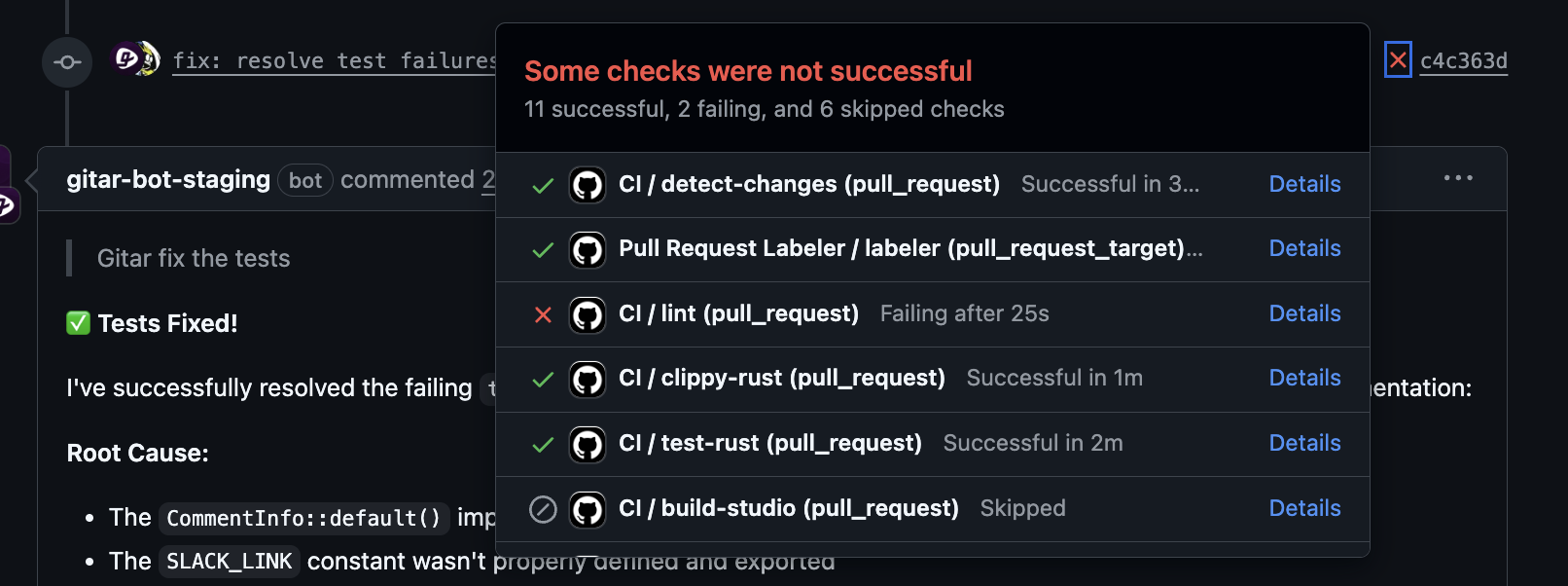
AI that “heals” issues goes beyond suggestions by resolving problems and validating fixes in full CI environments. Developers receive ready-to-merge pull requests without needing to step in manually.
This trust in automation lets teams concentrate on design and strategy rather than maintenance. Collaboration becomes more effective when routine tasks are handled without human input.
Distributed teams gain extra benefits. Fixes happen anytime, even across time zones, so developers return to completed solutions. This constant availability turns geographic spread into a strength for teamwork.
Meet Gitar: Your AI Tool for Better Collaboration
Gitar stands out as an AI solution that tackles collaboration issues head-on. Unlike tools that only detect problems, Gitar acts on them, keeping workflows smooth and reducing manual effort.

Here’s how Gitar supports teams with key features:
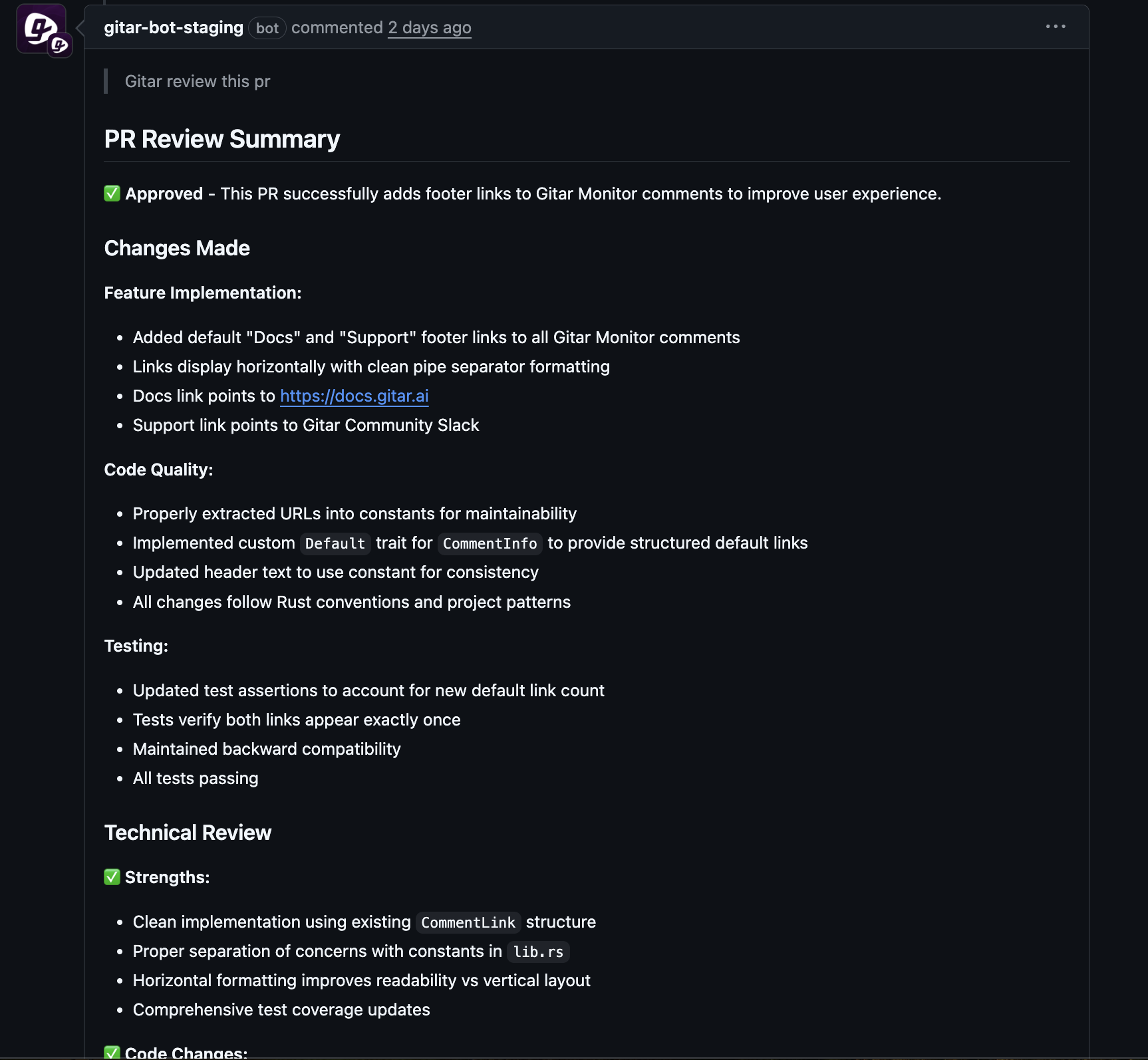
- Autonomous CI Healing: Detects and fixes failing builds, like linting or test errors, then commits solutions. Developers stay focused on their main tasks.
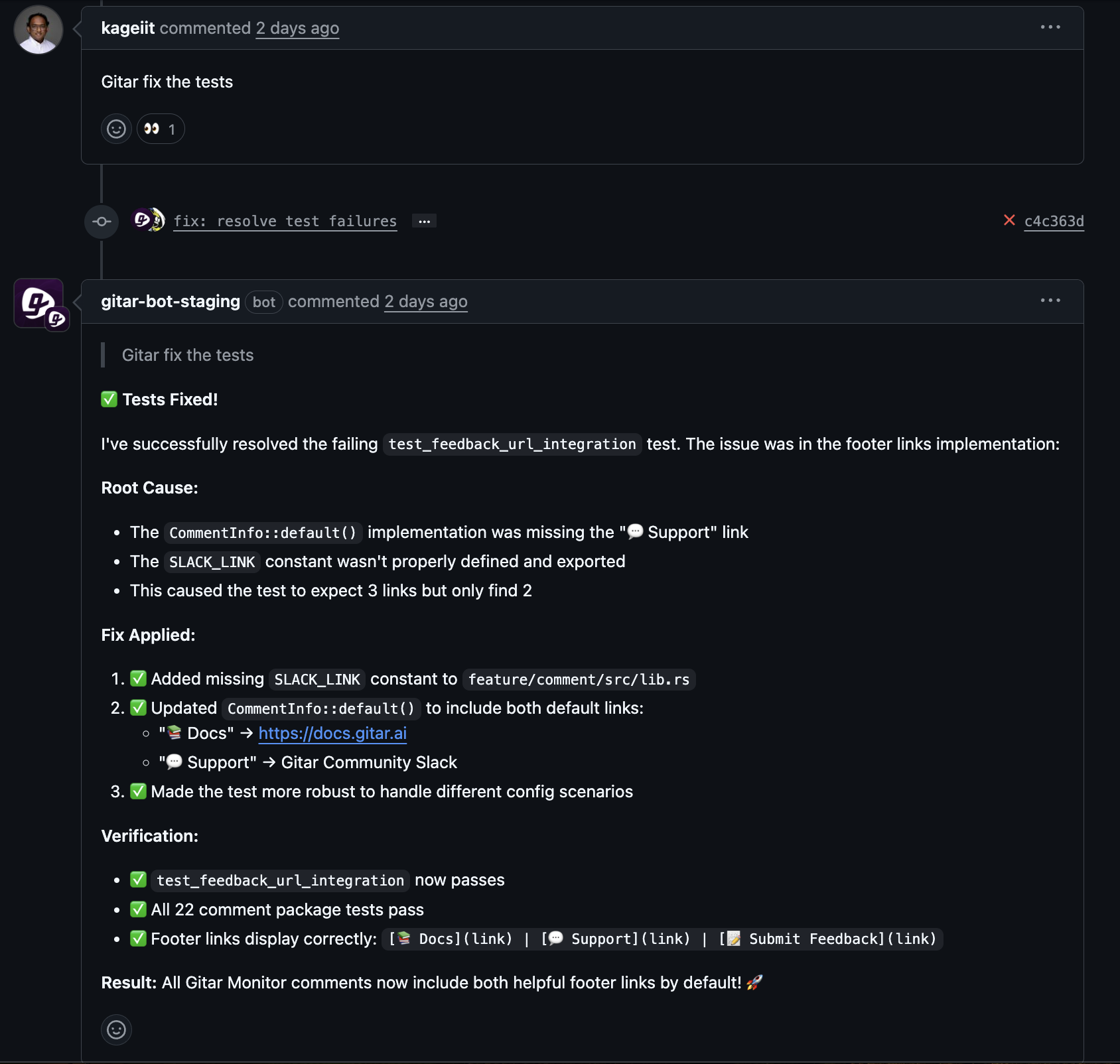
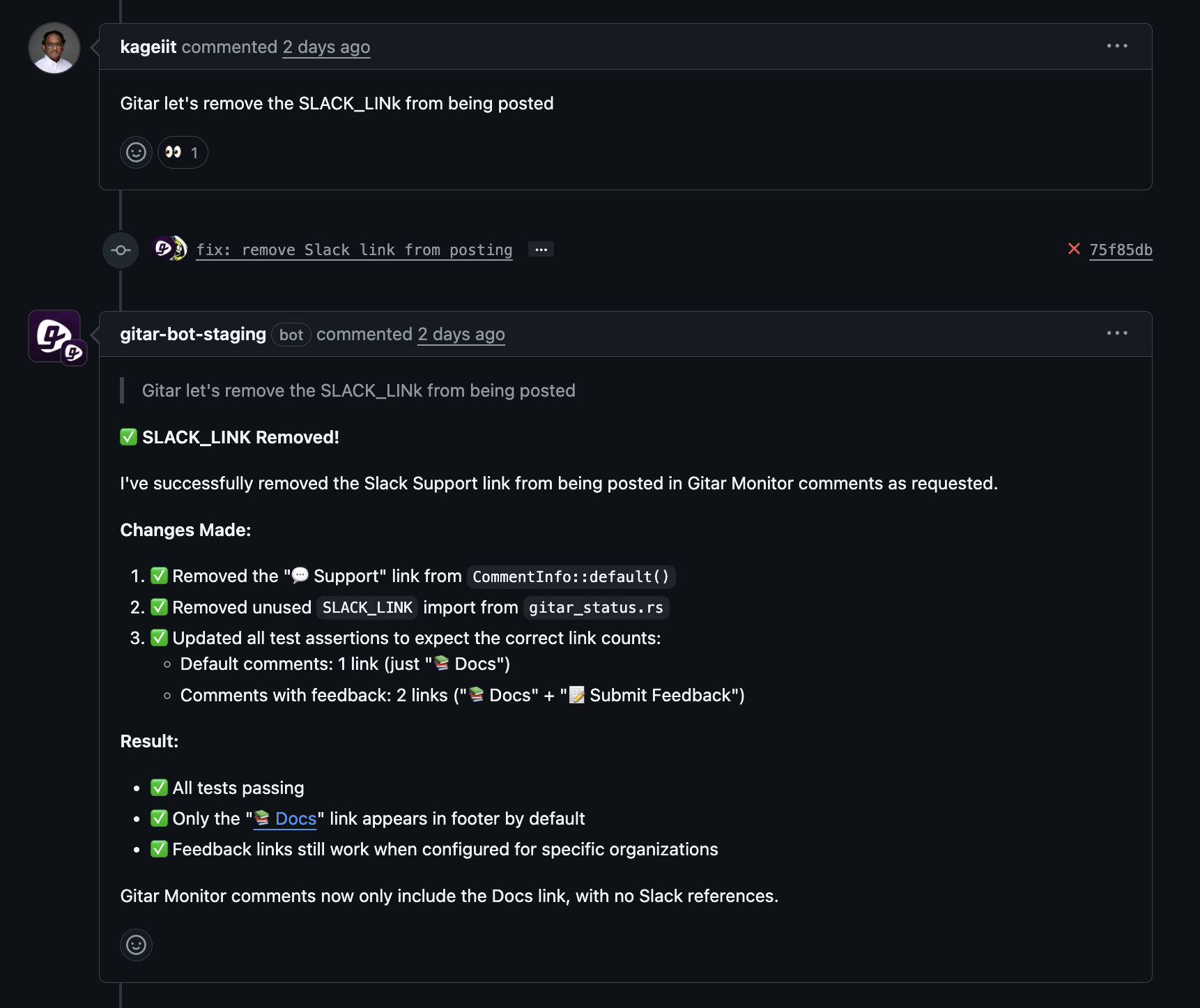
- Intelligent Feedback Resolution: Turns reviewer comments into action. A simple instruction, like removing a feature, prompts Gitar to update the code and explain the change.
- Full Environment Replication: Matches complex CI setups, including SDK versions and integrations like SonarQube, for reliable fixes.
- Configurable Trust Model: Offers modes from manual approval to full automation, balancing oversight with efficiency as teams build trust.
- Cross-Platform Support: Works with GitHub Actions, GitLab CI, CircleCI, and others, fitting into any toolchain for consistent results.
Install Gitar now to streamline your team’s development process.
Key Ways Gitar Boosts Team Productivity
End Context Switching for Better Focus
Switching tasks costs productivity and mental energy. Gitar stops this by automatically handling fixes, so developers don’t lose focus on their core work.
Maintaining focus matters most in complex projects. When CI issues resolve without input, teams dive deeper into design and problem-solving. This uninterrupted state fosters innovation and builds shared knowledge.
Team discussions also improve. Without distractions from pending fixes, developers engage fully in planning and reviews, strengthening collaboration.
Speed Up Code Reviews for Valuable Feedback
Code reviews often get bogged down by small issues like style or formatting. Gitar automates these fixes, so reviewers can focus on design, logic, and learning opportunities.
This shift elevates reviews to meaningful exchanges about strategy and patterns. Faster cycles reduce conflicts, build confidence, and keep projects moving forward.
|
Feature |
Gitar (Autonomous AI) |
Manual Fixes |
AI Suggestion Tools |
|
Fixes CI Failures |
Automatically applies and validates |
Manual effort required |
Suggests, needs manual action |
|
Resolves Feedback |
Implements changes directly |
Developer must act |
Offers ideas, no action |
|
Context Switching |
Almost eliminated |
Frequent interruptions |
Still occurs |
|
Collaboration Flow |
Smooth and steady |
Fragmented |
Partially disrupted |
Ensure Consistent Quality Across Teams
Maintaining consistent code standards is tough, especially for distributed teams. Gitar applies the same rules to every change, no matter who wrote it or when it was submitted.
This uniformity creates predictability. Developers focus on learning core principles rather than varying styles. New team members onboard faster with less guidance needed from seniors.
For global teams, Gitar works around the clock, upholding quality without waiting for reviewers. This keeps development pace steady across regions.
Speed Delivery by Clearing Obstacles
CI failures and feedback delays slow down feature delivery and market readiness. Gitar clears these routine blockers automatically, keeping projects on track.
Over time, teams spend less effort on maintenance and more on building value. This focus on innovation cuts time-to-market for new features and boosts team confidence.
Bridge Time Zone Gaps in Distributed Teams
Global teams struggle with delays from asynchronous communication. A simple code review can take days when team members are in different time zones.
Gitar solves this by acting instantly on feedback or issues, no matter the hour. Developers return to resolved pull requests, cutting out wait times for routine fixes.
This efficiency helps maintain project speed without forcing overlap hours. Teams leverage global talent better while keeping collaboration strong.
Install Gitar to remove time zone delays from your workflow.
Common Questions About AI in Collaborative Development
How Does Gitar Stand Out Among AI Review Tools?
Many AI tools suggest fixes that still need manual effort. Gitar goes further by resolving issues independently, validating them in your CI setup, and ensuring tests pass. This cuts out extra steps, reducing interruptions and supporting seamless teamwork.
Can Gitar Work with Complex CI/CD Systems?
Yes, Gitar handles intricate enterprise CI environments. It supports platforms like GitHub Actions, GitLab CI, and CircleCI, matching specific SDKs, multi-platform builds, and security tools like SonarQube, ensuring it fits your setup.
How Does Gitar Build Trust for Automated Fixes?
Gitar offers a flexible trust model. Teams can start with a mode requiring approval for fixes, then shift to full automation as confidence grows. Rollback options and clear explanations of changes keep oversight in place.
Does Gitar Reduce Human Interaction in Reviews?
No, Gitar improves it by handling repetitive tasks. Reviewers then focus on design and strategy, where human insight matters most. This makes reviews a better space for learning and meaningful discussion.
How Does Gitar Manage Security in Enterprises?
Gitar follows strict security standards and aligns with governance needs. It integrates with tools like SonarQube within your pipeline, logs all changes for audits, and offers on-premise options to keep data secure.
Conclusion: Boost Teamwork with Gitar
Manual CI fixes and disjointed reviews hinder effective teamwork and fast delivery. These interruptions break focus, delay features, and weaken competitive edge.
Gitar addresses these issues with autonomous AI, clearing CI failures and feedback hurdles. Teams can then prioritize design and innovation, strengthening collaboration while speeding up releases.
The impact goes beyond personal gains, improving consistency and distributed team dynamics. With routine tasks automated, energy shifts to creative challenges, leading to quicker cycles and stronger bonds.
Install Gitar today to enhance collaboration and speed up your development process.