
Key Takeaways
- Flaky tests undermine CI/CD reliability, slow delivery, and create avoidable financial and operational risk.
- Detection tools and best practices help highlight unstable tests, but they rarely reduce the manual work of debugging and fixing.
- AI-driven, autonomous fixing in CI pipelines turns flaky tests and other failures into routine, automated maintenance work instead of developer emergencies.
- Teams see the strongest impact when they combine sound testing hygiene with specialized AI agents that integrate into existing CI/CD workflows.
- Gitar provides autonomous CI failure fixing, including some flaky tests, so teams can reduce CI toil and focus on shipping features faster. Install Gitar to start reducing CI failures.
Understanding the Strategic Imperative: The True Cost of Flaky Tests in DevOps
Flaky Tests as a Business Bottleneck
Flaky tests weaken trust in CI/CD, cause intermittent failures, and push developers to rerun or disable tests instead of improving them. This behavior leads to developer productivity loss, delayed releases, and lower confidence in automation, with up to 35% productivity impact reported by Microsoft.
Teams that normalize unreliable builds often begin to ignore failures or bypass quality gates. This pattern creates compounding technical debt and turns test suites into noise. The time that should uncover real defects shifts toward chasing false alarms, raising the likelihood of shipping issues that tests should have caught.
Why Flakiness Is Now a First-Class Metric
Flaky Test Rate has become a core engineering performance metric, sitting alongside lead time and failure rate. It reflects how much teams can rely on automated tests to make shipping decisions.
Even modest flakiness carries a large financial impact. A 20-developer team losing one hour per engineer per day to unreliable tests can burn close to $1M per year in wasted time and delay. That estimate grows when teams factor in missed opportunities and lower morale.
The Current Landscape of DevOps Tools for Unstable Tests: Detection vs. Resolution
Where Traditional Detection and Analysis Tools Help
Many tools track test history, highlight execution-time variance, surface suspected flaky tests, and produce dashboards of unstable areas. These capabilities help teams see trends, identify hotspots, and choose where to invest in stabilization work.
Most of these tools stop at identification. Developers still read logs, reproduce failures, craft fixes, and push changes. This model increases alert volume without reducing hands-on remediation, which leads to alert fatigue and more context switching.
Prevention Practices That Reduce New Flakiness
Teams typically address root causes such as resource contention, time-based assumptions, shared state between tests, race conditions, and non-deterministic functions. Clear test isolation and stable fixtures reduce many new flaky cases.
Flaky tests with non-deterministic outcomes differ from brittle tests that break on minor UI or implementation changes. Prevention practices limit new issues, but do not clear the existing backlog of flaky tests that continue to slow every release cycle.
The Shift-Right Bottleneck and Need for Autonomous Help
Modern teams generate far more code and pull requests with tools such as GitHub Copilot. More changes mean more tests, more CI runs, and more failures to triage. The primary constraint has moved from writing code to validating and merging it safely.
Manual investigation that once felt manageable now becomes a bottleneck. Teams need solutions that not only flag issues but also fix them at the speed of AI-accelerated development.
Autonomous AI: The Next Evolution in Flaky Test Management with Gitar
How Gitar Bridges the Gap from Detection to Resolution
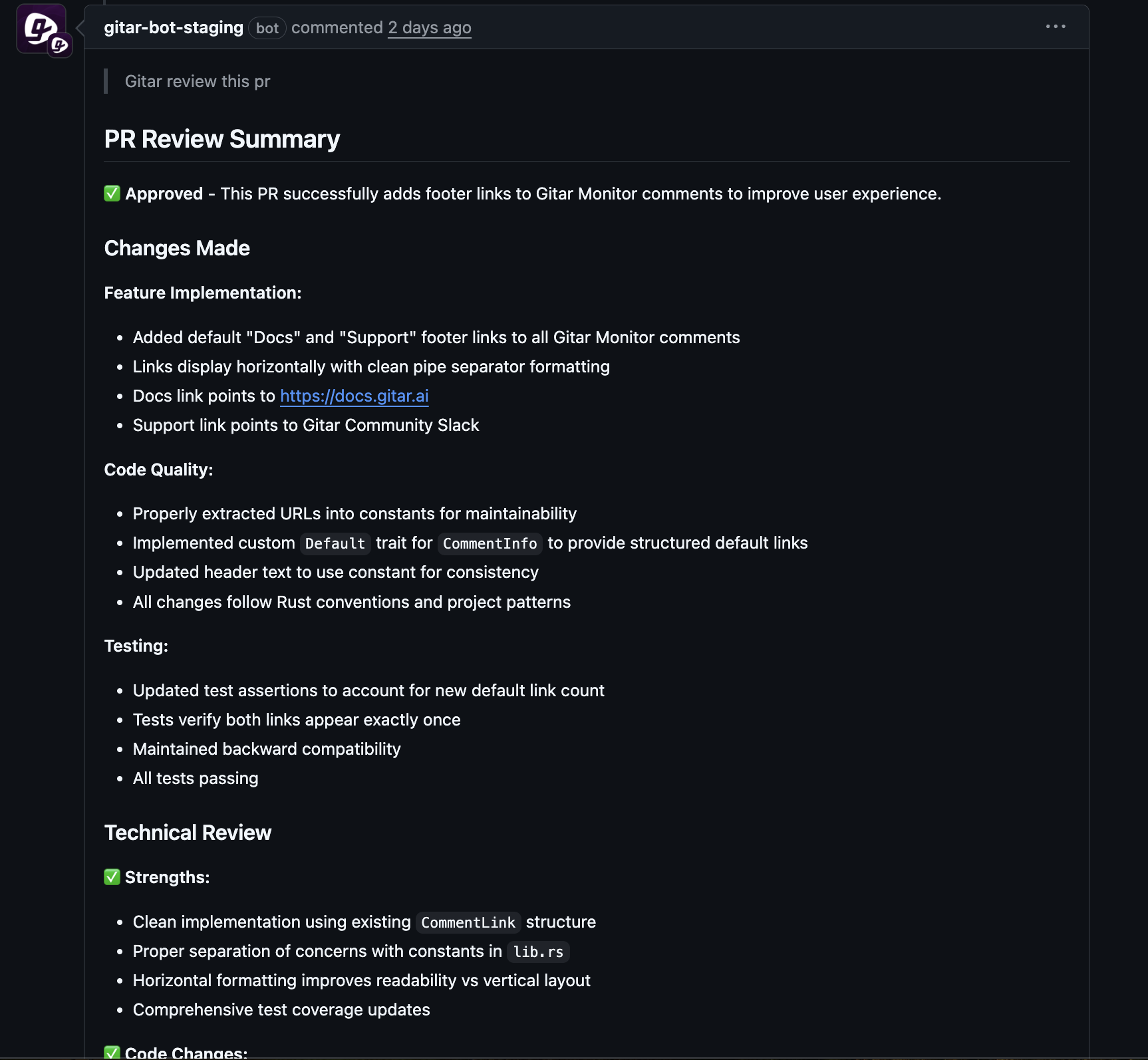
Gitar acts as an autonomous CI agent that analyzes failing pipelines, generates code fixes, and updates pull or merge requests. It turns parts of CI maintenance into a background task instead of a developer interruption.
Gitar does not only suggest changes. It can generate the fix, apply it, and commit directly to the branch when teams enable that mode. This behavior reduces the manual effort tied to many CI failures, including select flaky and brittle tests that have clear, automatable fixes.
Install Gitar to reduce manual CI debugging and keep developers focused on feature work.
Key Capabilities that Support Flaky Test Workflows
- End-to-end fixing: Gitar reads CI logs, locates the failure, proposes a code change, applies it, and commits the fix to the branch when configured to do so. It works with issues such as lint errors, straightforward test failures, and build or dependency problems.
- Environment awareness: Gitar replicates complex enterprise build environments, including multi-SDK builds, fixed runtime versions, and tools such as SonarQube or Snyk, so fixes align with real pipeline conditions.
- Configurable trust model: Teams can start in a review-first mode, where Gitar posts suggested changes for developers to approve, then gradually move to auto-commit with rollback controls after confidence grows.
- Cross-platform integration: Gitar supports major CI systems such as GitHub Actions, GitLab CI, CircleCI, and BuildKite, which lets teams adopt autonomous fixing without replacing existing pipelines.
Strategic Considerations for Implementing Autonomous Flaky Test Solutions
Build vs. Buy for CI-Fixing Agents
Creating an in-house autonomous CI fixer means owning integrations, prompt design, security, context management, and runtime infrastructure. It also requires ongoing tuning as codebases, dependencies, and CI providers change.
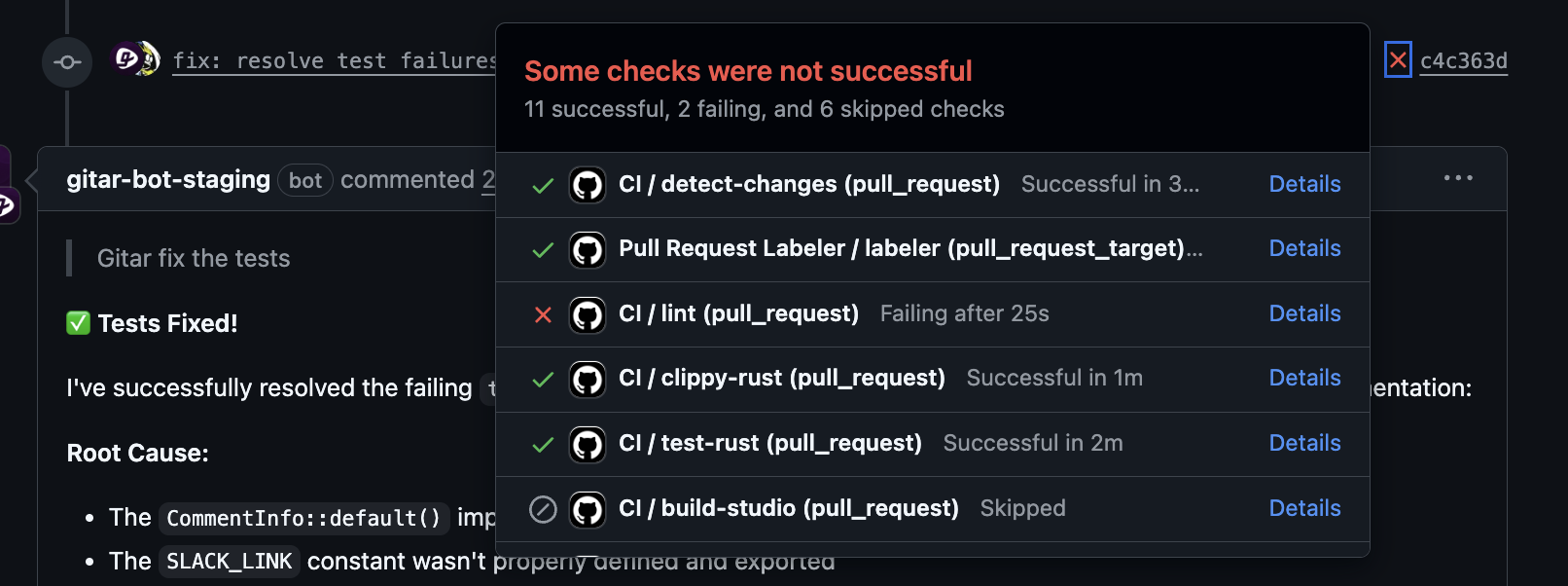
Agentic AI-driven quality engineering in 2026 favors purpose-built platforms that already solve these problems. Gitar offers a specialized agent and orchestration layer focused on CI workflows, which shortens time to value compared with building from scratch.
Assessing Organizational Readiness
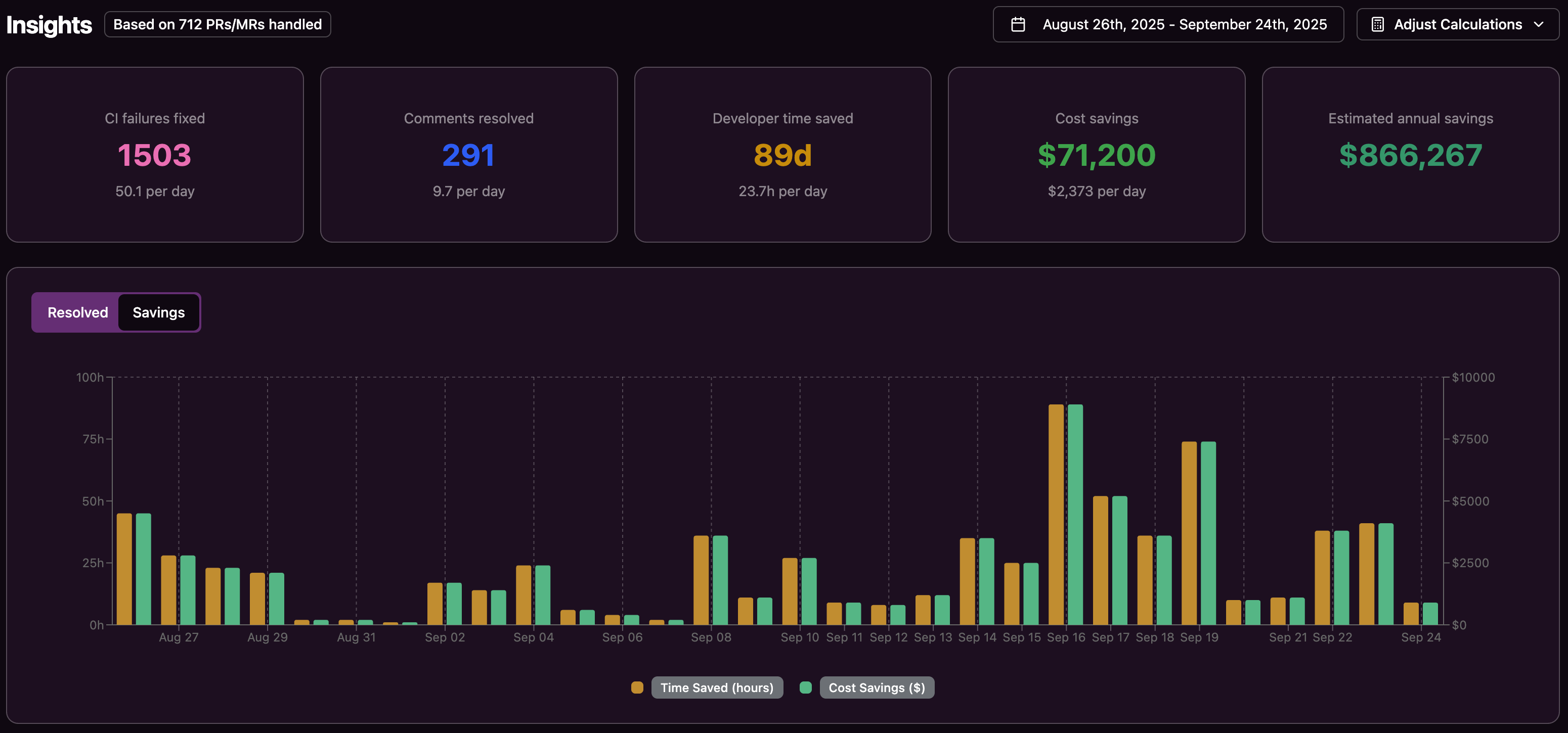
Successful adoption starts with understanding how often flaky tests and other CI failures block delivery and how much developer time they consume. Teams also benefit from aligning engineering, DevOps, and leadership around target outcomes such as reduced failure rate or faster time-to-merge.
Many organizations follow a phased rollout: start with conservative suggestion mode on a subset of repositories, measure fix quality and time savings, then expand scope and enable more autonomous behavior over time.
Impact on Developer Experience and Velocity
Developers gain time and focus when fewer failures require manual triage. Automated resolution also reduces context switching between deep work and urgent CI fixes, which helps teams sustain higher throughput.
Better CI reliability supports faster releases, clearer quality signals, and less frustration. These factors contribute to stronger retention and open more capacity for strategic work instead of maintenance.
Comparison: Gitar vs. Traditional and AI-Assisted Approaches
|
Feature / Tool Type |
Manual work |
AI code reviewers |
Gitar autonomous engine |
|
Flaky test resolution |
Manual investigation and fix |
Suggested changes |
Automated detection, fix, and validation |
|
Context switching |
High |
Moderate |
Low |
|
Validation effort |
Repeated manual CI runs |
Some automated checks |
CI reruns in a replicated environment |
|
Trust model |
Human review only |
Human-in-the-loop |
Configurable from suggest to auto-commit |
|
Environment awareness |
High but slow to apply |
Basic pipeline context |
Detailed environment replication |
|
Developer burden |
High |
Moderate |
Minimal for supported failures |
|
Cost efficiency |
High use of developer time |
Improved vs. manual |
Lower ongoing CI maintenance cost |
|
Platform flexibility |
N/A |
Varies by tool |
Supports major Git and CI providers |
Install Gitar to compare autonomous CI fixing against your current workflow.
Strategic Pitfalls for DevOps Teams Facing Unstable Tests
Relying Only on Detection
Investing in dashboards and reports without adding resolution capacity leads to more data but similar amounts of manual work. Teams still need to read logs, reproduce failures, and patch tests by hand.
Strong fundamentals in testing hygiene remain essential, yet they benefit from automation that can act on failures rather than only surfacing them.
Overlooking Hidden Productivity Costs
Simple time tracking often misses the cost of context switching, morale impact, and delayed delivery. Flaky tests can also mask true regressions when engineers dismiss failures as noise.
Compounded impact from false alarms and missed real defects makes flaky-test reduction a clear investment case, not just a quality improvement exercise.
Using Retries as a Long-Term Fix
Retriggered tests help in the short term but can hide underlying problems and increase CI resource usage. When retries lack clear limits or context awareness, pipelines become slower and less trustworthy.
Bounded and informed retries can play a role, but root-cause fixes or autonomous remediation provide a more durable way to stabilize pipelines.
Frequently Asked Questions About AI for Unstable Tests and CI Failures
How can AI resolve CI failures without constant human input?
Gitar analyzes CI logs, identifies likely root causes, proposes code changes, and validates them through new CI runs. When configured for auto-commit, it then pushes the fix to the pull request branch. Developers stay in control through reviews, policies, and optional approval steps.
How does Gitar work in complex, customized CI/CD environments?
Gitar integrates with major CI providers and supports multi-language, multi-SDK, and tool-rich pipelines. It accounts for organization-specific runtimes and security or quality tools such as SonarQube or Snyk so that generated fixes fit actual build conditions.
How do teams manage trust in AI-generated code changes?
Teams typically begin with a conservative mode where Gitar only suggests diffs for developers to review. After measuring accuracy and value, they can enable more autonomy for well-understood failure types while keeping rollback and policy controls in place.
Conclusion: Moving Toward Self-Healing CI in 2026
Flaky tests and recurring CI failures no longer need to be accepted as routine overhead. Autonomous tools such as Gitar let teams shift from reactive debugging toward proactive, self-healing pipelines that protect developer time and support faster, safer releases.
Organizations that pair sound testing practices with autonomous CI fixing gain clearer quality signals, more predictable delivery, and a better developer experience.
Install Gitar to start reducing flaky-test impact and CI failure toil in your pipelines.