
Key Takeaways
- Protected deep work time increases perceived productivity by about 50 percent and supports more consistent delivery of features and fixes.
- Flow state often multiplies developer output two to five times, yet it remains fragile and easy to break with CI failures and review churn.
- Simple practices such as calendar blocking, clear team norms, and focused environments reduce interruptions and context switching.
- Self-healing CI and automation around code review help keep builds green and feedback moving without pulling developers out of focus.
- Teams can reduce CI and review toil by using Gitar to fix failures and apply review comments automatically, which protects dedicated coding time and improves throughput. See how Gitar fits into your workflow.
Why Uninterrupted Coding Time is Business-Critical: The Unseen Tax on Productivity
Flow state drives meaningful gains in engineering output and quality. Developers with significant time set aside for deep work report feeling 50 percent more productive than peers without that protection. Teams that reach flow regularly see two to five times more productive work, with some reporting about 3.4 times higher output under strong conditions.
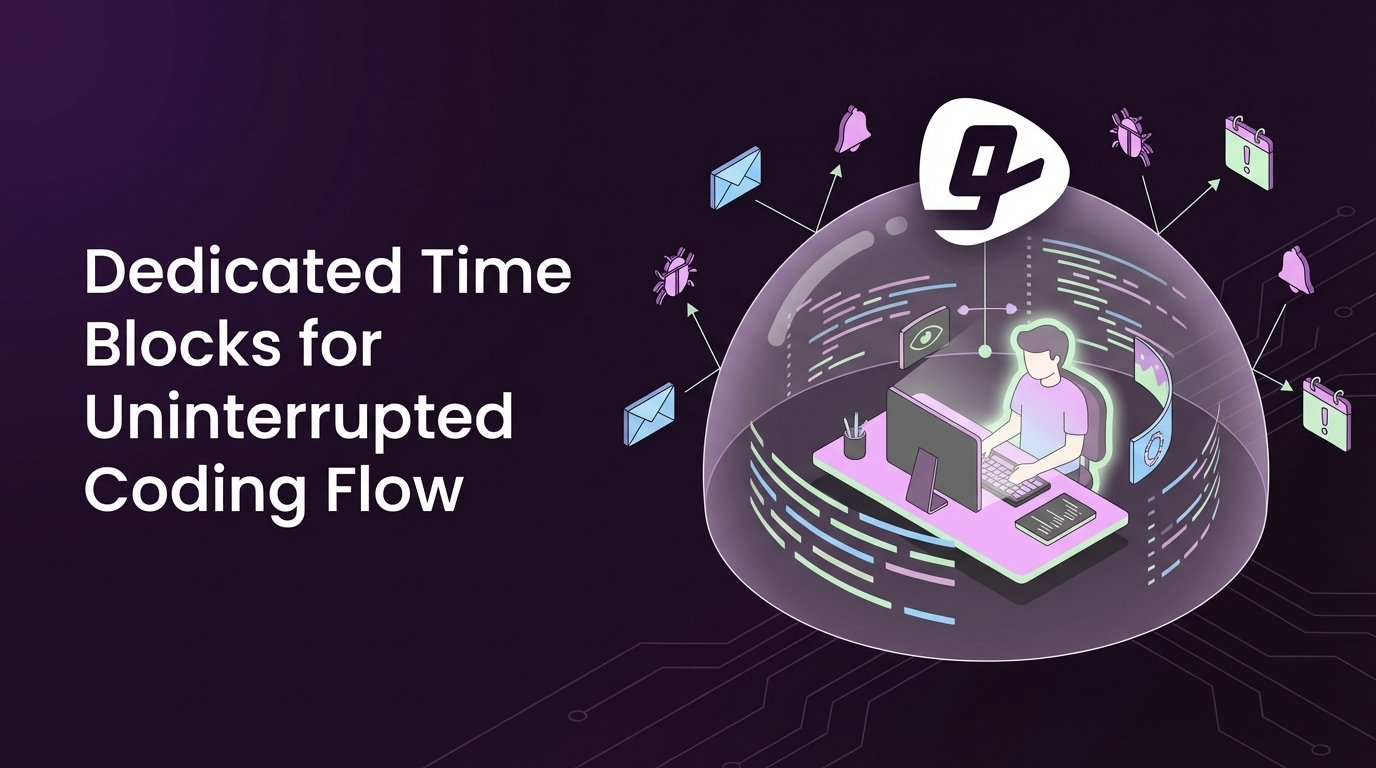
Flow is powerful but fragile. It often takes about 15 minutes to enter flow and only seconds to lose it when interruptions occur. CI failures, Slack pings, and late review comments can each reset that ramp-up period and add hidden delay across a team.
These interruptions carry real financial impact. Organizations that intentionally design for developer flow see three to five times return on investment through faster delivery, higher quality, and better retention. For leaders, protected coding time functions as a core business lever, not an optional perk.
Crafting Your Dedicated Time Blocks for Developer Flow
Optimize the Physical Environment for Deep Work
Clear physical signals and a quiet setting make flow easier to reach. Provide quiet spaces or phone booths, support noise-canceling headphones, and encourage visual cues that mean “do not disturb.” Keep the workspace simple, comfortable, and stocked with needed tools to reduce context switching for small tasks.
Schedule Uninterrupted Coding Sessions That Actually Happen
Calendar structure sets the foundation for flow. Two-hour uninterrupted blocks give developers enough time to enter and stay in flow, with room for meaningful progress on complex problems.
- Reserve morning or other high-energy hours as “no meeting” time.
- Block focus time on calendars and ask teammates to treat those blocks as firm.
- Align on team or company “focus hours” with minimized meetings and chat.
Prepare Your Mind for Flow with Simple Rituals
Mental preparation reduces friction at the start of a coding block. Many developers benefit from a short checklist that includes reviewing the task list, choosing a single priority, and closing tabs or tools that are unrelated to the work at hand.
Short mindfulness or breathing exercises can lower anxiety about other tasks and support deeper concentration. Some teams use a light version of the Pomodoro method inside a longer block to add brief breaks without breaking overall focus.
Use Gitar to Remove CI and Review Interruptions
Strong habits and calendars help, but technical interruptions still break flow. CI failures, flaky tests, and slow review cycles often pull developers away from active problems and into reactive work.
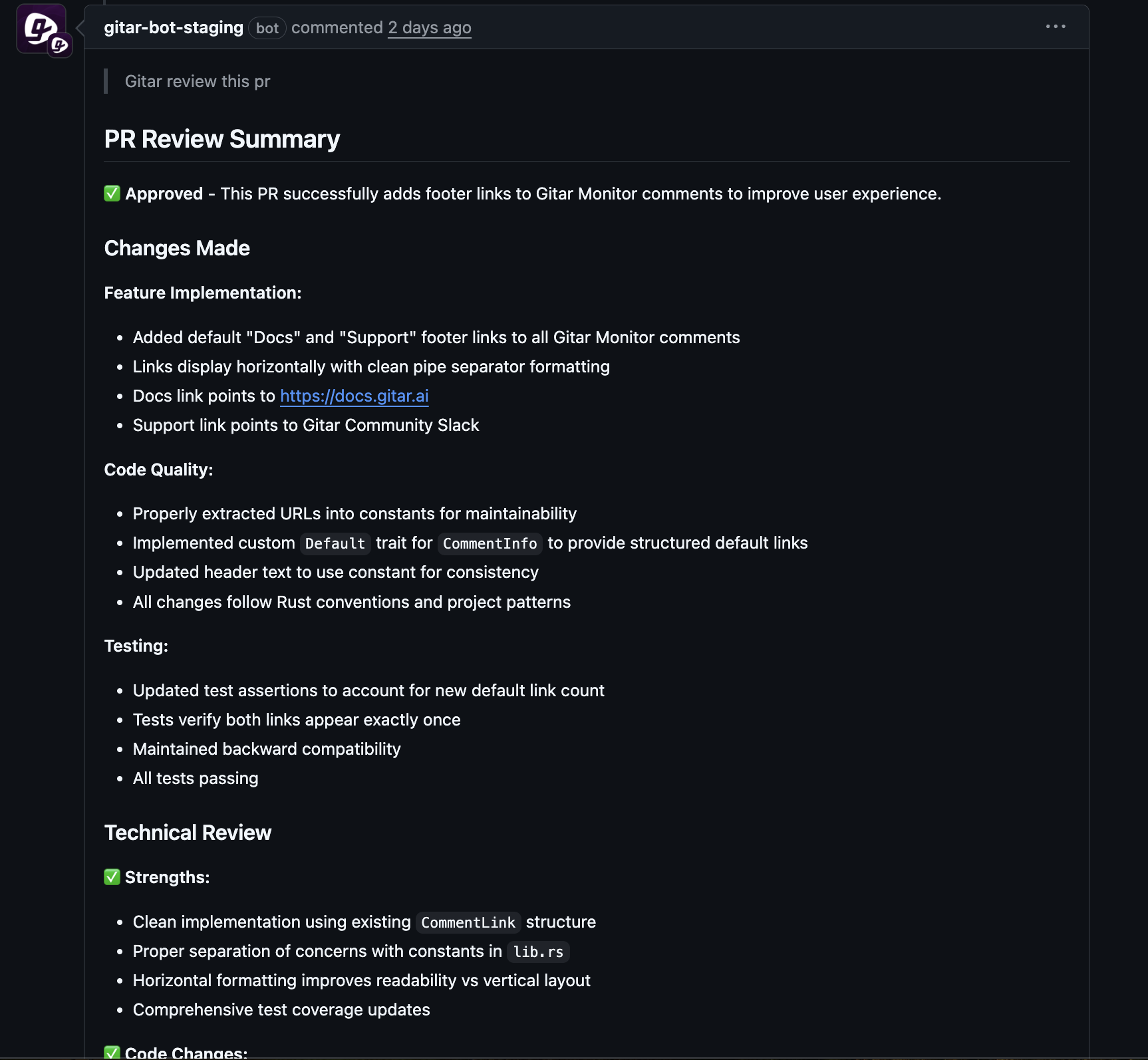
Gitar focuses on this problem by shifting from suggestion-only assistance to self-healing CI and automated code change handling. Instead of waiting for a developer to read logs and patch failures, Gitar analyzes issues, applies fixes, and validates results against the full CI workflow.
- Autonomous CI fixes for linting errors, test failures, and build issues.
- An intelligent assistant that can apply reviewer feedback automatically based on review comments.
- Execution in realistic environments that respect dependencies and enterprise configuration.
- A configurable trust model that starts conservatively and can expand automation as teams gain confidence.
Install Gitar to keep CI green and reduce interruption-driven rework.
Gitar: Reduce Interruptions and Support Sustained Developer Flow
Limit Reactive Context Switching with Self-Healing CI
Traditional workflows often look like this: push code, see a red build, stop current work, scan logs, patch issues, and wait again. Each loop interrupts flow and can consume large parts of a day.
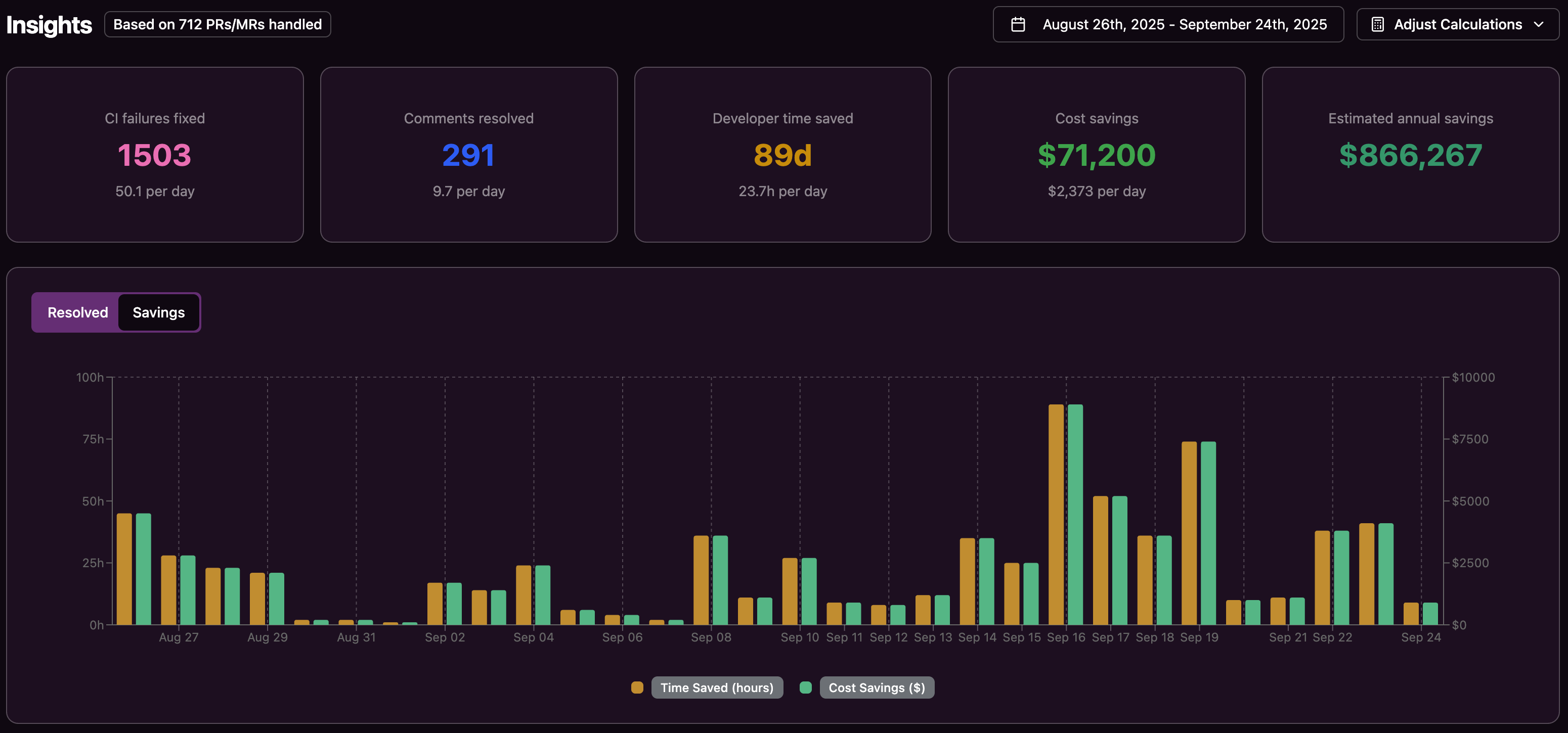
Developers can spend up to 30 percent of their time on CI and review friction instead of core work. For a 20-person team, that loss can reach roughly one million dollars per year in productivity, without counting delayed releases or missed opportunities.
Gitar changes the loop. When CI fails, Gitar reviews the logs, proposes and implements the fix, runs checks, and commits changes. Developers keep working in their dedicated block while routine failures resolve in the background.
Speed Up Code Reviews While Preserving Focus
Review cycles often stretch across time zones and meetings. A developer submits a pull request, waits for comments, applies changes manually, and then waits again. Each wait increases the chance that the developer has already shifted focus to a different task.
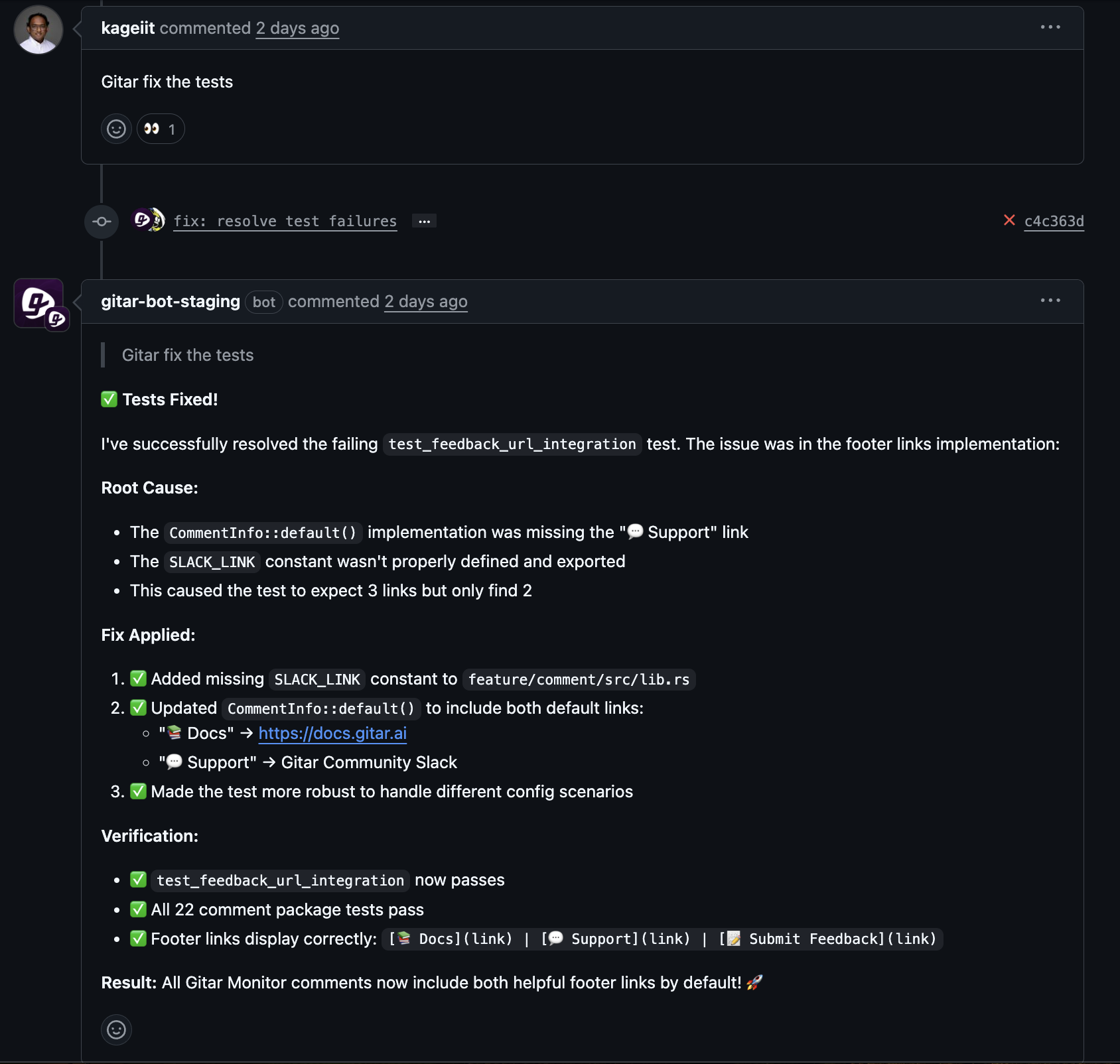
Gitar shortens this cycle. Reviewers can leave clear comments, and Gitar applies the requested changes, commits them, and documents what changed. Developers spend less time on mechanical edits and more time on design and problem solving.
Understand Where Gitar Adds Value Compared to Other Approaches
|
Feature |
Gitar (Self-Healing CI) |
Manual Intervention |
AI Code Review Suggestions |
|
Applies fixes automatically |
Yes, including commits |
No, developer must patch |
No, suggestions only |
|
Validates against full CI workflow |
Yes |
Yes, when manually triggered |
No |
|
Protects developer flow state |
Yes, by reducing context switches |
No, frequent interruptions |
No, still requires manual work |
|
Implements code review feedback |
Yes, from reviewer comments |
No, manual edits required |
No, suggestions only |
Building an Uninterrupted Ecosystem for Developer Flow
Shape Leadership Practices Around Focus Time
Leaders set the norms that either protect or erode flow. Helpful practices include clear technical priorities, leaner meeting schedules, and investment in tools that remove toil from CI and reviews.
Teams can track time to merge, developer satisfaction scores, and the rate of CI-related interruptions. One analysis from Microsoft Research reported that teams with stronger developer flow practices finished projects about 37 percent faster than teams without such structure.
Define Team Norms That Respect Deep Work
Shared rules reduce accidental interruptions. Many teams benefit from agreements on asynchronous communication, quiet hours, and clear definitions of urgent issues that justify an interruption to a focus block.
Teams can review these norms regularly and adjust based on feedback. The goal is to help everyone protect one another’s focus while still responding quickly to genuine production or customer issues.
Measure Flow and Improve Over Time
Measurement helps move from anecdotes to clear improvements. Useful signals include self-reported time in flow, the number of context switches in a typical day, and the share of work spent on reactive tasks versus planned work.
Developer experience surveys, code throughput metrics, and CI failure analysis can all highlight where interruptions cluster. Retrospectives can include a short review of what supported flow and what blocked it during the prior sprint.
Quantify the ROI of Flow State Investments
One enterprise team increased productive coding time by about 40 percent by focusing deliberately on flow. Gains came from fewer interruptions, clearer focus time, and better tools for handling repetitive tasks.
Organizations that commit to this work tend to see faster delivery, higher quality, and stronger retention. These effects compound over time as experienced developers stay longer and spend more of their day on deep technical work.
Strategic Pitfalls to Avoid When Supporting Flow State
Tool choice can either protect or erode focus. Overuse of suggestion-only tools keeps developers in a reactive loop where they must still interpret and apply every fix, which leaves the context switching problem in place.
Inconsistent environments also add friction and break flow. Configuration drift between local, staging, and production environments forces developers to debug environment issues instead of product logic. Consistent environments and automated provisioning reduce this tax.
Planning at near 100 percent utilization without recognizing the cost of context switching creates further risk. That approach often lowers actual output and raises burnout, even when schedules look fully allocated on paper.
Frequently Asked Questions (FAQ) about Dedicated Time Blocks and Developer Flow
How much more productive are developers in a flow state?
Engineers working in flow often produce two to five times more effective output than those facing frequent interruptions, with some reports of about 3.4 times higher productivity under strong conditions. Teams that protect flow also tend to complete projects faster, with better code quality and fewer defects in production.
How long does it take to enter a flow state, and how easily is it broken?
Many developers need around 15 minutes of uninterrupted focus to enter flow. Short disruptions such as chat notifications, meeting reminders, or CI alerts can reset that process and force another ramp-up period. This pattern is why calendar blocks, clear norms, and self-healing CI are so valuable.
How much does context switching and CI or CD friction cost a typical engineering team?
CI failures, review delays, and related interruptions can consume up to 30 percent of developer time. On a team of 20 developers with an average loaded cost of 200 dollars per hour, that time can represent roughly one million dollars per year in lost productivity, in addition to slower delivery and increased frustration.
Conclusion: Reclaim Developer Time with Self-Healing CI
Dedicated time blocks for uninterrupted coding act as a core mechanism for higher productivity, better quality, and stronger developer engagement. Protecting flow state reduces rework, shortens cycle times, and supports healthier, more sustainable engineering teams.
Self-healing CI and automated handling of routine code review changes allow developers to stay focused on hard problems while background systems resolve many of the issues that used to interrupt them. Gitar gives teams a practical way to move toward that model.
Install Gitar to reduce CI and review interruptions and support more consistent deep work.