
Written by: Ali-Reza Adl-Tabatabai, Founder and CEO, Gitar
Key Takeaways
- Cursor’s Composer 2, Agents Window, and Inline Edits speed up vibe coding by 3–5x with parallel multi-file scaffolds and cloud execution.
- Configure .cursorrules, Notepads, and @tags for consistent context, avoid hallucinations by committing frequently, and reset with fresh sessions when needed.
- Use prompts with clear context, constraints, and specs such as “Build Card @tokens.ts like Input.tsx” plus UI screenshots for accurate implementations.
- Run workflows in Plan, Scaffold, and Refine phases, and rely on disciplined version control to move safely from vibes to production-ready PRs.
- Pair Cursor with Gitar’s auto-fix to resolve CI failures, apply review feedback, and keep vibe-coded PRs consistently green.
Core Cursor Tools That Power Vibe Coding
Cursor’s 2026 updates introduce three core tools that shape effective vibe coding workflows. First, Composer 2, released March 18, 2026, is a frontier-level coding model with 4x faster performance using Mixture of Experts architecture. Access Composer with Cmd+I to generate multi-file scaffolds and perform complex refactors. The interface shows agent tabs in a grid layout, so you can run up to eight agents in parallel and watch progress in real time.
Second, Cursor 3’s Agents Window, released April 1, 2026, runs multiple agents across local, worktree, cloud, and remote SSH environments. This setup creates a smooth handoff between local editing and cloud execution for long-running tasks. Background Agents clone your repository in cloud environments so they can execute tasks autonomously while you continue coding locally.
Third, Inline Edits (Cmd+K) handle quick changes to highlighted code with minimal friction. Cursor 3’s Design Mode lets you annotate UI elements directly in the browser with shortcuts like ⌘+Shift+D to toggle and Shift+drag to select areas. These tools keep you close to the UI while AI handles the heavy lifting.
To see these tools working together, try this prompt that combines Composer’s multi-file scaffolding with full codebase context: “Scaffold a React timer game @codebase with TypeScript, Tailwind styling, and Jest tests following existing patterns.” The Composer sidebar then displays multiple agent tabs running in parallel, with live progress updates and visible file modifications.
Environment Setup for Stable Vibe Coding Sessions
.cursorrules is the single most impactful setup for improving AI code quality because it provides a persistent map of project architecture, conventions, and decisions. Create a .cursorrules file in your project root that documents tech stack details, Tailwind configuration rules, and coding standards. This file becomes the reference point for every new session.
Configure Notepads using @Notepad for project specifications and requirements so Cursor always has a stable brief. These Notepads work alongside @tags, so use @file for specific files, @docs for documentation, @codebase for the entire project, and @web for external resources to supply rich context that Notepads can reference. Enable “Always search codebase” in Cursor settings so the agent automatically pulls this context into each interaction.
Common pitfalls include context loss during long sessions and AI hallucinations that creep in after many prompts. Start new AI sessions with clean context when the AI gets stuck, and carry over only the spec to respect context window limits. Commit code before and after every major AI-driven change so you can roll back quickly when a generation goes in the wrong direction.
Prompt Patterns That Turn Vibes into Working Code
Strong Cursor prompts combine context awareness, clear constraints, and explicit output specifications. Provide concrete context about the codebase and tech stack, for example: “Create a Button component using our existing design tokens from tokens.ts, following the pattern in components/Input.tsx, with TypeScript props for variant, size, and disabled state”. This level of detail anchors the AI in your real project.
Use hierarchical references with @file and @web tags when the AI needs to navigate multiple sources, and switch to role-play scenarios with @claude for complex reasoning or architecture decisions. Set explicit constraints like “Only modify the handleSubmit function” or “Keep the implementation under 30 lines” to improve code quality and prevent scope creep. Choose hierarchical references when structure matters and role-play when you need deeper analysis.
Use these template prompts as starting points:
- “Build Card component @tokens.ts like Input.tsx, TS props for title, content, actions.”
- “Debug TypeScript error in UserProfile.tsx line 42, user.name from @types/api.ts, fix without changing API type.”
- “Write failing tests for validateEmail function, Jest conventions @__tests__/, then implement to pass.”
Paste UI screenshots directly into chat and prompt “Make my Top Artists page look like this” to generate matching layouts and configurations. This visual approach works especially well when text alone cannot capture design intent.
Three-Phase Workflows for Iterative Vibe Coding
Structure vibe coding in three phases: Intent and Plan, Scaffold and Test, and Refine and PR. Activate Plan Mode with Cmd+N for a new chat, then use Shift+Tab to have the agent analyze the codebase and propose clean, actionable implementation plans. Treat this phase as your design and research step.
Experienced developers tend to plan before generating code. Use Plan Mode to explore the codebase, ask clarifying questions, and outline detailed implementation plans with file paths and code references before you let the agent write anything. This habit reduces rework and keeps generations aligned with your architecture.
During iteration, developers report shifting “from writer to director,” giving high-level guidance while AI handles implementation details. Keep prompts simple and context focused, and start new chats for independent tasks so the AI does not mix unrelated threads. This pattern keeps each conversation sharp and predictable.
Commit frequently with clear messages to protect your progress. Use version control rigorously by committing after each working feature, writing descriptive commit messages, and rolling back when AI outputs misfire. These habits support safe experimentation and fast recovery from problematic generations.
Once you have this iterative workflow in place, the next bottleneck becomes handling CI failures and review feedback from large vibe-coded PRs. Install Gitar for your next vibe-coded PR to automatically fix broken builds and keep your delivery pace high with a 14-day Team Plan trial.
Close the Loop with Gitar AI Code Review for Vibe-Coded PRs
Vibe coding accelerates feature generation but also produces a surge of noisy, fragile PRs. Research shows that 40% of AI-generated code contains security vulnerabilities, with AI-generated Python at 29.5% and JavaScript at 24.2%. Traditional code review tools often charge $15–30 per developer for suggestions that still need manual implementation, which slows teams down again.
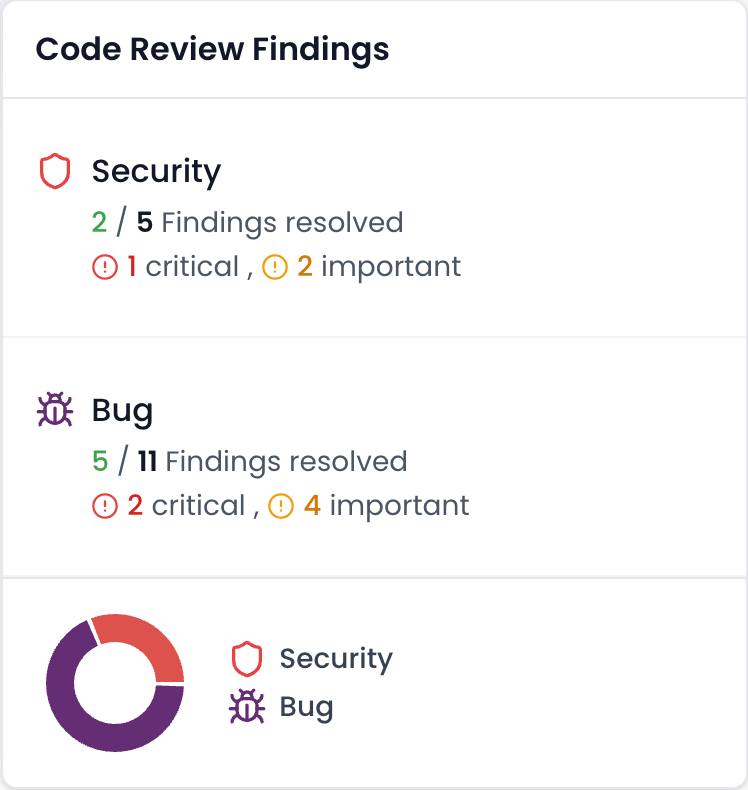
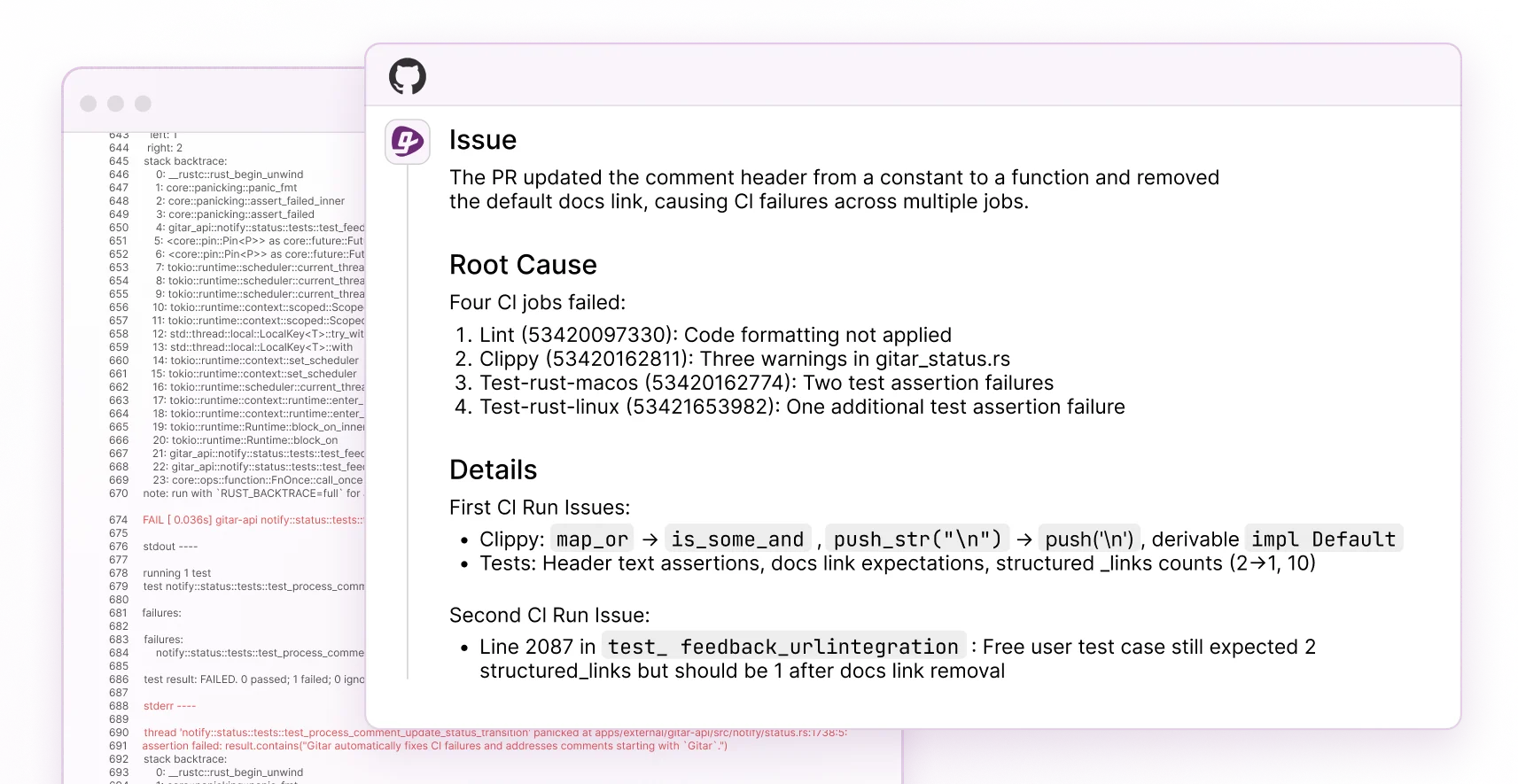
Gitar directly addresses this gap by turning review findings and CI failures into applied fixes. Gitar’s Healing Engine analyzes failure logs when lint errors, test failures, or build breaks occur. It then generates validated fixes and commits them straight to your PR, so you do not have to copy suggestions into code by hand. See the Gitar documentation for step-by-step integration guidance.
The table below highlights how Gitar’s auto-fix capabilities differ from comment-only tools:
|
Capability |
CodeRabbit/Greptile |
Gitar |
|
Auto-apply fixes |
No |
Yes (Trial/Team) |
|
CI auto-fix |
No |
Yes |
|
Green build guarantee |
No |
Yes |
|
Single comment updates |
No |
Yes |
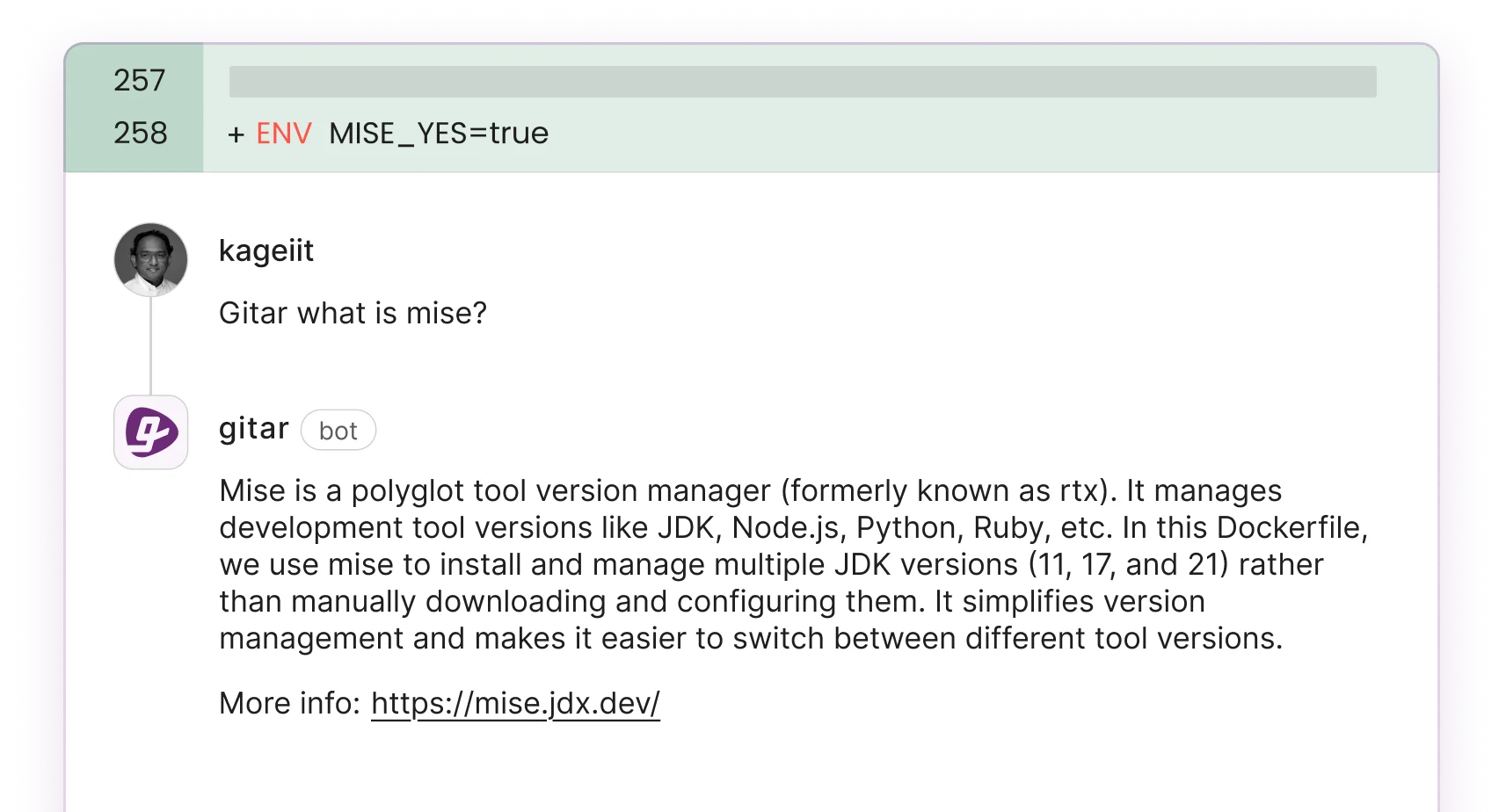
Gitar integrates as a GitHub app or through a GitLab integration. The 14-day Team Plan trial includes full PR analysis, security scanning, bug detection, performance review, auto-fix, and workflow automation with no seat limits. Unlike competitors that scatter inline comments, Gitar consolidates all findings in a single dashboard comment that updates in place.
Advanced Cursor and Gitar Tips for 2026
Cursor 3 supports multi-repo workflows and self-hosted cloud agents for enterprise teams. Use Claude integration inside Cursor for natural language rules and complex reasoning tasks that span multiple modules. Cursor AI 2.6 adds Agentic Engineering with always-on agents, Automations, and Looped workflows, which keep long-running tasks moving without constant prompts.
Configure terminal agents to verify runtime dependencies before you rely on new libraries. Run “npm list <package>” before importing npm packages or “pip show <package>” for Python to reduce hallucinations in workflows. Use Context7 MCP so agents can fetch current framework documentation and stay aligned with the latest APIs.
Common Vibe Coding Pitfalls and Practical Fixes
Reduce notification overload by using Gitar’s single-comment approach instead of tools that flood your inbox with scattered inline suggestions. Vibe coding feels fast for the first 80% of implementation but often breaks down in the last 20%, where business logic and architectural decisions matter most. That final stretch is where structured review and automated fixes pay off.
Prevent architectural blind spots by generating Product Requirements Documents before you start coding. Development agencies report more “rescue” projects, where AI-built codebases work functionally but still need experts to realign them with real requirements. Clear PRDs and .cursorrules reduce the chance that your project joins that list.
The “three-month wall” in vibe-coded projects appears when AI loses coherent context and small issues cascade into major failures. Use living architecture documents and frequent commits to keep context stable and recoverable. Avoid rescue projects and architectural blind spots by pairing Cursor with Gitar’s automated fixes.
FAQ
What is vibe coding?
Vibe coding is an AI-assisted development approach where developers describe high-level intents in natural language and let tools like Cursor generate code scaffolds, components, and implementations. This approach enables rapid prototyping by keeping your focus on design decisions and user experience while AI handles boilerplate and low-level implementation details.
How does Gitar integrate with Cursor?
Gitar connects to your repositories through GitHub and GitLab apps. When you push vibe-coded changes from Cursor, Gitar analyzes CI failures, applies review feedback, and commits fixes directly to your PRs. This workflow fits naturally with agent-generated code and closes the loop after generation.
Why choose Gitar over CodeRabbit?
CodeRabbit provides suggestions that still require manual implementation, while Gitar automatically applies validated fixes. CodeRabbit charges $15–30 per developer for comments, and Gitar offers a 14-day Team Plan trial with full auto-fix capabilities. Unlike suggestion-only tools, Gitar validates each fix against your CI pipeline before committing, which keeps the build green.
What are the best practices for scaling vibe coding to production?
Start with detailed .cursorrules files and Product Requirements Documents so AI generations align with your architecture. Use version control rigorously and commit after each working feature. Add Gitar’s auto-fix capabilities to handle CI failures and review feedback automatically. Begin with simple components, then expand to complex features while maintaining clean context windows and starting fresh chats for new tasks.
How can I prevent context loss in iterative vibe coding?
Create comprehensive .cursorrules files that describe project architecture and conventions. Use @tags to reference specific files and documentation so the AI can jump directly to relevant code. Start new AI sessions when context feels cluttered, and carry over only essential specifications. Enable “Always search codebase” in Cursor settings and rely on Notepads for persistent project context across sessions.
Master vibe coding workflows with Cursor’s advanced agents and close the loop with Gitar’s automated fixes. Ready to ship vibe-coded features without the manual cleanup? Start your 14-day Team Plan trial at Gitar.