
Written by: Ali-Reza Adl-Tabatabai, Founder and CEO, Gitar
Key Takeaways
- AI coding tools generate code 3–5x faster, yet PR review times have increased 91% because Dependabot and Renovate flood teams with dependency updates.
- Qodo PR Agent automates dependency reviews with /review and /improve commands, but it depends on detailed .pr_agent.toml and GitHub Actions setup.
- Core setup steps include enabling Dependabot, installing the Qodo GitHub App, configuring auto-approval rules, and testing with manual PR triggers.
- Qodo provides suggestions only, so CI failures, lockfile mismatches, and conflicts still require manual developer fixes, unlike fully automated alternatives.
- For zero-config dependency automation with guaranteed green builds, try Gitar’s healing engine to ship higher quality software faster.
Why Automate Dependency Updates with Qodo PR Agent?
Automated dependency management reduces security risk by keeping packages current while cutting the time spent on manual reviews. Qodo’s /review tool scans PR code changes and generates feedback to support reviewers, and it runs automatically when you install the Qodo Merge app and set pr_commands = [‘/review’].
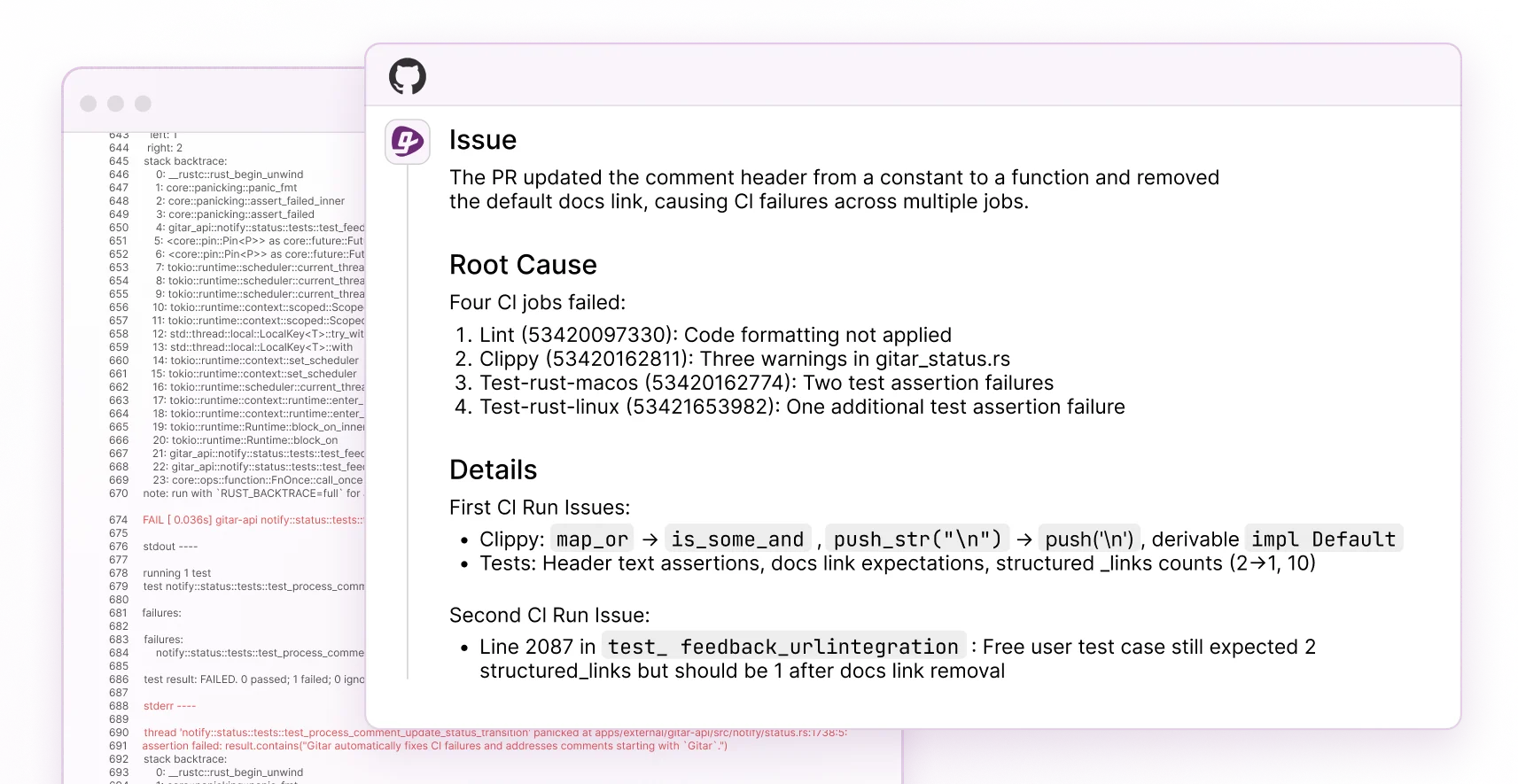
However, Qodo only provides suggestions, so developers still apply fixes when CI fails or dependencies conflict. Gitar’s healing engine automatically resolves these issues and keeps dependency updates from breaking your build pipeline. See the Gitar documentation for details on the healing engine.
Step-by-Step Qodo Configuration for Dependency PRs
Setting up Qodo for dependency automation involves three layers. First, you enable dependency detection with Dependabot or Renovate. Next, you install Qodo to handle review automation. Finally, you define policies and workflows through configuration files and GitHub Actions.
1. Enable Dependency Update Bots
Activate GitHub Dependabot in your repository settings under Security and analysis, or install Renovate if you need more advanced scheduling and grouping controls.
2. Install Qodo PR Agent
Install the qodo-ai/pr-agent@main GitHub App from the marketplace. The repository now uses the qodo-ai namespace instead of the older CodiumAI branding.
3. Create .pr_agent.toml Configuration
Add this configuration file to your repository root to control how Qodo reviews dependency PRs. These settings emphasize security, breaking changes, and lockfile consistency, and they enable auto-approval when the review finds no issues.
[pr_reviewer] extra_instructions = “””Focus on dependency security, breaking changes, and lockfile consistency. Flag major version updates requiring manual review.””” require_score_review = true [improve] pr_code_suggestions = true enable_auto_approval = false auto_approve_for_no_suggestions = true [github] push_trigger = “synchronize”
4. Configure GitHub Actions Workflow
Create .github/workflows/qodo-review.yml to run Qodo on every relevant pull request event.
name: Qodo PR Review on: pull_request: types: [opened, synchronize, ready_for_review] jobs: review: runs-on: ubuntu-latest steps: – uses: qodo-ai/pr-agent@main env: QODO_API_KEY: ${{ secrets.QODO_API_KEY }} GITHUB_TOKEN: ${{ secrets.GITHUB_TOKEN }}
5. Set Up Auto-Merge Policies
Configure auto-approval settings by extending your .pr_agent.toml. These options allow Qodo to auto-approve low-effort dependency updates while still flagging risky changes.
[pr_reviewer] enable_auto_approval = true auto_approve_for_low_review_effort = 2 skip_on_author = null
6. Test the Configuration
Open a test PR and comment /review to trigger manual analysis and confirm that Qodo responds as expected. For dependency PRs, use /improve to request targeted suggestions for lockfile or version conflicts and verify that the feedback matches your policy.
Troubleshooting Common Qodo Issues
Multi-bot conflicts occur when Dependabot and Qodo both try to update or react to the same PR, which often causes webhook problems. 400 Invalid Payload errors usually indicate that the request body does not match the command arguments exactly, including optional pr string parameters for review commands.
Known issues include gpt-5.1 models always receiving reasoning_effort set to high because of hardcoded parameter handling. Session-related bugs also prevent reasoning items from being found across sessions, which can make dependency review feedback inconsistent when Qodo analyzes several updates to the same PR.
For lockfile mismatches, confirm that your .pr_agent.toml includes clear dependency-specific instructions, and verify that GitHub Actions has permissions to read and write the relevant package and lockfiles.
Limitations of Qodo and the Gitar Alternative
Qodo requires extensive configuration through .pr_agent.toml files, YAML workflows, and manual trigger setup. More critically, it only suggests fixes, so developers still apply changes when dependency updates break CI.
The following comparison highlights how Qodo’s suggestion-based model differs from Gitar’s automated fix implementation across key capabilities.
|
Capability |
Qodo |
Gitar |
|
Dependency Auto-Fix |
No (suggestions only) |
Yes (Healing Engine) |
|
Configuration Required |
Heavy (.toml/YAML) |
Zero |
|
Green Build Guarantee |
No |
Yes |
|
Platform Support |
GitHub, GitLab, Bitbucket, Azure DevOps |
GitHub/GitLab/CircleCI/Buildkite |
Switch to Gitar’s zero-config approach to eliminate the manual fix burden entirely. Gitar’s natural language rules system removes complex configuration while providing guaranteed fixes for CI failures.
Qodo Merge Configuration and Dependency Best Practices
Configure auto-merge for dependency PRs with label-based rules so that only safe, pre-reviewed updates merge automatically. Add the following to .pr_agent.toml.
[github] pr_commands = [‘/review’] labels_to_skip = [‘needs-discussion’] auto_merge_labels = [‘dependencies’]
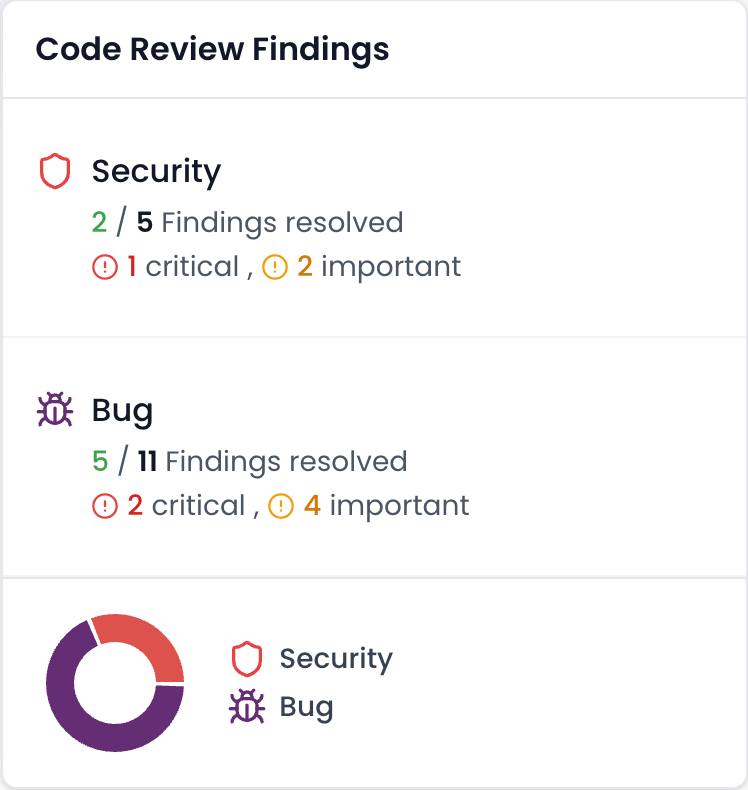
Enable GitHub’s dependency review action to scan pull requests for vulnerable dependency versions. This action can block merges automatically when it detects security issues.
FAQ
How to use Qodo Merge for dependency updates?
Set pr_commands = [‘/review’] in your configuration so Qodo automatically reviews dependency PRs created by Dependabot or Renovate. The review tool analyzes changes and provides feedback, and you then decide which suggestions to apply and commit.
What Qodo agent skills work best for dependency management?
Use the /improve command with extra_instructions that focus on “dependency security, version compatibility, and lockfile consistency.” This guidance produces more focused suggestions for version bumps, transitive dependency changes, and lockfile drift.
How to configure .pr_agent.toml for Dependabot integration?
Set skip_on_author = null so Qodo does not skip PRs created by Dependabot and they receive full reviews. Use push_trigger = “synchronize” so Qodo runs again when Dependabot pushes new commits to an existing PR, which keeps feedback aligned with the latest dependency changes.
What’s the difference between Qodo and Gitar for dependency management?
Qodo analyzes dependency updates and suggests changes, while Gitar automatically fixes dependency conflicts, CI failures, and lockfile issues and delivers guaranteed green builds.
How does Qodo pr-agent integrate with Dependabot workflows?
Configure GitHub Actions with pull_request types that include “synchronize” so Qodo reviews updates when Dependabot amends existing PRs. The agent inspects the new changes and comments with suggestions, but it does not apply fixes or resolve conflicts on its own.
Conclusion
Qodo PR Agent can automate dependency review through the six-step configuration process outlined above, yet its suggestion-only model still creates manual work for fixes. For teams that want true automation and consistently working builds, explore Gitar’s healing engine for dependency updates that never break your pipeline. Consult the Gitar setup guide for implementation steps.