
Key Takeaways
- CI/CD pipeline failures and code review delays continue to slow engineering teams in 2026 by consuming a large share of developer time and attention.
- Manual debugging and traditional suggestion-based tools still require frequent context switching, which disrupts focus and increases time-to-merge.
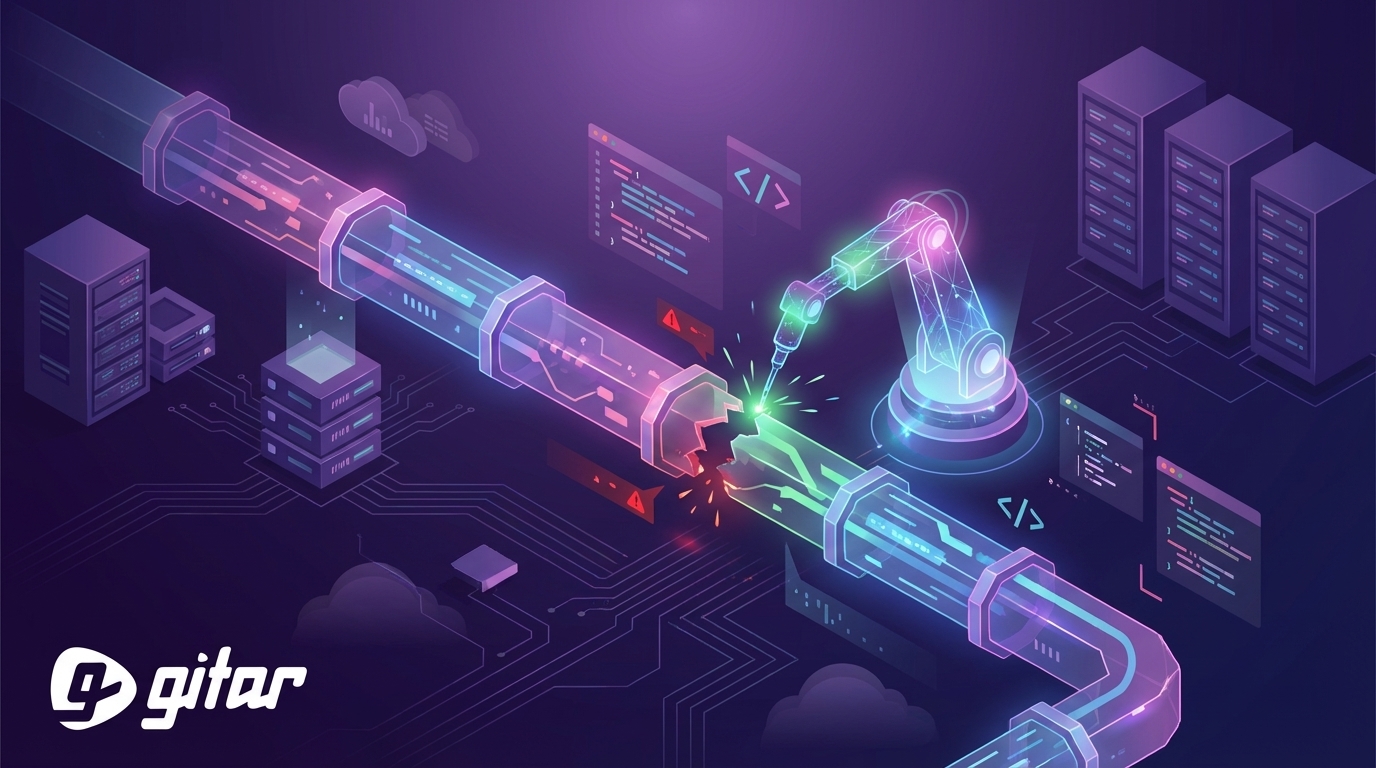
- Autonomous “healing” approaches that both fix and validate changes in the CI environment reduce interruption and shorten feedback cycles.
- Teams can choose between suggestion engines, custom AI toolkits, and autonomous healing engines based on their need for control, customization, and speed.
- Gitar provides an autonomous CI healing engine that fixes broken builds and code review feedback for you, so you can ship faster with less manual toil. Try Gitar on your CI pipeline
The Problem: Why Current Pipeline Debugging Falls Short for Engineering Teams
Modern engineering teams lose substantial time to CI failures and slow review cycles, with many developers spending a significant portion of their week on these issues instead of building new features.
Typical work often follows a familiar pattern. A developer opens a pull request with confidence, then the build fails because of a missing dependency, a flaky test, or a style rule. The next steps require reading logs, switching back to a local environment, adjusting code, pushing commits, and waiting again for pipelines to finish.
This process creates heavy context switching. A simple CI issue that takes 30 minutes of direct work can cost an hour or more of productive time once mental overhead is included. Distributed teams feel this even more, since review comments and small fixes can stretch across time zones and extend a change from hours to days.
Introducing Gitar: The Autonomous CI Healing Engine
Gitar focuses on the main productivity drains in DevOps workflows: failing CI builds and repetitive code review updates. As an autonomous AI agent, Gitar detects, fixes, and re-runs CI, and it also addresses common review feedback so engineers spend less time on mechanical changes.
Key capabilities for autonomous pipeline debugging
- End-to-end fixes: Gitar goes beyond code suggestions and can apply changes, re-run CI workflows, and ensure all jobs pass before presenting a green pull request.
- Full environment replication: Gitar mirrors complex enterprise environments, including language versions, SDK combinations, and third-party scanners such as SonarQube and Snyk, so fixes align with real production checks.
- Cross-platform coverage: Gitar works with GitHub Actions, GitLab CI, CircleCI, BuildKite, and other major CI platforms, which helps teams avoid lock-in to a single ecosystem.
- Configurable trust model: Teams can start with suggestion-only mode, then move toward auto-commit with rollback as confidence grows.
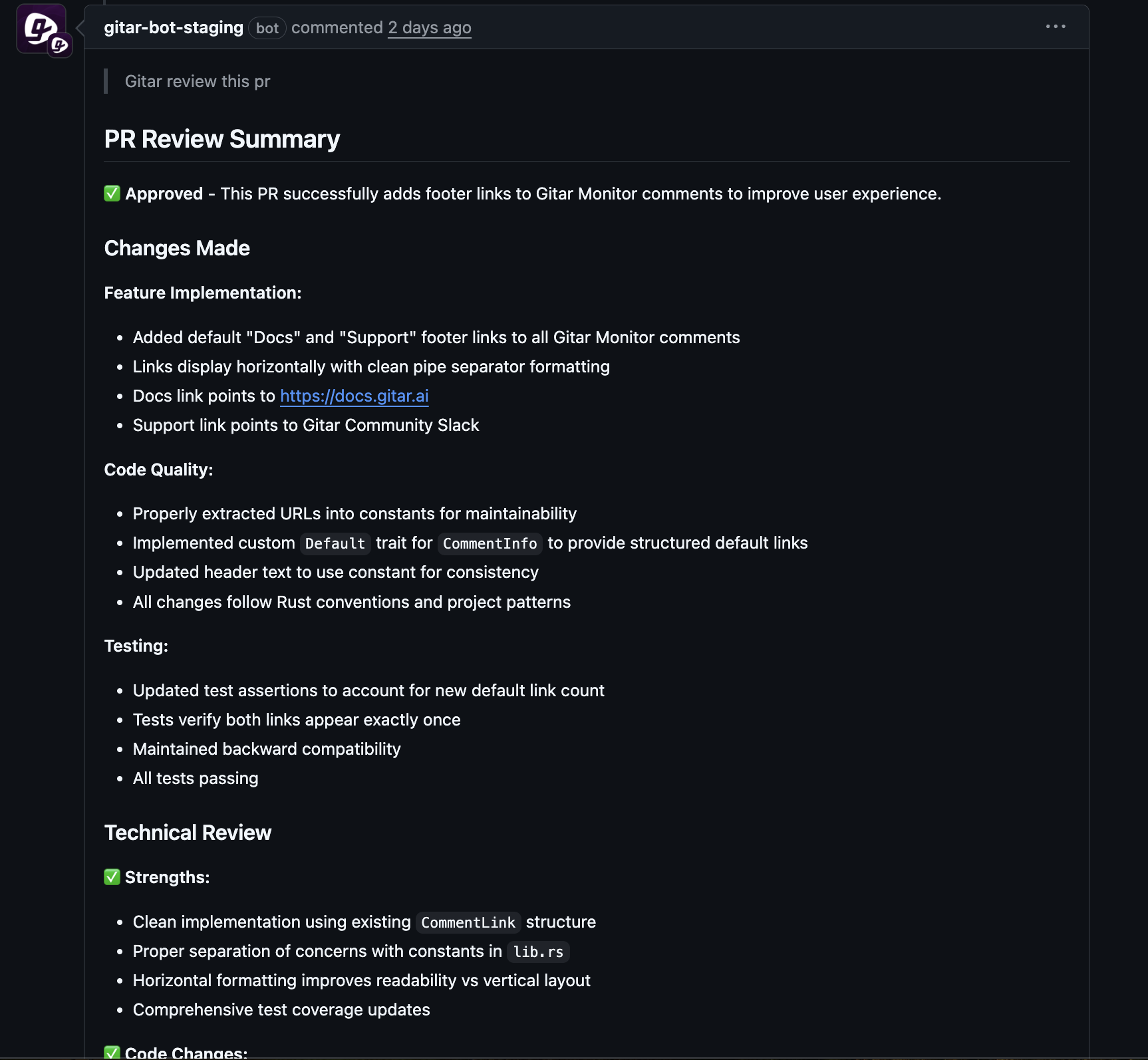
- Code review assistance: Gitar can respond to human review feedback, apply requested changes, and push updates, which reduces delays across time zones.

The Competitive Landscape: Manual, Suggestive, and Autonomous Pipeline Debugging
Pipeline debugging tools in 2026 generally fall into four categories, based on how much of the fix-and-validate loop they automate.
- Manual work (status quo): Developers stop current tasks, inspect logs, change code, and push new commits. This approach provides maximum control but consumes significant time.
- AI suggestion engines: Tools such as CodeRabbit highlight issues, propose code changes, and sometimes apply patches. They still rely on developers to decide when and how to run CI and accept changes.
- On-demand AI fixers: General-purpose AI tools configured for CI are invoked as needed and can interpret logs and repository context. They often need manual configuration and hands-on orchestration.
- Autonomous CI healing engines (Gitar): Systems that monitor CI, diagnose failures, propose and apply fixes, and re-run pipelines until the build passes, while keeping developers informed.
Head-to-head comparison: pipeline debugging automation
|
Feature Area |
Manual Work |
AI Suggestion Engines |
Gitar (Healing Engine) |
|
Core functionality |
Debug and fix by hand |
Suggest fixes with some automation |
Autonomously fixes and validates |
|
Developer interruption |
High |
Moderate, based on automation level |
Low, runs in the background |
|
CI validation |
Manual reruns and checks |
Partial, may call CI tools |
Full, re-runs and checks workflows |
|
Environment replication |
Handled manually in local setups |
Limited or partial |
Full, including complex enterprise stacks |
The healing engine model reduces manual touch points across the CI pipeline, so developers spend less time on repetitive debugging and more time on core product work.
From Suggestions to Self-Healing: A Decision Framework for DevOps Success
Teams can match their tooling strategy to their priorities around control, customization, and automation level.
- Teams that prioritize tight control may start with suggestion engines. Tools like CodeRabbit can provide inline feedback and one-click fixes in some cases, while developers keep full authority over when to apply changes.
- Teams with bespoke AI needs may build on general-purpose models and CI-aware workflows. This route offers high customization and native integrations on common platforms, but it often requires ongoing configuration and maintenance.
- Teams that focus on autonomy and efficiency benefit from healing engines like Gitar. These systems aim to reduce developer toil, accelerate time-to-merge, and keep pipelines healthy with minimal manual involvement.
- Teams that care about total value of ownership often seek lower setup effort and less operational overhead. Gitar provides this by handling both fix generation and validation, so teams avoid building and maintaining custom automation layers.
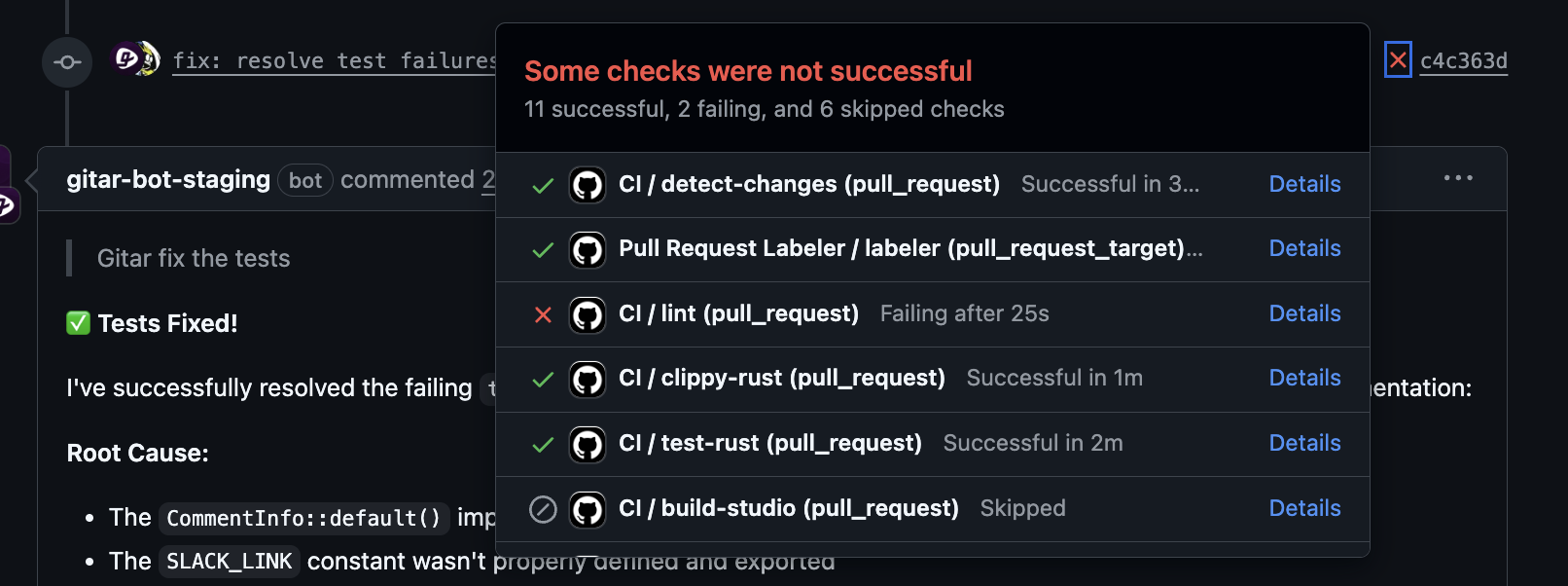
Teams that want to evaluate this approach in their own environment can start with a conservative configuration and gradually increase automation. Install Gitar to see how autonomous CI fixes perform in your pipeline
Frequently Asked Questions About Pipeline Debugging Automation
Q: Our CI setup is unique and complex. Can Gitar handle it?
A: Gitar is designed for complex environments. It replicates your CI configuration, including language versions, dependencies, and tools such as SonarQube and Snyk, so proposed fixes run against the same checks used in your real workflows.
Q: We already use AI reviewers like CodeRabbit. How is Gitar different?
A: AI reviewers focus on suggestions and review assistance. Gitar operates as a healing engine that not only suggests fixes but can also apply changes, re-run CI, and verify that pipelines are green before handing work back to the team.
Q: How does Gitar help teams build trust in automated CI fixes?
A: Gitar offers several modes, starting with suggestion-only changes that require review. Teams can then move to auto-commit modes with guardrails and rollback, based on their comfort level and internal policies.
Q: What impact does Gitar have on developer morale and productivity?
A: By taking over repetitive CI fixes and routine review updates, Gitar reduces interruptions and context switches. Developers can focus more on design and feature work, which typically supports higher engagement and throughput.
Q: How does Gitar handle security when making automated fixes?
A: Gitar operates within existing security controls, works against the same CI environment that already enforces checks, and supports conservative rollout modes. Teams can review changes, enforce approvals, and revert if needed.
Conclusion: Accelerate Your DevOps with Autonomous CI Fixes
The choice between suggestion-based tools and autonomous healing engines has a direct effect on how much time developers spend on CI failures and review cycles. Manual workflows and partial automation still require engineers to coordinate fixes and validations, which slows delivery.
Gitar addresses this by combining fix generation, environment-aware validation, and configurable trust controls in one system. This approach reduces context switching, shortens time-to-merge, and keeps pipelines in a healthier state with fewer manual steps.
Teams that want to reduce pipeline debugging bottlenecks can evaluate Gitar on real repositories and CI workflows. Get started with Gitar and let it handle your next round of CI failures