
Key Takeaways
- AI coding tools generate code 3-5x faster, yet PR review times have surged 91% because review capacity has not scaled.
- Auto-commit tools like Gitar analyze CI failures, validate fixes, and commit working code automatically, going beyond suggestion-only platforms.
- Gitar ranks first as the free solution with unlimited core code review and a 14-day trial for CI-validated auto-fixes across GitHub, GitLab, and major CIs.
- Competitors such as Qodo, CodeAnt, and Cursor Bugbot offer partial fixes or paid plans starting at $15-40 per user, without Gitar’s green build guarantees.
- Teams save up to $750K annually in CI and review time—install Gitar now for free CI-healing and faster shipping.
How We Ranked These CodeRabbit Alternatives
We focused on tools that deliver real auto-commit functionality instead of basic suggestions. Our criteria covered auto-commit depth, including CI analysis, validation, and direct commits. We also prioritized pricing models with strong free tiers, integration coverage across GitHub, GitLab, and CI platforms, and scalability for enterprise teams.
2025 benchmarks and comparative analyses informed our technical assessments. Reddit and GitHub discussions added real-world usage insights. Gitar stands out through free unlimited healing combined with CI-validated commits, while many competitors remain suggestion-only and paid.
Top CodeRabbit Alternatives With Auto-Commit Fixes
#1: Gitar for Free CI-Healing Auto-Fixes
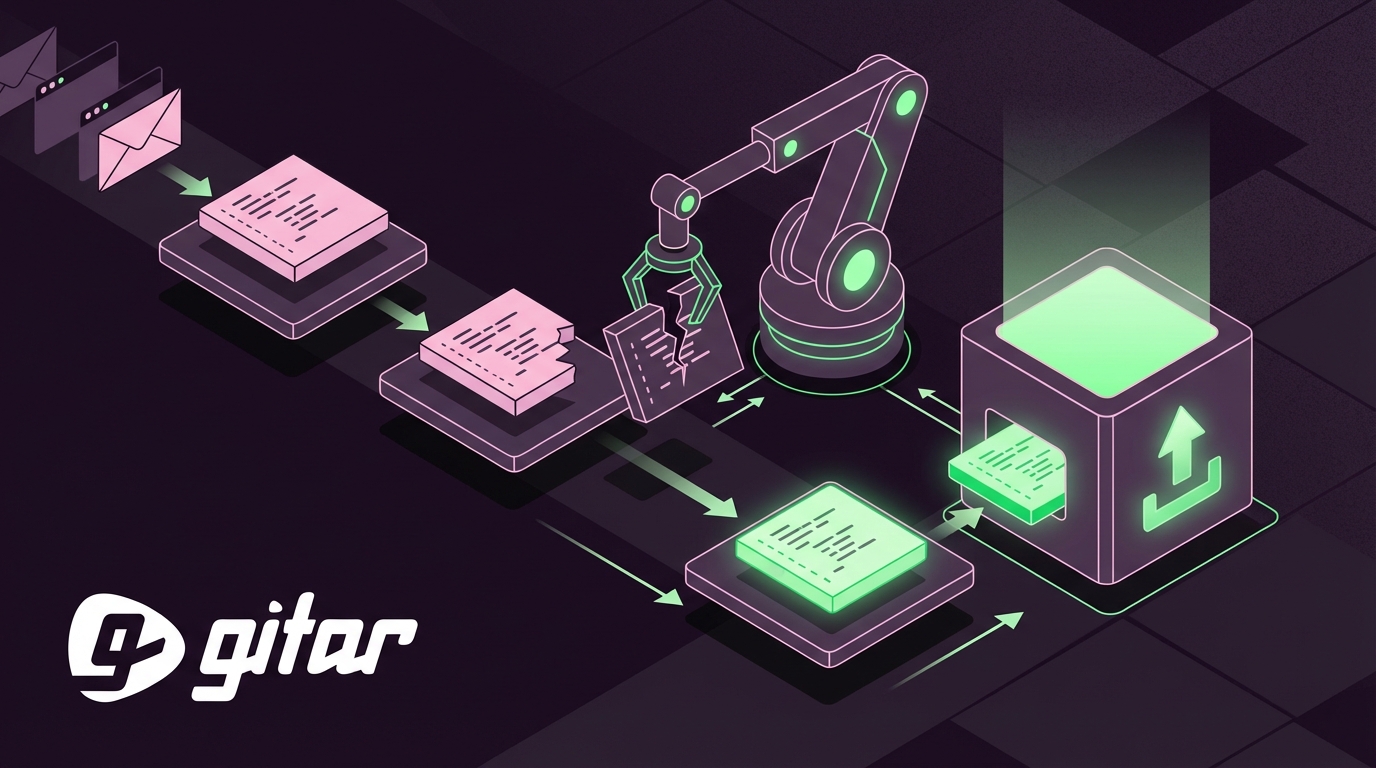
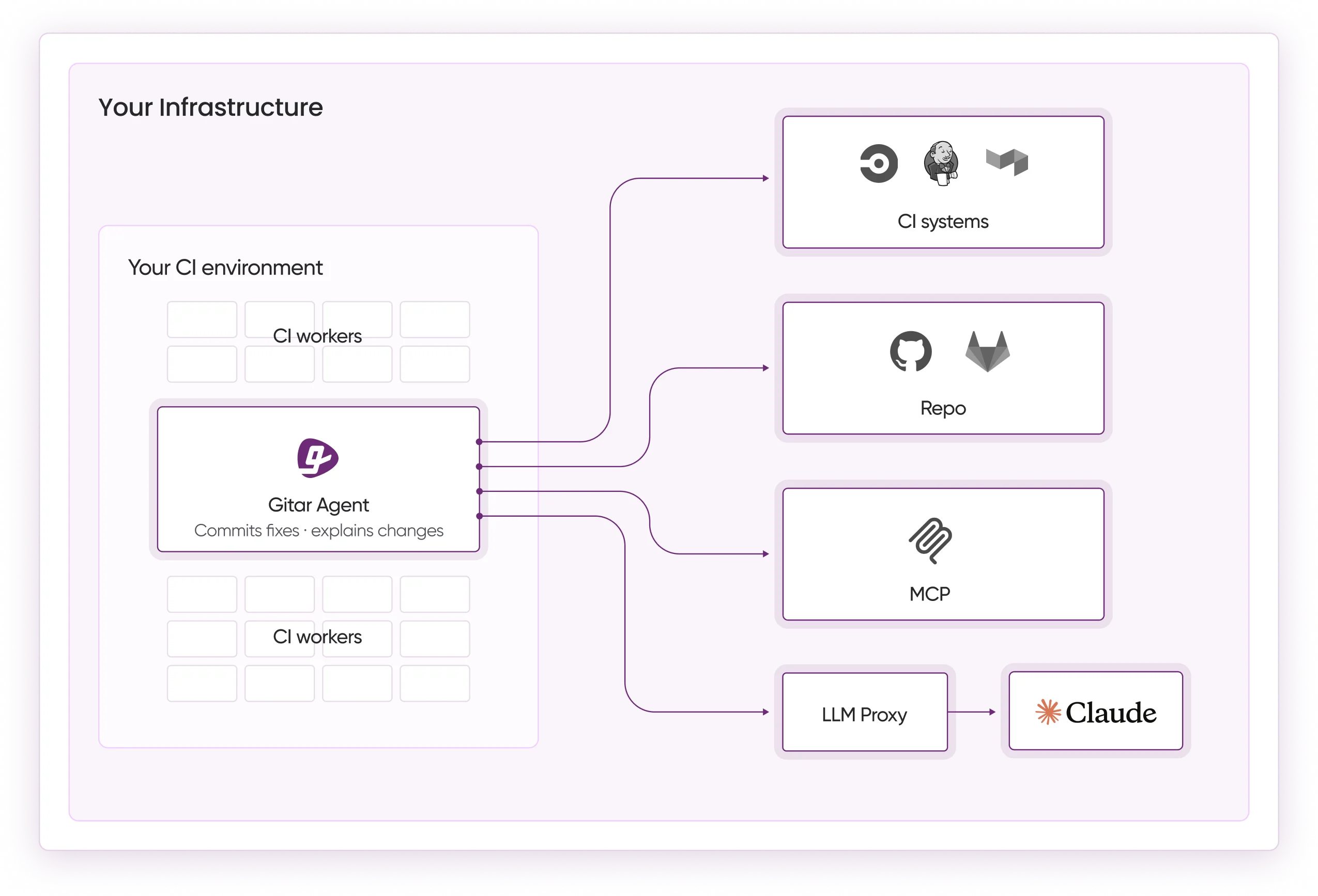
Gitar’s healing engine analyzes CI failures, generates contextual fixes, validates solutions against your build environment, and commits working code automatically. The platform guarantees green builds through CI-validated auto-commits instead of simple suggestions.
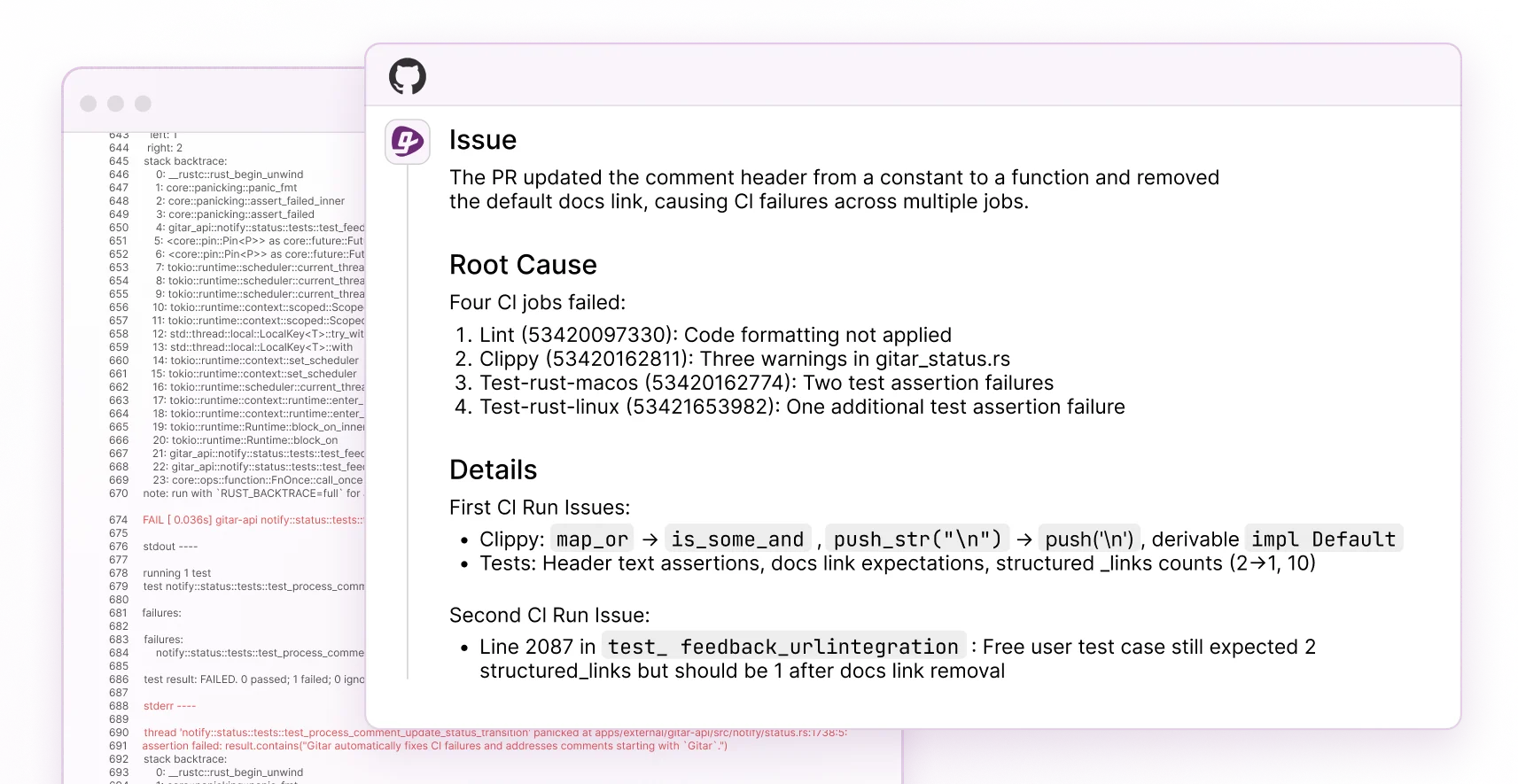
Installation takes about 30 seconds through a GitHub App and requires no configuration. When lint errors, test failures, or build breaks appear, Gitar posts a single dashboard comment with consolidated findings, applies fixes, and updates that same comment to avoid notification spam.
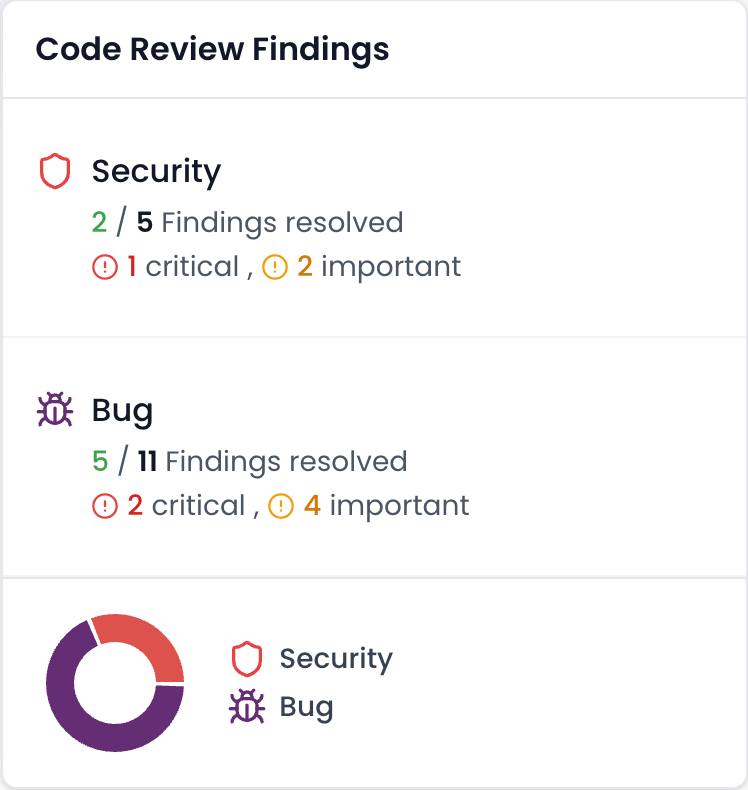
Core code review stays completely free for unlimited repositories and users, with no seat limits or credit card required. Auto-fix features come with a 14-day free trial so teams can validate impact before paying.
Key strengths include CI validation that confirms fixes work, zero setup complexity, and broad platform support across GitHub, GitLab, CircleCI, and Buildkite. Limitations remain minimal because the free tier already covers most use cases. Gitar fits developers and engineering leaders who want faster delivery without adding subscription costs.
Install Gitar now, automatically fix broken builds, start shipping higher quality software, faster.
#2: Qodo (Qodo Merge) for Context-Rich Reviews
Qodo Merge delivers context-aware PR reviews with multi-agent AI analysis and code generation. The platform supports partial one-click fixes but does not provide full CI validation like dedicated healing engines.
GitHub and GitLab integrations support team workflows with customizable rules and test generation. A self-hosted option appeals to security-conscious organizations that require strict data control.
Pricing starts at $15 or more per developer each month. Strengths include strong contextual analysis and enterprise-ready features. Limitations include manual implementation for many suggestions and higher costs compared to free alternatives.
Qodo works best for agile teams that value detailed review feedback more than automated fix application.
#3: CodeAnt AI for Security-Focused Reviews
CodeAnt AI combines code review, security analysis, and quality assessment using AST-based static analysis. The platform supports custom rules and automated suggestions through GitHub and GitLab integrations, although initial configuration is required.
Enterprise security features and merge gates provide strong governance. The platform does not include validated auto-commits and instead focuses on deep analysis and recommendations.
Paid pricing targets enterprise customers that need compliance and security coverage. Strengths include robust security scanning and enterprise controls. Limitations include setup complexity and the lack of CI-validated auto-fixes.
CodeAnt suits organizations that prioritize security and compliance over automated fix application.
#7: Cursor Bugbot for IDE-Centric Bug Fixing
Cursor Bugbot focuses on logic bug detection and IDE-integrated fixes for Cursor users. Pricing starts at $40 per user each month, and the tool targets IDE-level bug resolution instead of PR-based auto-commits.
Deep IDE integration gives developers immediate feedback while they code. The platform remains limited to Cursor IDE users and does not offer full CI pipeline integration.
Strengths include real-time bug detection and workflows that feel native inside the IDE. Limitations involve dependence on the Cursor ecosystem and relatively high pricing.
Cursor Bugbot fits Cursor IDE teams that care most about catching bugs during development rather than automating PR-level fixes.
#8: GitHub Copilot Autofix for Security Alerts
GitHub Copilot Autofix identifies and fixes security vulnerabilities directly within pull requests. The feature generates AI-powered fix recommendations for up to 20 CodeQL alerts in PR diffs and requires GitHub Advanced Security for full functionality.
Native GitHub integration keeps workflows simple for existing users. Pricing is bundled with GitHub Advanced Security or Copilot Business and Enterprise plans starting at $19 per user each month.
Strengths include tight GitHub ecosystem integration and a strong security focus. Limitations include a security-only scope and the need for GHAS to unlock broader use.
Copilot Autofix works best for GitHub-native teams that want automated security vulnerability remediation inside PRs.
#9: Bito AI for Affordable Auto-Fix Coverage
Bito AI offers fix-in-click automation, inline suggestions, and security analysis. The platform supports GitHub and GitLab with a free tier that delivers strong return on investment.
Context-aware suggestions and security scanning provide broad code analysis. Bito integrates with CI and CD pipelines for validation, although its auto-committing may not match specialized healing engines.
The free tier makes Bito accessible for smaller teams. Strengths include cost-effectiveness and wide platform support. Limitations involve differences in CI strategy compared to some competitors.
Bito suits teams that want affordable AI-powered reviews with basic auto-fix features.
#11: Aikido Security for Targeted Security AutoFix
Aikido Security focuses on AutoFix for security vulnerabilities and SAST findings with CI integrations. The platform targets security-specific use cases instead of broad code quality improvements.
Enterprise pricing and a narrow security scope reduce its appeal for general development teams. Strengths include deep security expertise and compliance features. Limitations include limited coverage for non-security fixes.
Aikido fits organizations that need dedicated security-focused auto-remediation capabilities.
Install Gitar now, automatically fix broken builds, start shipping higher quality software, faster.
CodeRabbit Alternatives Compared Side by Side
| Tool | Auto-Commit (Validated) | CI Integration | Pricing |
|---|---|---|---|
| Gitar | Yes (CI Green Guarantee, 14-day free trial) | Full (GitHub/GitLab/CircleCI) | Free (core review) |
| Qodo | Partial (One-Click) | GitHub/GitLab | $19+/seat |
| CodeAnt | No | GitHub/GitLab | Paid |
| Greptile | Partial | Limited | $30/seat |
Gitar’s mix of free pricing, CI validation, and broad platform support clearly separates it from paid alternatives that offer limited auto-commit capabilities.
Evaluating ROI for Auto-Commit Code Review Tools
Different engineering roles benefit from auto-commit tools in specific ways. Developers reduce context switching, engineering leaders gain higher delivery velocity, and platform engineers move closer to self-healing infrastructure.
ROI modeling for a 20-developer team shows potential savings of $750,000 each year by cutting daily CI and review time from 1 hour to 15 minutes per developer. Organizations with high AI tool adoption saw median PR cycle times drop by 24%, which confirms measurable productivity gains.
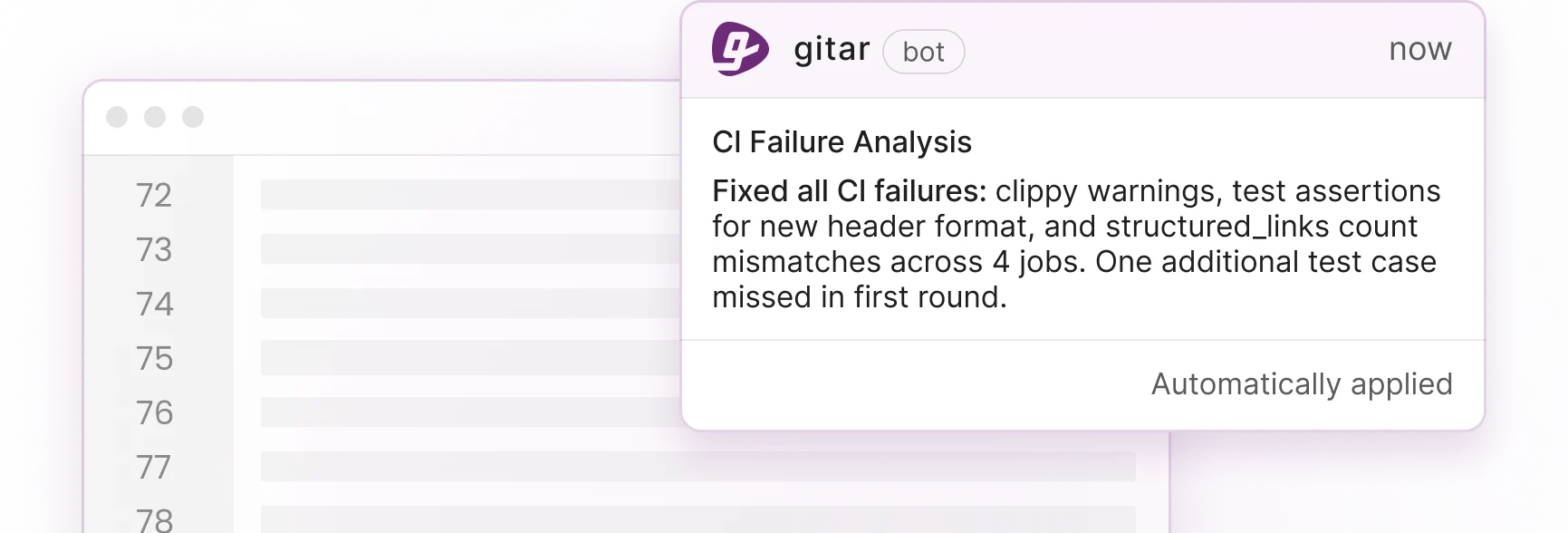
Teams can address trust concerns around automated commits with configurable approval workflows. Many start in suggestion mode, then enable auto-commits for specific failure types after building confidence. The broader shift toward agentic CI platforms signals growing comfort with validated automated fixes.
Install Gitar now, automatically fix broken builds, start shipping higher quality software, faster.
Frequently Asked Questions About CodeRabbit Alternatives
Does Qodo auto-commit fixes like Gitar?
Qodo does not auto-commit fixes in the same way as Gitar. Qodo provides one-click suggestions that still require manual review and implementation. Gitar validates fixes against your CI environment and commits working solutions automatically, which guarantees green builds without manual intervention.
What free CodeRabbit alternatives offer unlimited auto-fixes?
Gitar offers free unlimited code review plus a 14-day free trial for CI-healing auto-fixes with no seat or repository limits. Other alternatives such as Qodo and Greptile provide paid plans starting around $15-30 per developer each month with advanced features, while Gitar’s core code review remains fully free.
How easy is CI integration setup?
Gitar installs through a GitHub App in about 30 seconds and requires no configuration. The platform automatically connects with GitHub Actions, GitLab CI, CircleCI, and Buildkite without manual setup. Many other tools still require complex YAML configurations or enterprise security approvals.
What ROI can teams expect from auto-commit tools?
A 20-developer team often saves about $750,000 annually by cutting daily CI and review time from 1 hour to 15 minutes per developer. The 91% increase in PR review time caused by AI coding tool adoption makes automated fix application critical for maintaining delivery speed.
Is it safe to switch from CodeRabbit to auto-commit alternatives?
Switching to Gitar gives teams a free upgrade from suggestion-only reviews to validated auto-fixes. Teams can begin in suggestion mode to build trust, then enable auto-commits for specific failure types. SOC2 compliance and configurable approval workflows help satisfy enterprise security requirements.
Conclusion: Choose Gitar for Validated Auto-Commit Freedom
The code review bottleneck now demands more than expensive suggestion engines. Gitar leads as a free CI-healing platform that offers unlimited auto-commits with green build guarantees, while many competitors still charge premium prices for manual workflows.
Install Gitar now, automatically fix broken builds, start shipping higher quality software, faster.