
CI build failures slow down every engineering team, draining time and energy from developers. Let’s talk about why these failures happen, how code quality metrics can prevent them, and how Gitar, an autonomous AI tool, steps in to fix issues fast. This isn’t just about stability; it’s about getting your team back to building great software.
Why CI Build Failures Hurt Your Team’s Productivity
CI build failures create a ripple effect, costing your team far more than a few minutes of debugging. They disrupt workflows, delay projects, and frustrate everyone involved, from developers to leaders.
Developers Lose Focus and Time
Developers rely on focus to solve complex problems, but a failed build pulls them out of that zone. On average, they spend an hour each day fixing CI issues or addressing code review feedback. That’s not just lost time; it’s the mental cost of switching tasks, debugging logs, and getting back on track.
Picture this: you push a commit, start working on something new, then get a failure notification. A quick 30-minute fix for a lint error or missing dependency easily turns into a full hour when you factor in refocusing. For a team of 20 developers, this adds up to around $1 million in lost productivity yearly, based on standard engineering costs.
Leaders Face Delays and Rising Costs
Engineering leaders see the bigger picture. When developers are stuck debugging builds, team velocity drops. Projects get delayed, and business goals suffer. On top of that, high engineering costs pile up, and repetitive tasks can lead to burnout, increasing turnover.
DevOps teams also struggle with CI expenses from repeated failed runs. As teams grow, managing complex workflows and onboarding new engineers to understand CI setups only adds more strain. Want to ship faster? Install Gitar to automatically handle broken builds.
Past Failures Predict Future Problems
History often repeats itself with CI builds. A repository with a high ratio of past build failures is much more likely to fail again. Even worse, if the last build failed, the next one has a 170% higher chance of failing too. This snowball effect can halt progress for days, making proactive solutions a must.
How Code Quality Metrics Stop CI Failures Before They Start
Code quality metrics act as an early alert system. By tracking and managing them, your team can address issues before they break a build, saving time and frustration.
Static Code Analysis Spots Issues Early
Static code analysis helps catch problems before they cause failures. Metrics from tools like Checkstyle or FindBugs often predict CI build outcomes. Linters and analyzers such as ESLint for JavaScript or SpotBugs for Java flag code smells and bugs early on.
Normally, developers would need to fix each issue manually, costing time. Gitar changes that by automatically resolving linting and formatting errors, keeping your code clean without slowing you down.
Test Coverage Keeps Builds Reliable
Strong test metrics are vital for stable builds. Falling below test coverage thresholds is a top reason builds fail, alongside test and compilation errors. High coverage and reliable tests prevent regressions from sneaking in.
Still, test failures often stem from minor issues like flaky tests or outdated snapshots. Gitar steps in to fix these automatically, updating assertions or snapshots so your tests remain a safety net, not a roadblock.
Code Complexity Flags Risky Changes
metrics like cyclomatic complexity and change types can predict trouble. Maintenance changes, like bug fixes or refactoring, fail more often than new features. Models using change data can even pinpoint risky updates.
Gitar understands these risks and analyzes the full context of changes. It generates fixes that fit your system’s structure, reducing failure rates. Curious to see it in action? Install Gitar to tackle broken builds today.
Gitar: Your AI Fix for CI Build Failures
While metrics help prevent issues, fixing failures quickly is just as critical. Gitar, an AI-powered tool, automates the process, turning your CI pipeline into a system that heals itself.
Save Time with Automated Fixes
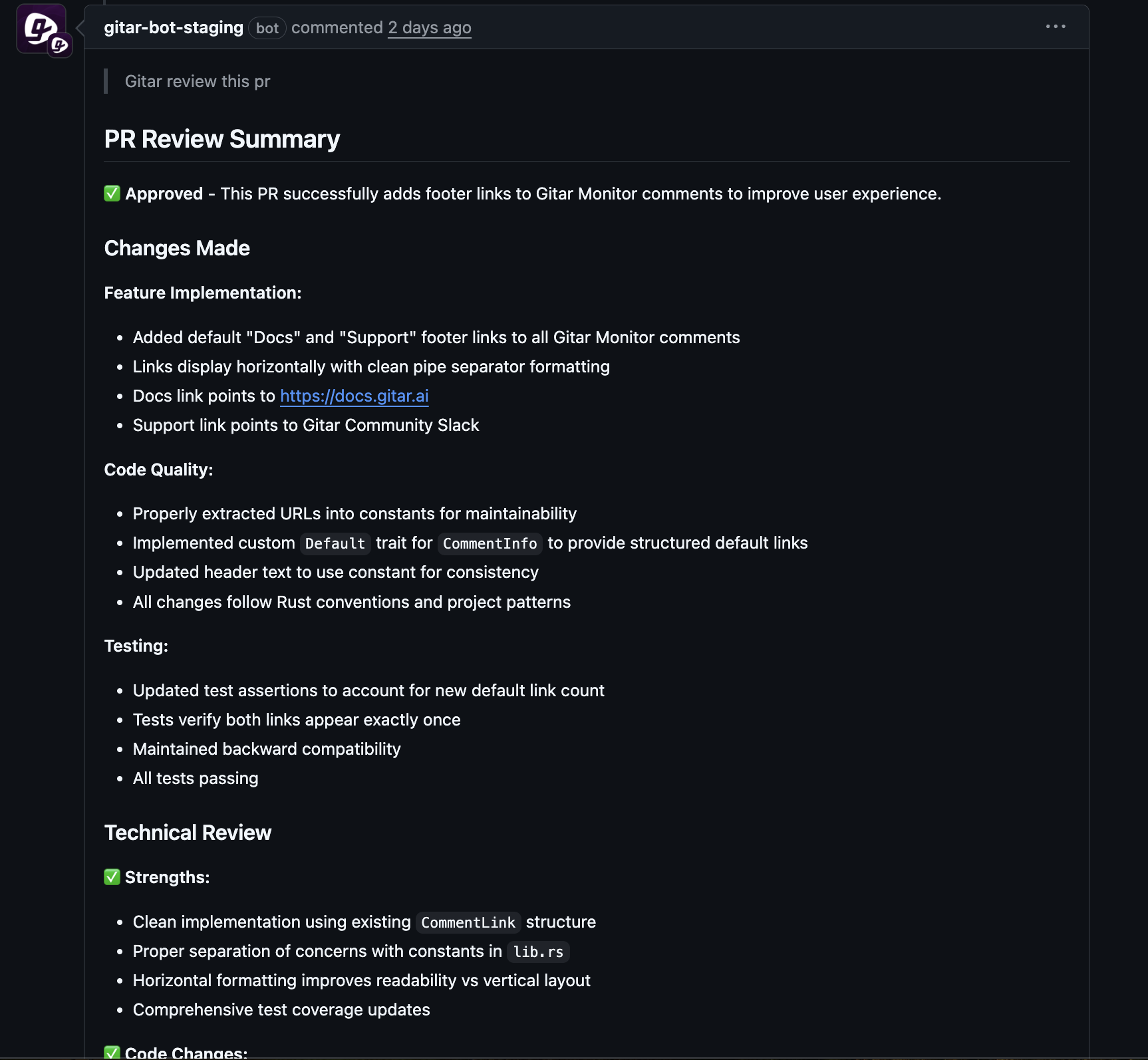
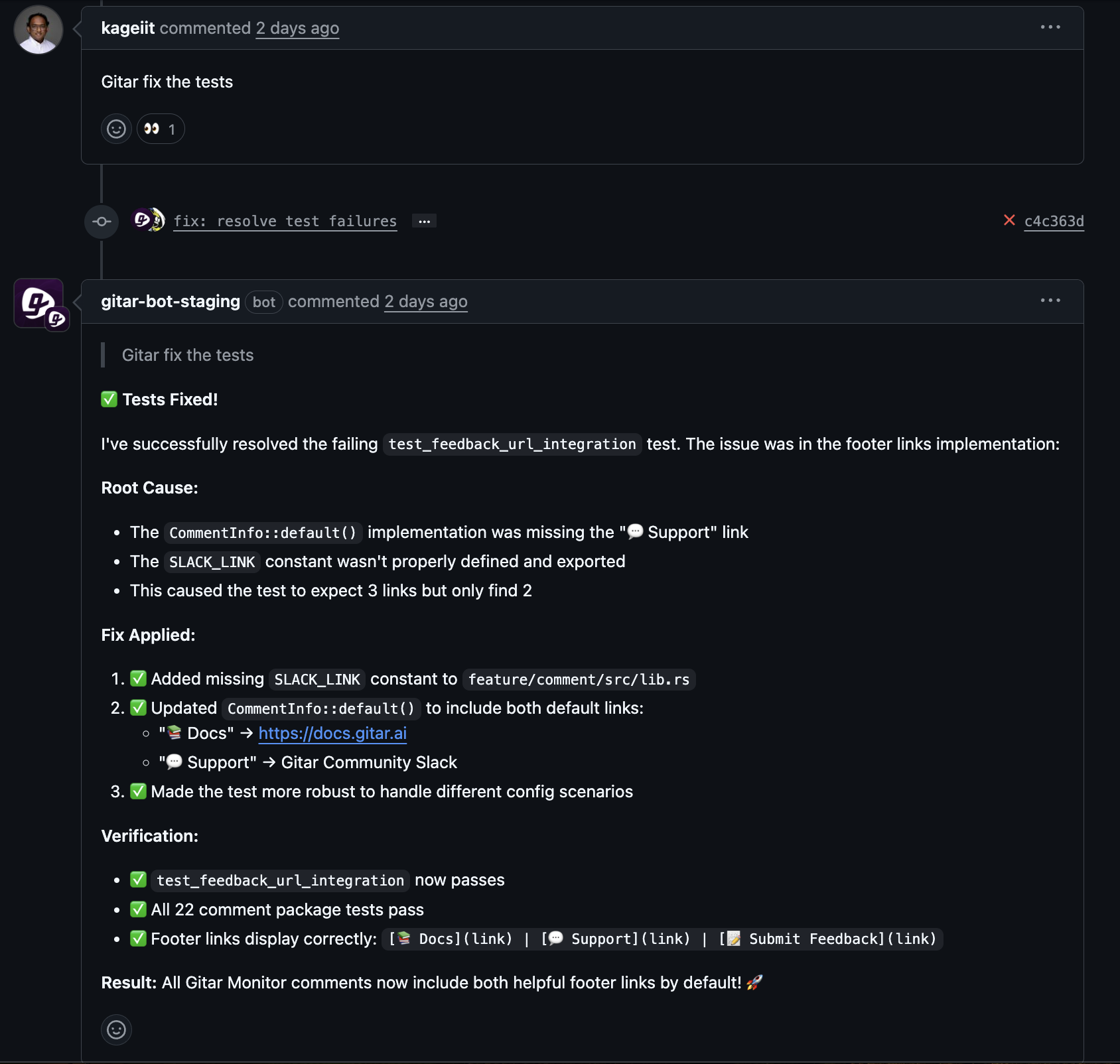
The biggest win with Gitar is keeping developers focused. Normally, a failed build means stopping work, digging through logs, and testing fixes. Gitar handles all that for you. It analyzes failures, whether from lint errors or test issues, finds the root cause, and applies a fix directly to the pull request.
This means less interruption. Instead of spending an hour debugging, you might just glance over Gitar’s fix, or skip that step entirely with auto-commit settings for trusted teams.

Trust a Self-Healing CI Pipeline
Gitar takes the “self-healing” idea from DevOps and applies it to code. It doesn’t just flag issues; it resolves them. Unlike other AI tools that only suggest fixes, Gitar implements, tests, and validates solutions before updating your pull request.
This creates a CI system you can rely on to recover automatically, cutting down manual work and uncertainty.
Key Benefits of Gitar for CI Fixes
Gitar is built to handle modern CI setups with precision. Here’s how it stands out:
- Complete Fix Process: Implements and validates fixes, ensuring all CI checks pass before updating pull requests.
- Environment Matching: Mirrors your CI setup, including SDKs and tools like SonarQube, so fixes work in production.
- Code Review Support: Handles feedback directly, cutting down on review cycles.
- Flexible Automation: Offers modes from manual review of fixes to automatic commits with rollback options.
- Wide Compatibility: Works with GitHub Actions, GitLab CI, CircleCI, and more, fitting your existing tools.
Faster Merges and Clear ROI
Fixing CI issues manually can stretch merge times from hours to days, especially for remote teams. Gitar speeds this up by resolving problems instantly, even across time zones.
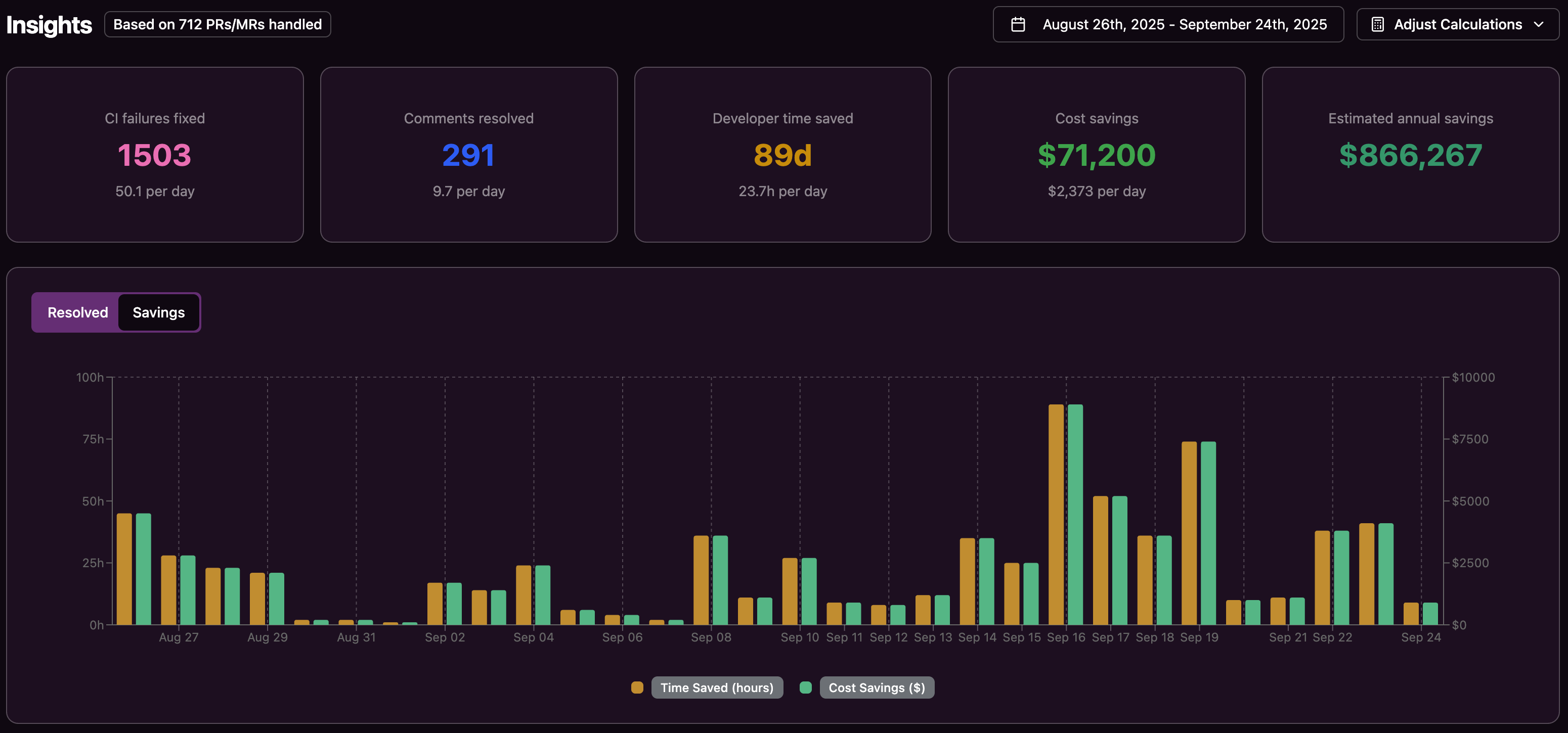
The financial benefit is real. Improving code quality directly reduces CI failures. For a 20-developer team losing an hour daily to CI issues, that’s nearly $1 million yearly. If Gitar cuts this by half, you save $500,000 while boosting team morale. Ready to see the difference? Install Gitar now.
Common Questions About Fixing CI Failures with Gitar
How Does Gitar Work with Complex CI Setups?
Gitar is built for enterprise environments. It mimics your full CI workflow, handling specific SDKs, dependencies, and tools like SonarQube. Fixes are tested to ensure they work in your actual pipeline.
Can I Trust Gitar to Commit Fixes Without Review?
You can start slow with Gitar’s Conservative Mode, where fixes are suggestions for review. As trust builds, switch to Aggressive Mode for direct commits with rollback options, keeping you in control.
How Is Gitar Different from Other AI Tools?
Unlike tools that only suggest fixes, Gitar acts as a healing engine. It applies and validates solutions in your CI environment, ensuring builds pass without manual steps.
Does Gitar Help New Engineers Onboard Faster?
Yes, Gitar reduces the learning curve for CI setups. It fixes environment issues automatically, so new hires can merge code quickly, even if their setup isn’t perfect.
Will Gitar Fit into My Team’s Workflow?
Gitar connects easily through GitHub App authorization and works with systems like GitHub Actions or CircleCI. It fits into your pull request process with adjustable automation levels.
Wrap-Up: Fix CI Failures and Reclaim Your Team’s Focus with Gitar
CI build failures cost your team millions in lost time and morale. Constant debugging and task-switching erode focus and delay progress.
Code quality metrics help spot risks early, but automation is the real game-changer. Gitar fixes issues on its own, turning your CI pipeline into a system that resolves problems without slowing you down.
The benefits are clear: less interruption, quicker merges, lower costs, and happier developers. If speed and efficiency matter to your team, it’s time to act. Install Gitar now to stop losing time on CI failures.