
Continuous Integration (CI) on cloud platforms often slows developers down, costing companies significant time and money. By combining scalable cloud infrastructure with AI-supported tools, teams can create self-healing CI systems that streamline workflows, enhance productivity, and speed up delivery cycles.
Why Traditional CI on Cloud Platforms Slows Down Development
Even with substantial investments in cloud setups and CI/CD tools, many development teams face a productivity challenge. Developers spend nearly 30% of their time fixing CI failures and handling code reviews, turning efficient pipelines into sources of delay and frustration.
How Context Switching Hurts Developer Focus and Morale
Modern development workflows often disrupt focus. After submitting a pull request, a failed build forces you to dig through logs, switch to your local setup, make a fix, recommit, and wait for the pipeline to rerun. This process turns a quick adjustment into a major time sink, breaking your concentration.
Attempting to move to the next task while waiting for feedback or CI results pulls you back repeatedly. For a team of 20 developers, this interruption can cost around $1 million yearly in lost productivity. Beyond time, the constant shift in focus creates frustration, pulling developers from creative work to repetitive troubleshooting, which can lead to burnout and lower job satisfaction.
Challenges with Root Cause Analysis and Cloud CI Environments
Environment setup issues, especially in shared or poorly isolated test spaces, often cause CI pipeline failures. Slow error diagnosis due to unclear logs and undefined ownership adds to the problem.
Shared CI environments lead to resource conflicts, causing test failures and delayed feedback. In large organizations, managing multiple pipelines at once complicates tracking and fixing failures, especially without clear templates and ownership for each stage.
Manually sorting through logs, dependency issues, and environment mismatches takes developers away from coding. This detective work consumes time that could be spent on building and improving software.
Why Faster Code Generation Creates New CI Hurdles
Tools like GitHub Copilot speed up coding, letting developers produce more in less time. However, this increase in output strains validation and integration phases, as teams must handle a larger volume of changes within existing CI systems.
Automating without a clear process understanding can turn CI/CD into a source of friction, increasing interruptions for developers. While coding is faster, validating and integrating that code now takes up more time, creating a new kind of delay in delivery workflows.
Using Cloud Platforms to Build a Self-Healing CI Foundation
Cloud platforms offer the flexibility and scale needed for reliable CI systems. When set up effectively, they support automated, self-healing processes that reduce common development delays.
Scaling On-Demand with Isolated Environments for Better CI Reliability
Cloud platforms can address resource conflicts by creating dedicated test environments as needed. This ensures each CI job runs in isolation, mimicking production settings for consistent results.
Replicating production-like test spaces in the cloud improves testing accuracy and cuts down on environment-related errors. Isolation prevents one team’s issues from affecting others, reducing common CI failures.
Using auto-scaling and temporary resources like containers keeps costs manageable by shutting down unused setups after jobs finish. This approach makes dedicated environments practical, avoiding the bottlenecks of shared systems.
Improving Visibility with Cloud CI Monitoring and Telemetry
Cloud telemetry tied to deployments offers clear insights into why failures happen. This data is vital for automated systems to diagnose and fix problems efficiently.
With robust APIs and event-driven setups, cloud platforms enable real-time alerts and automated responses. When issues arise, diagnostic processes start immediately, gathering logs and data to help resolve problems without delay, whether by humans or automated tools.
Maintaining Consistency with Infrastructure-as-Code in CI Workflows
Regular checks in cloud setups ensure CI environments align with coded definitions, supporting reliable automated processes. Consistent setups are essential for fixes to work across all environments.
Automated updates and security policies, like encryption and strict access controls, maintain standards without manual effort. These features keep CI environments secure as they grow.
Coding infrastructure allows for versioning and testing of CI setups, creating a stable base for automated tools to function reliably. This structured approach supports building effective self-healing systems.
How AI Tools Enable Self-Healing CI on Cloud Platforms
AI tools provide practical ways to automate CI fixes on cloud platforms. Acting as independent agents, they address pipeline failures and code review feedback, saving developers hours of manual effort daily.
Ready to automate CI fixes and improve your workflow? Discover AI-supported CI solutions today.

Here are key ways AI tools support self-healing CI:
- Complete Issue Resolution: AI agents detect CI failures, create fixes, apply them, and commit changes to the branch, handling errors like linting issues and test failures without developer input.
- Accurate Environment Matching: These tools replicate complex workflows, including specific SDKs and dependencies, ensuring fixes fit the context.
- Flexible Trust Options: Teams can choose between reviewing AI suggestions or allowing direct commits with rollback capabilities, adopting automation at their own pace.
- Wide Platform Compatibility: AI tools work across various CI systems, supporting diverse technology setups.
- Support for Distributed Teams: By acting on reviewer feedback, AI ensures updates are ready across time zones, reducing delays for global teams.
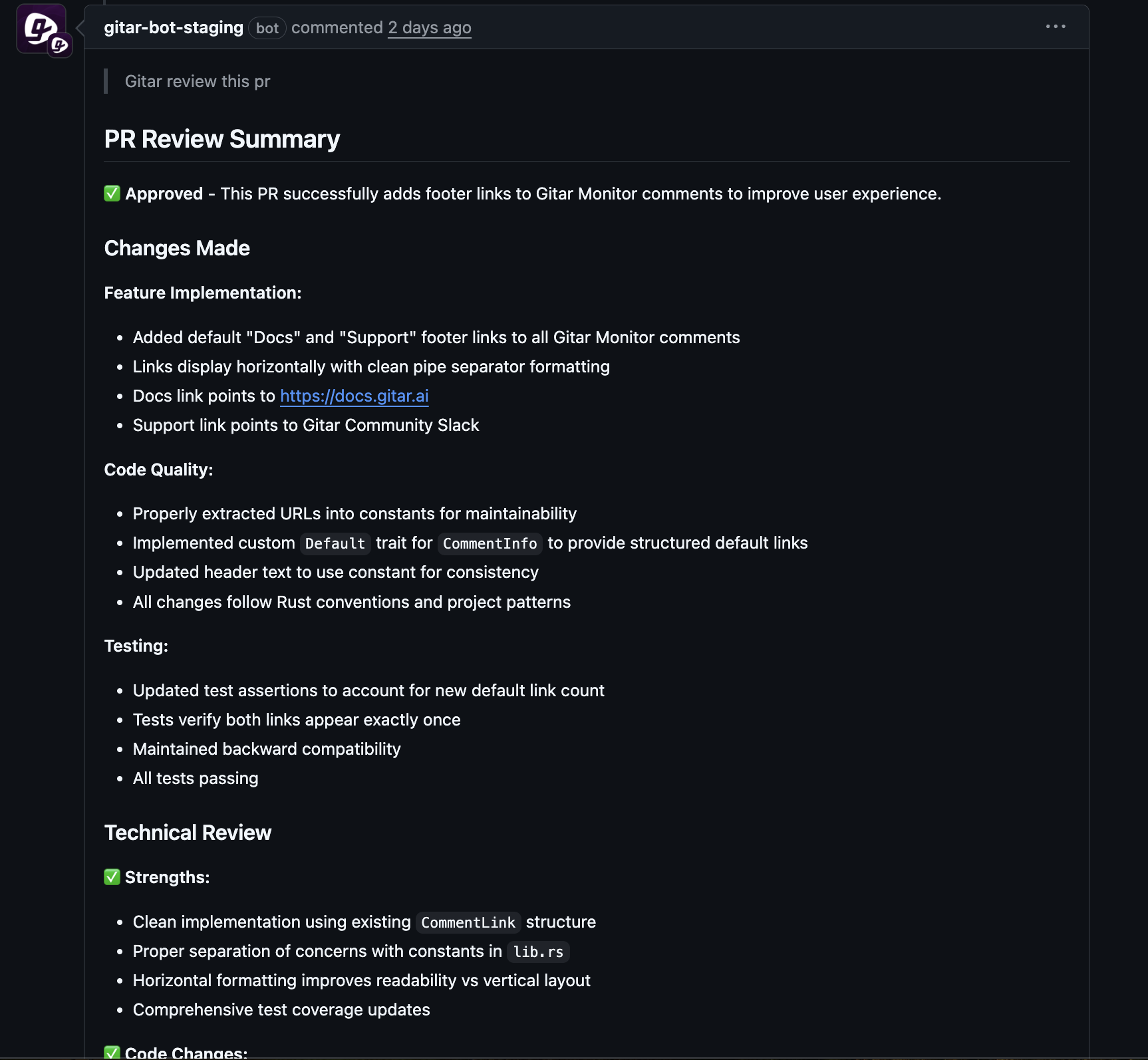
Key Advantages of Cloud-Native CI with AI Automation
Pairing cloud-native CI with AI-driven automation delivers significant improvements, reshaping how teams develop and deliver software with measurable gains in efficiency and focus.
Enhancing Developer Focus and Productivity with Automated CI Fixes
Self-healing CI systems tackle the biggest workflow disruptor: constant interruptions. When failures are fixed automatically, developers stay focused on meaningful tasks instead of troubleshooting minor issues.
This reduction in frustration matters just as much as time saved. Developers feel less stressed when they’re not dragged into repetitive debugging, freeing mental energy for complex problem-solving and feature development that add real value to projects.
For teams using AI coding tools, automated CI fixes clear a major hurdle. Writing code quickly with AI support and merging it just as fast with automated fixes creates a smoother, faster development cycle, amplifying creativity without infrastructure delays.
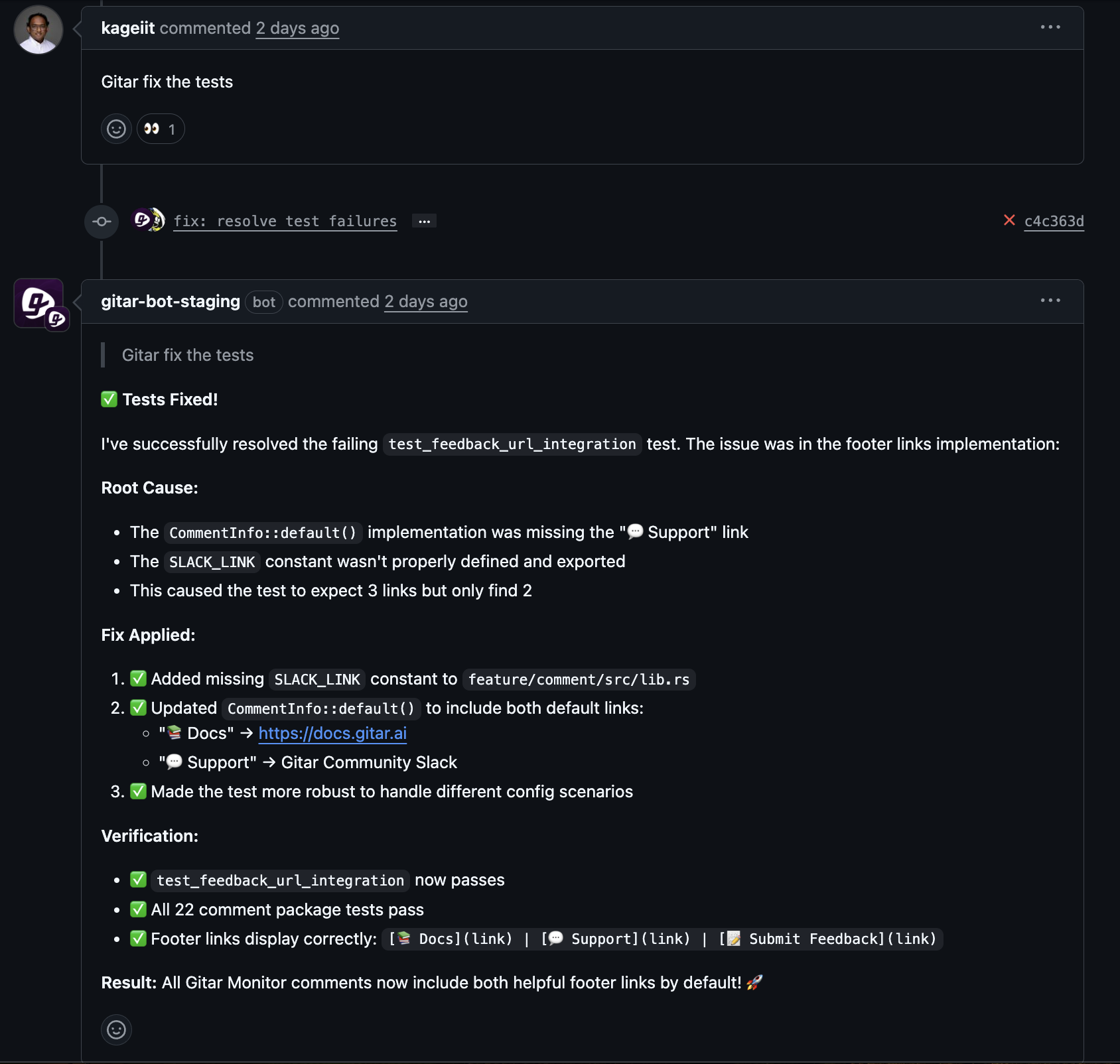
Speeding Up Delivery and Cutting Costs for Engineering Teams
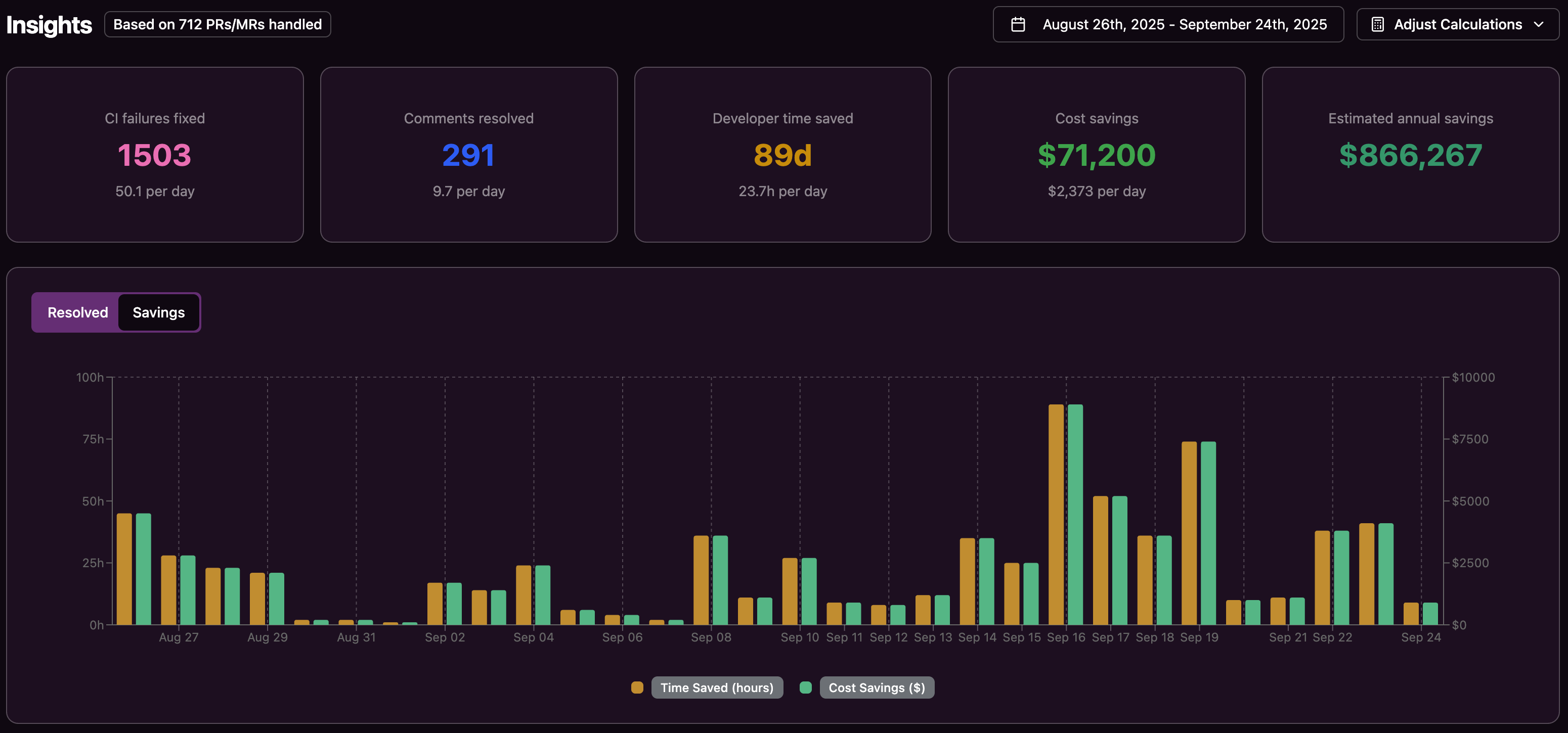
Automated CI systems save more than just developer time, they impact the bottom line. A team of 20 developers spending an hour daily on CI and review issues loses about $1 million annually. Automating even half of these tasks offers clear financial benefits alongside better team morale and speed.
Quicker merges benefit the broader organization. Products launch faster, feedback loops tighten, and competitive edges strengthen. Shorter delays from commit to deployment enable rapid iteration and responsiveness in development.
Cloud management tools with auto-fixing features cut downtime and manual work, lowering infrastructure costs. This efficiency reduces operational overhead while maintaining pipeline reliability.
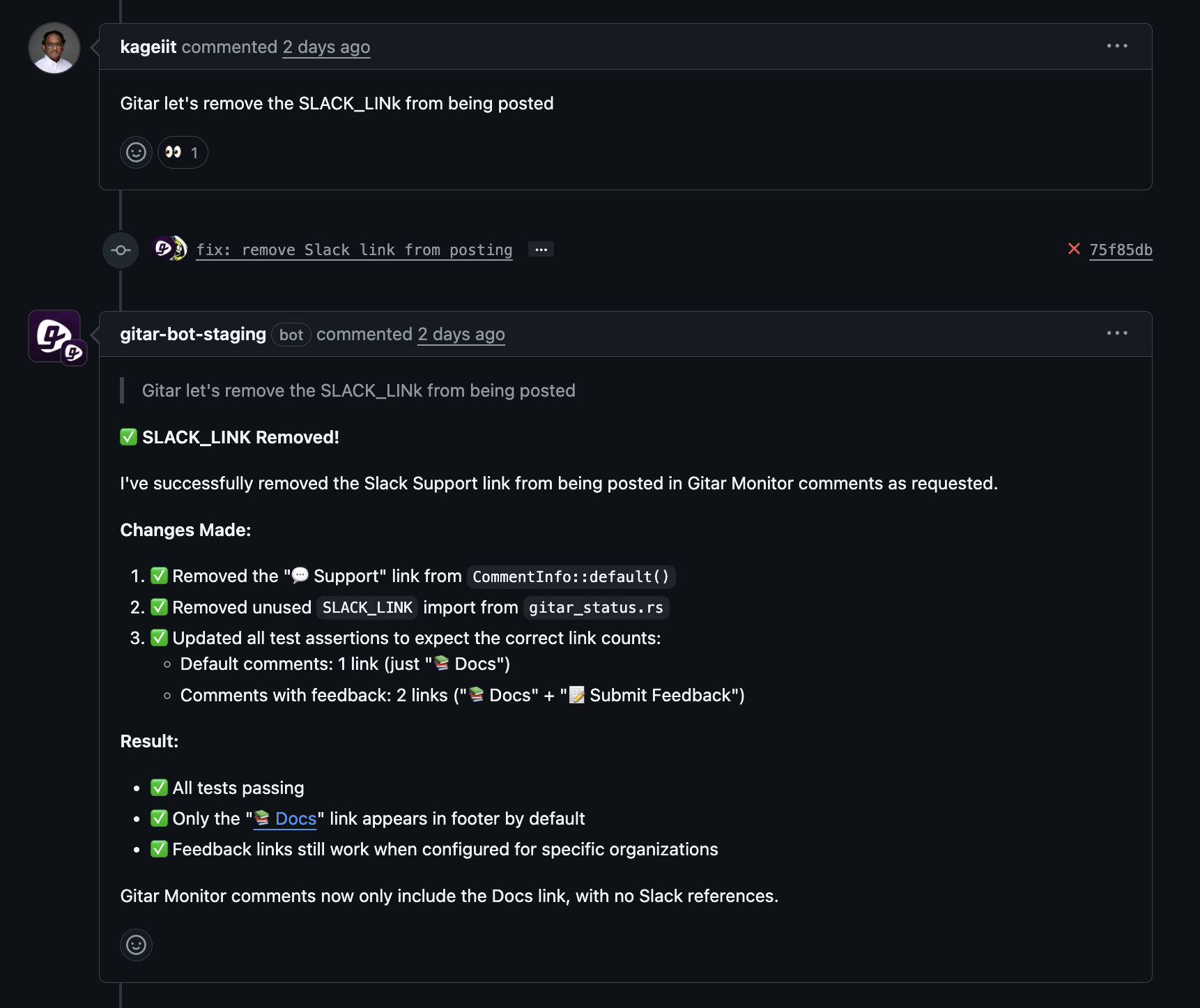
Securing and Standardizing Cloud CI/CD Pipelines
Misconfigured cloud resources and human mistakes are major causes of security issues in CI/CD pipelines. Automated CI tools help by enforcing consistent security measures and catching setup drifts.
Secure CI requires strict access controls, careful secret management, regular permission checks, and automatic error detection. Self-healing systems apply these rules reliably, reducing risks from manual errors.
AI tools can check, update, and maintain compliance standards, turning CI into a system that boosts speed while lowering risk. This makes security and compliance automatic rather than barriers to progress.
Preparing CI for the Future with Predictive AI and Automation
AI automation and dynamic resource scaling are shaping cloud platforms to better support self-healing CI/CD systems. Teams adopting these now will benefit as AI and cloud features continue to evolve.
Cloud providers keep adding AI-driven features for spotting issues, predicting failures, and fixing them automatically. This trend makes self-healing CI more powerful and easier to implement over time.
Investing in automated CI systems now sets teams up for future advancements. As AI improves and cloud platforms offer more automation options, early adopters will integrate new tools smoothly, staying ahead in efficiency.
Want to remove CI delays and boost your team’s speed? Learn about AI-supported CI solutions and start automating fixes.
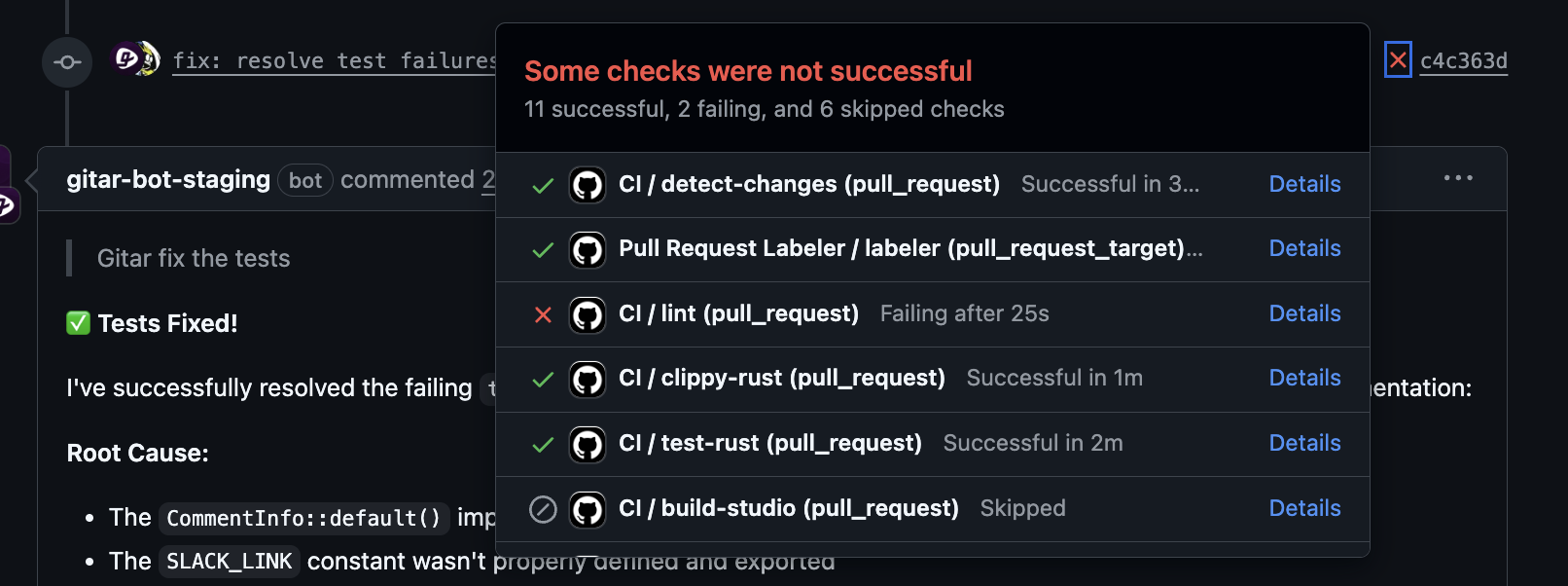
Comparing AI-Assisted CI Automation to Traditional Methods
|
Feature Area |
Traditional Manual CI Fixes |
AI Suggestion Tools |
AI-Assisted CI Automation |
|
Issue Resolution |
Manual Debug & Fix |
Suggestions, Manual Action |
Automatic Fixes & Checks |
|
Context Switching |
High |
Moderate |
Minimal |
|
Environment Context |
Developer-Dependent |
Limited |
Full Workflow Match |
|
Validation Guarantee |
Manual Reruns |
Uncertain Outcome |
Confirmed Passing Builds |
This table shows clear differences. Manual fixes demand developers troubleshoot and resolve issues themselves. AI suggestion tools offer ideas but still need manual effort to apply and verify changes. AI-assisted automation fully handles fixes, checks them against complete CI setups, and ensures successful builds before involving developers.
Common Questions About Self-Healing CI
How Do Cloud Platforms Improve CI Reliability for Large Teams?
Cloud platforms boost CI reliability for big organizations in practical ways. They create isolated, on-demand test environments to avoid conflicts in shared setups, ensuring accurate testing without cross-team interference.
Built-in monitoring tools provide clear pipeline insights and quick failure detection with detailed logs, speeding up diagnosis for both people and automated systems. Infrastructure-as-Code ensures consistent setups across complex systems, allowing reliable versioning and testing of environments needed for automated fixes to work effectively.
How Do Autonomous CI Tools Differ from AI Code Reviewers for Cloud-Based Issues?
Most AI code reviewers suggest fixes but rely on developers to apply and test them. Autonomous CI tools go further by analyzing issues, creating fixes, applying them, and validating results against the full pipeline, delivering passing builds with minimal manual effort.
The difference lies in context and testing. Reviewers focus on code with limited environment awareness, while autonomous tools match full workflows, including specific setups and dependencies, ensuring fixes work in real conditions. Flexible trust settings let teams start with suggestions and move to full automation gradually.
What Role Does AI Play in Self-Healing CI, and How Do Cloud Platforms Help?
AI drives self-healing CI by analyzing failures, identifying causes, creating fixes, and confirming solutions independently. It recognizes failure patterns, learns from past fixes, and tailors solutions to specific environments and codebases.
Cloud platforms provide the scalable setup needed for AI to work, with event-driven systems to trigger fixes instantly and APIs to connect with CI tools. They also offer isolated test spaces for AI to safely validate fixes, ensuring they function correctly before applying them, blending AI capability with cloud flexibility for effective automation.
How Do Autonomous CI Tools Manage Complex Enterprise Environments on Cloud Platforms?
Autonomous CI tools handle intricate enterprise setups by replicating full workflows, including specific versions and dependencies, creating fixes that match unique systems. They test solutions against complete CI processes for reliability.
Cloud platforms support this by offering resources to mimic complex environments on demand. These tools also work across different CI systems and align with enterprise security and compliance needs, ensuring compatibility and consistency at scale.
Driving Developer Speed with Self-Healing CI on Cloud Platforms
Software development faces a turning point. AI coding tools have sped up code creation, but validation and integration bottlenecks persist, with manual CI issues costing millions in lost productivity. Combining cloud capabilities with AI automation offers a way forward for teams frustrated by constant failures and slow reviews.
Cloud platforms provide the scale and consistency needed for self-healing CI, using on-demand resources, detailed monitoring, and coded infrastructure. Paired with AI tools that automatically diagnose and fix issues, they turn CI into a driver of efficiency for development teams.
AI-supported tools tackle CI failures directly, automating fixes so developers maintain focus, deliver faster, and reduce costs through better productivity. Adjustable trust options let teams adopt automation comfortably, minimizing workflow interruptions.
Adopting self-healing CI now positions organizations for ongoing success. As AI and cloud features advance, teams with automated CI systems will integrate new tools easily, maintaining an edge over those stuck in manual processes.
Ready to clear CI obstacles and speed up your engineering team? Explore AI-supported CI solutions and automate fixes today.