
Key Takeaways
- CI/CD bottlenecks consume significant developer time and create frequent context switching, which slows shipping and contributes to burnout.
- The most common issues in 2026 involve misconfigured automation and tests, environment drift, cultural resistance, late security checks, and scalability limits in growing pipelines.
- Standardized automation, Infrastructure-as-Code, early security checks, and performance tuning help reduce delays and waste across the pipeline.
- AI-driven systems can automatically diagnose and fix many lint, test, and build failures, lowering manual debugging effort and wasted CI minutes.
- Teams can use Gitar to add autonomous CI fixes, reduce failed runs, and speed code reviews within existing GitHub workflows: Install Gitar for your repositories.
Why Eliminating CI/CD Bottlenecks Is Critical for Engineering Teams in 2026
CI failures and slow feedback loops now create a major business cost, not just a technical inconvenience. Developers can spend up to 30% of their time dealing with CI issues, and pipeline failures delay projects for most companies. Frequent interruptions break focus and extend delivery timelines.
Friction in code review and CI failures slows releases, increases infrastructure spend, and weakens competitiveness. For a 20-developer team, lost productivity can approach seven figures annually. Modern CI/CD bottlenecks now cluster in validation and merging, where more PRs and tests create fourfold costs in delivery speed, security, cloud waste, and strategic agility. In 2026, teams that do not automate these stages fall behind.
Gitar: AI-Powered Help for CI/CD Pipeline Bottlenecks
Gitar is an autonomous AI agent that focuses on fixing CI and code review friction. It turns many failed builds and review comments into automated updates, so developers spend less time on repetitive CI work.
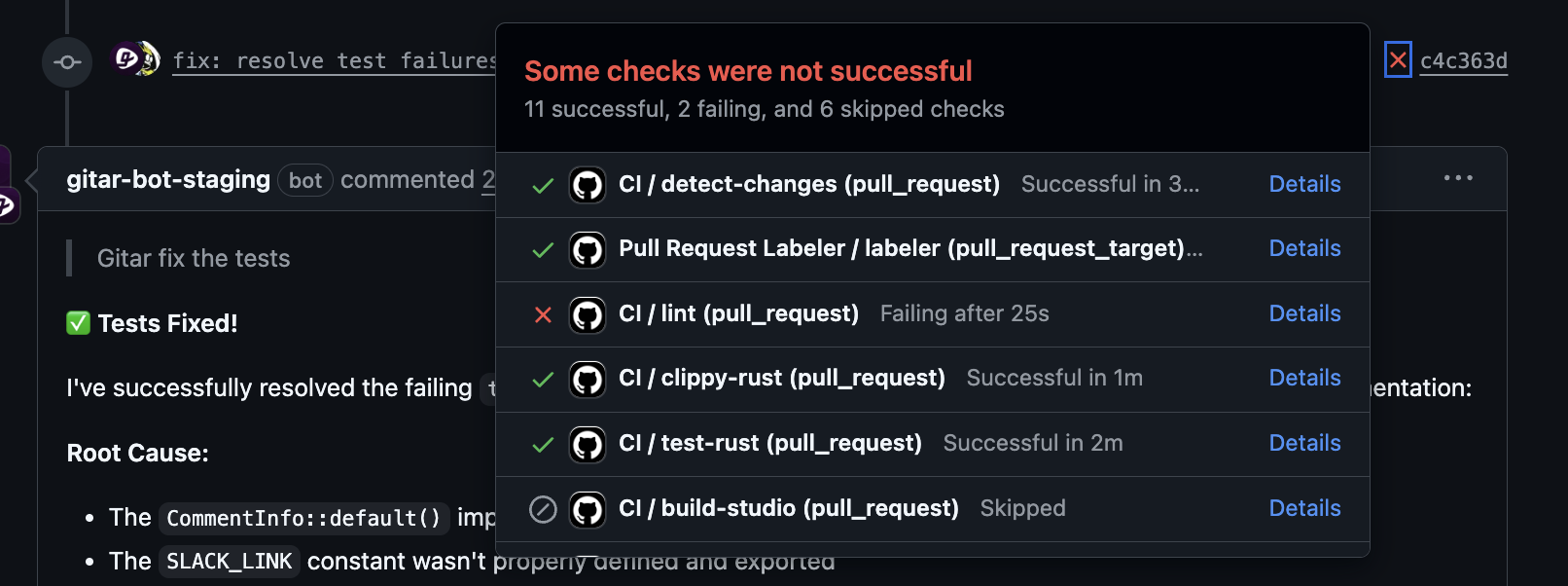
- End-to-end autonomous fixing: Gitar analyzes CI logs, identifies failing lint, test, and build steps, and applies fixes directly to the PR branch, then reruns checks.
- Full environment replication: Gitar emulates complex enterprise setups, including specific SDK versions and multi-SDK dependencies, so fixes respect real-world environments.
- Code review assistance: Gitar responds to reviewer comments by updating code to match instructions, which shortens review cycles and reduces back-and-forth.
- Configurable trust model: Teams can start with suggestion-only mode and move toward auto-commits with rollback, based on comfort and policy.
- Cross-platform compatibility: Gitar works with GitHub Actions and other CI platforms, fitting into existing workflows with minimal change.
Install Gitar to add autonomous CI fixes and review help to your GitHub repositories.
5 Common CI/CD Pipeline Bottlenecks and How to Eliminate Them
1. Fix Automation and Testing Bottlenecks That Slow Feedback
Poorly structured automation, long test suites, and flaky tests create slow and unreliable feedback loops. Low automation maturity correlates with much less frequent deployments and higher failure rates. Misaligned or low-value tests also waste build minutes and infrastructure spend.
Standardized frameworks, parallel test execution, and clear layering of fast and slow tests improve speed and reliability. AI tools that prioritize test cases and detect flakiness further reduce wasted runs, while running quick checks early and broader suites later supports quality at speed.
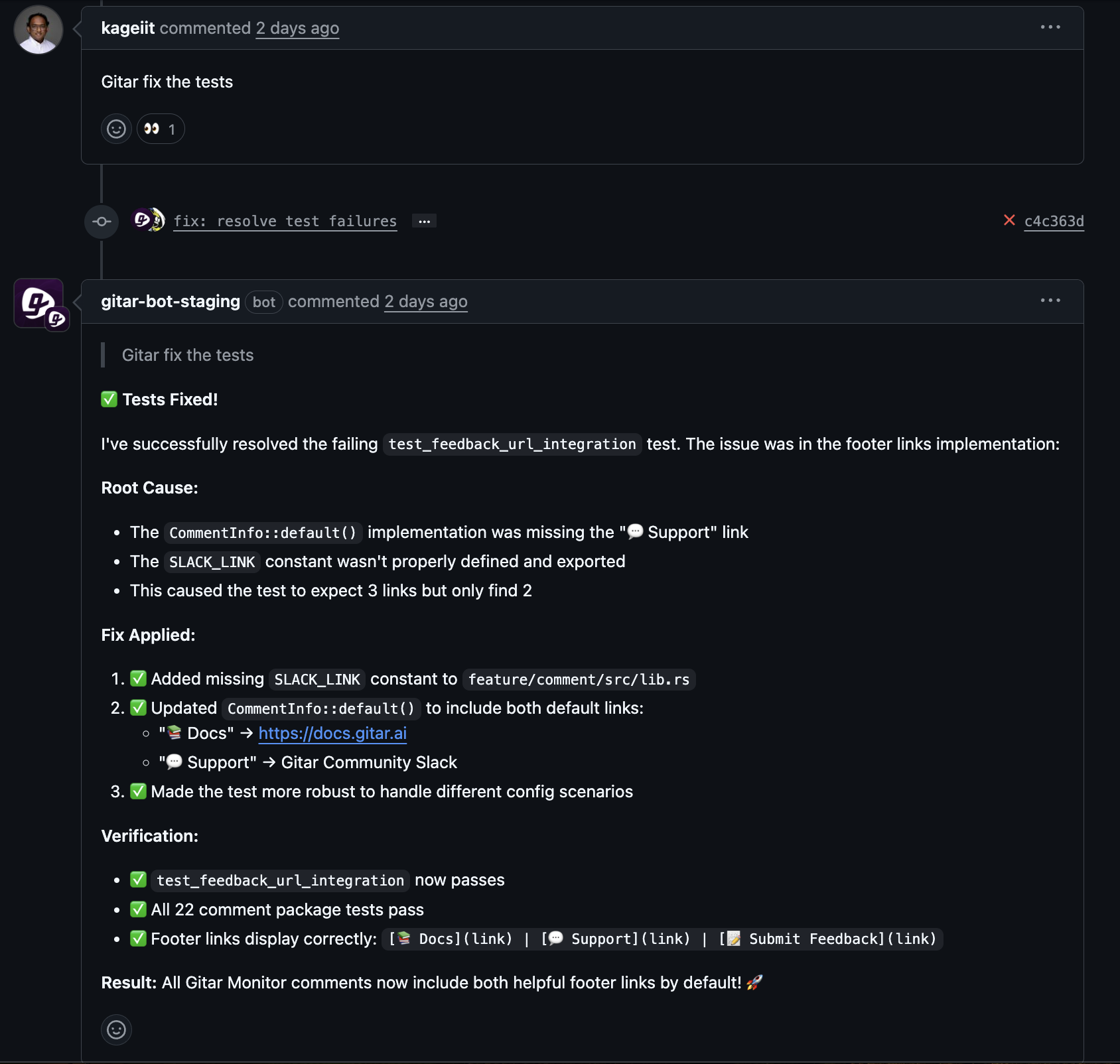
Gitar reduces automation and testing bottlenecks by fixing many common failures without manual effort. It updates snapshots, repairs broken assertions, and resolves dependency or build configuration issues in the background, then verifies fixes through CI.
Actionable takeaway: Use Gitar to handle recurring lint, test, and build failures so developers receive faster feedback with fewer interruptions.
2. Remove Environment Inconsistencies That Cause Flaky Failures
Differences between local, staging, and production environments create unexpected failures and flakiness. These gaps increase debugging time, frustrate developers, and slow recovery from incidents.
Infrastructure-as-Code and containerization, supported by a broader shift to treating more components as code, help keep environments consistent. Centralized, versioned environment definitions reduce configuration drift and manual error.
Gitar supports this strategy by replicating real enterprise environments before applying fixes. It respects specific SDK versions, services, and dependencies, which makes automated fixes match how code runs in CI and production.
Actionable takeaway: Pair IaC with Gitar’s environment-aware fixes to cut down on “works on my machine” problems and shrink incident resolution time.
3. Reduce Cultural Resistance and Skill Gaps in DevOps Adoption
Limited DevOps experience and resistance to new tools slow CI/CD improvements and create coordination issues between CI and CD stages. Manual workarounds grow over time, and the context-switching tax on developers increases.
Training, clear ownership, and small, visible wins with automation help build trust. AI-enabled CI/CD is emerging as a practical way to move teams from manual tasks to predictable, automated workflows.
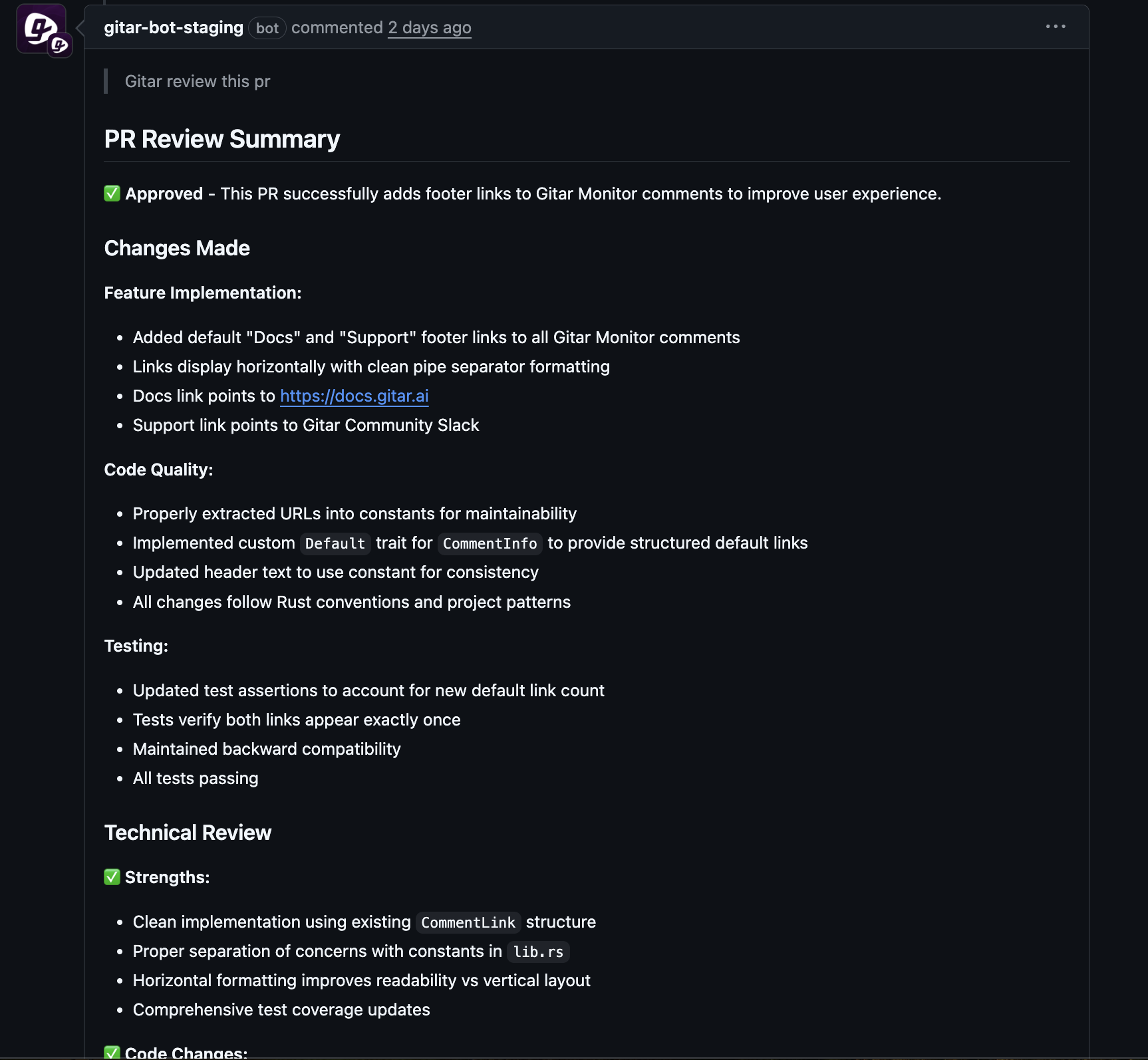
Gitar eases adoption by acting as a guide and assistant for both new and experienced engineers. New hires can merge code sooner, even with imperfect local setups, because Gitar handles many CI and review details for them. The trust model lets teams start with review-only suggestions and gradually adopt direct commits.
Actionable takeaway: Introduce Gitar in conservative mode to demonstrate clear time savings while keeping human review in place.
4. Catch Security Vulnerabilities Earlier in the Pipeline
Security issues that surface late in the pipeline demand expensive rework and can delay releases or create compliance risk. Pipelines that do not embed early security checks often miss critical issues until production.
Shifting security left with SAST, DAST, and dependency scanning in CI reduces this risk. Automated gates and AI-assisted analysis further improve coverage and responsiveness.
Gitar complements these tools by fixing CI failures in the same environment where security checks run. This alignment helps ensure that changes keeping the build green also respect existing security controls and policies.
Actionable takeaway: Combine security scanning with Gitar’s environment-aware fixes to keep builds passing while preserving security posture.
5. Improve CI Performance and Scalability as Your Codebase Grows
Slow builds, long test suites, and misused compute resources reduce developer morale and throughput. Manual infrastructure management often leads to 30–40% waste in cloud spend.
Optimized build configs, parallel execution, and predictive analytics help identify and remove bottlenecks before they impact teams. Intelligent monitoring and automated rollbacks reduce the impact of failures.
Gitar improves scalability by reducing repeated failed runs and manual retries, which lowers pressure on CI infrastructure. Platform and DevOps teams gain a more stable baseline because fewer builds fail for the same recurring reasons.
Actionable takeaway: Adopt Gitar to cut repeated failures and reclaim build minutes as your projects and teams grow.
Comparison Table: Gitar vs. Traditional Approaches to CI/CD Bottlenecks
|
Feature / Approach |
Manual Troubleshooting |
Suggestion Engines |
Gitar (Autonomous CI Fixes) |
|
Primary action |
Developer investigates and edits code |
Tool proposes changes for the developer to apply |
Gitar diagnoses issues, updates code, and validates changes |
|
Context switching |
High, with frequent interruptions to deep work |
Moderate, since suggestions still need manual effort |
Low, because fixes run in the background |
|
Environment awareness |
Depends on individual developer expertise and setup |
Often limited to generic patterns |
Uses replicated enterprise environments for context-aware fixes |
|
Time to resolve bottlenecks |
Hours to days for complex builds or tests |
Shorter than manual, but still constrained by review cycles |
Often minutes from detection to validated fix |
Frequently Asked Questions (FAQ)
How does Gitar handle complex, enterprise-specific CI environments?
Gitar recreates full enterprise environments, including language versions, SDKs, and key dependencies. This design helps it produce fixes that match how code actually runs in CI and production.
How does Gitar address trust concerns around automated fixes?
Gitar provides a configurable trust model. Teams can start with a conservative mode where Gitar posts suggested changes as comments or PR updates, then move to automatic commits with rollback once they are comfortable with the results.
What impact can Gitar have on developer productivity and timelines?
CI/CD issues can consume up to 30% of developer time and delay releases. Gitar reduces that impact by fixing many CI failures and code review items automatically, which cuts context switching and shortens cycle time from PR creation to merge.
Can Gitar integrate with existing CI/CD tools and workflows?
Yes. Gitar integrates with GitHub through a GitHub App and works with GitHub Actions and other CI platforms. Teams can enable it on selected repositories and adjust how aggressively it commits changes.
How does Gitar help reduce the financial impact of CI/CD bottlenecks?
Gitar lowers the number of failed builds, manual debugging sessions, and repeated runs. These improvements reduce wasted engineer hours and unnecessary CI usage, which can translate into substantial annual savings for multi-team organizations.
Conclusion: Turn CI/CD Bottlenecks into a Manageable Workflow
CI/CD bottlenecks in 2026 often stem from misaligned automation, environment drift, cultural resistance, late security checks, and performance limits. These issues slow delivery and increase both human and infrastructure costs.
Gitar provides an AI-driven layer that addresses many of these friction points. By fixing CI failures, assisting with code review, and respecting real environments, it helps teams ship more reliably with fewer interruptions.