
Written by: Ali-Reza Adl-Tabatabai, Founder and CEO, Gitar
Key Takeaways for VS Code AI Code Review
- AI code review tools speed up coding 3 to 5 times, yet PR review times have jumped 91% as generated code volume grows.
- Gitar tops 2026 tests with a 10/10 score and delivers auto-fixes for CI failures with validated green builds, not just suggestions.
- Traditional VS Code tools like Sourcery (7/10) and CodeRabbit (6/10) leave you applying changes yourself without full repository context or CI repair.
- Platforms outperform extensions by using full codebase awareness, automated validation, and workflow automation that saves about 45 minutes per developer each day.
- Start your 14-day free trial to remove manual fixes and ship higher-quality software faster.
How We Tested AI Code Review Tools for VS Code Productivity
Our 2026 testing methodology focused on criteria that directly affect developer productivity. We evaluated installation complexity, suggestion quality based on SWE-bench Verified benchmarks targeting 70–80% accuracy, refactoring speed, and false positive rates. These factors determine how quickly you can get value, how often you can trust suggestions, and how much time you lose chasing bad advice.
We tested each extension on five medium-sized repository PRs that reflected everyday work. These PRs included lint errors, test failures, and security vulnerabilities that commonly slow teams down. We also pulled insights from developer communities on Reddit and recent comparisons from Graphite and Cubic to cross-check our findings.
Our evaluation focused on mid-size repositories, so results may differ for very large enterprise codebases. Even with that limitation, the patterns around suggestions versus auto-fixes remained consistent across tools.
Top 7 AI Code Review Options for VS Code Like Sourcery (2026 Tested)
#1 Gitar: Best Overall Platform for VS Code Workflows
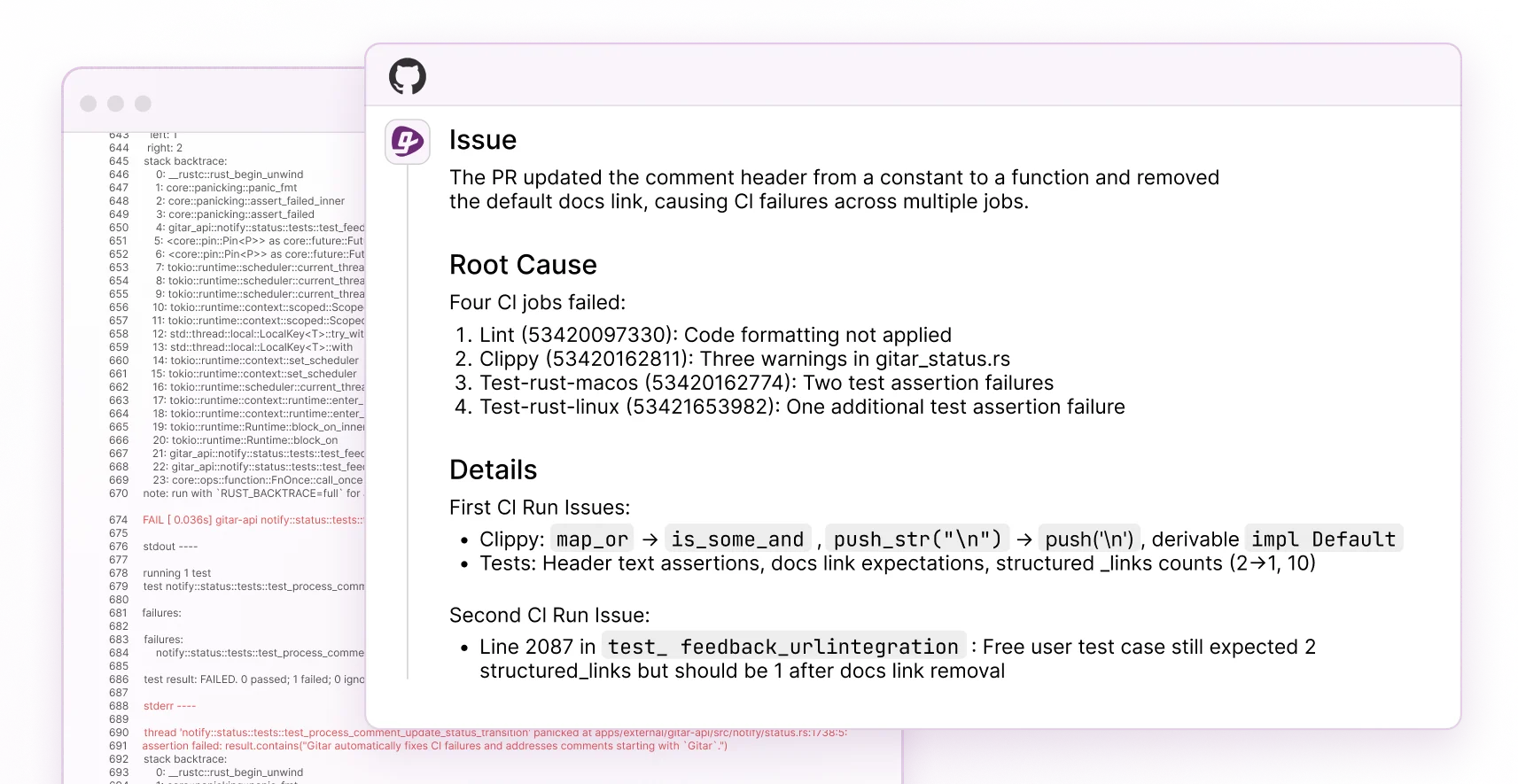
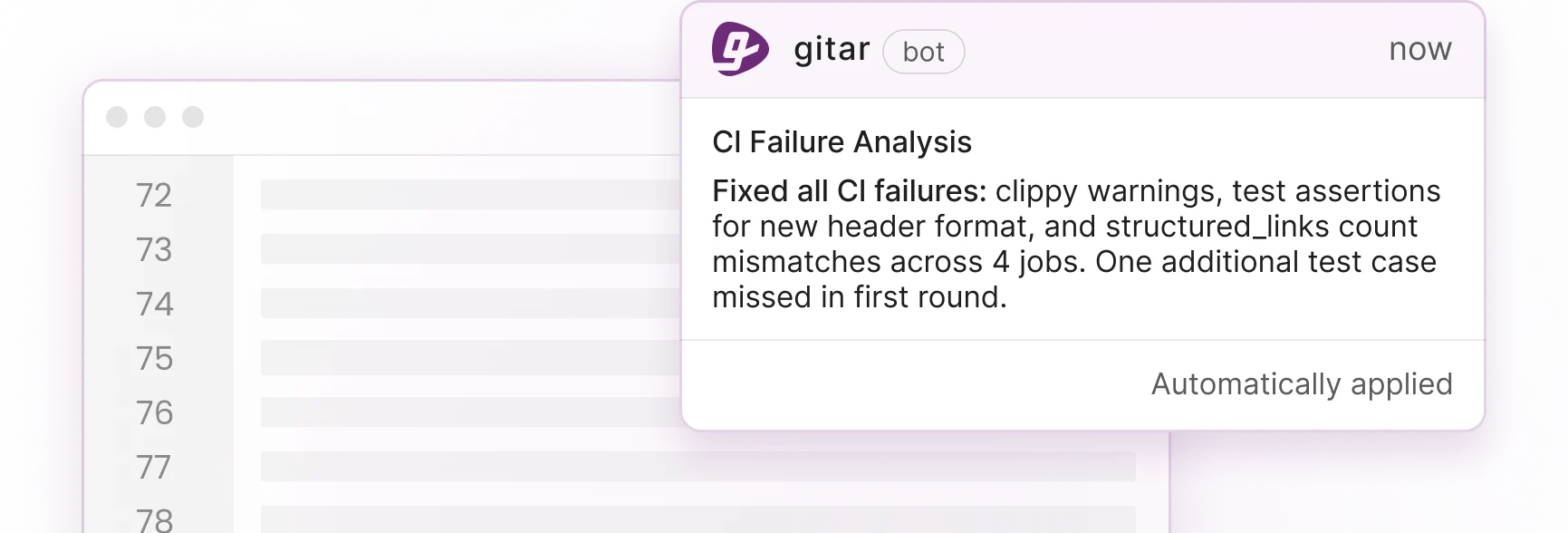
Gitar is a full AI code review platform that connects to GitHub, GitLab, and CI systems such as GitHub Actions, GitLab CI, CircleCI, and Buildkite. See the Gitar documentation for detailed integration steps. After you install the GitHub or GitLab app, Gitar’s healing engine automatically fixes CI failures, addresses review feedback, and analyzes your repository with global context. VS Code users see results through native Git integrations like GitLens.
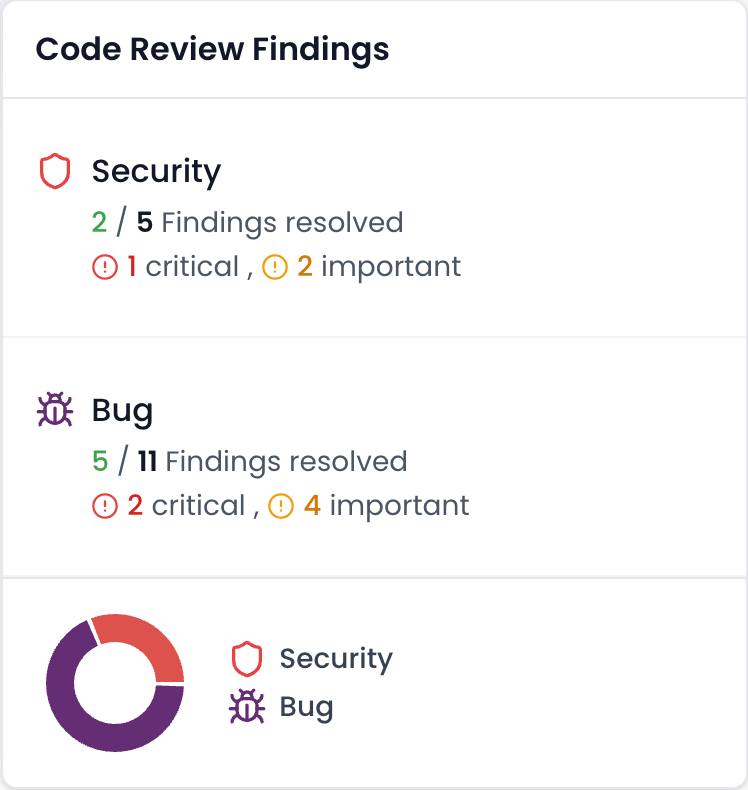
Gitar provides auto-fixes for CI failures and validates each change before it lands, which produces reliably green builds. This validation ensures that every fix actually works against your tests and pipeline. Beyond repairing issues, the platform consolidates findings into a single, updating comment instead of scattering inline notes across the PR, which reduces notification fatigue while keeping feedback clear.
|
Pros |
Cons |
Score |
Benchmark |
|
Auto-fixes CI failures |
Platform learning curve |
10/10 |
Green build guarantee |
|
Repository context |
Requires GitHub/GitLab app |
CI integration |
|
|
Single clean comment |
New to market |
14-day free trial |
Gitar suits solo developers and teams that want automation beyond basic suggestions and need CI issues resolved for them. Start your 14-day trial to experience auto-fixing that actually works.
#2 Sourcery: Baseline Refactoring Extension
Sourcery provides inline refactoring suggestions for Python and JavaScript directly inside VS Code. Installation through the VS Code Marketplace is quick and familiar. The extension analyzes code patterns and suggests improvements such as loop optimizations and function simplifications.
Our 2026 testing showed about 70% suggestion accuracy, which means roughly three out of ten suggestions may not be ideal. Even when suggestions look good, you still apply and verify each change yourself. Sourcery shines at spotting refactoring opportunities, yet it cannot confirm that changes will pass CI or fix build failures, so you discover problems only after committing.
|
Pros |
Cons |
Score |
Benchmark |
|
Easy installation |
You apply changes yourself |
7/10 |
70% accuracy |
|
Python/JS focus |
Limited CI capabilities |
Suggestions only |
|
|
Established tool |
Limited context |
Free tier available |
Sourcery works best for developers who prefer to stay in control of every change and are comfortable handling reviews and fixes manually.
#3 CodeRabbit: Detailed Analysis with Notification Overload
CodeRabbit offers line-by-line code analysis using AST parsing and produces detailed PR summaries. You install the VS Code extension from the Marketplace and connect a GitHub app. The tool focuses on identifying potential issues and providing contextual suggestions across your pull requests.
Testing revealed that CodeRabbit can feel noisy, with frequent notifications and a suggestions-only approach without true auto-fixing. The analysis is thorough, and one-click fixes help in some cases, yet you still handle several steps yourself to complete and validate changes.
|
Pros |
Cons |
Score |
Benchmark |
|
Detailed analysis |
Notification spam |
6/10 |
One-click fixes available |
|
AST parsing |
Extra manual steps |
$30/month pricing |
|
|
PR summaries |
High notification volume |
GitHub focused |
Experience Gitar’s consolidated feedback approach to cut notification fatigue with a single actionable comment that actually fixes your code.
#4 Qodo Gen: Test Generation and Coverage Insights
Qodo Gen specializes in test generation and code review with a strong focus on improving code coverage. You can install it from the VS Code Marketplace and connect it to GitHub. The tool analyzes code patterns to suggest tests and highlight potential problem areas.
Our testing found that Qodo offers 30 PRs free each month with $30 per month for unlimited PRs. It delivers useful coverage insights and one-click fix options, yet it does not match Gitar’s deeper CI healing or end-to-end automation.
|
Pros |
Cons |
Score |
Benchmark |
|
Test generation |
Limited free tier |
6/10 |
30 PRs free limit |
|
Coverage analysis |
Less comprehensive auto-fix |
$30/month unlimited |
|
|
Code quality focus |
Some changes still applied manually |
Test-focused |
Qodo Gen fits teams that prioritize test coverage metrics and want help designing better test suites.
#5 GitHub Copilot Chat (Review Mode): Popular but Suggestion-Only
GitHub Copilot Chat provides inline code suggestions and conversational review features directly in VS Code. Setup is seamless for GitHub users with existing Copilot subscriptions. The tool offers contextual suggestions and can explain code changes through a chat interface.
GitHub Copilot dominates code review usage at 67% of engineers, yet our testing confirmed that it lacks auto-fixing and CI integration. Even with its wide adoption, you still apply every suggestion yourself and verify that your pipeline stays green.
|
Pros |
Cons |
Score |
Benchmark |
|
Native integration |
No auto-fix |
7/10 |
67% adoption rate |
|
Conversational UI |
You still implement changes |
Suggestions only |
|
|
Wide adoption |
Limited CI context |
Subscription required |
Move beyond Copilot’s suggestions to Gitar’s automatic fixes that actually resolve your CI failures.
#6 Continue.dev: Open-Source, Bring-Your-Own-Model
Continue.dev is an open-source extension that lets teams bring their own AI models for code assistance. Installation through the VS Code Marketplace enables integration with a range of LLM providers. The tool supports repository context and customizable AI interactions tailored to your stack.
Testing showed that Continue.dev offers strong repository awareness and is completely free, which appeals to budget-conscious teams. It does, however, require configuration and ongoing model management, and it does not include built-in auto-fixing, so you still complete the final changes and validation.
|
Pros |
Cons |
Score |
Benchmark |
|
Open source |
Configuration required |
6/10 |
Free to use |
|
Model flexibility |
No automatic fixes |
Repository context |
|
|
Repository context |
Manual setup |
BYO model |
Continue.dev works best for teams with strong technical expertise that want full control over their AI models.
#7 Bito (Reddit Favorite): Security-Focused Scanning
Bito focuses on bug detection and vulnerability scanning inside VS Code. Installation through the Marketplace is straightforward and centers on security-focused code review. The tool scans for common security patterns and potential vulnerabilities in your code.
Our testing found Bito effective for security reviews, and its free tier supports individual developers. It lacks broad refactoring support and does not provide automatic fixes, so it highlights risks without resolving them for you.
|
Pros |
Cons |
Score |
Benchmark |
|
Security focus |
Limited scope |
5/10 |
Free for individuals |
|
Vulnerability detection |
No auto-fix |
Security-focused |
|
|
Free tier |
Manual remediation |
Bug detection |
Bito is ideal for security-conscious developers who want vulnerability detection inside their editor.
Extensions vs. Platforms Compared
The table below highlights the gap between suggestion-only extensions and platforms that complete the workflow. Pay attention to the Auto-Fix column, where only Gitar removes the need to apply changes yourself.
|
Tool |
VS Code Score (1-10) |
Key Features |
Pricing/Free |
Auto-Fix |
|
Gitar |
10 |
Repo healing engine |
14-day trial |
Yes |
|
Sourcery |
7 |
Python/JS refactoring |
Free tier |
No |
|
CodeRabbit |
6 |
Line-by-line analysis |
$30/month |
No |
|
Qodo Gen |
6 |
Test generation |
30 PRs free |
No |
Gitar consistently outperforms traditional extensions by delivering working fixes instead of only pointing out problems, which makes it a strong choice for teams focused on throughput.
Best Free AI Code Review Extensions for VS Code
For developers who need free options, Continue.dev offers the most complete repository context at no cost, while Bito provides security-focused analysis for individual users. Sourcery adds a free tier for basic refactoring suggestions. Reddit discussions often highlight frustration with noisy, file-only context tools and praise comprehensive solutions like Gitar that deliver concise, repository-aware fixes instead of scattered hints.
Why Platforms Like Gitar Beat VS Code Extensions
The fundamental difference between extensions and platforms becomes clear when you compare their capabilities side by side. This table shows how traditional extensions stop at suggestions while Gitar completes the workflow from detection through validation.
|
Capability |
Extensions |
Gitar |
|
Inline Suggestions |
Yes |
Yes + Auto-implementation |
|
CI Failure Resolution |
No |
Yes (saves 45min/day) |
|
Repository Context |
Limited |
Full codebase awareness |
|
Validation |
Manual |
Guaranteed green builds |
Traditional VS Code extensions operate only within the editor, without deep CI integration or automated validation. Because they cannot see your full pipeline or run tests across the entire codebase, they cannot confirm that suggestions will work in production. This limitation leaves developers implementing and validating changes themselves and sometimes discovering that promising fixes break other parts of the system.
These constraints explain why platforms that connect to your repository and CI, like Gitar, deliver stronger gains in review velocity and reliability than editor-only tools.
Frequently Asked Questions
What is the best free Sourcery alternative for VS Code?
Continue.dev offers the strongest free alternative, with repository context and flexible model choices. For teams that care most about productivity, Gitar’s 14-day free trial adds auto-fixing that removes the manual work required by free, suggestion-only tools.
Does CodeRabbit have a VS Code extension?
Yes, CodeRabbit provides a VS Code extension, but it focuses on suggestions rather than automated fixes. Many teams find the notification volume high and still need to apply every recommendation themselves. Gitar instead consolidates findings into a single actionable comment and applies fixes automatically.
How does Gitar integrate with VS Code?
Gitar works at the repository level through your existing Git workflow instead of installing as a separate VS Code extension. After you connect Gitar to your GitHub or GitLab account, as described in the Gitar documentation, you see its PR analysis and auto-fixes through your normal Git integrations such as GitLens. This approach keeps your editor clean while Gitar automatically fixes CI failures and implements review feedback in the background.
What ROI can I expect from AI code review tools?
DX’s Q4 2025 report shows developers save 3.6 hours weekly with AI coding assistants. Suggestion-only tools deliver part of that benefit but still consume time while you apply and verify each change. Gitar’s auto-fixing approach can save an additional 45 minutes per day by removing the implementation and validation steps that usually follow AI suggestions.
Should I switch from Sourcery to a more advanced tool?
Switching makes sense if you spend significant time applying Sourcery’s suggestions and chasing CI failures afterward. A platform with auto-fixing, such as Gitar, handles both the change and the validation, so you experience the difference between simple suggestions and complete solutions during its 14-day trial.
How do I measure code review velocity improvements?
Track time from PR creation to merge, number of review cycles per PR, and time spent resolving CI failures. Suggestion-only tools require you to track implementation time separately, because they stop after pointing out issues. Auto-fixing platforms like Gitar show immediate velocity gains through fewer manual steps and a higher rate of green builds on the first try.
Conclusion: Why Gitar Leads the Next Wave of Code Review
VS Code extensions like Sourcery provide helpful suggestions, yet the future belongs to platforms that actually fix code instead of only flagging issues. Gitar represents a shift from suggestion engines to healing engines by resolving CI failures and implementing review feedback with full repository context.
Begin your risk-free 14-day Team Plan trial and automatically repair broken builds while shipping higher quality software faster.