
Key Takeaways for Busy Engineering Teams
- AI code generation speeds up writing, but PR review times increased 91% in 2025, costing teams up to $1M annually in lost productivity.
- CodeRabbit’s paid model and 46% bug detection accuracy leave developers with manual fixes and notification overload.
- Gitar leads free alternatives with unlimited reviews for public and private repos, CI healing, and auto-fixes via a 14-day trial, validated on 50M+ codebases.
- Other free tools like Qodo Merge, Bito, and Ellipsis limit requests, private repos, or auto-fixes, which hurts high-volume teams.
- Switch to Gitar for unlimited free reviews and automatic build fixes to cut review time by 75% and ship faster.
How We Ranked These AI Code Review Platforms
We ranked tools based on real developer needs, such as unlimited repository access, auto-fix capabilities instead of suggestions, CI healing, noise reduction through consolidated feedback, cross-platform integrations, and enterprise scalability. Our research drew on vendor documentation, developer forums, and 2025 benchmark data showing CodeRabbit generates the highest comment volume per PR while only reaching moderate accuracy.
Each platform faced real-world tests on Pinterest-scale repositories with more than 50M lines of code. We validated results through case studies from teams like Tigris and Collate. Rankings favor tools that improve fixes per PR instead of simply increasing comment counts.
Best Free CodeRabbit Alternatives Ranked by Fixes per PR
|
Tool |
Free Tier |
Auto-Fix/CI Heal |
Repos/Users |
|
Gitar |
Unlimited reviews |
14-day free trial |
Unlimited/Unlimited |
|
Qodo Merge |
Open source hosting |
Limited |
Unlimited/Unlimited |
|
Bito |
20 requests/day |
No |
Limited |
|
Ellipsis |
Public repos only |
Paid feature |
Public only |
#1 Gitar – Free Healing Engine for Broken Builds
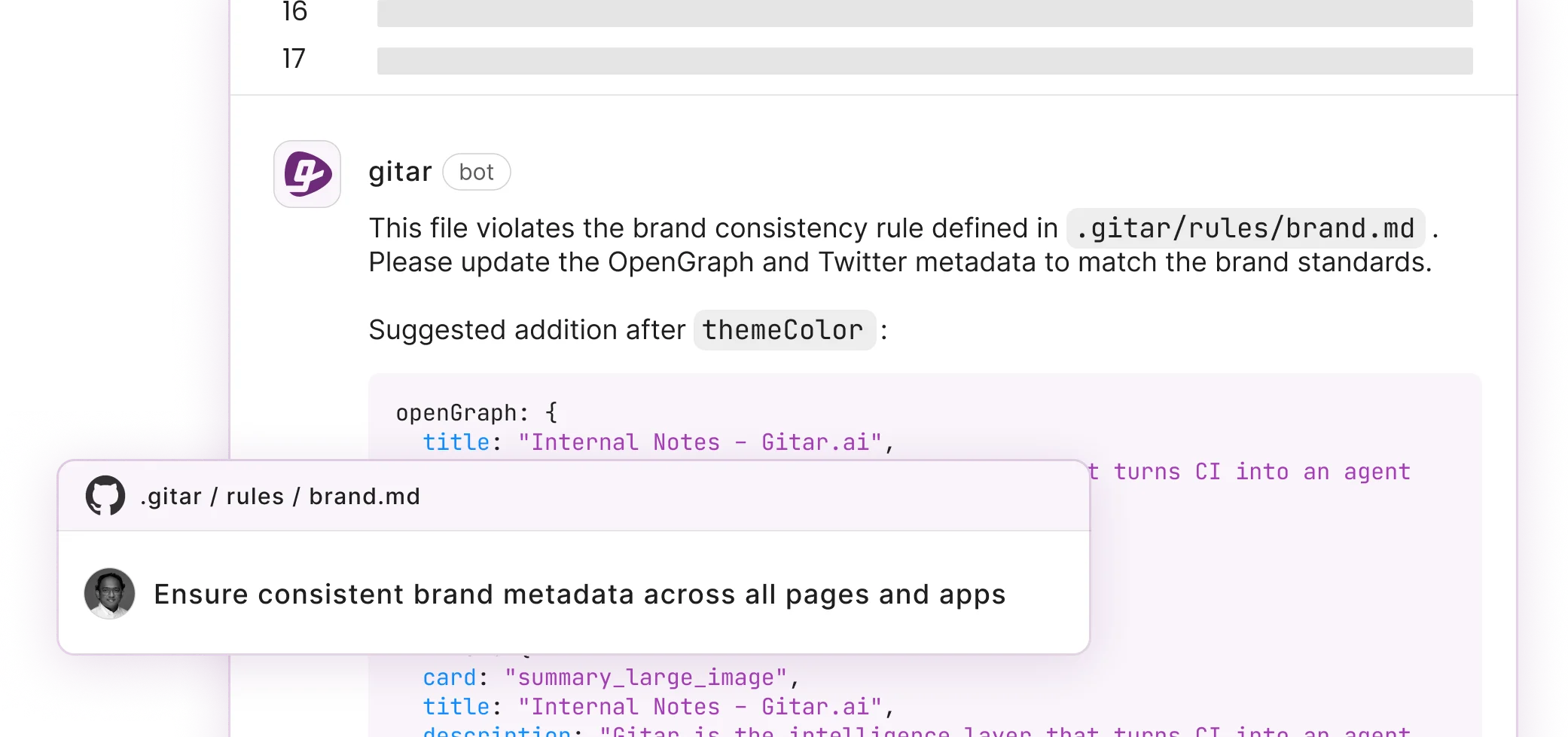
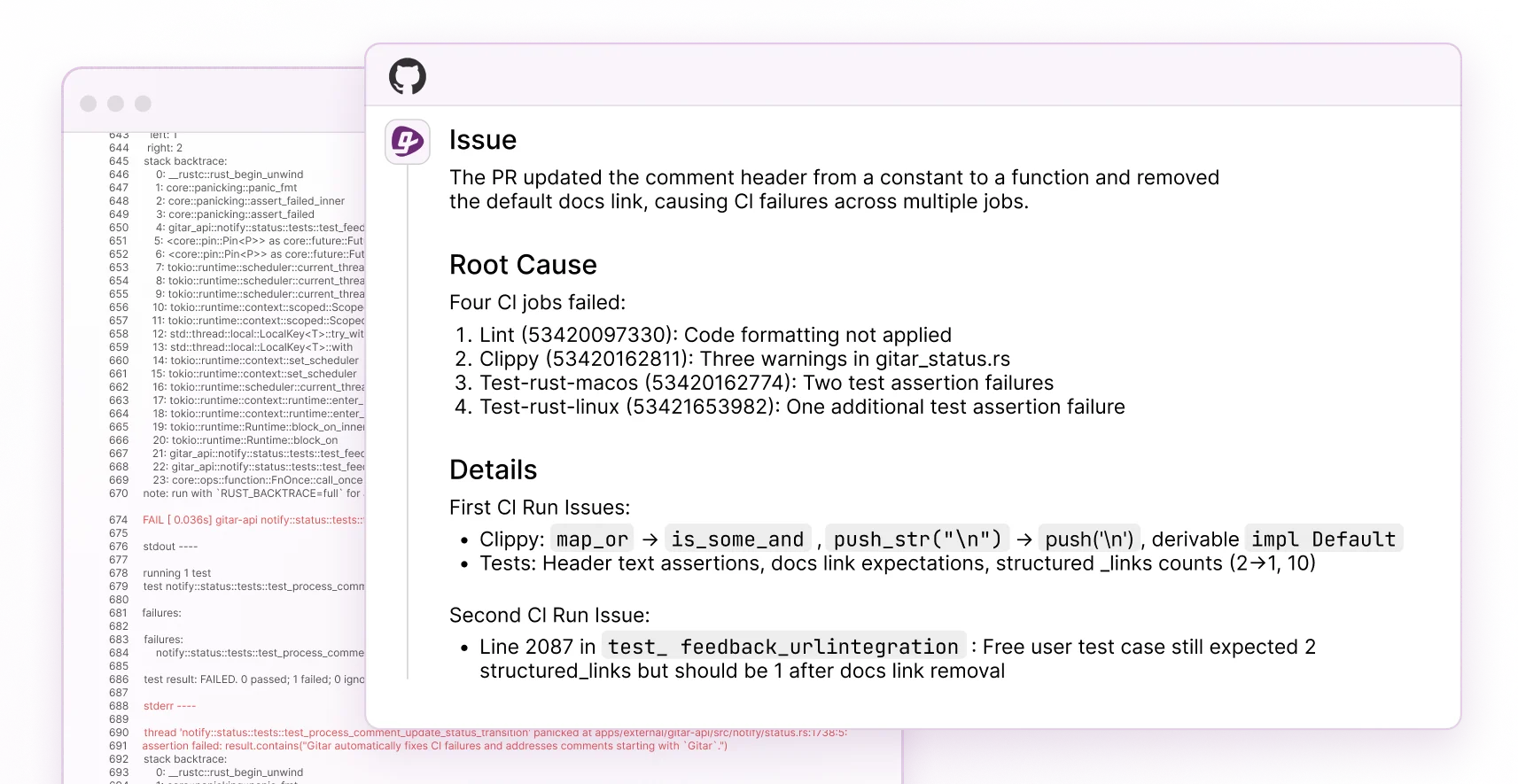
Gitar delivers unlimited free code reviews for public and private repositories. Unlike CodeRabbit’s suggestion-only model, Gitar’s healing engine analyzes CI failures, generates validated fixes, and commits them automatically, which produces consistently green builds. Auto-fix features unlock through a 14-day free trial with full functionality.
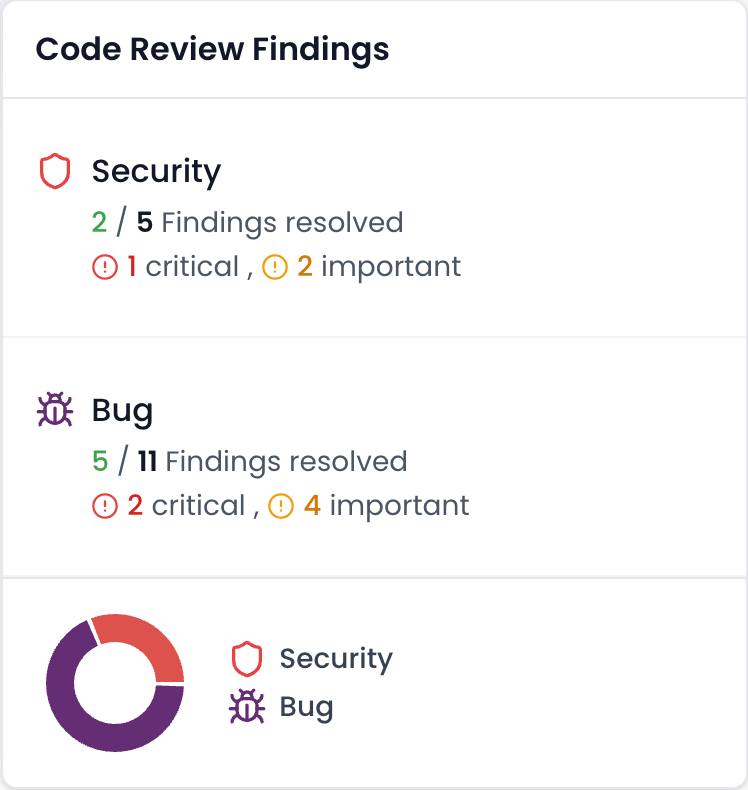
The platform uses a single-comment summary to cut notification spam. When CI fails because of lint errors, test failures, or build breaks, Gitar reads failure logs, generates context-aware fixes, validates them against your full CI environment, and commits working changes. Teams report that fixes land before developers even notice the failures.
Gitar supports GitHub, GitLab, CircleCI, and Buildkite and uses natural language workflow rules that replace complex YAML files. A hierarchical memory system learns your team’s patterns and produces smarter fixes over time. Pinterest validates Gitar at more than 50M lines of code with thousands of daily PRs, and Collate’s engineering team highlights the “unrelated PR failure detection” that saves hours of debugging.
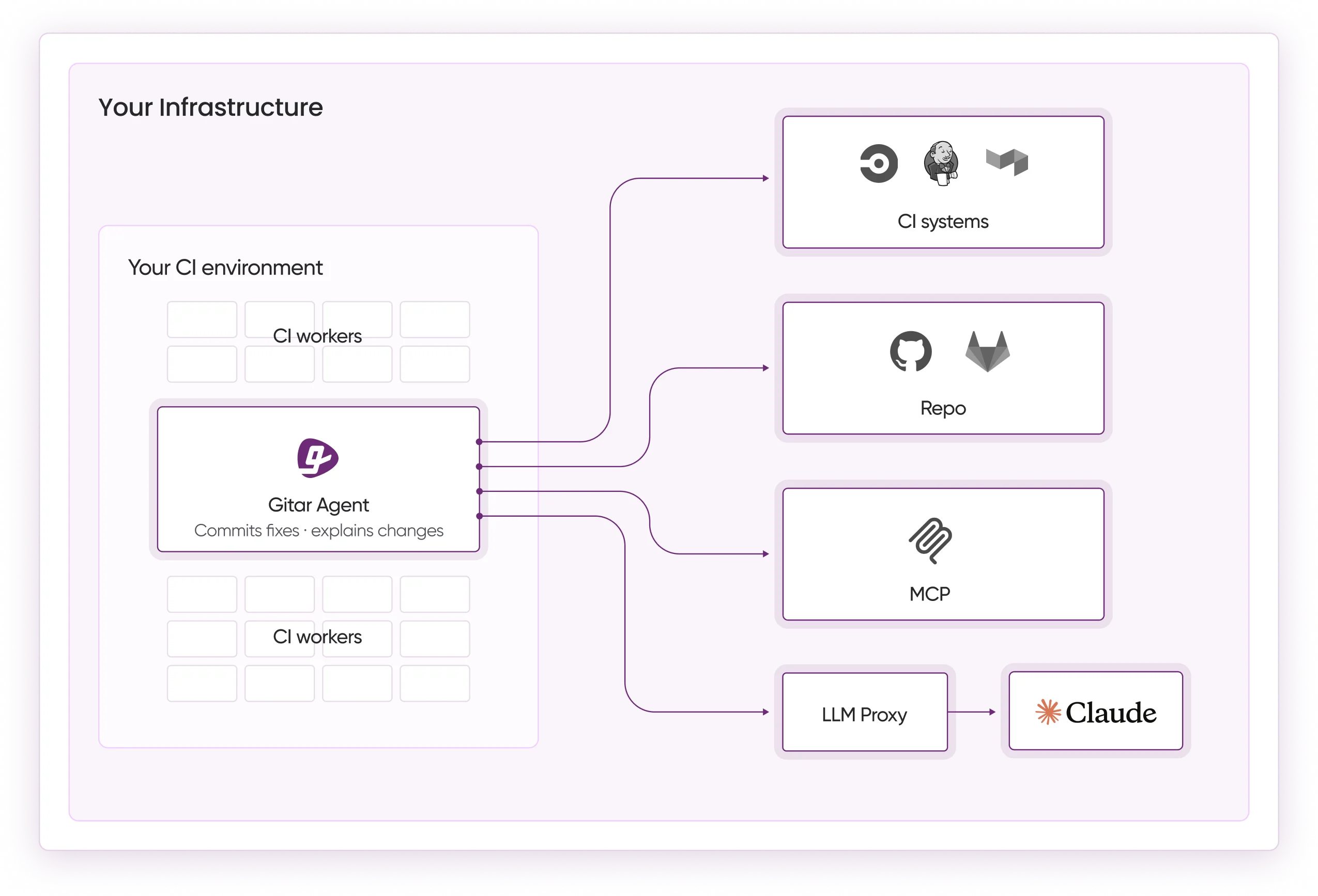
Enterprises can deploy agents inside their own CI pipelines for maximum security and deeper context. The 14-day auto-fix trial runs with no credit card and gives teams a complete view of Gitar’s automation.
#2 Qodo Merge (PR-Agent) for Self-Hosted Control
Qodo Merge offers open-source, fully self-hosted deployment with a free hosted tier that supports GitLab and Bitbucket through simple app installation or webhooks. The platform provides detailed PR analysis and security scanning but does not apply fixes automatically, which keeps it in the suggestion category rather than healing.
Qodo Merge works best for teams that prioritize data sovereignty and self-hosting over hands-free automation.
#3 Bito for Low-Volume Teams
Bito’s free tier offers 20 requests per day, which fits small teams or solo developers. The platform provides capable code analysis and security scanning, yet every suggested fix still requires manual work from developers.
The strict daily request limit makes Bito a poor fit for teams that handle many PRs each week.
#4 Ellipsis for Public Repos Only
Ellipsis gives free access for public repositories, while automated fix implementation sits behind paid tiers at $20 per user each month. The platform shines at code quality analysis but restricts free users to open-source projects.
These limits make Ellipsis a poor match for private commercial codebases.
#5 CodeAnt AI for Security-Focused Teams
CodeAnt AI centers its value on security-first code review with SAST integration and vulnerability detection. The free tier supports basic security scanning for public repositories, which helps early-stage projects.
However, CodeAnt AI does not provide full CI integration or auto-fix capabilities for build failures, so teams still handle remediation manually.
#6 Cursor Bugbot (Free Tier) for High-Precision Fixes
Cursor Bugbot reaches a 90% signal-to-noise ratio with one-click fixes and very low false positive rates. This precision makes it attractive for teams that value clean, accurate feedback.
The free tier includes limited monthly usage, and full capabilities require a Cursor Pro subscription, which restricts access for cost-sensitive teams.
#7 PR-Agent (Open Source) for DevOps-Heavy Orgs
The open-source PR-Agent offers complete self-hosting control with no usage limits when you run it on your own infrastructure. Teams with strong DevOps skills can tune it deeply and avoid vendor lock-in.
This flexibility comes with significant setup and maintenance work compared with managed tools. PR-Agent also lacks the advanced CI healing features that specialized automation platforms provide.
Why Gitar Beats Free Tier Limits
Most “free” alternatives hide hard limits such as Bito’s 20 requests per day, Ellipsis’s public-only access, or CodeRabbit’s 250-credit monthly cap. These ceilings clash with real workflows where teams open dozens of PRs every week.
Gitar removes these barriers with unlimited reviews for unlimited repositories and users. The healing engine validates fixes against your complete CI environment, not isolated tests, so commits actually resolve failures. Natural language rules replace complex YAML, and hierarchical memory keeps context that competitors lose on every new PR.
When comparing Qodo Merge and Gitar, Qodo provides hosted and self-hosted options through simple app installation, while Gitar focuses on managed deployment with enterprise-grade security. The auto-fix trial lets teams experience real automation before they change long-term workflows.
ROI Breakdown: Cut Review Costs from $1M to $250K
Solo developers replace the $15 to $30 monthly CodeRabbit bill with Gitar’s free platform and gain stronger automation. Engineering leaders see faster delivery because teams with high AI tool adoption reach 24% faster PR cycle times. DevOps teams benefit from self-healing CI that lowers rerun costs and reduces infrastructure maintenance.
|
Metric |
Before Gitar |
After Gitar |
Savings |
|
Time on CI/review issues |
1 hour/day/dev |
15 min/day/dev |
75% |
|
Annual productivity cost (20 devs) |
$1M |
$250K |
$750K |
|
Tool cost |
$450-900/month |
$0 |
100% |
Even at half of the projected impact, Gitar still saves about $375K each year while removing subscription fees. Extra gains come from less context switching, quicker deployments, and higher developer satisfaction.
Frequently Asked Questions About Gitar and CodeRabbit Alternatives
What is the best free unlimited AI code review platform for 2026?
Gitar stands out as the only truly unlimited free AI code review platform that supports public and private repositories without user or credit limits. Competing tools often cap daily requests or block private repos, while Gitar delivers full code review, security scanning, and PR analysis at no cost, with optional auto-fix features through a 14-day free trial.
How does CodeRabbit compare to Gitar for free users?
CodeRabbit restricts free users to 250 credits each month and focuses on suggestions that developers must implement manually. Gitar offers unlimited free reviews and uses a healing engine that fixes CI failures and applies review feedback automatically.
CodeRabbit charges $15 to $30 per developer for core features, while Gitar keeps the main platform free and still provides stronger automation.
Are auto-fix features safe for production code?
Gitar’s auto-fix system validates every change against your full CI environment before committing, which prevents new issues from slipping into production. Teams can configure approval workflows, begin in suggestion mode, and then enable automation for trusted fix categories.
Enterprise customers can run Gitar inside their own CI pipelines, which preserves existing security and compliance controls.
What is the difference between Qodo Merge and Gitar?
Qodo Merge offers hosted deployment through app installation or webhooks and also supports self-hosting. Gitar focuses on managed cloud deployment with almost no setup work for teams.
Qodo emphasizes analysis and suggestions, while Gitar’s healing engine implements fixes and validates them against CI. Teams that want fast value without infrastructure overhead usually find Gitar more convenient.
How quickly can I migrate from CodeRabbit to Gitar?
Most teams install Gitar in about 30 seconds through the GitHub App or GitLab integration. You do not need an account, credit card, or custom configuration to start receiving AI code reviews.
Gitar scans your existing repositories and begins reviewing new PRs right away, which keeps migration smooth for teams of any size.
Gitar Solves the 2026 AI Review Bottleneck
Modern AI coding workflows demand review tools that keep pace with rapid code generation. CodeRabbit and similar platforms charge premium prices for suggestion engines that still rely on manual fixes, while Gitar delivers a complete solution with unlimited free reviews, automatic CI healing, and consistently green builds.