
Last updated: February 17, 2026
Key Takeaways
- AI coding tools speed up code generation 3-5x, but PR review time has surged 91%, shifting bottlenecks to validation and CI.
- Gitar leads as the top free tool with unlimited repo code review, validated CI auto-fixes, and full PR analysis.
- Most alternatives like CodeRabbit (14-day trial), Semgrep, and SonarQube provide analysis but do not offer auto-fixing.
- Enterprise teams need healing engines, not suggestion tools, to handle 2026’s projected 40% quality deficit in pipelines.
- Install Gitar now for automatic CI fixes, green builds, and faster software delivery, with no credit card required.
Top 7 Free Tools Ranked by Auto-Fix Power
This ranking focuses on tools that actually resolve issues, not just suggest fixes, with priority on unlimited free repository access and validated CI auto-resolution.
|
Tool |
Free Limits |
CI Auto-Fix |
Review Depth |
|
Gitar |
Unlimited repos |
Validated fixes |
Full analysis |
|
CodeRabbit |
14-day trial |
No |
Suggestions only |
|
Semgrep |
Unlimited free |
No |
Security scans |
|
n8n |
OSS unlimited |
No |
Workflow & code nodes |
#1 Gitar: Free Healing Engine for Reliable Green Builds
Gitar is the only free AI code review platform in this list that fixes code automatically. It resolves CI failures, addresses review feedback, and automates development workflows without extra manual effort.
When CI failures occur, such as lint errors, test failures, or build breaks, Gitar analyzes failure logs, generates validated fixes with full codebase context, and commits working solutions automatically (14-day free trial for auto-fix). This healing engine approach delivers green builds instead of leaving developers to apply suggestions by hand.
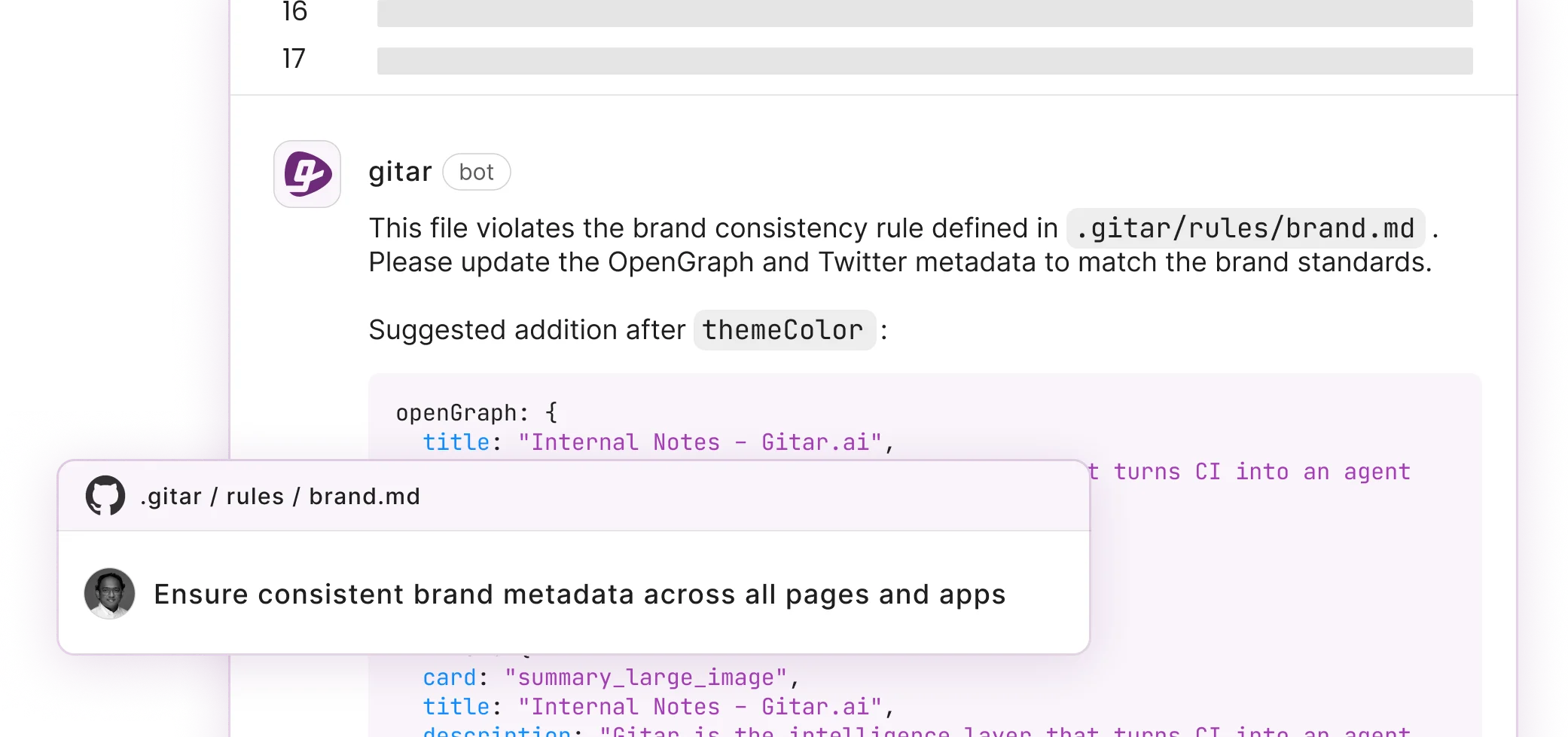
The platform provides comprehensive PR analysis, security scanning, and bug detection free for unlimited public and private repositories with no seat limits. Auto-fix features run on a 14-day free trial. Gitar’s natural language rules system lets teams define workflows in plain English within .gitar/rules/*.md files, for example:
—
title: “Security Review”
when: “PRs modifying authentication or encryption code”
actions: “Assign security team and add label”
—
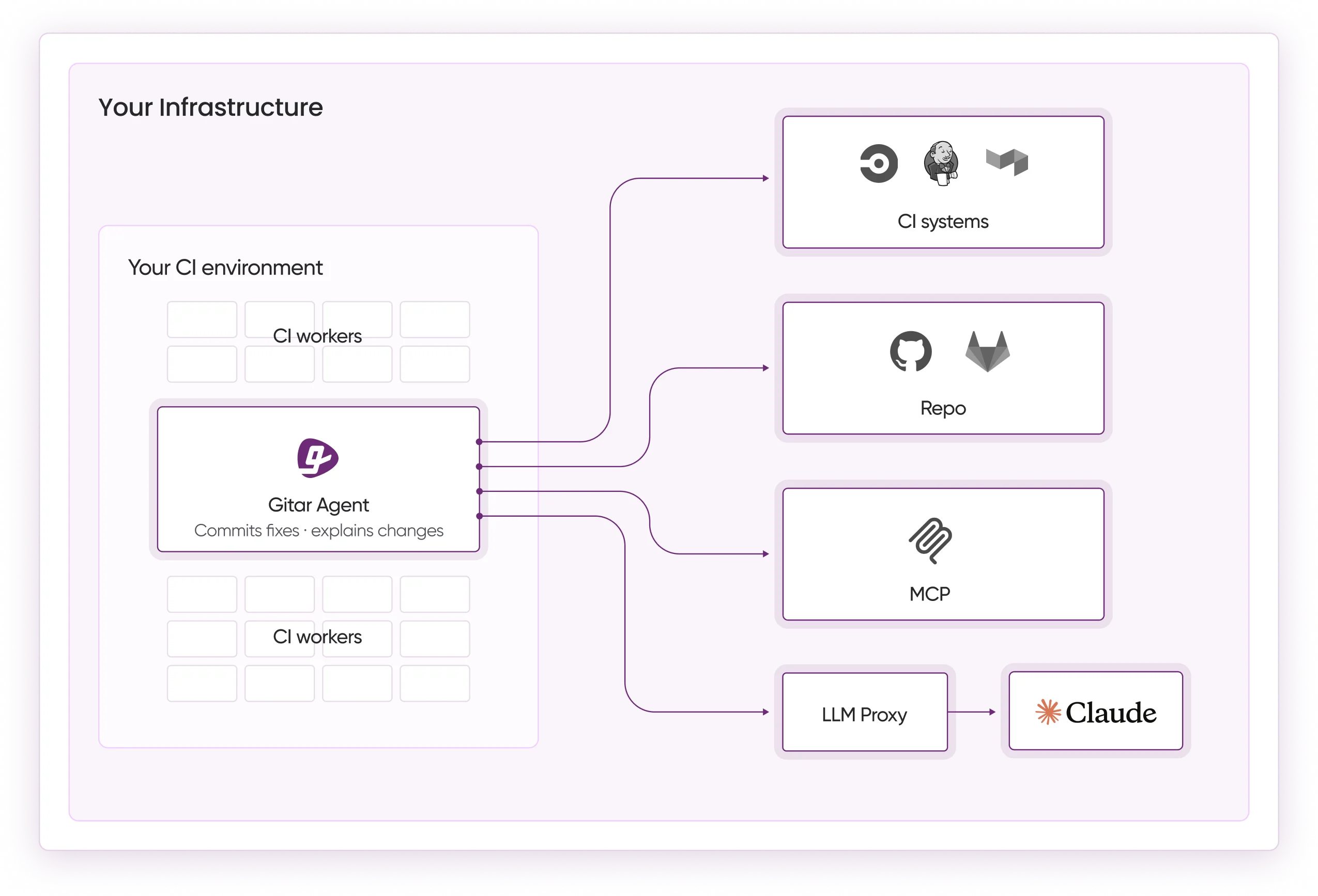
Cross-platform CI integration supports GitHub Actions, GitLab Pipelines, CircleCI, and Buildkite. Native connections to Jira, Slack, and Linear keep workflows connected without extra glue code.
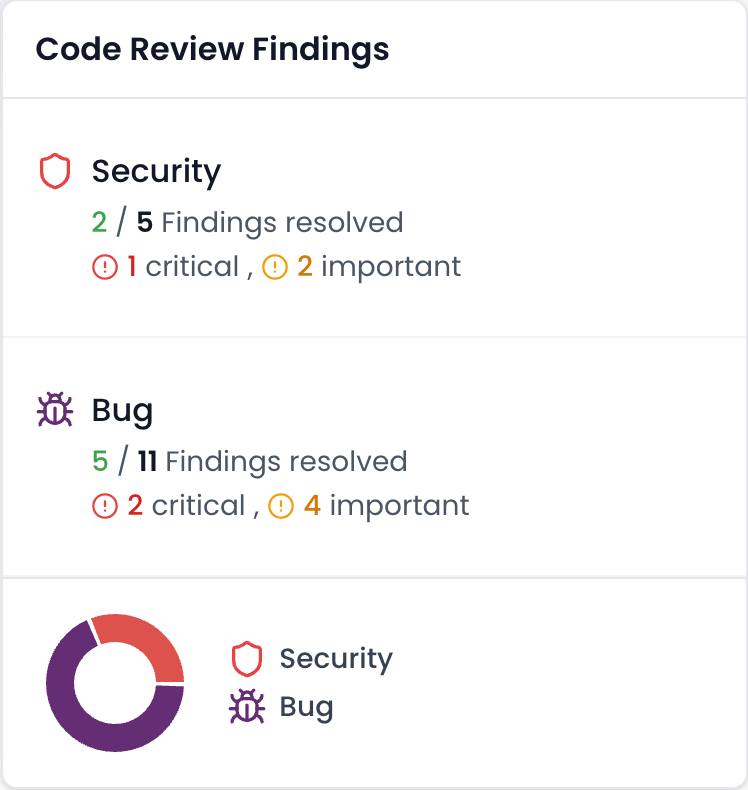
A single dashboard comment consolidates all findings into one updating thread. CI analysis, review feedback, and rule evaluations appear together, and resolved items collapse automatically as fixes land.
Enterprise validation includes Pinterest’s 50+ million line codebase that handles thousands of daily PRs. User feedback highlights Gitar’s concise summaries compared to competitors like Greptile. Collate’s engineering team specifically notes that the “unrelated PR failure detection” feature saves significant time by separating infrastructure flakiness from real code bugs.
Setup takes three steps. Install the GitHub or GitLab app, enable repository settings, and auto-fixes activate on the next PR. A 20-developer team can gain substantial annual savings because developers spend far less time on CI and review issues.
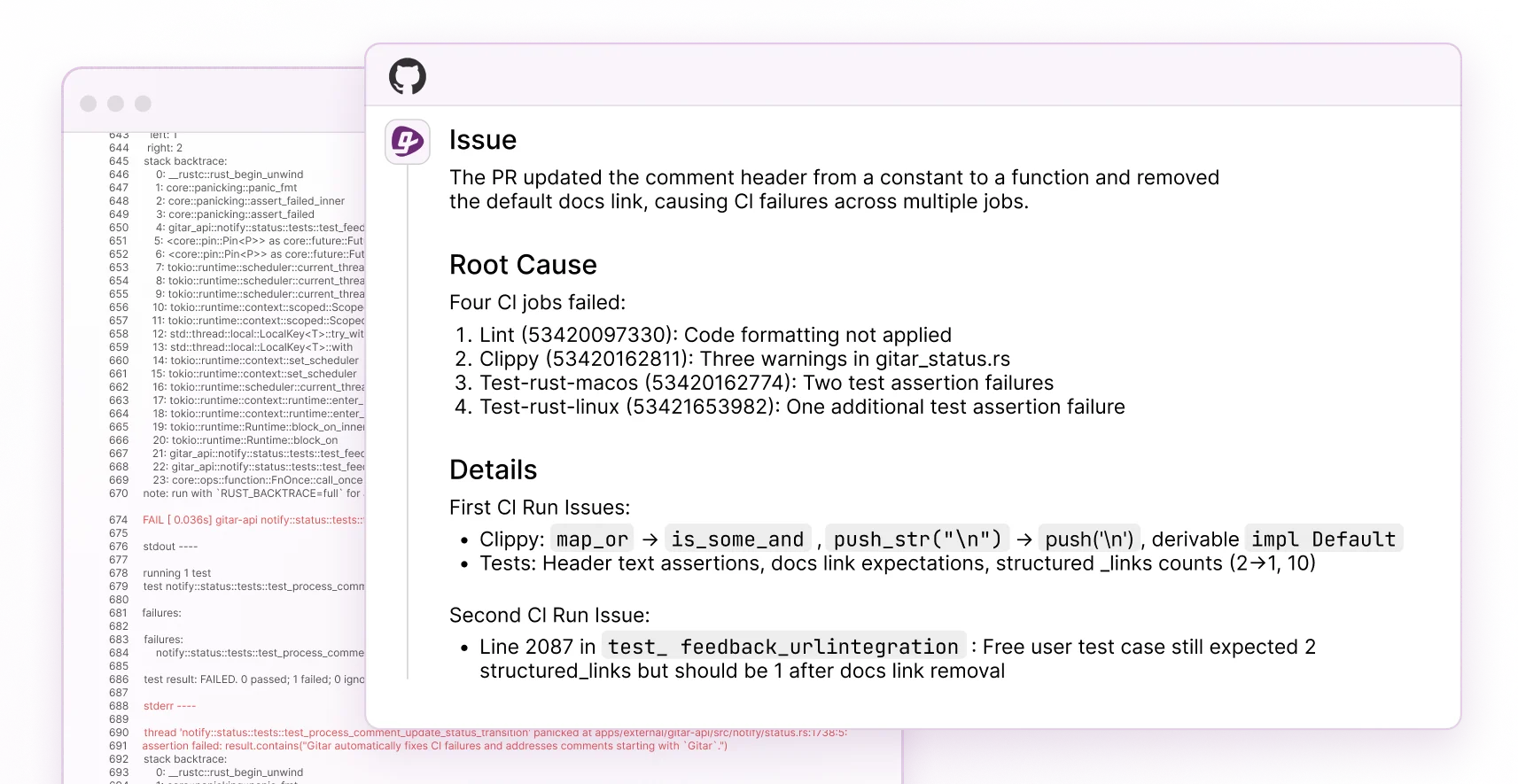
Install Gitar now to automatically fix broken builds and ship higher quality software faster.
#2 CodeRabbit Free Tier for Fast Suggestions
CodeRabbit provides automated PR summaries and inline suggestions with review times under two minutes. The free tier offers 14 days of full functionality, then requires subscriptions of $15-30 per developer each month.
CodeRabbit identifies issues and offers context visualization, but it works as a suggestion engine. It does not implement validated fixes or resolve CI failures automatically.
#3 Semgrep for Security-Focused Scanning
Semgrep offers unlimited free security scanning for open-source projects with rule-based analysis for vulnerabilities and code quality issues. It excels at security-focused reviews and provides strong coverage for common risks.
Semgrep does not include auto-fixing, so teams must apply suggested changes manually. CI integration supports automated scanning but stops at detection rather than resolution.
#4 n8n for Custom Workflow Automation
n8n delivers open-source workflow automation with unlimited free usage for self-hosted deployments. GitHub Actions integration allows teams to build custom automation workflows across services.
The platform lacks deep code-specific context and auto-fixing capabilities. Teams must design their own logic for code review and CI failure handling, which makes n8n better for basic workflow triggers than intelligent code analysis.
#5 SonarQube Community for Code Quality Analysis
SonarQube Community Edition provides free code quality analysis that covers technical debt, security vulnerabilities, and maintainability issues. It integrates with major CI systems and uses quality gates to validate builds.
The Community Edition focuses on analysis only. It does not offer auto-fixing or intelligent CI failure resolution.
#6 Codacy Free for Small-Team Static Analysis
Codacy offers limited free code analysis for small teams with basic static analysis and code coverage tracking. The free tier restricts repository count and team size, and advanced features require paid plans.
Codacy includes automated resolution capabilities such as Guardrails, which can fix security and quality issues in IDEs. These features still require developer oversight and do not function as a full CI healing engine.
Install Gitar now to automatically fix broken builds and ship higher quality software faster.
#7 GitHub Copilot Suggestions via Actions
GitHub Copilot offers free basic PR review features for GitHub repositories with inline suggestions and PR summaries. Integration through GitHub Actions supports automated workflows around reviews.
Copilot focuses on suggestions rather than validated fixes. The free tier provides code completions and basic review support but does not resolve CI failures automatically.
Auto-Fix Power: Head-to-Head Comparison
|
Feature |
Gitar |
CodeRabbit |
Semgrep |
|
PR Summaries |
Free |
14-day trial |
No |
|
CI Auto-Fix |
14-day free trial |
No |
No |
|
Fix Validation |
14-day free trial |
No |
No |
|
Unlimited Repos |
Yes (review) |
No |
Unlimited free |
Key Considerations for 2026 Engineering Teams
Enterprise teams face a projected 40% quality deficit in 2026 where more code enters pipelines than reviewers can validate. Automated fixing capabilities therefore move from nice-to-have to essential.
Free unlimited access also matters as paid alternatives like CodeRabbit and Qodo require subscriptions for advanced features. Costs scale quickly with team size.
The shift from suggestion engines to healing engines marks the real divide between tools that only identify problems and platforms that solve them. Teams should prioritize validated fix implementation over comment volume.
AI code reviews often become noisy with style nitpicks and irrelevant comments when tools lack intelligent prioritization. Healing engines reduce this noise by focusing on fixes that pass CI.
Frequently Asked Questions
Which free tool offers the strongest CI auto-fix support?
Gitar provides the most complete CI auto-fix capabilities among free tools. It analyzes failure logs, generates validated fixes, and commits working solutions directly.
Unlike suggestion-only alternatives, Gitar’s healing engine targets green builds by testing fixes against your actual CI environment before applying them.
What are CodeRabbit’s free tier limitations?
CodeRabbit includes 14 days of full functionality, then requires paid subscriptions starting at $15-30 per developer monthly. The trial covers PR analysis and suggestions.
CodeRabbit does not offer auto-fixing, so teams must implement all recommended changes manually, even during the free trial.
How do these tools connect with GitHub Actions and GitLab CI?
Most tools provide some level of CI integration. Gitar offers native support for GitHub Actions, GitLab CI, CircleCI, and Buildkite with automatic failure detection and resolution.
Other tools such as Semgrep and SonarQube integrate for scanning and analysis but require separate automation or manual work for fix implementation.
How should teams measure ROI from AI workflow automation?
Teams should measure ROI by tracking time saved on manual CI failure resolution, reduced context switching, and shorter review cycles. These metrics show direct productivity gains.
For a 20-developer team, Gitar can deliver significant annual savings, such as $375K even at 50% effectiveness. This estimate assumes daily CI and review time drops from about one hour to roughly 15 minutes per developer.
Can teams switch from paid tools to free alternatives?
Teams can migrate to free alternatives like Gitar with minimal effort. App installation and repository configuration typically take about 30 seconds.
Teams moving from suggestion-only paid tools often see immediate productivity improvements from automated fixing while also removing monthly subscription costs.
Conclusion: Remove CI Bottlenecks with Gitar
The AI coding surge requires tools that match the speed of modern development. Suggestion-only platforms charge premium prices for basic commentary, while Gitar delivers free comprehensive code review with validated auto-fixing that drives green builds.
Gitar’s healing engine model, unlimited repository access, and cross-platform CI support make it a strong choice for teams that want real automation in their development workflows.
Install Gitar now to automatically fix broken builds and start shipping higher quality software faster, and turn CI bottlenecks into a predictable, automated pipeline.