
Written by: Ali-Reza Adl-Tabatabai, Founder and CEO, Gitar
Key Takeaways
-
AI code documentation generators cut maintenance overhead by 50-60% for teams handling AI-generated code floods, but most free tiers restrict private repositories and repository counts.
-
Mintlify focuses on API documentation, Google Code Wiki on commit-triggered updates, and Gitar on end-to-end code review with documentation woven into the workflow.
-
Evaluate tools based on Git integration, output quality, setup speed under 2 minutes, and workflow compatibility with Slack, Jira, and CI/CD pipelines.
-
Common pitfalls include repository caps, stale documentation, and lack of private repository support in free plans, which blocks scalability for 10-50 developer teams.
-
Engineering teams can streamline code review and documentation with Gitar’s AI code review platform, which offers unlimited repositories in a 14-day Team Plan trial for faster, higher-quality software delivery.
How To Evaluate Free AI Code Documentation Generators for Teams
Engineering teams should assess AI documentation tools across five practical dimensions for multi-developer workflows. First, review free tier limitations such as repository caps, user limits, and monthly generation quotas. Most free AI documentation tools restrict access to public repositories only, so private team repositories often require a paid plan.
Second, test Git integration capabilities, including automatic sync on commits, pull request hooks, and CI/CD pipeline compatibility, because these features keep documentation current as code changes. Third, assess output quality by running tools against repositories with at least 10 recent changes to mirror real AI-generated code review scenarios, since poor context quickly degrades documentation accuracy. Fourth, measure setup complexity, as tools that install as a GitHub app in under 2 minutes usually see higher adoption and less abandonment. Finally, evaluate team workflow integration, such as Slack notifications, Jira linking, and multi-repository support, because isolated tools add maintenance work instead of reducing it.
Quick Comparison: Top 7 Free AI Documentation Tools
|
Tool |
Free Tier Limits |
Key AI Features |
Best For Teams |
|---|---|---|---|
|
Gitar |
14-day unlimited trial |
Code review, CI auto-fix, documentation context |
Comprehensive workflows |
|
Mintlify |
3 repositories max |
API docs, conversational search |
API-heavy teams |
|
Google Code Wiki |
Public repos only |
Commit-triggered docs, chat |
Open source projects |
|
DeepWiki |
Public repos only |
Interactive docs, Q&A |
Architecture visualization |
|
GitDocs AI |
Basic generation in trial |
README and template generation |
Standardized docs |
|
GitSummarize |
Unlimited (open source) |
Doc hubs, summaries, visuals |
Custom workflows |
|
ExplainGitHub |
Unlimited public repos |
Instant explanations, maps |
Quick exploration |
The following sections examine each of these tools in detail, starting with platforms that support the most complete team workflows.
1. Gitar – AI Code Review Platform
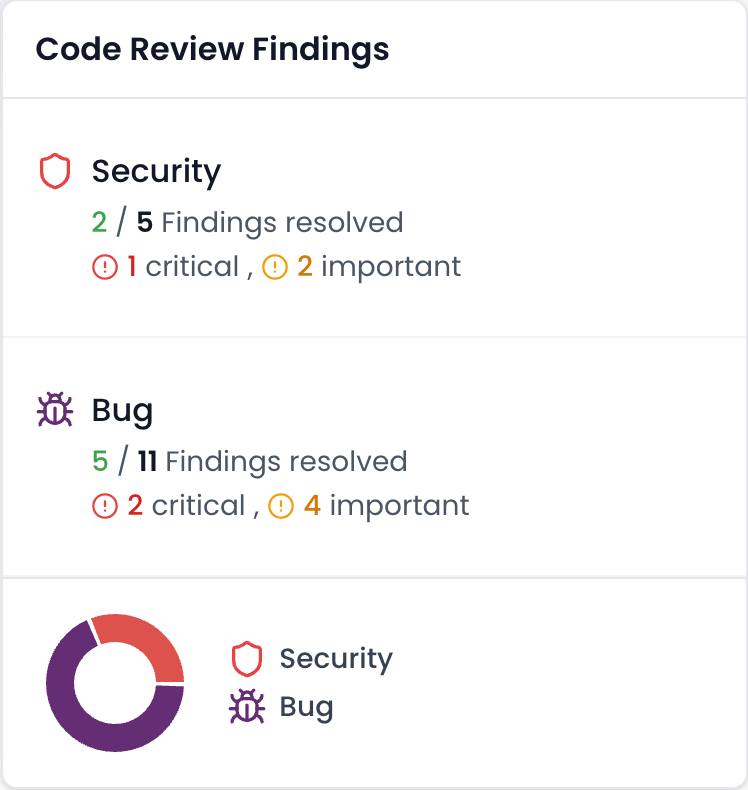
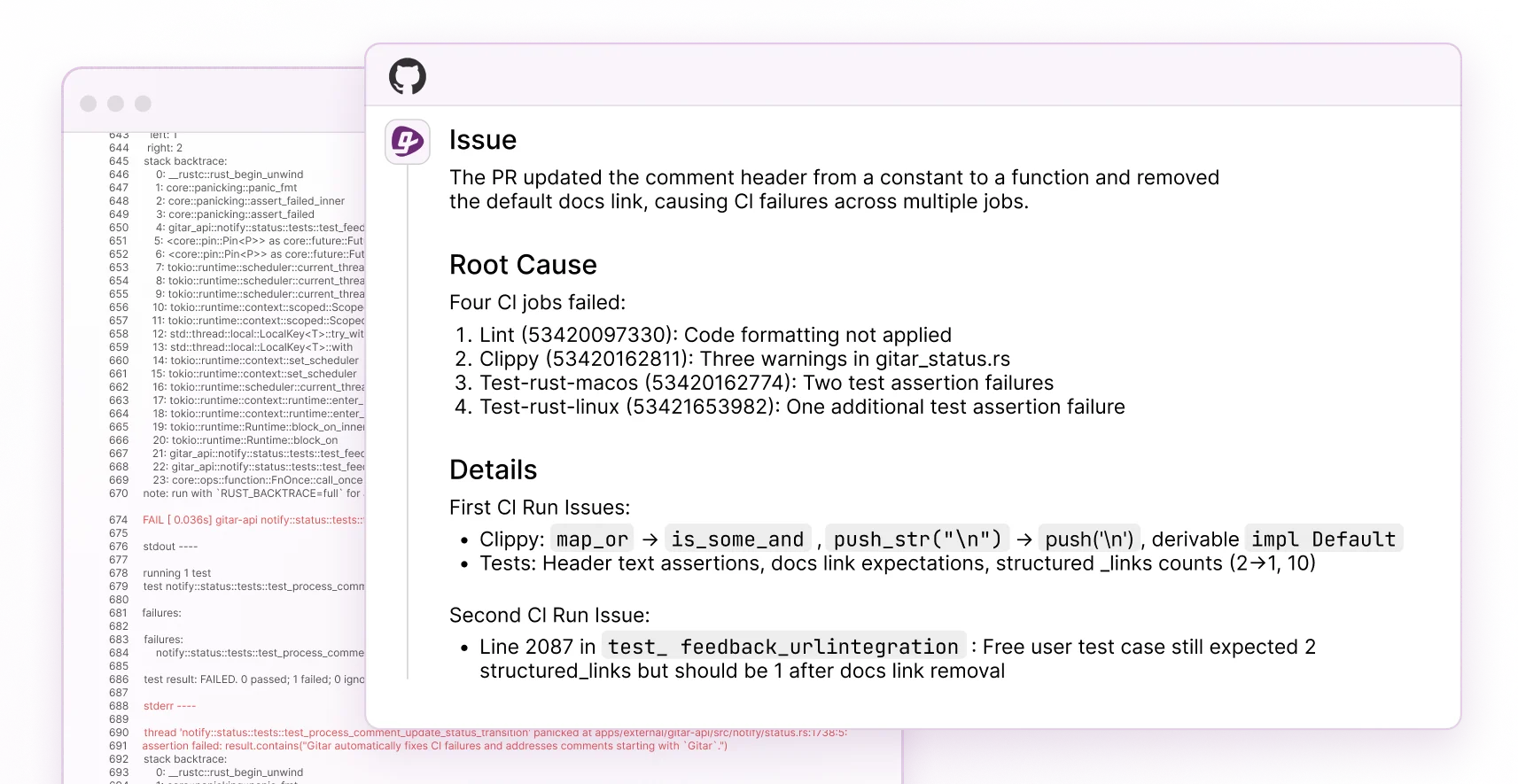
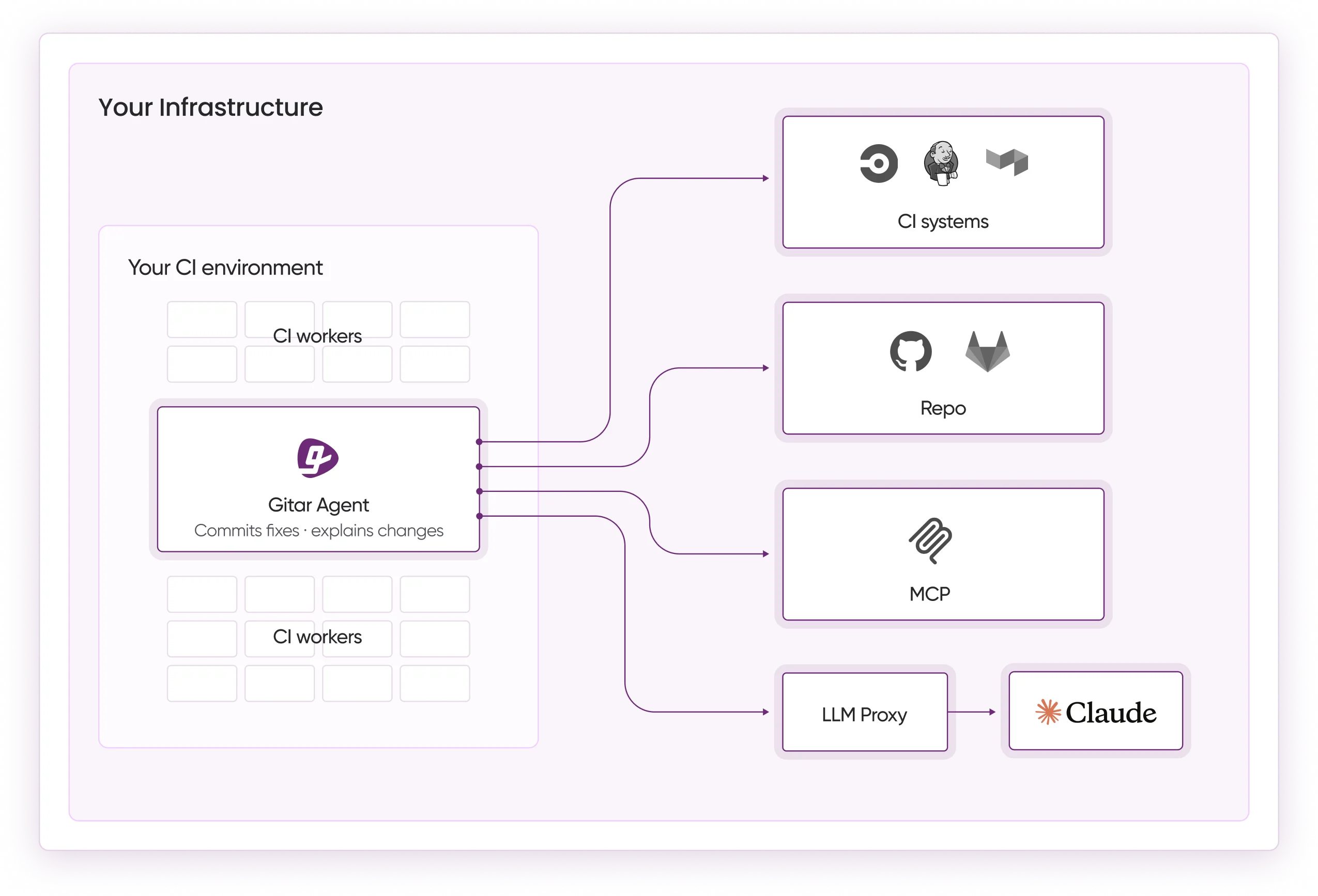
Gitar is an AI code review platform that fixes code, resolves CI failures, and applies review feedback automatically. The platform includes PR summaries, inline suggestions, CI failure analysis with auto-fixes, and integration with GitHub Actions, GitLab CI, CircleCI, and Buildkite. Setup takes about 30 seconds through a GitHub app installation.
The Team Plan offers a 14-day free trial with unlimited repositories and users, which lets entire teams test real workloads. Gitar focuses on production-ready workflows rather than isolated documentation generation, so teams can see impact on both review speed and build stability.
Gitar’s strength lies in addressing notification overload that affects most code review tools. Its single-comment approach keeps all review findings and fix notifications in one consolidated dashboard comment that updates in place. This structure removes notification spam and gives teams a single source of truth for pull request status. The platform also learns team patterns over time and maintains context per line, per PR, and per repository.
Start your 14-day unlimited trial of Gitar’s Team Plan.
2. Google Code Wiki – Commit-Triggered Documentation
Google Code Wiki scans Git repositories after every commit to create structured documentation including diagrams and code interconnections, using Gemini AI for natural language queries. The tool generates architecture overviews, module relationships, and searchable documentation hubs.
Google Code Wiki is in public preview as of March 2026 and currently offers free access for public repositories, with private repository support available through a waitlist. The platform includes a CLI tool for local development and a real-time chat interface for exploring codebases with natural language prompts.
The tool works well for understanding entire codebases and building comprehensive documentation structures. However, the public repository limitation restricts its usefulness for engineering teams that work on proprietary projects.
3. Mintlify – API Documentation with Conversational Search
Mintlify focuses on API documentation generation and conversational AI search. The platform generates API references, guides, and interactive documentation, then keeps content updated as APIs evolve. Mintlify’s traffic analysis shows AI coding agents now account for 45.3% of documentation site traffic, highlighting the shift toward machine-readable documentation.
The free tier supports up to 3 repositories with core documentation features. Paid plans unlock unlimited repositories, team collaboration, and advanced analytics. Setup involves connecting GitHub repositories and configuring the documentation structure through Mintlify’s web interface.
Mintlify’s conversational search indexes API references, guides, and code examples to answer developer questions in context. The platform also runs automated content gap analysis and real-time updates to reduce documentation staleness.
4. DeepWiki – Interactive Documentation with Architecture Diagrams
DeepWiki generates interactive documentation including architecture and module diagrams for GitHub repositories that you provide through a URL. The platform builds visual representations of code relationships alongside written documentation, which helps teams understand complex system architectures.
Free access covers public repositories, while enterprise plans add private repository support through custom pricing. The tool includes a conversational Q&A interface for exploring codebases and automated diagram generation for system components.
DeepWiki stands out for visual documentation. It automatically creates flowcharts, dependency graphs, and module interaction diagrams, then updates these visuals as code changes so diagrams stay accurate.
5. GitDocs AI – README and Template Generation
GitDocs AI analyzes GitHub repositories to generate README files and documentation with sections, examples, and templates. The platform integrates with GitHub so teams can edit and preview generated content directly in the repository.
The trial version supports basic documentation generation, while paid plans add advanced team features and collaboration tools. GitDocs AI works well for creating standardized documentation structures across many repositories, which improves consistency in team documentation.
Setup requires GitHub repository access, and teams trigger documentation generation through the GitDocs AI web interface. The tool then creates README files, API documentation, and code examples based on repository analysis.
6. GitSummarize – Open Source Documentation Hubs
GitSummarize transforms GitHub repositories into full documentation hubs with automatic summaries and visuals tailored for complex codebases. The open-source model provides community support and customizable documentation workflows.
As an open-source tool, GitSummarize offers unlimited usage with community-driven development. The platform generates detailed documentation that includes architecture visuals, code summaries, and navigable structures.
GitSummarize works best for teams comfortable maintaining and customizing open-source tools. The platform usually requires more technical setup than hosted solutions but gives teams full control over documentation generation.
7. ExplainGitHub – Instant Code Explanation
ExplainGitHub provides quick summaries, visual maps, and AI chat for exploring functions, structure, and architecture in GitHub repositories. The tool requires no signup and offers immediate access for public repository analysis.
The platform covers all public repositories without usage limits or subscriptions. ExplainGitHub generates instant code explanations, function summaries, and architectural overviews through a simple URL-based interface.
The tool works well for rapid code exploration and explanation, which helps developers who join new projects or run quick code reviews. However, the lack of private repository support limits its role in ongoing team workflows.
Common Team Pitfalls and Integration Challenges
Engineering teams often hit specific limits when they roll out free AI documentation tools at scale. Repository caps create immediate bottlenecks, because most free tiers support only 3-5 repositories while mid-sized teams usually manage 10-20 active projects. AI tools without company-specific context generate documentation that needs heavy cleanup, which erodes productivity gains.
Documentation staleness also remains a persistent problem as AI-generated code changes outpace manual updates. Teams report that traditional documentation tools fail to keep up with rapid pull request merges, so content becomes outdated within days. Effective documentation tools need citation transparency and integration with diverse sources including SDK code to stay accurate across development cycles.
AI Documentation Workflow Integration for Development Teams
Modern engineering teams benefit most from documentation tools that plug into existing workflows instead of creating new maintenance tasks. Agentic AI enables content gap analysis by running continuous checks on user searches and documentation analytics, which helps identify areas that need updates.
The strongest approach pairs documentation generation with code review processes. This integrated approach achieves the upper end of that 50-60% reduction, reaching 60% efficiency gains by removing the context switching that standalone documentation tools introduce.
Teams should prioritize tools that offer Jira integration, Slack notifications, and CI/CD pipeline hooks so documentation updates move through the same paths as code. See how Gitar integrates documentation with your code review workflow.
Frequently Asked Questions
What is the best free AI code documentation generator for a 20-developer GitHub team?
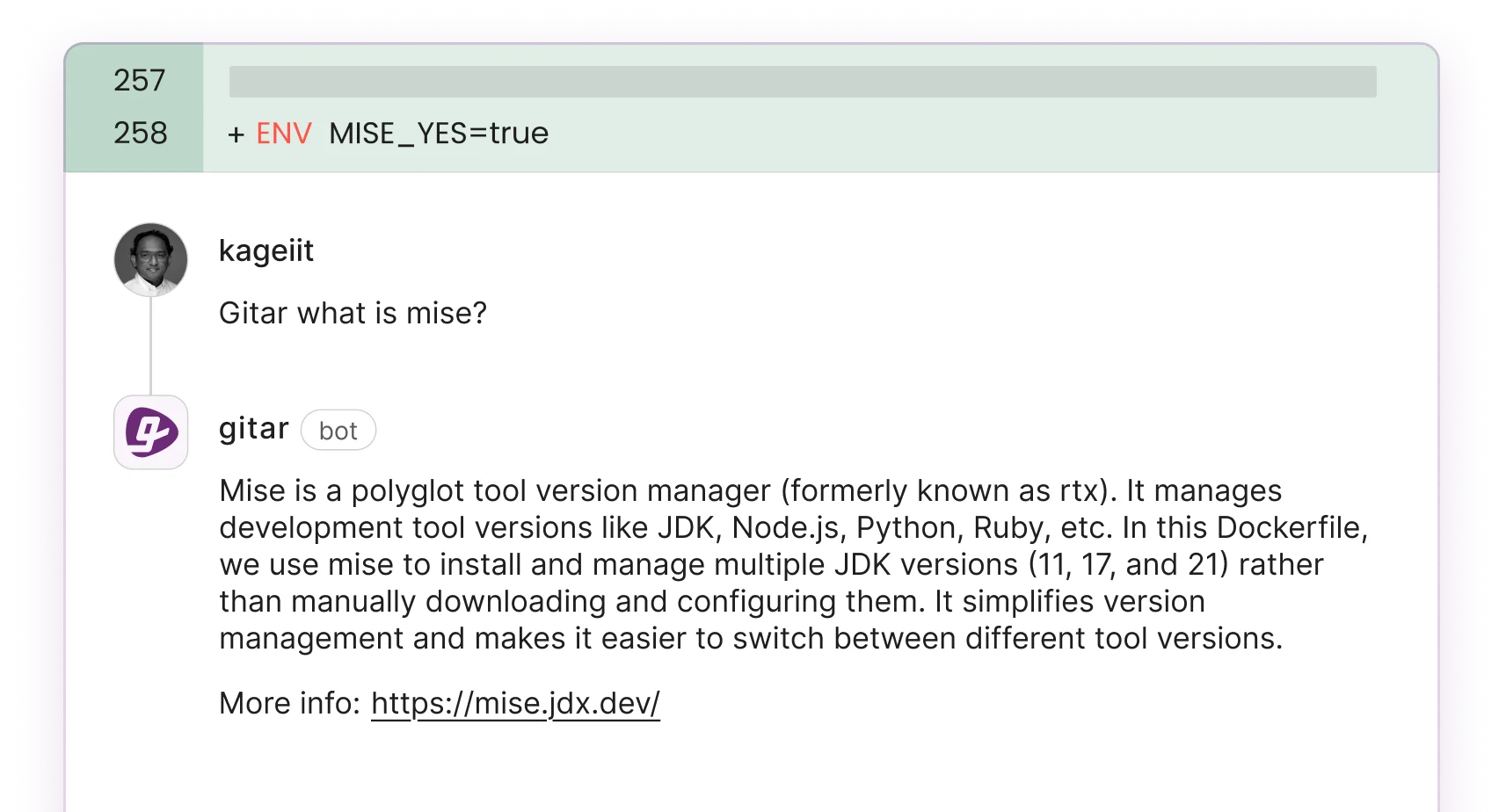
For teams of about 20 developers facing code review bottlenecks, Gitar’s 14-day Team Plan trial provides comprehensive AI code review with unlimited repositories and users during the trial. Gitar gives the full team access to pull request analysis, code review, and automatic CI fixes, and it integrates directly with GitHub workflows.
How do free tier limitations affect team scalability for AI documentation tools?
Free tier limitations often block team-wide adoption. Google Code Wiki and DeepWiki restrict access to public repositories only, which makes them unsuitable for proprietary projects. Mintlify caps free usage at 3 repositories, which rarely covers teams that manage 10-20 active projects. GitDocs AI and similar tools often limit monthly generation quotas, which creates bottlenecks during busy development periods. Teams should compare actual repository counts and monthly documentation needs against each free tier before committing.
Do AI documentation generators work with GitLab and other version control systems?
Integration support varies widely across AI documentation tools. Gitar provides native support for GitHub and GitLab, plus integration with CircleCI, Buildkite, and other CI/CD platforms. Google Code Wiki currently focuses on GitHub repositories, with GitLab support planned for future releases. Most other free tools concentrate on GitHub only, so teams using GitLab or mixed environments should confirm compatibility before rollout.
How do AI documentation tools compare to traditional documentation approaches in terms of ROI?
AI documentation tools usually reduce documentation maintenance overhead by 50-60% compared to manual approaches. Traditional documentation requires dedicated writer time, manual updates after code changes, and separate review cycles. AI tools automate initial content creation and can sync with code changes automatically. However, ROI depends heavily on integration quality, because tools that sit outside development workflows often create extra maintenance work. Platforms that combine documentation with code review and CI processes deliver stronger ROI by streamlining the entire development pipeline.
What integration features should teams prioritize when selecting AI documentation tools?
Teams should look for tools with automatic Git sync on commits, pull request hook integration, CI/CD pipeline compatibility, and connections to communication platforms such as Slack or Microsoft Teams. Real-time documentation updates help prevent the staleness that batch-processing tools cause. Single-comment consolidation reduces notification noise while keeping visibility into documentation changes. Analytics and gap analysis highlight documentation needs early. Above all, tools should connect documentation generation to existing code review processes instead of adding separate maintenance workflows.
Conclusion and Implementation Strategy
The AI code documentation landscape in 2026 gives engineering teams practical ways to manage documentation while code generation accelerates. The 45% shift toward AI-driven documentation consumption mentioned earlier underscores why automated, machine-readable documentation has become essential.
Teams that want comprehensive code review and documentation in one place can use Gitar to improve ROI through code review automation and CI healing. The 14-day unlimited trial lets teams measure impact on velocity and quality before they commit.
Teams should start with tools that offer generous trial periods and strong integration features. Begin in suggestion mode to build trust, then gradually enable automation for workflows that prove reliable. Begin your free trial and evaluate Gitar’s impact on team velocity.