
Written by: Ali-Reza Adl-Tabatabai, Founder and CEO, Gitar
Key Takeaways for Distributed Code Review in 2026
- AI coding tools now generate 3–5x more code, creating a “Review Gap” where pull requests grow faster than human review capacity.
- Distributed teams need tools that auto-fix CI failures, keep a single evolving comment, support multiple VCS platforms, and ship only green builds.
- Gitar is the only platform in this list that autonomously fixes code, analyzes CI failures, and commits validated changes directly to pull requests.
- CodeRabbit, Greptile, and SonarQube focus on suggestions or analysis, so developers still perform manual fixes and face timezone delays.
- Teams reclaim $750K+ in annual productivity with Gitar’s autonomous healing, and you can try these guaranteed green builds across timezones with a 14-day Team Plan trial.
How This Distributed Code Review Comparison Was Built
Our 2026 evaluation focused on four dimensions that matter most for distributed teams: async collaboration capabilities (timezone-agnostic operations, single-comment updates), auto-fix depth (CI healing versus suggestions only), platform integrations (multi-VCS, CI/CD, Jira/Slack), and enterprise scalability (multi-repo support, pricing models). Testing included hands-on trials with distributed development scenarios, analysis of GitHub Octoverse 2025 data, developer feedback from Reddit and engineering forums, and vendor documentation review. This research surfaced four features that consistently separate effective distributed team tools from basic code review platforms.
Key Features for Distributed Teams
|
Feature |
Why It Matters for Distributed Teams |
Top Tools |
|
Auto-Fix CI Failures |
Removes timezone delays caused by manual troubleshooting and fixes |
Gitar, Graphite Agent |
|
Single-Comment Updates |
Cuts notification fatigue and keeps context in one place across timezones |
Gitar, CodeRabbit |
|
Multi-VCS Support |
Supports GitHub and GitLab in mixed enterprise environments |
Gitar, CodeRabbit, SonarQube |
|
Guaranteed Green Builds |
Verifies fixes in CI before committing changes to the pull request |
Gitar |
Best Code Review Automation Tools for Distributed Teams
1. Gitar – Autonomous Code Review with Healing Engine
Gitar stands apart as the only platform in this comparison that fixes code instead of only suggesting changes. While competitors charge $15–30 per developer for comment-based suggestions, Gitar’s healing engine analyzes CI failures, generates validated fixes, and commits them directly to pull requests. Gitar added CI failure analysis on October 2, 2025 (Gitar Documentation), automatically analyzing failures and updating insights as new commits arrive.
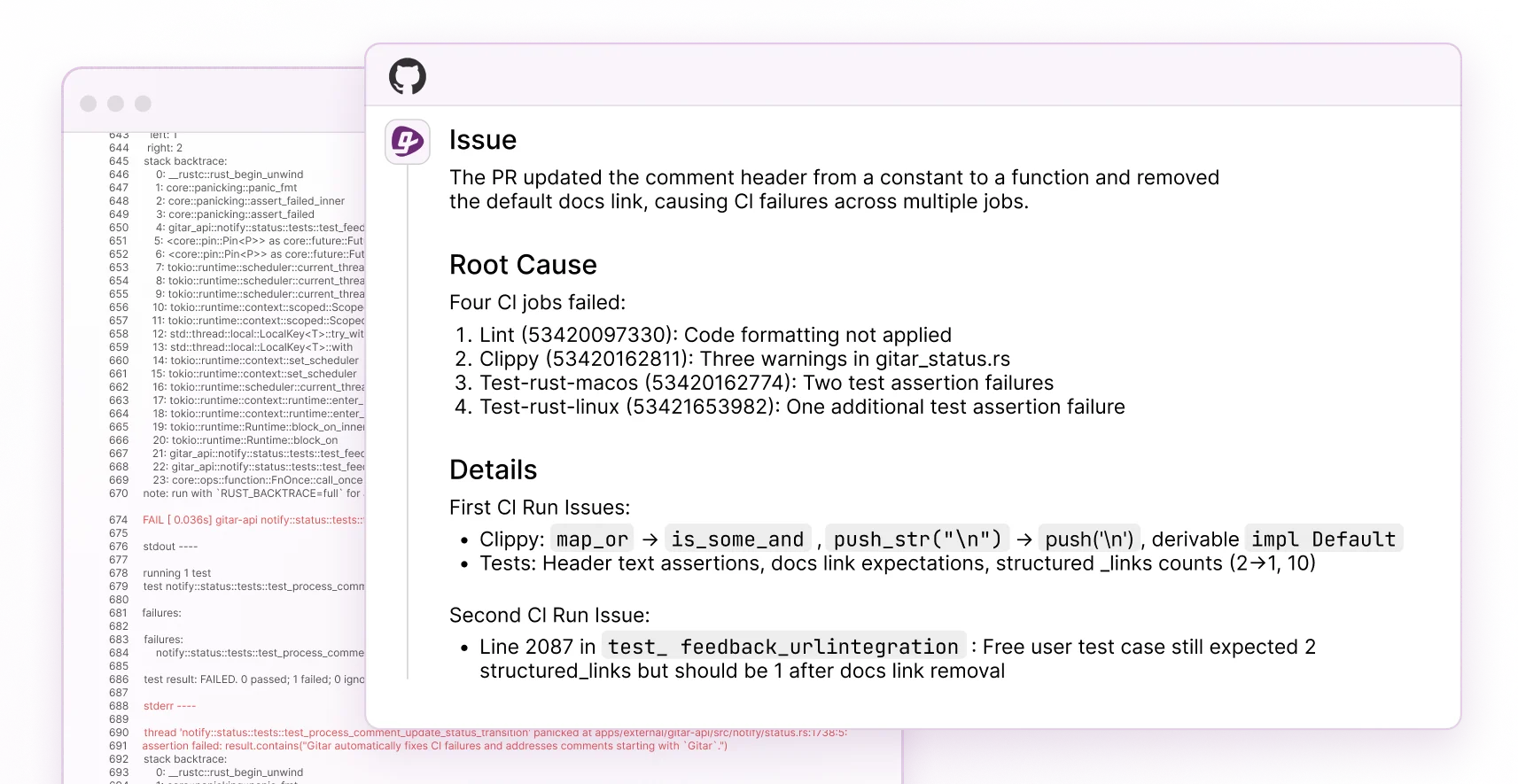
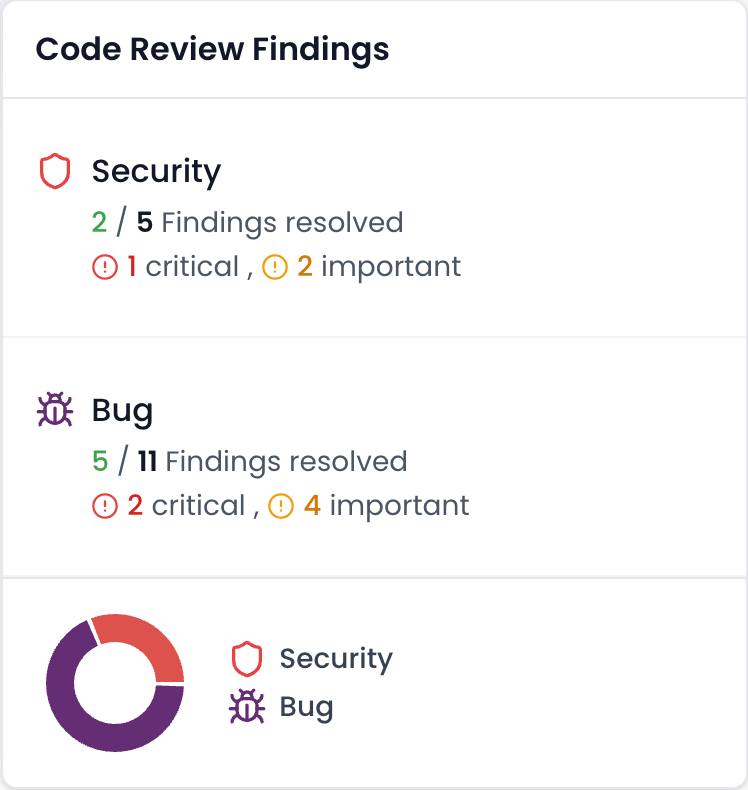
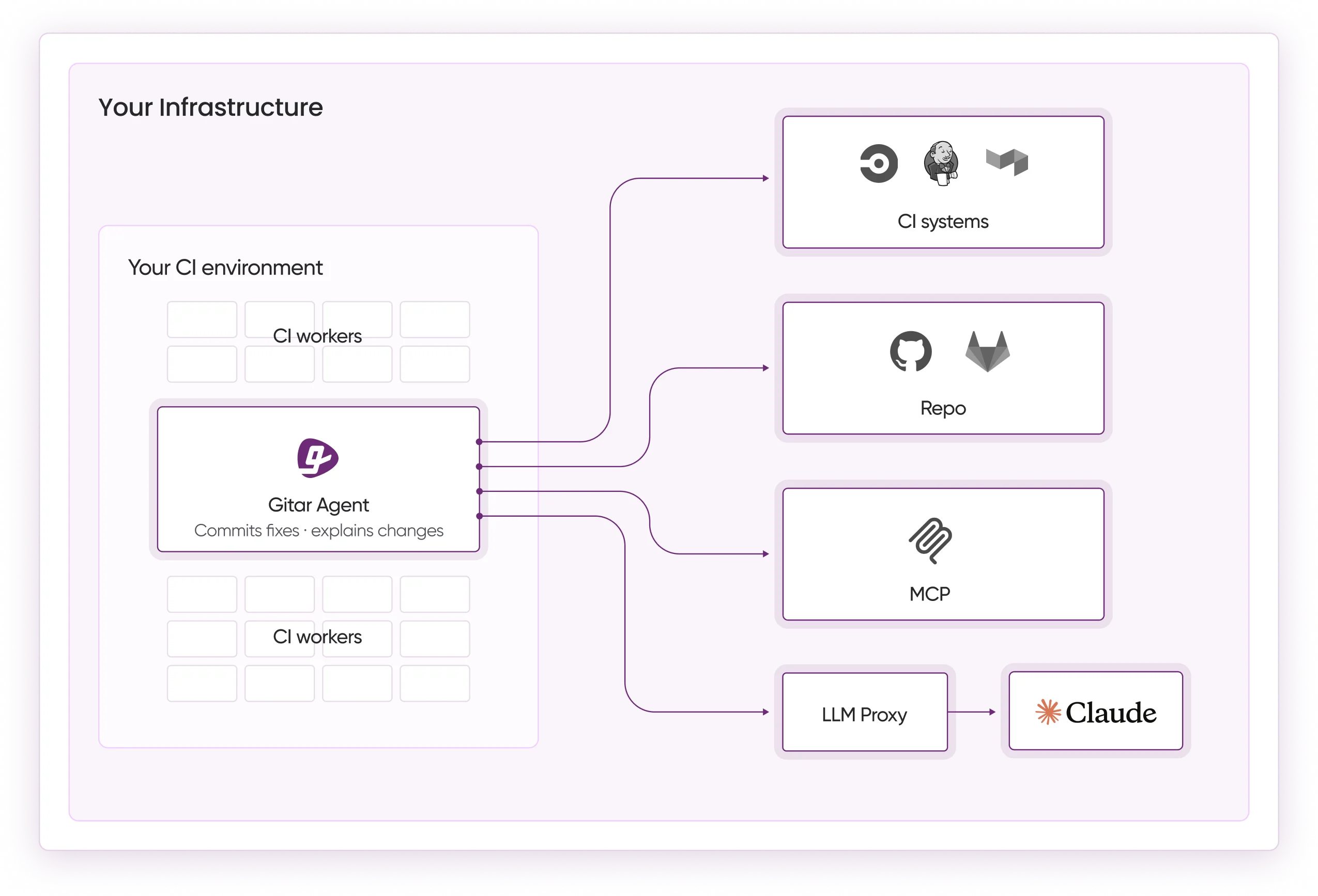
The platform excels for distributed teams through its single living Dashboard comment that consolidates all findings and updates in real time, which eliminates notification spam across timezones. This consolidated approach works because Gitar’s CI agent maintains full context from PR creation to merge, tracking issues across commits and updating the same comment instead of creating new ones. The agent runs continuously to keep CI green by finding root causes, applying fixes, and verifying results inside your CI environment before updating the Dashboard.
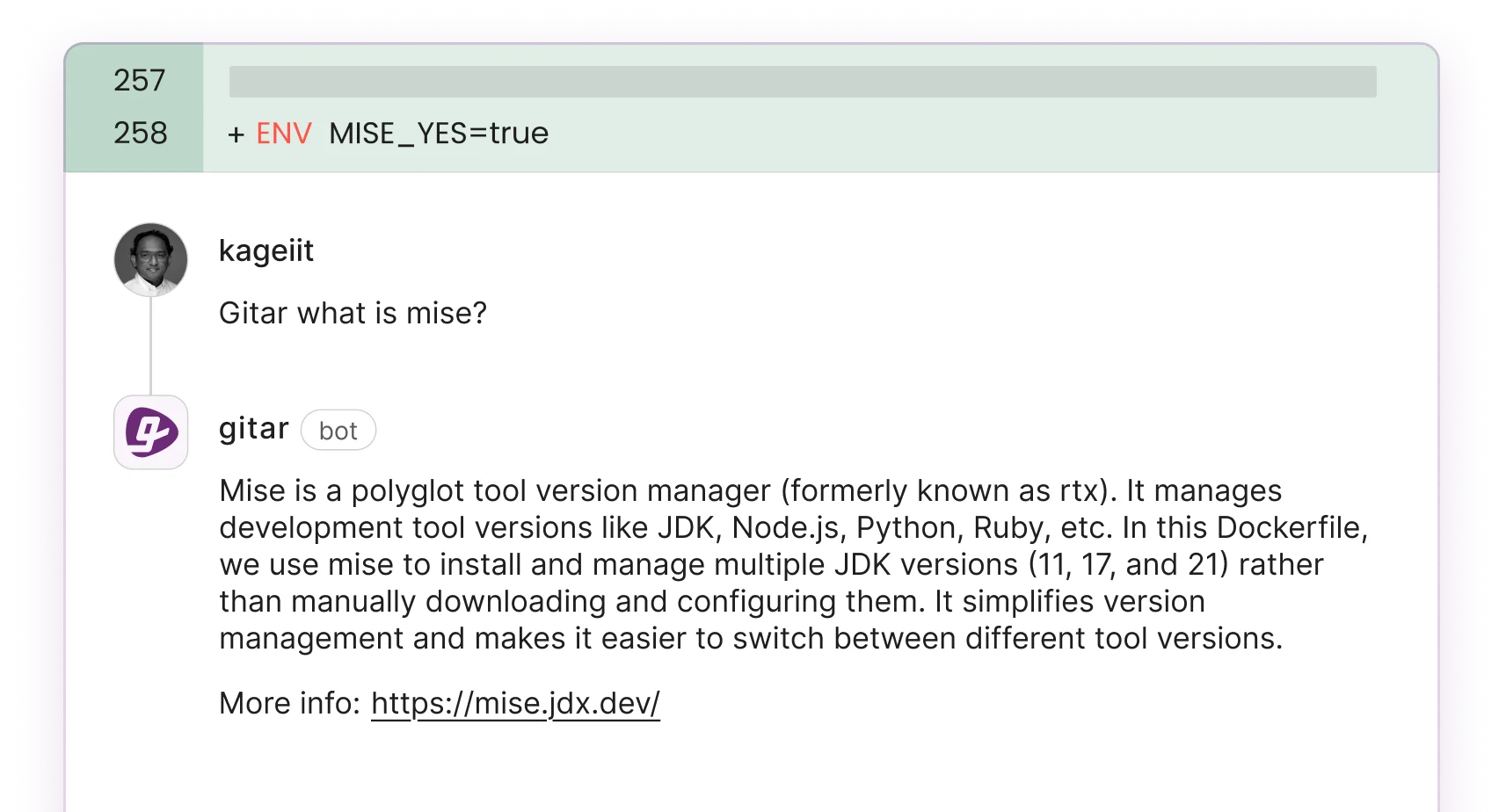
Key capabilities include natural language repository rules (no YAML required), cross-platform support for GitHub, GitLab, CircleCI, and Buildkite, and deep integrations with Jira, Slack, and Linear. Distributed teams using Gitar report 91% faster review cycles because autonomous fixing removes timezone wait times. Pricing includes a 14-day free trial of the Team Plan with full access to auto-fix, custom rules, and all integrations, with no seat limits during the trial. Install Gitar to automatically heal broken builds and ship higher quality software faster.
2. CodeRabbit – AI-Powered PR Analysis
CodeRabbit provides comprehensive PR summaries and inline suggestions across GitHub, GitLab, Bitbucket, and Azure DevOps. CodeRabbit has processed more than 13 million PRs across over 2 million repositories and offers one-click fixes for common issues. It still operates as a suggestion engine, so developers must apply fixes manually.
Strengths include rapid PR processing with code-graph context for complex changes and broad platform support. Limitations include no true auto-apply functionality, potential false positives, and slow performance in large repositories due to LLM context window limits.
Pricing: Free tier for open-source, Lite plan at $12–15 per user per month, and Pro plan at $24–30 per user per month.
3. Greptile – Codebase Context AI Reviews
Greptile focuses on full codebase context for PR reviews. Teams report up to 3x more bugs caught compared to manual reviews and up to 4x faster PR merges. The platform integrates with GitHub and GitLab and meets SOC 2 compliance standards for enterprise security.
Greptile generates AI suggestions and fix recommendations that usually require manual implementation, and it experiences false positives and uneven context coverage in trial runs. It lacks autonomous fixing, which limits its value for async distributed workflows.
Pricing: Around $30 per user per month for cloud deployment, with custom pricing for self-hosted options.
4. SonarQube – Static Analysis Platform
SonarQube Community Edition delivers battle-tested static code analysis across more than 21 languages with near-zero false positives and predictable rule-based detection. The platform integrates with CI/CD pipelines and enforces code standards through quality gates.
SonarQube reliably detects formatting issues and OWASP Top 10 vulnerabilities, but it lacks AI-powered auto-fixing capabilities that modern distributed workflows require. It flags issues and still relies on developers to perform fixes.
Pricing: Community Edition is free under LGPL-3.0, Developer Edition starts at $150 per year, and Enterprise pricing is available on request.
5. GitHub Copilot Code Review
GitHub Copilot Code Review reached general availability in April 2025, hit 1 million users in a month, and later added context gathering from source files, directory structure, and security scanning in October 2025. The tool provides PR summaries and suggested fixes through inline comments for existing Copilot users.
Limitations include GitHub-only support, manual implementation of suggestions, and no CI failure analysis. It fits well inside the GitHub ecosystem but does not solve the distributed team need for autonomous fixing across timezones.
Pricing: Included with GitHub Copilot Business at $19 per user per month, with an Individual plan at $10 per month. Try Gitar’s autonomous fixing with a 14-day Team Plan trial to go beyond suggestion-only reviews.
6. Graphite Agent – Stacked PR Workflows
Graphite Agent offers one-click fixes, resolves CI failures inline, and includes a merge queue that coordinates stacked PR merges. Shopify reported 33% more PRs merged per developer after adopting Graphite Agent, with median PR merge time dropping from 24 hours to 90 minutes.
Graphite’s functionality is limited to GitHub and lacks native support for GitLab or Bitbucket, which restricts use in mixed VCS environments.
Pricing: Custom enterprise pricing with flat annual rates that start around $25K per year.
7. Codacy – Automated Code Quality
Codacy delivers automated PR analysis with security scanning and quality metrics tracking. The platform supports multiple languages and integrates with GitHub, GitLab, and Bitbucket, which suits many distributed workflows.
Codacy focuses on detection instead of automated fixing, so developers still implement suggested improvements manually. Distributed teams then face the same timezone bottlenecks they aim to remove.
Pricing: Free for open-source projects, a Pro plan with per-user pricing for teams, and an Enterprise plan with self-hosted options.
8. DeepSource – Unlimited Repository Analysis
DeepSource provides static analysis with unlimited repositories and lines of code on paid plans. The platform offers security vulnerability detection and code quality metrics with CI/CD integration.
Like other static analysis tools, DeepSource lacks autonomous fixing capabilities that distributed teams need to maintain velocity across timezones. It identifies issues and leaves implementation work to developers.
Pricing: Free for open-source, with Developer and Business plans priced per user per month.
9. Aikido Security – Security-Focused Triage
Aikido Security uses AI-driven triage and reachability analysis to cut up to 90% of false positives, focusing on security vulnerabilities and compliance for enterprise teams.
Aikido excels at security-focused reviews but does not cover broader code quality and CI failure resolution for distributed automation.
Pricing: Custom enterprise pricing with a security-focused feature set.
10. PullRequest – Human + AI Hybrid
PullRequest combines human reviewers with AI assistance to deliver comprehensive code review services. The platform pairs expert human review with automated analysis tools.
The human component introduces timezone dependencies that distributed teams try to remove through automation. This hybrid model still falls short for fully async collaboration.
Pricing: Custom pricing based on review volume and human reviewer needs. Install Gitar for fully autonomous reviews that run continuously across all timezones.
Best Choice for Multi-Repo Distributed Teams
For teams managing many repositories across GitHub and GitLab, Gitar delivers the most complete option with cross-platform support and repository-aware context. Distributed teams handling dozens of daily pull requests across time zones face timezone blocking and delays from required synchronous discussions. Gitar’s autonomous fixing resolves issues before teammates in other regions even open the PR.
SonarQube vs CodeRabbit for Distributed Teams
SonarQube excels at static analysis and CodeRabbit provides AI-powered summaries, yet neither solves the core distributed team pain point of autonomous fixing. Common slowdowns include reviewer concentration on a few senior engineers, context switching, and repeated basic checks. Both tools identify issues and still require manual implementation, which keeps timezone bottlenecks in place.
Side-by-Side Comparison of Top Tools
|
Feature |
Gitar |
CodeRabbit |
Greptile |
SonarQube |
Graphite |
|
PR Summaries |
Yes |
Yes |
Yes |
No |
Yes |
|
Auto-Fix CI |
Yes |
No |
No |
No |
Limited |
|
Multi-VCS |
Yes |
Yes |
Yes |
Yes |
GitHub Only |
|
Guaranteed Builds |
Yes |
No |
No |
No |
No |
|
Pricing |
14-day trial |
$12–30/user |
$30/user |
Free/Paid |
Custom/Flat |
Distributed Team Pain Points, Solutions, and ROI
Distributed engineering teams face timezone notification fatigue, PR volume spikes, and CI flakiness, which demand autonomous solutions instead of more suggestions. Reviewer unavailability extends code review cycle times and time to first review, and massive pull requests create cognitive overload that slows feedback.
ROI analysis shows teams lose about $1M annually when a 20-developer team spends 1 hour each day on CI and review issues. Gitar’s autonomous fixing cuts this to 15 minutes per developer per day, which delivers $750K in productivity savings and removes the manual toil of suggestion-only tools. Measure your own velocity gains with a 14-day Gitar Team Plan trial before committing budget.
Frequently Asked Questions
What is the best AI code review auto-fix tool for distributed teams?
Gitar is the only platform in this comparison that provides true auto-fixing with guaranteed green builds. Competitors like CodeRabbit and Greptile offer suggestions that still require manual implementation, while Gitar’s healing engine analyzes CI failures, generates validated fixes, and commits them directly to pull requests. This approach removes timezone delays and delivers the dramatic review cycle improvements mentioned earlier for distributed teams.
Is SonarQube enough for distributed enterprise teams?
SonarQube Community Edition delivers strong static analysis but lacks the autonomous fixing that modern distributed teams require. It identifies issues through rule-based detection and still depends on manual fixes, which recreates the same timezone bottlenecks that slow distributed development. Teams handling AI-generated code volumes need intelligent fixing that runs continuously across timezones.
Which code review tools offer free trials for distributed teams?
Gitar offers the most complete free trial with 14 days of full Team Plan access, including auto-fix, custom rules, and all integrations, with no seat limits. Entire distributed teams can test autonomous fixing capabilities before moving to paid plans. Other tools such as CodeRabbit provide limited free tiers for open-source projects but do not expose the full feature set required to evaluate enterprise distributed workflows.
What are the best AI code review tools for 2026?
The 2026 market favors tools that move beyond suggestions into autonomous fixing. Gitar leads with a healing engine that guarantees green builds, followed by Graphite Agent for GitHub-focused teams and CodeRabbit for multi-platform PR summaries. Traditional static analysis tools like SonarQube still add value but cannot keep up with AI-generated code volumes without intelligent automation.
How do code review automation tools integrate with CI/CD pipelines?
Modern code review automation connects directly to CI/CD systems such as GitHub Actions, GitLab CI, CircleCI, and Buildkite. Gitar provides the deepest integration by running agents inside your CI environment, using configs, secrets, and caches to generate fixes that succeed in production. Other tools usually operate outside CI pipelines, which limits their ability to validate fixes against your real build environment.
Conclusion: Why Distributed Teams Choose Gitar
The 2026 code review automation landscape clearly separates suggestion engines from true healing platforms. Tools like CodeRabbit and Greptile deliver helpful PR analysis, yet only Gitar offers autonomous fixing that keeps distributed teams moving quickly across timezones. With the Review Gap continuing to widen, and AI adoption at 91%, teams can no longer rely on suggestion-only tools that preserve manual toil.
Engineering leaders running distributed teams gain the most by investing in platforms that actually fix code instead of only commenting on it. Test Gitar’s healing engine to experience faster review cycles and guaranteed green builds that work across every timezone. Start your 14-day Gitar Team Plan trial to automatically fix broken builds and start shipping higher quality software faster.