
Written by: Ali-Reza Adl-Tabatabai, Founder and CEO, Gitar
Key Takeaways
- AI code generation speeds up Unity development but increases PR review time by 91% because of coroutine leaks, physics errors, and other game-specific bugs.
- Gitar ranks first by fixing code automatically, analyzing CI failures, generating validated fixes, and committing them directly to PRs in Unity 6.2+ projects.
- Most free tools such as CodeRabbit and CodiumAI provide limited suggestions without Unity context or automatic fixes, so developers still implement changes manually.
- Testing shows Gitar’s 14-day unlimited trial excels at C# bug detection, simple setup, and reduced notification fatigue through a single dashboard comment.
- Teams achieve 60–75% fewer CI interruptions and faster merges with Gitar, and you can see these results in your own pipeline with a 14-day Team Plan trial.
How We Tested Unity-Focused AI Code Review Tools
Our evaluation criteria covered Unity integration depth, free tier limitations, C# game bug detection, setup complexity, and auto-fix capabilities. We tested each tool against common Unity 6.2 issues including coroutine memory leaks, physics calculation errors, and Update() loop inefficiencies. Sources include developer forums and hands-on Unity 6.2 testing environments.

The table below highlights a key pattern in the market: Gitar is the only tool that combines generous free access with true auto-fix support, while other options either restrict usage or stop at suggestions.
Quick Pick Comparison
|
Tool |
Free Limits |
Unity Bugs Caught |
Auto-Fix |
|
Gitar |
14-day unlimited trial |
High (C# code) |
Yes |
|
Unity AI |
Built-in Unity 6.2+ |
Medium (scripting) |
No |
|
CodeRabbit |
1 PR/day |
Low (general C#) |
No |
|
CodiumAI PR-Agent |
Self-hosted (free OSS) |
Medium (testing) |
Limited |
1. Gitar: Auto-Fix Engine for Unity CI Failures
Gitar stands out because it fixes code instead of only suggesting changes. When CI fails due to lint errors, test failures, or build breaks, Gitar analyzes failure logs, generates validated fixes, and commits them to your PR. This healing engine approach suits projects where AI-generated code often introduces bugs that traditional review tools miss.
The platform excels at detecting issues in C# code, which matters because Unity projects rely heavily on C# and generic tools often miss game-specific patterns. This deep language support combines with minimal setup, since you only install the GitHub App and push a PR, to deliver fixes within 2 minutes in a single, clean dashboard comment that updates in place instead of flooding your notifications.
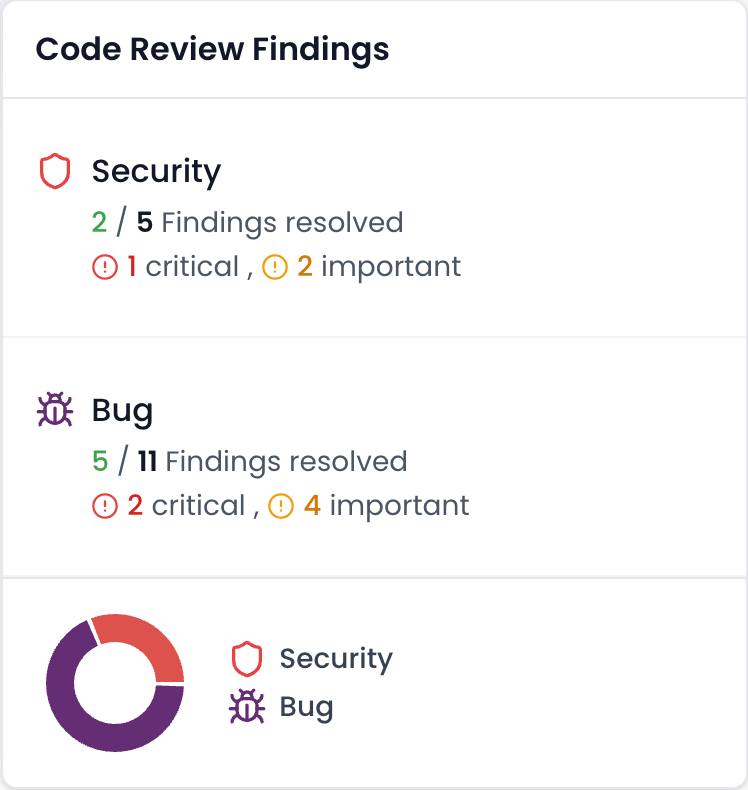
Gitar’s 14-day unlimited Team Plan trial provides full access to auto-fix capabilities, custom workflow rules, and deep C# context. Unlike competitors that charge $15–30 per developer for suggestion-only tools, Gitar proves its value by actually doing the work. Try Gitar’s trial to see validated auto-fixes in your Unity CI pipeline.
2. Unity AI: Helpful In-Editor Assistant Without CI Coverage
Unity’s built-in AI assistant, available free in Unity 6.2+, provides in-editor scripting assistance and debugging support. The tool understands Unity’s component system and can catch basic physics implementation errors and scripting issues. It lacks PR review capabilities and cannot auto-fix CI failures, so it offers limited value for team workflows and continuous integration pipelines.
3. Coplay: Unity Package Analysis With No PR Integration
Coplay integrates with Unity Package Manager and offers free tier access for basic scripting analysis and scene bug detection. The tool can identify some Unity-specific issues but has limited reviewable changes per month and no CI integration. Setup involves adding the package through Unity’s Package Manager, yet the tool cannot automatically apply fixes or connect with GitHub PR workflows.
4. Bezi: Project-Aware Unity Indexing Without Auto-Fix
Bezi provides project-aware indexing that traces Unity scripts and scene relationships, which helps catch complex Unity bugs that span multiple files. The free tier offers basic analysis but restricts project size and monthly usage. It understands Unity’s architecture better than general-purpose tools, although it still lacks auto-fix capabilities and requires manual implementation of every suggestion.
5. CodeRabbit Free Tier: Codebase-Aware Reviews With Tight Limits
CodeRabbit provides codebase-aware reviews and one-click AI fixes, but the free tier limits users to 1 PR per day. It offers C# suggestions and integrates with GitHub, yet it lacks Unity-specific context and cannot automatically apply fixes to failing CI builds. The tool fits general C# development better than game-focused Unity issues.
6. CodiumAI PR-Agent (Open-Source): Flexible but Self-Hosted
CodiumAI PR-Agent ranks as a top automated code review tool with free self-hosting options and AI-powered code fixes for up to 5 users. The open-source nature allows customization for Unity projects, and it can generate context-aware unit tests. However, self-hosting requires managing LLM API costs and infrastructure, which makes it less accessible for indie developers.
For teams willing to trade convenience for zero ongoing license costs, combining traditional static analysis or self-hosted agents with manual AI prompts offers another path.
7. SonarQube Community + ChatGPT Workflow: Zero License Cost, High Effort
This combination uses SonarQube Community Edition’s free static analysis paired with manual ChatGPT consultation for Unity C# issues. SonarQube CE provides solid static analysis across 21 languages with low false positives, but the workflow requires manual integration and has no native auto-fix capabilities. Setup complexity and the need to manually bridge tools makes this approach time-intensive.
Skip the integration complexity and install Gitar in 2 minutes to experience the difference between suggestion engines and actual code fixes for your Unity projects.
These tool-specific tradeoffs mirror broader frustrations Unity developers express about AI-assisted workflows.
Developers on Reddit Highlight CI Challenges
Developers consistently report frustration with CI failures and lengthy review cycles, particularly when AI-generated code introduces subtle bugs. Common pain points include issues that only surface during extended runs and calculations that work in editor but fail in builds. Gitar addresses these issues by providing analysis that understands development patterns and automatically fixing problems before they reach human reviewers.
This second comparison table expands on the earlier quick picks by showing how free duration aligns with Unity-specific support, and how tools with permanent free access often sacrifice integration depth.
Side-by-Side Feature Comparison
|
Tool |
Unity Support |
Free Duration |
Auto-Fix |
|
Gitar |
C# code support |
14-day unlimited |
Yes |
|
Unity AI |
Native Unity integration |
Permanent (limited) |
No |
|
CodeRabbit |
General code support |
1 PR/day limit |
No |
|
CodiumAI |
Configurable |
Self-hosted (free OSS) |
Limited |
These feature differences have direct implications for how different team sizes should choose and roll out AI review tools.
Key Considerations for Unity Teams
Solo indie developers gain the most from Gitar’s comprehensive trial, which delivers enterprise-level auto-fix capabilities without upfront costs. Small teams should favor tools that reduce context switching and notification fatigue, and this consolidated notification approach described earlier significantly reduces cognitive load compared to competitors that scatter inline suggestions across diffs.
The critical differentiator is auto-fix validation. Without it, tools that suggest fixes create false confidence, because recommendations may look correct in isolation but fail when tested against your CI environment’s configuration, dependencies, and build settings. This validation process mentioned earlier tests every fix against your complete build pipeline before committing, which ensures suggestions actually work in your Unity project’s specific configuration.
Frequently Asked Questions
What are the free tier limitations for projects?
Most AI code review tools severely limit free usage, since CodeRabbit allows only 1 PR per day and tools like Greptile charge $30 per developer monthly. Gitar offers the most generous free access with a 14-day unlimited Team Plan trial, providing full auto-fix capabilities, unlimited repositories, and up to 50 users during the trial period. This structure lets teams properly evaluate the platform’s impact on development velocity.
How quickly can I set up Gitar for projects?
As mentioned earlier, setup takes approximately 2 minutes with a simple GitHub App installation. After authorization, Gitar starts analyzing your C# code on the next PR and posts a dashboard comment with findings and auto-fixes.
How do I measure ROI from AI code review tools?
Track metrics such as CI failure reduction, time spent on review cycles, and developer context switching frequency. Teams typically see the CI interruption reduction mentioned earlier, plus 45% faster PR merge times with auto-fix tools like Gitar. The key indicator is whether the tool removes manual work instead of only producing suggestions that still require implementation effort.
Does Gitar support GitLab and other platforms?
Yes, Gitar supports GitHub and GitLab and integrates with major CI systems including GitHub Actions, GitLab CI, CircleCI, and Buildkite. The platform also connects with project management tools like Jira and Slack for workflow automation. Enterprise deployments can run the agent within your own CI infrastructure for maximum security and context access.
What features does Gitar specifically support?
Gitar’s analysis engine supports C# code, the primary language for Unity development, along with Python, Go, JavaScript, TypeScript, Java, Rust, and more for mixed codebases. This multi-language support matters because the platform detects issues and validates fixes against your complete build pipeline, not just individual files, which ensures fixes work across your entire tech stack. Regular updates maintain compatibility with evolving development requirements.
Conclusion
After testing seven tools against Unity 6.2’s most common CI failures such as coroutine leaks, physics errors, and Update() inefficiencies, Gitar emerged as the only solution that both detects and automatically fixes these issues. Unity AI offers native integration and CodeRabbit provides codebase awareness, yet neither can validate and commit fixes to failing builds. For Unity teams facing the 91% PR review time increase that AI-generated code creates, Gitar’s validated auto-fix engine addresses the root problem by turning suggestions into working code.
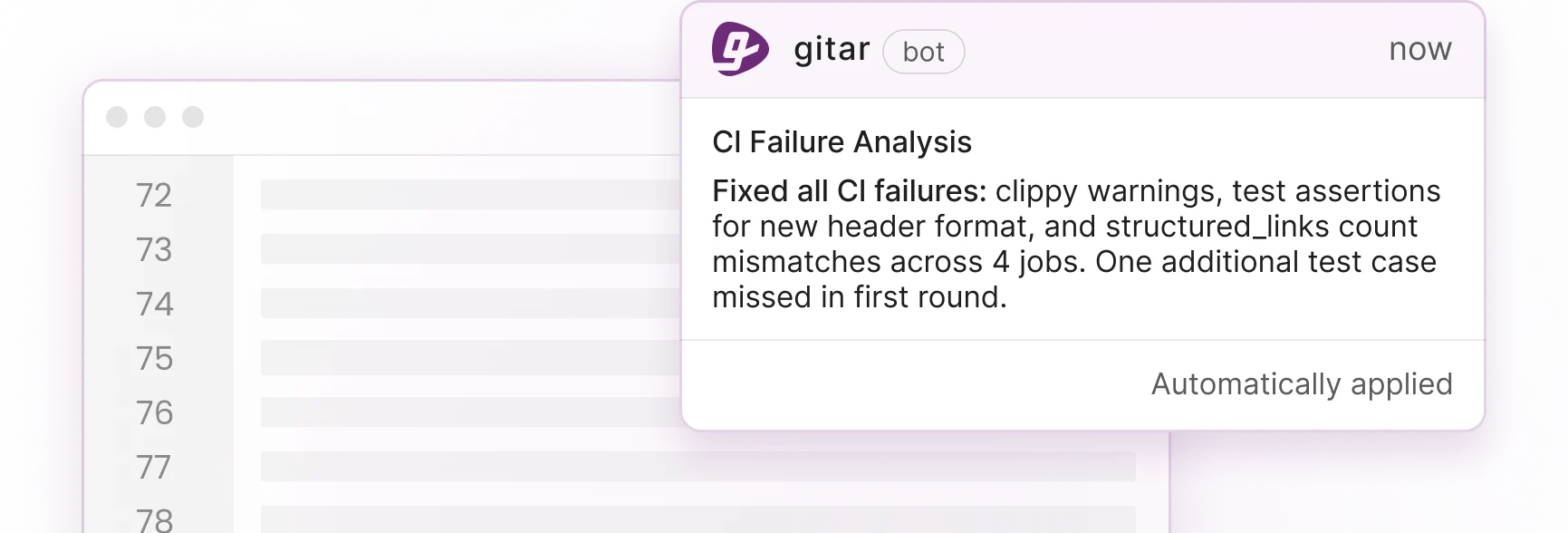
The best free AI code review tool in 2026 is Gitar, which delivers comprehensive auto-fix capabilities through its generous trial period. While competitors charge premium prices for suggestion-only tools, Gitar proves its value by actually fixing issues and guaranteeing green builds. Put this auto-fix advantage to work in your Unity project and start your 14-day trial to experience the difference between AI suggestions and AI solutions.