
Written by: Ali-Reza Adl-Tabatabai, Founder and CEO, Gitar
Key Takeaways for Java AI Code Review in 2026
- AI code generation speeds up development 3–5x but increases PR review time by 91%, which slows Java teams using Spring Boot and Maven.
- Gitar ranks first among 9 free tools and uniquely provides auto-fixes that validate against CI instead of offering suggestions only.
- Codeium focuses on IDE integration, SonarQube on static analysis, and self-hosted tools like Tabby give Java teams full data control.
- Free tiers differ widely: Gitar offers a 14-day unlimited trial, Codeium supports unlimited individual use, while most others restrict team usage.
- Java teams can move from manual debugging to automated green builds by starting a 14-day Gitar Team Plan trial.
Testing Methodology for Java AI Review Tools
Our evaluation criteria focused on Java-specific accuracy across logic error detection, Spring Boot understanding, Maven dependency resolution, and auto-fix capabilities versus suggestion-only behavior. Each tool was tested on more than 50 real Java PRs from Spring Boot repositories, measuring fix quality, setup time under 5 minutes, and integration with GitHub Actions, GitLab CI, and CircleCI.
Testing sources included Gitar’s official documentation, community feedback from Java developer discussions on Reddit, and benchmark data from tools that measure bug-catch rates and noise levels across real-world pull requests. The evaluation prioritized tools with meaningful free tiers or trials that Java teams can use without immediate cost barriers. Based on these criteria, the following nine tools represent the strongest free options for Java teams in 2026.
Top 9 Free AI Code Review Tools for Java in 2026
1. Gitar: Auto-Fixes for Failing Java CI
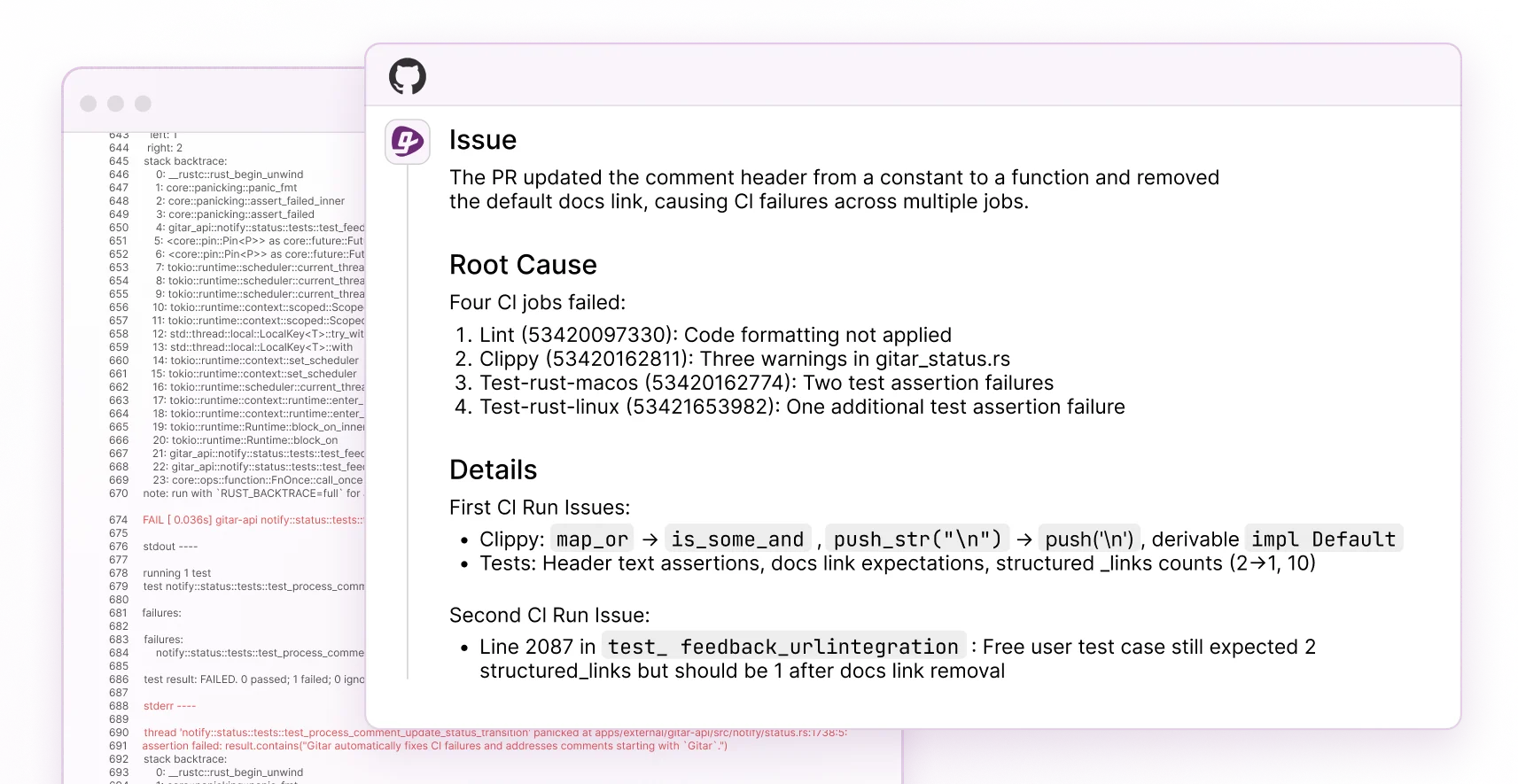
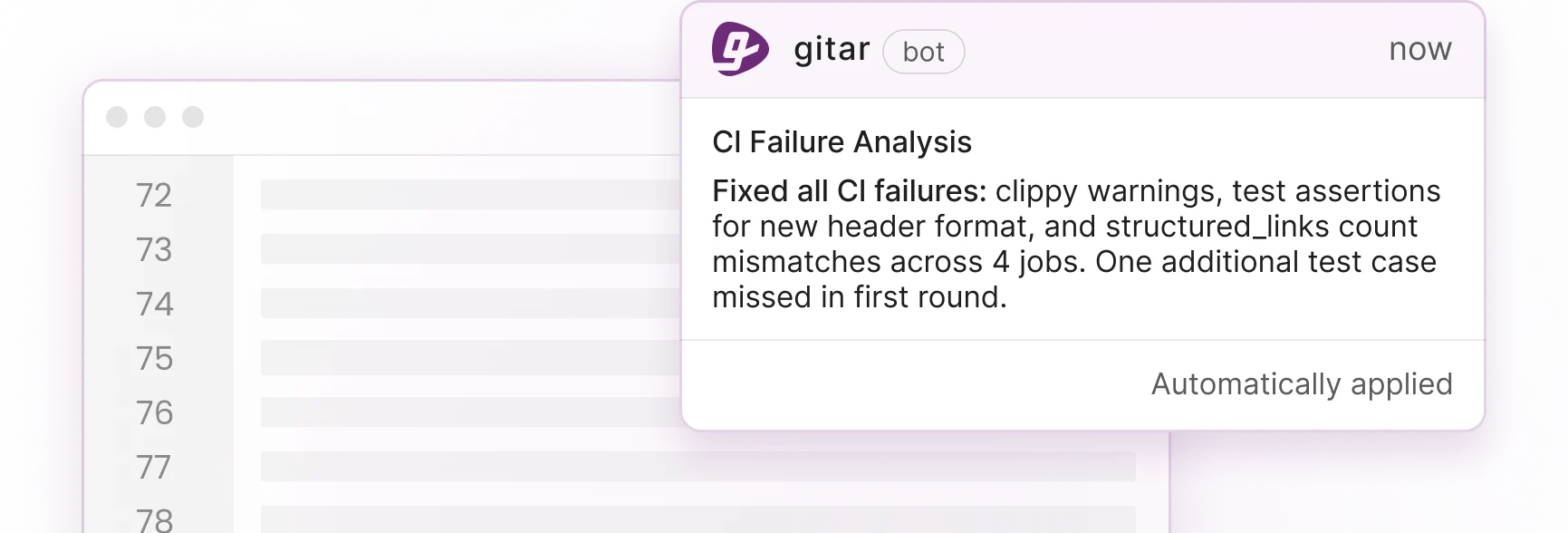
Gitar stands apart as the only tool in this list that fixes code instead of only suggesting changes. When CI fails because of lint errors, test failures, or build breaks, Gitar analyzes the failure logs, generates fixes with full codebase context, validates that the fixes work, and then commits them automatically.
The 14-day Team Plan trial provides unlimited access to the full healing engine with no seat limits and supports GitHub, GitLab, and CircleCI integration. This approach differs from competitors that flood PRs with inline comments, because Gitar uses a single updating dashboard comment that consolidates all findings and reduces noise. Gitar’s CI emulation guide explains how the platform mirrors real pipelines so fixes work in production environments instead of isolated sandboxes. Setup completes in under 2 minutes through a GitHub App installation.
2. Codeium: IDE-Integrated Java Reviews
Codeium delivers AI-powered code review directly inside IDEs such as IntelliJ IDEA, with a generous free tier that provides unlimited usage for individual developers. The tool catches common Java patterns and suggests improvements for Spring Boot applications, and its agentic editing features support in-place code modifications across multiple files.
IntelliJ integration enables context-aware suggestions for Java-specific issues and supports CI and CD workflows for tasks like documentation generation. The free tier includes unlimited completions, which makes Codeium attractive for Java developers who want in-editor assistance without adopting a separate PR review platform.
3. CodeRabbit: AI PR Comments for Java
CodeRabbit offers AI-powered PR analysis with support for GitHub, GitLab, and Bitbucket, although its free tier includes review limits that active Java projects often exceed quickly. The tool combines static analyzers with generative AI for codebase-aware reviews that highlight readability issues and logic bugs in Java code.
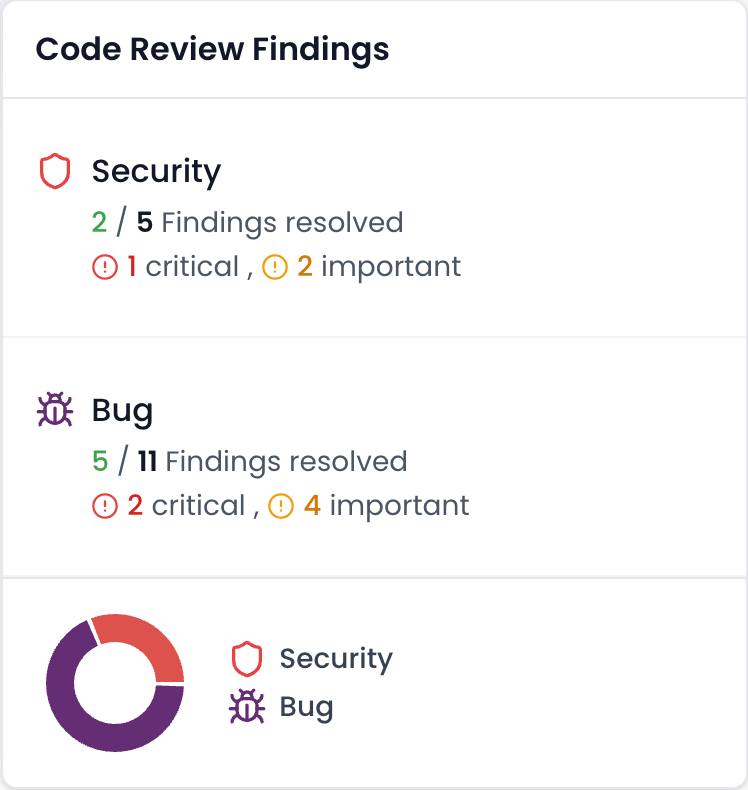
CodeRabbit’s GitHub PR workflow provides structured feedback on security, logic, and performance issues. The platform uses code graph analysis and multi-repo context for comprehensive reviews, including cross-file dependencies that appear frequently in complex Spring Boot applications. The free tier includes basic PR summaries, while advanced features require paid plans.
4. SonarQube Community Edition: Static Analysis for Java Quality
SonarQube Community Edition remains a mature open-source option for Java code quality enforcement and supports static analysis for bugs, code smells, and security hotspots on main branches. The platform works well alongside security tools such as Snyk, and Gitar’s Spring Boot integration examples show how teams combine static analysis with auto-fix engines.
The rule-based approach produces fewer false positives than many AI-powered reviewers and includes bytecode-aware checks designed specifically for Java. Self-hosted deployment gives teams complete control, although setup requires more technical expertise than cloud-based alternatives. The free version supports unlimited private repositories but does not include branch and PR analysis available in paid editions.
5. Amazon CodeWhisperer: AWS-Integrated Java Scanning
Amazon CodeWhisperer provides free individual usage with AI-powered code suggestions and security scanning that integrate into AWS workflows. Java teams using AWS infrastructure receive context-aware suggestions for Spring Boot applications and Maven builds within supported IDEs.
The security scanning features detect vulnerabilities in Java dependencies and suggest remediation steps, although developers must implement fixes manually. Integration with AWS services adds context for cloud-native Java applications, but the product focuses on code generation and security scanning rather than full PR review.
6. Tabby: Self-Hosted Java Review with Local Models
Tabby offers self-hosted AI code review using local models through Ollama integration and supports GitHub and GitLab workflows. For guidance on secure on-prem setups, Gitar’s self-hosted deployment patterns illustrate practices that also apply to Tabby, which suits teams that require data sovereignty with GitLab SSO workflows.
The self-hosted model ensures Java code never leaves your environment, which addresses security concerns for enterprise teams. Local performance depends on available hardware, and setup is more complex than cloud-based alternatives. Tabby supports custom model fine-tuning for Java-specific patterns.
7. PR-Agent: Open Source Java PR Assistant
PR-Agent delivers open-source AI-powered code review with GitHub and GitLab integration and uses Ollama for local model execution. The Apache 2.0 license allows full transparency and customization, while LLM API costs vary based on usage.
Self-hosted deployment supports strict data sovereignty requirements and still provides AI-powered analysis of Java PRs. The tool requires technical setup and ongoing maintenance, so it fits teams that already have DevOps resources. Community contributions continue to expand Java rule sets and Spring Boot integration patterns.
8. Refact.ai: Quick Java Snippet Reviews
Refact.ai offers AI code review through a simple paste-and-review interface that supports quick analysis of Java code snippets and small PRs. The platform supports multiple AI models and suggests improvements for code quality, security, and performance.
Integrations for GitHub, GitLab, and Docker enable more autonomous operations, which makes Refact.ai a fast validation option for Java developers who want immediate feedback on code changes. The free tier supports limited daily usage, and paid plans increase rate limits and unlock advanced models.
9. Swapcode: OWASP-Focused Java Security Reviews
Swapcode focuses on security-first code review with OWASP integration and provides AI-powered analysis of Java applications for common vulnerabilities. The tool identifies SQL injection risks, authentication bypasses, and other security issues that frequently appear in Spring Boot applications.
The free tier supports basic security scanning, while deeper analysis requires paid subscriptions. This security-first design makes Swapcode a strong companion to general-purpose code reviewers, especially for Java teams that handle sensitive data or must meet compliance requirements. Start shipping higher quality software faster with Gitar’s comprehensive auto-fix capabilities.
Side-by-Side Comparison of Java AI Review Tools
|
Tool |
Java Support |
Auto-Fix |
Integrations & Limits |
|
Gitar |
Yes |
Yes (validates CI) |
GitHub/GitLab/CircleCI, 14-day unlimited trial |
|
Codeium |
Yes (IntelliJ integration) |
Yes (agentic editing) |
IDE-focused, unlimited free tier |
|
CodeRabbit |
Yes (diff-based) |
No (suggestions only) |
GitHub/GitLab/Bitbucket, limited free tier |
|
SonarQube CE |
Yes (bytecode-aware) |
No (static analysis) |
Self-hosted, unlimited repos |
|
CodeWhisperer |
Yes (AWS-integrated) |
No (suggestions only) |
AWS workflows, free individual use |
|
Tabby |
Yes (local models) |
Limited |
Self-hosted, GitHub/GitLab |
|
PR-Agent |
Yes (customizable) |
Limited |
Open source, API costs apply |
|
Refact.ai |
Yes (snippet-based) |
No (suggestions only) |
Web interface, limited daily usage |
|
Swapcode |
Yes (security-focused) |
No (suggestions only) |
OWASP integration, basic free tier |
Key Considerations and Tradeoffs for Java Teams
Small Java teams gain quick value from easy-to-deploy free tiers such as SonarQube Community Edition or Codeium’s unlimited individual usage. Scaling teams often need platforms like Gitar’s unlimited trial that handle rising PR volumes without seat restrictions. Self-hosted options such as Tabby and PR-Agent provide data sovereignty but require DevOps resources for setup and maintenance.
The main tradeoff sits between suggestion engines that require manual implementation and auto-fix platforms that validate changes against CI. Benchmark data shows large gaps in bug-catch rates and noise levels between tools, and auto-fix capabilities like Gitar’s deliver measurable ROI through reduced manual intervention. Complex Maven builds and Spring Boot configurations benefit most from tools that emulate full CI environments instead of analyzing code in isolation. Experience Gitar’s healing engine that guarantees green builds during your risk-free trial period.
Frequently Asked Questions
Best Free AI Code Review Tool for GitHub Java PRs
Gitar’s 14-day Team Plan trial offers the most complete solution for GitHub Java PRs, with unlimited auto-fixes that resolve CI failures instead of only flagging them. Gitar validates fixes against your full CI environment and commits working solutions automatically. The trial includes full team access without seat limits, which makes it suitable for measuring real impact on Java development workflows.
Self-Hosted Java AI Code Review Options
Tabby and PR-Agent provide strong self-hosted options that use Ollama for local AI model execution, while SonarQube Community Edition delivers mature self-hosted static analysis. These tools keep Java code inside your infrastructure and satisfy data sovereignty requirements. Self-hosted deployment, however, demands DevOps expertise and ongoing maintenance compared with cloud-based services.
Free Tools That Automatically Fix Spring Boot Bugs
Gitar is the only tool in this comparison that automatically fixes bugs instead of only suggesting changes. The healing engine analyzes CI failures and implements validated solutions for common Spring Boot and Maven issues. Other tools such as CodeRabbit and Codeium provide suggestions that developers must apply manually.
Actual Free Tier Limits for Popular Tools
Free tier limits vary significantly across platforms. Gitar offers a 14-day unlimited trial of the full Team Plan. Codeium provides unlimited usage for individuals. CodeRabbit sets review limits that active projects often exceed, and SonarQube Community Edition supports unlimited repositories but omits advanced features. Most tools move to paid plans between $12 and $30 per user monthly for team capabilities.
Java Accuracy of 2026 AI Code Review Tools
Recent benchmarks highlight large differences in Java accuracy between tools. Rule-based analyzers such as SonarQube generate fewer false positives but miss contextual issues that AI tools detect. Auto-fix platforms like Gitar validate changes against CI to confirm that fixes work, while suggestion-only tools rely on developers to implement recommendations that may be incorrect. This shift toward validation-based approaches shows how AI code review is moving from commentary to reliable automation.
Difference Between Gitar and CodeRabbit for Java Teams
Gitar and CodeRabbit differ mainly in execution. CodeRabbit analyzes diffs and provides suggestions that developers must implement, while Gitar automatically fixes issues and validates solutions against CI. For teams, CodeRabbit might identify an issue and propose a fix, but Gitar implements the fix, tests it against your CI build, and commits the working solution. CodeRabbit costs about $12 or more per user monthly for team features, while Gitar offers a comprehensive 14-day trial that demonstrates impact before purchase.
Conclusion and Next Steps for Java PR Workflows
The free AI code review landscape for Java in 2026 now clearly separates suggestion engines from auto-fix platforms. Traditional tools such as SonarQube Community Edition still provide reliable static analysis, and newer options like Codeium offer generous free tiers, but only Gitar closes the loop from issue identification to resolution with validated auto-fixes for Java CI failures.
Java teams that struggle with AI-generated code quality issues must choose between tools that comment and tools that solve. Start your 14-day Gitar Team Plan trial to see how auto-fixing turns Java PR workflows from manual debugging into automated resolution and keeps builds green while your team focuses on feature development instead of CI maintenance.