
Key Takeaways
- Manual CI troubleshooting, context switching, and review delays consume a large share of developer time and slow delivery.
- Autonomous pipeline repair reduces common failures such as lint issues, flaky tests, and dependency conflicts, which helps teams keep CI green.
- Distributed teams close time zone gaps when autonomous systems apply review feedback and fix builds while teammates are offline.
- Careful environment replication, guardrails, and tiered automation levels help teams trust and safely adopt autonomous repair.
- Teams can use Gitar to automatically fix CI failures and code review comments so developers spend more time on product work.
The Problem: Manual Pipeline Repair Is a Productivity Drain
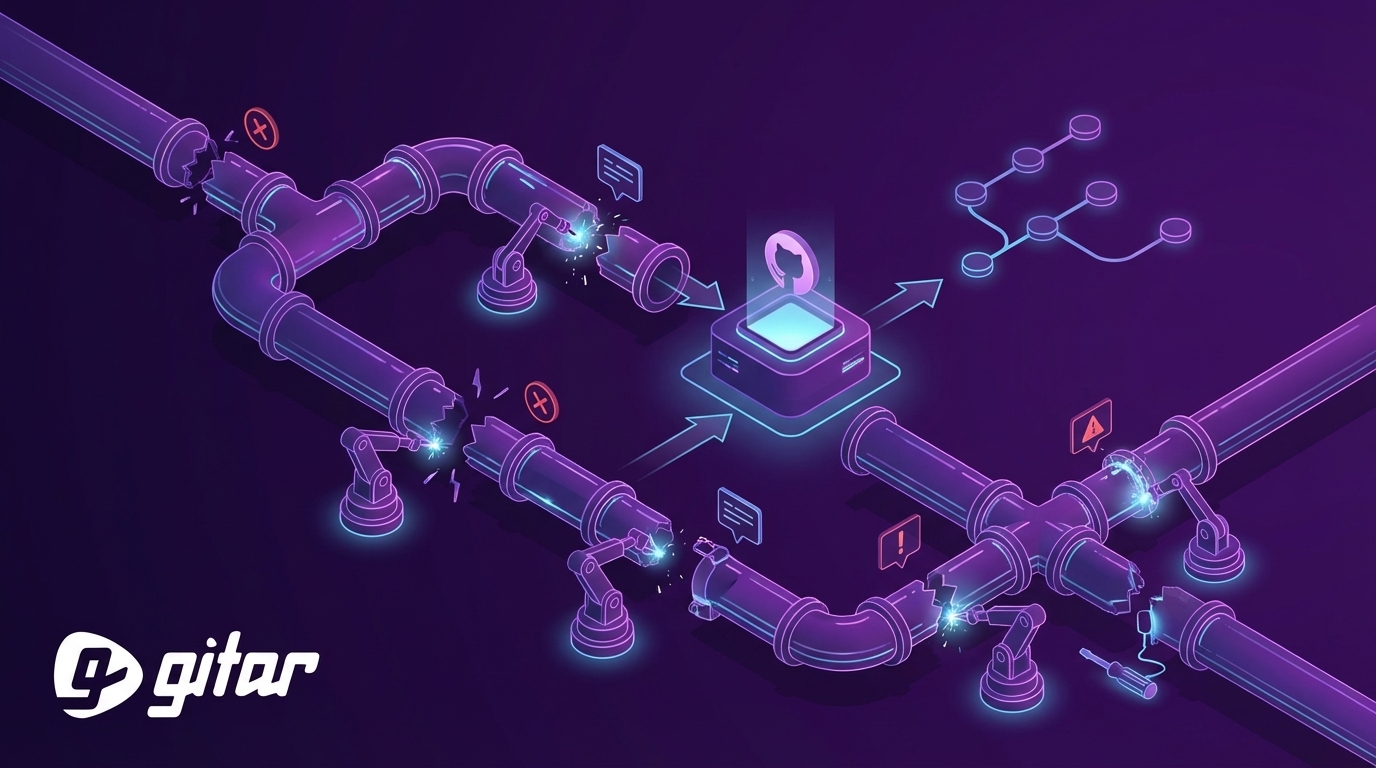
Many teams treat CI as a necessary tax on development, not as an optimized system. Long-running CI/CD pipelines force developers to wait for results, which increases context switching and frustration. When pipelines fail because of linting issues, test failures, or environment drift, developers stop feature work, read logs, patch code, and rerun builds.
This pattern turns simple fixes into long interruptions. Each failure triggers new pipeline runs that extend feedback loops and inflate infrastructure costs. Modern AI-assisted coding tools add more pull requests and test runs, so the main bottleneck in 2026 often sits in validation and merging, not in writing code. Teams that reduce this drag reclaim meaningful engineering capacity.
Strategy 1: Eliminate CI Battle Fatigue with Self-Healing Pipelines
Concept and Impact
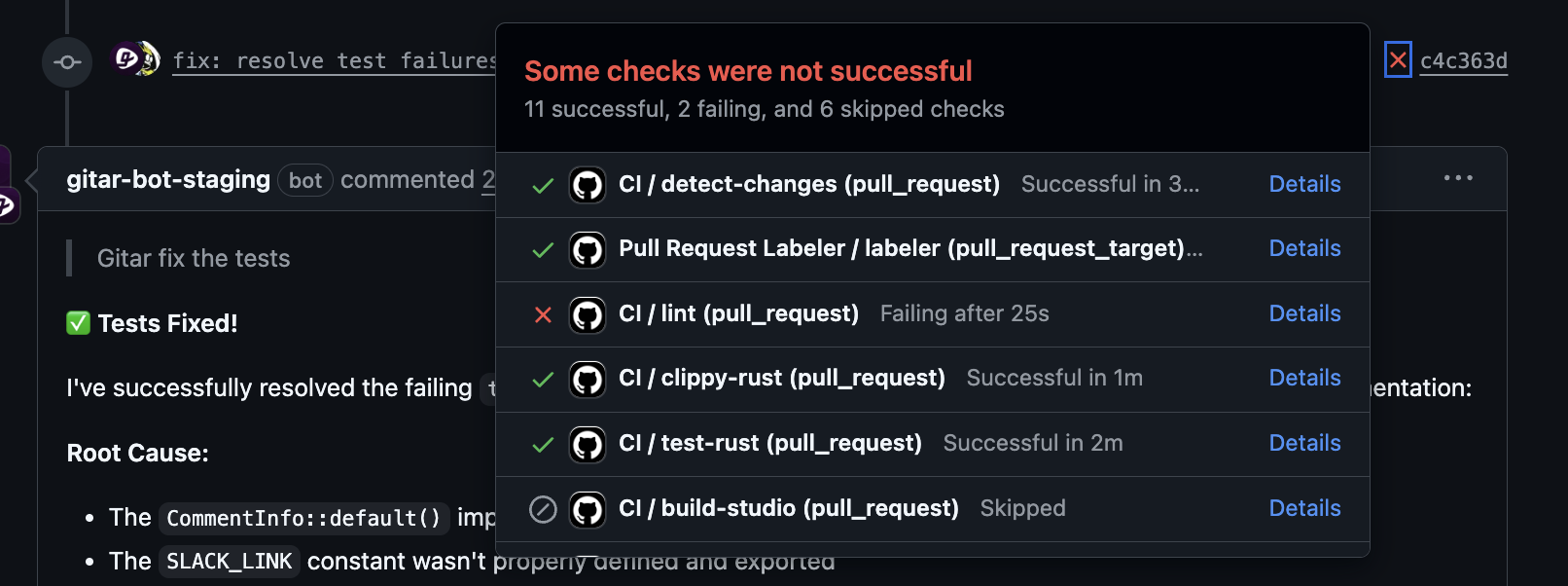
Self-healing pipelines treat CI failures as routine events that an autonomous system can fix. Many pipelines fail because they lack clear structure and intent, which creates opportunities for automation to repair common issues before developers become involved.
These systems focus on predictable problems such as formatting violations, import errors, dependency conflicts, and basic test fixes. Developers stay in flow while the pipeline repairs itself, which improves team morale and keeps CI from feeling like a daily firefight.
Implementation Details
- Set up an autonomous agent that reads failure logs, identifies root causes, and proposes code changes tied to the failing jobs.
- Replicate the build environment with the same SDK versions, dependencies, and configuration so fixes are accurate and repeatable.
- Start in suggestion mode where developers approve changes, then expand to automatic commits for low-risk fixes once trust increases.
Strategy 2: Accelerate Merge Times by Automating Code Review Feedback
Concept and Impact
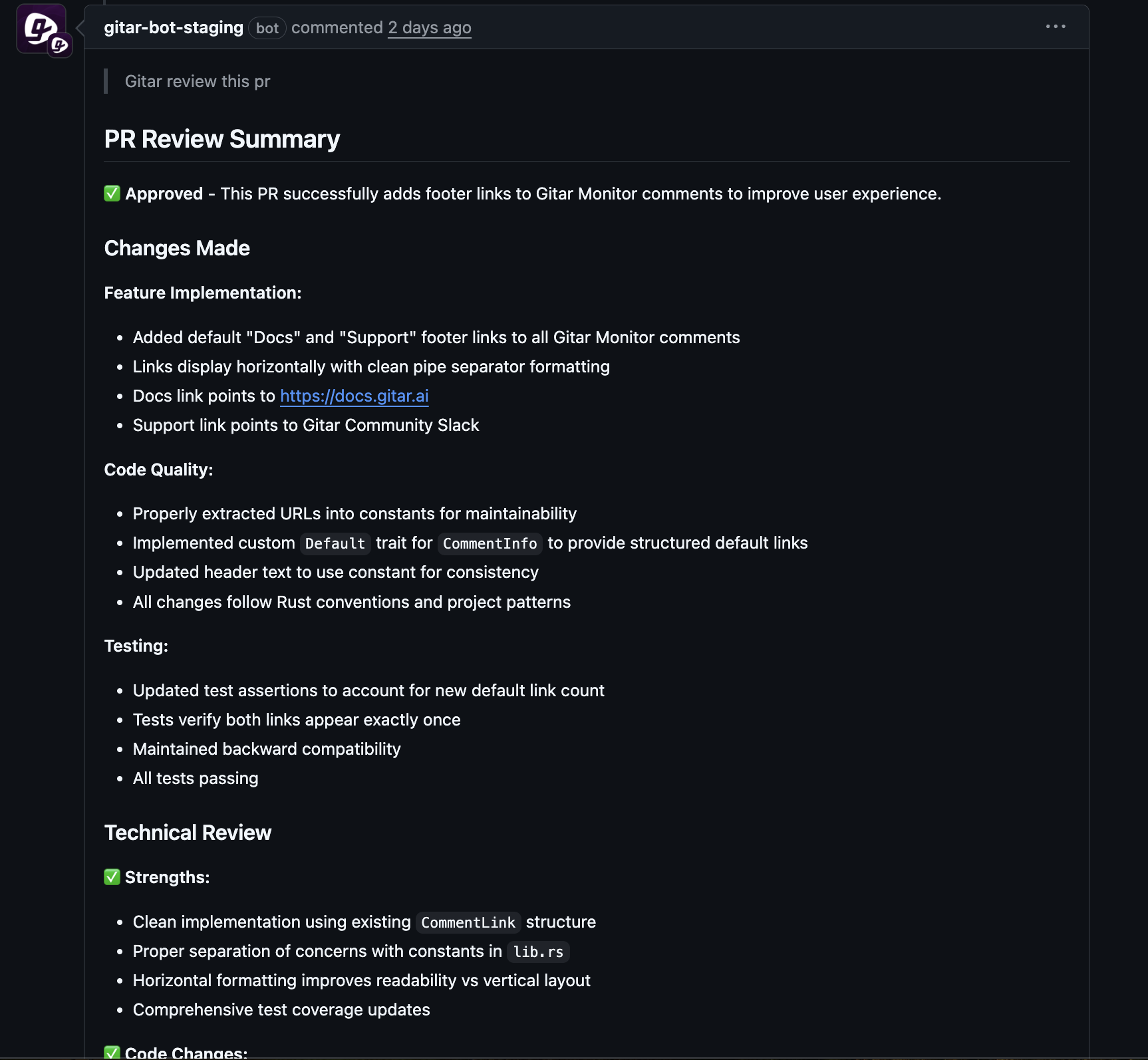
Automated handling of code review feedback turns reviews into faster, more predictable workflows. Instead of leaving a comment, waiting for a developer to respond, and then rerunning CI, reviewers describe the change they want and an autonomous system edits the pull request.
This approach matters for distributed teams, where manual handoffs across pipeline stages already slow delivery. Automated edits cut multiple feedback cycles and shorten time to merge.
Implementation Details
- Use natural language understanding so the system can interpret comments such as “add input validation here” or “prefer composition over inheritance in this class.”
- Integrate with platforms like GitHub and GitLab so automated changes appear as commits with clear explanations.
- Keep reviewers in control by letting them approve, modify, or reject automated changes before merge.
Strategy 3: Close the Time Zone Gap for Distributed Teams
Concept and Impact
Global teams often lose an entire day waiting for review comments, fixes, and reruns. A pull request opened in one region can sit idle while reviewers sleep, then wait again while authors apply changes. Limited access to tools and manual steps adds even more friction to this process.
Autonomous repair shortens these gaps. The system responds to review comments and failed checks within minutes regardless of time zone, so work progresses while teammates are offline.
Implementation Details
- Configure agents to watch open pull requests and act immediately on new failures or review comments.
- Train the system on team-specific terminology so it interprets feedback consistently across regions.
- Send developers concise summaries of changes made overnight so they can review and merge early in their day.
Strategy 4: Improve Fix Accuracy with Full Environment Replication
Concept and Impact
Many teams worry that automated fixes may work locally but fail in integration or production. Differences between development, staging, and production environments increase test flakiness and deployment risk, so automation must run in realistic conditions.
Full environment replication addresses this risk. Autonomous systems test fixes inside containers or environments that match your CI stack, dependency graph, and required security scans. This approach raises confidence that an automated commit will pass the full pipeline.
Implementation Details
- Use containers or templates that capture environment variables, language runtimes, services, and build tools from your CI configuration.
- Include organization-specific checks such as SonarQube quality gates, Snyk scans, and compliance jobs in the automated run.
- Apply fixes only after they pass the same pipeline stages a human-driven change would run.
Teams that want this reliability out of the box can use Gitar to fix broken builds inside fully replicated CI environments and keep pipelines stable.
Strategy 5: Reduce CI Cost Overruns and Operational Burdens
Concept and Impact
Failed builds and repeated runs consume compute, storage, and human time. Slow pipelines and legacy systems already create significant productivity bottlenecks, and each retry adds more cost without adding value.
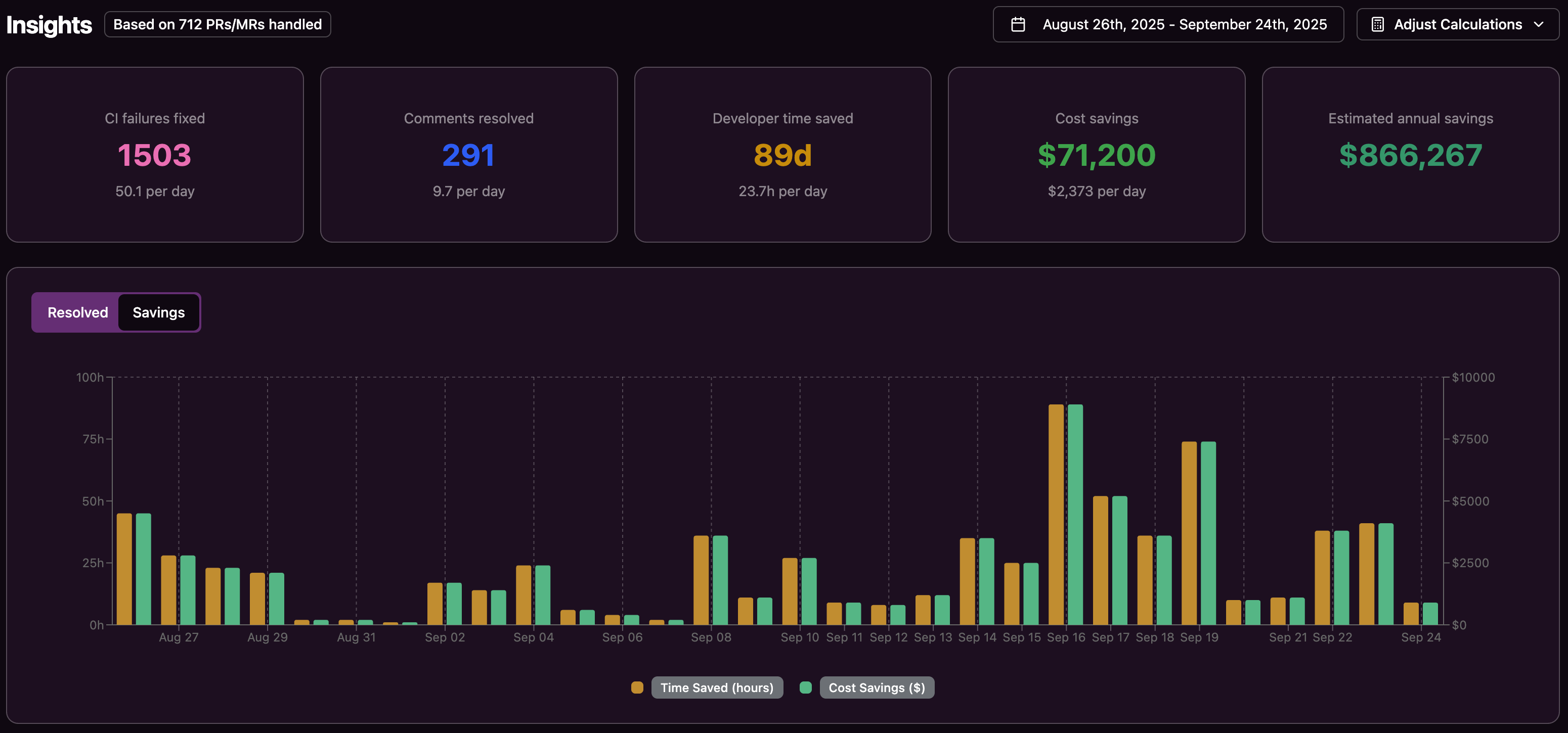
Autonomous repair reduces the number of failed runs and the time each one takes to fix. Teams see fewer reruns per pull request, shorter queues, and lower infrastructure bills, while developers spend less time waiting on CI.
Implementation Details
- Establish a baseline by measuring runs per pull request, time to merge, and average CI spend per change.
- Target frequent, costly failures first, such as full rebuilds triggered by minor issues or long test suites blocked by simple configuration errors.
- Track changes in CI minutes, failure rates, and developer time after rollout to quantify ROI.
Strategy 6: Increase Trust with Configurable Automation Levels
Concept and Impact
Many teams hesitate to let automated systems change production code. Focusing on the pain points that affect stability and delivery helps teams adopt automation safely. Configurable automation gives engineers control while they learn how the system behaves.
Teams often begin with suggestion-only workflows, then progress to automatic commits on low-risk paths once they see consistent, correct fixes.
Implementation Details
- Define tiered modes such as “suggest-only,” “auto-commit for safe fixes,” and “full automation with rollback” for mature repos.
- Provide clear audit logs that show which agent changed what, when, and based on which signal.
- Offer one-click rollback for any automated commit so developers feel comfortable letting the system act quickly.
Frequently Asked Questions
How do autonomous pipeline repair solutions handle complex enterprise environments?
Enterprise-ready systems mirror the full technology stack, including language versions, multi-language dependencies, and external services. They run fixes through the same quality gates your CI already uses, such as SonarQube, Snyk, container builds, and custom compliance checks, so automated changes follow existing standards.
What is the difference between autonomous repair and AI code review suggestions?
Autonomous repair analyzes failures, edits code, and reruns the pipeline until checks pass. AI review tools focus on suggestions and leave implementation and validation to developers. Autonomous systems close the loop from detection to validated fix.
How can teams maintain security and compliance with automated fixes?
Teams protect security and compliance by combining approval workflows with integrated scanning. Sensitive repositories can require manual review of each automated change, while less critical environments can run fully automated. Every fix should include an explanation, a link to logs, and an easy rollback path.
What ROI can engineering teams expect from autonomous pipeline repair?
Teams usually see value through fewer hours spent on CI and code review issues, faster merges, and lower CI bills. A 20-developer team that spends an hour per day on these problems carries a substantial annual cost, and cutting that time even by half frees budget and capacity for roadmap work.
How do autonomous solutions work across different CI platforms and tech stacks?
Modern solutions integrate with common platforms such as GitHub Actions, GitLab CI, CircleCI, Jenkins, and Buildkite. They support popular languages like Python, JavaScript, Java, Go, and Rust while adapting to each project’s build tools, test frameworks, and deployment patterns without major infrastructure changes.
Upgrade Your Development Workflow with Autonomous Pipeline Repair
Teams that adopt autonomous pipeline repair turn CI from a bottleneck into a dependable service. Self-healing pipelines, automated review changes, time zone independence, and accurate environment replication reduce toil and keep developers focused on product work.
Engineering leaders who want these benefits across the full lifecycle can install Gitar to fix broken builds, resolve code review feedback automatically, and keep CI pipelines healthy with less manual effort.