
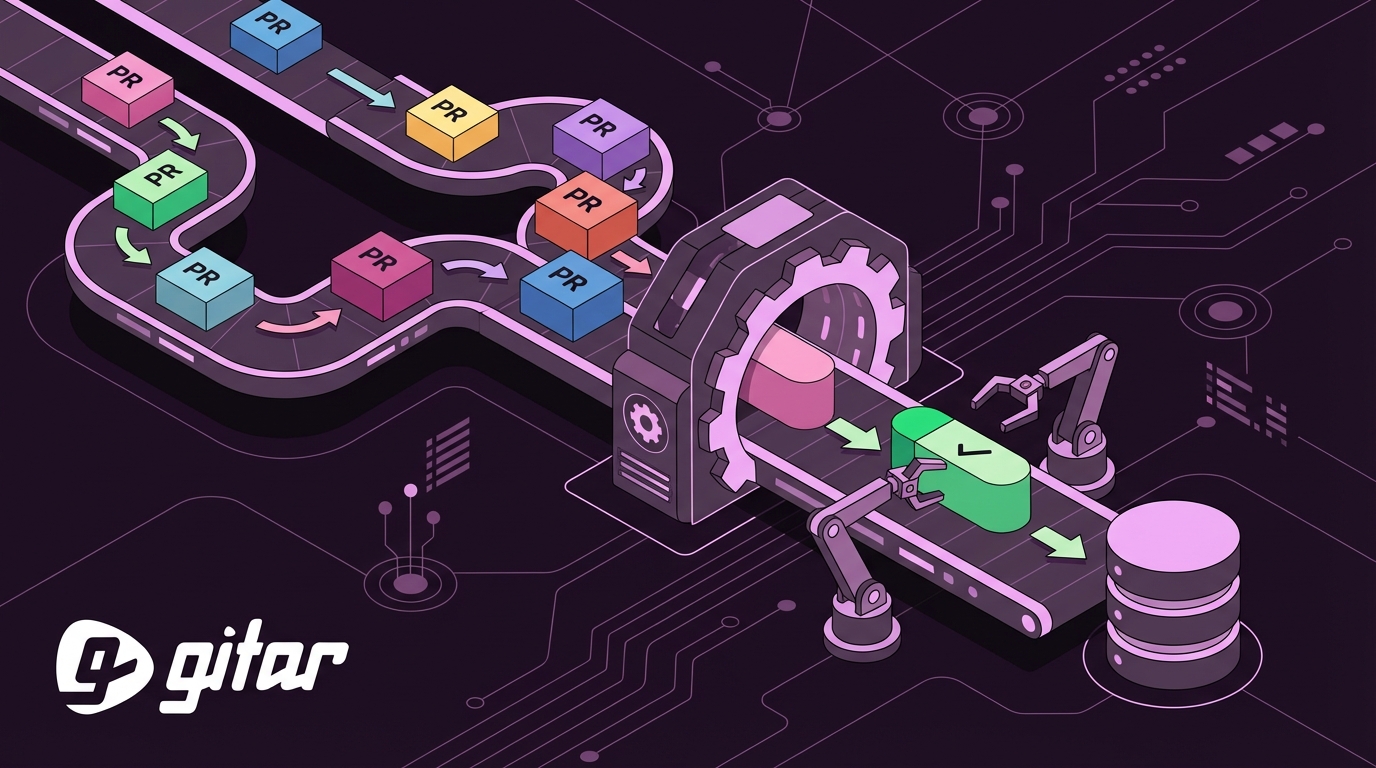
Key Takeaways for 2026 Merge Queues
- AI coding tools create PR bottlenecks despite 3-5x faster code generation, and automated merge queues solve validation and merging issues.
- Graphite leads in stacked PRs for high-velocity teams, reducing merge conflicts with parallel testing, but lacks CI auto-fix at $15+/dev.
- Gitar offers free AI code review and a 14-day trial for CI auto-fixes across GitHub, GitLab, CircleCI, and Buildkite, supporting monorepos without seat limits.
- Teams achieve 24% PR cycle reduction and $750K annual savings for 20-dev teams through well-tuned merge queues and automation.
- Teams combine Gitar auto-fixes with Graphite stacked workflows for AI-era velocity; install Gitar free today to fix broken builds automatically.
How We Evaluated 2026 Merge Queue and Automation Tools
Our analysis evaluates automated merge queue systems across several criteria. We compare automation for stacked PRs and queue management, pricing structures including free tiers, and setup complexity for monorepos. We also assess CI/CD integrations and AI-powered auto-fix features. Sources include vendor documentation, 2026 benchmarks showing 24% PR cycle reduction, GitHub statistics, and developer case studies from high-scale environments.
Top 5 Merge Queue Platforms and Graphite Automation at a Glance
| Tool | Primary Strength | Best For | Pricing |
|---|---|---|---|
| Graphite | Stacked PRs leader | High-velocity teams | $15+/dev |
| GitHub Native | Seamless Actions integration | GitHub Enterprise teams | Enterprise only |
| Gitar | Free AI code review and CI auto-fixes | AI-driven workflows | Free (code review), 14-day trial (autofix) |
| Mergify | Rule-based automation | Custom workflows | $8+/dev |
| Aviator/Trunk | Monorepo optimization | Large codebases | $12+/dev |
Graphite Merge Queue: Stacked PRs and AI Workflow Fit
Shopify reported 33% more PRs merged per developer after Graphite adoption, with 75% of PRs now flowing through Graphite. The platform excels at stacked PRs by breaking large changes into small, dependent PRs that merge sequentially for faster reviews.
Graphite’s stack-aware merge queue batches and tests multiple PRs in parallel, which reduces wait times compared to sequential CI. The workflow starts with gt stack init to create dependent branches. Teams then use AI-powered review and automated queue management to keep changes flowing.
Key strengths include native GitHub integration, measurable velocity improvements (Asana saw 21% more code shipped), and strong support for AI-generated code. Main limitations include $15+/developer pricing and no CI auto-fix capabilities. Graphite fits teams ready to adopt stacked PR workflows.
Graphite vs GitHub Merge Queue for Enterprise Teams
Graphite offers stack-aware merge capabilities that surpass GitHub’s Enterprise-only merge queue for complex changes. Both tools integrate with CI systems, yet Graphite enables parallel testing of dependent PRs, while GitHub’s native solution processes PRs sequentially. Graphite’s approach reduces merge conflicts and speeds integration for changes that span multiple components.
Gitar: Free AI Code Review and CI Autofix Engine
Gitar provides free AI code review that automatically analyzes CI failures such as lint errors, test failures, and build breaks. It generates validated fixes and commits them to PRs during the 14-day autofix trial. This healing engine approach focuses on achieving green builds instead of leaving suggestions only. For more details, see the Gitar documentation.
The platform supports unlimited repositories with zero seat limits, a 30-second installation, and integrations across GitHub, GitLab, CircleCI, and Buildkite. Unlike competitors that charge $15-30 per developer for suggestions, Gitar delivers comprehensive code review for free.
Choosing Merge Queues for Monorepos at Scale
Monorepo environments need specialized merge queue handling because of cross-contamination and deployment coordination challenges. Teams managing large monorepos often ban rebasing and force pushes while mandating squash merges to reduce related problems.
Google’s monorepo uses a submit queue that runs automated tests on every change before merging, which demonstrates scalability for 1000+ developers. Aviator and Trunk specialize in monorepo optimization, while Gitar supports monorepos with AI-powered failure resolution across complex dependency graphs.
Graphite Git Integration and Stacked PR Workflows
Graphite’s Git integration preserves familiar GitHub workflows while adding advanced stacking capabilities. The platform breaks large features into reviewable chunks, and each PR builds on the previous one. This approach directly addresses the core challenge where AI speeds code writing but review processes lag.
Stacked PRs rely on dependent branches that reviewers can inspect independently while keeping logical relationships intact. When teams combine Graphite with Gitar’s auto-fix capabilities, they gain both streamlined workflows and automated CI resolution. See the Gitar documentation for integration details.
Graphite AI Review with Gitar CI Autofix
Graphite provides AI-powered code review within stacked PR workflows and analyzes changes for quality while suggesting improvements. These suggestions still require manual implementation by developers. Gitar complements Graphite by automatically validating and applying fixes, which creates an end-to-end automation pipeline from review to resolution.
Side-by-Side Comparison Matrix
| Tool | Stacked PRs | Pricing | CI Autofix |
|---|---|---|---|
| Gitar | Not specified | Free (review) | 14-day trial |
| Graphite | Yes | $15+/dev | No |
| GitHub | Yes | Enterprise | No |
| Mergify | Yes | $8+/dev | No |
Key Trade-offs for 2026 Engineering Teams
Engineering teams balance different priorities when selecting merge queue solutions. Developers want low-noise automation and fewer context switches, and Gitar’s single-comment approach reduces notification fatigue from chatty AI tools. Engineering leaders focus on ROI, and automated merge queues can save $750K annually for 20-developer teams through reduced CI friction and faster deployment cycles.
Platform engineers need scalable solutions that support diverse CI environments. Google’s submit queue model shows how enterprise-scale merge queues can work. Modern tools like Gitar provide cross-platform support for GitHub, GitLab, CircleCI, and Buildkite without vendor lock-in.
Total cost of ownership includes tool licensing, developer productivity gains, and infrastructure complexity. Teams that adopt AI coding tools see the largest benefit from automated merge queues, as mature AI-native teams achieve 24% cycle time reduction through tuned workflows.
Frequently Asked Questions
Which tool works better for AI-generated PRs, Graphite or Gitar?
For AI-generated code workflows, Gitar delivers deeper automation through CI auto-fixes that validate and apply corrections automatically. Graphite excels at stacked PR organization but only suggests fixes that require manual implementation. Gitar’s healing engine approach focuses on working solutions, which fits high-volume AI code generation where manual fix validation becomes a bottleneck.
What are the best free merge queue options in 2026?
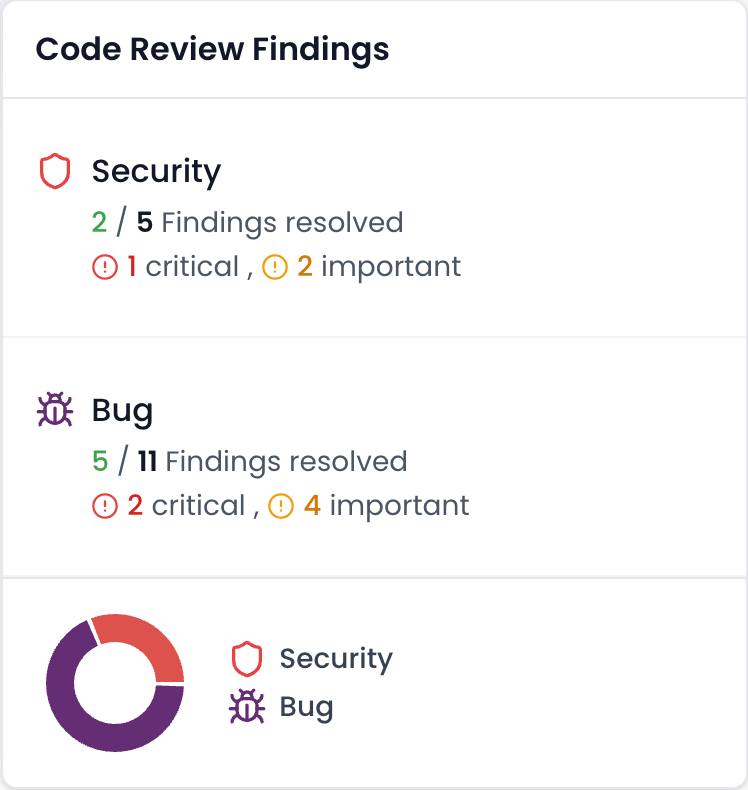
Gitar offers free comprehensive AI code review with unlimited repositories, users, full PR analysis, security scanning, and bug detection. CI auto-fixes are available on a 14-day free trial. GitHub’s merge queue requires Enterprise licensing, and other solutions like Mergify and Aviator charge per-developer fees. No credit card is required for Gitar.
How do merge queues work with CI auto-fix features?
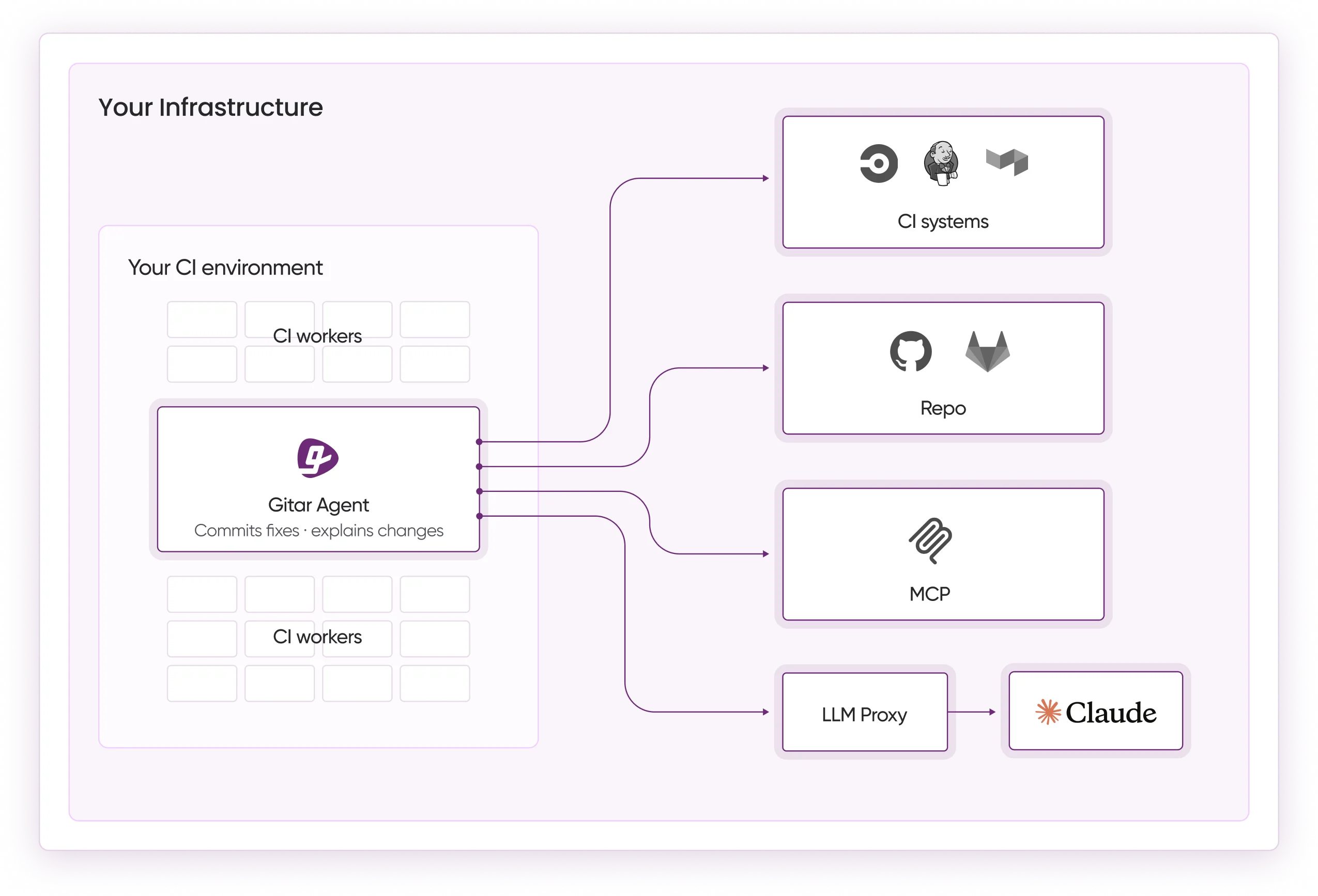
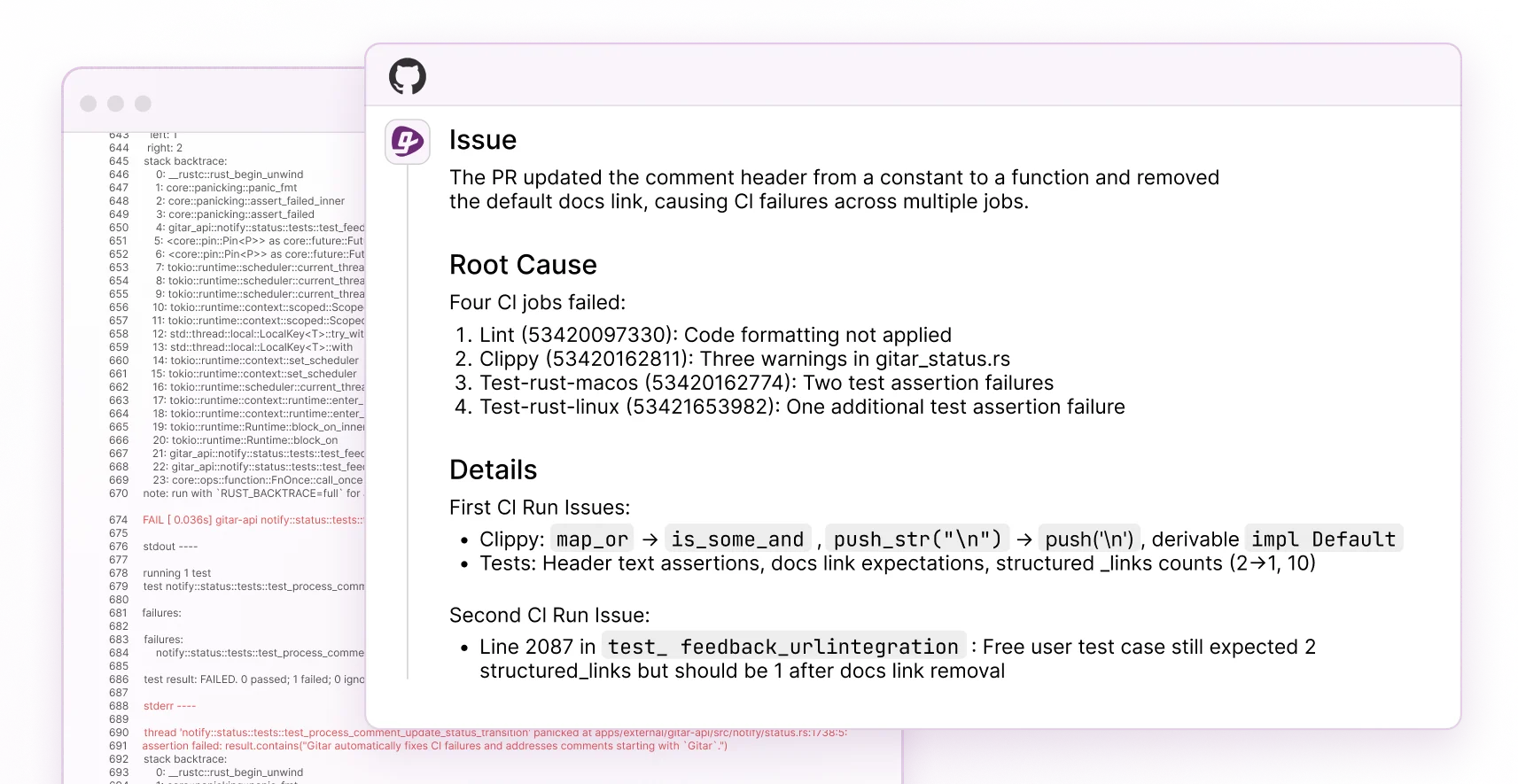
Modern merge queues with CI auto-fix integration analyze failure logs, generate validated corrections, and commit fixes to PRs automatically. Gitar leads this space by providing real-time failure analysis across GitHub Actions, GitLab CI, CircleCI, and Buildkite. The system validates fixes against the full CI environment before applying changes, which helps ensure corrections work in production contexts.
What are effective monorepo practices for merge queues?
Successful monorepo merge queue setups remove rebasing and force pushes while mandating squash merges to main branches. Custom CI jobs should detect changed projects and dependencies to decide which components must rebuild. Automated testing must run on every change before merge approval, and submit queues should ensure changes pass validation before trunk integration.
What ROI can teams expect from automated merge queues in 2026?
Teams that implement automated merge queues typically achieve a 24% reduction in PR cycle times and strong productivity gains. A 20-developer team that spends 1 hour daily on CI and review issues can often cut this to 15 minutes. That shift saves roughly $750K annually in developer productivity. Additional benefits include less context switching, faster deployment cycles, and better code quality through consistent validation.
How quickly can teams add Gitar to existing Graphite workflows?
Gitar installation usually takes about 30 seconds through the GitHub App or GitLab integration, with no account setup or credit card required. The platform immediately starts posting dashboard comments on PRs and can complement existing Graphite stacked PR workflows by resolving CI failures automatically. Teams can begin with suggestion mode to build trust, then enable auto-commit for validated fix types.
Next Steps for 2026 Merge Queue Adoption
The 2026 landscape shows that AI-powered fixes outperform traditional merge queues alone. Graphite leads in stacked PR workflows, and GitHub offers strong enterprise integration. Gitar’s mix of free comprehensive code review and automated CI healing now defines the next generation of merge queue systems.
Teams evaluating solutions can start with Gitar’s free platform to experience automated CI fixes, then add Graphite’s stacked PR capabilities for complex feature development. This combination covers both CI automation needs and workflow improvements required for AI-era development speed.
Install Gitar now to automatically fix broken builds and start shipping higher quality software, faster. The platform’s zero-setup approach and deep automation make it a strong foundation for modern development workflows facing the post-AI coding bottleneck.