
Key Takeaways
- AI coding tools generate code 3-5x faster in 2025, but PR review time jumps 91% and PR sizes grow 33%.
- Top AI review tools must apply automatic fixes, heal CI failures, and ship green builds, not just suggest changes.
- Gitar leads as a free healing engine with unlimited repos, autofix validation, and proven enterprise scalability.
- CodeRabbit and Greptile charge $15-30 per seat for suggestions but do not provide full CI healing or fix validation.
- Teams switching to Gitar see $375K+ annual savings on 20-dev teams with zero tool spend.
Why AI-Powered Code Review Automation Matters in 2026
AI-generated code now drives most modern development workflows and dramatically increases review volume. Almost half of companies reached at least 50% AI-generated code by late 2025. GitHub also recorded 43 million monthly pull requests, a 23% year-over-year increase. Teams now face three main problems: CI failures from untested AI code, noisy notifications from chatty review tools, and manual review loops that erase AI productivity gains.
Modern AI code review tools in 2026 must hit clear benchmarks to stay useful. They need automatic fix application with 90%+ success, CI failure healing, and lower total cost than $15-30 per seat alternatives. They also need deep codebase context and reliable enterprise scaling. CodeRabbit reaches 46% accuracy in detecting runtime bugs, yet it still operates as a suggestion tool without the autofix engine that healing platforms provide.
Install Gitar now, automatically fix broken builds, start shipping higher quality software, faster and experience the difference between suggestion tools and a true healing engine.
Top 9 AI Code Review Tools for 2026
#1 Gitar – Free Healing Engine with Automatic CI Fixes
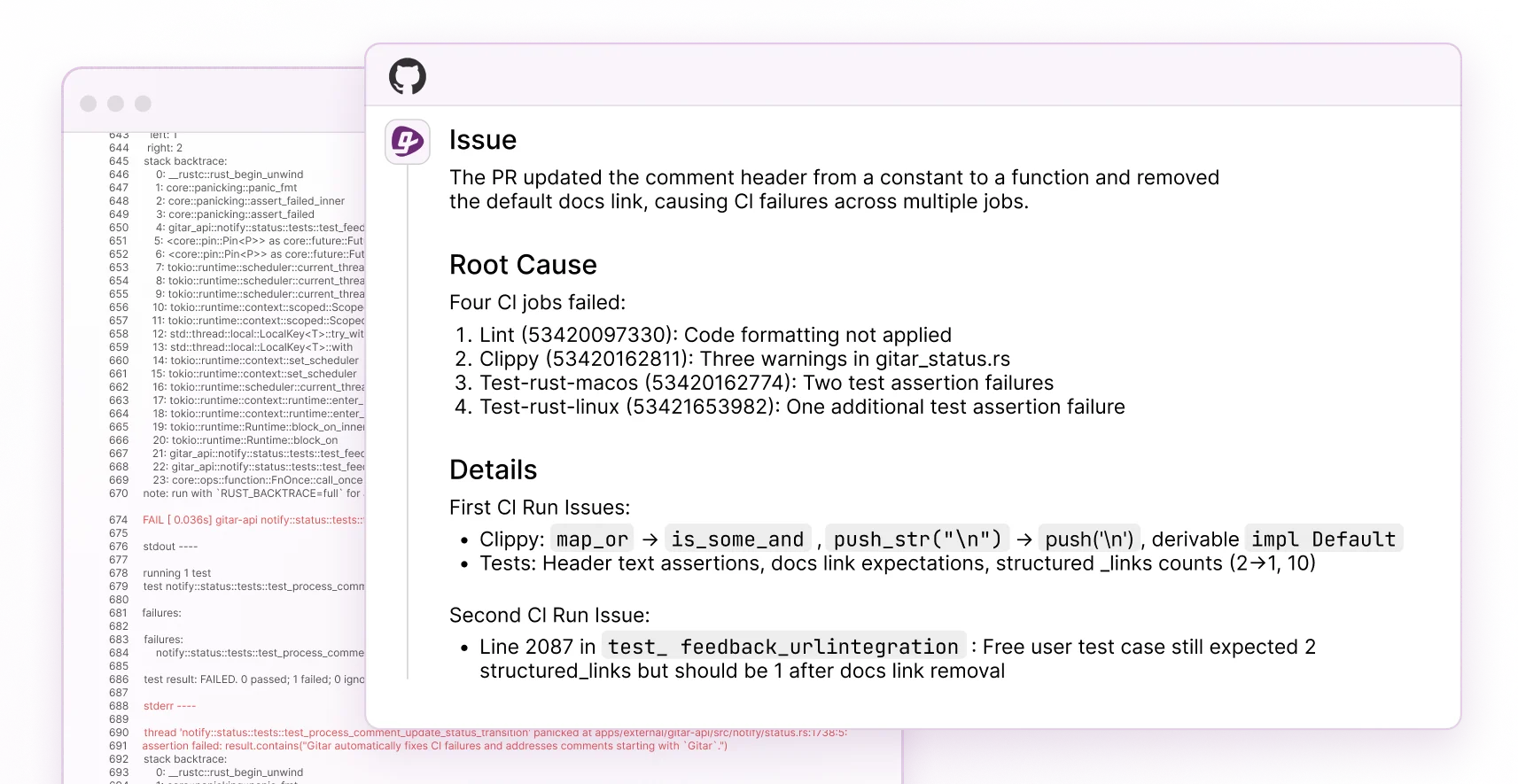
Gitar operates as a free AI code review platform that fixes code instead of only suggesting edits. The healing engine inspects CI failures, generates validated fixes, and commits them directly to pull requests. Competing tools scatter dozens of inline comments across diffs, while Gitar rolls CI analysis, review feedback, and rule checks into a single dashboard comment that updates as the PR evolves.
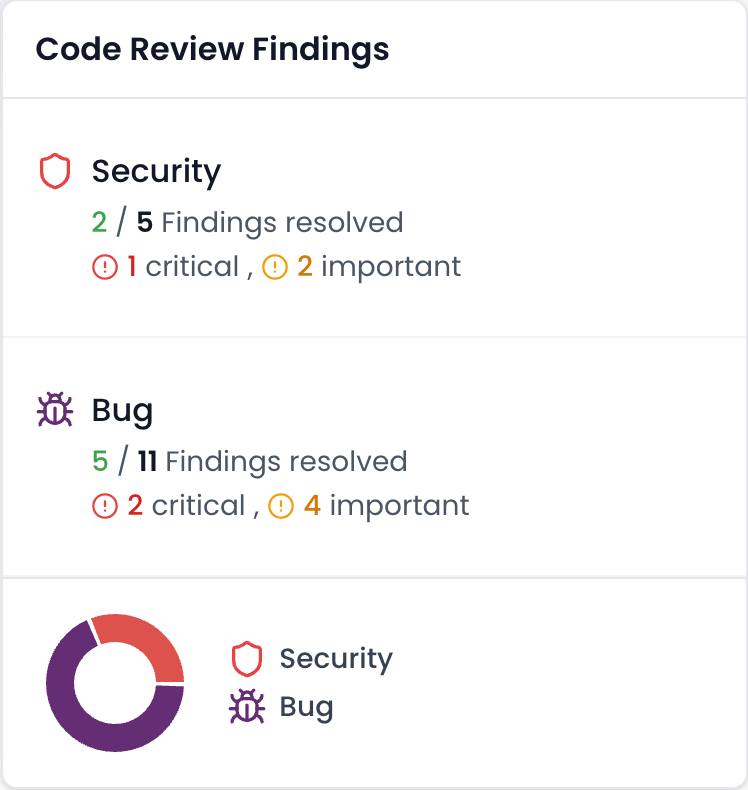
Gitar includes full PR analysis with security scanning and performance review, plus automatic resolution of lint errors, test failures, and broken builds. Native integrations cover GitHub, GitLab, CircleCI, and Buildkite, with smooth Jira and Slack connections for workflow visibility. The platform already supports Pinterest-scale workloads, handling 50+ million lines of code and thousands of daily PRs, while staying completely free for unlimited repositories.
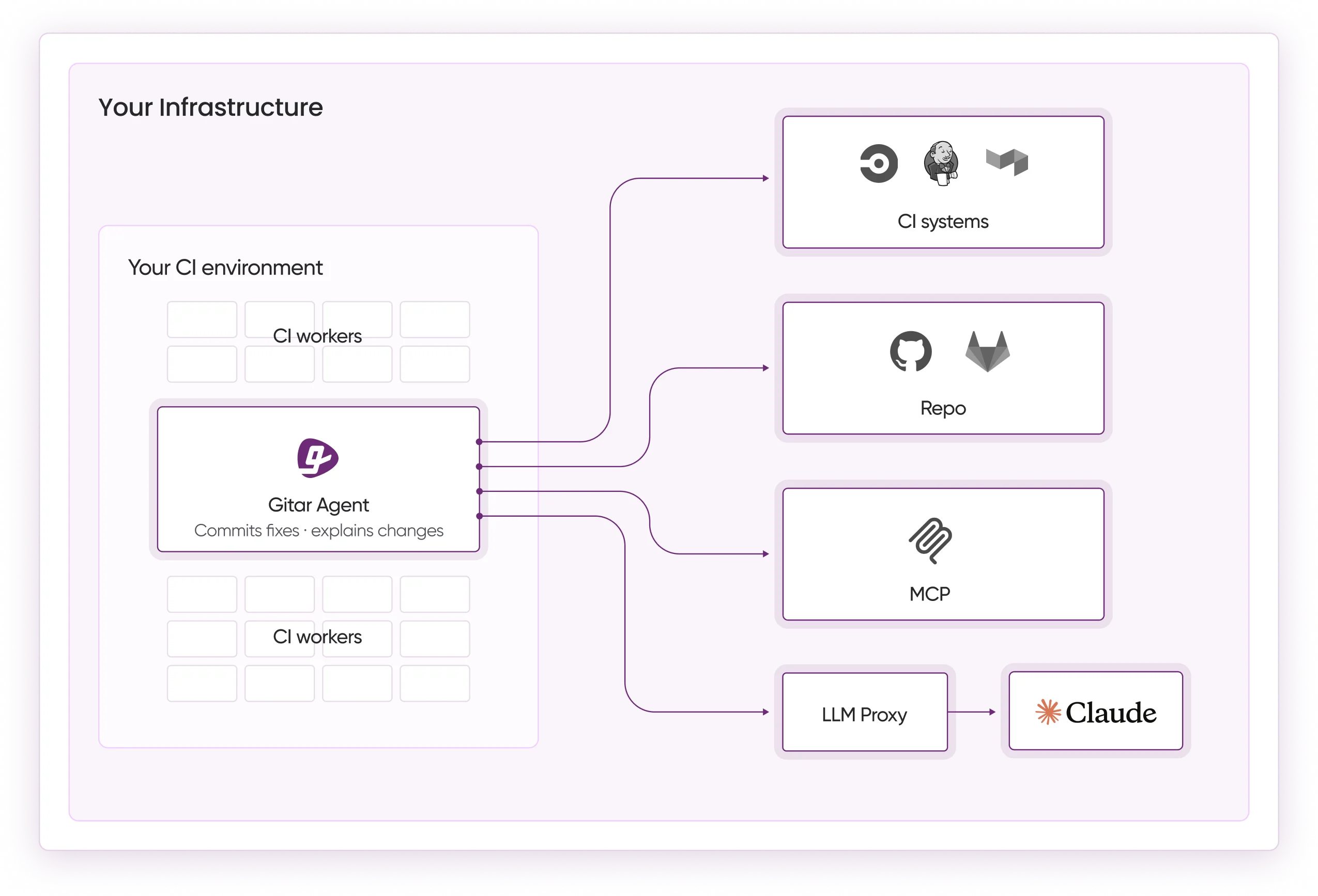
Fix validation gives Gitar a clear edge. Every automated change runs against the real CI environment before commit, which keeps builds green and stable. A contextual memory system tracks patterns per line, per PR, and per repository, so review quality improves over time. For a 20-developer team, Gitar removes the $450-900 monthly spend on paid tools and replaces it with stronger autofix and CI healing.
Install Gitar now, automatically fix broken builds, start shipping higher quality software, faster and turn code review from a blocker into a release accelerator.
#2 CodeRabbit – Structured Pull Request Reviews
CodeRabbit delivers structured PR reviews across 40+ programming languages with integrations for GitHub, GitLab, and Bitbucket. The platform analyzes readability, maintainability, security, and potential bugs. Pricing starts at $15 per user monthly with a limited free tier. Teams benefit from detailed summaries and adaptation to team style, but they still handle fixes manually because the platform lacks autofix, CI healing, and consolidated feedback, which leads to notification fatigue.
#3 Greptile – Deep Codebase Context Reviews
Greptile focuses on codebase-aware reviews and maps repository structure to understand how changes ripple across large systems. The product offers a 14-day free trial and free access for qualified open-source projects, with paid plans at $30 per developer monthly. Teams gain strong contextual understanding and reinforcement learning from PR feedback. They still face manual work, because Greptile only suggests changes, does not validate fixes, and does not integrate with CI for automated healing.
#4 Qodo (formerly CodiumAI) – Test Generation with Review Support
Qodo combines test generation and code review across 20+ languages and integrates with VS Code, JetBrains IDEs, and CI systems. Pricing includes a free tier plus $30 per user monthly for full capabilities. The platform uses agentic workflows to manage complex review and testing tasks, including some autofix and CI analysis. Many teams still need additional healing support because Qodo does not consistently deliver fully automated green builds.
#5 Bito – IDE-Centered Inline Suggestions
Bito centers on IDE-integrated suggestions with inline review and one-click fix options. Pricing averages around $15 per user monthly and focuses on staying inside the developer workflow. Real-time feedback and smooth IDE integration help individual contributors. Limited CI healing and the absence of a full healing engine keep teams from achieving end-to-end automation.
#6 GitClear – Duplication and Logic Pattern Detection
GitClear targets code duplication and logic issues with contact-based pricing. The platform identifies AI-generated code patterns, redundancies, and risky changes across repositories. It does not apply fixes or connect directly to CI, which restricts its role to diagnostics instead of full resolution in modern AI-heavy pipelines.
#7 Bugpilot (Cursor Bugbot) – Logic and Security Focus
Bugpilot automates PR reviews for logic bugs and security vulnerabilities in AI-generated code and starts at $40+ per user monthly. It specializes in AI-specific issues and integrates with GitHub, GitLab, and related platforms. Teams still need engineers to implement and validate fixes because Bugpilot does not provide a comprehensive autofix engine that guarantees working solutions.
Install Gitar now, automatically fix broken builds, start shipping higher quality software, faster and remove the manual rework that suggestion-only tools still require.
#8 Swimm – Documentation-Driven Code Review Support
Swimm blends documentation maintenance with light code review at about $12 per user monthly. It shines for onboarding and knowledge transfer by tying documentation to specific code sections. Review features remain basic and do not connect to CI or automated fix pipelines, which limits its impact on AI-generated code volumes.
#9 Codium AI – Testing and Quality Emphasis
Codium AI offers test generation and quality review with a free tier and $30 monthly pricing. It focuses on improving reliability through comprehensive testing strategies. The platform still lacks a healing engine and deep CI integration, so teams must manually resolve the issues that Codium AI uncovers.
Feature Comparison: Healing Engines vs Suggestion Tools
The comparison below highlights why Gitar leads 2026 benchmarks for AI-powered code review automation. Competing tools emphasize suggestions and diagnostics, while Gitar delivers automated healing that resolves issues without extra developer effort.
| Tool | Autofix | Free Tier | CI Auto-Heal | Pricing |
|---|---|---|---|---|
| Gitar | 14-day Free Trial | Yes | Yes | $0 (Review Free) |
| CodeRabbit | No | Limited | No | $15-30/seat |
| Greptile | No | 14-day Trial + OSS | No | $30/seat |
| Qodo | Partial | Limited | Partial | $30/seat |
Free AI Code Review and ROI for Mid-Sized Teams
Gitar delivers free AI code review with unlimited repositories and no seat limits, which directly impacts ROI. A 20-developer team that spends 1 hour daily on CI and review issues burns roughly $1 million in annual productivity. Teams using AI assistants see 10% to 15% productivity gains, but only when they automate bottlenecks like code review instead of just adding more suggestions.
Gitar’s healing engine cuts CI and review time from 1 hour to about 15 minutes per developer per day. That shift saves around $750,000 annually and removes tool subscription costs entirely. Even cautious models show $375,000+ yearly savings compared with paid suggestion platforms that still rely on manual fix work.
| Metric | Before | After |
|---|---|---|
| Time/Dev/Day | 1hr | 15min |
| 20-Dev Annual Cost | $1M | $250K |
| Tool Cost/Mo | $450+ | $0 |
Install Gitar now, automatically fix broken builds, start shipping higher quality software, faster and capture ROI from the first week of use.
FAQs on AI Code Review and Gitar
What is the best free AI code review tool in 2026?
Gitar stands out as the best free AI code review tool in 2026. It supports unlimited repositories, full PR analysis, and automatic CI failure fixes. Competing tools charge $15-30 per seat for suggestions only, while Gitar delivers a complete healing engine at no review cost, which suits teams that care about both quality and budget.
How does Gitar compare to CodeRabbit as an alternative?
Gitar outperforms CodeRabbit by applying automatic fixes instead of just listing suggestions and by charging $0 instead of $15-30 per seat. It also offers full CI integration with healing capabilities. CodeRabbit still requires engineers to implement and verify changes, while Gitar validates and commits fixes automatically, which keeps builds green and preserves AI productivity gains.
Which tool works best for AI code review on GitHub?
Gitar fits GitHub workflows with a 30-second app installation and deep CI integration across GitHub Actions and other providers. It automatically heals failures that often appear in AI-generated code. A single dashboard comment reduces notification noise, while the healing engine handles the scale created by AI coding tools.
How do you measure ROI from AI code review automation?
Teams measure ROI by tracking PR cycle time, CI failure rates, and developer hours spent on review before and after rollout. Many organizations see $375,000+ annual savings for 20 developers by cutting CI and review time from 1 hour to 15 minutes per day. They also remove $450-900 in monthly tool costs when they move from paid suggestion tools to Gitar’s free healing engine.
Are automated code review tools secure for enterprise use?
Gitar supports enterprise security with zero data retention in the free plan, SOC 2 Type II and ISO 27001 certifications, and options for deploying agents inside your own CI infrastructure. Code stays inside your environment in enterprise setups. The free tier runs reviews in secure managed cloud environments with no long-term data storage.
Conclusion: Healing Engines Define AI Code Review in 2026
AI code review tools in 2026 must move beyond suggestion lists and operate as healing platforms that fix code and keep builds green. Gitar leads this shift by offering free, comprehensive review with automatic CI failure resolution, which turns review queues into a driver of faster releases for teams of any size.
Install Gitar now, automatically fix broken builds, start shipping higher quality software, faster and step into the next generation of AI code review.