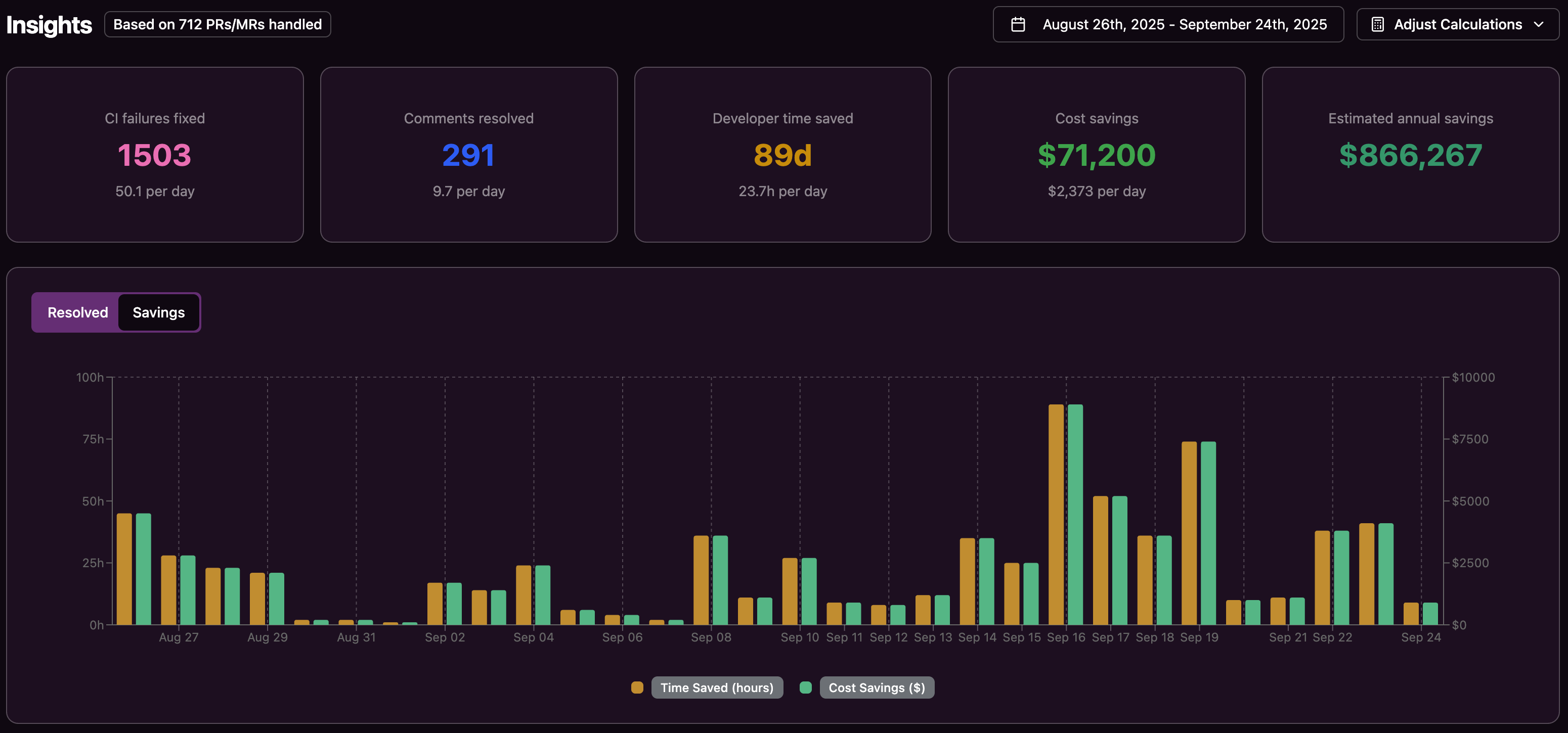
CI/CD pipelines often slow down due to dependency issues and test failures, costing developers time and delaying releases. Push a pull request, and a failed build can stop progress with errors like missing packages or inconsistent tests. Gitar, an AI-driven tool, tackles these problems by automating fixes, cutting down manual effort that can take up to 30% of a developer’s day. This article looks at why manual dependency management struggles, and how Gitar helps create self-healing pipelines for smoother development.
Why Manual Dependency Management Slows Down CI/CD
Dependency Conflicts Drain Your Productivity
Dependency issues frequently disrupt CI/CD pipelines. Conflicts happen when packages need incompatible versions, especially in projects with complex dependency trees where CI pulls different versions than your local setup. Code that runs fine on your machine often fails in CI due to this mismatch.
Local environments build up cached dependencies, hiding potential problems. CI, with its fresh installs, might grab updated versions that clash with your setup. Lock files like package-lock.json help maintain consistent versions across environments to avoid these surprises. Without them, even a small update can break a build, forcing you to spend hours debugging package files instead of coding.
Context Switching Hurts Developer Focus
CI failures don’t just waste time, they break your focus. When a build fails, you must decide whether to halt your current task or ignore the issue and lose momentum. Either way, switching tasks takes a toll. Studies estimate that refocusing after an interruption can take 15 to 25 minutes, and CI issues often demand multiple switches, doubling the impact.
Staying in a productive flow state becomes nearly impossible with constant CI alerts. A morning spent designing a feature can unravel in the afternoon over a minor lint error, pulling you away from meaningful work. Automating these fixes could save hours of frustration.
Try Gitar to automate CI fixes and keep your focus on coding.
Build Failures and Flaky Tests Delay Releases
Build errors often stem from outdated tools or misconfigured scripts. Issues like incompatible Node.js versions or dependency mismatches can stop a pipeline cold. These failures slow down the entire team, not just one developer.
Flaky tests add another layer of frustration, passing sometimes and failing others due to timing or external factors. Retries or mocking external services can help manage these unpredictable failures. Worse, they often fail at critical moments like before a release.
Environment differences between development, testing, and production only make things harder. Inconsistencies in versions or settings often lead to unexpected build issues. Solving these requires detailed error logging and quick fixes to keep projects on track.
Engineering Leaders Face Hidden Costs
CI/CD problems hit engineering leaders hard with direct business impacts. Identifying the root cause of pipeline failures becomes tough, delaying team coordination to resolve issues. Simple errors can spiral into long debugging sessions.
For a 20-person team, time lost to CI issues could cost around $1 million yearly in productivity, assuming just an hour daily per developer on fixes. This doesn’t account for missed opportunities, as time spent on CI means less time for building features or cutting tech debt. Large enterprise projects with multiple pipelines face even greater challenges in tracking down issues across teams.
How Gitar Solves CI/CD Challenges with AI
Meet Gitar: Your Tool for Automated CI Fixes
Traditional CI/CD fixes rely on better tools or testing, yet still need human effort at key points. Gitar changes that by automating resolutions for pipeline failures and code review feedback. When a pull request fails CI checks or gets comments, Gitar steps in, analyzes the problem, applies a fix, and updates the request, all without manual input.
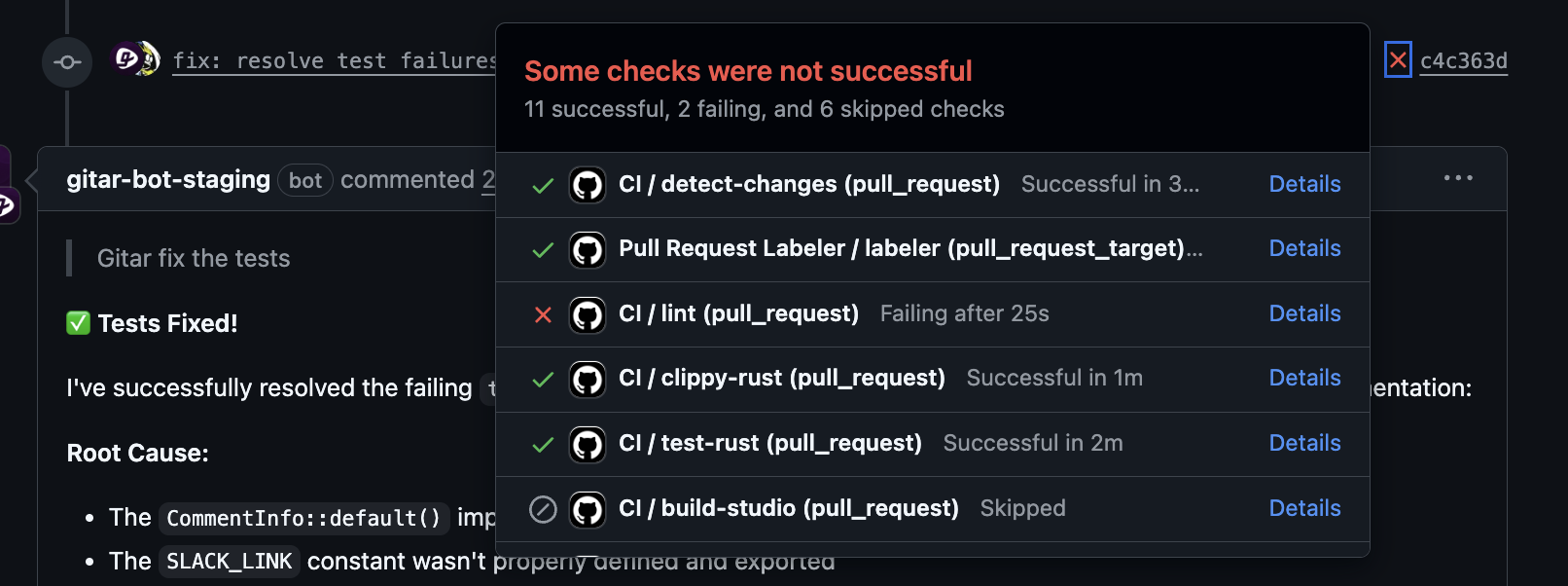
This creates a self-healing pipeline, turning hours of troubleshooting into a hands-off process. Developers can submit pull requests and return to their main tasks, knowing Gitar handles routine issues. Here’s how it works in action:

Key Features That Make CI/CD Easier
Gitar offers specific tools to address pipeline pain points directly. Check out these core capabilities:
- Complete Fixes: Gitar doesn’t just point out problems, it applies solutions, runs them through your CI workflow, and confirms builds pass.
- Environment Matching: It mirrors your setup, including SDK versions and third-party tools like SonarQube, ensuring fixes fit your system.
- Platform Compatibility: Works with GitHub Actions, GitLab CI, CircleCI, and others, integrating into your current tools.
- Flexible Trust Settings: Start with a suggestion mode for review, then shift to full automation with rollback options as you gain confidence.
- AI Collaboration: Connects with local tools like Claude for deeper context on code changes, improving fix accuracy.
Ways Gitar Improves Pipeline Management
Quick Fixes for Build Errors and CI Failures
When dependency conflicts or build errors halt a pipeline, Gitar analyzes logs to pinpoint the issue. It then creates and commits the necessary changes to the pull request, verifying the solution works. This covers a range of problems, from package mismatches to script errors, all handled within your specific CI setup.
Install Gitar to automate fixes and maintain pipeline flow.
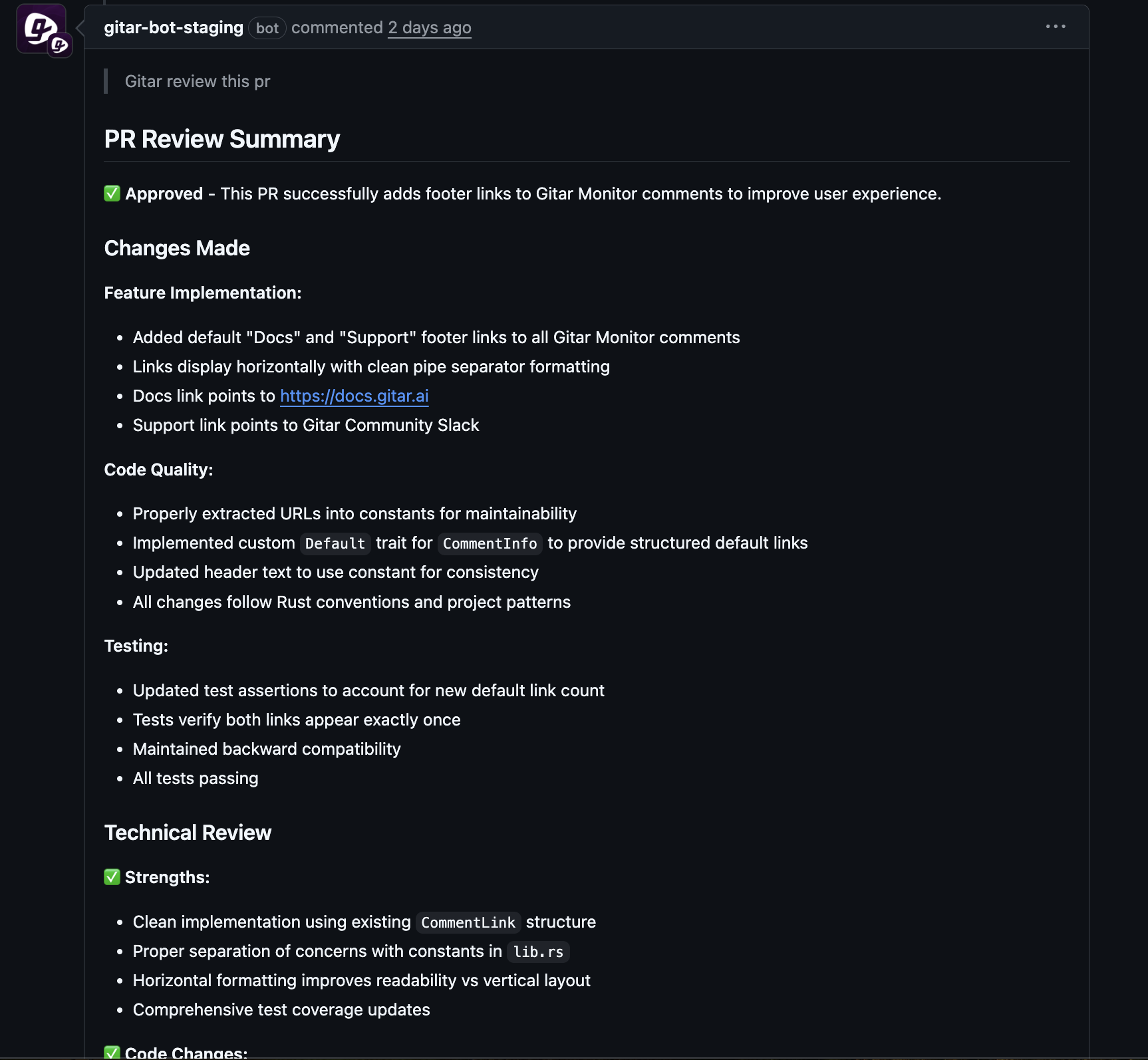
Solutions for Test Failures and Setup Issues
Test failures are a common pipeline hurdle. Understanding and resolving these failures is key to reliable software delivery. Gitar automates fixes like updating snapshots or adjusting assertions, reducing manual work. It also tackles environment differences by replicating your CI setup for consistent results. Inconsistent environments often cause unexpected deployment problems.
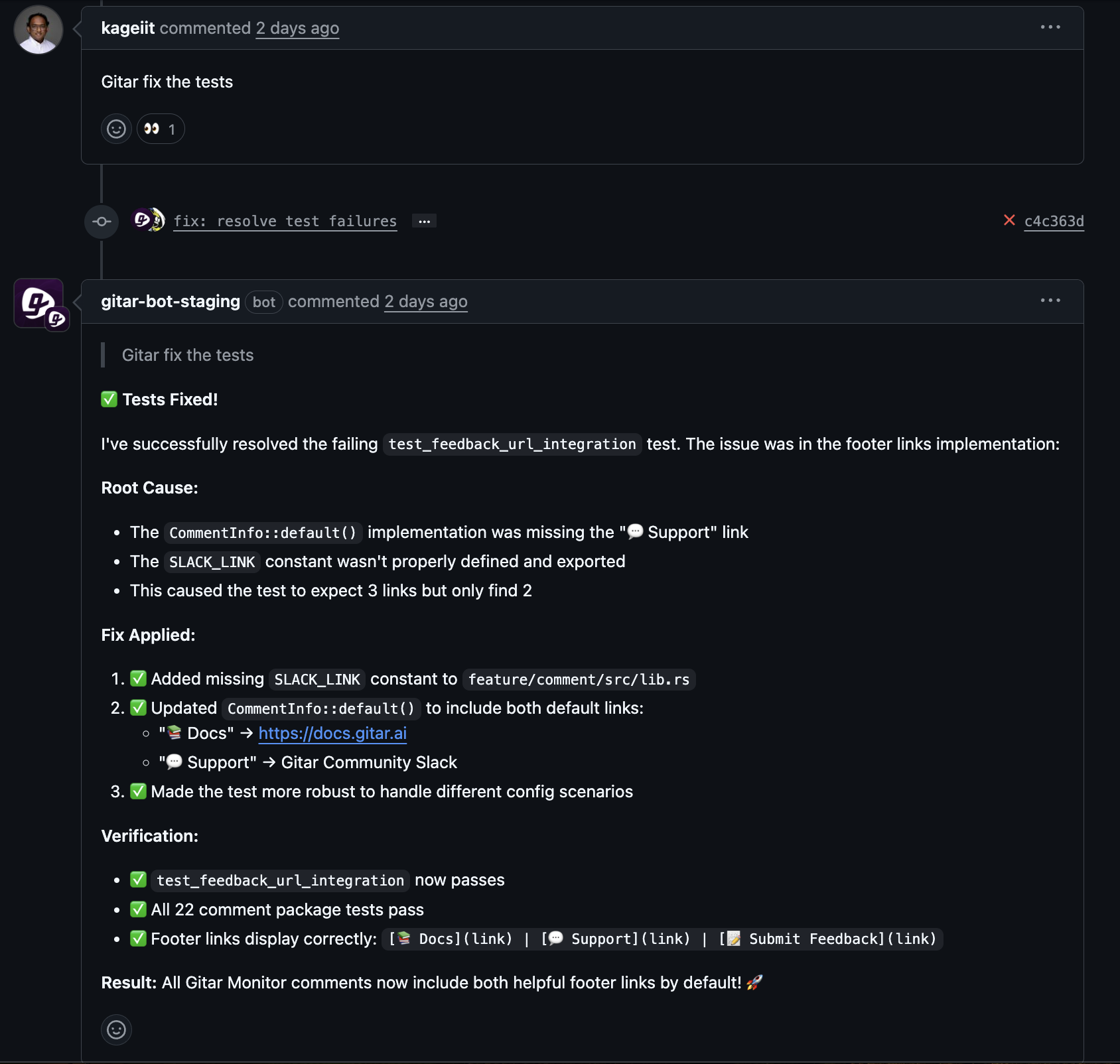
Better Pipeline Reliability and Faster Releases
Gitar keeps pipelines healthy by addressing issues as they appear, preventing delays from build failures. This shortens the time between committing code and merging pull requests, allowing for steadier builds and quicker integration. Teams benefit from predictable release schedules, while operations spend less effort on CI bottlenecks.
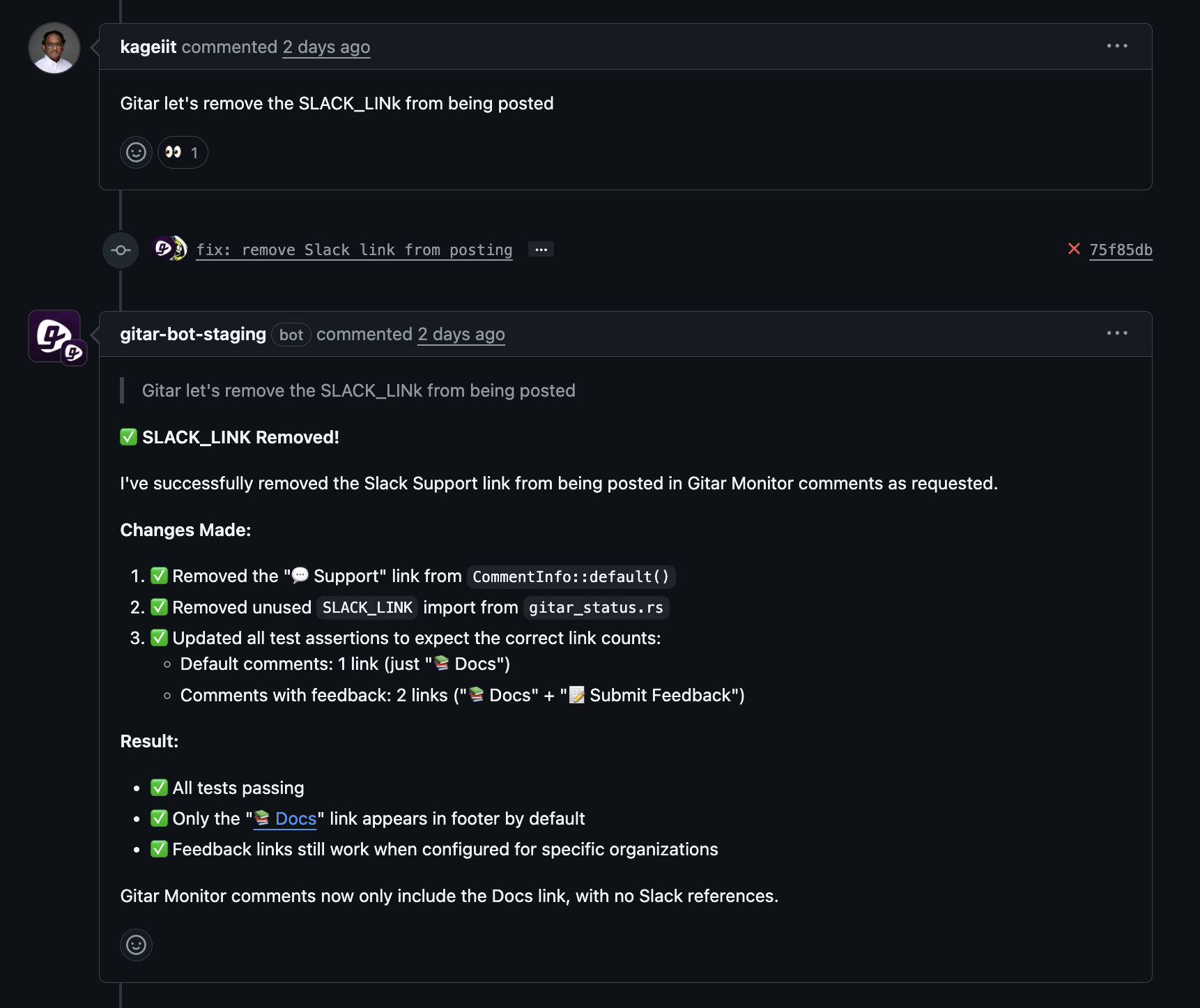
Manual vs. Automated CI Workflows with Gitar
|
Feature Area |
Manual Workflow |
Automated with Gitar |
|
Dependency Resolution |
Manually check logs, find version conflicts, update packages, retest. |
Gitar detects issues, applies fixes, and confirms builds pass. |
|
Test Failure Debugging |
Switch tasks, analyze logs, fix code, rerun tests. |
Gitar identifies test issues and generates solutions automatically. |
|
Pipeline Reliability |
Human errors and inconsistent fixes lead to frequent build failures. |
Consistent fixes improve build success rates. |
|
Developer Productivity |
Time lost to debugging and waiting for builds. |
Focus stays on coding with less manual intervention. |
Install Gitar to streamline builds and ship software faster.
Common Questions About AI in CI/CD Automation
How Does Gitar Handle Complex Enterprise Setups?
Gitar adapts to enterprise CI environments by replicating specific SDK versions, dependencies, and tools like SonarQube. Fixes are tested against your setup to ensure they align with your workflow, maintaining reliability while automating solutions.
Can Gitar Fix Test Failures in Pipelines?
Gitar addresses test failures by analyzing logs and applying fixes to pass CI checks. Whether it’s a broken assertion or an outdated snapshot, it targets the root cause to minimize manual troubleshooting.
How Does Gitar Build Trust for Automated Fixes?
Gitar offers customizable settings to ease into automation. Start with a mode where fixes are suggested for review with one click. As trust grows, switch to full automation with detailed logs and rollback options for every change.
How Is Gitar Different from Other AI Coding Tools?
Unlike general AI assistants focused on writing code, Gitar specializes in the post-commit phase. It autonomously fixes CI failures and resolves feedback on pull requests, ensuring code meets quality standards without constant developer input.
Boost Team Speed with Automated CI Management
CI/CD challenges like manual fixes and pipeline errors have long frustrated teams, consuming significant time and resources. Gitar reduces this burden by automating solutions and validating fixes, turning pipeline issues into a manageable background process.
Teams using automated CI tools often see better developer focus, faster project delivery, and more reliable releases. Time saved from debugging can go toward innovation or clearing technical debt. As AI speeds up coding, the real challenge shifts to efficient validation and merging, where tools like Gitar offer a clear edge.
Stop losing hours to manual CI fixes. Install Gitar to automate builds and unlock your team’s potential. Experience how autonomous fixes can improve development flow and delivery speed.