
Key Takeaways
- AI coding tools generate code 3-5x faster, but PR sizes grew 33% and review time increased 91% in 2025, creating new bottlenecks.
- Most AI code review tools like CodeRabbit and GitHub Copilot only suggest changes, so developers still perform manual fixes.
- Gitar stands out with auto-fix capabilities, resolving CI failures and applying review feedback automatically to keep builds green.
- Teams can implement AI review in seven steps: choose a tool, install, trial, configure, test, customize rules, and connect context for 31.8% faster PR cycles.
- Install Gitar’s 14-day Team Plan trial to turn suggestions into automated fixes and ship higher quality software faster.
How AI Pull Request Code Review Comments Work in Practice
AI-powered pull request code review follows a clear sequence. When a PR opens, the system fetches the code diff and repository context, analyzes changes with machine learning models, then generates inline comments or summary feedback. Basic implementations like GitHub Copilot Code Review or GitLab’s AI features provide automated suggestions on code quality, security vulnerabilities, and potential bugs.
Most tools stop at suggestions and leave developers to implement fixes, push new commits, and wait for CI results. Teams fall into a suggestion trap where they pay premium prices for incremental help while still doing most of the work manually.
Gitar consolidates all findings, including CI analysis, review feedback, and rule evaluations, into a single dashboard comment that updates in place. When CI fails, Gitar identifies the problem, analyzes failure logs, generates validated fixes, and commits them automatically. This healing engine approach focuses on delivering green builds instead of hoping manual fixes succeed. For detailed implementation guidance, visit the Gitar documentation.
Comparing Top AI Tools for PR Code Review Comments
The AI code review market includes several tools, each with specific strengths and gaps.
| Capability | CodeRabbit/Greptile | GitHub Copilot | Gitar |
|---|---|---|---|
| Inline Comments | Yes ($15-30/seat) | Yes | Yes (14-day trial) |
| Auto-Apply Fixes | No | No | Yes |
| CI Failure Auto-Fix | No | No | Yes |
| Single Comment Dashboard | No (notification spam) | Partial | Yes |
CodeRabbit and Greptile identify issues effectively but still require manual implementation of every suggestion. GitHub Copilot offers basic review features but does not include CI integration or auto-fix support. AI tools excel at logic errors, security, and consistency but struggle with architectural reasoning, so they work best as partners to human reviewers.
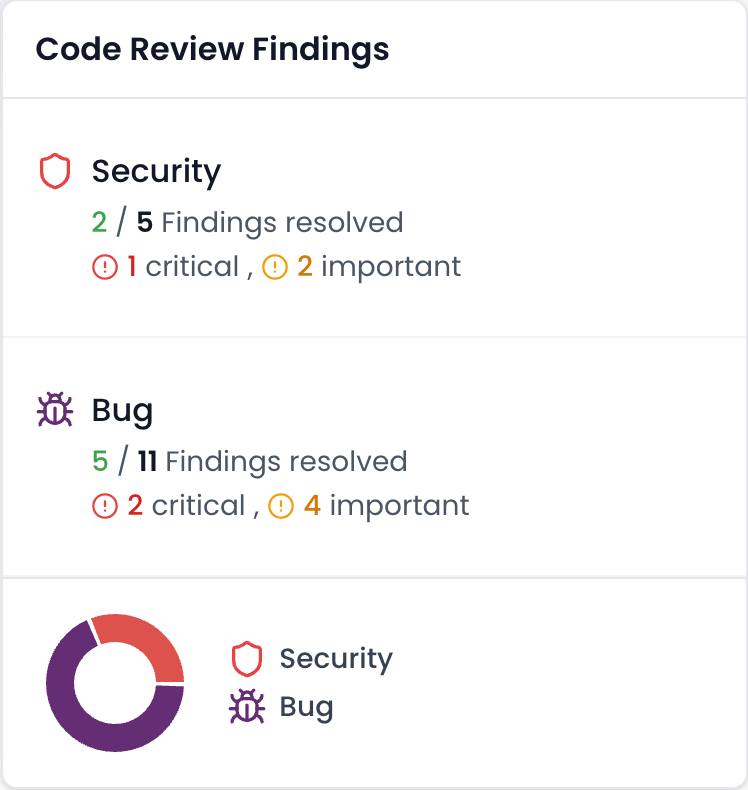
Gitar focuses on implementing fixes instead of only listing problems. When logic and correctness issues are 75% more common in AI-generated PRs, a system that validates and applies fixes becomes essential for maintaining quality at scale.
Seven Steps to Add AI to PR Code Review Comments
Teams can roll out AI-powered pull request comments in seven clear steps.
1. Choose Your AI Code Review Tool
Select Gitar if you want auto-fix capabilities instead of suggestion-only tools. The healing engine delivers immediate ROI by resolving CI failures automatically.
2. Install the Integration
Install the GitHub App or GitLab integration for your platform. Confirm that the tool supports your version control system and works with your CI pipeline.
3. Start Your Trial Period
Activate Gitar’s 14-day Team Plan trial to access full auto-fix functionality without seat limits. Use this period to evaluate automated fixes across your active repositories.
4. Enable Repository-Level Configuration
Turn the tool on for target repositories and begin in suggestion mode to build team confidence. Adjust sensitivity levels and rule sets to match your codebase and risk profile.
5. Test with Sample Pull Requests
Push test PRs and watch how automated comments and fixes behave. Track how the system handles lint errors, test failures, and build breaks to understand its boundaries.
6. Configure Custom Workflow Rules
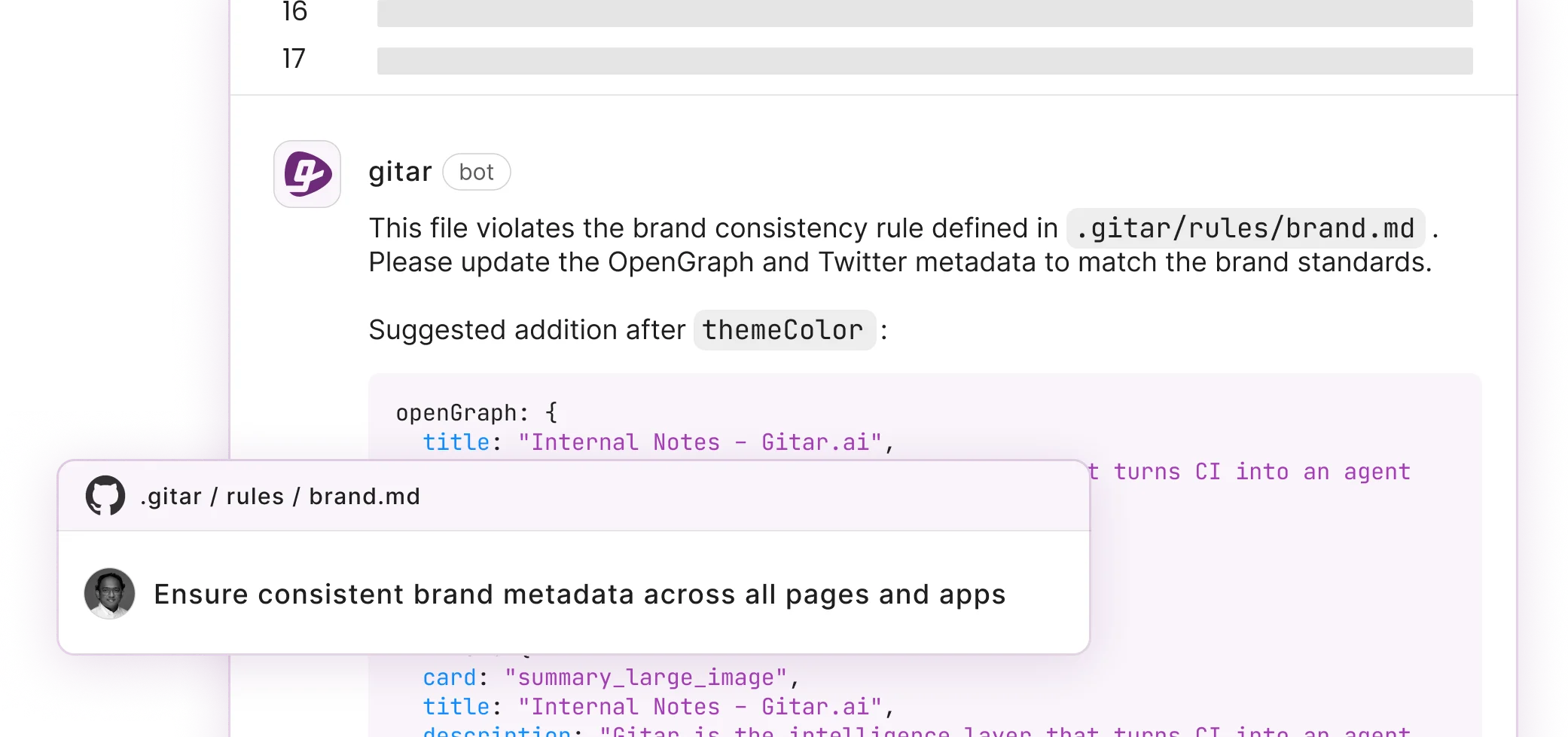
Create repository-specific rules using natural language configuration files. Add .gitar/rules/*.md files to define automated workflows without complex YAML syntax.
7. Integrate Cross-Platform Context
Connect Jira, Slack, or Linear so the AI can use additional context during analysis. This hierarchical memory helps the system align code changes with business logic and priorities.
Install Gitar now to automatically fix broken builds and experience the shift from suggestion engines to real problem resolution. Teams report a 31.8% reduction in PR review and close time when they adopt comprehensive AI code review systems. For setup details, see the Gitar documentation.
Setting Up GitHub Copilot Code Review
Teams using GitHub Copilot can enable code review through repository rulesets on specific branches. Copilot review features remain limited to suggestions without fix validation or CI integration. Many teams encounter “AI slop” where Copilot-generated code needs extensive cleanup, which Gitar’s validation engine reduces by committing only fixes that pass checks.
Moving from CodeRabbit to Gitar
Teams upgrading from CodeRabbit to more complete platforms usually see faster workflows. CodeRabbit highlights security and performance issues but does not apply fixes, so developers still repeat manual implementation cycles. A parallel trial with Gitar often demonstrates ROI before a full migration.
Gitar Setup: Turning Comments into Auto-Fixes
Gitar rollout follows four phases that build trust while increasing automation.
Phase 1: Installation and Trial Activation
Install the Gitar GitHub App and start your 14-day Team Plan trial. Gitar immediately posts dashboard comments on new PRs so teams can see its analysis without changing existing workflows.
Phase 2: Trust Building Through Suggestions
Run in suggestion mode so Gitar proposes fixes and humans approve them. This phase helps teams review fix quality and grow comfortable with the system’s decisions.
Phase 3: Automated Fix Implementation
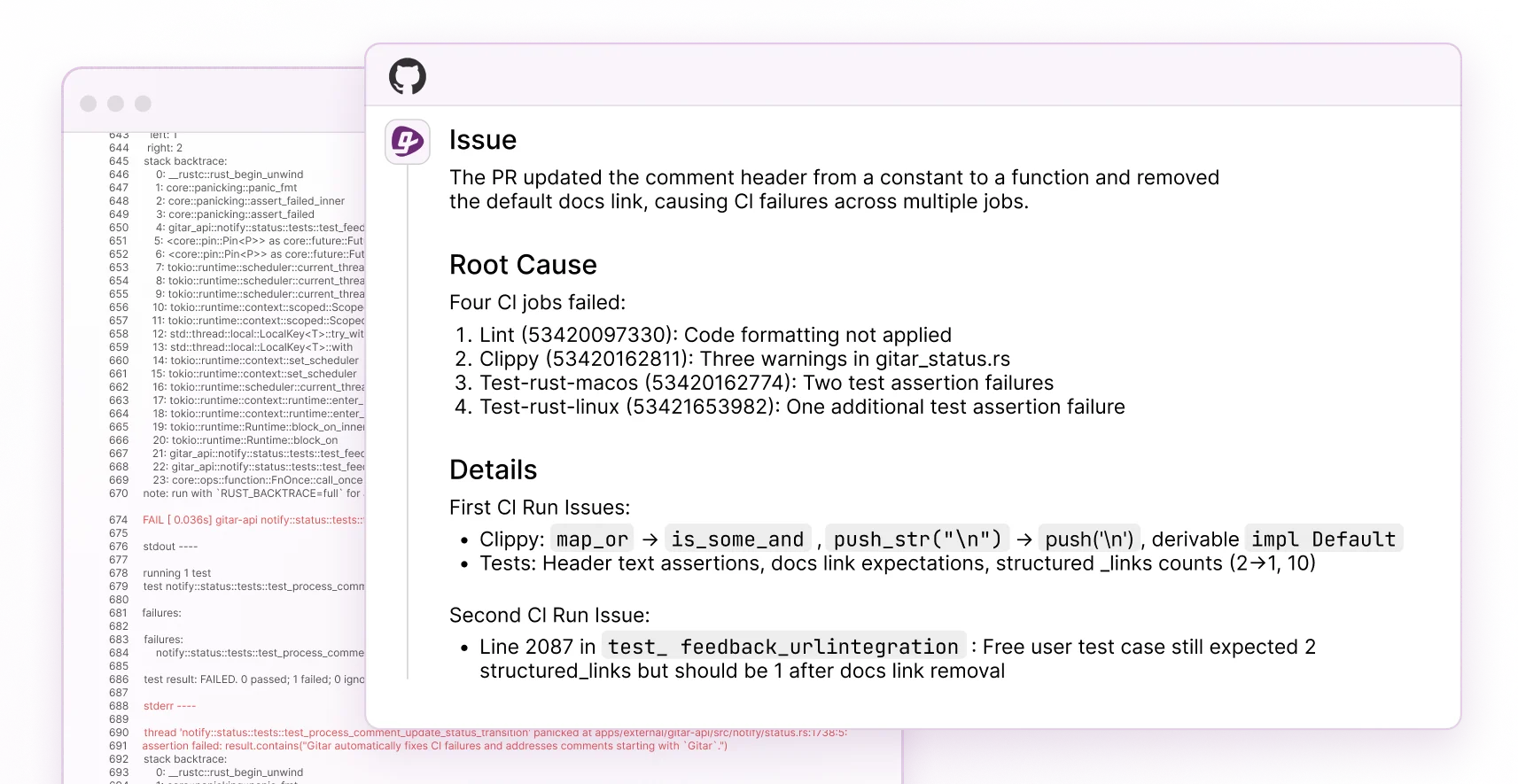
Enable auto-commit for trusted categories such as lint errors, formatting issues, and simple test failures. Gitar analyzes CI logs, generates fixes, validates them in your environment, and commits directly to the PR.
Phase 4: Workflow Expansion and Analytics
Add custom repository rules with natural language configuration, connect project management tools, and use analytics dashboards to spot recurring CI failures and code quality problems.
Gitar’s validation process creates the main advantage. When a CI check fails, the system emulates your environment, tests a proposed solution, and commits only changes that resolve the issue. This approach addresses the AI productivity paradox where more code does not always mean faster delivery because of quality and integration issues.
Start shipping higher quality software, faster by switching from suggestion-only tools to a full automation platform.
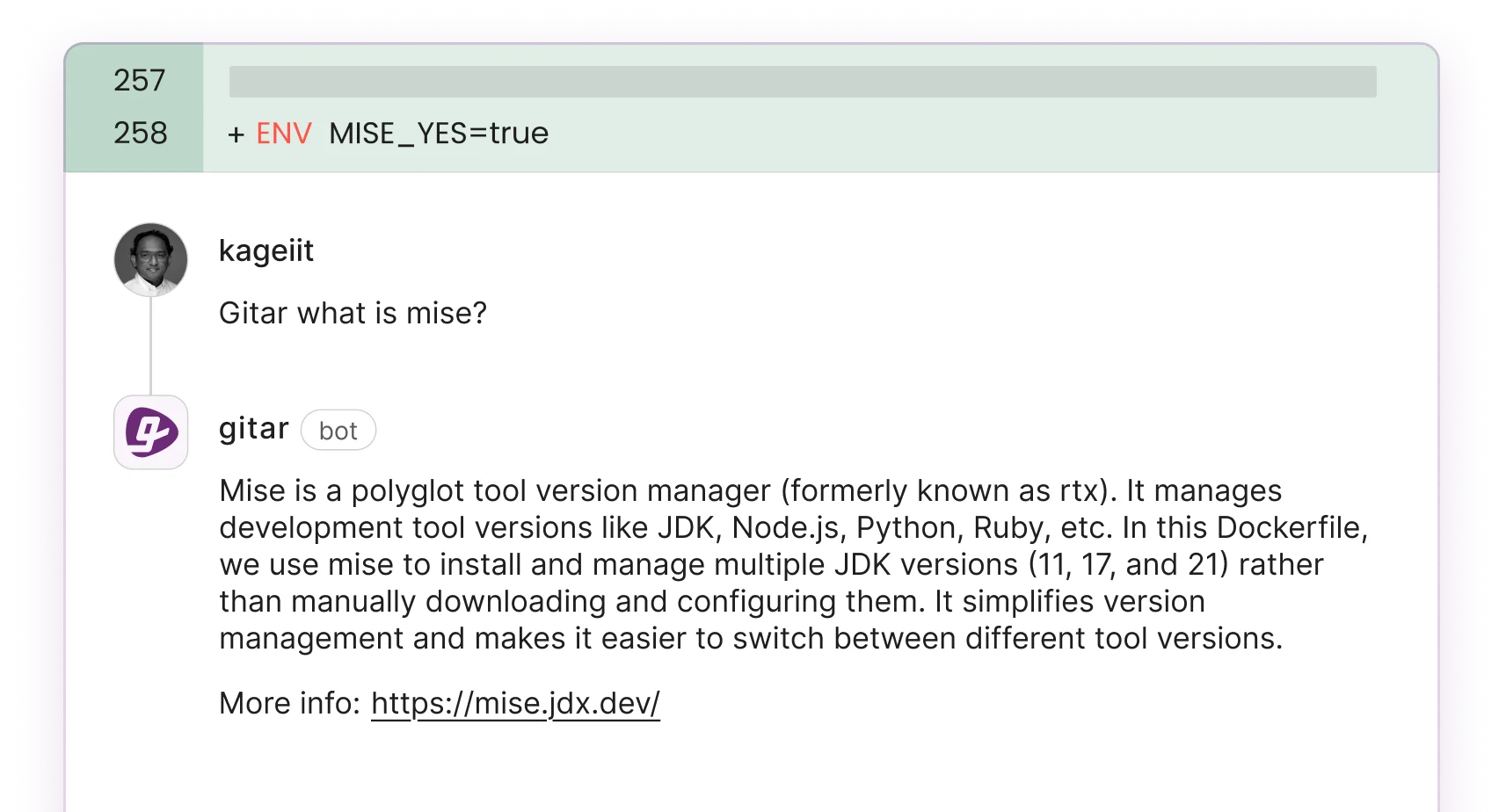
Best Practices for AI Code Review and Common Issues
Successful AI code review balances automation with human oversight. Keep pull requests below 400 lines of code to avoid reviewer fatigue and support thorough analysis. Smaller PRs also enable more focused feedback and quicker merges.
Use human-in-the-loop workflows for critical paths such as authentication, authorization, and data validation. Configure rules that require manual review for security-sensitive changes while allowing automated fixes for formatting and straightforward test failures.
Reduce notification fatigue by consolidating feedback into single dashboard comments instead of many scattered inline notes. Teams report that Gitar provides “more concise summaries than Greptile/Bugbot” by aggregating findings in one place and updating that comment as issues resolve.
Break large AI-generated changes into focused review areas such as method naming, API exposure, test organization, error handling, and performance. Expect more iterative feedback rounds for AI-generated code compared to human-authored code and rely on automated tests before human review.
Configure unrelated failure detection so the system can separate code-related issues from infrastructure problems. This feature prevents developers from wasting time on flaky CI environments when the code itself is correct.
FAQ
Is Gitar better than CodeRabbit for AI code review?
Gitar delivers auto-fix capabilities that CodeRabbit does not provide. CodeRabbit offers structured feedback and issue identification at $15-30 per seat but still relies on manual implementation of every suggestion. Gitar’s healing engine resolves CI failures, validates fixes in your environment, and commits working solutions. The 14-day Team Plan trial lets teams compare suggestion-only tools with full automation.
Does Gitar offer a free trial for AI pull request code review?
Gitar includes a 14-day free trial of the Team Plan with full access to auto-fix features, custom rules, CI integration, and cross-platform context. Unlike competitors that restrict trial features, Gitar allows evaluation of the complete platform, including automated CI failure resolution and review feedback implementation, without seat limits.
Can I trust automated commits from AI code review tools?
Gitar uses configurable automation levels so teams can build trust gradually. Start in suggestion mode and approve every fix, then enable auto-commit for specific failure types such as lint and formatting issues. The system validates all fixes against your CI environment before committing, so changes match your configuration instead of a generic template.
How does AI code review handle complex CI environments?
Gitar emulates your CI environment, including SDK versions, multi-dependency builds, and third-party integrations. The Enterprise tier runs agents inside your CI pipeline with access to secrets and caches, so fixes work in production-like conditions instead of isolated sandboxes. This approach reduces the risk of fixes that pass locally but fail in production.
Are GitHub Copilot code review comments sufficient for modern development?
GitHub Copilot offers basic review suggestions but does not provide the automation required for AI-accelerated workflows. Copilot lacks fix validation, CI integration, and automated implementation. Teams that rely on Copilot for generation often face “AI slop” where code needs heavy cleanup. Gitar addresses this by delivering validated fixes that resolve issues instead of only pointing them out, which cuts manual toil significantly compared to suggestion-only tools.
Install Gitar now to automatically fix broken builds and start shipping higher quality software, faster. The 14-day Team Plan trial gives immediate access to the healing engine that turns AI code review comments into real, working fixes.