
Key Takeaways
- AI coding tools speed up code generation 3-5x but create review bottlenecks from higher PR volumes and more CI failures.
- Gitar leads as the top free AI platform with validated auto-commit fixes, CI integration, and reliable green build guarantees.
- Competitors like CodeRabbit and Greptile offer suggestion-only reviews at $15-30 per developer monthly without auto-deployment.
- Teams using healing engines like Gitar cut MTTR and avoid $1M+ annual productivity losses from manual fixes.
- Start fixing broken builds automatically with Gitar to ship higher quality software faster.
How We Ranked AI Platforms for Automated Code Fix Deployment
Our evaluation focused on platforms that provide automated code fix deployment instead of suggestion-only engines. We prioritized validated auto-fix functionality with CI integration, cross-platform support across GitHub, GitLab, and CircleCI, setup under five minutes, proven MTTR reductions, security compliance, and realistic pricing for mid-to-large teams.
We reviewed vendor documentation, GitClear’s 2026 developer productivity research, large-scale implementations on 50M+ line codebases, and feedback from engineering teams. Each platform was scored on its ability to automatically commit working fixes instead of only suggesting changes that still need manual work.
Top AI Platforms for Automated Code Fix Deployment in 2026
The leading AI platforms for automated code fix deployment in 2026 combine free healing engines and premium suggestion tools. Here is the ranked list: 1. Gitar, free AI code fixer with auto-commit and CI validation; 2. CodeRabbit, premium PR review with advanced contextual learning; 3. Greptile, high-performance codebase context analysis; 4. Harness AI, enterprise CI/CD automation; 5. Qodo, context-aware analysis with automated test generation; 6. CodeAnt AI, AST-based code review with CI/CD integration; 7. Cursor, AI code editor with repository-aware changes; 8. Semaphore and Nx, self-healing CI with auto-commit workflows.
#1: Gitar as the Leading Free AI Code Fixer with Auto-Commit
Gitar stands out as a free AI code review platform that delivers both deep review and reliable autofix features. The healing engine analyzes CI failures, generates fixes with full codebase context, validates solutions against your CI pipeline, and commits working code directly to your PRs.
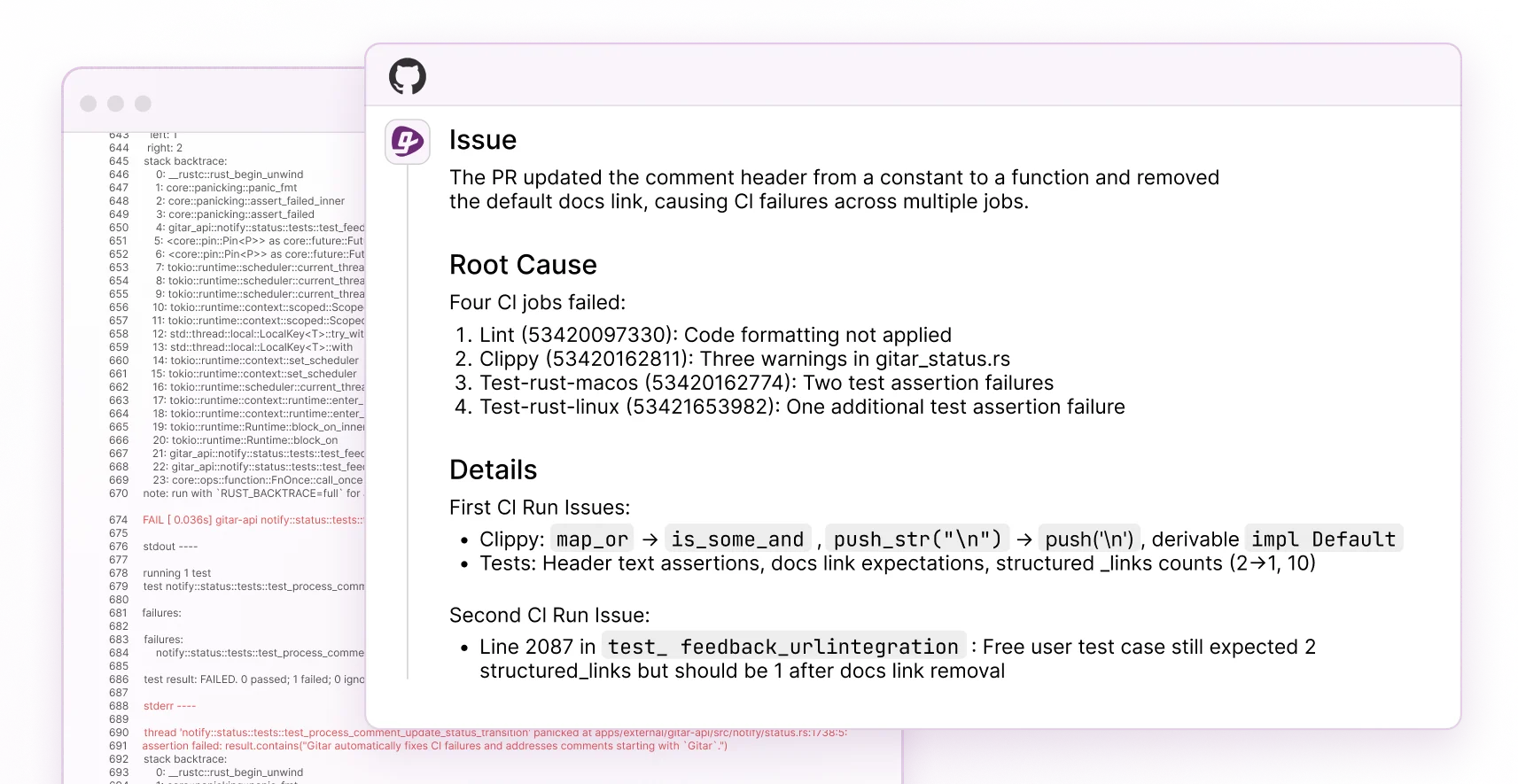
Key features include free unlimited PR review and analysis, a 14-day free trial of auto-fix capabilities, a single dashboard comment that updates in place to cut notification spam, automatic CI failure analysis and resolution, and natural language workflow rules that avoid YAML complexity. Gitar integrates with Jira, Slack, and Linear, and supports GitHub, GitLab, CircleCI, and Buildkite with enterprise-grade security.
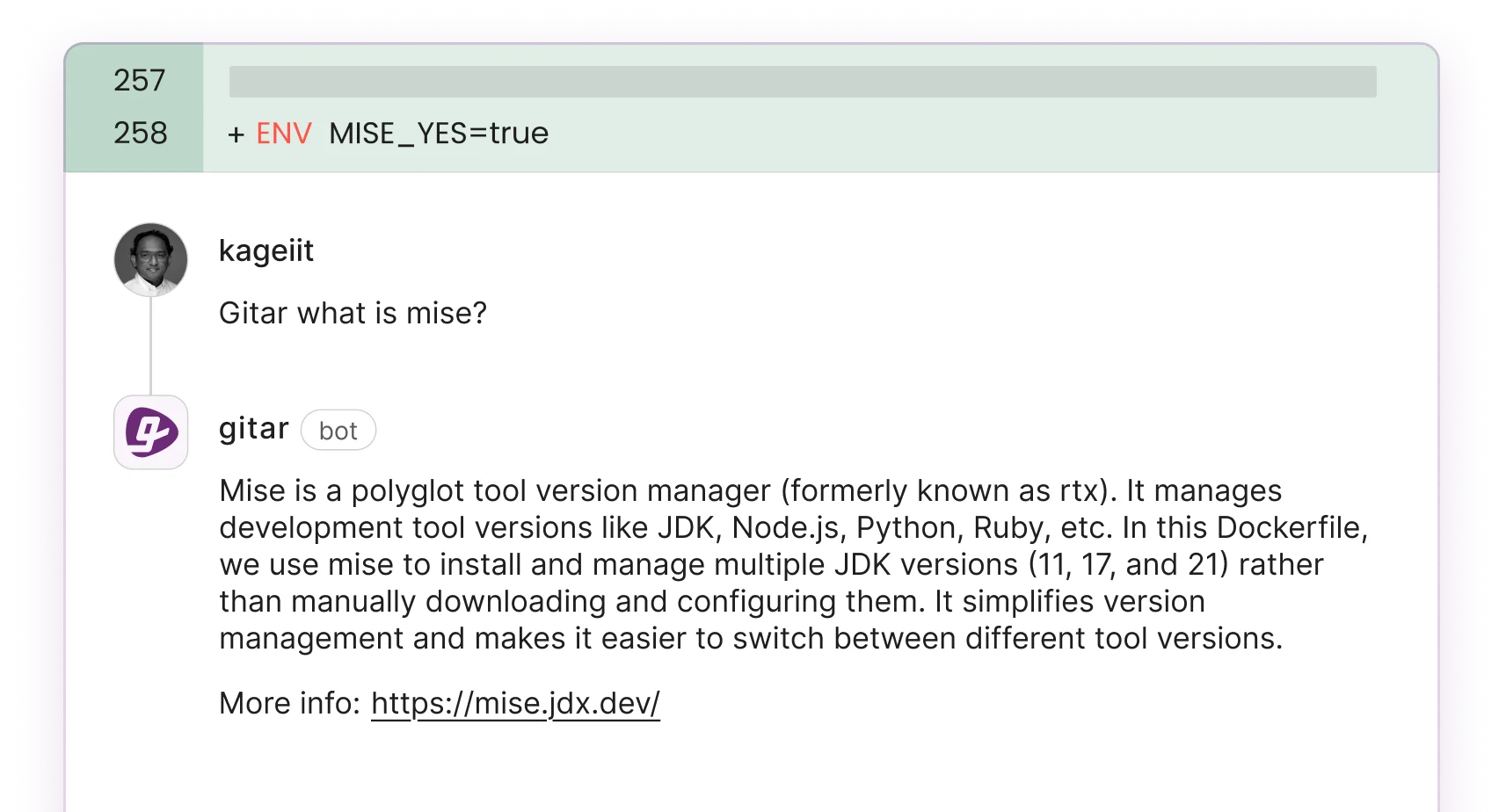
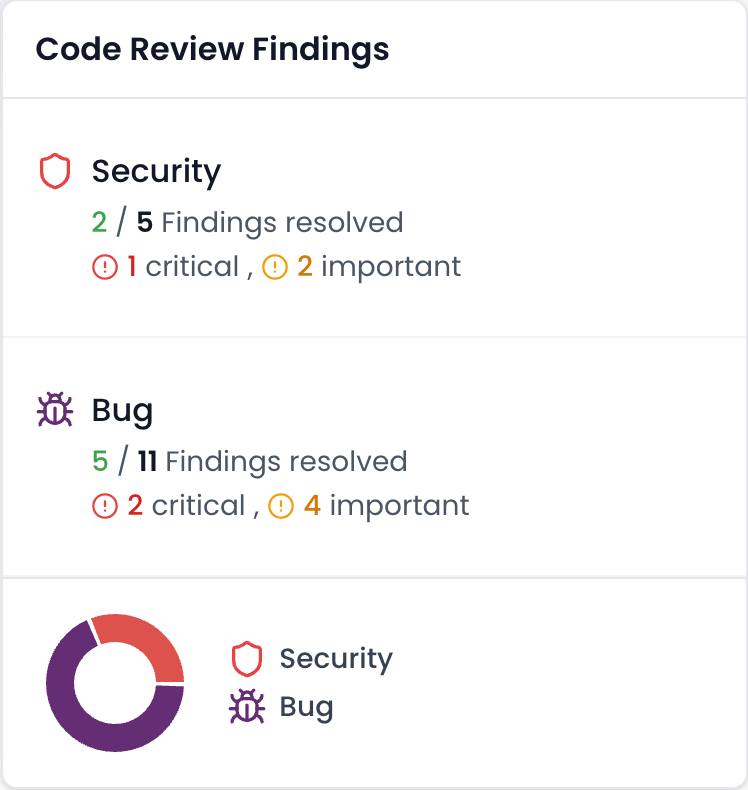
Gitar has proven effectiveness at scale on 50M+ lines of code and thousands of daily PRs while maintaining green build guarantees. The platform has caught high-severity security vulnerabilities that other AI tools missed and offers unrelated PR failure detection that separates infrastructure issues from code bugs to save debugging time.
Setup finishes in about 30 seconds with no credit card required. Teams can start in suggestion mode to build trust, then enable auto-commit for specific failure types. Unlimited repositories and users on the free tier make Gitar accessible for startups and large enterprises.
#2: CodeRabbit for Premium AI Code Review Suggestions
CodeRabbit provides AI-powered line-by-line PR reviews with advanced contextual learning and supports GitHub, GitLab, and Azure DevOps. The platform focuses on readability, coding standards, and actionable feedback with SOC 2 and GDPR compliance.
CodeRabbit operates as a suggestion-only engine without auto-commit capabilities, so developers must apply and validate every fix manually. Pricing ranges from $15-30 per developer monthly, which can add up quickly for larger teams.
#3: Greptile for Deep Codebase Context Analysis
Greptile offers high performance with GitHub and GitLab support and advanced full codebase context for detailed understanding. It excels at analysis across large repositories.
The platform lacks compliance certifications and auto-commit functionality. Like CodeRabbit, Greptile requires manual implementation of suggested fixes and charges about $30 per developer monthly, which makes it costly for big teams.
#4: Harness AI for Enterprise CI/CD Automation
Harness AI focuses on enterprise CI/CD automation with robust pipeline management and deployment features. It provides advanced workflow automation and integrates with major cloud providers and CI systems.
Harness primarily operates as a CI/CD orchestration platform instead of a dedicated AI code fixer. Automated code fix deployment remains limited, and enterprise pricing often exceeds the budgets of mid-sized development teams.
#5: Qodo for Context-Aware Analysis and Test Generation
Qodo (formerly Codium) delivers context-aware analysis with RAG, automated test generation, and a multi-agent framework for code generation, testing, and PR review. It shines at testing coverage and quality checks.
Qodo still functions mainly as a suggestion engine without validated auto-commit fixes for CI failures. Pricing follows the common range of $15-30 per developer monthly.
#6: CodeAnt AI for AST-Based Code Review with CI Support
CodeAnt AI offers end-to-end AI-augmented code review using abstract syntax trees, CI/CD integration, automated documentation, and custom rules. It provides moderate pricing compared to some competitors and supports CI/CD workflows with one-click fixes and bulk auto-fix features.
CodeAnt AI still lacks fully automated code fix deployment with validated auto-commit, so teams must handle more of the final validation and merging.
Gitar vs. Competitors: Side-by-Side Capability Comparison
The comparison table below highlights the differences between Gitar’s healing engine and suggestion-only models. Most platforms charge $15-30 per developer for basic PR analysis, while Gitar offers free code review plus autofix features on a 14-day free trial that resolve real CI failures.
|
Platform |
Auto-Fix & Commit |
CI Validation |
Pricing |
Platform Support |
|
Gitar |
Yes (14-day trial) |
Yes |
Free code review; autofix 14-day trial |
GitHub, GitLab, CircleCI, Buildkite |
|
CodeRabbit |
No |
No |
$15-30/seat |
GitHub, GitLab, Azure DevOps |
|
Greptile |
No |
No |
$30/seat |
GitHub, GitLab |
|
Qodo |
No |
No |
$15-30/seat |
GitHub, GitLab |
How to Choose an AI Platform for Code Fix Deployment
Engineering teams need a balance between developer experience, leadership ROI, and platform fit when they select AI platforms for automated code fix deployment. Organizations with high AI adoption saw a 24% reduction in median cycle time when implementation worked well, which requires tools that actually fix code instead of only suggesting improvements.
Developers care most about notification fatigue and context switching overhead. Platforms like Gitar reduce both with single-comment dashboards and automatic fixes that run while developers sleep. Engineering leaders focus on ROI and measurable velocity gains, so suggestion-only tools that cost $500+ monthly without clear impact often fail their evaluation.
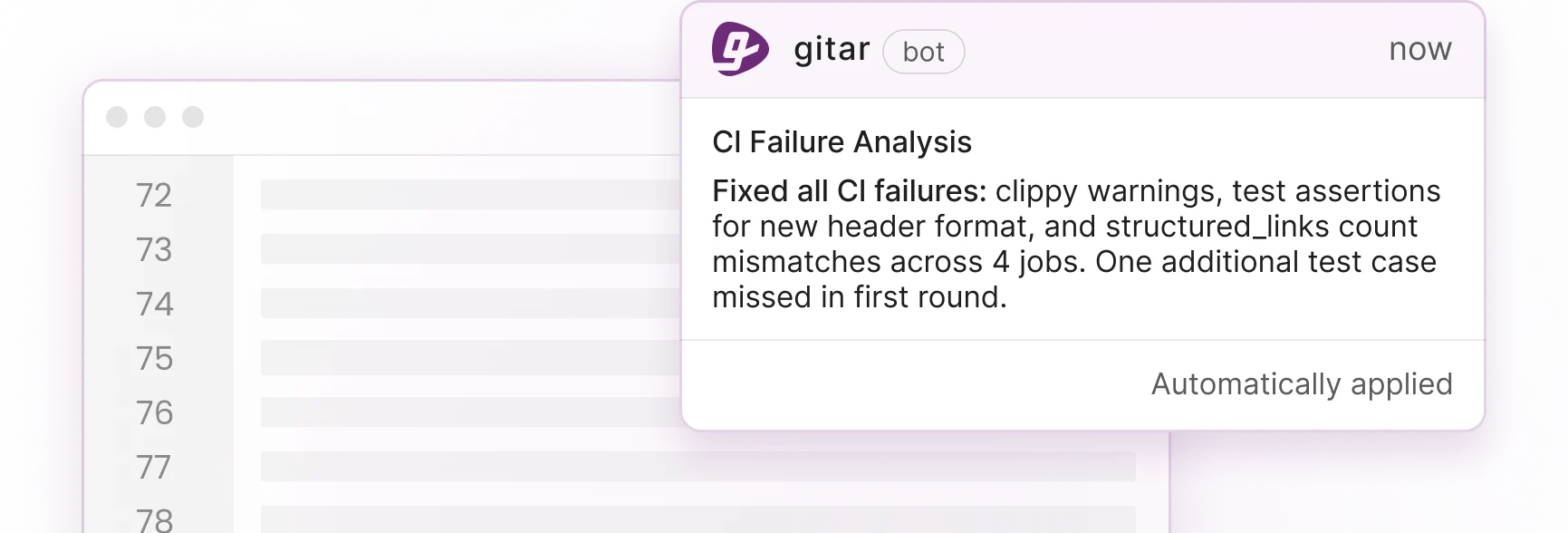
DevOps teams need platforms that plug into existing CI/CD infrastructure without complex YAML maintenance or long onboarding. Security reviews should cover code access, compliance certifications, and options to run agents inside your own infrastructure for sensitive repositories. Migration planning should include adoption phases and tracking productivity gains over time.
People Also Ask: AI Code Fixers and Automated Deployment
Best AI for Fixing Code Automatically
Gitar provides the most complete automated code fixing capabilities with a healing engine that analyzes CI failures, generates validated fixes, and commits working solutions. Unlike suggestion-only tools such as CodeRabbit or Greptile, Gitar guarantees green builds by validating fixes against your actual CI pipeline before committing. The platform offers free code review with a 14-day trial for auto-fix features.
AI Code Fixer Tools with Auto-Commit
Gitar’s healing engine leads among AI code fixer tools with validated auto-commit capabilities. Semaphore and Nx Cloud also provide self-healing CI with auto-commit features, including PR fixes, intelligent caching, and polyglot support. Gitar still delivers the broadest solution with cross-platform support and natural language workflow rules.
CodeRabbit Pricing Compared to Other AI Code Review Tools
CodeRabbit is not free and charges $15-30 per developer monthly for suggestion-only code review without auto-fix. Gitar offers completely free code review for unlimited repositories and users, plus a 14-day free trial of auto-fix features. A 30-person team can save $450-900 monthly while gaining automated code fix deployment.
AI-Powered CI/CD Platforms with Automated Code Fixes
Gitar leads AI-powered CI/CD for automated code fix deployment across GitHub, GitLab, CircleCI, and Buildkite. CircleCI offers autonomous validation with automated fixes for flaky tests and broken configs, and Nx Cloud provides AI-powered self-healing CI with auto-apply verified changes. Gitar still offers the most complete platform with free access and broad ecosystem coverage.
Why Automated Code Fix Deployment Beats Suggestion Engines
The AI coding wave rewards platforms that actually fix code instead of only suggesting improvements. Competitors often charge $15-30 per developer for suggestion-only engines, while Gitar delivers free code review with validated automated code fix deployment that ships working solutions.
Teams facing the 2026 bottleneck of rising PR volume and CI failures gain a clear advantage from a healing engine. Choosing automated code fix deployment over suggestion-only tools often marks the difference between solving the bottleneck and paying for marginal improvements.
Install Gitar now to automatically fix broken builds and ship higher quality software faster.
Frequently Asked Questions
How Automated Code Fix Deployment Differs from Traditional Code Review
Automated code fix deployment platforms like Gitar resolve CI failures and implement fixes automatically, while traditional code review tools only provide suggestions that require manual work. This difference allows automated platforms to guarantee green builds and reduce MTTR, while suggestion-only tools still leave developers responsible for implementation and validation. Automation covers commit creation, CI validation, and workflow integration, which turns the platform into a healing engine instead of a simple analysis tool.
Security Requirements for AI Code Fixer Adoption
Teams should review data handling policies, compliance certifications such as SOC 2 and GDPR, and deployment options before adopting AI code fixers. Gitar supports multiple deployment models, including managed cloud with zero data retention for the free tier and enterprise options that run agents inside your CI infrastructure so code never leaves your environment. Key security features include role-based access controls, audit logging, and configurable auto-fix aggression levels that range from suggestion-only to fully automated.
How to Measure ROI from AI Code Fix Deployment Platforms
Engineering teams can measure ROI by tracking MTTR, developer context switching frequency, CI failure rates, and time spent on manual fixes. Gitar users often see large MTTR reductions and save meaningful time per developer daily on CI-related issues. A 20-developer team can realize major annual productivity gains while avoiding $450-900 in monthly costs from suggestion-only alternatives.
Key Integration Capabilities for AI Code Fix Platforms
Teams should prioritize platforms that integrate natively with GitHub Actions, GitLab CI, CircleCI, Buildkite, and tools like Jira, Slack, and Linear. Gitar provides these integrations with natural language workflow rules that remove complex YAML configuration while preserving context across platforms. Critical integration features include real-time CI failure analysis, automatic PR updates, cross-platform notifications, and syncing with project management tools for end-to-end workflow automation.
How AI Platforms Support Multiple Languages and Frameworks
Leading AI platforms for automated code fix deployment support languages such as Python, Go, JavaScript, TypeScript, Java, and Rust, along with framework-specific patterns for dependency conflicts, test failures, and build configuration issues. Gitar’s healing engine maintains hierarchical memory per line, per PR, and per repository to learn team-specific patterns and framework preferences over time. This contextual memory enables more accurate framework-specific fixes than generic suggestion engines that start from scratch on every PR without accumulated knowledge of your codebase.