
Last updated: February 21, 2026
Key Takeaways
- AI-generated code introduces 1.7× more defects than human code, which overwhelms traditional review processes and drops acceptance rates to 42-48%.
- Gitar leads as the top free AI code review tool, offering full PR analysis, security scanning, and autofix through a 14-day trial.
- Most competitors such as CodeRabbit and Greptile provide suggestion-only reviews at $15-30 per seat and do not fix CI failures automatically.
- Gitar’s healing engine analyzes failures, generates validated fixes, and commits them, already proven at enterprise scale with customers like Pinterest.
- Teams shipping AI-generated code can install Gitar now for free code review and automated fixes to increase velocity and reduce costs.
The AI Code Review Bottleneck in 2026
AI coding tools have boosted output so much that code review has become a major bottleneck. Monthly merged pull requests on GitHub jumped from 35M to 43.2M in 2025, and daily AI users merge about 60% more pull requests than occasional users. This surge overwhelms traditional review workflows that rely on manual effort.
AI-generated code often falls into the “Almost Right” trap. AI can produce code that looks 95% correct yet hides subtle issues such as hallucinated library methods and security flaws. GitHub Copilot introduces bugs at a 3.5% rate, while Cursor introduces bugs at a 2.8% rate.
Suggestion-only tools worsen this pressure by flagging problems without delivering validated fixes. Developers still need to interpret suggestions, change the code, and hope tests pass. That manual loop does not scale with AI-driven pull request volume.
Top 10 Automated Code Review Tools for AI-Generated Code in 2026
1. Gitar – Free AI Code Review with Autofix
Gitar stands out as a free AI code review platform that actually fixes code, not just comments on it. It automatically resolves CI failures, addresses review feedback, and supports automated development workflows. While many competitors charge $15-30 per developer for suggestion-only tools, Gitar offers full PR analysis, security scanning, bug detection, and performance review free for unlimited repositories and users, with autofix features on a 14-day free trial.
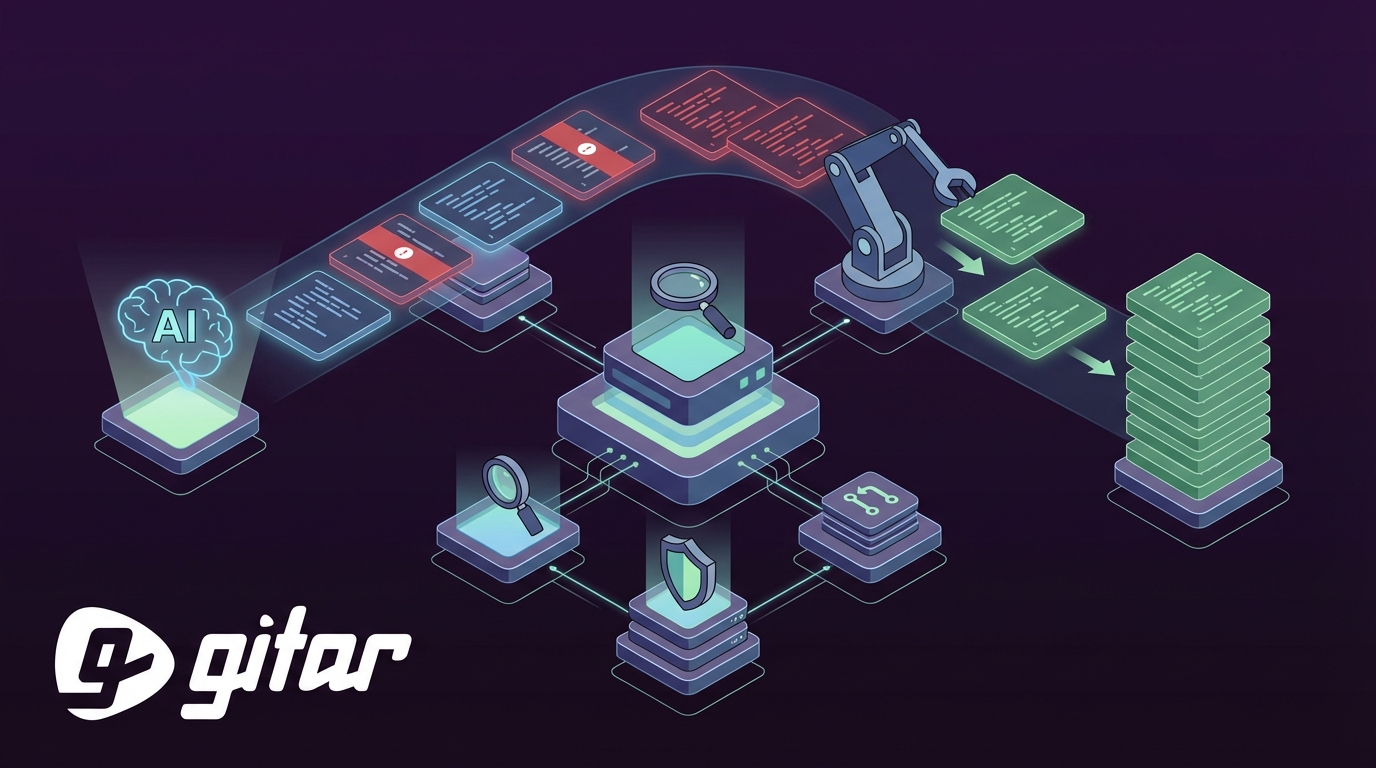
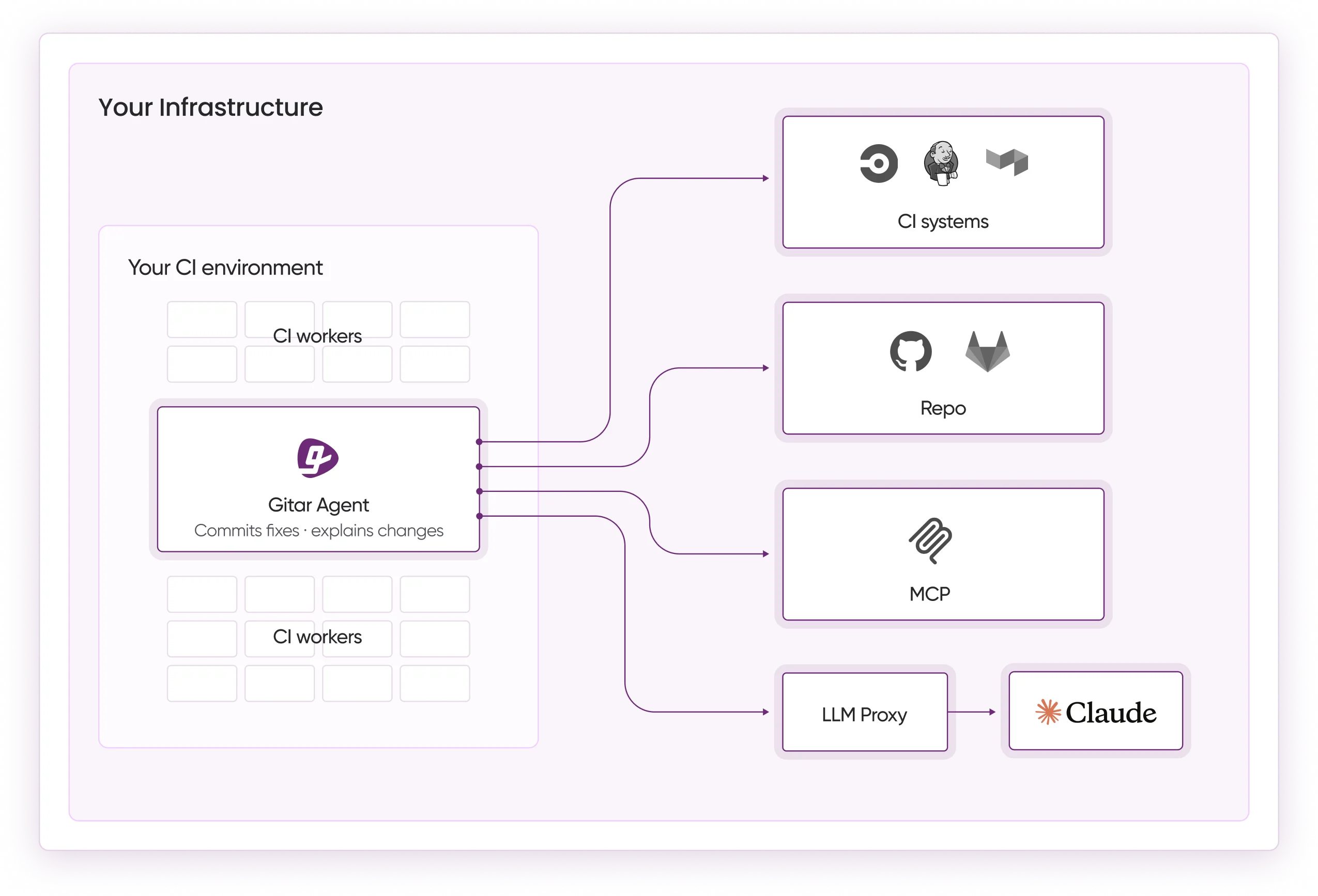
The platform’s healing engine automatically analyzes CI failures and generates validated fixes. It commits those fixes directly to pull requests and aims for consistently green builds. When lint errors, test failures, or build breaks occur, Gitar reads the failure logs, uses full codebase context to generate the correct change, validates the fix, and then commits it. This approach already works at enterprise scale, handling more than 50 million lines of code and thousands of daily pull requests at customers such as Pinterest.
Key features include a single dashboard comment that consolidates all findings and updates in one place, which reduces notification noise. Gitar supports GitHub, GitLab, CircleCI, and Buildkite, offers natural language workflow automation through repository rules, and integrates with Jira, Slack, and Linear for contextual awareness.
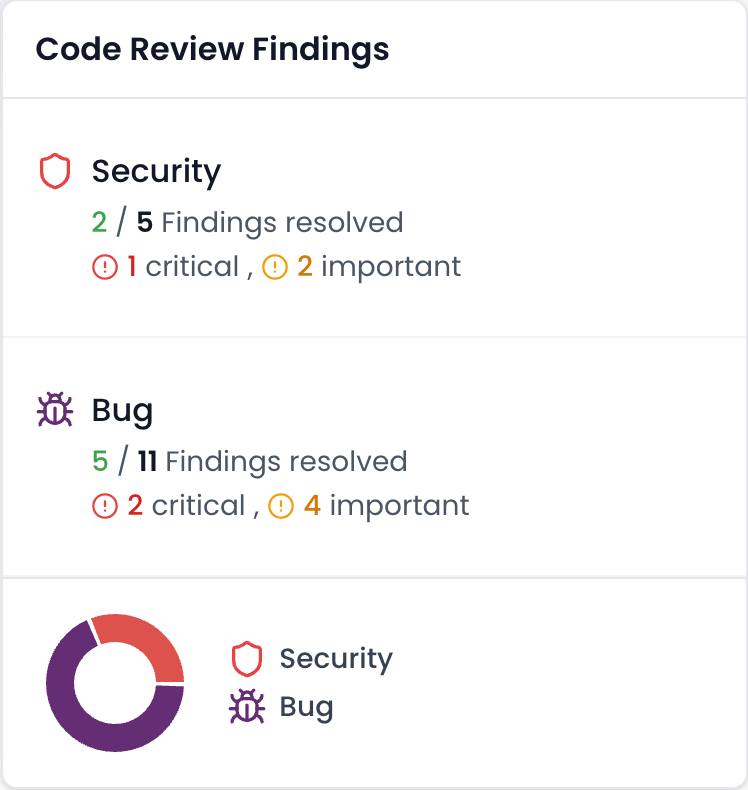
Pros: Free code review, real autofix capabilities (14-day free trial), proven enterprise scale, cross-platform support, single clean interface
Cons: Autofix features move to a paid plan after the 14-day trial, newer platform with a rapidly evolving feature set
Best for: Teams of any size that want free, comprehensive code review plus real fix automation
2. CodeRabbit – Popular Suggestion Engine
CodeRabbit is one of the most widely installed AI code review apps, with over 2 million repositories connected and more than 13 million pull requests processed. It focuses on contextual learning and provides detailed inline suggestions for security issues, logic flaws, and performance risks.
Pros: Broad platform support, large user base, contextual learning
Cons: $15-30 per seat each month, suggestion-only with no autofix, can create notification overload
Best for: Teams with budget for suggestion-based review tools
3. Greptile – Deep Context Analysis
Greptile focuses on deep bug detection using full codebase context and cross-file reasoning. It builds a strong understanding of repositories and surfaces subtle issues, but it still operates as a suggestion engine without autofix.
Pros: Strong bug detection, rich codebase context
Cons: $30 per seat monthly, no autofix, limited to GitHub and GitLab
Best for: Teams that value thorough bug detection more than automated fixing
7. GitHub Copilot Code Review – Native GitHub Option
GitHub Copilot Code Review reached 1 million users within a month of its April 2025 GA release. It integrates CodeQL and ESLint for security analysis and fits naturally into GitHub workflows. However, it focuses on file and diff level analysis and lacks full cross-repository context.
Pros: Native GitHub integration, strong security focus, rapid adoption
Cons: Limited context scope, requires a GitHub Copilot subscription
Best for: GitHub-centric teams already paying for Copilot
5. Qodo (formerly Codium) – Enterprise Policy and Tests
Qodo offers context-aware analysis using RAG technology and can generate automated tests. It supports multi-repo context and advanced rules enforcement that goes beyond basic suggestion tools.
Pros: Multi-repo context, automated test generation, strong enterprise capabilities
Cons: Premium pricing, more complex setup, suggestion-focused rather than fix-focused
Best for: Enterprise teams that need comprehensive policy enforcement
9. SonarQube – Established Static Analysis Platform
SonarQube delivers AI-assisted static analysis with quality gates, CI integration, and AI CodeFix for generating code fixes. The Community Edition covers core functionality, while paid tiers unlock more advanced AI features.
Pros: Mature ecosystem, strong CI integration, quality gates
Cons: Limited free tier, complex configuration for large setups
Best for: Teams that already rely on SonarQube infrastructure
10. Aikido Security – Security-First Code Review
Aikido Security ranks highly for its developer-first design and focuses on security vulnerabilities through static code analysis and related techniques.
Pros: Developer-friendly interface, deep security specialization
Cons: Security-focused scope, premium pricing
Best for: Security-conscious teams that need specialized vulnerability detection
8. BugBot – Cursor-Native Review
BugBot targets Cursor-native teams and provides medium-depth diff analysis that fits Cursor workflows closely.
Pros: Cursor-specific tuning, focused workflow integration
Cons: Limited platform support, niche use case, suggestion-only
Best for: Teams heavily invested in the Cursor ecosystem
12. Semgrep – Custom Rule-Based Analysis
Semgrep offers rule-based analysis for custom security and quality policies, with fast CI integration, open-source options, and AI features such as Semgrep Memories.
Pros: Deep rule customization, fast scanning, open-source availability
Cons: Requires rule authoring and tuning, no autofix
Best for: Teams that need highly customizable static analysis rules
10. Graphite – Stacked Pull Request Workflow
Graphite supports stacked pull requests so teams can break large AI-generated features into smaller, reviewable chunks. This structure improves review quality for complex changes.
Pros: Stacked PR workflow, better management of large changes
Cons: Workflow-focused instead of analysis-focused, learning curve for new users
Best for: Teams managing complex, multi-part AI-generated features
Best Free AI Code Review Tools for 2026
Free tiers for AI code review remain limited, and most platforms gate meaningful features behind paid plans. Gitar leads this space by providing comprehensive code review, full PR analysis, security scanning, bug detection, and performance review at no cost for unlimited repositories and users, with autofix on a 14-day free trial.
|
Tool |
Autofix/CI Heal |
Free Tier |
Platform Support |
|
Gitar |
Yes (14-day free trial) |
Full code review, unlimited repos/users |
GitHub/GitLab/CircleCI/Buildkite |
|
Semgrep |
No |
Basic rules |
CI integration |
|
SonarQube CE |
No |
Limited features |
CI integration |
Other tools often cap repository counts, user seats, or advanced features on their free tiers. Gitar’s model of offering full code review for free while charging only for advanced automation creates strong value for teams that want impact without immediate spend.
AI Code Review Tools Comparison Table
The following comparison highlights how leading AI code review platforms handle AI-generated code and where they differ on automation and pricing.
|
Tool |
AI Bug Detection |
Autofix/CI Heal |
Starting Price |
Platform Support |
|
Gitar |
High |
Yes (14-day free trial) |
Free |
GitHub/GitLab/CircleCI/Buildkite |
|
CodeRabbit |
Medium |
No |
$15-30/seat |
GitHub/GitLab/ADO |
|
Greptile |
High |
No |
$30/seat |
GitHub/GitLab |
|
Qodo |
High |
No |
Enterprise |
Multi-platform |
This comparison shows that several tools detect AI-generated code issues effectively, but only Gitar combines strong detection with automated fixing on a free trial. That combination matters when teams face hundreds of AI-generated issues each week.
Choosing the Right AI Code Review Tool for Your Team
The best automated code review tool depends on your team’s size, budget, and workflow. Individual developers and small teams benefit most from tools that reduce context switching and deliver value with minimal setup. Gitar’s zero-configuration onboarding and generous free tier help teams start quickly.
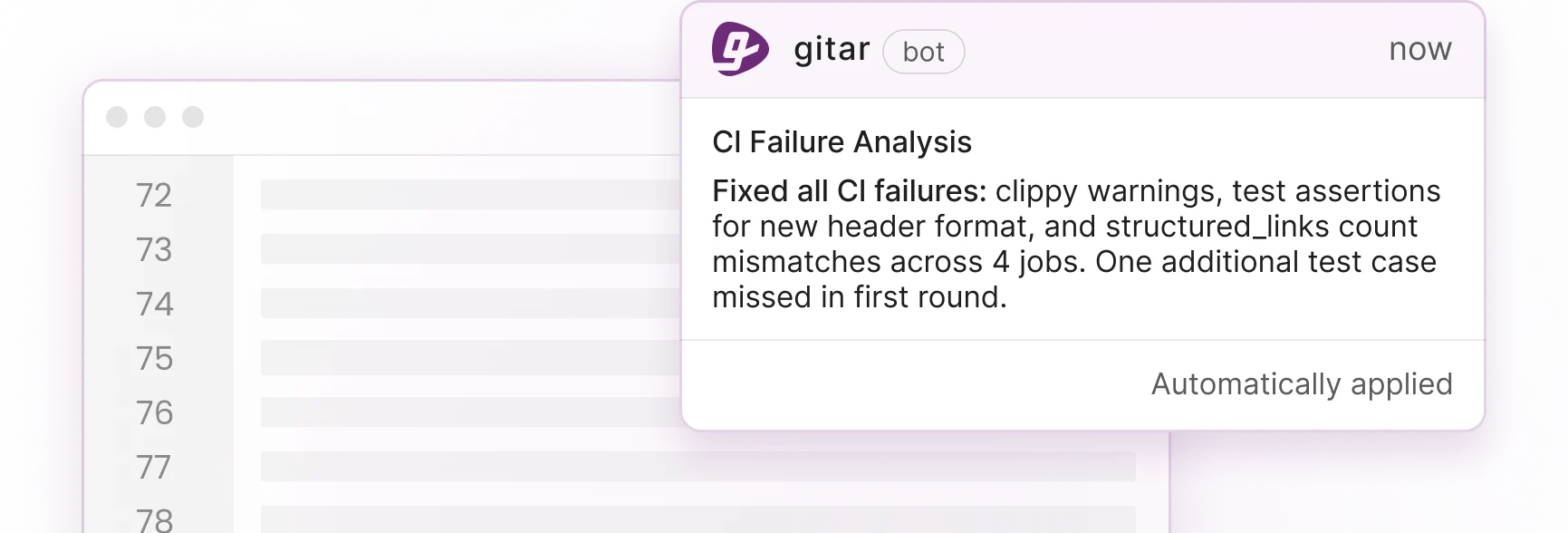
Engineering leaders should evaluate tools based on ROI and team velocity. Developers save about 3.6 hours per week on average with AI tools, yet that gain disappears if review becomes the new bottleneck. Tools that fix issues automatically, instead of only flagging them, create measurable productivity improvements.
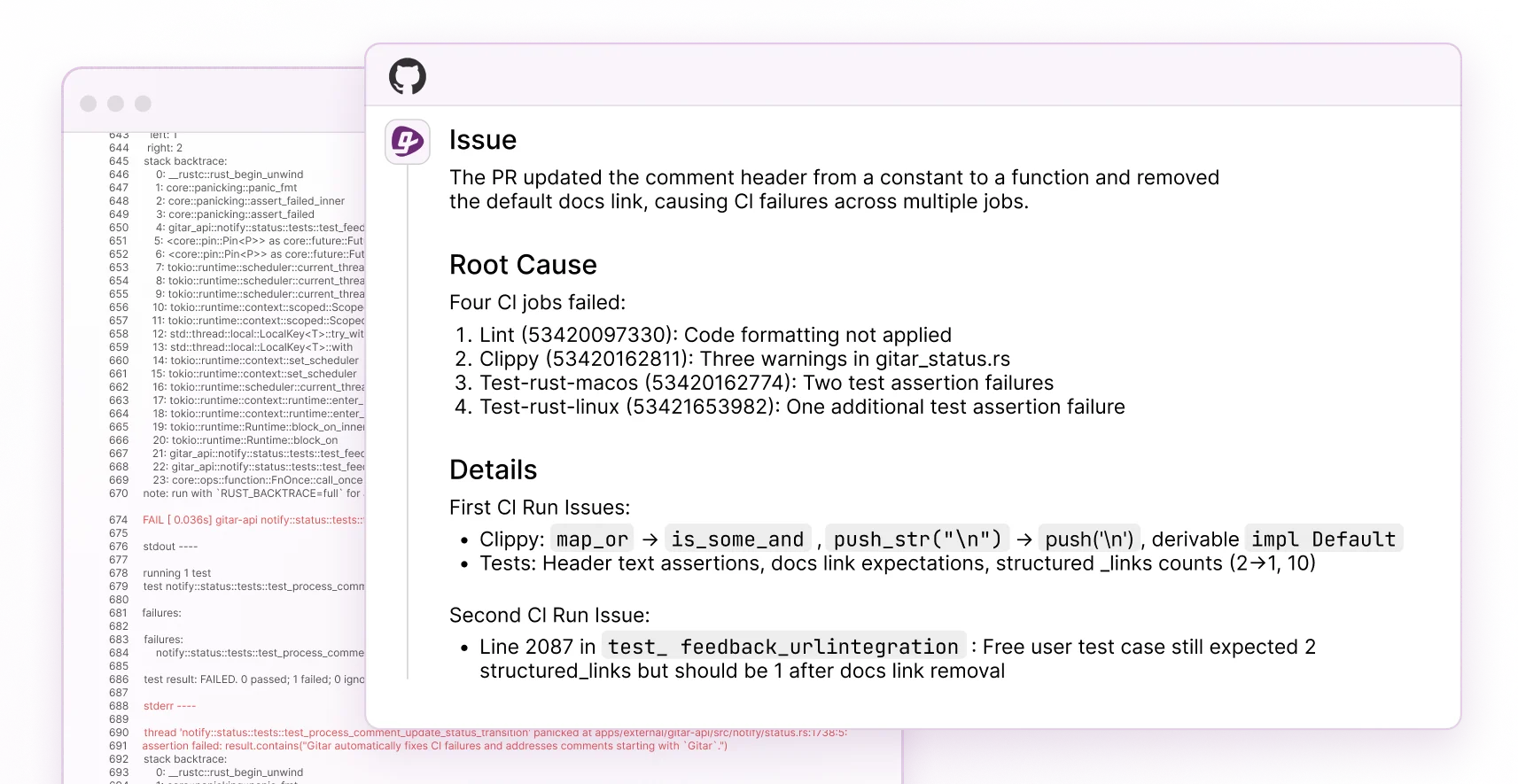
Platform and DevOps engineers need solutions that integrate cleanly with existing CI/CD pipelines and reduce infrastructure overhead. Self-healing CI features, such as those in Gitar, can cut build retry costs and reduce interruptions for developers. Favor tools that support your full technology stack instead of stitching together multiple point solutions.
Frequently Asked Questions
What is the best free AI code review tool for AI-generated code?
Gitar offers the most complete free AI code review feature set, with unlimited PR analysis, security scanning, and bug detection across unlimited repositories and users. Competing free tiers usually restrict features or scale, while Gitar includes full review capabilities plus a 14-day trial of autofix. The platform focuses on AI-generated code issues such as hallucinations and logic flaws and provides automated fixes instead of simple suggestions.
Do AI code review tools fix hallucinations and logic errors in AI-generated code?
Most AI code review tools only identify issues and suggest potential fixes, which still leaves manual work for developers. Gitar takes a different approach and provides autofix capabilities that analyze CI failures, generate validated solutions, and automatically commit working fixes. Its healing engine targets common AI code problems such as hallucinated library methods, off-by-one errors, and security vulnerabilities, and it validates fixes against your CI environment before they land.
How does Gitar compare to CodeRabbit for AI code review?
Gitar and CodeRabbit differ most on pricing and automation. CodeRabbit charges $15-30 per developer each month for suggestion-only reviews, while Gitar delivers comprehensive code review for free and includes real autofix capabilities. CodeRabbit often produces many inline comments that can flood notifications, whereas Gitar consolidates findings into a single, continuously updated dashboard comment. For teams handling heavy AI-generated code volume, Gitar’s automated fixing model usually delivers stronger ROI than CodeRabbit’s manual suggestion workflow.
What integrations does Gitar support and what ROI can teams expect?
Gitar integrates with GitHub, GitLab, CircleCI, Buildkite, Jira, and Slack, which gives it broad cross-platform coverage that many competitors lack. The financial impact can be significant. A 20-developer team often loses around $1M annually to CI and review friction, while Gitar’s automated fixes can reduce that loss to under $250K. Competing paid tools can add $450-900 per month in subscription costs, but Gitar’s free tier removes both the productivity drag and the direct tool expense.
How effective is Gitar at catching security vulnerabilities in AI-generated code?
Gitar has shown strong results at enterprise scale, including catching high-severity security vulnerabilities in Copilot-generated code that Copilot missed. Its security scanning features are part of the free tier, so teams get broad vulnerability coverage without paying security-tool premiums. Gitar combines security analysis with automated fixing so that vulnerabilities are not only detected but also resolved in the codebase.
Conclusion: Why Gitar Leads AI Code Review in 2026
AI-generated code now dominates many codebases, and teams need automated review tools that match this speed and complexity. Suggestion-only tools such as CodeRabbit and Greptile charge premium prices to flag issues but still rely on developers to perform every fix manually, which does not scale.
Gitar leads this category by offering comprehensive code review for free and pairing it with autofix capabilities that validate and implement solutions automatically. Its enterprise-proven scale, cross-platform coverage, and healing engine model show how AI code review can move from commentary to real problem solving.
As AI-generated code continues to grow, teams face a clear choice. They can pay for suggestions and keep manual fixing as the bottleneck, or they can use Gitar for free review plus validated fixes. For teams serious about AI-powered development workflows, Gitar provides a practical path to faster, safer shipping.