
Key Takeaways
- AI coding tools boost velocity 3-5x but cause 91% PR review time spikes and 33% larger PRs, overwhelming teams.
- Nine AI code review strategies remove bottlenecks like CI failures, review delays, and notification overload.
- Gitar offers free unlimited PR analysis, auto-summaries, and consolidated feedback, unlike paid suggestion-only tools.
- The auto-fix healing engine resolves build breaks and test failures, saving 85% resolution time and keeping builds green.
- Use Gitar’s free platform to restore development velocity and ship higher quality software faster.
The Hidden Cost of Post-AI Coding Bottlenecks
AI adoption among software development professionals surged to 90% in 2025, and developers report 15% or more velocity gains from AI tools. This acceleration creates downstream chaos as PRs become 33% larger, contain 75% more logic issues, and flood review queues with volumes human teams cannot process efficiently.
These hidden costs hit delivery timelines and budgets. CI failures delay 60% of deployments, developers lose 30% of their time to review friction, and notification spam from chatty AI tools destroys focus. For a 20-developer team, these bottlenecks translate to roughly $1 million annually in lost productivity from manual fixes, context switching, and slow review cycles that automation can handle.
Strategy Overview: How AI Code Review Removes Bottlenecks
|
Strategy |
Bottleneck Addressed |
Expected Impact |
Gitar Implementation |
|
1. Automate Routine Checks |
Syntax/lint bugs |
50% review time reduction |
Free PR analysis |
|
2. Instant Feedback Loops |
PR delays |
90% faster turnaround |
Single-comment updates |
|
3. Scale Review Capacity |
PR volume floods |
Unlimited repos free |
No seat limits |
|
4. AI-First-Pass Reviews |
Human overload |
30% less manual load |
Auto-summaries |
|
5. CI/CD Integration |
Build failures |
Green builds guaranteed |
Auto-fix with validation (14-day trial) |
|
6. Auto-Fix CI Failures |
Manual resolution toil |
85% time saved |
Healing engine trial |
|
7. Consolidate Feedback |
Notification spam |
Reduced cognitive load |
One dashboard comment |
|
8. Natural Language Rules |
Workflow rigidity |
No YAML required |
.gitar/rules/*.md |
|
9. Focus Humans on High-Impact |
Confirmation bias |
Strategic reviews only |
Pinterest-scale validation |
Free AI Code Review: Gitar Compared to Other Platforms
Most AI code review platforms charge premium prices for suggestion-only features that still require manual work. The comparison below shows how Gitar changes the value equation.
|
Capability |
CodeRabbit/Greptile |
Gitar |
|
Pricing |
$15-30/developer |
Free code review (auto-fix 14-day trial) |
|
PR Analysis |
Suggestions only |
Summaries and inline suggestions (free); auto-fixes (trial) |
|
CI Auto-Fix |
No |
Yes (14-day trial), validates green builds |
|
Comment Style |
Noisy inline spam |
Single consolidated update |
9 Practical Strategies to Remove Development Bottlenecks
1. Automate Routine Checks
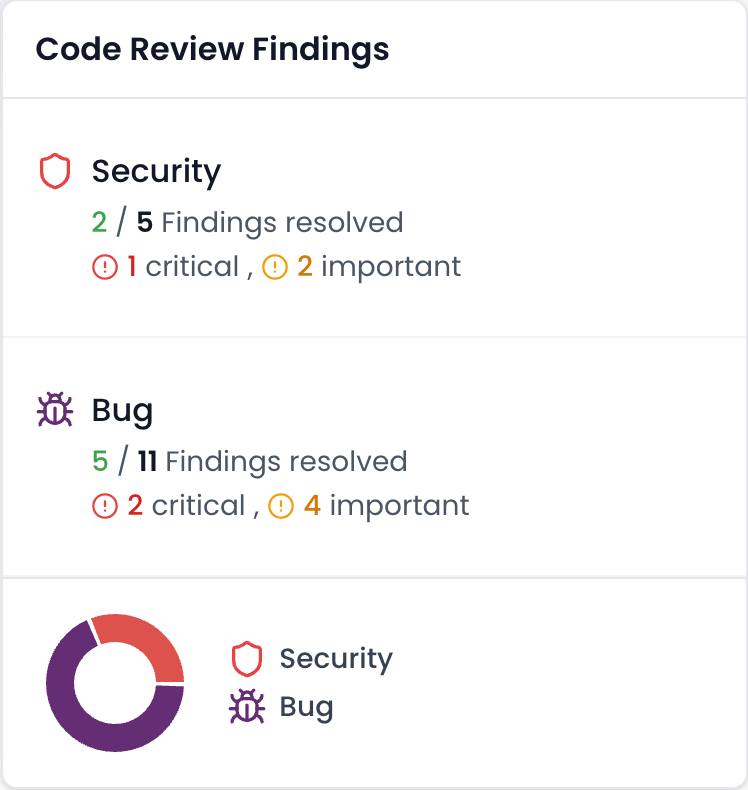
Start with an AI code review platform that automatically scans for syntax errors, security vulnerabilities, and code quality issues. Modern AI code review platforms integrate into CI/CD pipelines to provide automated, context-aware feedback directly in pull requests. Gitar’s free security scanning and bug detection remove about 50% of manual review time by catching issues before human reviewers see them.
2. Create Instant Feedback Loops
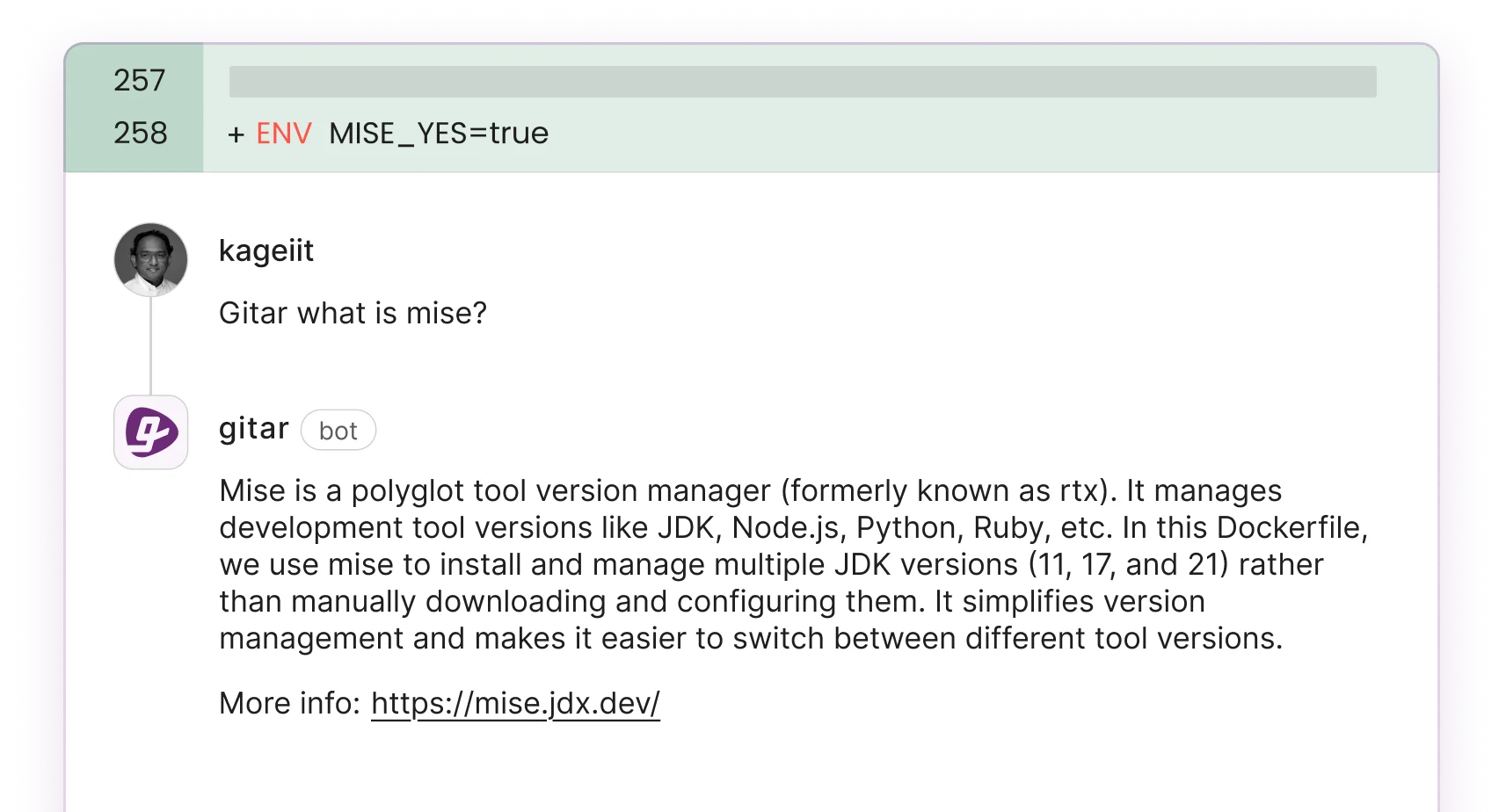
Enable real-time PR analysis so every commit receives immediate feedback. Teams report 90% faster review turnaround when AI handles first-pass analysis and surfaces only meaningful issues. Tigris engineering noted that Gitar’s PR summaries are “more concise than Greptile/Bugbot,” which shows how consolidated feedback speeds decisions without creating notification fatigue.
3. Expand Review Capacity Without Seats
Use unlimited AI review capacity to absorb PR volume spikes from AI-generated code. Gitar processes over 50 million lines of code for Pinterest and handles thousands of daily PRs without seat limits or usage caps. This capacity removes review queues that slow deployments and frustrate developers.
4. Run AI First-Pass Reviews on Every PR
Put AI pre-filtering in front of human review to catch AI-generated code issues early. Only 48% of developers always check AI-generated code before committing, which shifts verification to reviewers and CI. AI-first-pass reviews cut human reviewer load by about 30% and catch Copilot-generated bugs that slip through initial development.
5. Wire AI Code Review Into CI/CD Pipelines
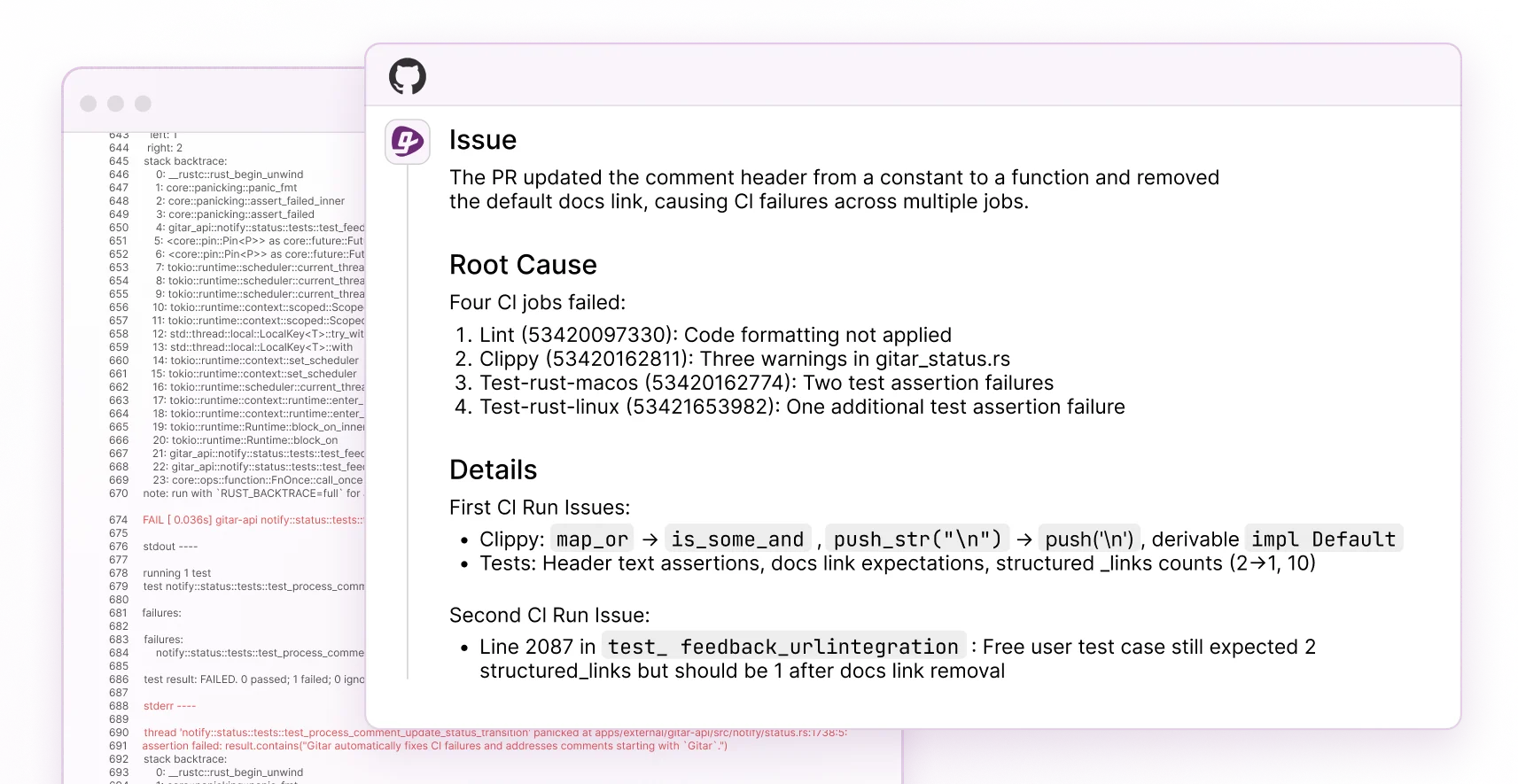
Connect AI code review directly to GitHub Actions, CircleCI, GitLab CI, and similar systems. AI code review tools provide automated feedback at every SDLC stage by analyzing build logs, test failures, and deployment issues. Gitar’s CI integration inspects failure logs and generates fixes that it validates before proposing them.
6. Auto-Fix CI Failures With Healing Engines
Adopt healing engines that automatically resolve build breaks, lint errors, and test failures. Self-healing CI reduces pain by having AI analyze error logs, propose fixes, and open PRs when CI fails. This strategy often delivers the strongest ROI.
|
Metric |
Before Auto-Fix |
After Auto-Fix |
|
Daily CI Resolution Time |
1 hour per developer |
15 minutes per developer |
|
Annual Team Cost |
$1M (20 developers) |
$250K (20 developers) |
|
Context Switching Events |
Multiple per day |
Near zero |
7. Consolidate Feedback Into a Single Stream
Replace scattered inline comments with a single dashboard-style update that aggregates all findings. Traditional AI review tools often flood developers with dozens of notifications per PR. Gitar uses one updating comment that collapses resolved items and keeps a clean signal-to-noise ratio, which reduces cognitive load and notification fatigue.
8. Use Natural Language Rules Instead of YAML
Shift workflow automation to natural language rules instead of complex YAML files. You can define repository rules such as “When PRs modify authentication code, assign security team and add security-review label” without deep DevOps knowledge. This approach opens CI workflow creation to more engineers and shortens onboarding time.
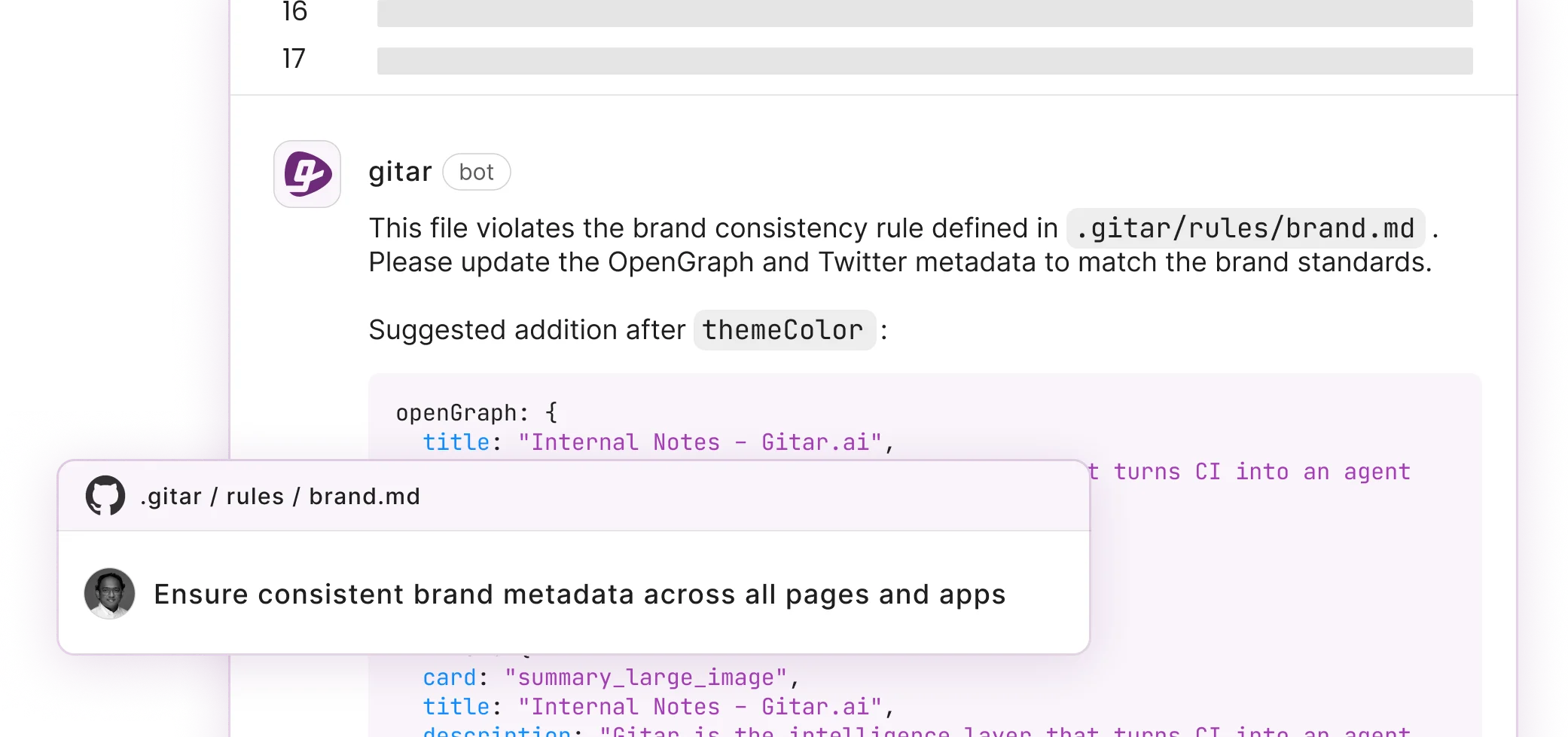
9. Keep Human Reviewers Focused on High-Impact Work
Reserve human reviewers for architecture, complex logic, and product risk while AI handles routine validation. Collate’s engineering team highlighted Gitar’s “unrelated PR failure detection” feature, which separates infrastructure flakiness from real code bugs. Traditional reviewers rarely have this CI context, so this separation increases the impact of each human review.
Four Phases to Implement AI Code Review Faster
Phase 1: Installation (30 seconds) Install the GitHub App or GitLab integration without account setup or credit card requirements. AI code review starts immediately on new PRs.
Phase 2: Trust Building (1-2 weeks) Run in suggestion mode and approve each fix manually. Watch the AI handle lint errors, test failures, and build breaks so your team gains confidence in automated changes.
Phase 3: Automation (ongoing) Enable auto-commit for trusted fix types such as formatting and simple bugs. Add natural language repository rules for workflow automation and connect Jira and Slack integrations.
Phase 4: Analytics and Enterprise (advanced) Turn on analytics dashboards for CI pattern recognition, roll out custom workflows at scale, and evaluate enterprise deployment for maximum security and context access.
Install Gitar now, automatically fix broken builds, and start shipping higher quality software faster so your team can begin removing development bottlenecks today.
Frequently Asked Questions
How is Gitar’s AI code review completely free?
Code review now functions as commoditized infrastructure that should be available to every development team. Gitar focuses its business model on the platform beyond basic review, including enterprise features, advanced analytics, and large-scale workflow automation. The free tier covers unlimited repositories, users, and full PR analysis because basic bottleneck removal should not require budget approval. Auto-fix features include a 14-day free trial so teams can see value before any purchase.
Can we trust automated commits from AI code review platforms?
Gitar offers configurable automation levels so teams can build trust step by step. Start in suggestion mode and approve every fix manually, then enable auto-commit for narrow failure types such as linting or formatting errors. The platform validates all fixes against your actual CI environment before committing, so changes work with your dependencies, configurations, and test suites. You keep full control over how aggressive automation becomes.
Will AI code review work with our complex CI/CD setup?
Complex CI environments benefit most from AI code review platforms. Gitar emulates your full environment, including specific SDK versions, multi-dependency builds, and third-party security scans. The platform supports GitHub Actions, GitLab CI, CircleCI, Buildkite, and other major CI systems. Enterprise deployments run the AI agent inside your CI infrastructure with access to private secrets and caches so fixes succeed in production environments, not only in isolated tests.
What ROI can we expect from AI code review automation?
Teams often see 50-90% reductions in CI resolution time and review cycles. For a 20-developer team that spends one hour daily on CI and review issues, automation can save about $375,000 annually in productivity costs, even at 50% effectiveness, while removing subscription costs from suggestion-only tools. Teams also gain fewer context switches, faster deployments, and higher developer satisfaction from eliminating repetitive manual fixes.
How does free AI code review compare to paid platforms like CodeRabbit?
Paid platforms typically charge $15-30 per developer each month for suggestion-only features that still require manual implementation and validation. Gitar delivers the same analysis capabilities for free and adds auto-fixing that resolves issues automatically. The platform already supports enterprise scale, including more than 50 million lines of code, while keeping core functionality at zero cost. The value difference becomes obvious when teams stop paying for tools that still leave them doing the manual work.
Conclusion: Restore Sprint Velocity With AI Code Review
AI coding tools solved code generation but created review and CI bottlenecks that traditional platforms cannot handle well. These nine bottleneck removal strategies, powered by AI code review, restore the velocity gains that AI coding promised.
Gitar’s free platform with auto-fix features represents a step beyond suggestion-only tools. By resolving CI failures automatically, applying review feedback, and consolidating notifications into a single clear interface, teams remove the manual toil that erodes productivity gains from AI-generated code.
Implementation stays fast and low risk. Install Gitar now, automatically fix broken builds, and start shipping higher quality software faster. No credit card, no seat limits, and no trial expiration for core features, so your team can turn development bottlenecks into an advantage today.