
Key Takeaways
- AI coding tools boosted developer productivity by 34.1% in 2025, but PR review times increased 91% and CI delays rose 60%, creating a post-AI bottleneck.
- Traditional AI agents lack reliability, auditability, and CI validation, so they deliver suggestions instead of guaranteed fixes.
- Gitar stands out as the #1 tool with free AI code review, auto-fix healing that validates against CI, and support for 50M+ LOC across GitHub, GitLab, and more.
- Alternatives like CodeRabbit ($15-30/seat), Terraform, and Jenkins excel in specific areas but lack Gitar’s automated CI healing and free pricing.
- Teams using Gitar report $1M annual savings for 20 developers; install Gitar today to automate fixes and ship higher quality software faster.
How We Ranked DevOps Automation and AI Code Review Tools
Our evaluation prioritizes fix automation over suggestions, CI integration depth, pricing accessibility, and scalability for enterprise codebases. We analyzed tools based on their ability to handle 50M+ lines of code, cross-platform compatibility, and 2026 performance benchmarks from GitHub’s Octoverse report and GitClear’s productivity analysis. Free tiers received priority because basic code review functionality has become a commodity.
#1 Overall Choice: Gitar for Free AI Code Review and Auto-Fix Healing
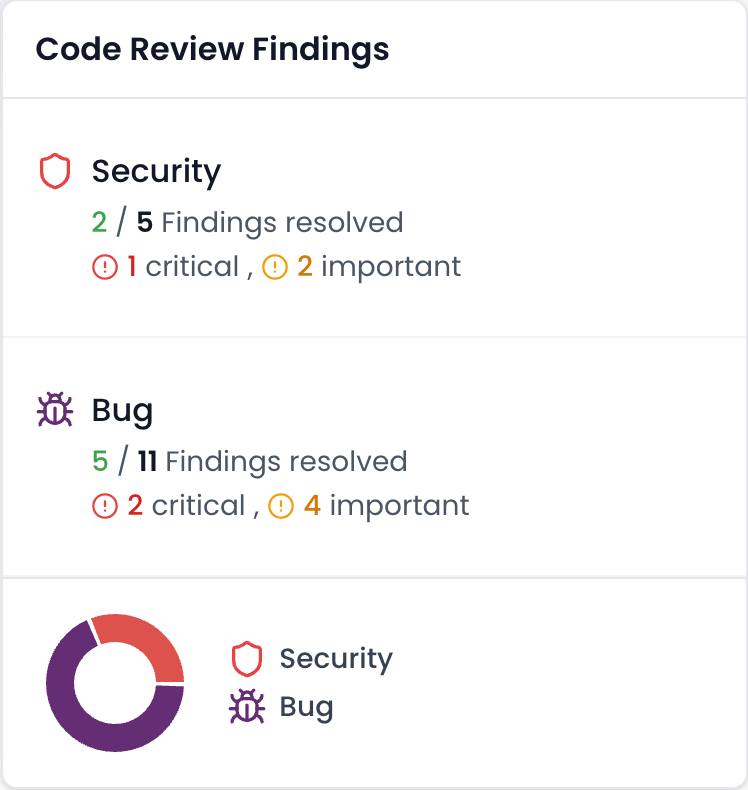
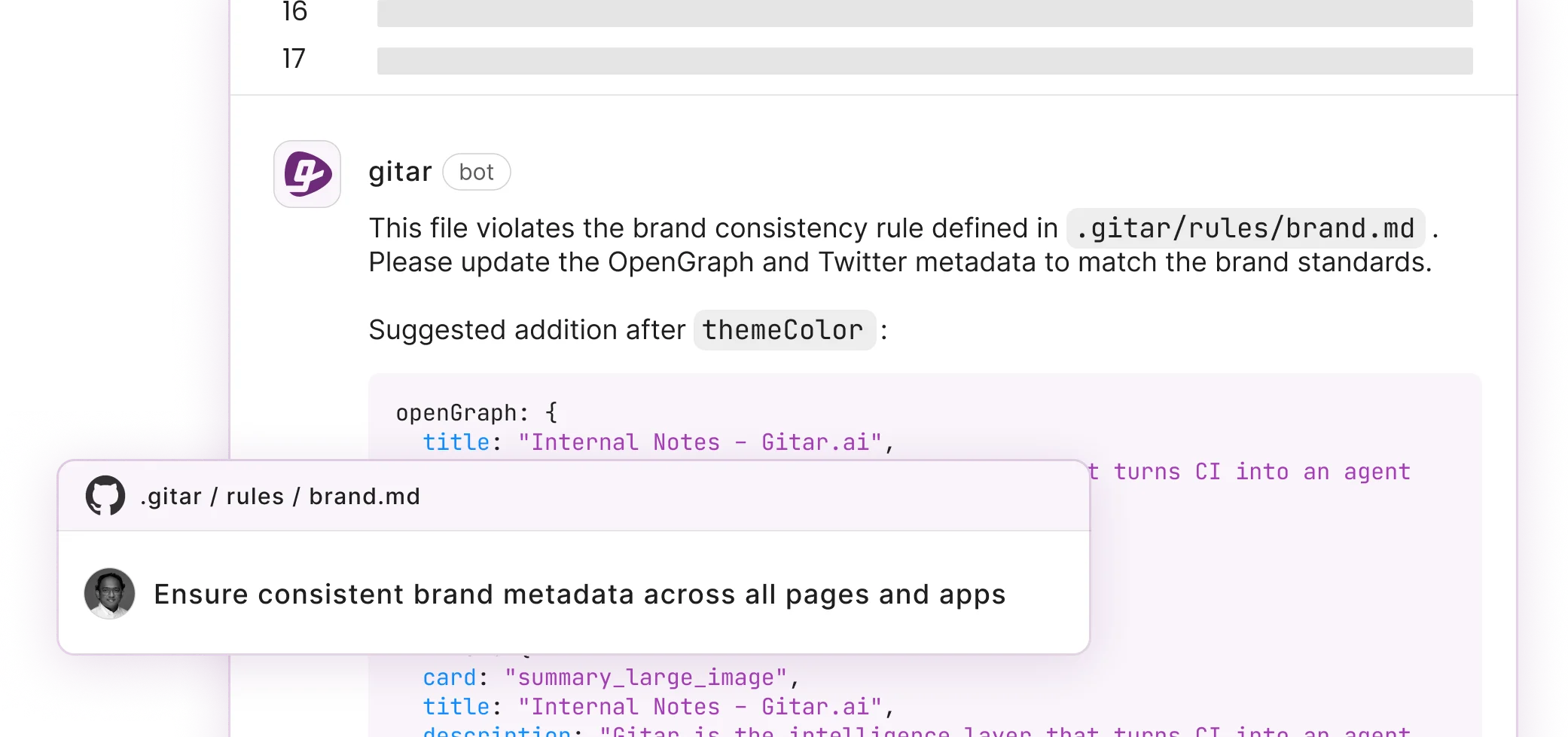
Gitar’s healing engine analyzes CI logs, generates validated fixes, and commits working solutions automatically. When CI fails due to lint errors, test failures, or build breaks, Gitar identifies the root cause, generates code fixes with full codebase context, validates that the fixes work, and commits them to your PR. The @gitar command implements reviewer feedback directly, while natural language rules in .gitar/rules/*.md automate workflows without YAML complexity.
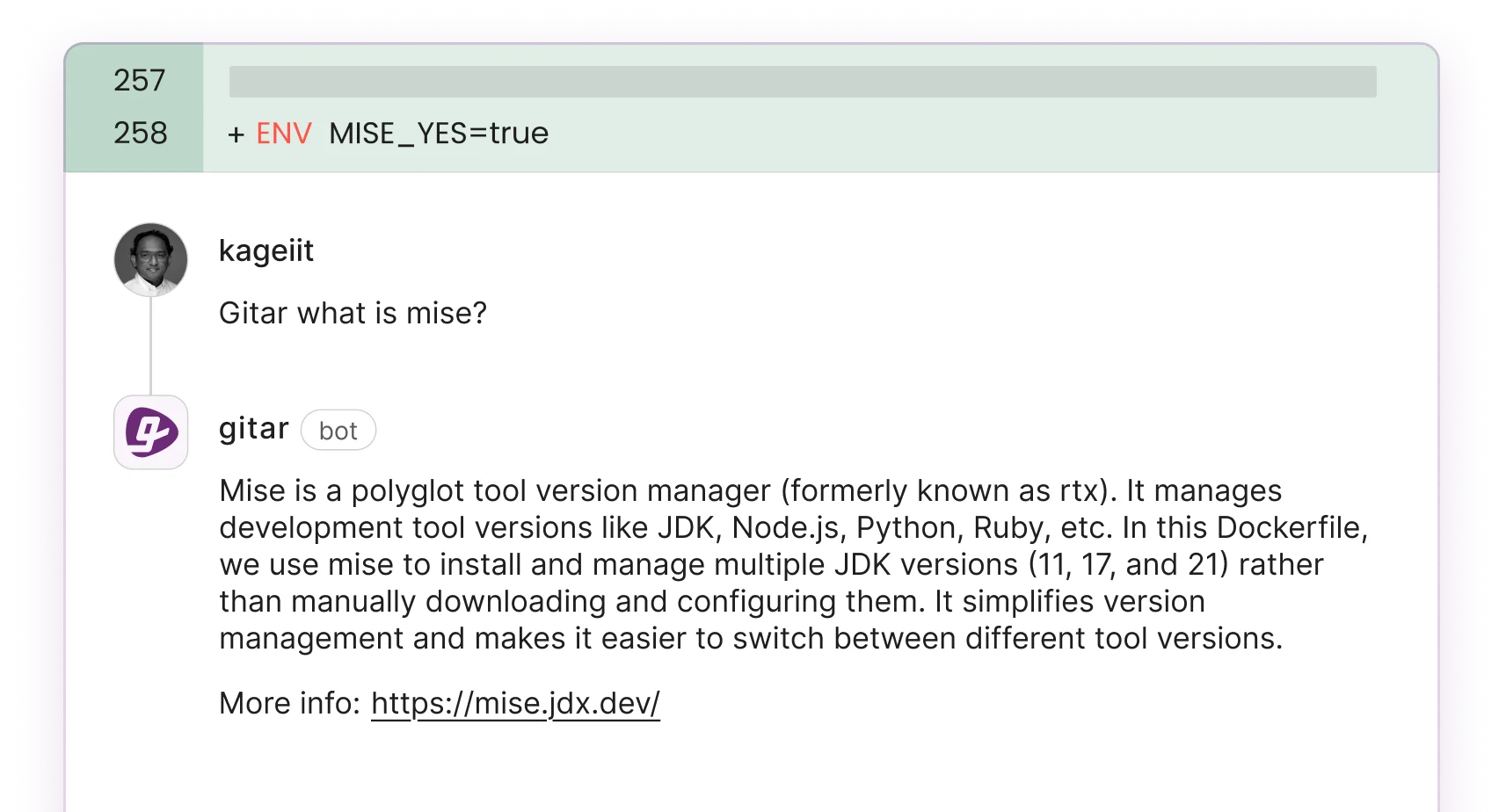
Repository rules such as “Security Review: PRs modifying auth → assign team” trigger automatically. Native Jira and Slack integrations keep context in sync across tools. The platform supports Pinterest-scale deployments with 50M+ lines of code across unlimited repositories. A 14-day autofix trial unlocks full healing capabilities, while core code review remains permanently free.
|
Feature |
Pros |
Cons |
|
Auto-Fix |
Validates against CI and delivers guaranteed green builds (14-day free trial) |
Requires trial for full auto-commit |
|
Pricing |
$0 for unlimited repositories and users for code review |
Autofix limited to 14-day trial |
|
Scale |
50M+ LOC with cross-platform support |
N/A |
|
Integration |
GitHub, GitLab, CircleCI, Buildkite |
N/A |
Setup involves installing the GitHub App and enabling rules. ROI calculations show $1M annual savings for 20-developer teams through reduced CI friction and faster merge cycles. Successful builds increased 84% among Copilot users, which highlights the potential of automated CI healing.
Infrastructure as Code Leaders: Terraform and Ansible
Terraform excels at Day 0 infrastructure provisioning and now includes 2026 enhancements for configuration drift detection. Terraform detects drift using persistent state files that compare running infrastructure against the desired state. The terraform apply command provisions servers, networks, and cloud resources using a declarative model.
Ansible focuses on Day 1 configuration and Day 2 operations through idempotent tasks. Ansible mitigates configuration drift through continuous enforcement of desired configurations. Red Hat’s certified collection integrates with HCP Terraform, which creates a comprehensive automation workflow across provisioning and configuration.
Both tools rely on manual YAML configuration and do not provide auto-fix capabilities for CI failures. They handle infrastructure management effectively but cannot address code-level issues or implement reviewer feedback automatically.
CI/CD Workhorses: Jenkins, ArgoCD, and CircleCI
Jenkins offers flexible custom pipelines through Groovy scripts and a large plugin ecosystem. Pipeline-as-code keeps build configurations in version control, and distributed builds scale work across multiple agents.
ArgoCD delivers declarative GitOps for Kubernetes and remains actively maintained through 2026. Git repositories act as the source of truth for application deployments, with automatic synchronization and rollback features that protect production environments.
CircleCI orbs provide reusable configuration components for common workflows. Docker-native execution and parallel job processing shorten build times across many environments.
These tools excel at orchestration but do not include AI context for intelligent failure resolution. YAML-heavy configurations demand DevOps expertise, which creates friction for development teams that want automated workflow improvements.
Monitoring and GitOps Stack: Prometheus and Spacelift
Prometheus delivers time-series monitoring with alerting through Alertmanager. PromQL queries support complex metric analysis, and Grafana dashboards present infrastructure health in a clear visual format.
Spacelift enhances infrastructure workflows with CI/CD capabilities and multi-IaC support, combining Terraform, Kubernetes, Ansible, and CloudFormation. Policy enforcement through Open Policy Agent maintains compliance across deployments.
These tools provide strong observability but do not automatically resolve detected issues or apply fixes based on monitoring alerts.
Hybrid AI Review Options: CodeRabbit and Greptile
CodeRabbit and Greptile are popular AI code review tools with benchmarks that show varied performance across correctness and actionability. Pricing ranges from $12 to $30 per user monthly and focuses on PR diffs with GitHub integration.
Greptile charges $30 per developer monthly for full repository graph analysis. Greptile catches up to 3x more bugs than manual reviews through context-aware feedback and self-hosting options.
Both tools focus on suggestions and do not provide CI healing. They cannot validate that fixes work or guarantee green builds, so developers still handle manual implementation despite premium pricing.
Gitar vs. Leading Alternatives: Direct Comparison
|
Tool |
Auto-Fix/CI Heal |
Pricing |
CI Validation |
Scale |
|
Gitar |
Yes |
$0 |
Yes |
50M+ LOC |
|
CodeRabbit |
No |
$15-30/seat |
No |
Standard |
|
Greptile |
No |
$30/seat |
No |
High |
|
Terraform |
Manual |
Free |
Partial |
High |
|
Jenkins |
Manual |
Free |
No |
High |
This comparison highlights Gitar as the only tool that combines free access with automated CI healing. Traditional tools require manual intervention, and AI review tools only suggest fixes, while Gitar validates and commits working solutions.
FAQ: Choosing AI Agents and DevOps Automation in 2026
Best Free AI Code Review Alternative
Gitar provides comprehensive free AI code review that identifies and fixes code issues. CodeRabbit and Greptile charge $15-30 per developer for suggestions, while Gitar’s healing engine, available with a 14-day free trial for auto-apply, validates fixes against CI and commits working solutions. The platform supports unlimited repositories, unlimited users, and cross-platform integrations with GitHub, GitLab, CircleCI, and Buildkite.
Automating DevOps Workflows Without Unreliable AI Agents
Teams can combine Gitar’s natural language rules with proven IaC tools such as Terraform and Ansible. Gitar manages code-level automation through .gitar/rules/*.md files that trigger on PR events and avoid YAML complexity. Terraform handles provisioning, and Ansible manages configuration, which creates a hybrid approach that delivers reliability with intelligent automation where it matters most.
Difference Between AI Code Review and Traditional DevOps Tools
Traditional tools such as Jenkins and ArgoCD focus on orchestration and lack context for intelligent failure resolution. AI review tools such as CodeRabbit provide suggestions but cannot validate that fixes work. Gitar combines AI understanding of code context with automated validation and fixing, which produces guaranteed green builds instead of guesswork.
Expected ROI From CI Automation
Teams that adopt automated CI healing report strong productivity gains. Successful builds increased 84% among developers using AI coding tools, and PR throughput improved 10-20% on repetitive tasks. For a 20-developer team, automated CI fixing can save about $1M annually through reduced context switching and faster merge cycles, and the ROI grows as teams and CI complexity scale.
Gitar Integration With Existing CI Systems
Gitar integrates natively with GitHub Actions, GitLab CI, CircleCI, and Buildkite through webhook-based event handling. The platform analyzes CI logs in real time, generates fixes with full codebase context, and validates solutions against your environment. Enterprise deployments can run the agent inside your CI pipeline for maximum security and deeper context access.
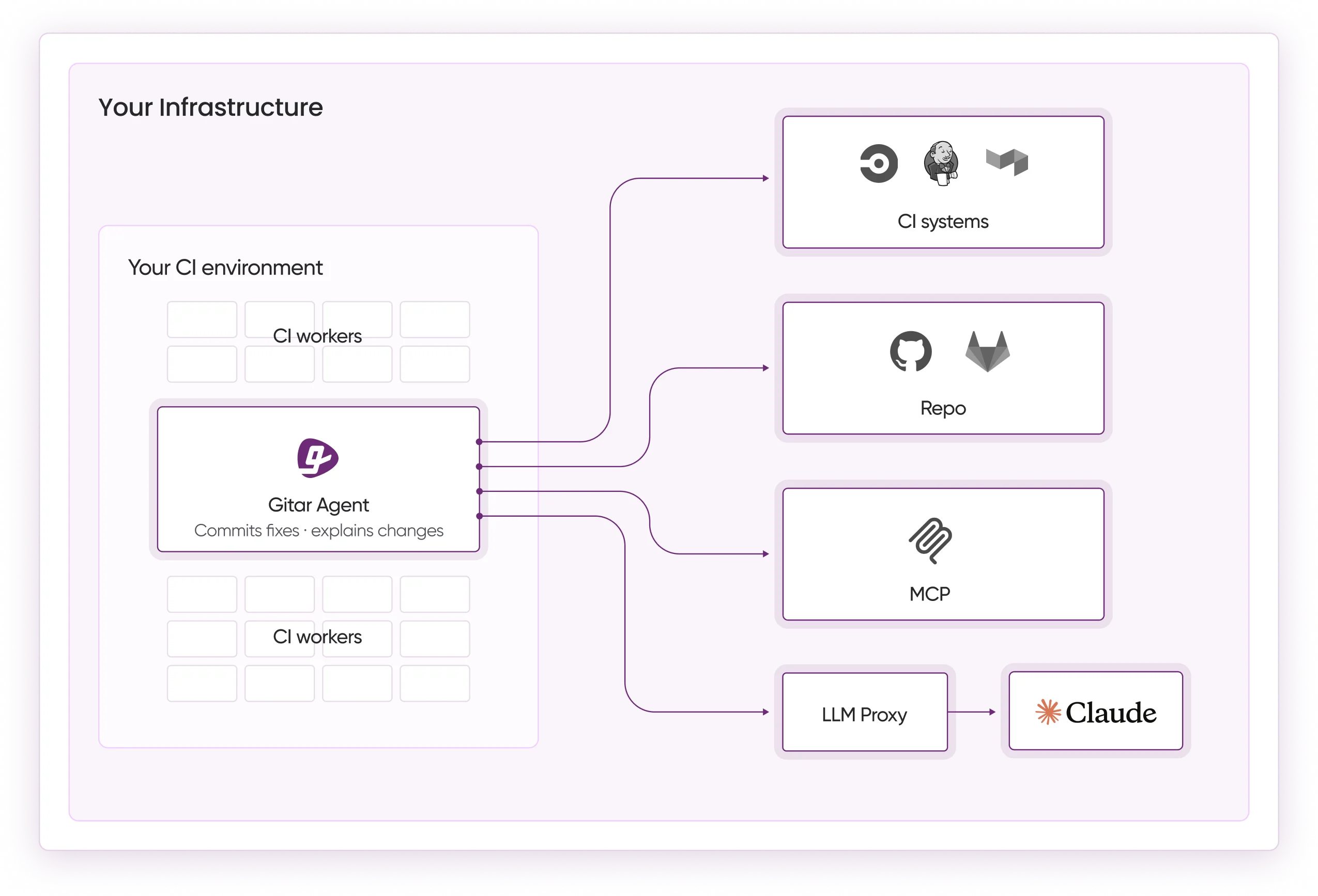
Trusting Automated Commits in Your Codebase
Gitar supports configurable trust levels that start with suggestion mode, where you approve every fix. As confidence grows, you can enable auto-commit for specific failure types such as lint errors or test fixes, using the 14-day free trial for autofix features. The platform validates all fixes against CI before committing, so only working solutions reach your codebase, and enterprise plans add approval workflows and audit trails.
Handling Complex CI Environments With Gitar
Gitar emulates your full CI environment, including SDK versions, multi-dependency builds, and third-party security scans. The platform pulls context from Jira and Linear tickets, maintains memory across PRs, and learns your team’s patterns over time. Enterprise deployments run inside your CI with access to secrets and caches, which ensures that fixes behave correctly in production environments.
Conclusion: Gitar as the Clear Choice for CI Healing and Workflow Gains
The shift from code generation to code validation favors tools that deliver real fixes instead of suggestions. Traditional DevOps platforms handle infrastructure, and AI review tools provide commentary, but only Gitar combines free access with automated CI healing that consistently produces green builds.
Implementation follows a simple path. Install Gitar for free code review, build trust in suggestion mode, enable automation for validated fix types, and then expand to broader workflow improvements. This approach restores velocity lost to the post-AI bottleneck while preserving the reliability that engineering teams require.
The decision is straightforward. You can pay $15-30 per developer for suggestions that still demand manual work, or you can use Gitar’s free platform that actually fixes your code. The ROI favors Gitar because it costs nothing and delivers greater value.