
Key Takeaways
- Deep work for developers depends on uninterrupted blocks of 40–60 minutes or more, which reduce context switching and support complex problem solving.
- Structured scheduling methods such as time blocking, Pomodoro sprints, and rhythmic routines help reserve peak-focus hours for the hardest coding work.
- Clear communication, distraction-free environments, and personalized “vibe coding” rituals make it easier to enter and maintain flow state.
- Automating CI fixes and routine code review changes limits disruptive interruptions, especially for distributed teams working across time zones.
- Gitar autonomously fixes CI failures and implements review feedback so developers can protect deep work sessions and keep shipping, start using Gitar to reduce interruptions.
The Silent Productivity Killer: How Interruptions Shatter Developer Flow State
Developers pay a high cost when interruptions break their mental model of the code. A single Slack ping about a failing build can turn a simple fix into a long context switch that stalls progress.
Uninterrupted focus periods give developers the immersion needed to improve productivity and code quality, yet CI failures, code review comments, and administrative requests often arrive at random times and fragment attention.
Distributed teams feel this even more. A pull request opened in one time zone can bounce between reviewers for days, with each new comment forcing the original author to reload old context instead of staying with current work.
Notification filters and meeting-free days help, but they do not remove the root problem, which is the unpredictable timing of technical interruptions that land inside planned deep work blocks.
Deep Work Fundamentals for Software Engineers: Achieving the Flow State
Deep work in software engineering is sustained, distraction-free focus on complex coding, debugging, or design tasks. This state lets developers hold large mental models of systems, edge cases, and constraints in working memory.
Effective deep work for engineers depends on environments that minimize distractions and reserve uninterrupted time for complex tasks. Developers pay a high cognitive cost when shifting in and out of this state, so protecting focus blocks matters as much as the blocks themselves.
Strategic Deep Work Scheduling Methodologies for Developers
Time Blocking: Structuring Your Day Around Cognitive Load
Time blocking helps developers align work with mental energy. The most demanding work, such as architecture and hard feature development, fits best into longer blocks during peak-focus hours.
Time blocking with task categorization, for example using the Eisenhower Matrix, prioritizes important long-term work over urgent but less critical tasks. Many teams use 2–4 hour blocks for deep feature work, 60–90 minutes for debugging and reviews, and short windows for email and admin tasks.
Batching meetings and email into defined slots protects afternoon or morning blocks for focused coding. Clear expectations with teammates about “focus hours” versus “collaboration hours” keep these blocks intact.
The Pomodoro Technique: Training Focus in Short Sprints
Developers who struggle with constant distraction can use Pomodoro-style intervals to build focus capacity. Timeboxing work into 25-minute focus bursts with short breaks helps maintain momentum without burnout.
Pairing Pomodoro intervals with Agile-style “sprints” around specific micro-goals creates structured, goal-driven focus. Each interval might target one function, one test suite, or one refactor, with breaks used to check direction instead of drifting into new tasks.
The Rhythmic Philosophy: Making Deep Work a Daily Habit
Rhythmic deep work routines suit developers who value predictability, by repeating multi-hour coding blocks at the same time each day. This pattern trains the brain to expect focus work at specific hours.
Many engineers protect a morning block for new feature work, then reserve afternoons for reviews, standups, and shallow tasks. Consistent timing for deep work sessions builds a reliable concentration routine and often aligns with quieter periods inside the organization.
Optimizing Your Environment: Tools and Techniques for Sustained Developer Focus
Creating a Distraction-Resistant Coding Setup
Focused work depends on identifying and removing specific distractions. Listing concrete distraction sources, such as email alerts or office drive-bys, is a practical first step to designing a deep work plan.
Many teams mute non-urgent Slack channels during focus blocks, use separate browser profiles for development and general browsing, and move phones out of reach. Noise control, ergonomic setups, and clear desks reduce physical friction that can tempt context switches.
Using Communication Norms to Protect Focus Time
Deep work becomes sustainable when teams respect visible boundaries. Shared calendars that show deep work slots and clear “do not disturb” signals help colleagues avoid low-priority interruptions.
Explicit communication about focus schedules also sets expectations about when developers can respond and how to raise urgent issues. Managers who model and defend these norms make it easier for teams to use them.
Personalizing “Vibe Coding” Conditions
Each developer has a unique set of cues that support flow. Some prefer background music and dim lighting, others do their best work in silence with minimal visual clutter.
Successful “vibe coding” often includes repeatable rituals, such as reviewing yesterday’s diff, writing a short plan, or starting with a simple bug fix to warm up. Over time, these cues act as a switch into focus mode.
Use Gitar to keep these customized focus sessions free from CI-related disruptions.
Introducing Gitar: An Autonomous Partner for Developer Deep Work
Scheduling deep work solves only part of the problem. Developers still lose focus when CI pipelines fail or new review comments arrive in the middle of a feature block. Gitar addresses this by acting as an autonomous agent that fixes many of these issues without requiring manual intervention.
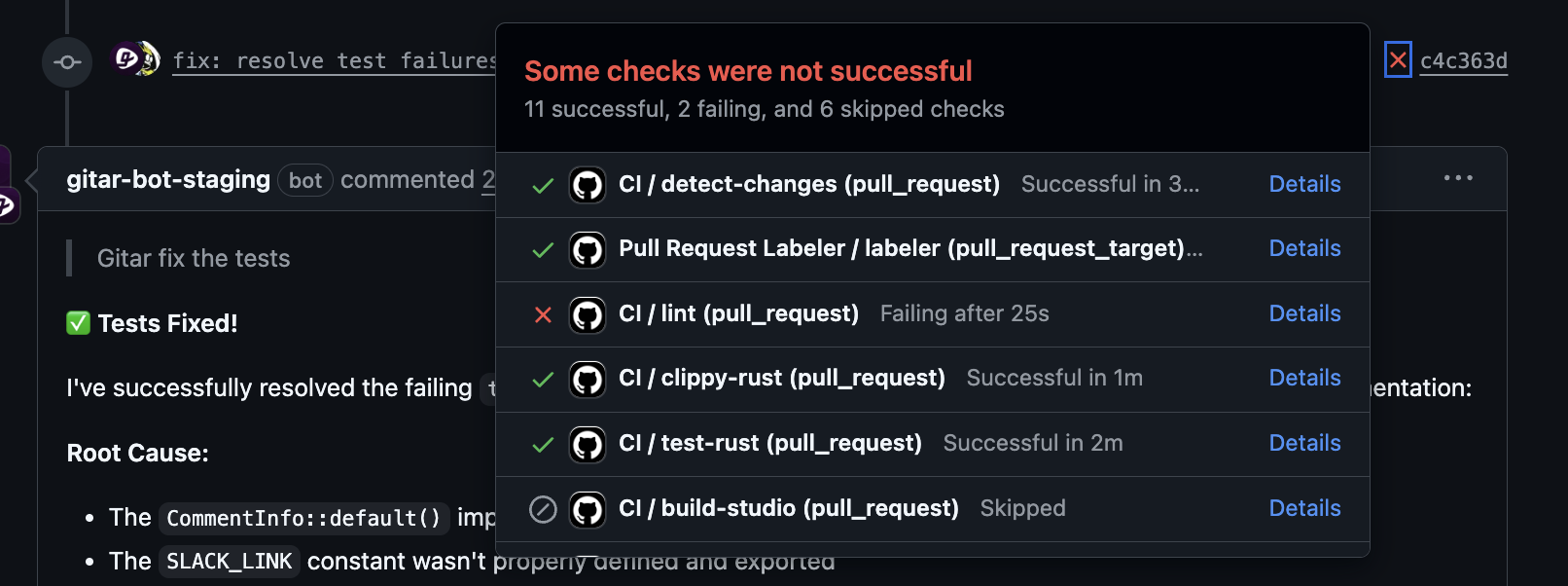
When a pipeline fails due to lint errors, test failures, or build problems, Gitar analyzes the logs, produces a fix, and updates the pull or merge request. Many issues resolve before developers need to shift attention away from their current task.
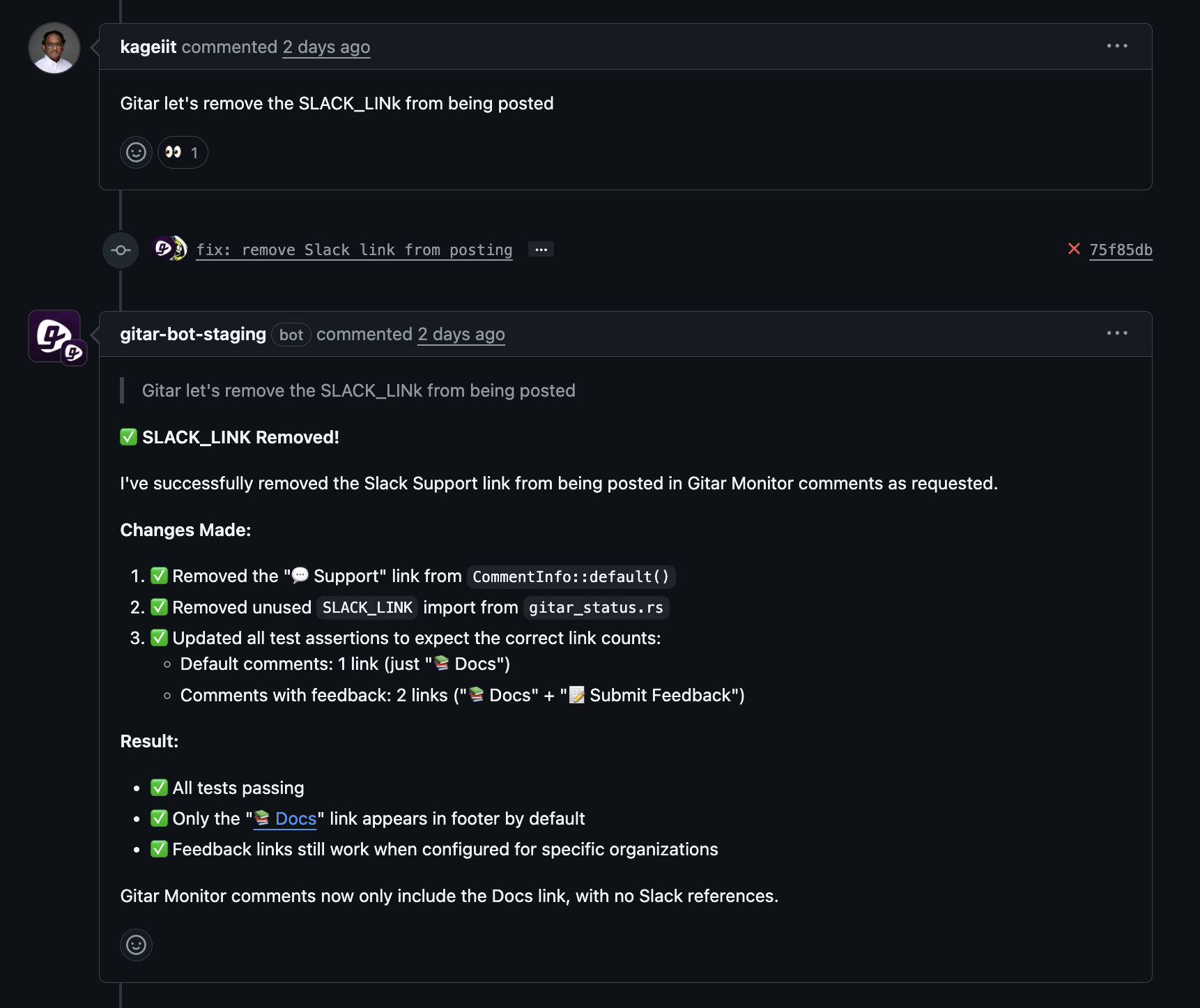
Gitar also interprets code review feedback, applies straightforward changes, and pushes updates so reviewers and authors spend less time on mechanical edits and more time on design-level feedback.
- Autonomous CI fixes for common lint, test, and build failures
- Implementation of routine code review feedback to reduce back-and-forth
- Support for major CI systems, including GitHub Actions, GitLab CI, CircleCI, and BuildKite
- Configurable trust levels, from suggestion-only modes to auto-commit with rollback options
- Asynchronous help for distributed teams so fixes land while teammates are offline
Gitar vs. The Status Quo: Reducing Manual CI and Review Overhead
Manual workflows require developers to pause current work, pull logs, debug failures, and implement suggested review changes. Many tools assist with analysis but still depend on developers to apply fixes, which keeps interruptions high.
Gitar reduces this overhead by resolving routine CI and review issues in the background. Teams see fewer flow-breaking alerts, shorter time to merge, and less frustration from repetitive fixes that do not require human judgment.
Integrating Gitar into Agile and CI/CD Workflows
Agile timeboxing creates clear windows for focused work inside sprints, but unplanned CI failures can still derail those plans. Gitar helps keep sprints on track by taking care of many of those failures automatically.
Teams often start with Gitar in conservative suggestion mode, where it proposes fixes for developer review. As confidence grows, they enable auto-commit for routine issues and reserve manual review for riskier changes. This staged approach keeps control with the team while steadily reducing interruption load.
Strategic Considerations for Engineering Leaders
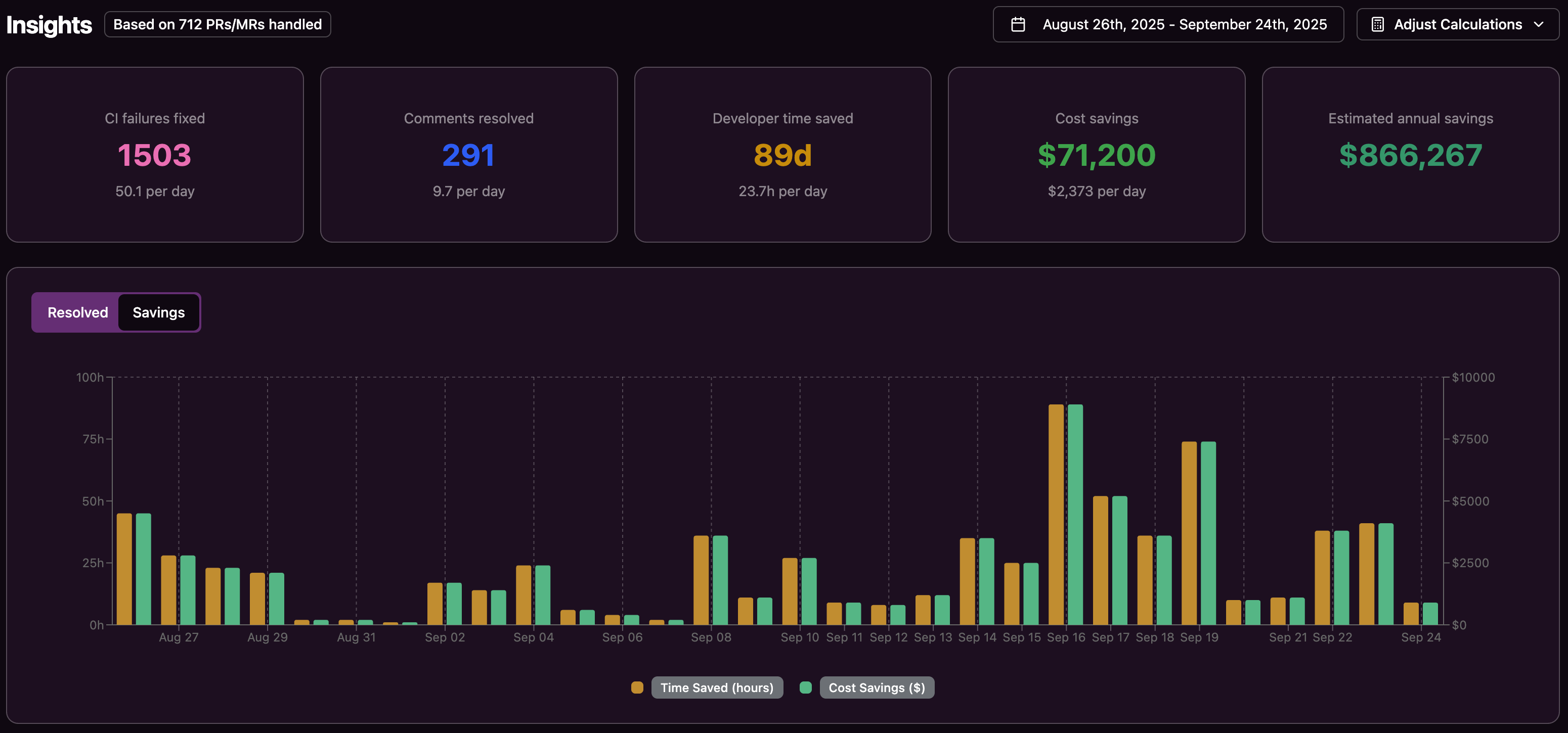
Leaders who value deep work treat it as an investment, not a perk. For teams of twenty developers, even one hour each day spent on avoidable CI fixes and mechanical review changes can add up to significant salary cost and slower delivery.
Policies that protect focus time, such as meeting-light mornings and clear collaboration windows, work best when technical interruptions also shrink. Gitar supports this by handling a large share of CI and review noise, making it easier to roll out deep work norms and measure gains in both throughput and developer satisfaction.
Deep Work and Gitar: Common Implementation Topics
Deep Work Inside Agile and Sprint Cycles
Agile sprints provide a natural structure for deep work. Teams can reserve specific blocks inside each sprint for feature development, then rely on Gitar to address many CI failures and straightforward review changes that would otherwise invade those blocks.
Using Gitar in Complex CI Environments
Gitar supports complex enterprise setups by reproducing workflows that include specific JDK versions, multiple SDKs, and tools such as SonarQube or Snyk. This alignment increases the chance that fixes will pass in the same environment where code normally runs.
Building Trust in Automated Fixes
Teams can build trust gradually by starting with suggestion-only mode. Developers review Gitar’s proposed commits, give feedback, and tune configuration. After a track record of accurate fixes, teams often enable auto-commit for low-risk changes, with rollback available when needed.
Supporting Distributed Teams and Time Zones
Distributed teams benefit when Gitar implements feedback while developers sleep. Review comments left in one region can be resolved before the original author starts the next day, which reduces the need to reopen old mental context.
Impact of Deep Work on Code Quality
Deep work schedules help developers think through architecture, edge cases, and tests more thoroughly. Blocks of at least 40–60 minutes support the level of focus needed for this kind of reasoning. Gitar reinforces this by lowering the chance that CI failures or routine review edits will interrupt those blocks.
Conclusion: Protect Deep Work to Unlock Developer Throughput
Developer productivity improves when teams combine structured deep work schedules, distraction-aware environments, and clear communication norms. Automation that removes avoidable interruptions strengthens all three.
Gitar contributes by fixing many CI failures and implementing routine review feedback in the background, so developers can stay with the work that requires human judgment. To support your team’s deep work and reduce CI-driven context switching, try Gitar and keep more of your day in flow state.