
Key Takeaways
- Context switching from constant messages, alerts, and meetings destroys developer deep work and vibe coding, which directly reduces code quality and delivery speed.
- Teams that default to asynchronous communication, clear channel guidelines, and protected focus blocks create more time for high-value design and implementation work.
- Structured rituals, strong documentation, and explicit priority rules reduce noise while keeping essential collaboration and alignment intact.
- Automating routine CI failures and code review changes with tools like Gitar protects flow state by removing a major source of technical interruptions.
- Engineering leaders can install Gitar to automatically fix broken builds and review comments, reduce communication overhead, and keep developers in deep work by visiting Gitar’s setup page.
The Hidden Cost: How Unchecked Communication Erodes Deep Work
Context Switching As A Silent Productivity Drain
Context switching takes an average of 23 minutes to recover from. A single Slack ping about a failing CI build during vibe coding does not just steal a few minutes. It forces the developer to rebuild the mental model behind the feature, tests, and dependencies.
Multiple interruptions across a day turn potential multi-hour focus blocks into short, shallow work segments. Developers ship more patches, fewer cohesive designs, and feel less satisfied with their work.
Strategic And Financial Impact Of Broken Communication
Interruptions from communication channels are a primary factor that reduces developer productivity. Teams lose capacity for complex architecture decisions, thoughtful refactors, and preventative quality work when attention is fragmented.
Eighty-six percent of employees link poor communication to workplace failures and over a quarter report missed deadlines. For a 20 developer team, a daily pattern of CI failures, review pings, and status checks can easily reach hundreds of lost hours per month, which often translates to hundreds of thousands of dollars in opportunity cost each year.
Install Gitar to reduce CI related interruptions and protect more time for deep work.
Optimizing Communication For Flow State
Choosing Between Synchronous And Asynchronous Channels
Teams gain control over deep work when they treat synchronous and asynchronous communication as separate tools with clear rules. Meetings, live chats, and real time reviews demand immediate attention. Docs, tickets, and PR comments can wait for a focus friendly time.
Prioritizing asynchronous communication during core coding hours preserves long, uninterrupted blocks. Synchronous options then focus on urgent production issues or high value collaboration, not routine status updates.
Preventing Communication Overload
High volumes of Slack messages often signal deeper productivity issues. Constant pings train teams to favor fast replies over thoughtful work.
Clear guidelines for when to use chat, issues, email, or meetings reduce noise. Urgent production incidents go to one well defined channel. Non urgent questions move to issues or documentation updates. Status updates become short async check ins instead of long daily calls.
Building A Deep Work First Communication Culture
Protecting Focus Time Blocks
Teams that reserve focus time with no meetings or interruptions give developers predictable windows for deep work. These blocks usually last 2 to 4 hours and align with peak energy times.
Scheduled no communication periods also set a clear boundary for product managers and stakeholders who might otherwise expect instant responses.
Using Documentation To Reduce Ad Hoc Questions
Well maintained documentation reduces repeat questions and onboarding friction. Teams answer common questions once in docs, not many times in chat.
Documentation also limits knowledge silos that create bottlenecks. Developers then unblock themselves during focus blocks instead of waiting for someone to become available.
Designing Lightweight Rituals And Clear Protocols
Regular, structured touchpoints outperform ad hoc check ins. Short standups, focused retros, and defined grooming sessions concentrate collaboration into predictable windows.
Channel conventions that map topics to specific tools keep important work out of noisy general chats. For example:
- Incidents and on call pages in one dedicated channel
- Design discussions in issues or documents
- Code questions in PR comments, not DMs
Automating Disruptions So Developers Stay In Vibe Coding
Why CI And Code Reviews Break Flow
Even strong communication rules cannot remove every interruption. CI failures, flaky tests, and review comments feel urgent because they block merges and releases. Developers often drop current work to fix minor lint errors or formatting changes.
These technical interruptions are predictable and repetitive, which makes them good candidates for automation.
How Gitar Turns Routine Issues Into Background Tasks
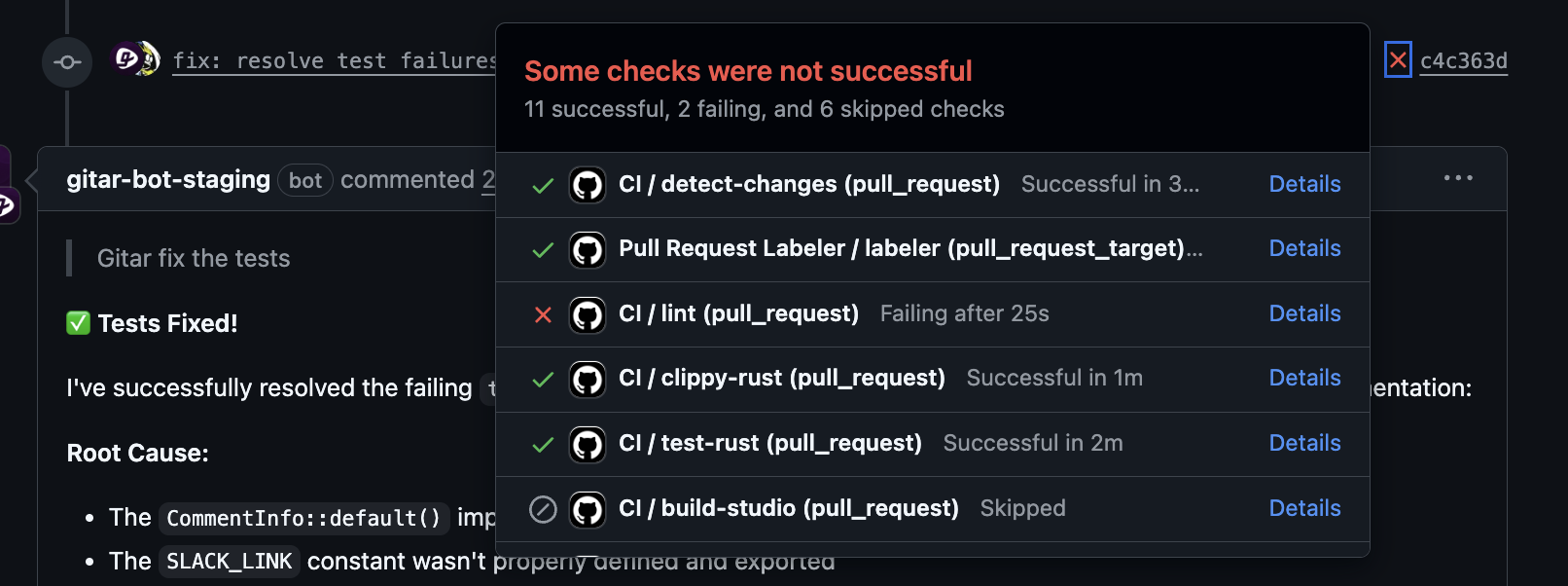
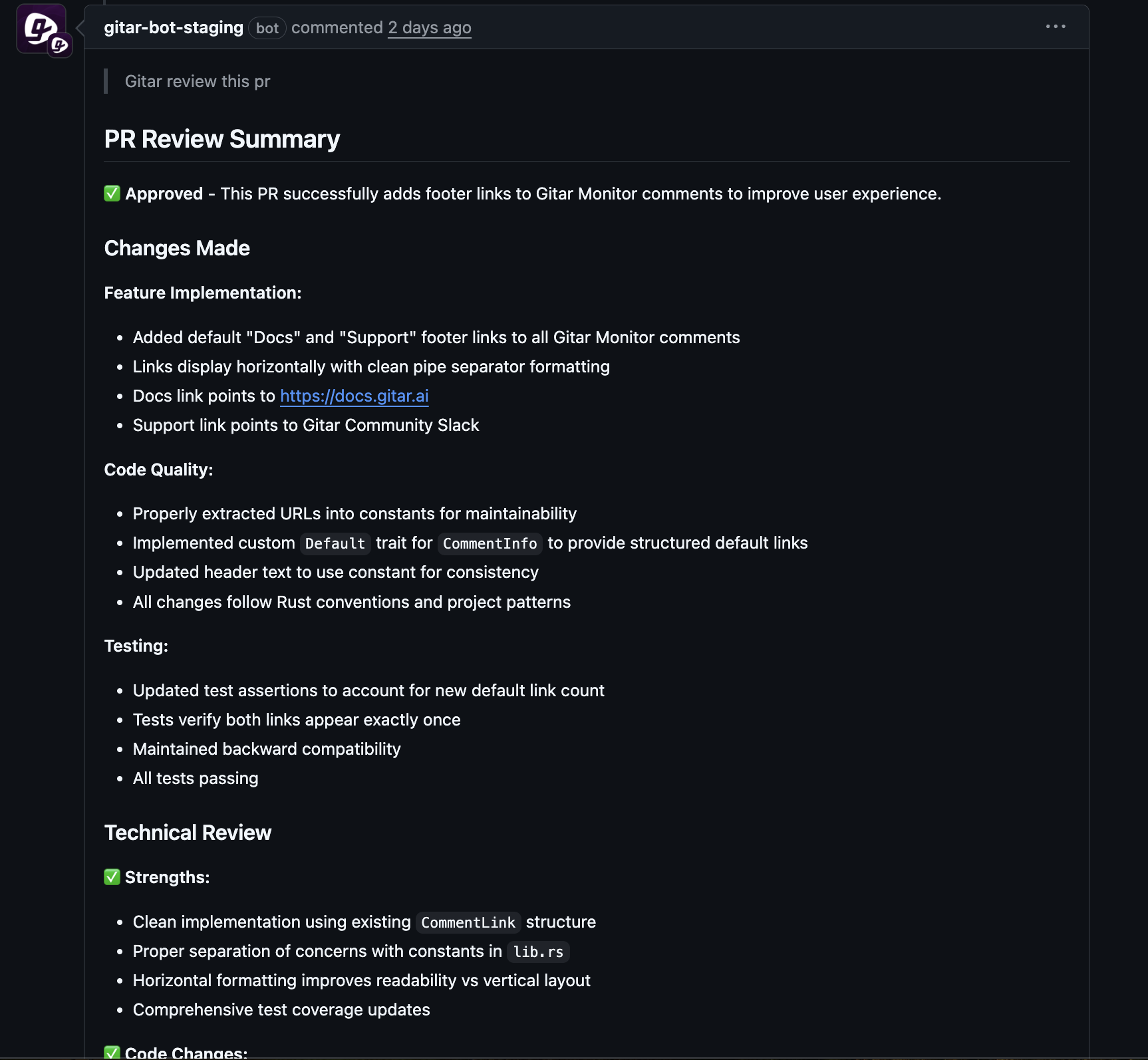
Gitar acts as an autonomous agent that monitors CI runs and review comments on pull or merge requests. When it detects a fixable problem, it analyzes the logs, proposes or applies a change, and updates the PR with an explanation.
- Autonomous CI fixes: lint errors, failing tests, and other common CI issues are diagnosed and fixed automatically, then committed back to the branch with clear messages.
- Automated review comment handling: reviewers can leave comments that instruct Gitar to apply changes, which shortens feedback loops and reduces back and forth.
- Reduced context switching: developers stay on their current task while Gitar handles mechanical steps that would otherwise pull them out of vibe coding.
Teams can add Gitar to existing repositories in a few minutes, without changing their branching model or CI provider.
How Gitar Differs From Other Approaches
|
Approach |
Impact on Deep Work |
CI Failure Handling |
Code Review Handling |
|
Manual or traditional |
Frequent interruptions, context constantly reset |
Developers investigate logs and write fixes |
Back and forth comments and iterations |
|
AI suggestion tools |
Some help, but developers still stop to apply fixes |
Suggest fixes that must be edited and committed |
Explain issues, but humans implement changes |
|
Gitar autonomous fixes |
Fewer interruptions, more preserved flow |
Diagnoses issues and commits fixes directly |
Implements reviewer instructions and updates PRs |
Rolling Out Gitar And Measuring Impact
Starting Conservatively And Building Trust
Teams usually begin with Gitar in suggestion mode. The agent proposes fixes as comments or draft changes, and developers review them before merge. This phase builds confidence in its behavior and accuracy.
After trust grows, teams enable auto commit for selected repositories or types of issues, while keeping rollback options and activity logs for every change.
Estimating ROI For Deep Work Protection
Many teams report at least an hour per developer per day spent on CI noise, small review changes, and related communication. For 20 developers, that can reach about 5,000 hours per year. At a blended cost of 200 dollars per hour, that equals roughly 1 million dollars in time that could move from rework to feature delivery.
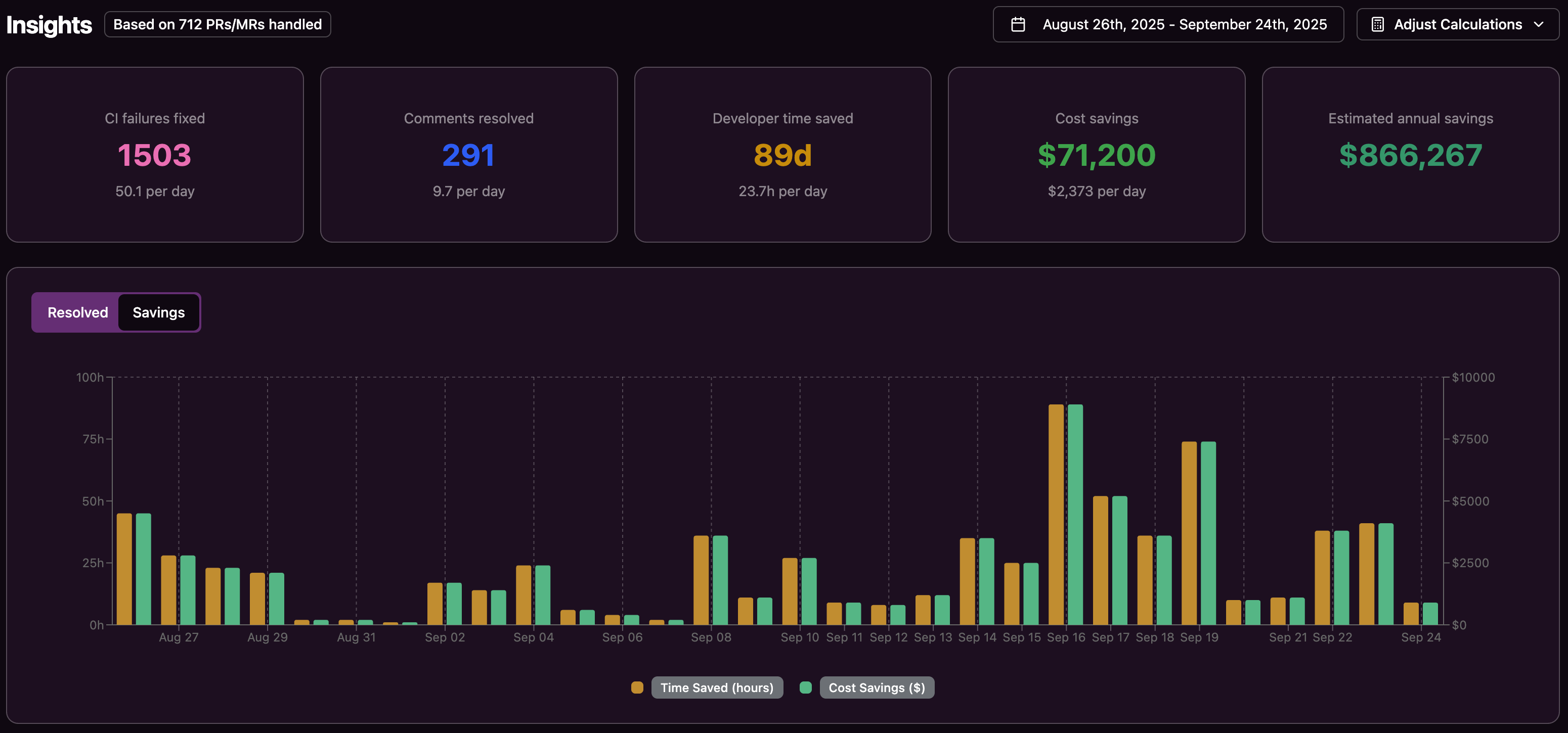
Recovered time also improves morale, since developers spend more hours in meaningful work and fewer on repetitive fixes.
Avoiding Strategic Pitfalls
Poor communication often delays work more than technical blockers, yet many organizations still treat it as a soft issue.
Lack of effective communication and collaboration is a primary roadblock to developer productivity. Automating noisy parts of the workflow with Gitar helps teams reserve human communication for design, tradeoffs, and strategy.
Install Gitar to reduce routine communication overhead and protect deep work at team scale.
Frequently Asked Questions
How does Gitar build trust around automated fixes?
Gitar provides configuration options that let teams control where it can act. Suggestion only mode keeps developers in the loop while they learn how it behaves. Every automated change includes a clear commit message and traceable history, so teams can review, revert, or refine policies at any time.
Can Gitar handle complex enterprise CI environments?
Gitar runs against the same CI workflows and dependencies that production pipelines use. It works with language specific SDKs and tools, and with platforms such as GitHub Actions, GitLab CI, CircleCI, and Buildkite. That context lets it generate fixes that match real environments instead of generic suggestions.
How does Gitar fit into existing tools and communication workflows?
Gitar connects to GitHub and GitLab and surfaces its activity through PR comments and status updates. Teams keep their existing branching strategies, review practices, and incident channels while Gitar reduces the volume of small CI and review tasks that generate disruptive pings.
Conclusion: Make Deep Work The Default With Clear Boundaries
Engineering leaders who design strong communication boundaries create space for deep work, vibe coding, and higher quality output. As AI speeds up code creation, attention becomes the scarce resource that determines team performance.
Gitar helps protect that attention by turning CI failures and routine review comments into background tasks instead of urgent interruptions. Teams that combine thoughtful communication practices with autonomous tooling ship faster, improve code quality, and give developers more time for the work that matters most.