
Key Takeaways
- Developer flow state combines focused attention, reduced mental noise, and a balance between creative idea generation and task control, which supports complex problem-solving.
- Flow becomes more likely when task difficulty matches skill level, feedback arrives quickly, and the work environment reduces distractions and cognitive friction.
- Interruptions from CI failures, code review delays, and context switching are major threats to deep work, so teams benefit from explicit routines and automation that protect focus.
- Engineering leaders can measure the impact of flow-focused practices through context switch frequency, CI resolution time, code review cycle time, and developer satisfaction.
- Teams that want to protect developer flow at scale can use tools like Gitar to automatically fix broken builds and keep engineers in deep work.
The Neuroscience of Developer Flow State
Developer flow rests on how the brain manages attention. Flow involves an optimal balance between the default-mode network, which supports creative generation, and the executive control network, which directs tasks. In this state, action and awareness feel tightly merged.
Brain activity also shifts during flow. Electrical patterns move from fast beta waves toward slower alpha and theta waves, which signal reduced internal chatter and greater neural synchronization. For developers, this often feels like clean mental focus and easier reasoning about complex systems.
The business impact goes beyond performance. Flow correlates with both higher productivity and greater happiness while lowering burnout risk, which makes it a practical target for engineering leaders.
Understanding Flow State Prerequisites for Developers
Developers enter flow more easily when task difficulty and skill level match. Flow is most likely when both challenge and ability are high and in balance. Work that is too easy creates boredom, while work that is too hard creates anxiety and stalls progress.
Feedback timing shapes flow as much as task selection. Delays longer than about 2.5 seconds in feedback can undermine flow-related learning and information integration. For developers, stretched CI pipelines and slow code reviews translate into long gaps between action and response, which raises the chance of context switches.
Teams can also tune the environment. Lighting, music, and visual design can be set up to support focus and create repeatable flow-friendly conditions. This type of system-level design complements personal rituals like playlists or coffee routines.
Traditional Flow Entry Rituals and Their Limitations
Most engineers already use small rituals to enter flow, such as specific music, caffeine, and a consistent workspace. These habits can help start a deep work session, yet they rarely protect it once work begins.
Modern workflows add continuous sources of interruption. CI failures, instant messages, calendar invites, and scattered review comments often break concentration, even when developers invested time to set up a focused session. Tools that raise quality and speed can still erode deep work if they create frequent, fragmented alerts.
Distributed teams experience this even more. A developer in one region may start a focused block just as review comments or questions from another timezone arrive, which forces reactive context switching and reduces the value of any pre-work ritual.
The Context Switching Tax
Context switching damages flow because the brain must rebuild deep focus. Flow involves a shift from explicit, effortful control to more automatic, implicit processing, where self-referential thoughts stay quiet. Each interruption that demands a different mental model, such as moving from debugging a service to triaging a CI failure, resets that process.
Frequent resets shorten deep work windows, reduce code quality, and increase fatigue. Teams that want stable flow need routines and systems that keep developers on a single track for longer stretches.
Advanced Flow State Routines for Engineering Teams
Engineering organizations can move beyond personal habits by setting team-wide practices that encourage shared focus. Teams reach flow more easily when individuals work in flow together and show similar neural patterns.
Helpful team routines include:
- Synchronized deep work blocks where meetings pause, notifications stay minimal, and everyone focuses on heads-down tasks.
- Automated feedback loops that provide fast, accurate responses on tests, style checks, and simple review items, using AI and behavioral feedback patterns to make performance more repeatable.
- Shared environmental norms for both office and remote work, such as quiet hours, preferred channels for urgent issues, and clear expectations on response times.
The AI-Driven Flow Protection Framework
Autonomous systems now play a central role in defending flow. Traditional workflows require developers to stop what they are doing to handle every CI failure, flaky test, or minor review request. Each stop-start cycle pulls attention away from complex design or debugging.
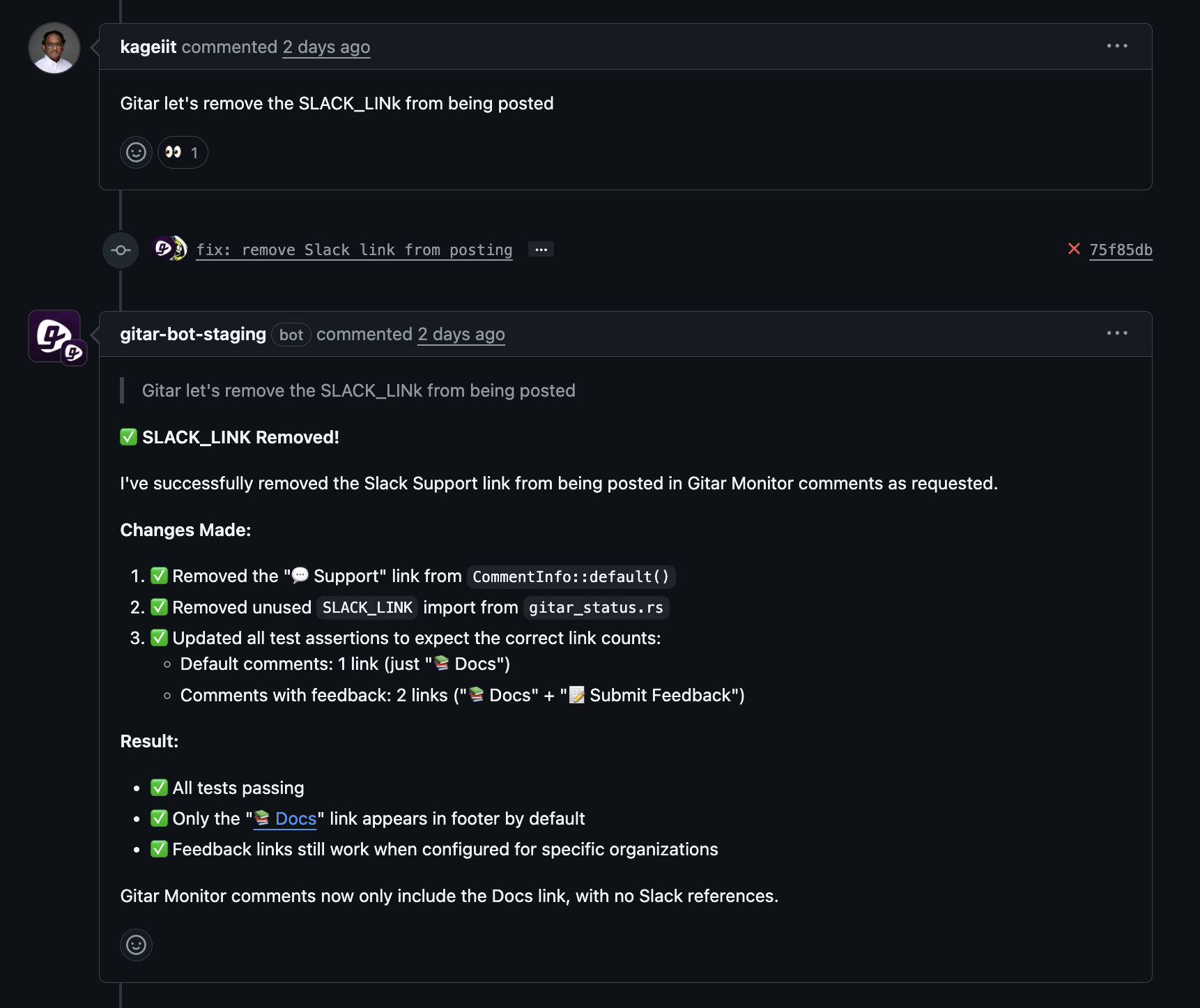
AI-driven tools can absorb many of these interruptions. When a pipeline fails for linting, simple test breakages, or dependency issues, agents can analyze logs, propose fixes, and commit changes without the original author leaving the current task. This shortens feedback cycles while keeping attention anchored.
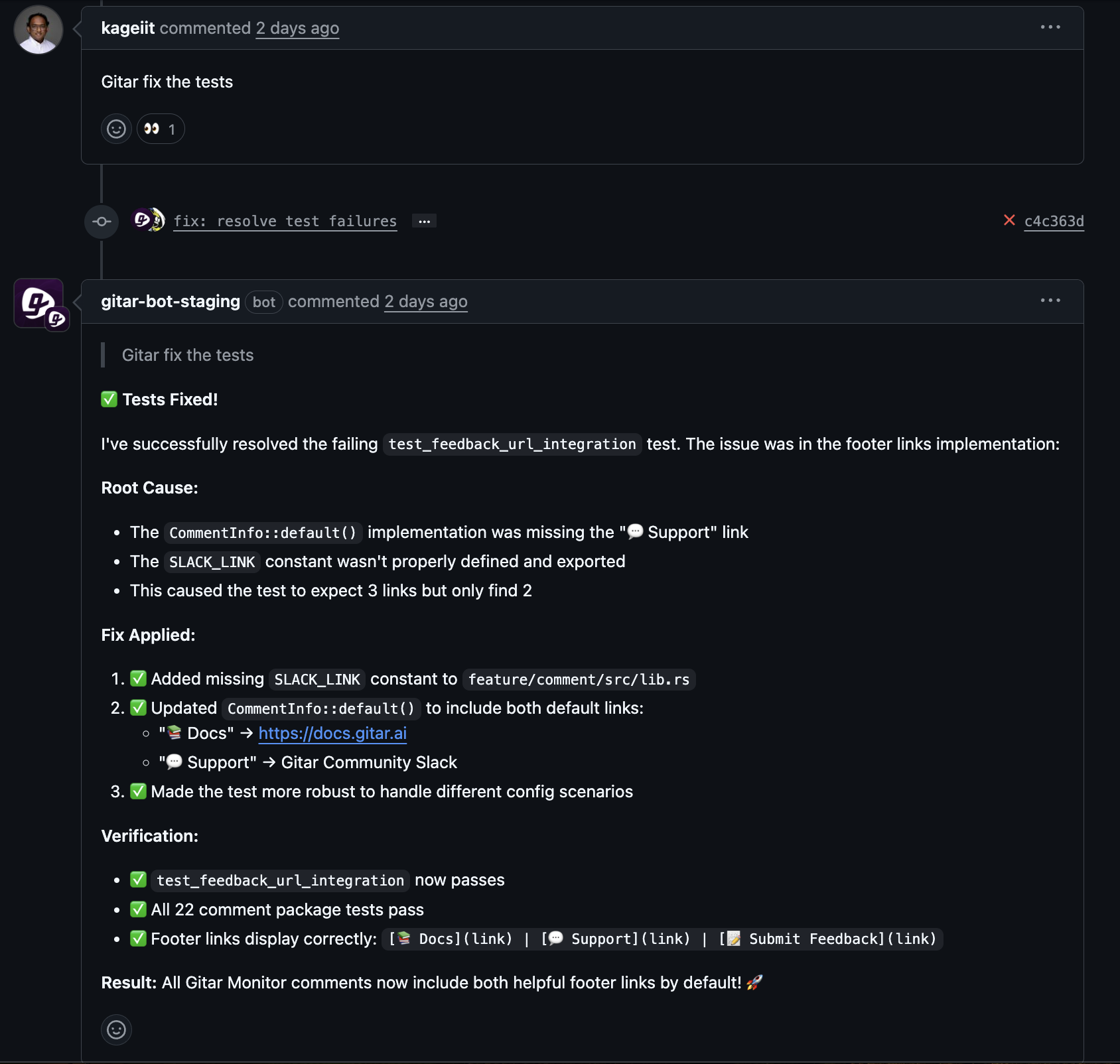
Similar agents can implement straightforward code review suggestions, such as renaming variables, extracting helpers, or removing unused code. Reviewers still control intent and standards, but developers spend more time on architecture and problem-solving instead of mechanical edits.
Teams that adopt this framework reduce manual toil and increase the share of time spent in sustained deep work.
Implementation Strategy for Flow-Optimized Development
Teams that want consistent flow benefit from a structured rollout rather than ad hoc changes. Individual differences still matter, yet a shared framework gives everyone a starting point.
Phase 1 focuses on individual assessment. Flow patterns vary by person, task type, mood, stress, and even nutrition. Developers can track when focus feels strongest, which tasks support that state, and which interruptions hurt the most.
Phase 2 targets interruption elimination. Teams add automation for CI fixes, basic review tasks, and small refactors, and they refine alerting rules so only time-sensitive issues break into deep work.
Phase 3 aligns team schedules. Shared deep work blocks, clear communication norms, and consistent use of automation help the group reach longer, synchronized focus periods.
Measuring Flow State ROI in Development Teams
Leaders need clear signals that flow-focused changes work. Flow heightens neuroplasticity, which supports faster learning and more durable skills, so improvements compound over time.
Useful metrics include context switch frequency, CI resolution time, code review cycle time, and developer sentiment. A simple comparison between traditional and flow-optimized practices might look like this:
|
Metric |
Traditional Approach |
Flow-Optimized Approach |
Impact |
|
Context Switch Frequency |
8-12 per day |
2-4 per day |
Up to 3x longer deep work periods |
|
Time to CI Resolution |
30-60 minutes |
2-5 minutes |
Large reduction in flow disruption |
|
Code Review Cycle Time |
24-48 hours |
2-4 hours |
Faster feedback loops |
|
Developer Satisfaction |
Variable |
Consistently higher |
Lower burnout risk |
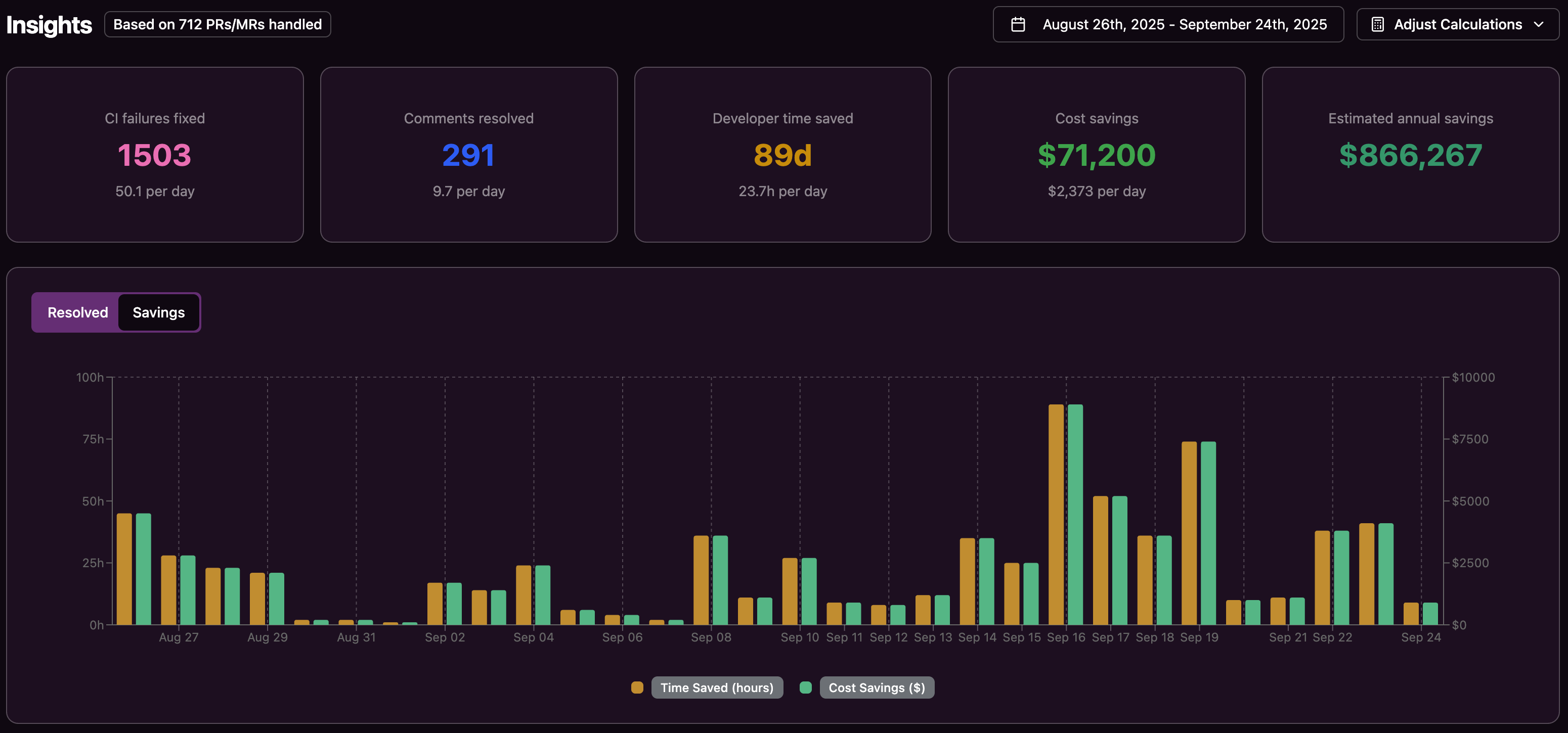
On a 20-person team, reducing context switches alone can return hundreds of productive hours each year, while also making work feel less fragmented.
Strategic Considerations for Engineering Leadership
Engineering leaders decide whether to build internal tooling or adopt specialized platforms for flow protection. Internal builds offer tight customization but require ongoing investment. Purpose-built tools provide faster deployment and shift maintenance effort to vendors.
Feedback speed should guide these decisions. Flow-friendly learning depends on near-immediate feedback, so any solution must respond quickly to CI failures and simple review tasks.
Teams that want to protect flow without building a large internal system can install Gitar to automatically fix broken builds and keep developers focused on high-value work.
Frequently Asked Questions
How long does it take to establish effective flow state entry rituals?
Most developers can identify useful personal rituals within a few days of tracking their work. Stable habits and measurable improvement in focus usually take 2 to 4 weeks. Team-level practices, such as synchronized deep work blocks and CI automation, often show clearer impact within 6 to 8 weeks, once new routines become normal and interruptions decline.
How can teams tell whether flow routines are improving productivity?
Teams can monitor three main signals: fewer daily context switches, shorter time to resolve CI and review issues, and longer uninterrupted coding sessions. Simple dashboards or lightweight tracking can show whether developers spend more time on creative problem-solving versus repetitive maintenance. Qualitative check-ins on stress and satisfaction provide an additional view of whether flow feels easier to reach and maintain.
Can AI automation support flow without removing developer control?
AI can support flow by handling predictable, low-creativity tasks while leaving design and problem-solving decisions to engineers. Configurable tools that suggest changes, run fixes, and apply agreed-upon patterns keep developers in control of direction and standards. The result is less time on repetitive work and more time in deep, meaningful coding sessions.