
Written by: Ali-Reza Adl-Tabatabai, Founder and CEO, Gitar
Key Takeaways for Replacing CodeRabbit
-
AI coding tools accelerate development by 55% but create PR review and CI bottlenecks, with 1.7x more issues in AI-generated code.
-
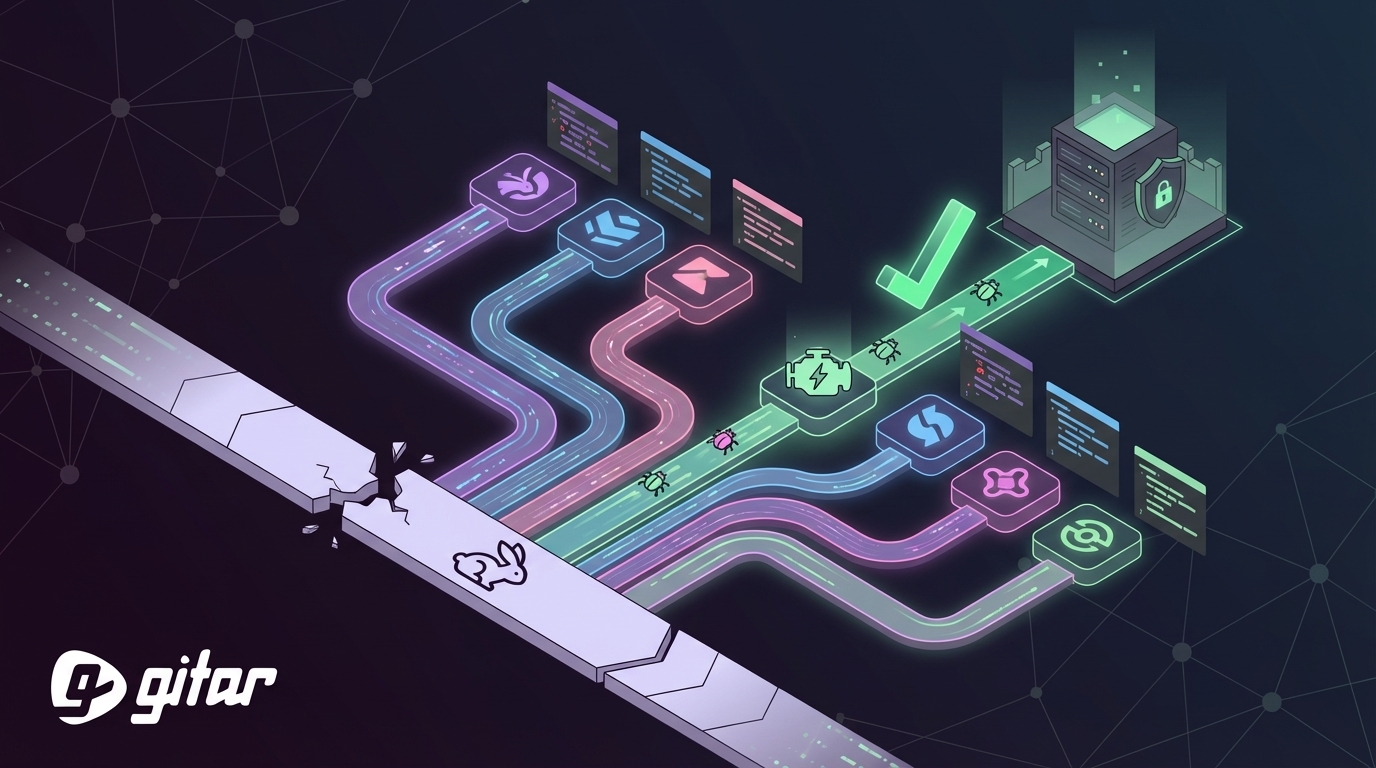
Gitar is the leading CodeRabbit alternative, with a healing engine that auto-fixes CI failures, validates in real environments, and guarantees green builds.
-
Alternatives like Greptile, Qodo, and Snyk provide suggestions or partial fixes but do not deliver end-to-end CI auto-resolution and production deploy automation.
-
Teams save 40%+ on review time with Gitar’s single consolidated comment, natural language rules, and reduced notification noise across GitHub, GitLab, and CircleCI.
-
Start a 14-day Gitar Team Plan trial with unlimited seats at gitar.ai to automate fixes and increase deployment velocity.
The PR Bottleneck Reality with AI-Generated Code
GitHub Copilot generated an average of 199.5 pull requests per week over 11 active weeks (May–June 2025) in the AIDev dataset, with a 68.0% acceptance rate. However, CodeRabbit’s State of AI vs Human Code Generation Report found AI-generated PRs contained ~1.7× more issues overall (10.83 issues per AI PR vs. 6.45 per human PR). Traditional suggestion-based tools charging $15–30 per developer keep fixes manual, which creates delays when 60% of CI failures block production deploys. Given these bottlenecks, teams need tools that reduce both issue volume and the manual fix burden.
How to Evaluate CodeRabbit Alternatives for Production Deploys
Engineering managers should evaluate alternatives based on auto-fix capabilities, CI integration depth, platform support, and production deploy speed. Key criteria include whether tools validate fixes against actual CI environments, provide a single consolidated comment instead of notification spam, and guarantee green builds instead of only suggesting changes. See the Gitar documentation for implementation details and setup guides.
|
Tool |
Auto-Fix CI Fails |
Single Comment |
Production Deploy Speed |
|---|---|---|---|
|
Gitar |
Yes (Validates & Commits) |
Yes |
Guaranteed Green |
|
CodeRabbit |
No |
No |
Manual |
|
Greptile |
No |
No |
Manual |
|
Qodo |
Partial |
No |
Variable |
The table above shows how healing engines differ from suggestion-based tools. Only platforms that validate and commit fixes can guarantee green builds and remove manual implementation cycles.
Start your Gitar trial for AI code review and production deploys.
Top 7 CodeRabbit Alternatives for 2026
1. Gitar – Healing Engine for Guaranteed Green Builds
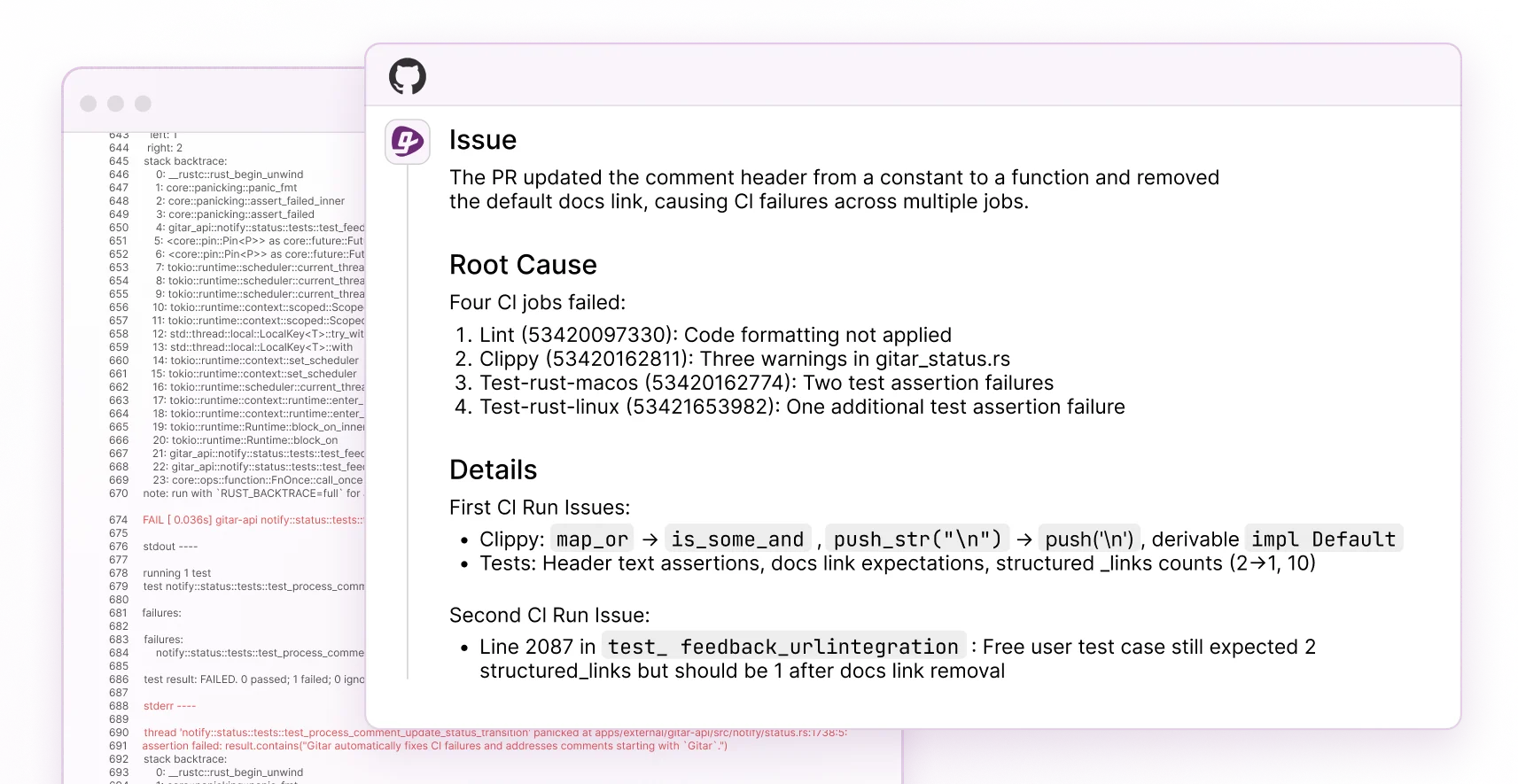
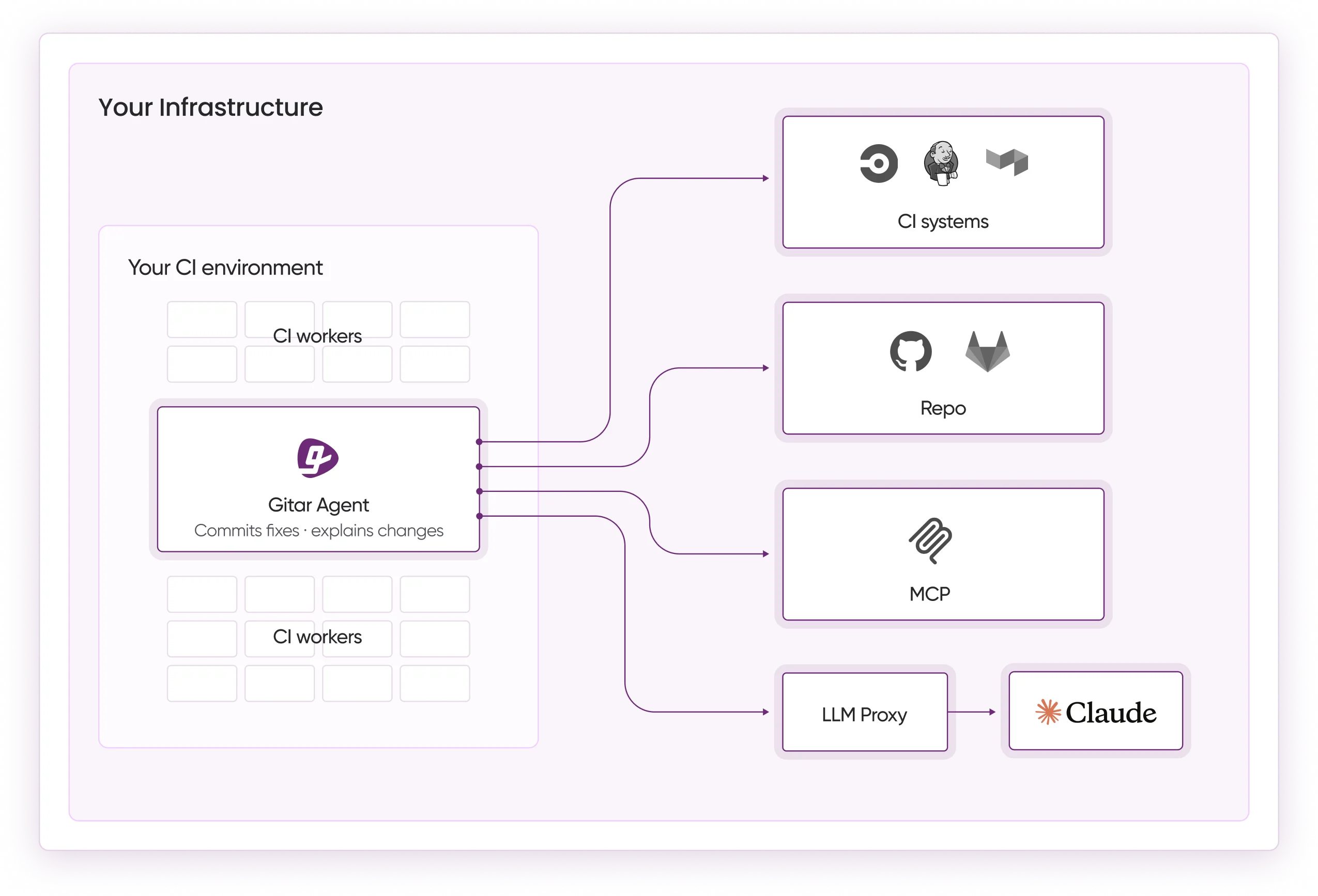
Gitar stands apart as a platform that fixes code instead of only suggesting improvements. Gitar’s CI agent maintains full context from the moment a pull request opens until it merges, works continuously in the background to keep CI green, finds root causes of failures, fixes them, and verifies results inside the team’s own CI environment. See the Gitar documentation for setup guides.
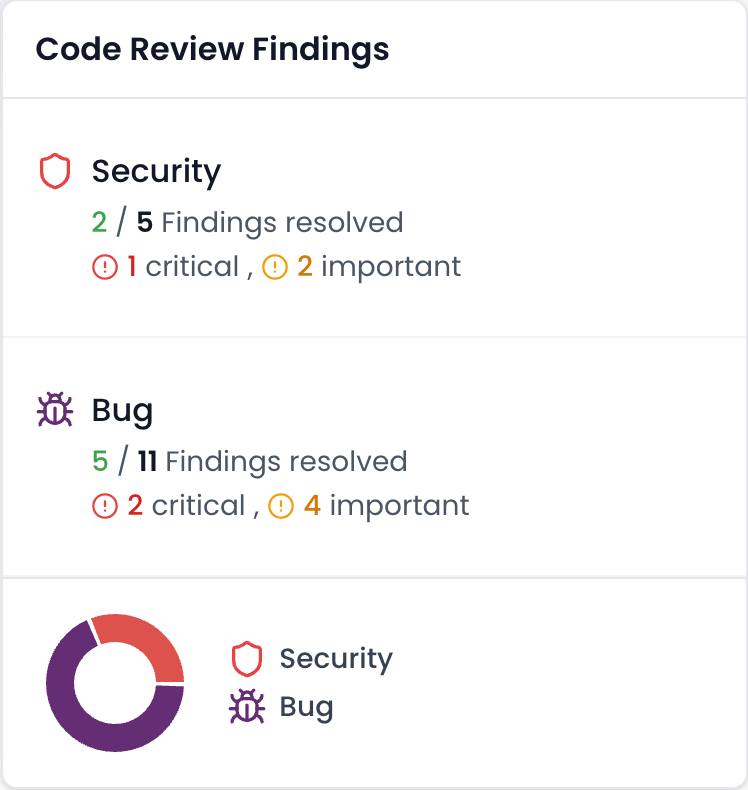
The healing engine automatically analyzes CI failure logs, generates validated fixes, and commits them directly to PRs. Gitar.ai enabled configurable PR merge blocking based on code review verdict severity on January 29, 2026, with thresholds from Approved to Blocked in Code Review Settings. This combination of automated fixes and quality gates means Gitar validates fixes against your actual CI environment before committing, unlike suggestion engines that leave validation to developers.
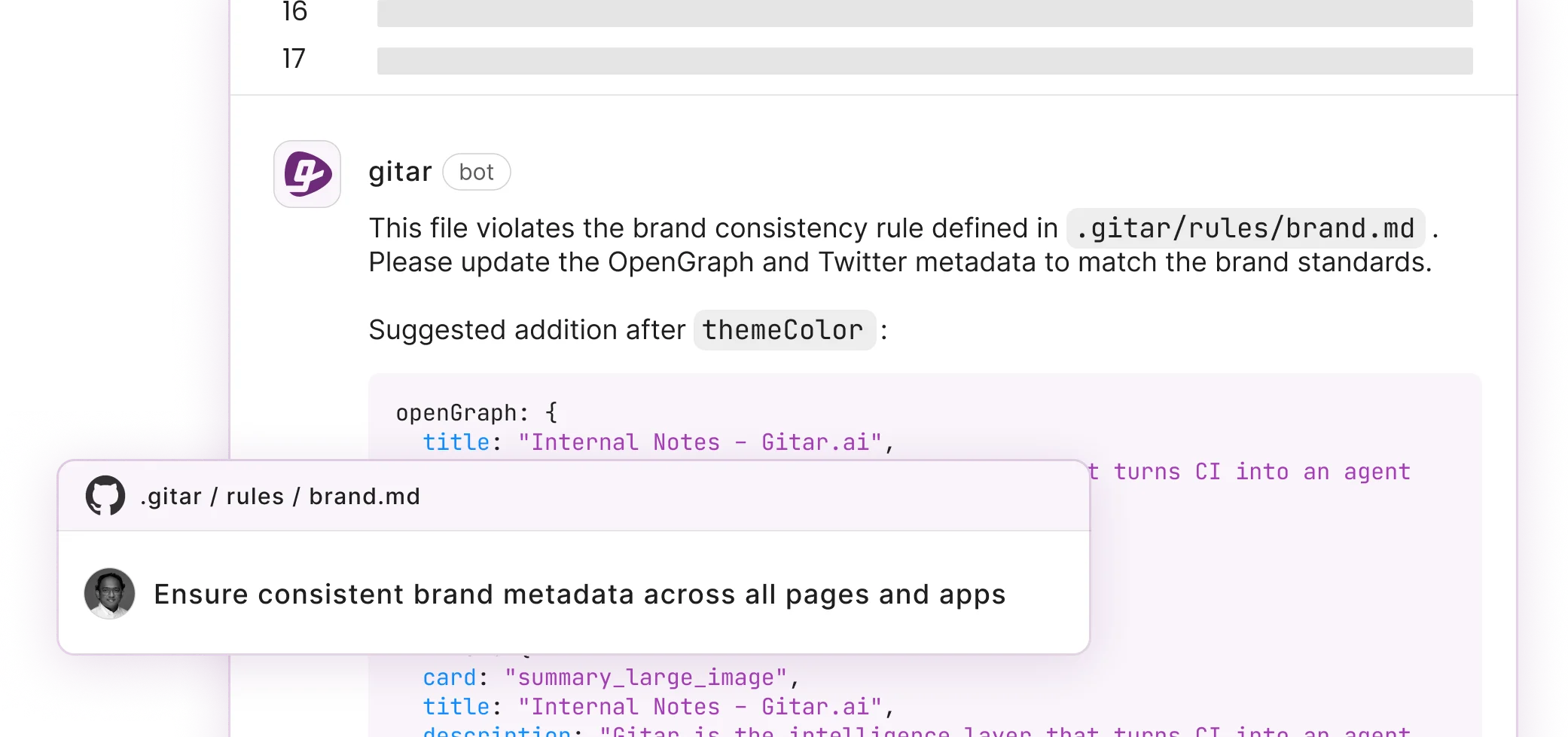
Key features include natural language repository rules, the consolidated dashboard comment mentioned earlier, and comprehensive analytics. The 14-day trial provides full Team Plan access with no seat limits so teams can measure ROI before committing. Gitar works well for engineering managers, senior developers, and DevOps teams handling high PR volumes across GitHub, GitLab, and CircleCI.
2. Greptile – Codebase Context Understanding
Greptile integrates with GitHub and focuses on codebase-wide context understanding for explaining complex code changes and identifying architectural impacts. It helps reviewers understand intent and broader effects of changes. However, it lacks auto-fix capabilities and requires manual implementation of suggestions. Pricing starts at $30 per developer monthly.
3. Qodo Merge – Enterprise-Scale Review Coverage
Qodo Merge supports GitHub, GitLab, Bitbucket, VS Code, JetBrains IDEs, and CLI, providing enterprise-scale code review with multi-repo cross-dependency analysis across 10 to 1000 repositories. This broad platform support extends into the development workflow itself. Qodo offers IDE plugins for VS Code and JetBrains IDEs that flag issues before PR creation, plus CLI plugins to build custom agentic review agents and automate quality workflows. Auto-fix capabilities remain limited compared to healing engines.
Install Gitar now for automatic CI fixes and faster production deploys
4. CodeAnt – Security-Focused Analysis
CodeAnt focuses on security-oriented code analysis with GitHub integration. It offers vulnerability detection and compliance checking for regulated environments. However, it does not provide CI auto-fix capabilities and still requires manual implementation of security recommendations.
5. Cursor Bugbot – IDE-Integrated Review and Autofix
Cursor Bugbot provides automatic PR reviews running in the background on every pull request update, intent-aware analysis that understands code purpose to detect logic bugs, security vulnerabilities, and edge cases before production, plus one-click fixes via “Fix in Cursor” and “Fix in Web” buttons. Cursor Bugbot’s Autofix feature uses Background Agents to automatically resolve issues found during code reviews, with Cursor claiming that teams save 40% of time spent on code reviews. Pricing sits at $40 per user monthly as an add-on.
6. Snyk Code – Security Vulnerability Detection
Snyk Code provides AI-powered static analysis for security vulnerabilities with real-time scanning, developer explanations, and fix suggestions in IDEs and pull requests, integrating with GitHub, GitLab, and IDEs. Snyk’s Agent Fix generates AI-powered patches for security issues in code that are automatically retested. Snyk works best for security-focused teams but does not offer comprehensive CI failure resolution across all error types.
7. Open Source DIY Solutions – Custom LLM Workflows
Custom LLM integrations using Claude or GPT APIs can provide basic code review capabilities. Teams can script checks, comments, and simple suggestions. However, these approaches require significant engineering effort to build CI integration, fix validation, and deployment automation that commercial healing engines provide out of the box.
Production Deploy Guide: Moving from Review to Live
Gitar streamlines production deploys through automated workflows that connect review and CI. Developers comment @gitar fix to trigger auto-implementation, CI failures get automatically resolved and validated, and natural language rules handle labeling and reviewer assignment. Gitar.ai added CI failure analysis on October 2, 2025, automatically analyzing failures and providing insights in the dashboard comment, updating dynamically with new commits. This approach replaces the manual loops required by suggestion-only tools.
CodeRabbit Alternative Trial and Open Source Tradeoffs
Gitar offers a comprehensive 14-day trial of the Team Plan with full auto-fix capabilities and no seat limits. This trial lets teams measure impact on CI stability and deploy frequency. Open source alternatives lack the healing engine architecture needed for production-grade CI auto-resolution. Developer feedback indicates endless refinement loops with suggestion-based tools, where AI keeps finding new issues on every change, leading to repeated iterations.
Reddit Community Feedback on CodeRabbit Alternatives
Engineering communities consistently report notification fatigue from CodeRabbit’s scattered inline comments. Common App’s team initially set CodeRabbit to “nitpicking mode”, which produced excessive noisy comments and forced settings adjustments for acceptable developer adoption. Gitar’s single updating comment approach addresses this core complaint while also providing actual fixes instead of only suggestions.
Start shipping higher quality software faster with Gitar’s 14-day trial.
FAQ
Best CodeRabbit Alternative for Production Deploy Automation
Gitar provides the most comprehensive alternative with a healing engine that automatically fixes CI failures, validates solutions, and guarantees green builds. The 14-day trial lets teams test auto-fix capabilities across their entire development workflow without upfront costs.
Migrating from CodeRabbit to a Healing Engine Platform
Migration typically involves installing the GitHub or GitLab app and configuring repository rules. Gitar supports major CI systems including GitHub Actions, GitLab CI, CircleCI, and Buildkite. Teams can run both tools in parallel during evaluation periods to compare results.
Expected ROI from Auto-Fix Code Review Tools
For a 20-developer team, Gitar can reduce productivity loss from time spent on CI and review issues. Auto-fixing removes the manual implementation cycles required by suggestion-only tools. This shift directly improves sprint velocity and deployment frequency.
Support for Complex CI Environments and Custom Configurations
Advanced platforms like Gitar emulate full CI environments including specific SDK versions, multi-dependency builds, and third-party integrations. Enterprise deployments can run agents inside existing CI pipelines with access to secrets and caches for maximum compatibility.
Maintaining Code Quality Control with Automated Fixes
Healing engines offer configurable approval modes that range from suggestion-only to full automation for trusted fix types. Teams can start conservatively and gradually enable auto-commit for specific failure categories such as lint errors, test failures, or dependency updates based on confidence levels.
Conclusion and Next Steps for Replacing CodeRabbit
The shift from suggestion engines to healing engines represents the next evolution in AI code review. Teams should prioritize tools that auto-fix CI failures, validate solutions, and guarantee green builds over those that keep fixes manual. Start your 14-day Gitar Team Plan trial to experience the difference between suggestions and actual fixes. For comprehensive documentation and setup guides, visit docs.gitar.ai.