
Software engineers often face a frustrating cycle. You submit a pull request, expecting a smooth process, only to see it fail due to a missing dependency, a flaky test, or a minor style issue flagged by a linter. This forces you to dive into logs, switch back to your local setup, apply a fix, commit, push, and wait for the pipeline to rerun. What could be a quick adjustment often stretches into a major distraction, breaking your focus.
CI/CD pipeline failures create a real productivity drain across the software industry. Developers can spend up to 30% of their time addressing these issues, slowing down projects and increasing costs. Manual fixes and suggestion-only tools no longer meet the demands of today’s complex development environments.
Autonomous CI healing offers a better way. Tools like Gitar go beyond basic automation by detecting, diagnosing, and resolving CI/CD issues independently. This approach turns failing builds into self-correcting processes, keeping developers focused while ensuring consistent code delivery.
Ready to streamline your workflow and minimize CI/CD delays? Install Gitar now to fix broken builds automatically and deliver quality software faster.
Why Traditional CI/CD Methods Slow You Down
The Real Cost of Manual CI/CD Fixes
CI/CD failures do more than just interrupt your work; they create a ripple effect of lost time across entire teams. When a pull request fails, developers must stop their current tasks to troubleshoot and resolve the issue. This constant switching between tasks disrupts focus and deep work.
A small fix that takes 30 minutes can easily consume an hour when you account for the mental effort of refocusing. For a team of 20 developers, spending even one hour daily on CI and code review issues adds up to 5,000 hours per year, roughly $1 million in lost productivity based on average costs.
Distributed teams face even bigger hurdles. A developer in California waiting for feedback from a colleague in Bangalore might see a simple review process drag across days due to time zone differences. Suggestion-based tools only partially help, as they still require manual effort to apply and verify changes.
Why Suggestion-Based Tools Aren’t Enough
Many teams use AI-powered code review tools to improve efficiency, but these often fall short. They point out issues and suggest fixes, yet developers still need to step in, apply the changes, commit them, and wait for the pipeline to validate the solution. There’s no assurance the fix will work in the full CI setup, potentially leading to repeated attempts and more delays.
This process keeps the core problem alive: developers lose time and focus when pulled away from their primary tasks. Suggestion-only tools offer limited relief while failing to address the interruption cost.
Growing Complexity in CI/CD Environments
Modern CI/CD setups are more intricate than ever, with multi-SDK builds and intertwined dependencies posing challenges that basic automation can’t handle well. Enterprise systems, in particular, deal with layers of complexity that expose the gaps in traditional tools.
The Shift to Validation and Integration Bottlenecks
With code generation tools like GitHub Copilot speeding up writing, the challenge has moved to validating and merging code efficiently. More code means more pull requests, tests, and potential failures. CI/CD systems built for slower workflows struggle to keep up, creating a new barrier that only autonomous solutions can break through.
How Gitar Solves CI/CD Issues with Autonomous Healing
What Sets Gitar Apart as a Healing Engine
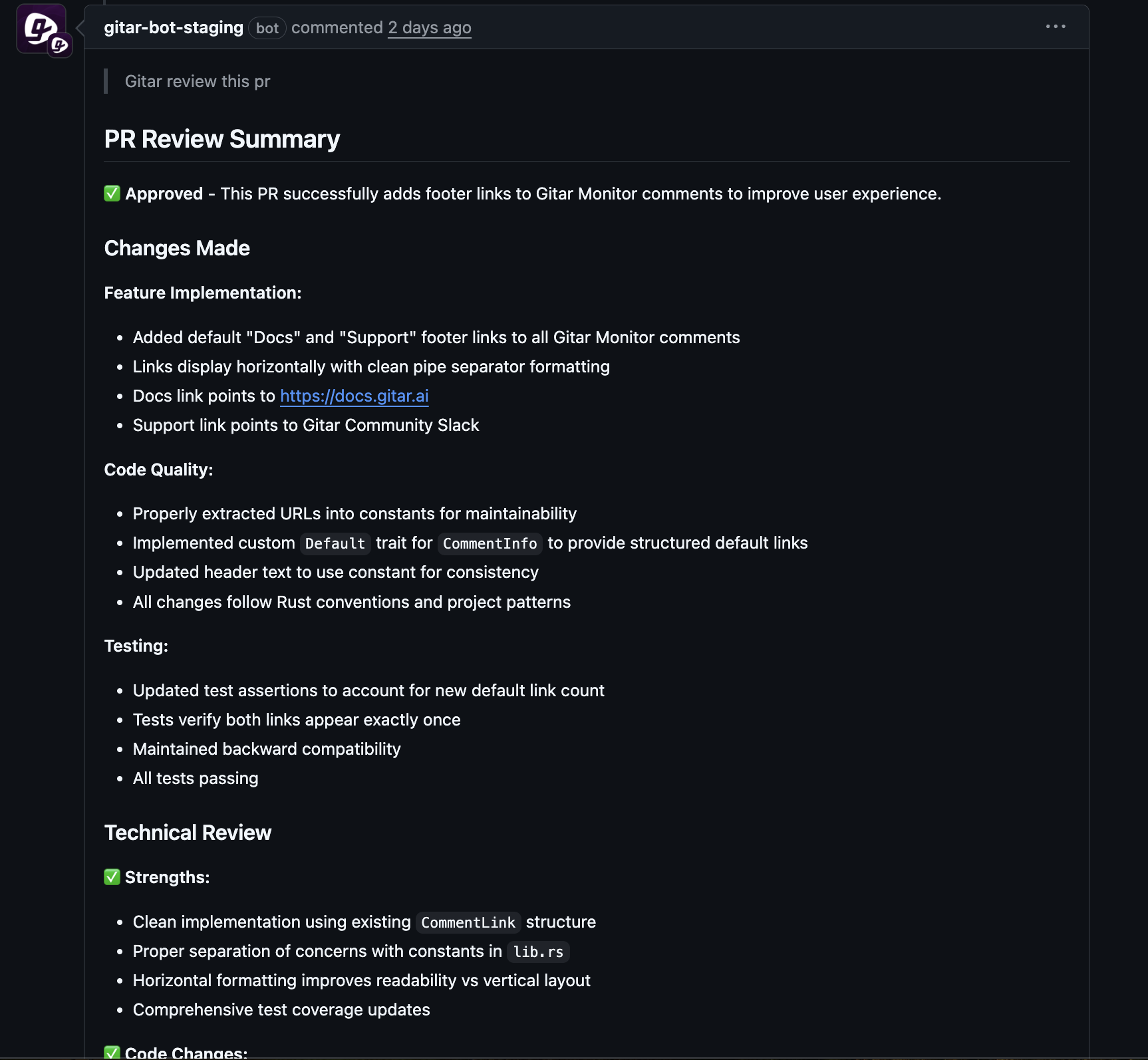
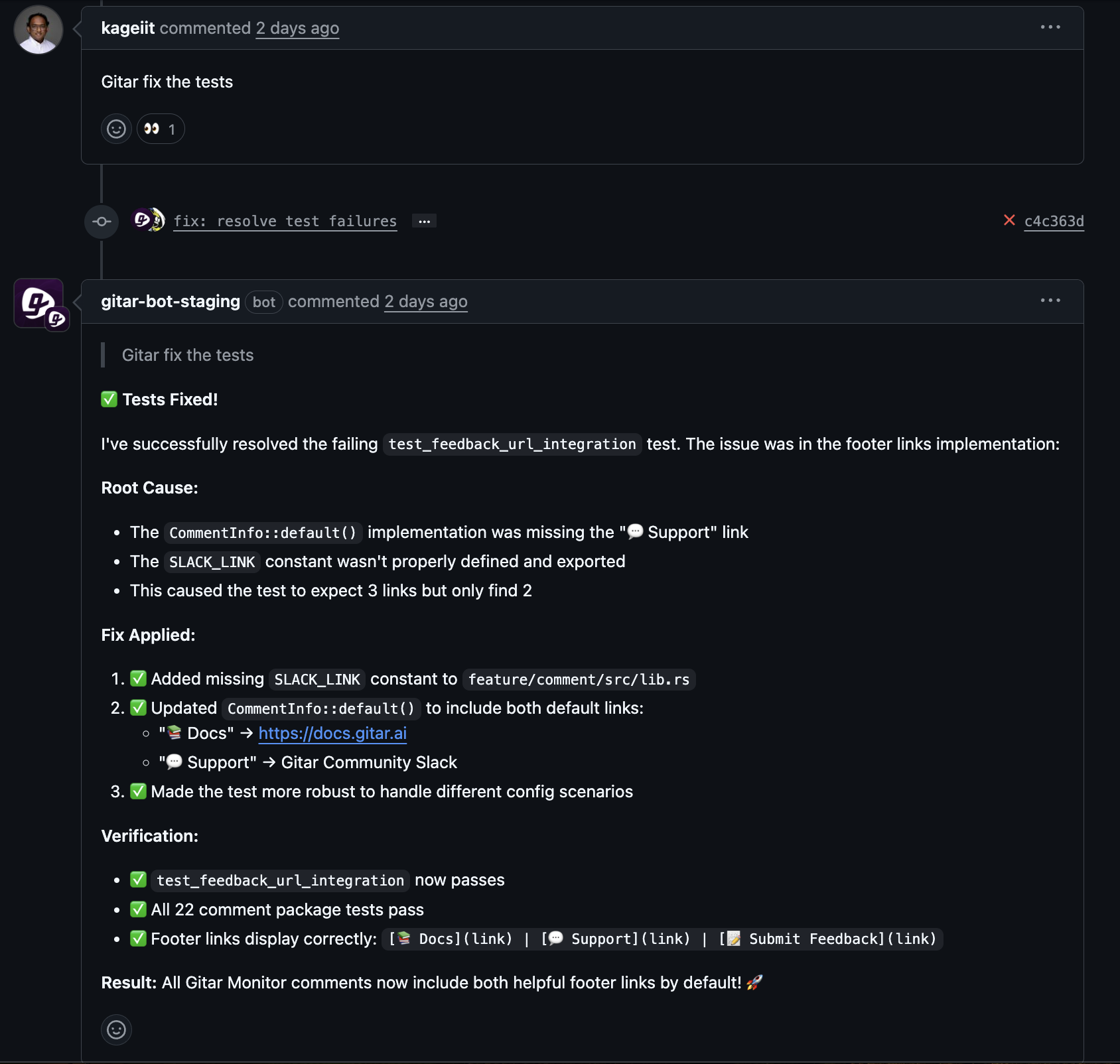
Gitar shifts the game from merely suggesting fixes to fully resolving issues on its own. Unlike standard tools, it doesn’t stop at recommendations. Instead, it applies fixes, tests them in the full CI environment, and ensures builds pass before any human input is needed.
This approach tackles the main productivity drain: constant interruptions from CI failures and code review feedback. Gitar acts as a complete CI agent, turning the fix-retry loop into an independent process. When a build fails or feedback comes in, Gitar steps in to analyze, fix, commit, and validate, saving developers from time-consuming switches.

Core Features for Effective CI Healing
Gitar offers specific capabilities to address CI/CD pain points directly. Here’s what it brings to your workflow:
- Complete Issue Resolution: Gitar doesn’t just suggest fixes. It applies them, validates against all CI checks, and delivers passing builds, removing guesswork and manual effort.
- Accurate Environment Matching: It mirrors complex setups, handling specific JDK versions, multi-SDK dependencies, and third-party scans like SonarQube or Snyk, ensuring fixes fit your exact pipeline.
- Flexible Trust Settings: Teams can start with a cautious approach, approving fixes manually, and move to full automation as confidence grows, with rollback options always available.
- Smart Code Review Handling: Reviewers can leave detailed comments, and Gitar implements changes automatically, a key benefit for teams across time zones.
- Broad Platform Compatibility: Gitar works with GitHub Actions, GitLab CI, CircleCI, BuildKite, and more, fitting into any existing setup without hassle.
How Gitar Compares to Other Solutions
|
Feature |
Gitar (Healing Engine) |
Traditional AI Reviewers |
Manual Work |
|
Issue Resolution |
Automatic fix, commit, and validation |
Suggests fixes for developer to apply |
Developer investigates and fixes |
|
Context Awareness |
Full replication of CI environment |
Limited to basic code suggestions |
Depends on developer’s knowledge |
|
Developer Interruption |
Minimal or none with automatic fixes |
Moderate due to required actions |
High from frequent task switching |
|
CI Validation |
Ensures passing builds |
No validation in CI environment |
Relies on developer iteration |
This table shows the key difference: Gitar takes full responsibility for fixing issues, while other methods leave significant work to developers.
Want to see autonomous CI healing in action? Install Gitar now to fix broken builds automatically and deliver quality software faster.
Key Benefits of Autonomous CI Healing for Your Team
End the Cost of Constant Interruptions
Autonomous CI healing directly cuts down on the time lost to task switching. Developers can submit code and move to the next task without stopping to handle build failures. Gitar manages issues in the background, fixing them often before you’re even aware of a problem.
This shift reduces stress as well. Engineers no longer need to monitor builds or dread fixing minor errors. The result is a better work experience, less frustration, and a stronger focus on creating value.
Handle Complex Environments with Confidence
Enterprise setups often involve tricky dependencies and unique configurations. Gitar adapts to these by replicating your exact CI environment, including specific SDKs and third-party tools. This ensures fixes work correctly, even in legacy or multi-language projects, reducing the risk of new issues from automated changes.
Teams gain trust in automation when fixes consistently match their complex needs. This reliability encourages wider use across projects, amplifying the benefits.
Improve Collaboration for Distributed Teams
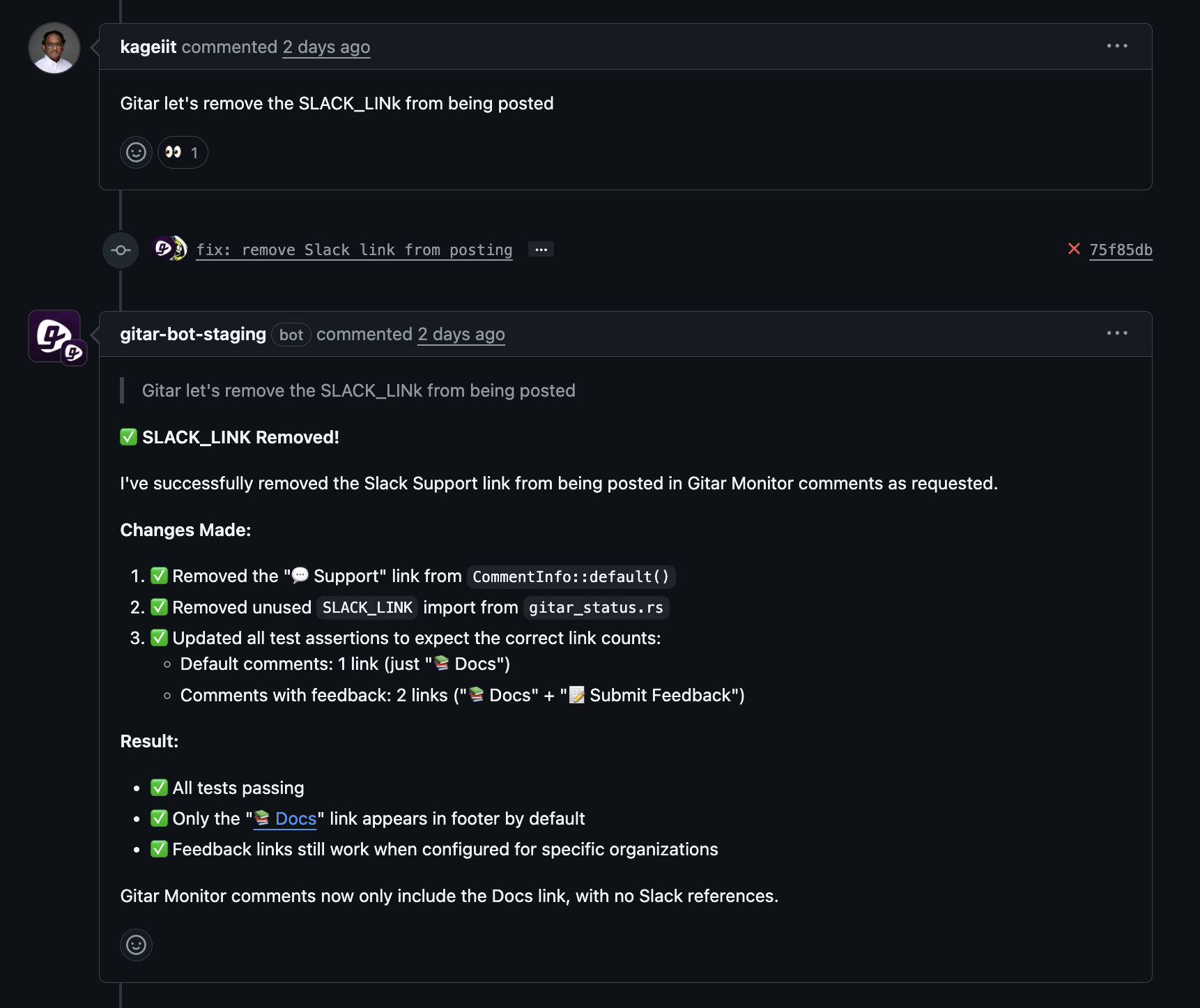
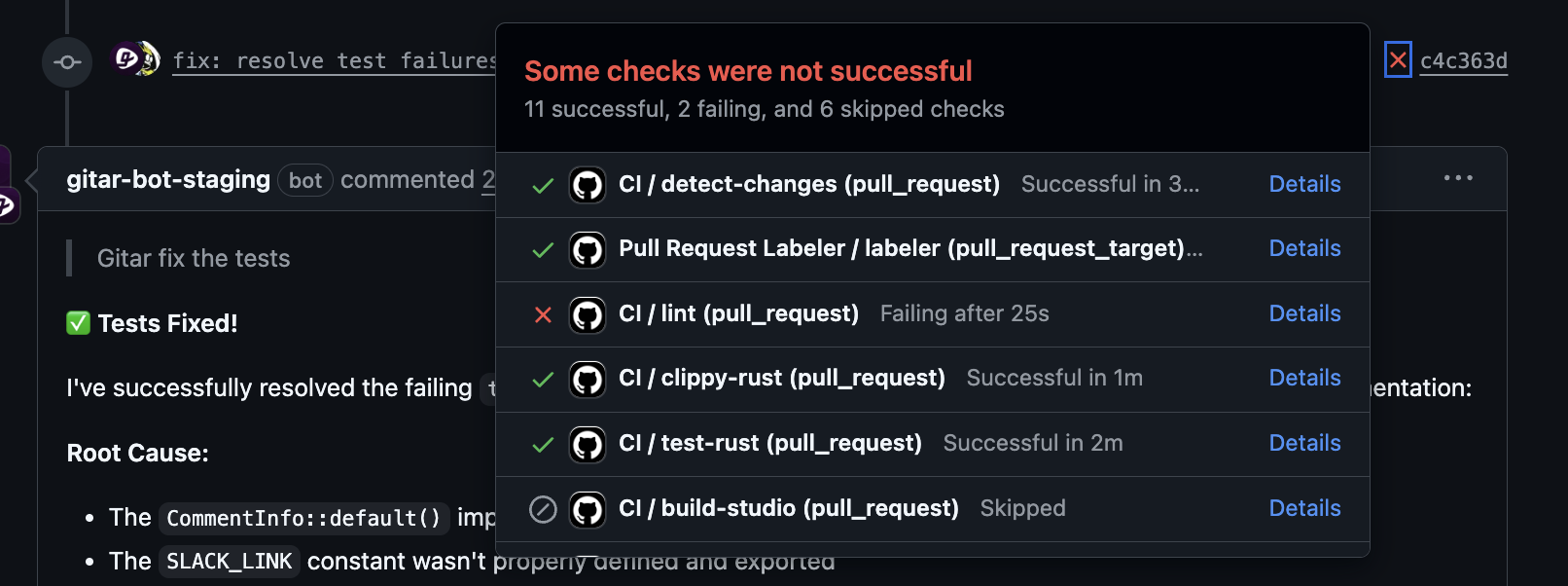
Teams spread across time zones often struggle with delayed code reviews. Gitar helps by acting on reviewer feedback instantly, even if the original developer is offline. A comment left in one region can be addressed overnight, so the PR is ready for approval by the next workday.
This cuts review cycles from days to hours, speeding up delivery without sacrificing quality. It turns a common source of friction into an efficiency gain.
Deliver Measurable Financial Returns
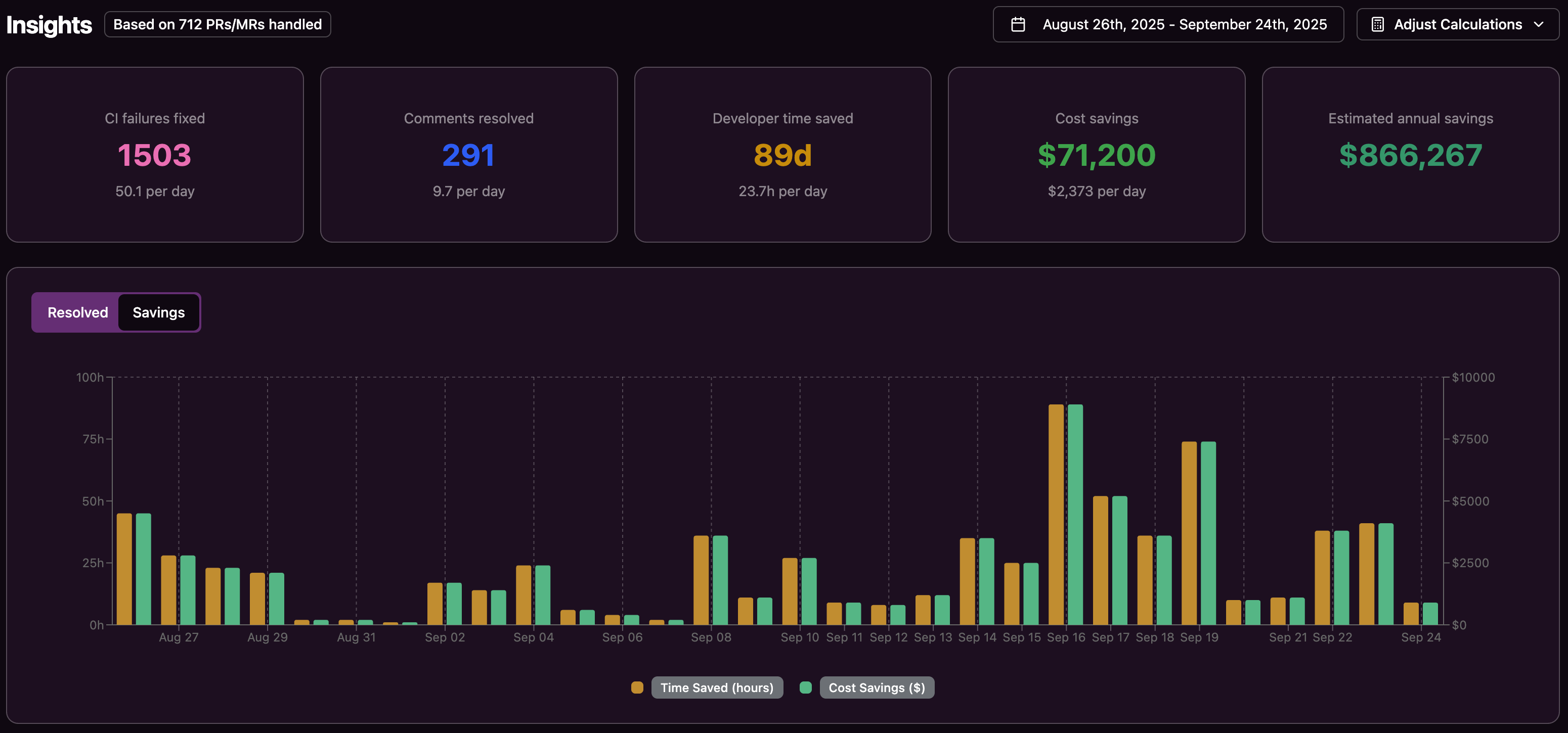
The savings from autonomous CI healing add up quickly. A team of 20 developers spending one hour daily on CI issues loses 5,000 hours yearly, roughly $1 million in costs. Even if Gitar cuts this by half, that’s $500,000 saved, plus benefits like faster feature releases, better code quality, and higher team morale.
Leaders can track clear metrics like reduced time to merge or fewer CI failures to show tangible value. These gains make a strong case for adopting this technology.
Curious about the savings for your team? Install Gitar now to fix broken builds automatically and deliver quality software faster.
Common Questions About Autonomous CI Healing
Can Gitar Handle Our Unique CI Setup?
Yes, Gitar is built for complex enterprise environments. It replicates your specific CI setup, including JDK versions, multi-SDK builds, and tools like SonarQube or Snyk. This ensures fixes match your exact needs, making it a reliable choice for intricate systems.
How Does Gitar Differ from AI Reviewers Like CodeRabbit?
Gitar stands out by fully resolving issues, not just suggesting fixes. Tools like CodeRabbit offer useful insights, but developers must still apply and test changes. Gitar automates the entire process, validates in your CI environment, and ensures builds pass, saving time and focus. It also supports multiple platforms like GitHub Actions and CircleCI for a complete solution.
How Does Gitar Ensure Security with Automated Fixes?
Security is a priority for Gitar. It offers adjustable trust settings, so teams can start with manual approvals for fixes and scale up to full automation as needed. Every change includes detailed commit messages for transparency, and rollback options are always available. Gitar also respects existing security tools and policies to maintain compliance.
What Financial Benefits Can We Expect from Gitar?
Teams often save significant costs with Gitar. For a 20-person team, reducing CI and review time can mean $500,000 to $1 million in annual productivity gains. Additional value comes from faster delivery, higher code quality, lower operational costs, and improved developer satisfaction.
How Does Gitar Fit into Our Current Workflow?
Gitar integrates easily with tools like GitHub, GitLab, and CI platforms such as CircleCI or BuildKite. Setup involves authorizing Gitar on your repositories and adjusting trust levels via a dashboard. It then works quietly in the background, fixing issues and updating via PR comments, without altering how developers operate.
Why Choose Gitar for Your CI/CD Needs
Autonomous CI healing marks the next step in development efficiency, moving past suggestion tools to fully independent issue resolution. Manual fixes and outdated automation can’t keep up with today’s challenges, costing time and focus with every failure.
Gitar changes this by handling CI issues and feedback automatically. It frees developers from tedious debugging and validation, letting them focus on building software. Features like environment replication and flexible trust settings ensure it works in real, complex setups.
For leaders, the benefits are clear: lower costs, faster delivery, and happier teams. Gitar provides a practical way to overcome CI/CD hurdles and stay competitive.
Ready to upgrade your CI/CD process? Install Gitar now to fix broken builds automatically and deliver quality software faster.